Kuelewa Sidebands katika Vibration Analysis

Sidebands ni kilele kidogo cha frequency kinachoibuka katika Wigo wa FFT katika vipindi sawa pande zote mbili za kilele kikubwa katikati inajulikana kama carrier frequency. Kuwepo kwao ni dalili halisi ya modulation — hali ambayo ishara moja inafanywa “kuandika” kwenye nyingine — na nafasi kati ya sidebands sawa na frequency ya ishara inayomodulate. Kwa sababu nafasi hiyo inaelekeza moja kwa moja kwenye kipengele kinachozunguka kinalojibwa, sidebands ni miongezaji yenye nguvu zaidi na dhahiri zaidi katika vibration analysis, hasa kwa gearbox and bearing fault detection.
1. Ni Nini Sidebands: Modulation katika Spectrum
Modulation ni wazo linalojulikana kutoka kwa radio, na utaratibu katika gearbox ni sawa. Tone yenye mzunguko wa juu thabiti (carrier) ina nguvu yake inabadilika kwa pepo ya panga pande pande (modulator); katika spectrum, badiliko hilo halina kuzingira kilele cha carrier — inaliga nishati katika kilele cha satellite symmetric. Carrier yenyewe kawaida ni forced vibration inayotolewa na uendeshaji wa kawaida, huku modulata nchi ni msomeko wa marudio moja kwa kila zamu wa sehemu yenye hitilafu. Kutambua muundo huo ndilo kinachogawanya utambuzi wa kujiamini na mawazo.
2. Jinsi Bandz za Upande Zinavyoundwa
Bandz za upande hutengenezwa wakati ishara ya vibration ya msingi — mzalishi wa njia — amplitude yake inabadilika kwa muda kwa njia ya pili, polepole: modulata. Mfano wa kawaida ni gia yenye hitilafu:
- The Gear Mesh Frequency (GMF) ni mzalishi wa njia. Hii ni frequency ya juu inayotolewa na meshaji ya kawaida ya meno ya gia.
- Jino moja lililokatika kwenye gia hii linatoa athari ya marudio moja kwa kila zamu. Kila wakati lino lenye hitilafu linakuja kwenye meshaji, athari hiyo inabadilisha — inabadilisha amplitude ya — ishara ya GMF.
- The kasi ya uzunguko wa gia ni kwa hiyo frequency inayobadilisha.
Matokeo katika wigo wa FFT ni kilele kikubwa saa GMF (mzalishi wa njia) kinachoambatanishwa na kilele kidogo cha bandz za upande ambacho kinazoea kwa kasi ya uzunguko wa gia. Muundo huu unathibitisha sio tu kwamba hitilafu ipo bali pia ipo kwenye gia hiyo maalum. Uhusiano huo unachukuliwa na fomula rahisi:
Sideband Frequency = Carrier Frequency ± (n × Modulating Frequency), ambapo n = 1, 2, 3 …
Jamii ya kilele hapo juu na chini ya mzalishi wa njia kwa hiyo huunda kambi yenye nafasi sawa, na kuhesabu nafasi hiyo katika hertz — kisha kuibadilisha kuwa rpm — inamwambia mchambuzi kwa usahihi ni shimoni gani linaloambua.
3. Matumizi Muhimu katika Utambuzi wa Mashine
Utambuzi wa Sanduku la Gia
Hii ni matumizi ya msingi kwa uchambuzi wa bandz za upande:
- Bandz za upande karibu na GMF: ikiwa bandz za upande inayoambatana na kasi ya kuendesha ya gia inaonekana karibu na GMF yake, inaonyesha hitilafu kwenye gia hiyo — lino lililokatika, lino lililooza, au eccentricity.
- Bandz za upande karibu na harmoniki za GMF: severe faults will often generate sidebands around the 2× and 3× GMF as well, so the comb pattern repeats around each harmonic.
- Frequency ya Lino Linayozunguka: katika seti tata za gia, bandz maalum za upande zisizohesabika kwa nambari kamili saa frequency ya lino linayozunguka inaweza kuonyesha hitilafu inayotokea tu wakati meno miwili maalum kwenye gia tofauti inakuja kwenye kuwasiliana.
Utambuzi wa Migandamano ya Kubeba Elementi
Sidebands ni muhimu pia kwa kuthibitisha bearing faults, hasa kasoro za safu ya ndani:
- Kasoro kwenye inner race inapokezana na shimoni, na kadri inavyoendelea ndani na nje ya eneo la mzigo wa migandamano amplitude ya athari inayozalisha inaruka na kuanguka.
- Hii inazalisha upanuzi wa amplitude wa mzunguko wa kasoro ya safu ya ndani, BPFI.
- Wigo unaotokana unakabidhi kilele katika BPFI na sidebands meezan katika 1× kasi ya mzunguko wa shimoni. Kuona mfumo huu ni dalili ya juu sana ya uhakika wa kasoro ya safu ya ndani — na ni sababu moja kwa nini uchambuzi wa envelope ni muhimu sana katika kufanya demodulation ya mshantazi hizi.
Utambuzi wa Injini ya Umeme
Matatizo ya paliba la rotor katika injini ya induction ya AC yanaweza kusababisha sidebands kuonekana kuzunguka kilele cha 1× kasi ya uendeshaji. Sidebands hizi meezan katika mzunguko wa kupita kwa pole — the slip frequency wa injini iliyozidishwa na idadi ya pole za injini — na ni saini ya kawaida ya palibu za rotor zilizokamatwa.
4. Mambo Yanayohusiana na Uchambuzi
Kutumia uchambuzi wa sideband kwa ufanisi, data ya juu ya ubora ni muhimu:
- Azimio la juu: FFT ya azimio la juu (kwa mfano mistari 3200 au 6400) inahitajika kuona kilele cha sideband wazi na kupima nafasi yao kwa usahihi. Na azimio la chini sidebands "wamechanganywa" pamoja na kilele cha kubeba. Uhusiano kati ya hesabu ya mstari, span, na azimio unaweza kuangaliwa na kikokotoo cha azimio la FFT.
- Trending: idadi na amplitude ya sidebands ni kiashiria kizuri cha ukali wa hitilafu. Kadri hitilafu inavyoongezeka, sidebands zaidi zinakuja na amplitude yake ikiwa ikubwa, kwa hivyo kuorodha yake wakati wa trend analysis inasukuma kupungua kwa ubora.
- Zoom FFT: the Zoom FFT kazi kwenye analyser inaruhusu mtaalamu kulimaliza kwa kuzama eneo lenye frequency nyembamba kwa azimio juu sana ili kubaini usambazaji wa sidebands.
5. Kusoma Nafasi: Kutoka kwa Mchoro hadi Utambuzi
Nguvu ya utambuzi wa familia ya sideband iko katika hisabati yake. Kwa sababu nafasi ni sawa na frequency inayorekebisha, mtaalamu anaweza kufanya operesheni ya kurudi nyuma kutoka kwa comb hadi sababu: nafasi sawa na 1× shaft speed inaonyesha shafti hiyo; nafasi sawa na pole-pass frequency inayohusiana na slip inaonyesha hali ya umeme ya motor; nafasi isiyo na nambari kamili inaonyesha pairing ya meno inayokhususwa. Kupima gear-mesh frequency na muundo wake unaotakiwa wa sideband mapema — kwa mfano na kalkuli ya gear mesh frequency — inaruhusu mtaalamu kukadiria mahali pa kuangalia kabla ya kufungua wigo.
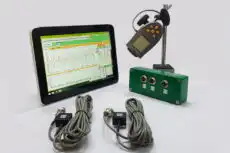
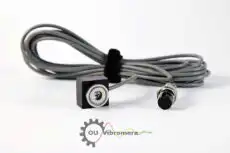
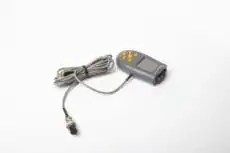
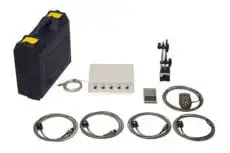
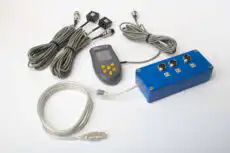
Kwenye shambani mifumo hii inakamata kwa analyser ya wigo inayobeba kutoka kwa mashine hadi mashine. Chombo kama vile Balancet-1A kipima wigo wa vibration kwenye mashine inayozunguka kwa azimio la kutosha kuloza comb ya sideband karibu na gear-mesh au bearing fault frequency, ili engineer akakonfirm utambuzi mahali pa kazi; na wakati sababu kuu inapatikana kuwa rahisi unbalance badala ya kasoro ya meno au race, chombo huanza mara moja field balancing to correct it.
Wakati mtaalamu anapopata mifumo ya sideband iliyoanguka na kulinganisha, kwa nafasi iliyotakiwa, ujumbe wa diagnosis inabadilika kutoka “inaweza kuwa” hadi “yenye uwezekano mkubwa” — ambayo ni sababu kwa nini sidebands zinachukuliwa kama mojawapo ya alama za utambulishaji zinzotaka kufikiwa zaidi kwenye shambani.

