அதிர்வு நோயறிதலில் செப்ஸ்ட்ரம் (cepstrum) பகுப்பாய்வு



செப்ஸ்ட்ரம் பகுப்பாய்வு என்பது காலமுறை அமைப்பை வெளிப்படுத்தும் ஒரு மேம்பட்ட சிக்னல்-செயலாக்க நுட்பமாகும் within ஒரு அதிர்வெண் நிறமாலை. “cepstrum” என்ற பெயர் “spectrum” என்பதன் அனாகிராம் (எழுத்துக்களை மறுவரிசைப்படுத்தியது) ஆகும்; அந்த சொல்விளையாட்டு அதன் இயல்பை சரியாக வெளிப்படுத்துகிறது: இது உண்மையில் “நிறமாலையின் நிறமாலை” ஆகும். இது ஒரு அதிர்வெண் நிறமாலையின் மடக்கையை (logarithm) எடுப்பதன் மூலம் கணக்கிடப்படுகிறது spectrum பின்னர் அந்த முடிவின் மீது ஒரு தலைகீழ் ஃபூரியர் உருமாற்றத்தை (inverse Fourier transform) செய்வதன் மூலம், மீண்டும் மீண்டும் வரும் வடிவங்களை — குடும்பங்களை harmonics அல்லது sidebands — ஒற்றை, எளிதில் படிக்கக்கூடிய உச்சங்களாக ஒன்றிணைக்கும் ஒரு படிநிலை, இவை மூல நிறமாலையில் கண்டறிய கடினமாக இருக்கலாம். கியர்பாக்ஸ்கள் போன்ற சிக்கலான இயந்திரங்களுக்கு இது சாதாரண நிறமாலை வழங்க முடியாத ஒரு தெளிவைக் கொண்டுவருகிறது FFT analysis often cannot.
ஒரு செப்ஸ்ட்ரம் வரைபடத்தில் x-அச்சு இவ்வாறு அழைக்கப்படுகிறது quefrency (frequency என்பதன் அனாகிராம்) மேலும் இது நேர அலகுகளைக் கொண்டுள்ளது. இந்த அச்சில் உள்ள உச்சங்கள் இவ்வாறு அழைக்கப்படுகின்றன rahmonics, இவை மூல நிறமாலையில் உள்ள மீண்டும் வரும் வடிவங்களின் காலத்தை — விநாடிகளில் — தருகின்றன. வேண்டுமென்றே மறுவரிசைப்படுத்தப்பட்ட சொற்கள் (cepstrum, quefrency, rahmonics) என்பது, இந்த நுட்பம் பழக்கமான களத்திலிருந்து ஒரு உருமாற்றம் விலகிய ஒரு களத்தில் செயல்படுகிறது என்பதற்கான நிலையான நினைவூட்டலாகும்.
1. செப்ஸ்ட்ரம் பகுப்பாய்வை ஏன் பயன்படுத்த வேண்டும்?
ஒரு நிலையான FFT நிறமாலை தனிப்பட்ட அதிர்வெண் கூறுகளை அடையாளம் காண்பதில் சிறந்தது, ஆனால் ஒரு கோளாறு ஒரே நேரத்தில் பல ஹார்மோனிக்ஸ் மற்றும் பக்கப்பட்டைகளை (sidebands) உருவாக்கும்போது அது நெரிசலாகவும் படிக்க கடினமாகவும் மாறலாம். செப்ஸ்ட்ரம் பகுப்பாய்வு, சமமான இடைவெளியில் உள்ள ஒரு முழு அதிர்வெண் குடும்பத்தையும் ஒரு தெளிவான உச்சமாக ஒருங்கிணைப்பதன் மூலம் அந்த நெரிசலைத் துளைத்துச் செல்கிறது. அதன் முதன்மை பயன்பாடுகள்:
- Detecting harmonic families: நிறமாலையில் அடிப்படை அதிர்வெண்ணே பலவீனமாக அல்லது இல்லாமல் இருந்தாலும், அது ஒரு அடிப்படை அதிர்வெண்ணையும் அதன் ஹார்மோனிக்ஸையும் அடையாளம் காண்கிறது.
- Identifying sideband families: வீச்சில் குறைவாகவும் இரைச்சலில் புதைந்தும் இருக்கும் பக்கப்பட்டைகளைக் கண்டறிவதில் இது சிறந்து விளங்குகிறது, அவற்றின் இருப்பைத் தெளிவாகக் காட்டி அவற்றின் இடைவெளியை அளவிடுகிறது.
- மூலம் மற்றும் பாதை விளைவுகளைப் பிரித்தல்: சில பயன்பாடுகளில், அதிர்வு மூல சிக்னலை, அதை வண்ணமயமாக்கும் இயந்திரத்தின் கட்டமைப்பு மறுமொழியிலிருந்து பிரிக்க இது உதவுகிறது.
- எதிரொலி கண்டறிதல்: ஒரு சிக்னலுக்குள் உள்ள எதிரொலிகளையோ அல்லது பிரதிபலிப்புகளையோ இது கண்டறிய முடியும்.
முக்கிய கருத்து மாற்றம் பற்றியது: அதிர்வெண் களத்தில் ஒரு வழக்கமான spacing — உதாரணமாக, ஒவ்வொரு 30 Hz இடைவெளியிலும் உள்ள பக்கப்பட்டைகள் — என்பது ஒரு ஒற்றை position quefrency களத்தில் (இங்கு, 1/30 = 0.033 s இல் ஒரு ராமோனிக்) ஆக மாறுகிறது. பல்வேறு உயரங்களைக் கொண்ட பல சிதறிய உச்சங்கள் இவ்வாறு ஒரு அளவிடக்கூடிய அம்சமாகக் குறைக்கப்படுகின்றன.
2. இயந்திர நோயறிதலில் முக்கிய பயன்பாடுகள்
2.1 Gearbox Diagnostics
இதுவே மிகவும் பொதுவான மற்றும் மிகவும் சக்திவாய்ந்த பயன்பாடாகும். சேதமடைந்த கியர் பல்லானது பல்-வலை அதிர்வெண் (GMF) ஐ பண்பேற்றம் செய்து, கோளாறுள்ள கியரின் சுழற்சி வேகத்தில் இடைவெளியிட்ட பக்கப்பட்டைகளை GMF உச்சத்தைச் சுற்றி உருவாக்குகிறது. பல தண்டுகள் மற்றும் கியர் ஜோடிகளைக் கொண்ட ஒரு கியர்பாக்ஸில், நிறமாலை வெவ்வேறு GMF-களின் மற்றும் அவற்றின் பக்கப்பட்டைகளின் குழப்பமான கலவையாக மாறுகிறது. செப்ஸ்ட்ரம் அந்த சிக்கலைத் துளைத்துச் செல்கிறது:
- ஒரு கியரின் சுழற்சி காலத்திற்கு (1 / RPM) தொடர்புடைய quefrency இல் உள்ள ஒரு உச்சம், அந்த குறிப்பிட்ட கியரில் ஒரு கோளாறு இருப்பதற்கான தெளிவான குறிகாட்டியாகும்; இது வெறுமனே “ஒரு கியர் சிக்கல்” என்பதை உறுதிப்படுத்துவதற்குப் பதிலாக, கோளாறுள்ள தண்டை துல்லியமாக சுட்டிக்காட்டுகிறது.
- அந்த செப்ஸ்ட்ரம் உச்சத்தின் வீச்சை, கோளாறு எவ்வாறு உள்ளது என்பதைக் கண்காணிக்க போக்கு பதிவு செய்யலாம் gear wear progresses over time.
It complements rather than replaces direct spectral work: a கியர் மெஷ் அதிர்வெண் கணக்கீடி எந்த மெஷ் மற்றும் பக்கப்பட்டை அதிர்வெண்களை எதிர்பார்க்க வேண்டும் என்பதைச் சொல்கிறது, பின்னர் செப்ஸ்ட்ரம் உண்மையில் எந்த குடும்பம் வளர்ந்து வருகிறது என்பதை உறுதிப்படுத்துகிறது. இவை இரண்டும் ஒரு முழுமையான நோயறிதலுக்குள் ஊட்டப்படுகின்றன gear defects.
2.2 Rolling-Element Bearing Analysis
தாங்கி குறைபாடுகளும் பக்கப்பட்டைகளை (sidebands) உருவாக்குகின்றன. உதாரணமாக, உள் வளையத்தில் (inner race) ஏற்படும் ஒரு குறைபாடு, உள்-வளைய குறைபாட்டு அதிர்வெண்ணை (BPFI) மற்றும் அதன் இசைப்பெருக்குகளை (harmonics) சுற்றி தண்டின் வேகத்தில் இடைவெளி கொண்ட பக்கப்பட்டைகளை உருவாக்குகிறது. குறிப்பாக நிறமாலையில் (spectrum) இவை தெளிவாகத் தெரியாதபோது, இந்த வடிவங்களை உறுதிப்படுத்த செப்ஸ்ட்ரம் (cepstrum) உதவுகிறது. நடைமுறையில், இது கணிக்கப்பட்ட கொண்டு பழுது அதிர்வெண்கள் — இதிலிருந்து எளிதில் பெறப்படுகிறது Bearing Defect Frequency calculator — மற்றும் இது அடிக்கடி இணைக்கப்படுகிறது envelope analysis, இது தாங்கி குறைபாடுகள் தூண்டும் உயர்-அதிர்வெண் தாக்கங்களை மறுபண்பேற்றம் (demodulate) செய்கிறது.
2.3 Turbomachinery Analysis
டர்பைன்கள் மற்றும் சுருக்கிகளில் (compressors), செப்ஸ்ட்ரம் blade-pass frequency இசைப்பெருக்குகளை அடையாளம் கண்டு, இறக்கை சேதம் அல்லது aerodynamic சிக்கல்களைக் கண்டறிய உதவும்; இல்லையெனில் நெருக்கமாக இடைவெளி கொண்ட பல இறக்கை சார்ந்த இசைப்பெருக்குகள் நிறமாலையை நெரிசலாக்கிவிடும்.
3. செப்ஸ்ட்ரம் வரைபடத்தை எவ்வாறு விளக்குவது
ஒழுங்குபட்ட வாசிப்பு நான்கு படிகளில் தொடர்கிறது:
- Calculate rotational periods first: செப்ஸ்ட்ரத்தைப் பார்ப்பதற்கு முன், முக்கிய சுழலும் கூறுகளின் கால அளவுகளைக் கணக்கிடவும். 1800 RPM (30 Hz) வேகத்தில் உள்ள ஒரு தண்டிற்கு கால அளவு 1/30 = 0.033 வி. ஒரு Harmonic Frequency calculator ரயிலில் உள்ள ஒவ்வொரு தண்டிற்கும் RPM-ஐ Hz ஆக மாற்றும் கணக்கீடுகளை வேகப்படுத்துகிறது.
- அறியப்பட்ட கால அளவுகளில் உச்சிகளைத் தேடுங்கள்: கணக்கிடப்பட்ட கால அளவுகளுடன் ஒத்துப்போகும் குறிப்பிடத்தக்க ரஹ்மானிக்குகளுக்காக (rahmonics) செப்ஸ்ட்ரத்தைப் பரிசோதிக்கவும்; ஏனெனில் அறியப்பட்ட கால அளவில் உள்ள ஒரு உச்சி நேரடியாக ஒரு அறியப்பட்ட கூறைச் சுட்டிக்காட்டுகிறது.
- Identify harmonic structure: ஒரு அடிப்படை குவெஃப்ரென்சியின் (quefrency) முழு எண் மடங்குகளில் உச்சிகளைத் தேடுங்கள்; இவை மூல நிறமாலையில் வலுவான இசைப்பெருக்கு குடும்பங்களைக் குறிக்கின்றன.
- வீச்சுகளைப் போக்காகக் கண்காணியுங்கள்: செப்ஸ்ட்ரம் உச்சிகளின் உயரத்தை காலப்போக்கில் கண்காணியுங்கள் — உயரும் வீச்சு மோசமடையும் நிலையைக் குறிக்கிறது, இது செப்ஸ்ட்ரம் உச்சியை ஒரு சுருக்கமான நிலை குறிகாட்டியாக மாற்றுகிறது trending.
4. ஒரு நோயறிதல் கருவித்தொகுப்பில் செப்ஸ்ட்ரம் எங்கே பொருந்துகிறது
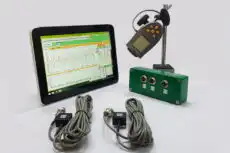
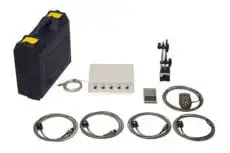
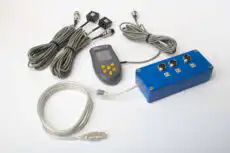
செப்ஸ்ட்ரம் பகுப்பாய்வு சக்திவாய்ந்தது ஆனால் அதை சரியாகப் பயன்படுத்த அனுபவம் தேவை; இது ஒரு தனித்த பதிலாக அல்லாமல், விரிவான அதிர்வு கண்டறிதல் திட்டத்தினுள் ஒரு சிறப்பு கருவியாகவே சிறப்பாகக் கருதப்பட வேண்டும். வழக்கமான பணிப்போக்கு நிறமாலை மற்றும் நிறமாலை பகுப்பாய்வுஉடன் தொடங்கி, அடர்த்தியான பக்கப்பட்டை அல்லது இசைப்பெருக்கு குடும்பங்கள் சித்திரத்தை மறைக்கும்போது செப்ஸ்ட்ரத்தை நாடி, தாங்கி தாக்கங்களை உறை (envelope) முறைகளால் உறுதிப்படுத்துவதாகும். செப்ஸ்ட்ரம் வெளிக்காட்டும் பெரும்பாலான குறைபாடுகள் — பல் சக்கர பல் மற்றும் தாங்கி குறைபாடுகள் — சமநிலைப்படுத்தல் சிக்கல்களாக அல்லாமல் நோயறிதல் கண்டுபிடிப்புகளாகும். எனவே செப்ஸ்ட்ரம் எந்தவொரு திருத்த நடவடிக்கைக்கும் முந்தைய பகுப்பாய்வு கட்டத்தில் இருக்கிறது. அடிப்படை சிக்கல் unbalance at running speedஎன்று தெரியவரும் இடத்தில், போன்ற ஒரு கையடக்க பகுப்பாய்வி Balanset-1A அதை தளத்திலேயே திருத்த தேவையான 1× வீச்சு மற்றும் கட்டத்தை அளவிடுகிறது; அதே வேளையில் செப்ஸ்ட்ரம் அது சிறப்பாகக் கண்டறியும் பல் சக்கர மற்றும் தாங்கி குறைபாடுகளில் கவனம் செலுத்துகிறது. சிக்கலான இயந்திரங்களுக்கு, அந்த இணைப்பு நிறமாலை பகுப்பாய்வு மட்டுமே ஈடுசெய்ய முடியாத நோயறிதல் தெளிவை வழங்குகிறது.

