వైబ్రేషన్ అనాలిసిస్లో కోహెరెన్స్ను అర్థం చేసుకోవడం
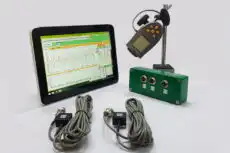
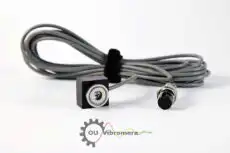
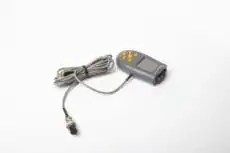
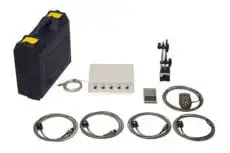

కోహెరెన్స్ — కోహెరెన్స్ ఫంక్షన్ అని కూడా పిలువబడుతుంది — రెండు-ఛానెల్ కొలత యొక్క నాణ్యత మరియు చెల్లుబాటును అంచనా వేయడానికి వైబ్రేషన్ విశ్లేషణ లో ఉపయోగించే సిగ్నల్-ప్రాసెసింగ్ సాధనం. ఇది 0 మరియు 1 మధ్య ఒక సంఖ్య, ఫ్రీక్వెన్సీ వారీగా లెక్కించబడుతుంది, ప్రతి ఫ్రీక్వెన్సీ వద్ద అవుట్పుట్ సిగ్నల్లో ఎంత భాగం నిజంగా మరియు లీనియర్గా ఇన్పుట్ సిగ్నల్ వల్ల కలుగుతుందో చెప్తుంది. వాస్తవంగా, కోహెరెన్స్ అనలిస్ట్ యొక్క విశ్వాస మీటర్: ఇది “నేను ఈ కొలతను నమ్మగలనా, లేదా నాయిజ్ దాన్ని కలుషితం చేస్తోందా?” అనే ప్రశ్నకు డేటా నుండి ఏ నిర్ణయాలు తీసుకునే ముందే సమాధానం ఇస్తుంది.
1. నిర్వచనం: కోహెరెన్స్ అంటే ఏమిటి?
కోహెరెన్స్ అనేది ఏకకాలంలో కొలవబడిన రెండు సిగ్నల్స్ మధ్య లీనియర్ కారణ-ప్రభావ సంబంధాన్ని ప్రతి ఫ్రీక్వెన్సీలో పరిమాణీకరిస్తుంది స్పెక్ట్రం. స్కేల్ సహజసిద్ధంగా ఉంటుంది:
- ఒక కోహెరెన్స్ 1.0 ఒక నిర్దిష్ట ఫ్రీక్వెన్సీ వద్ద రెండు సిగ్నల్స్ మధ్య పరిపూర్ణ లీనియర్ సంబంధాన్ని సూచిస్తుంది — ఆ ఫ్రీక్వెన్సీ వద్ద అవుట్పుట్లో 100% ఇన్పుట్ వల్ల కలుగుతుంది.
- ఒక కోహెరెన్స్ 0.5 అంటే ఆ ఫ్రీక్వెన్సీ వద్ద అవుట్పుట్ యొక్క శక్తిలో కేవలం 50% మాత్రమే ఇన్పుట్తో లీనియర్గా సంబంధం కలిగి ఉంది. మిగిలిన సగభాగం ఇతర అంశాల నుండి వస్తుంది: నాయిజ్, నాన్-లీనియారిటీలు, లేదా ఇతర కొలవని ఇన్పుట్లు.
- ఒక కోహెరెన్స్ 0.0 అంటే ఆ ఫ్రీక్వెన్సీ వద్ద రెండు సిగ్నల్స్ మధ్య ఎటువంటి లీనియర్ సంబంధం లేదు.
గణితశాస్త్రపరంగా, కోహెరెన్స్ దీని నుండి ఉద్భవిస్తుంది క్రాస్-పవర్ స్పెక్ట్రల్ డెన్సిటీ రెండు ఛానెల్లు కలిసి మరియు ఆటో-స్పెక్ట్రం ప్రతిదాని యొక్క, ఫలితం ఎల్లప్పుడూ 0 మరియు 1 మధ్య ఉండేలా నార్మలైజ్ చేయబడింది. ముఖ్యంగా, ఇది ఒక సగటు చేయబడిన పరిమాణం: అర్థవంతమైన కోహెరెన్స్ విలువకు కొలత యొక్క అనేక సగటులు అవసరం, అందుకే దీన్ని ఒకేసారి రెండు సిగ్నల్లను సేకరించగల మల్టీ-చానెల్ విశ్లేషకం మాత్రమే తయారు చేయగలదు.
2. ఫ్రీక్వెన్సీ రెస్పాన్స్ ఫంక్షన్ (FRF) కొలతలను ధృవీకరించడం
కోహెరెన్స్ యొక్క అత్యంత సాధారణ మరియు కీలకమైన ఉపయోగం ఒక పౌనఃపున్య ప్రతిస్పందన ఫంక్షన్ (FRF). ఒకదాన్ని నిర్వహించేటప్పుడు ఇంపాక్ట్ టెస్ట్ — దీనిని ఇలా కూడా పిలుస్తారు బంప్ టెస్ట్ — నిర్మాణం ఫ్రీక్వెన్సీ అంతటా ఎలా స్పందిస్తుందో కొలవడానికి, సేకరించిన డేటా ఉంచుకోవడానికి విలువైనదా కాదా అని నిర్ణయించడానికి కోహెరెన్స్ ప్లాట్ అవసరం.
- మంచి కొలత: చెల్లుబాటు అయ్యే FRF కోసం కోహెరెన్స్ అనేది రెజనెంట్ శిఖరాల వద్ద 1.0కు చాలా దగ్గరగా ఉండాలి. అధిక కోహెరెన్స్ — అంటే 0.95 పైన — కొలచిన స్పందన నిజంగా హామర్ ఇంపాక్ట్ వల్ల కలిగిందే తప్ప నేపథ్య వైబ్రేషన్ లేదా కొలత శబ్దం వల్ల కాదని విశ్లేషకుడికి నమ్మకం కలిగిస్తుంది.
- నాసిరకం కొలత: రెసోనెన్స్ శిఖరం వద్ద కోహెరెన్స్ ఆకస్మికంగా పడిపోతే, ఆ కొలత అనుమానాస్పదంగా ఉంటుంది. కారణం పేలవమైన హామర్ స్ట్రైక్, శబ్దకాలుష్య వాతావరణం, లేదా నిజంగా నాన్-లీనియర్ నిర్మాణ స్పందన కావచ్చు. సరైన చర్య ఆ ఇంపాక్ట్ను తిరస్కరించి మళ్ళీ ప్రయత్నించడం.
ఒక సూక్ష్మతను లోపంగా పొరబడకూడదు: కోహెరెన్స్ సహజంగానే యాంటీ-రెసొనెన్స్లు — FRF లో శిఖరాల మధ్య లోయలలో — పడిపోతుంది, ఎందుకంటే నిర్మాణం అక్కడ చాలా తక్కువగా కదులుతుంది మరియు స్పందన శబ్దంచే ఆధిపత్యం చేయబడుతుంది. ఆ లోయలలో తక్కువ కోహెరెన్స్ సాధారణమైనది మరియు ఆశించిన విషయమే. అందుకే కోహెరెన్స్ను FRF డేటాతో పాటు చదువుతారు మోడల్ విశ్లేషణ, నిజమైన సహజ పౌనఃపున్యాలు ను నిర్ధారించడం స్వచ్ఛమైన, విశ్వసనీయమైన శిఖరాలపై ఆధారపడిన యంత్రం లేదా నిర్మాణం.
3. మూలం గుర్తింపు
కోహెరెన్స్ ఒక యంత్రం నుండి వైబ్రేషన్ మరొక యంత్రం వైబ్రేషన్ను నడుపుతుందా అని కూడా వెల్లడించగలదు. ఒక పంప్ మరియు మోటార్ ఒక సాధారణ బేస్ను పంచుకుంటాయని మరియు మోటార్ పంప్ను కంపింపజేస్తుందని మీరు అనుమానిస్తున్నారని అనుకోండి:
- విధానం: ఒకదాన్ని ఉంచండి యాక్సిలెరోమీటర్ మోటార్పై (ఇన్పుట్) మరియు పంప్పై (అవుట్పుట్) రెండవది, రెండింటినీ ఒకేసారి కొలవండి మరియు వాటి మధ్య కోహెరెన్స్ లెక్కించండి.
- వివరణ: మోటార్ యొక్క కోహెరెన్స్ అధికంగా ఉంటే ఆపరేటింగ్ వేగం, వైబ్రేషన్ వాటి భాగస్వామ్య నిర్మాణం ద్వారా మోటార్ నుండి పంప్కు ప్రసారమవుతుందని అది బలమైన ఆధారం. ఆ ఫ్రీక్వెన్సీ వద్ద కోహెరెన్స్ తక్కువగా ఉంటే, పంప్ యొక్క వైబ్రేషన్ చాలా మటుకు దాని స్వంత సమస్యల వల్ల — దాని స్వంత అసమతుల్యత లేదా కావిటేషన్, ఉదాహరణకు — మోటార్ వల్ల కాదు.
ఈ విధంగా ఉపయోగించినప్పుడు, కోహెరెన్స్ వైబ్రేషన్ ప్రసారణ మార్గాలను మ్యాప్ చేయడంలో సహాయపడుతుంది మరియు విశ్లేషకుడు తప్పు యంత్రాన్ని వెంబడించకుండా నిలిపివేస్తుంది — రెండు జతచేయబడిన యూనిట్లు సమాన వేగంతో కంపించినప్పుడు తరచుగా మరియు ఖరీదైన తప్పు.
4. కోహెరెన్స్ను తగ్గించే అంశాలు
అనేక విభిన్న విధానాలు కోహెరెన్స్ విలువను 1.0 కంటే తక్కువకు తీసుకెళ్ళగలవు, మరియు ఏది పనిచేస్తుందో గుర్తించడం రోగనిర్ధారణలో భాగం:
- కొలత శబ్దం: ఇన్పుట్ లేదా అవుట్పుట్ చానెల్ను కలుషితం చేసే బాహ్య శబ్దం — అత్యంత సాధారణ కారణం, మరియు మెరుగైన సెన్సార్ మౌంటింగ్ లేదా అధిక సగటులతో తరచుగా తగ్గించవచ్చు.
- నాన్-లీనియర్ వ్యవస్థలు: కోహెరెన్స్ కేవలం కొలుస్తుంది లీనియర్ సంబంధం. సిస్టమ్ నాన్-లీనియర్గా ప్రవర్తిస్తే — వల్ల సడలింపు, ఒక పగులు, లేదా ద్రవ-నిర్మాణ పరస్పర చర్య వల్ల — నిజమైన కారణ సంబంధం ఉన్నప్పుడు కూడా కోహెరెన్స్ తక్కువగా ఉంటుంది.
- సమయ ఆలస్యాలు: ఇన్పుట్ మరియు అవుట్పుట్ సిగ్నల్ల మధ్య గణనీయమైన ఆలస్యం విశ్లేషకం దాన్ని పరిగణనలోకి తీసుకునేలా సెటప్ చేయబడకపోతే కోహెరెన్స్ను తగ్గిస్తుంది.
- ఇతర అనారోపిత ఇన్పుట్లు: అవుట్పుట్ ఒకటి కంటే ఎక్కువ వనరుల వల్ల నడపబడుతుంటే మరియు వాటిలో ఒక్కదాన్ని మాత్రమే ఇన్పుట్గా కొలిస్తే, కొలవబడని శక్తి కోల్పోయిన కోహెరెన్స్గా కనిపిస్తుంది.
5. నాణ్యత నియంత్రణ సాధనంగా కోహెరెన్స్
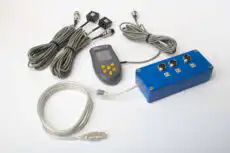
ఆచరణలో, కోహెరెన్స్ ఒక రోగనిర్ధారణ సాధనంగా కంటే రెండు-చానెల్ డేటాపై ఆధారపడి నిర్మించిన ప్రతి రోగనిర్ధారణను రక్షించే ద్వారపాలకుడిలా పనిచేస్తుంది. ఇది దానితో సంబంధం కలిగి ఉన్న ట్రాన్స్ఫర్ ఫంక్షన్ మరియు FRF తో దగ్గరి సంబంధం కలిగి ఉంటుంది — FRF మీకు చెప్తుంది ఎలా ఒక నిర్మాణం ఎలా స్పందిస్తుందో, కాగా కోహెరెన్స్ మీకు చెప్తుంది ఎంత విశ్వసించాలో ప్రతి పౌనఃపున్యం వద్ద ఆ సమాధానాన్ని. Balanset-1A వంటి పోర్టబుల్ విశ్లేషకం ఉపయోగించి చేసే రొటీన్ ఫీల్డ్ బాలెన్సింగ్ మరియు సింగిల్-చానెల్ స్పెక్ట్రమ్ పని Balanset-1A కోహెరెన్స్ ప్లాట్ అవసరం లేదు, కానీ ఒక పరిశోధన ఇంపాక్ట్ టెస్టింగ్, రెసొనెన్స్ హంటింగ్, లేదా మల్టీ-చానెల్ సిస్టమ్లో సోర్స్ ట్రేసింగ్లోకి ప్రవేశించిన వెంటనే, కోహెరెన్స్ అనేది విశ్వసనీయ ఫలితాన్ని తప్పుదారి పట్టించే దాని నుండి వేరు చేసే పారామీటర్గా మారుతుంది. సారాంశంలో చెప్పాలంటే, కోహెరెన్స్ ఫంక్షన్ అనేది అధునాతన వైబ్రేషన్ కొలతలకు ఒక కీలకమైన నాణ్యత-నియంత్రణ సాధనం: ఇది FRF డేటా యొక్క చెల్లుబాటుపై విశ్వాసాన్ని అందిస్తుంది మరియు వైబ్రేషన్ యంత్రం గుండా ప్రయాణించే మార్గాలను గుర్తించడంలో సహాయపడుతుంది.

