การถ่วงสมดุลโรเตอร์: ความไม่สมดุลแบบสถิตและแบบไดนามิก การสั่นพ้อง และขั้นตอนการปฏิบัติจริง
คู่มือนี้อธิบาย การปรับสมดุลโรเตอร์ สำหรับ โรเตอร์แบบแข็ง: ว่า “ความไม่สมดุล” หมายถึงอะไร ความไม่สมดุลแบบคงที่และแบบไดนามิกต่างกันอย่างไร เหตุใดการสั่นพ้องและความไม่เป็นเชิงเส้นจึงอาจขัดขวางผลลัพธ์ที่มีคุณภาพ และการปรับสมดุลโดยทั่วไปทำในหนึ่งหรือสองระนาบแก้ไขอย่างไร


สารบัญ
- โรเตอร์คืออะไร และการถ่วงสมดุลช่วยแก้ไขอะไรได้บ้าง?
- ประเภทของโรเตอร์และประเภทของดิสบาลานซ์
- การสั่นสะเทือนของกลไก: สิ่งที่การปรับสมดุลสามารถและไม่สามารถขจัดได้
- การสั่นพ้อง: ปัจจัยที่ขัดขวางการถ่วงสมดุล
- แบบจำลองเชิงเส้นเทียบกับแบบจำลองไม่เชิงเส้น: เมื่อใดที่การคำนวณหยุดทำงาน
- อุปกรณ์ถ่วงสมดุลและเครื่องถ่วงสมดุล
- การถ่วงสมดุลโรเตอร์แบบแข็ง (หมายเหตุเชิงปฏิบัติ)
- วิธีการถ่วงสมดุลแบบไดนามิก (วิธีสามรอบ)
- เกณฑ์สำหรับการประเมินคุณภาพการถ่วงสมดุล
- มาตรฐานและเอกสารอ้างอิง
- คำถามที่พบบ่อย
โรเตอร์คืออะไร และการถ่วงสมดุลช่วยแก้ไขอะไรได้บ้าง?
โรเตอร์คือวัตถุที่หมุนรอบแกนหนึ่งและถูกยึดโดยพื้นผิวรองรับของมันในตัวรองรับ พื้นผิวรองรับของโรเตอร์จะถ่ายโอนน้ำหนักไปยังตัวรองรับผ่านตลับลูกปืนแบบกลิ้งหรือแบบเลื่อน พื้นผิวรองรับคือพื้นผิวของทรัลเลียนหรือพื้นผิวที่แทนที่ทรัลเลียน
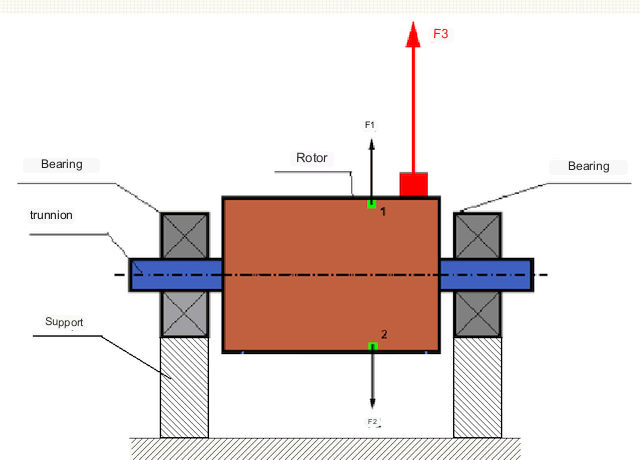
ในโรเตอร์ที่สมดุลอย่างสมบูรณ์ มวลของมันจะกระจายตัวอย่างสมมาตรเกี่ยวกับแกนหมุน กล่าวคือ ส่วนประกอบใดๆ ของโรเตอร์สามารถจับคู่กับส่วนประกอบอื่นที่อยู่สมมาตรเกี่ยวกับแกนหมุนได้ ในโรเตอร์ที่สมดุล แรงเหวี่ยงหนีศูนย์กลางที่กระทำต่อส่วนประกอบใดๆ ของโรเตอร์จะสมดุลกับแรงเหวี่ยงหนีศูนย์กลางที่กระทำต่อส่วนประกอบที่สมมาตร ตัวอย่างเช่น แรงเหวี่ยงหนีศูนย์กลาง F1 และ F2 มีขนาดเท่ากันและทิศทางตรงกันข้าม กระทำต่อส่วนประกอบที่ 1 และ 2 (ทำเครื่องหมายสีเขียวในรูปที่ 1) ซึ่งเป็นจริงสำหรับส่วนประกอบโรเตอร์ที่สมมาตรทั้งหมด ดังนั้น แรงเหวี่ยงหนีศูนย์กลางรวมที่กระทำต่อโรเตอร์จึงเป็น 0 และโรเตอร์จึงสมดุล.
แต่หากความสมมาตรของโรเตอร์ถูกทำลาย (องค์ประกอบที่ไม่สมมาตรจะถูกทำเครื่องหมายด้วยสีแดงในรูปที่ 1) แรงเหวี่ยงที่ไม่สมดุล F3 จะกระทำต่อโรเตอร์ เมื่อหมุน แรงนี้จะเปลี่ยนทิศทางตามการหมุนของโรเตอร์ ภาระการเคลื่อนไหวที่เกิดจากแรงนี้จะถูกส่งผ่านไปยังแบริ่ง ทำให้เกิดการสึกหรอที่เร็วขึ้น
นอกจากนี้ ภายใต้อิทธิพลของแรงที่เปลี่ยนทิศทางนี้ จะเกิดการเสียรูปเป็นวัฏจักรของตัวรองรับและฐานรากที่โรเตอร์ยึดติดอยู่ กล่าวคือเกิดการสั่นสะเทือนขึ้น เพื่อขจัดความไม่สมดุลของโรเตอร์และการสั่นสะเทือนที่ตามมา จำเป็นต้องติดตั้งมวลปรับสมดุลเพื่อคืนความสมมาตรให้กับโรเตอร์
การปรับสมดุลโรเตอร์คือการดำเนินการเพื่อแก้ไขความไม่สมดุลโดยการเพิ่มมวลถ่วงสมดุล กล่าวอีกนัยหนึ่ง เป้าหมายของการปรับสมดุลคือการทำให้แกนกลางหลักของความเฉื่อยของโรเตอร์เข้าใกล้แกนหมุนของมันให้มากที่สุดเท่าที่จะเป็นไปได้ เพื่อให้ความไม่สมดุลที่เหลืออยู่อยู่ในขีดจำกัดที่กำหนด
งานของการถ่วงสมดุลคือการหาขนาดและตำแหน่ง (มุม) ของมวลถ่วงสมดุลหนึ่งหรือหลายมวล
ประเภทของโรเตอร์และประเภทของดิสบาลานซ์
เมื่อพิจารณาถึงความแข็งแรงของวัสดุโรเตอร์และขนาดของแรงเหวี่ยงหนีศูนย์กลางที่กระทำต่อโรเตอร์แล้ว โรเตอร์สามารถแบ่งออกได้เป็นสองประเภท คือ โรเตอร์แบบแข็งทื่อและโรเตอร์แบบยืดหยุ่น
โรเตอร์แบบแข็งจะเปลี่ยนรูปเพียงเล็กน้อยภายใต้แรงเหวี่ยงในโหมดการทำงาน และผลกระทบของการเปลี่ยนรูปนี้ในการคำนวณสามารถละเลยได้
การเปลี่ยนรูปของโรเตอร์แบบยืดหยุ่นไม่สามารถละเลยได้อีกต่อไป การเปลี่ยนรูปของโรเตอร์แบบยืดหยุ่นทำให้การแก้ปัญหาการปรับสมดุลซับซ้อนขึ้น และจำเป็นต้องใช้แบบจำลองทางคณิตศาสตร์อื่นเมื่อเทียบกับปัญหาการปรับสมดุลของโรเตอร์แบบแข็ง ควรสังเกตว่าโรเตอร์เดียวกันนี้ที่ความเร็วต่ำอาจมีพฤติกรรมเหมือนโรเตอร์แบบแข็ง และที่ความเร็วสูงอาจมีพฤติกรรมเหมือนโรเตอร์แบบยืดหยุ่น เกณฑ์ในทางปฏิบัติคือความเร็วใช้งานเทียบกับความเร็ววิกฤตแรก (การโค้งงอ) ของโรเตอร์ โรเตอร์จะถือว่าเป็นแบบแข็ง ซึ่ง ISO 21940-11 เรียกว่าโรเตอร์ที่มี "พฤติกรรมแบบแข็ง" (rigid behaviour) เมื่อทำงานต่ำกว่าความเร็วนั้นมาก ในทางปฏิบัติต่ำกว่าประมาณ 50–70% ของความเร็ววิกฤตแรก สูงกว่านั้น โรเตอร์จะโค้งงอเป็นรูปทรงโหมด (mode shape) ที่เปลี่ยนไปตามความเร็ว นั่นคือโรเตอร์แบบยืดหยุ่น และต้องปรับสมดุลด้วยวิธีโมดัลหรือหลายระนาบ (ISO 21940-12) ต่อจากนี้ไปเราจะพิจารณาเฉพาะการปรับสมดุลของโรเตอร์แบบแข็งเท่านั้น
ขึ้นอยู่กับการกระจายตัวของมวลที่ไม่สมดุลตลอดความยาวโรเตอร์ มาตรฐาน ISO 21940-2 แบ่งสถานะความไม่สมดุลออกเป็นหลายแบบ:
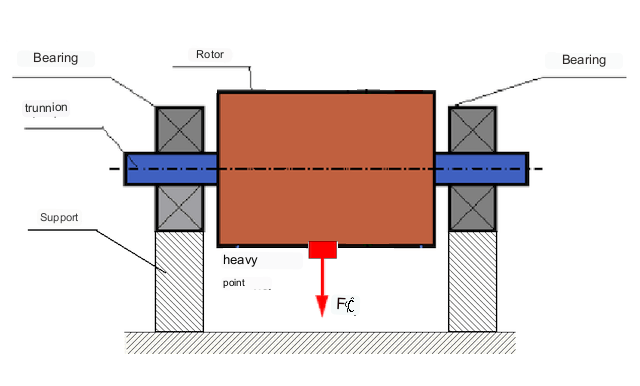
- ความไม่สมดุลแบบคงที่ — แกนความเฉื่อยหลักเคลื่อนขนานไปกับแกนเพลา สามารถตรวจพบได้โดยไม่ต้องหมุน เพราะโรเตอร์จะหมุนภายใต้แรงโน้มถ่วงจนจุดหนักอยู่ด้านล่าง มวลแก้ไขเพียงจุดเดียวในระนาบเดียวก็สามารถกำจัดมันได้
- ความไม่สมดุลแบบคู่ (moment) — แกนความเฉื่อยหลักตัดกับแกนเพลาที่จุดศูนย์กลางมวล ความไม่สมดุลที่เท่ากันสองจุดอยู่คนละระนาบและห่างกัน 180° มันจะปรากฏเฉพาะขณะหมุนเท่านั้น และต้องใช้มวลแก้ไขสองจุดในสองระนาบ
- ความไม่สมดุลแบบไดนามิก — กรณีทั่วไปในโลกจริง คือการรวมกันของความไม่สมดุลแบบคงที่และแบบคู่ แกนความเฉื่อยหลักไม่ขนานกับแกนเพลาและไม่ตัดกับแกนเพลาด้วย ระนาบแก้ไขสองระนาบเป็นสิ่งจำเป็นและเพียงพอสำหรับโรเตอร์แบบแข็ง
คำศัพท์เก่าที่เรียกว่า "moment unbalance" เป็นคำพ้องของความไม่สมดุลแบบคู่ (couple unbalance) ไม่ควรสับสนกับความไม่สมดุลแบบไดนามิก (dynamic unbalance) ซึ่งเป็นผลรวมขององค์ประกอบแบบคงที่และแบบคู่ ตัวอย่างโรเตอร์ที่มีความไม่สมดุลแบบคงที่แสดงไว้ในรูปที่ 2
ความไม่สมดุลแบบคู่จะปรากฏก็ต่อเมื่อโรเตอร์กำลังหมุนเท่านั้น
ตัวอย่างโรเตอร์ที่มีความไม่สมดุลแบบคู่แสดงไว้ในรูปที่ 3
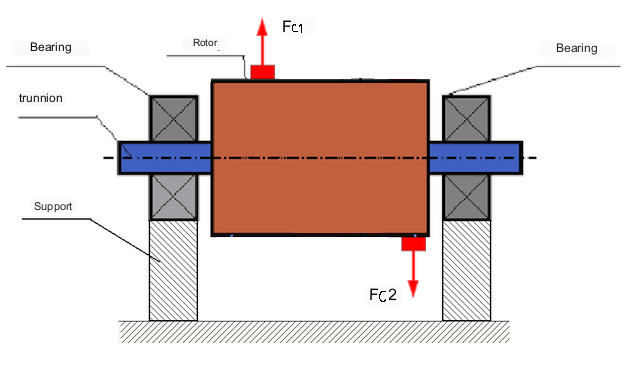
ในกรณีนี้ มวล M1 และ M2 ที่ไม่สมดุลและเท่ากันอยู่บนระนาบที่ต่างกัน คือในตำแหน่งที่ต่างกันตามความยาวของโรเตอร์ ในตำแหน่งสถิต คือเมื่อโรเตอร์ไม่หมุน มีเพียงแรงโน้มถ่วงเท่านั้นที่กระทำต่อโรเตอร์ และมวลทั้งสองจะถ่วงดุลกัน ในสภาวะไดนามิก เมื่อโรเตอร์หมุน แรงเหวี่ยงหนีศูนย์กลาง Fc1 และ Fc2 จะเริ่มกระทำต่อมวล M1 และ M2 แรงทั้งสองนี้มีขนาดเท่ากันแต่ทิศทางตรงข้ามกัน อย่างไรก็ตาม เนื่องจากแรงเหล่านี้กระทำที่ตำแหน่งต่างกันตามความยาวของเพลาและไม่ได้อยู่บนเส้นตรงเดียวกัน แรงเหล่านี้จึงไม่หักล้างกัน แรง Fc1 และ Fc2 จะสร้างโมเมนต์ที่กระทำต่อโรเตอร์ นี่คือเหตุผลที่ความไม่สมดุลแบบคู่ควบเรียกอีกอย่างว่าความไม่สมดุลแบบโมเมนต์ ดังนั้นแรงเหวี่ยงหนีศูนย์กลางที่ไม่ถูกชดเชยจะกระทำที่ตำแหน่งของตลับลูกปืน ซึ่งอาจสูงกว่าค่าที่คำนวณไว้มาก และลดอายุการใช้งานของตลับลูกปืน
เนื่องจากความไม่สมดุลชนิดนี้จะปรากฏเฉพาะระหว่างการหมุนของโรเตอร์เท่านั้น จึงไม่สามารถแก้ไขได้ในสภาวะคงที่ด้วยการปรับสมดุลแบบ "บนคม" หรือวิธีการที่คล้ายกัน เพื่อขจัดความไม่สมดุลแบบคู่ จำเป็นต้องติดตั้งน้ำหนักชดเชยสองตัว ซึ่งสร้างโมเมนต์ที่มีขนาดเท่ากันแต่ทิศทางตรงข้ามกับโมเมนต์ที่เกิดจากมวล M1 และ M2 มวลชดเชยไม่จำเป็นต้องตั้งอยู่ตรงข้ามและมีขนาดเท่ากับมวล M1 และ M2 เสมอไป สิ่งสำคัญคือมวลเหล่านี้ต้องสร้างโมเมนต์ที่ชดเชยโมเมนต์ความไม่สมดุลได้อย่างสมบูรณ์
โดยทั่วไป มวล M1 และ M2 อาจไม่เท่ากัน จึงจะเกิดความไม่สมดุลแบบผสมระหว่างสถิตและคู่ควบ ซึ่งกรณีทั่วไปนี้คือสิ่งที่ ISO 21940-2 เรียกว่าความไม่สมดุลแบบไดนามิก ได้รับการพิสูจน์ทางทฤษฎีแล้วว่าสำหรับโรเตอร์แบบแข็ง น้ำหนักถ่วงสองตัวที่วางห่างกันตามความยาวของโรเตอร์นั้นจำเป็นและเพียงพอที่จะขจัดความไม่สมดุลของมันได้ น้ำหนักถ่วงเหล่านี้จะชดเชยทั้งโมเมนต์ที่เกิดจากความไม่สมดุลแบบคู่ควบ และแรงเหวี่ยงหนีศูนย์กลางที่เกิดจากความไม่สมมาตรของมวลเทียบกับแกนโรเตอร์ (ความไม่สมดุลแบบสถิต) โดยทั่วไปความไม่สมดุลแบบคู่ควบเป็นลักษณะเฉพาะของโรเตอร์ที่ยาว เช่น เพลา ส่วนความไม่สมดุลแบบสถิตเป็นลักษณะเฉพาะของโรเตอร์ที่แคบ อย่างไรก็ตาม หากโรเตอร์แคบเอียงเทียบกับแกน หรือบิดเบี้ยว ("รูปเลขแปด") ความไม่สมดุลแบบคู่ควบจะกำจัดได้ยาก (ดูรูปที่ 4) เพราะในกรณีนี้ยากที่จะติดตั้งน้ำหนักแก้ไขที่สร้างโมเมนต์ชดเชยที่จำเป็น
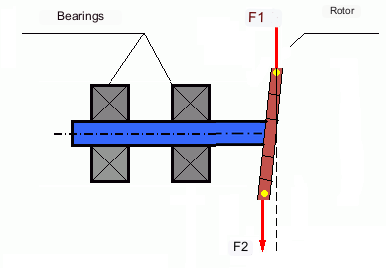
แรง F1 และ F2 ไม่ได้อยู่บนเส้นเดียวกันและไม่หักล้างกัน
เนื่องจากแขนที่ใช้สร้างโมเมนต์ชดเชยมีขนาดเล็กเพราะโรเตอร์แคบ จึงอาจจำเป็นต้องใช้น้ำหนักแก้ไขขนาดใหญ่ อย่างไรก็ตาม สิ่งนี้ยังก่อให้เกิด "ความไม่สมดุลที่ถูกเหนี่ยวนำ" เนื่องจากการเสียรูปของโรเตอร์แคบจากแรงเหวี่ยงของน้ำหนักแก้ไข (ดูตัวอย่างเช่น คำแนะนำเชิงวิธีการสำหรับการปรับสมดุลโรเตอร์แบบแข็ง ตาม GOST 22061-76 — มาตรฐานสากลสมัยใหม่ที่เทียบเท่าคือ ISO 21940-11 เดิมคือ ISO 1940-1 — หมวด 10 "ระบบโรเตอร์–ตัวรองรับ").
สิ่งนี้สังเกตได้ชัดบนใบพัดลมแบบแคบ ซึ่งนอกจากความไม่สมดุลของมวลแล้ว ยังมี ความไม่สมดุลแบบ aerodynamic ก็ปรากฏอยู่ด้วยเช่นกัน เรขาคณิตของใบพัดที่ไม่เท่ากันจะทำให้เกิดภาระบนใบพัดที่ไม่เท่ากัน และส่งผลให้เกิดแรงในแนวรัศมีสุทธิ เช่นเดียวกับแรงเหวี่ยงของน้ำหนักแก้ไข แรงนี้จะแปรผันตามกำลังสองของความเร็ว แต่ยังขึ้นอยู่กับจุดทำงานด้วย — ความหนาแน่นของอากาศ ตำแหน่งแดมเปอร์ ความต้านทานของท่อ — ดังนั้นน้ำหนักแก้ไขที่ปรับสมดุลไว้ที่จุดทำงานหนึ่งจะไม่คงความเหมาะสมที่จุดทำงานอื่น ดังนั้นองค์ประกอบทางอากาศพลศาสตร์จึงต้องแก้ไขด้วยการฟื้นฟูเรขาคณิตของใบพัด ไม่ใช่ด้วยการเพิ่มมวล
แรงแม่เหล็กไฟฟ้า ในเครื่องจักรไฟฟ้า (แรงดึงดูดแม่เหล็กไม่สมดุลจากช่องว่างอากาศที่เยื้องศูนย์ แท่งตัวนำหัก แผ่นลามิเนตลัดวงจร) จะมีพฤติกรรมที่แตกต่างออกไปอีก โดยถูกกำหนดโดยฟลักซ์ในช่องว่างอากาศ ไม่ใช่ความเร็วการหมุน และส่วนใหญ่จะกระตุ้นเครื่องจักรที่ความถี่สองเท่าของความถี่ไฟฟ้าและที่ sideband ของการผ่านขั้ว มากกว่าที่ 1× เนื่องจากสิ่งเหล่านี้เกิดขึ้นที่ความถี่อื่นที่ไม่ใช่ความถี่การหมุน การปรับสมดุลจึงไม่สามารถชดเชยได้เลย กล่าวโดยสรุป การปรับสมดุลจะขจัดเพียงการกระตุ้นที่เกี่ยวข้องกับมวลที่ 1× เท่านั้น — ไม่สามารถขจัดทุกแหล่งกำเนิดการสั่นสะเทือนในเครื่องจักรได้
การสั่นสะเทือนของกลไก
การสั่นสะเทือนคือการตอบสนองของกลไกการออกแบบต่อผลกระทบของแรงกระตุ้นแบบเป็นวัฏจักร แรงนี้อาจมีลักษณะแตกต่างกัน
แรงเหวี่ยงหนีศูนย์กลางที่เกิดจากโรเตอร์ที่ไม่สมดุลเป็นแรงที่ไม่ได้รับการชดเชยซึ่งกระทำต่อ "จุดหนัก" แรงนี้และการสั่นสะเทือนที่เกิดจากแรงนี้สามารถกำจัดได้โดยการปรับสมดุลโรเตอร์.
แรงอันตรกิริยาเชิง "เรขาคณิต" ที่เกิดขึ้นจากข้อผิดพลาดในการผลิตและการประกอบชิ้นส่วนที่ประกบกัน แรงเหล่านี้อาจเกิดขึ้นได้ เช่น ความไม่กลมของคอเพลา ข้อผิดพลาดในรูปทรงของฟันเฟือง ความไม่เรียบของรางลูกปืน การเยื้องศูนย์ของเพลาที่ประกบกัน เป็นต้น ในกรณีที่แกนเพลาไม่เป็นวงกลม แกนเพลาจะเคลื่อนที่ไปตามมุมการหมุนของเพลา แม้ว่าการสั่นสะเทือนนี้จะเกิดขึ้นที่ความเร็วรอบของโรเตอร์ด้วย แต่ก็แทบเป็นไปไม่ได้เลยที่จะกำจัดมันได้ด้วยการปรับสมดุล.
แรงอากาศพลศาสตร์ที่เกิดจากการหมุนของใบพัดของพัดลมและกลไกใบพัดอื่น ๆ แรงไฮโดรไดนามิกที่เกิดจากการหมุนของใบพัดของปั๊มไฮดรอลิก, กังหัน, เป็นต้น
แรงแม่เหล็กไฟฟ้าที่เกิดจากการทำงานของเครื่องจักรไฟฟ้า เช่น ขดลวดโรเตอร์ที่ไม่สมมาตร ขดลวดลัดวงจร เป็นต้น
ขนาดของการสั่นสะเทือน (เช่น แอมพลิจูด Av) ขึ้นอยู่ไม่เพียงแต่แรงกระตุ้น Fv ที่กระทำต่อกลไกด้วยความถี่เชิงมุม ω เท่านั้น แต่ยังขึ้นอยู่กับความแข็ง k ของกลไก มวล m ของมัน รวมถึงสัมประสิทธิ์การหน่วง C ด้วย ดังที่สูตร (1) ด้านล่างแสดงไว้

เซ็นเซอร์ประเภทต่าง ๆ สามารถนำมาใช้เพื่อวัดการสั่นสะเทือนและกลไกการสมดุลได้ รวมถึง:
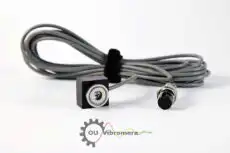
- เซ็นเซอร์วัดการสั่นสะเทือนแบบสัมบูรณ์ที่ออกแบบมาเพื่อวัดการเร่งการสั่นสะเทือน (เครื่องวัดความเร่ง) และเซ็นเซอร์วัดความเร็วการสั่นสะเทือน;
- เซ็นเซอร์วัดการสั่นสะเทือนสัมพัทธ์ - แบบกระแสไหลวนหรือแบบคาปาซิทีฟ ออกแบบมาเพื่อวัดการเคลื่อนที่ของการสั่นสะเทือน;
- ในบางกรณี (เมื่อการออกแบบกลไกเอื้ออำนวย) เซ็นเซอร์วัดแรงยังสามารถใช้ประเมินภาระการสั่นสะเทือนได้ โดยเฉพาะอย่างยิ่ง เซ็นเซอร์เหล่านี้ถูกนำมาใช้กันอย่างแพร่หลายในการวัดภาระการสั่นสะเทือนของฐานรองเครื่องปรับสมดุลที่มีแบริ่งแข็ง.
ดังนั้น การสั่นสะเทือนจึงเป็นปฏิกิริยาของเครื่องจักรต่อการกระทำของแรงภายนอก ขนาดของการสั่นสะเทือนไม่ได้ขึ้นอยู่กับขนาดของแรงที่กระทำต่อกลไกเท่านั้น แต่ยังขึ้นอยู่กับระดับความแข็งของการออกแบบกลไกด้วย แรงเดียวกันสามารถทำให้เกิดการสั่นสะเทือนที่แตกต่างกันได้ ในเครื่องปรับสมดุลชนิดแข็ง แม้ว่าการสั่นสะเทือนจะเล็กน้อย ตลับลูกปืนก็อาจได้รับแรงไดนามิกที่มีนัยสำคัญได้ นี่คือเหตุผลที่ใช้เซ็นเซอร์วัดแรงแทนเซ็นเซอร์วัดการสั่นสะเทือน (เครื่องวัดความเร่งการสั่น) เมื่อทำการปรับสมดุลบนเครื่องปรับสมดุลชนิดแข็ง
เซ็นเซอร์วัดการสั่นสะเทือนถูกใช้กับกลไกที่มีตัวรองรับที่ค่อนข้างยืดหยุ่น เมื่อการกระทำของแรงเหวี่ยงที่ไม่สมดุลทำให้เกิดการเปลี่ยนรูปที่สังเกตได้ของตัวรองรับและการสั่นสะเทือน เซ็นเซอร์วัดแรงถูกใช้สำหรับตัวรองรับที่แข็งแรง เมื่อแม้แรงที่มีนัยสำคัญเนื่องจากความไม่สมดุลก็ไม่ทำให้เกิดการสั่นสะเทือนที่มีนัยสำคัญ
การสั่นพ้องเป็นปัจจัยที่ขัดขวางการปรับสมดุล
ก่อนหน้านี้เราได้กล่าวถึงว่าโรเตอร์แบ่งออกเป็นแบบแข็งและแบบยืดหยุ่น ความแข็งหรือความยืดหยุ่นของโรเตอร์ไม่ควรสับสนกับความแข็งหรือความเคลื่อนไหวของฐานรองรับ (ฐานราก) ที่ติดตั้งโรเตอร์ไว้ โรเตอร์จะถือว่าแข็งเมื่อการเปลี่ยนรูป (การโค้งงอ) ภายใต้แรงเหวี่ยงสามารถละเลยได้ การเปลี่ยนรูปของโรเตอร์แบบยืดหยุ่นมีขนาดใหญ่และไม่สามารถละเลยได้
ในบทความนี้ เราจะพิจารณาเฉพาะการถ่วงสมดุลของโรเตอร์แข็งเท่านั้น โรเตอร์แข็ง (ไม่สามารถเปลี่ยนรูปได้) สามารถติดตั้งบนฐานรองรับที่แข็งหรือยืดหยุ่นได้ ฐานรองรับเหล่านี้มีความแข็ง/ความสามารถในการรองรับที่สัมพันธ์กัน ซึ่งขึ้นอยู่กับความเร็วของโรเตอร์และขนาดของแรงเหวี่ยงที่เกิดขึ้น ขอบเขตเงื่อนไขคือความถี่ของการสั่นสะเทือนตามธรรมชาติของฐานรองรับโรเตอร์
สำหรับระบบเชิงกล รูปร่างและความถี่ของการสั่นตามธรรมชาติถูกกำหนดโดยมวลและความยืดหยุ่นของชิ้นส่วนต่างๆ ในระบบเชิงกลนั้น กล่าวคือ ความถี่ของการสั่นตามธรรมชาติเป็นคุณลักษณะภายในของระบบเชิงกล และไม่ขึ้นกับแรงภายนอก เมื่อเบี่ยงเบนจากตำแหน่งสมดุล ฐานรองรับซึ่งมีความยืดหยุ่นจะมีแนวโน้มกลับสู่ตำแหน่งสมดุล แต่เนื่องจากความเฉื่อยของโรเตอร์ที่มีมวลมาก กระบวนการนี้จึงมีลักษณะเป็นการสั่นแบบหน่วง การสั่นเหล่านี้คือการสั่นตามธรรมชาติของระบบโรเตอร์-ฐานรองรับ ความถี่ของมันขึ้นอยู่กับอัตราส่วนของมวลโรเตอร์ต่อความยืดหยุ่นของฐานรองรับ ดังที่สูตร (2) ด้านล่างแสดงไว้

เมื่อโรเตอร์เริ่มหมุนและความถี่ของการหมุนเข้าใกล้ความถี่ของการสั่นสะเทือนตามธรรมชาติ แอมพลิจูดของการสั่นสะเทือนจะเพิ่มขึ้นอย่างรวดเร็ว ซึ่งอาจนำไปสู่การทำลายโครงสร้างได้
ปรากฏการณ์การสั่นพ้องเชิงกลเกิดขึ้น ใกล้จุดสั่นพ้อง การตอบสนองจะถูกขยายด้วยตัวประกอบคุณภาพ Q = 1/(2ζ) ซึ่งโดยทั่วไปอยู่ที่ 3–17 สำหรับโครงสร้างเครื่องจักร และพีคอาจแคบมาก: การเปลี่ยนแปลงความเร็วเพียงไม่กี่เปอร์เซ็นต์อาจทำให้ระดับการสั่นสะเทือนเปลี่ยนไปหลายเท่า เมื่อผ่านจุดสั่นพ้อง มุมล่าช้าของเฟสจะแกว่งไป 180° โดยผ่าน 90° ที่จุดพีค
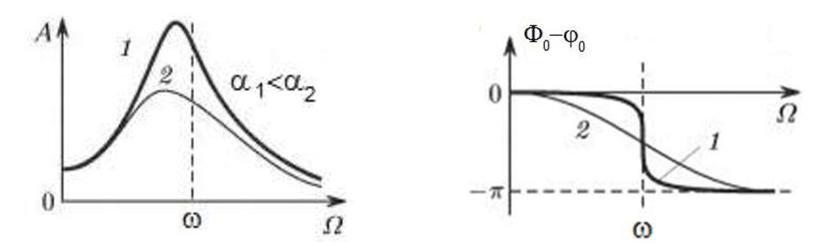
หากการออกแบบกลไกไม่ประสบความสำเร็จ และความถี่การทำงานของโรเตอร์อยู่ใกล้กับความถี่ธรรมชาติของการสั่น การทำงานของกลไกจะเป็นไปไม่ได้ เนื่องจากการสั่นสะเทือนสูงเกินกว่าที่ยอมรับได้ การปรับสมดุลด้วยวิธีปกติจะไม่สามารถทำได้ในกรณีนี้ เพราะแม้แต่การเปลี่ยนแปลงความเร็วเพียงเล็กน้อยก็ทำให้พารามิเตอร์การสั่นสะเทือนเปลี่ยนแปลงอย่างมาก สำหรับการปรับสมดุลในบริเวณจุดสั่นพ้อง จะใช้วิธีการพิเศษซึ่งไม่ได้กล่าวถึงในบทความนี้
สามารถกำหนดความถี่ของการสั่นสะเทือนตามธรรมชาติของกลไกในขณะที่โรเตอร์หมุนเฉื่อยหยุด (เมื่อปิดการหมุนของโรเตอร์) หรือโดยวิธีแรงกระแทกพร้อมกับการวิเคราะห์สเปกตรัมของการตอบสนองของระบบต่อแรงกระแทกในภายหลัง
สำหรับกลไกที่ความถี่การหมุนขณะทำงานสูงกว่าความถี่สั่นพ้อง กล่าวคือทำงานในโหมดเหนือวิกฤต (หลังจุดสั่นพ้อง) ตัวรองรับจะถือว่าเคลื่อนที่ได้ และใช้เซ็นเซอร์วัดการสั่นสะเทือนในการวัด ส่วนใหญ่เป็นแอกเซเลอโรมิเตอร์วัดการสั่นสะเทือน ซึ่งวัดความเร่งขององค์ประกอบโครงสร้าง สำหรับกลไกที่ทำงานในโหมดก่อนจุดสั่นพ้อง ตัวรองรับจะถือว่าเป็นแบบแข็ง ในกรณีนี้จะใช้เซ็นเซอร์วัดแรงแทน
แบบจำลองเชิงเส้นและไม่เชิงเส้นของระบบกลศาสตร์ ความไม่เชิงเส้นเป็นปัจจัยที่ขัดขวางการถ่วงสมดุล
เมื่อทำการถ่วงสมดุลโรเตอร์แบบแข็ง จะใช้แบบจำลองทางคณิตศาสตร์ที่เรียกว่าแบบจำลองเชิงเส้นสำหรับการคำนวณการถ่วงสมดุล แบบจำลองเชิงเส้นหมายความว่าในแบบจำลองดังกล่าว ปริมาณหนึ่งจะเป็นสัดส่วนโดยตรง (เชิงเส้น) กับอีกปริมาณหนึ่ง ตัวอย่างเช่น หากมวลที่ยังไม่ได้รับการชดเชยบนโรเตอร์เพิ่มขึ้นเป็นสองเท่า ค่าการสั่นสะเทือนก็จะเพิ่มขึ้นเป็นสองเท่าเช่นกัน สำหรับโรเตอร์แบบแข็ง สามารถใช้แบบจำลองเชิงเส้นได้ เนื่องจากโรเตอร์ไม่เกิดการเปลี่ยนรูป
สำหรับโรเตอร์ที่ยืดหยุ่นได้ โมเดลเชิงเส้นไม่สามารถใช้ได้อีกต่อไป สำหรับโรเตอร์ที่ยืดหยุ่นได้ หากมวลของจุดหนักเพิ่มขึ้นในระหว่างการหมุน จะเกิดการเปลี่ยนรูปเพิ่มเติมขึ้น และนอกจากมวลแล้ว รัศมีของตำแหน่งของจุดหนักก็จะเพิ่มขึ้นด้วย ดังนั้น สำหรับโรเตอร์ที่ยืดหยุ่นได้ การสั่นสะเทือนจะเพิ่มขึ้นมากกว่าสองเท่า และวิธีการคำนวณตามปกติจะไม่สามารถใช้ได้
แหล่งที่มาอีกประการของความไม่เป็นเชิงเส้นคือการเปลี่ยนแปลงความแข็งของฐานรองรับที่การโก่งตัวมาก ที่การโก่งตัวน้อย ชิ้นส่วนโครงสร้างชุดหนึ่งรับภาระ ส่วนที่การโก่งตัวมาก ชิ้นส่วนอื่นจะเข้ามามีบทบาท นี่คือเหตุผลที่คุณไม่สามารถปรับสมดุลกลไกที่ไม่ได้ยึดกับฐานราก แต่เช่น เพียงวางไว้บนพื้นเฉย ๆ ได้ เมื่อมีการสั่นสะเทือนมาก แรงจากความไม่สมดุลอาจดึงกลไกให้หลุดจากพื้น ซึ่งจะเปลี่ยนคุณลักษณะความแข็งของระบบอย่างมาก ขาของมอเตอร์ต้องยึดแน่นหนา จุดยึดสลักต้องขันแน่น ความหนาของแหวนรองต้องให้ความแข็งแรงในการยึดที่เพียงพอ หากตลับลูกปืนชำรุด อาจเกิดการเยื้องศูนย์ของเพลาอย่างมากและแรงกระแทก ซึ่งจะส่งผลให้ความเป็นเชิงเส้นแย่ลงและไม่สามารถปรับสมดุลได้อย่างมีคุณภาพ
อุปกรณ์ถ่วงสมดุลและเครื่องถ่วงสมดุล
โปรดจำไว้ว่าการปรับสมดุลคือกระบวนการทำให้แกนอินเนอร์เชียหลักตรงกลางสอดคล้องกับแกนหมุนของโรเตอร์
กระบวนการนี้สามารถทำได้ด้วยสองวิธี
วิธีแรกเกี่ยวข้องกับการกลึงฐานรองโรเตอร์ในลักษณะที่ทำให้แกนที่ผ่านจุดศูนย์กลางของฐานรองตรงกับแกนหลักของโมเมนต์ความเฉื่อยของโรเตอร์ เทคนิคนี้ไม่ค่อยถูกใช้ในทางปฏิบัติและจะไม่ถูกกล่าวถึงโดยละเอียดในบทความนี้
วิธีที่สอง (ที่พบมากที่สุด) คือการเคลื่อนย้าย ติดตั้ง หรือถอดน้ำหนักแก้ไขบนโรเตอร์ ซึ่งจะถูกวางไว้เพื่อให้แกนความเฉื่อยของโรเตอร์อยู่ใกล้กับแกนการหมุนของมันมากที่สุดเท่าที่จะเป็นไปได้
การเคลื่อนย้าย การเพิ่ม หรือการนำน้ำหนักปรับแก้ออกในระหว่างการบาลานซ์สามารถทำได้โดยกระบวนการทางเทคโนโลยีต่าง ๆ ได้แก่: การเจาะ, การกัด, การขัดผิว, การเชื่อม, การขันหรือคลายสกรู, การเผาด้วยเลเซอร์หรือลำแสงอิเล็กตรอน, การแยกด้วยไฟฟ้า, การขัดผิวด้วยสนามแม่เหล็กไฟฟ้า, เป็นต้น
กระบวนการปรับสมดุลสามารถทำได้สองวิธี:
- การปรับสมดุลภาคสนาม (in situ) — โรเตอร์ที่ประกอบแล้วจะถูกปรับสมดุลในแบริ่งของตัวเอง บนฐานของตัวเอง ที่ความเร็วใช้งานของตัวเอง โดยใช้ชุดปรับสมดุลแบบพกพา;
- การปรับสมดุลในโรงงาน — โรเตอร์ถูกถอดออกและนำไปปรับสมดุลบนเครื่องปรับสมดุลเฉพาะทาง
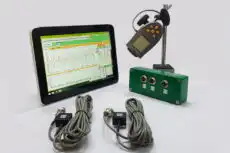
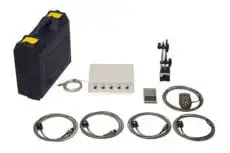
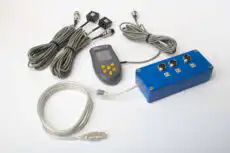
สำหรับการปรับสมดุลโรเตอร์ในตลับลูกปืนของตัวเอง มักใช้อุปกรณ์ปรับสมดุลเฉพาะทาง (ชุดอุปกรณ์) ซึ่งช่วยให้วัดการสั่นสะเทือนของโรเตอร์ที่กำลังปรับสมดุลได้ที่ความถี่การหมุนของมันในรูปแบบเวกเตอร์ กล่าวคือวัดทั้งแอมพลิจูดและเฟสของการสั่นสะเทือน ปัจจุบันอุปกรณ์ดังกล่าวผลิตขึ้นโดยใช้เทคโนโลยีไมโครโปรเซสเซอร์เป็นพื้นฐาน และ (นอกเหนือจากการวัดและวิเคราะห์การสั่นสะเทือน) ยังให้การคำนวณค่าพารามิเตอร์ของน้ำหนักแก้ไขโดยอัตโนมัติ ซึ่งควรติดตั้งบนโรเตอร์เพื่อชดเชยความไม่สมดุลของมัน
อุปกรณ์เหล่านี้ประกอบด้วย:
- หน่วยวัดและคำนวณที่อิงตามคอมพิวเตอร์หรือตัวควบคุมอุตสาหกรรม
- เซ็นเซอร์ตรวจจับการสั่นสะเทือน 2 ตัว (หรือมากกว่า)
- เซนเซอร์มุมเฟส;
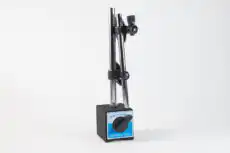
- อุปกรณ์เสริมสำหรับติดตั้งเซ็นเซอร์ในสถานที่
- ซอฟต์แวร์เฉพาะทาง ออกแบบมาเพื่อดำเนินการวัดพารามิเตอร์การสั่นสะเทือนของโรเตอร์อย่างครบวงจรในหนึ่ง สอง หรือหลายระนาบแก้ไข
เครื่องถ่วงสมดุลสองประเภทที่ใช้กันทั่วไปในปัจจุบันคือ:
- เครื่อง soft-bearing (มีตัวรองรับแบบยืดหยุ่น);
- เครื่อง hard-bearing (มีตัวรองรับแบบแข็ง)
เครื่อง soft-bearing (above-resonance) มีตัวรองรับที่ยืดหยุ่นค่อนข้างมาก ตัวอย่างเช่น ใช้สปริงแผ่นแบน ความถี่การสั่นตามธรรมชาติของตัวรองรับเหล่านี้มักจะต่ำกว่าความถี่การหมุนของโรเตอร์ที่กำลังปรับสมดุลซึ่งติดตั้งอยู่บนตัวรองรับนั้น 2-3 เท่า ดังนั้นเครื่องจักรจึงทำงานเหนือจุดสั่นพ้อง โดยทั่วไปจะใช้เซ็นเซอร์วัดการสั่นสะเทือน (แอกเซเลอโรมิเตอร์ เซ็นเซอร์วัดความเร็วการสั่นสะเทือน ฯลฯ) ในการวัดการเคลื่อนที่ของตัวรองรับของเครื่องจักรเหนือจุดสั่นพ้องเหล่านี้
เครื่อง hard-bearing (pre-resonance) ใช้ฐานรองรับที่ค่อนข้างแข็ง ซึ่งความถี่ธรรมชาติของการสั่นสะเทือนควรสูงกว่าความถี่การหมุนของโรเตอร์ที่กำลังปรับสมดุล 2-3 เท่า เพื่อให้เครื่องจักรทำงานต่ำกว่าจุดสั่นพ้อง โดยทั่วไปจะใช้ทรานสดิวเซอร์วัดแรงเพื่อวัดภาระพลวัตบนฐานรองรับของเครื่องจักรแบบก่อนการสั่นพ้อง
ข้อดีของเครื่องปรับสมดุลแบบก่อนการสั่นพ้อง (hard-bearing) คือสามารถปรับสมดุลได้ที่ความเร็วโรเตอร์ค่อนข้างต่ำ (สูงสุด 400-500 รอบต่อนาที) ซึ่งช่วยลดความซับซ้อนของการออกแบบเครื่องจักรและฐานรากลงอย่างมาก และเพิ่มประสิทธิภาพการผลิตและความปลอดภัยในการปรับสมดุล
การถ่วงสมดุลโรเตอร์แข็ง
สำคัญ!
- การถ่วงสมดุลจะกำจัดเฉพาะการสั่นสะเทือนที่เกิดจากการกระจายมวลของโรเตอร์ที่ไม่สมมาตรเมื่อเทียบกับแกนหมุนเท่านั้น การสั่นสะเทือนประเภทอื่น ๆ จะไม่ถูกกำจัดโดยการถ่วงสมดุล!
- กลไกทางเทคนิคซึ่งการออกแบบรับประกันการไม่มีการสั่นพ้องที่ความถี่การทำงานของการหมุน ติดตั้งอย่างมั่นคงบนฐาน ติดตั้งในตลับลูกปืนที่ใช้งานได้ ต้องผ่านการปรับสมดุล
- เครื่องจักรที่ชำรุดต้องได้รับการซ่อมแซมก่อนที่จะทำการถ่วงสมดุล มิฉะนั้น การถ่วงสมดุลที่มีคุณภาพจะไม่สามารถทำได้
การถ่วงสมดุลไม่สามารถทดแทนการซ่อมแซมได้!
หน้าที่หลักของการถ่วงสมดุลคือการหามวลและตำแหน่งของน้ำหนักชดเชยที่ใช้ต้านแรงเหวี่ยงหนีศูนย์
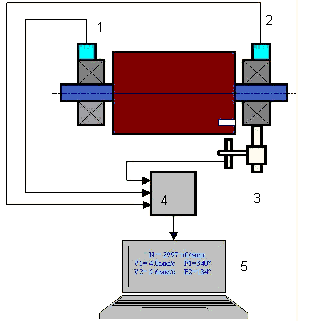
ดังที่กล่าวไว้ข้างต้น สำหรับโรเตอร์แข็ง โดยทั่วไปจำเป็นและเพียงพอที่จะติดตั้งน้ำหนักชดเชยสองตำแหน่ง ซึ่งจะขจัดทั้งองค์ประกอบสถิตและองค์ประกอบคู่ของความไม่สมดุลของโรเตอร์ แผนผังทั่วไปสำหรับการวัดการสั่นสะเทือนระหว่างการปรับสมดุลมีดังนี้
เซ็นเซอร์วัดการสั่นสะเทือนถูกติดตั้งบนฐานรองรับแบริ่งที่จุด 1 และ 2 เครื่องหมายรอบถูกติดกับโรเตอร์ โดยทั่วไปใช้เทปสะท้อนแสง เครื่องหมายรอบนี้ถูกใช้โดยเครื่องวัดความเร็วรอบแบบเลเซอร์เพื่อกำหนดความเร็วรอบและเฟสของสัญญาณการสั่นสะเทือน
วิธีการถ่วงสมดุลแบบไดนามิก (วิธีสามรอบ)
ในกรณีส่วนใหญ่ การปรับสมดุลแบบไดนามิกจะดำเนินการด้วยวิธีการสตาร์ทสามครั้ง วิธีนี้อาศัยหลักการที่ว่าน้ำหนักทดลองที่มีมวลทราบค่าจะถูกวางบนโรเตอร์ตามลำดับในระนาบ 1 และ 2 และน้ำหนักรวมทั้งตำแหน่งของน้ำหนักปรับสมดุลจะถูกคำนวณจากผลการเปลี่ยนแปลงของพารามิเตอร์การสั่นสะเทือน
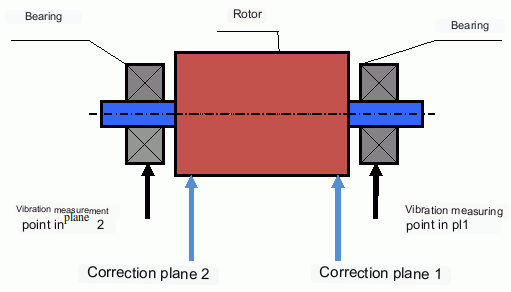
ระนาบที่ติดตั้งน้ำหนักแก้ไขเรียกว่า ระนาบแก้ไข. ระนาบแก้ไขตั้งอยู่ บนตัวโรเตอร์เอง — โดยทั่วไปอยู่ที่ปลายทั้งสองด้านของตัวโรเตอร์ บนแผ่นพัดลมหรือใบพัด หรือบนวงแหวนปรับสมดุลเฉพาะ ควรเลือกให้ห่างกันตามแนวเพลามากที่สุดเท่าที่การออกแบบจะเอื้ออำนวย เพื่อให้น้ำหนักปานกลางสามารถสร้างโมเมนต์แก้ไขที่เพียงพอ นี่ไม่เหมือนกับ จุดวัด, ซึ่งอยู่บนเรือนแบริ่ง (ดูรูปที่ 6)
ในการเริ่มเดินเครื่องครั้งแรก จะวัดการสั่นสะเทือนเริ่มต้น (ในซอฟต์แวร์ Balanset เรียกว่า Run 0) จากนั้นวางน้ำหนักทดลองที่ทราบมวลไว้บนโรเตอร์ใกล้กับตลับลูกปืนตัวหนึ่ง ทำการเดินเครื่องครั้งที่สอง (Run 1) และวัดพารามิเตอร์การสั่นสะเทือน ซึ่งควรเปลี่ยนแปลงเนื่องจากการติดตั้งน้ำหนักทดลอง จากนั้นถอดน้ำหนักทดลองในระนาบแรกออกและติดตั้งในระนาบที่สอง ทำการทดสอบครั้งที่สาม (Run 2) และวัดพารามิเตอร์การสั่นสะเทือน ถอดน้ำหนักทดลองออก และซอฟต์แวร์จะคำนวณมวลและมุมติดตั้งของน้ำหนักปรับสมดุลโดยอัตโนมัติ
จากนั้นน้ำหนักแก้ไขที่คำนวณได้จะถูกติดตั้งในแต่ละระนาบ และทำการรันตรวจสอบ — ในซอฟต์แวร์ Balanset นี่คือ Run T (Trim) ค่าความไม่สมดุลคงเหลือจะถูกเปรียบเทียบกับค่าความคลาดเคลื่อนที่กำหนด หากผลลัพธ์ยังคงสูงกว่าเป้าหมาย ซอฟต์แวร์จะใช้สัมประสิทธิ์อิทธิพลที่กำหนดไว้แล้วซ้ำ จึงไม่จำเป็นต้องรันน้ำหนักทดลองใหม่ — เพียงคำนวณและติดตั้งค่าแก้ไข trim เพิ่มเติมเล็กน้อยเท่านั้น
จุดประสงค์ของการติดตั้งน้ำหนักทดสอบคือเพื่อดูว่าระบบตอบสนองต่อการเปลี่ยนแปลงของความไม่สมดุลอย่างไร เนื่องจากทราบน้ำหนักและตำแหน่งของน้ำหนักทดสอบแล้ว ซอฟต์แวร์จึงสามารถคำนวณค่าที่เรียกว่าสัมประสิทธิ์อิทธิพล ซึ่งแสดงให้เห็นว่าการเพิ่มความไม่สมดุลที่ทราบค่าแล้วส่งผลต่อพารามิเตอร์การสั่นสะเทือนอย่างไร สัมประสิทธิ์อิทธิพลเป็นคุณลักษณะของระบบกลไกเอง และขึ้นอยู่กับความแข็งแกร่งของตัวรองรับและมวล (ความเฉื่อย) ของระบบโรเตอร์-ตัวรองรับ
สำหรับกลไกประเภทเดียวกันที่มีการออกแบบเหมือนกัน ค่าสัมประสิทธิ์อิทธิพลจะใกล้เคียงกัน สามารถบันทึกค่าเหล่านี้ไว้ในหน่วยความจำคอมพิวเตอร์และนำมาใช้ในการถ่วงสมดุลกลไกประเภทเดียวกันโดยไม่ต้องทดสอบ ซึ่งจะช่วยเพิ่มประสิทธิภาพในการถ่วงสมดุลได้อย่างมาก โปรดทราบว่าควรเลือกมวลของน้ำหนักทดลองให้เหมาะสมเพื่อให้พารามิเตอร์การสั่นสะเทือนเปลี่ยนแปลงอย่างเห็นได้ชัดเมื่อติดตั้งน้ำหนักทดลอง มิฉะนั้น ความผิดพลาดในการคำนวณสัมประสิทธิ์อิทธิพลจะเพิ่มขึ้นและคุณภาพของการถ่วงสมดุลจะลดลง
ดังที่เห็นใน Fig. 1 แรงเหวี่ยงหนีศูนย์จะกระทำในทิศทางแนวรัศมี กล่าวคือ ตั้งฉากกับแกนโรเตอร์ ดังนั้นต้องติดตั้งเซ็นเซอร์การสั่นสะเทือนให้แกนความไวของเซ็นเซอร์ชี้ไปในทิศทางแนวรัศมีเช่นกัน โดยปกติความแข็งของฐานรองรับในทิศทางแนวนอนจะน้อยกว่า จึงทำให้การสั่นสะเทือนในทิศทางแนวนอนสูงกว่า ดังนั้นเพื่อเพิ่มความไว ควรติดตั้งเซ็นเซอร์ให้แกนความไวชี้ในแนวนอนด้วย แม้ว่าโดยหลักการแล้วจะไม่มีความแตกต่างพื้นฐาน นอกจากการสั่นสะเทือนในทิศทางแนวรัศมีแล้ว ยังต้องติดตามการสั่นสะเทือนในทิศทางแกนตามแนวแกนหมุนของโรเตอร์ด้วย การสั่นสะเทือนนี้มักไม่ได้เกิดจากความไม่สมดุล แต่เกิดจากสาเหตุอื่น โดยหลักแล้วเกี่ยวข้องกับการไม่ตรงแนวของเพลาที่เชื่อมต่อกันผ่านคัปปลิง
การสั่นสะเทือนนี้ไม่สามารถขจัดได้ด้วยการปรับสมดุล ในกรณีนี้จำเป็นต้องปรับแนวเพลาแทน ในทางปฏิบัติ เครื่องจักรลักษณะนี้มักมีทั้งความไม่สมดุลของโรเตอร์และความไม่ตรงแนวของเพลาพร้อมกัน ซึ่งทำให้การขจัดการสั่นสะเทือนยากขึ้นมาก ในกรณีเช่นนี้ จำเป็นต้องปรับแนวเครื่องจักรให้ตรงศูนย์ก่อน แล้วจึงค่อยปรับสมดุลทีหลัง (แม้ว่าในกรณีที่มีความไม่สมดุลของแรงบิดสูง การสั่นสะเทือนก็อาจเกิดขึ้นในแนวแกนได้เช่นกัน เนื่องจากการ "บิดตัว" ของโครงสร้างฐานราก)
บทความที่เกี่ยวข้อง (ตัวอย่างของแท่นบาลานซ์)
เกณฑ์การประเมินคุณภาพของการถ่วงสมดุลกลไก
คุณภาพการปรับสมดุลของโรเตอร์ (กลไก) สามารถประเมินได้สองวิธี วิธีแรกคือการเปรียบเทียบปริมาณความไม่สมดุลที่เหลืออยู่ซึ่งกำหนดได้ระหว่างกระบวนการปรับสมดุล กับค่าความคลาดเคลื่อนที่ยอมรับได้สำหรับความไม่สมดุลที่เหลืออยู่ ค่าความคลาดเคลื่อนเหล่านี้สำหรับโรเตอร์แต่ละคลาสถูกระบุไว้ใน ISO 21940-11 (เดิมคือ ISO 1940-1)
วิธีการคำนวณค่าความคลาดเคลื่อน (ISO 21940-11) มาตรฐานกำหนดเกรดคุณภาพความสมดุล G ซึ่งเป็นผลคูณของความไม่สมดุลจำเพาะที่ยอมให้ได้ eper และความเร็วเชิงมุมใช้งาน ω แสดงในหน่วย mm/s:
- ω = 2π·n / 60 [rad/s] โดยที่ n คือความเร็วใช้งานเป็น rpm;
- eper = G · 1000 / ω [g·mm/kg] (มีค่าเท่ากับ µm ของระยะเยื้องศูนย์กลางมวล) — เทียบเท่ากับ eper = 9549 · G / n;
- Uper = eper · m [g·mm] โดยที่ m คือมวลโรเตอร์เป็น kg
ตัวอย่างการคำนวณ โรเตอร์ m = 50 kg, ความเร็วใช้งาน n = 3000 rpm, เกรด G 6.3 (พัดลม ปั๊ม มอเตอร์ไฟฟ้ามาตรฐาน): ω = 2π·3000/60 = 314.2 rad/s; eper = 6.3 · 1000 / 314.2 = 20.1 g·mm/kg (ตรวจสอบไขว้: 9549 · 6.3 / 3000 ≈ 20.1); Uper = 20.1 · 50 ≈ 1000 g·mm สำหรับทั้งโรเตอร์
การแบ่งค่าความคลาดเคลื่อนระหว่างสองระนาบ สำหรับโรเตอร์ที่จุดศูนย์กลางมวลอยู่ระหว่างระนาบแก้ไข ค่าความคลาดเคลื่อนรวมจะถูกแบ่งในสัดส่วนผกผันกับระยะห่างจากจุดศูนย์กลางมวลถึงแต่ละระนาบ สำหรับโรเตอร์แบบสมมาตร นี่คือเพียงครึ่งหนึ่งในแต่ละระนาบ — ประมาณ 500 g·mm ต่อระนาบในตัวอย่างข้างต้น ไม่ควรจัดสรรให้ระนาบใดระนาบหนึ่งมากกว่า 70% หรือน้อยกว่า 30% ของ Uper.
เกรดทั่วไป: G 0.4 — ไจโรสโคป สปินเดิลของเครื่องเจียรความละเอียดสูง · G 1 — สปินเดิลเครื่องเจียร อาร์เมเจอร์ความละเอียดสูง · G 2.5 — กังหัน เครื่องกำเนิดไฟฟ้ากังหัน ระบบขับเคลื่อนเครื่องจักรกล · G 6.3 — งานวิศวกรรมทั่วไป: พัดลม อิมเพลเลอร์ปั๊ม ฟลายวีล มอเตอร์ไฟฟ้าทั่วไป · G 16 — เพลาคาร์ดานที่มีข้อกำหนดพิเศษ เครื่องจักรกลการเกษตร เครื่องบด · G 40 — ล้อรถยนต์ เพลาขับ (เพลาคาร์ดาน) · G 100 — ระบบขับข้อเหวี่ยงของเครื่องยนต์ดีเซลความเร็วสูง
อย่างไรก็ตาม การปฏิบัติตามค่าความคลาดเคลื่อนที่กำหนดไว้ไม่สามารถรับประกันความน่าเชื่อถือในการทำงานของกลไกได้อย่างสมบูรณ์ ซึ่งเกี่ยวข้องกับการบรรลุระดับการสั่นสะเทือนขั้นต่ำของกลไกนั้น สิ่งนี้อธิบายได้จากข้อเท็จจริงที่ว่าขนาดของการสั่นสะเทือนของกลไกไม่ได้ถูกกำหนดโดยขนาดของแรงที่เกี่ยวข้องกับความไม่สมดุลที่เหลืออยู่ของโรเตอร์เท่านั้น แต่ยังขึ้นอยู่กับพารามิเตอร์อื่นๆ อีกหลายประการ รวมถึง: ความแข็ง k ขององค์ประกอบโครงสร้างของกลไก มวล m ของกลไก ตัวแปรการหน่วง รวมถึงความถี่ในการหมุน ดังนั้น เพื่อประมาณคุณภาพเชิงพลวัตของกลไก (รวมถึงคุณภาพของความสมดุลของมัน) ในหลายกรณี จึงแนะนำให้ประมาณระดับการสั่นสะเทือนที่เหลืออยู่ของกลไก ซึ่งถูกควบคุมโดยมาตรฐานหลายฉบับ
มาตรฐานที่ใช้กันแพร่หลายที่สุดสำหรับระดับการสั่นสะเทือนที่ยอมรับได้ของเครื่องจักรอุตสาหกรรมคือ ISO 20816-3 (เดิมคือ ISO 10816-3) ครอบคลุมเครื่องจักรที่มีกำลังมากกว่า 15 kW ทำงานที่ 120–15,000 rpm และจัดประเภทตามสองมิติ คือตามกลุ่มกำลัง (กลุ่ม 1 มากกว่า 300 kW กลุ่ม 2 15 ถึง 300 kW) และตามประเภทฐานรองรับ (แข็งหรือยืดหยุ่น) แต่ละการรวมกันมีขอบเขตโซน A/B, B/C และ C/D ของตัวเองเป็น mm/s RMS เครื่องจักรที่อยู่นอกขอบเขตนี้มีส่วนเฉพาะของชุดมาตรฐาน (ชุดเทอร์ไบน์ ISO 20816-2 เครื่องจักรไฮดรอลิก เครื่องจักรลูกสูบ ปั๊ม) หรือมาตรฐานผลิตภัณฑ์ เช่น ISO 14694 สำหรับพัดลมอุตสาหกรรม
สำหรับเครื่องจักรทั่วไปที่ประเมินบนชิ้นส่วนที่ไม่หมุน แบบคลาสสิก ISO 10816-1 โซน (ปัจจุบันเป็นส่วนหนึ่งของ ISO 20816-1) กำหนดขอบเขตความเร็วการสั่นสะเทือนดังนี้ mm/s RMS:
| ระดับ | เอ/บี | บี/ซี | ซี/ดี |
|---|---|---|---|
| คลาส I (เครื่องจักรขนาดเล็ก ไม่เกิน 15 kW) | 0.71 | 1.80 | 4.50 |
| คลาส II (เครื่องจักรขนาดกลาง 15–75 kW) | 1.12 | 2.80 | 7.10 |
| คลาส III (เครื่องจักรขนาดใหญ่ ฐานรากแบบแข็ง) | 1.80 | 4.50 | 11.20 |
| คลาส IV (เครื่องจักรขนาดใหญ่ ฐานรากแบบยืดหยุ่น) | 2.80 | 7.10 | 18.00 |
โซน A สอดคล้องกับการสั่นสะเทือนของเครื่องจักรใหม่ โซน B ยอมรับได้สำหรับการใช้งานระยะยาวโดยไม่จำกัด โซน C อนุญาตให้ใช้งานได้เฉพาะแบบจำกัดเท่านั้น โซน D บ่งชี้ว่าการสั่นสะเทือนรุนแรงพอที่จะก่อให้เกิดความเสียหาย
มาตรฐานและเอกสารอ้างอิง
- ISO 21940-11:2016 — การสั่นสะเทือนเชิงกล — การปรับสมดุลโรเตอร์ — ส่วนที่ 11: ขั้นตอนและค่าความคลาดเคลื่อนสำหรับโรเตอร์ที่มีพฤติกรรมแบบแข็ง (rigid) (แทนที่ ISO 1940-1 ซึ่งถูกยกเลิกแล้ว) เกรด G และเครื่องคำนวณค่าความคลาดเคลื่อน →
- ISO 21940-2 — การสั่นสะเทือนเชิงกล — การปรับสมดุลโรเตอร์ — ส่วนที่ 2: คำศัพท์ (คำนิยามของความไม่สมดุลแบบสถิต แบบคู่ กึ่งสถิต และแบบพลวัต)
- ISO 20816-1:2016 — การสั่นสะเทือนเชิงกล — การวัดและประเมินการสั่นสะเทือนของเครื่องจักร — ส่วนที่ 1: แนวทางทั่วไป (แทนที่ ISO 10816-1 และ ISO 7919-1) โซนการประเมิน →
- ISO 20816-3:2022 — การสั่นสะเทือนเชิงกล — การวัดและประเมินการสั่นสะเทือนของเครื่องจักร — ส่วนที่ 3: เครื่องจักรอุตสาหกรรมที่มีกำลังพิกัดเกิน 15 kW และความเร็วพิกัดระหว่าง 120 r/min ถึง 15 000 r/min (แทนที่ ISO 10816-3:2009)
- ISO 14694:2003 — พัดลมอุตสาหกรรม — ข้อกำหนดสำหรับคุณภาพความสมดุลและระดับการสั่นสะเทือน
คำถามที่พบบ่อย
การถ่วงสมดุลช่วยขจัดแรงสั่นสะเทือนทั้งหมดได้หรือไม่?
ไม่ การถ่วงสมดุลช่วยขจัดแรงสั่นสะเทือนที่เกิดจากการกระจายมวลของโรเตอร์ที่ไม่สมมาตรเมื่อเทียบกับแกนหมุน แรงสั่นสะเทือนจากความคลาดเคลื่อนของแนวแกน ข้อบกพร่องของแบริ่ง แรงทางอากาศพลศาสตร์/อุทกพลศาสตร์ แรงทางแม่เหล็กไฟฟ้า และสาเหตุอื่นๆ จำเป็นต้องมีการวินิจฉัยและแก้ไขแยกต่างหาก.
เหตุใดการถ่วงสมดุลจึงอาจล้มเหลวเมื่ออยู่ใกล้จุดเรโซแนนซ์?
ใกล้จุดเรโซแนนซ์ การเปลี่ยนแปลงความเร็วเพียงเล็กน้อยอาจทำให้แอมพลิจูดการสั่นสะเทือนเปลี่ยนแปลงอย่างมาก และเกิดการเลื่อนเฟสถึง 180 องศา ในสภาวะเช่นนี้ ผลการวัดจะไม่มีเสถียรภาพ และขั้นตอนการถ่วงสมดุลแบบเดิมอาจไม่สามารถหาค่าที่เสถียรได้หากไม่มีวิธีการพิเศษ.
เมื่อใดที่คุณต้องการการถ่วงสมดุลแบบระนาบเดียว เทียบกับการถ่วงสมดุลแบบสองระนาบ?
ระนาบเดียว ก็เพียงพอสำหรับโรเตอร์รูปจาน ซึ่งความยาวตามแนวแกนของโรเตอร์มีค่าน้อยเมื่อเทียบกับเส้นผ่านศูนย์กลาง — ตามกฎทั่วไปคือ L/D < 0.5 — และความเร็วใช้งานต่ำกว่าความเร็ววิกฤตแรกมาก ตัวอย่างทั่วไปได้แก่ หินเจียร อิมเพลเลอร์พัดลมแบบจานเดี่ยว พูลเลย์ ล้อรถยนต์ โรเตอร์ลักษณะนี้มีความไม่สมดุลแบบสถิตเกือบล้วนๆ
สองระนาบ จำเป็นสำหรับโรเตอร์ที่ยาว (L/D ≥ 0.5) สำหรับโรเตอร์ใดๆ ที่มีใบพัดหรือแผ่นดิสก์สองชิ้นขึ้นไปเรียงตามแนวเพลา และเมื่อใดก็ตามที่เฟสการสั่นสะเทือนที่ตลับลูกปืนทั้งสองแตกต่างกันอย่างชัดเจน — ซึ่งเป็นสัญญาณของส่วนประกอบคู่ โรเตอร์แข็งไม่จำเป็นต้องใช้มากกว่าสองระนาบเลย
หากไม่แน่ใจ ให้วัดที่แบริ่งทั้งสองตัว หากการแก้ไขแบบระนาบเดียวลดการสั่นสะเทือนที่แบริ่งตัวหนึ่งแต่เพิ่มขึ้นที่อีกตัวหนึ่ง แสดงว่าโรเตอร์มีองค์ประกอบแบบคู่ และต้องใช้การปรับสมดุลแบบสองระนาบ
ควรทำอะไรบ้างก่อนทำการถ่วงสมดุล?
ตรวจสอบให้แน่ใจว่าเครื่องจักรอยู่ในสภาพพร้อมใช้งาน: ติดตั้งบนฐานอย่างมั่นคง ตลับลูกปืนอยู่ในสภาพดี ไม่มีส่วนใดหลวมมากเกินไป และไม่มีแหล่งที่มาของความไม่เป็นเชิงเส้นที่เห็นได้ชัด การถ่วงสมดุลไม่ใช่สิ่งที่ทดแทนการซ่อมแซมได้.
ประเด็นสำคัญ
- การถ่วงสมดุลจะช่วยแก้ไขการกระตุ้นที่เกี่ยวข้องกับมวล (แรงเหวี่ยงหนีศูนย์กลาง) แต่จะไม่สามารถแก้ไขปัญหาการจัดแนวที่ไม่ถูกต้อง ความเสียหายของแบริ่ง หรือแหล่งกำเนิดคลื่นแม่เหล็กไฟฟ้า/อากาศพลศาสตร์ได้.
- การสั่นพ้องและความไม่เป็นเชิงเส้นอาจทำให้การปรับสมดุลแบบเดิมไม่ได้ผลหรืออาจก่อให้เกิดอันตรายได้
- สำหรับโรเตอร์แบบแข็ง การปรับสมดุลสองระนาบเป็นวิธีแก้ทั่วไปสำหรับความไม่สมดุลแบบไดนามิก (ผลรวมของแบบคงที่ + แบบคู่)

Nikolai Shelkovenko
Nikolai Shelkovenko เป็นวิศวกรวิเคราะห์การสั่นสะเทือน และเป็นผู้ก่อตั้งและประธานเจ้าหน้าที่บริหารของ Vibromera กว่า 15 ปีที่เขาถ่วงสมดุลเครื่องจักรหมุนในภาคสนามแทนที่จะทำบนแท่นทดสอบ ได้แก่ มุลเชอร์ พัดลมอุตสาหกรรม เครื่องบด เครื่องหมุนเหวี่ยง เพลา และสปินเดิล งานนี้เองที่ทำให้เกิดเครื่องมือ Balanset — ออกแบบมาให้เป็นเครื่องมือที่ผู้เชี่ยวชาญสามารถถือไปยังเครื่องจักรและใช้งานได้ด้วยตัวคนเดียวหน้างาน ไม่ใช่อุปกรณ์สำหรับห้องปฏิบัติการ Vibromera ก่อตั้งขึ้นในปี 2017 และตั้งฐานอยู่ที่เมืองปอร์ตู ประเทศโปรตุเกส ตั้งแต่ปี 2023 การพัฒนา การประกอบ และการสนับสนุนผลิตภัณฑ์ตระกูล Balanset ทั้งหมดเกิดขึ้นที่นี่ เครื่องมือเรือธงคือ Balanset-1A เครื่องวิเคราะห์แบบพกพาสำหรับการถ่วงสมดุลหนึ่งระนาบและสองระนาบ และสำหรับการวินิจฉัยการสั่นสะเทือน Nikolai มีส่วนร่วมด้วยตนเองในการสนับสนุนลูกค้า ในการแก้ไขงานถ่วงสมดุลที่ยาก และในการพัฒนาซอฟต์แวร์ เขาทำงานกับลูกค้าทั่วโลกในทุกภาษา

