Mga serbisyo sa pagbabalanse › Mag-upgrade ng Isang Balancing Machine
I-upgrade ang Lumang Balancing Machine — Retrofit gamit ang Balanset-1A
Ang mekanikal na bed ng inyong balancing machine, mga kalibrasyong pedestal at drive spindle ay mayroon pang dekada ng buhay. Ang nagiging lipas na ay ang mga measuring electronics: ang lumang analogue na unit, ang floppy-disk na kompyuter, ang hindi na sinusuportahang sensor card. Palitan ang buong sistema ng pagsukat at computing gamit ang Balanset-1A OEM set sa €1,735 at patakbuhin ang inyong kasalukuyang makina na may modernong two-channel digital measurement, FFT analysis, ISO 21940-11 na pag-uulat at walang patuloy na bayad sa lisensya.
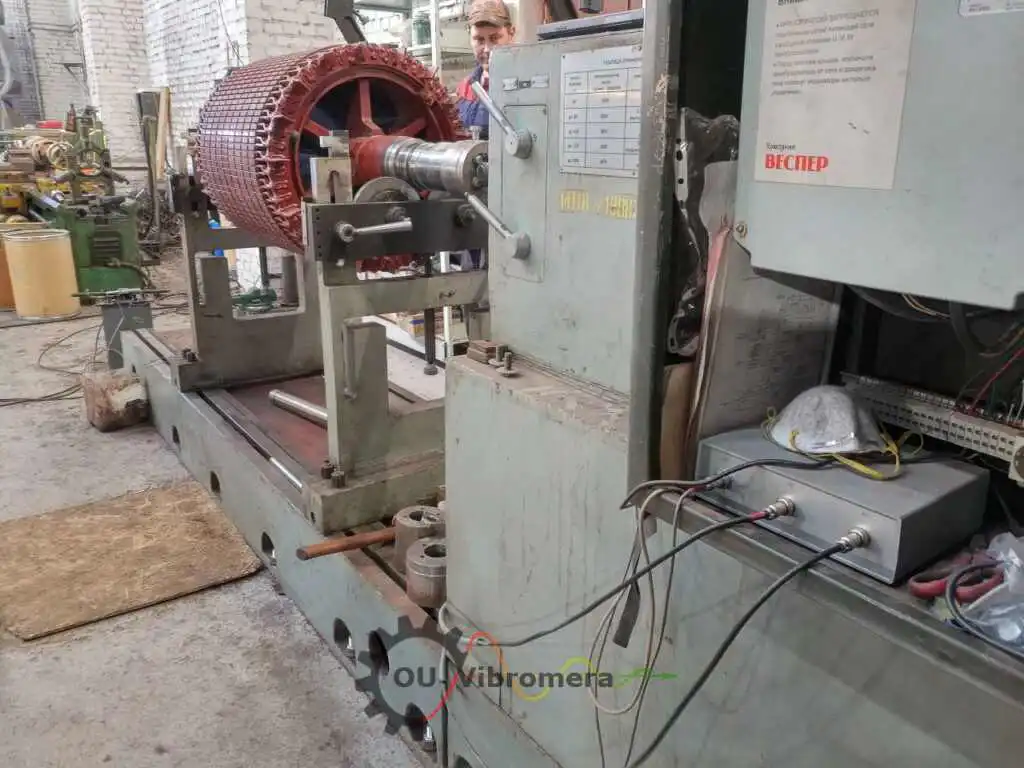
In short: Retrofitting an old balancing machine means replacing only its measuring electronics — sensors, signal-conditioning unit and software — while keeping the proven mechanical structure intact. The Balanset-1A OEM set (unit + 2 vibration accelerometers + laser tachometer + software, €1,735) installs in one day on any hard- or soft-bearing machine, adds two-plane dynamic balancing, FFT vibration analysis and printable ISO 21940-11 reports, and costs roughly 10–60× less than a new machine.
Mga palatandaan na kailangan ng inyong balancing machine ng pag-upgrade ng measuring system
Ang mekanikal na bahagi ng isang hard-bearing o soft-bearing na balancing machine ay bihirang mauuna sa pagkasira — ang mga elektroniko ang mauuna. Ang mga sintomas na ito ay nagpapahiwatig na ang measuring system ang bottleneck, hindi ang mismong makina:
Ang gastos ng buong pagpapalit kumpara sa isang targeted na retrofit
Ang isang hard-bearing balancing machine ay pundamental na isang tumpak na mekanikal na istruktura: isang matibay na bed, mga calibrated na support pedestal at isang stable na drive spindle. Ang mga bahaging ito ay may buhay na pangmaraming dekada sa normal na pagpapanatili. Ang measuring system — mga sensor, signal conditioning, ADC at software — ay sumusunod sa lifecycle ng consumer electronics: lima hanggang sampung taon bago hindi na suportado ang platform at maging bihira ang mga bahagi.
When the electronics fail, scrapping the entire machine is not the rational response. A full replacement is a capital project: €15,000 to €100,000+ for hardware, plus installation, commissioning and staff retraining. The Balanset-1A OEM measuring-system set at €1,735 installs into your existing machine in a single working day, connects to your existing bearing pedestals and picks up from your current sensor mounting positions (using the new vibration sensors supplied), and runs on any modern Windows laptop. The mechanical accuracy you paid for remains; only the obsolete electronics are replaced.
Ano ang idinaragdag ng Balanset-1A retrofit sa inyong lumang makina
Modernong two-channel measurement. Ang Balanset-1A USB interface unit ay pinapalitan ang inyong lumang single-channel analogue electronics ng isang 24-bit two-channel ADC. Ang parehong bearing pedestal ay sinusukat nang sabay-sabay — mahalaga para sa dynamic two-plane balancing ng malawak na rotor.
FFT spectrum at phase readout. Bawat measurement run ay nagbubunga ng buong frequency-domain spectrum upang makilala ninyo ang unbalance (1×RPM), misalignment (2×RPM) at structural resonance. Ang phase angle ay ipinapakita at nilo-log para sa bawat run.
Influence-coefficient software. Ginagabayan ng Balanset software ang operator sa isang sistematikong 3-run na pamamaraan ng influence-coefficient: baseline run, trial weight run, at pagkalkula ng correction. Hindi na kailangan ng manu-manong vector arithmetic. Sinusuportahan ang one-plane at two-plane na mga mode.
Printable ISO 21940-11 reports. Pagkatapos ng bawat sesyon ng balancing, ang software ay gumagawa ng ulat na naglalaman ng paunang at residual unbalance sa g·mm, paghahambing ng G-grade, at kumpletong kasaysayan ng run. Angkop para sa mga rekord ng quality management at dokumentasyon ng customer.
Laser tachometer replaces mechanical trigger circuits. Ang optical phase sensor ay inilalagay sa magnetic stand at nagbabasa ng reflective tape strip, na pinapalitan ang mga lumà o hindi maaasahang mechanical phase-trigger assembly sa mga mas lumang makina.
Paano i-retrofit ang Balanset-1A sa iyong makina — hakbang sa hakbang
- Suriin ang kasalukuyang mekanikal na istraktura. Confirm that the machine’s bearing pedestals, drive and runout compensation still meet specification. If they do, the mechanical side needs no work. Document the existing sensor mounting positions on the bearing pedestals — the vibration sensors supplied with the Balanset unit will be installed at the same measurement points.
- Ikonekta ang mga sensor sa bagong unit. Mount the two supplied vibration accelerometers on the bearing pedestal housings in the standard orientation and plug them into the Balanset-1A interface unit using their attached cables. The unit is designed to work with its own matched sensors; if you would like to reuse the machine’s existing sensors instead, check compatibility with us first.
- I-install ang phase trigger. Itutok ang laser tachometer sa isang reflective strip na nakakabit sa rotor o spindle. Ang laser stand ay magnetic at nakakabit sa machine bed nang walang pagbubutas. Pinapalitan nito ang anumang legacy mechanical o optical trigger assembly.
- I-configure ang software. I-load ang Balanset software sa isang Windows laptop (Windows 7 hanggang Windows 11). Ilagay ang mga sensor sensitivity, pedestal stiffness constant mula sa orihinal na calibration record ng makina’s, at ang hanay ng rotor mass na balak ninyong i-balance. I-save bilang machine profile.
- Mag-run ng calibration rotor. Gumamit ng calibration rotor na may kilalang masa (o ang inyong unang production rotor na may tiyak na nasukat na trial weight) upang ma-verify na ang nasukat na unbalance ay tugma sa kilalang halaga. Ang influence-coefficient method ay nag-self-calibrate bawat uri ng rotor; hindi kailangan ng panlabas na serbisyo ng calibration.
- I-verify ayon sa ISO 21940-11. Mag-run ng check rotor upang kumpirmahin na ang residual unbalance pagkatapos ng isang balance pass ay nasa loob ng G-grade tolerance na kinakailangan para sa inyong klase ng rotor. I-print at i-archive ang resulta bilang commissioning record.
Bago at pagkatapos: lumang analogue na makina kumpara sa Balanset-upgraded
| Capability | Old analogue system | Balanset-1A retrofit |
|---|---|---|
| Channel ng pagsusukat | 1 (single-plane only) | 2 (single- & two-plane) |
| FFT frequency spectrum | No — analogue meter only | Yes — full spectrum display |
| Phase angle readout | Strobe-lamp estimate | Digital, nilo-log bawat run |
| ISO 21940-11 report | Not possible | Printed after every session |
| Residual unbalance sa g·mm | Not calculated | Kinakalkula at ipinapakita |
| Koneksyon sa PC | Floppy disk / wala | USB, Windows 7–11 |
| Nakaimbak na kasaysayan ng operasyon | Papel na strip chart | Digital na file, maaaring i-print |
| Spare parts | Discontinued | Sa produksyon, 2-taong warranty |
| Upgrade cost | — | €1,735 OEM set |
Ang mekanikal na katumpakan ng orihinal na makina — rigidity ng bed, stiffness ng pedestal, drive runout — ay ganap na napanatili. Ang measurement at computing hardware lamang ang pinalitan.
Ang Balanset-1A — ang measurement system na pumapalit sa inyong lumang electronics
The Balanset-1A is a two-channel dynamic balancer and vibration analyser designed to replace the measuring electronics of any existing hard- or soft-bearing balancing machine. It connects to your machine’s bearing pedestals via the supplied vibration accelerometers and to the rotor via a laser tachometer, then runs the 3-run influence-coefficient method in software — calculating exact correction mass and angle and saving a full ISO 21940-11 report. The OEM set (unit + 2 sensor + laser tachometer + software — walang transport case, digital scale o magnetic stand) ang espesyal na configuration para sa mga integrator na nagre-retrofit ng makina.
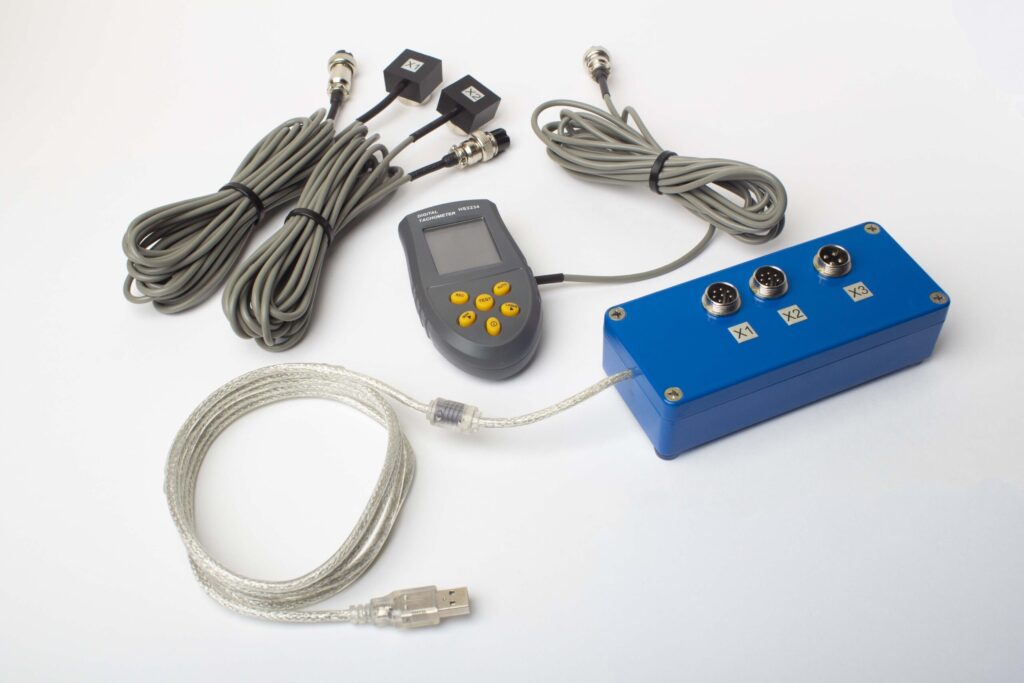
Ano ang Nasa Buong Kit
€1,975 · Buong Kit, available sa stock, VAT invoice
- Yunit ng interfase para sa pagsusukat (USB, 2 channel)
- Dalawang accelerometer ng vibrasyon (4 m cable, 10 m opsyonal)
- Laser tachometer / optical phase sensor (50–500 mm)
- Magnetic stand para sa sensor
- Digital na timbangan para sa trial & correction weights
- Windows balancing & analysis software
- Plastic na transport case
Full Kit
Unit · 2 sensor · laser tachometer · magnetic stand · digital na timbangan · software · transport case. Lahat ng kailangan upang magsimulang mag-balance mula sa kahon.
OEM set — para sa machine retrofit
Unit · 2 sensor · laser tachometer · software — walang transport case, digital scale o magnetic stand. Ginawa para sa mga integrator na nag-e-embed ng measuring system sa isang umiiral na balancing machine. €1,735. Ang espesyal na retrofit configuration.
| Parameter | Value |
|---|---|
| Channel ng pagsusukat | 2 (single- & two-plane balancing) |
| Saklaw ng vibration velocity | 0.2–80 mm/s RMS |
| Saklaw ng dalas | 5–1000 Hz (≤10% amplitude error above 550 Hz) |
| Katumpakan ng pagsusukat | ±5% ng buong sukat |
| Method | 3-run na koepisyente ng impluwensya (1 o 2 mga panukat) |
| Analysis | Amplitude at yugto sa 1×, FFT na spektro at waveform, nakaligtas na mga ulat |
| Standards | ISO 21940-11 pagkukuwento ng natitirang hindi-balanse |
| Laptop | Hindi kasama (Windows 7–11, available sa kahilingan) |
Mga tunay na kaso ng retrofit at upgrade
Makina na may matigas na gabay na modernisado
Full retrofit of an old hard-bearing balancing machine: new vibration sensors, new Balanset measuring unit, modern software — mechanical structure unchanged.
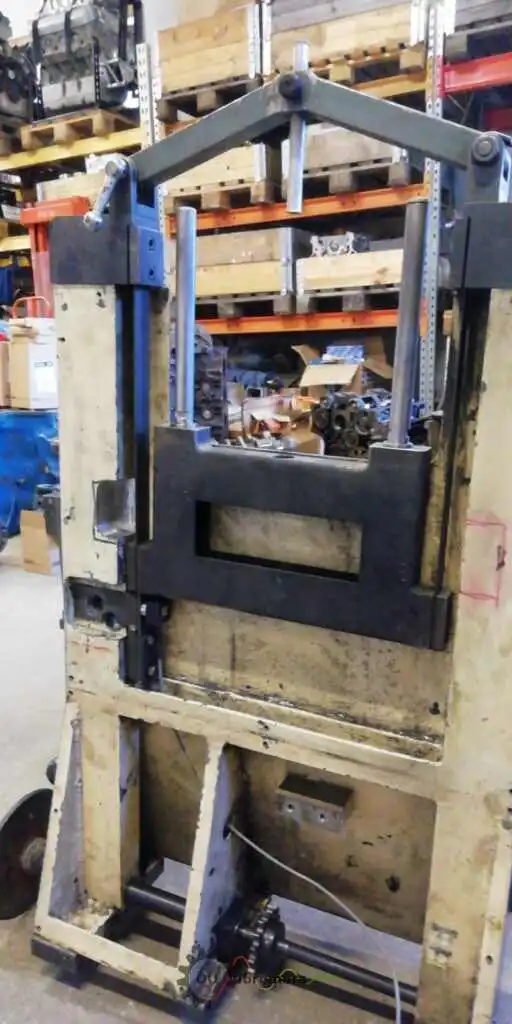
Balanset bilang OEM measuring system
Video demonstration ng Balanset OEM unit na naka-integrate bilang permanenteng measurement at computing system sa isang umiiral na production balancing machine.

DIY balancing machines
Mga inhinyero na nagtayo ng sarili nilang mga bearing pedestal at drive system sa paligid ng Balanset measuring unit bilang electronic core — katulad ng pamamaraan sa isang upgrade.
Mga toleransya at pamantayan
Libreng upgrade calculators
Mga madalas na tanong sa Retrofit & Upgrade
Gagana ba ang Balanset unit sa aking mga umiiral na sensor?
Maaari ba itong palitan ang electronics sa soft-bearing pati na rin ang hard-bearing machine?
Ano ang pagkakaiba sa pagitan ng OEM set at ng karaniwang Full Kit?
Kailangan ba ng anumang mekanikal na trabaho sa balancing machine?
Gaano katagal ang karaniwang pag-install ng retrofit?
Maaari bang isama ang Balanset OEM set sa isang automated o semi-automated na linya ng produksyon?
Matuto ng teorya
Huwag itapon ang magandang makina — i-retrofit ngayon
Ang Balanset-1A OEM set ay nagbibigay sa iyong kasalukuyang balancing machine ng kumpletong modernong pag-upgrade — two-plane digital measurement, FFT analysis, phase readout at ISO 21940-11 na pag-uulat — para sa €1,735. Panatilihin ang mekanikal na pamumuhunan; palitan lamang ang lipas nang electronics.

