Pag-unawa sa Seismic Transducers
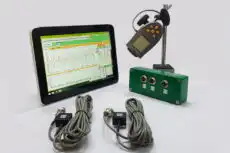
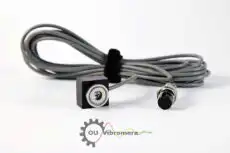
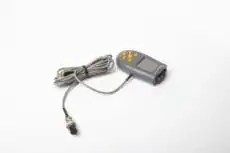
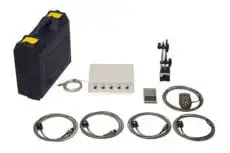
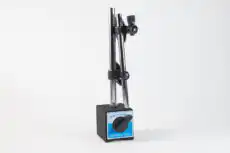

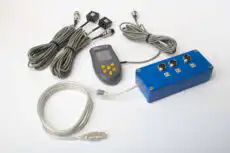
A seismic transducer — tinatawag din na seismic sensor o inertial transducer — ay isang vibration sensor that uses an internal seismic mass (a “proof mass”) suspended on springs or compliant flexures as an inertial reference, allowing it to measure the absolute motion of the sensor base. When the housing vibrates, the relative motion between the suspended mass and the housing is converted into an electrical signal that represents the vibration. Depending on where the measurement frequency lies relative to the mass-spring system’s natural frequency, the sensor works in one of two regimes: above resonance the mass tends to stay still in space and the relative motion follows the housing displacement (the classic seismometer and velocity-pickup regime), while below resonance the small residual deflection of the mass is proportional to the housing acceleration (the accelerometer regime). The defining feature is that the reference is carried inside ng sensor, kaya hindi na kailangan ng nakapirming external na datum.
Ang pangalang “seismic” ay nagmula sa instrumento ng lindol: ang nakabitin na mass ng seismometer ay nananatiling medyo nakatigil habang nangangangalog ang lupa sa ilalim nito. Sa pagsubaybay ng makinarya, ang parehong velocity transducers and accelerometers ay mga seismic transducer sa puntong ito, bagaman ang termino ay kadalasang iniuugnay sa klasikong velocity pickup.
1. Prinsipyo ng Pagpapatakbo
Mass-Spring-Damper System
Ang bawat seismic transducer ay, sa puso nito, isang maliit na mechanical oscillator na may apat na functional na bahagi:
- Seismic mass: isang na-calibrate na proof mass na nakabitin sa loob ng housing ng sensor.
- Spring: mga mekanikal na spring o manipis na flexure na nagtataglay ng mass.
- Damping: damping sa pamamagitan ng hangin, magnetic (eddy-current), o likido na pumipigil sa resonance.
- Transduction: ang elemento na nagko-convert ng relatibong galaw ng mass-sa-housing tungo sa voltage.
Frequency Response Regions
How the sensor behaves depends entirely on where the excitation frequency falls relative to its own natural frequency — and the two main sensor families deliberately work on opposite sides of the resonance:
- Below natural frequency (accelerometer regime): mass and housing move essentially together, and the small residual deflection of the mass is proportional to the housing acceleration. Piezoelectric and MEMS accelerometers work here, below their high mounted resonance.
- Sa natural na frequency: the system resonates — output is amplified but distorted and unreliable, so measurement near resonance is avoided.
- Above natural frequency (seismometer regime): the mass effectively stays put while the housing vibrates around it, and the relative motion follows the housing displacement (or velocity). Displacement seismometers and moving-coil velocity pickups work here, above their low natural frequency.
- Usable ranges: a velocity pickup is conventionally used above roughly 2× its natural frequency, where its response has settled and is flat; an accelerometer is used well below its mounted resonance — typically up to about one-third of it for good accuracy.
2. Mga Uri ng Seismic Transducer
Velocity Transducers (Moving-Coil)
- Ang isang magnet ay nasususpinde sa mga spring sa loob ng nakatakdang coil (o kabaligtaran).
- Ang relatibong bilis sa pagitan ng magnet at coil ay nagbibigay ng boltahe sa pamamagitan ng electromagnetic induction.
- Ang natural na frequency ay karaniwang 8–15 Hz.
- Ginagamit sa ibabaw ng humigit-kumulang 16–30 Hz.
- Nasusukat ang bilis nang direkta, nang hindi kailangan ng signal integration.
Accelerometers
- Piezoelectric gumagamit ang mga uri nito ng piezo crystal upang maramdaman ang inertial na puwersa ng masa.
- Gumagamit ang mga uri ng MEMS ng capacitive o piezoresistive na pag-iisip sa isang micro-machined na elemento.
- Much higher (mounted) natural frequency, typically 10–30 kHz.
- Unlike velocity pickups, used below resonance: usable from about 1 Hz up to roughly one-third of the mounted resonance frequency.
- Sinusukat ang acceleration, na maaaring i-integrate sa velocity o displacement.
3. Seismic vs. Non-Seismic na mga Sensor
Ang pamilya ng seismic ay pinakamainam na maunawaan sa pamamagitan ng paghahambing sa mga sensor na umaasa sa isang panlabas na sanggunian.
Mga Seismic Sensor (Inertial Reference)
- Mga accelerometer at velocity transducer.
- Sinusukat ang ganap na galaw sa inertial na espasyo.
- I-mount nang direkta sa nagbibigay-tunog na istraktura.
- May dalang sariling panloob na masa bilang sanggunian.
- Ang pinakakaraniwang pagpipilian para sa pagmamasid ng makinarya.
Mga Non-Seismic Sensor (External Reference)
- Mga proximity probe (mga eddy-current sensor).
- Sinusukat ang relatibong paggalaw sa pagitan ng dalawang ibabaw.
- Nangangailangan ng nakatakdang punto ng pag-mount para sa pagtingin.
- Karaniwang sinusukat ang galaw ng shaft kaugnay ng bearing.
- Pamantayan para sa pagsukat ng vibration ng shaft sa mga makinang may journal bearings.
4. Mga Kalamangan ng Seismic na Disenyo
Sariling Reference
- Hindi kailangan ng panlabas na reference frame.
- Ang sensor ay maaaring i-mount halos kahit saan sa isang nagbibigay-tunog na istraktura.
- Nag-uulat ito ng tunay na ganap na galaw sa inertial na espasyo.
Versatility
- Isang uri ng sensor ay sumasaklaw sa maraming aplikasyon.
- Angkop para sa parehong pansamantalang mga survey at permanenteng mga instalasyon.
- Madaling dalhin mula sa isang makina patungo sa isa pa.
Ito ang dahilan kung bakit umaasa ang mga portable na instrumento sa mga ito. Ang dalawang-channel na Balanset-1A, halimbawa, kinukuha ang mga pagbabasa nito mula sa mga accelerometer na nakakapit sa mga bearing housing — mga self-referencing seismic sensor na hindi nangangailangan ng nakatakdang datum, kaya mabilis na makalipat ang isang inhinyero sa pagitan ng mga punto ng pagsukat at mga makina habang nagbabalanse sa lugar.
5. Limitations
Mga Limitasyon sa Frequency Response
- Velocity pickups cannot measure reliably below roughly 2× their natural frequency; moving-coil types in particular respond poorly below 15–20 Hz. There is an inherent trade-off: a lower natural frequency gives better low-frequency reach but demands a larger, heavier sensor.
- Accelerometers lose accuracy as the measurement frequency approaches their mounted resonance; the practical upper limit (typically about one-third of the mounted resonance) depends strongly on the mounting method (see ISO 5348).
- At the very low end, accelerometer response is limited by the sensing element and amplifier electronics rather than the seismic suspension — typically down to about 0.5–1 Hz for standard industrial units.
Nasusukat ang Paggalaw ng Casing
- Nag-uulat ang sensor ng galaw ng bearing housing, hindi direkta ang shaft.
- Ang vibration ng housing ay hindi kapareho ng vibration ng shaft — ito ay nasasala ng stiffness ng bearing at ng nakapaligid na istraktura.
- Kung saan ang tunay na orbit ng shaft ang mahalaga, kinakailangan ang mga proximity probe sa halip.
6. Mga Aplikasyon
Machinery Condition Monitoring
- Mga pagsusukat ng vibration sa bearing-housing.
- Pangkalahatang vibration trending.
- Bearing-defect detection.
- Pangkalahatang diagnostics ng rotating machinery.
Structural Vibration
- Mga survey ng vibration ng gusali at pundasyon.
- Seismic monitoring ng mga lindol.
- Vibration mula sa lupa na nagmumula sa makinarya.
Modal Analysis
- Pagsukat ng tugon ng isang istruktura sa isang kalibrasyong epekto.
- Determining natural frequencies and mode shapes.
- Building the mga function ng frequency response used in modal analysis.
Seismic transducers, using an internal suspended mass as an inertial reference, form the foundation of vibration measurement on rotating machinery. Grasping the seismic principle — how a suspended mass enables absolute-motion measurement, and why velocity pickups work above their natural frequency while accelerometers work below their mounted resonance — explains both the strengths and the limits of these twin workhorses of every industrial vibration-analysis programme.

