நிலநடுக்க மாற்றிகளை புரிந்துகொள்வது
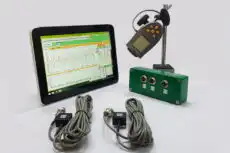


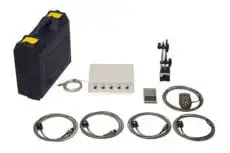

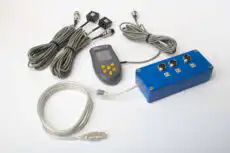
A நிலநடுக்க உணரி சாதனம் — நிலநடுக்க ஸென்சர் அல்லது செயலற்ற மாற்றி என்றும் அழைக்கப்படுகிறது — என்பது vibration sensor that uses an internal seismic mass (a “proof mass”) suspended on springs or compliant flexures as an inertial reference, allowing it to measure the absolute motion of the sensor base. When the housing vibrates, the relative motion between the suspended mass and the housing is converted into an electrical signal that represents the vibration. Depending on where the measurement frequency lies relative to the mass-spring system’s இயல்பு அதிர்வெண், the sensor works in one of two regimes: above resonance the mass tends to stay still in space and the relative motion follows the housing displacement (the classic seismometer and velocity-pickup regime), while below resonance the small residual deflection of the mass is proportional to the housing acceleration (the accelerometer regime). The defining feature is that the reference is carried inside ஸென்சர், எனவே நிலையான வெளிப்புற datum தேவை இல்லை.
"நிலநடுக்க" என்ற பெயர் நிலநடுக்க கருவி இருந்து வருகிறது: ஒரு நிலநடுக்கமாபியின் கண்ணாடி நிறை ஒப்பிடுமாறு நில அசையும் போது அமைதியாக இருக்கிறது. যন்திர கண்காணிப்பில், இரண்டு velocity transducers and accelerometers இந்த அর்థத்தில் நிலநடுக்க மாற்றிகள், இருப்பினும் இந்த சொல் பெரும்பாலும் கிளாசிக் வேக கூட்டாளியுடன் தொடர்புடையது.
1. இயங்கும் கோட்பாடு
நிறை-வசந்த-ஈரப்பூ அமைப்பு
ஒவ்வொரு நிலநடுக்க மாற்றி, இதயத்தில், நான்கு செயல்பாட்டு பகுதிகள் கொண்ட ஒரு சிறிய যান்திரிக அலைகள்:
- Seismic mass: ஸென்சர் வளையில் இடைநிறுத்தப்பட்ட ஒரு அளவீட்ட நிரூபண நிறை.
- Spring: நிறை ஆதரிக்கும் இயந்திர நீரூட்டல்கள் அல்லது மெல்லிய வளைந்த உறுப்புகள்.
- Damping: அது மீள்குணிப்பு நியமிக்கும் காற்று, காந்த (சுழல் மின்னோட்டம்) அல்லது திரவ தணிப்பு.
- Transduction: நிறை-முதல்-கட்டுப்பாடு சாపேக்ষ இயக்கத்தை மின்சாரமாக மாற்றும் உறுப்பு।
அதிர்வெண் பதிலளிப்பு பகுதிகள்
How the sensor behaves depends entirely on where the excitation frequency falls relative to its own natural frequency — and the two main sensor families deliberately work on opposite sides of the resonance:
- Below natural frequency (accelerometer regime): mass and housing move essentially together, and the small residual deflection of the mass is proportional to the housing acceleration. Piezoelectric and MEMS accelerometers work here, below their high mounted resonance.
- இயல்பான அதிர்வெண்ணில்: the system resonates — output is amplified but distorted and unreliable, so measurement near resonance is avoided.
- Above natural frequency (seismometer regime): the mass effectively stays put while the housing vibrates around it, and the relative motion follows the housing displacement (or velocity). Displacement seismometers and moving-coil velocity pickups work here, above their low natural frequency.
- Usable ranges: a velocity pickup is conventionally used above roughly 2× its natural frequency, where its response has settled and is flat; an accelerometer is used well below its mounted resonance — typically up to about one-third of it for good accuracy.
2. அதிர்வு பరிமாற்றிகளின் வகைகள்
வேகம் பரிமாற்றிகள் (நகரும் சுருள்)
- ஒரு காந்தம் நிலையான சுருளின் உள்ளே (அல்லது நேர்மாறாக) நீரூட்டல்களில் தொங்கவிடப்பட்டுள்ளது।
- காந்தம் மற்றும் சுருளுக்கு இடையேயான சாபேக்ষ வேகம் மின்காந்த தூண்டலால் மின்சாரம் உருவாக்குகிறது।
- இயல்பான அதிர்வெண் பொதுவாக 8–15 Hz.
- தோராயமாக 16–30 Hz க்கு மேலே பயன்படுத்தக்கூடியது।
- சமிக்ஞை ஒருமைப்படுத்தல் தேவையில்லாமல் வேகம் நேரடியாக அளவிடுகிறது।
Accelerometers
- Piezoelectric வகைகள் நிறையின் செயல்பாட்டு சக்தியை உணர அரோக்கர் படிகம் பயன்படுத்துகின்றன।
- MEMS வகைகள் நுண்ணளவு-இயந்திரமாக்கப்பட்ட உறுப்பில் கொள்ளளவ அல்லது பைசோ-மெதிக்கதிர்வாய ஆய்வு பயன்படுத்துகின்றன.
- Much higher (mounted) natural frequency, typically 10–30 kHz.
- Unlike velocity pickups, used below resonance: usable from about 1 Hz up to roughly one-third of the mounted resonance frequency.
- முடுக்கத்தை அளவிடுகிறது, இது வேகம் அல்லது இடப்பெயர்ச்சிக்கு ஒருங்கிணைக்கக்கூடியது.
3. நிலைமாற்ற vs. நிலைமாற்றமற்ற உணரிகள்
நிலைமாற்ற குடும்பம் வெளிப்புற குறிப்புக்கு சார்பியுள்ள உணரிகளுடனான வேறுபாட்டின் மூலம் சிறந்தமாக புரிந்து கொள்ளப்படுகிறது.
நிலைமாற்ற உணரிகள் (நிலைமாற அளவுக)
- முடுக்க-அளவிடிகள் மற்றும் வேக மாற்றிகள்.
- நிலைமாற அவகாசத்தில் முழுமையான இயக்கத்தை அளவிடுகிறது.
- அதிரும் கட்டமைப்பில் நேரடியாக பொருத்தப்படுகிறது.
- குறிப்பாக தங்களின் உள் நிறை தாங்கி வைத்திருக்கிறது.
- இயந்திரம் கண்டுணர்தல் தொடர்பாக மிகவும் பொதுவான தேர்வு.
நிலைமாற்றமற்ற உணரிகள் (வெளிப்புற குறிப்பு)
- 근접성 ஆய்வு (சுழல்-மின்னோட்ட உணரிகள்).
- இரண்டு மேற்பரப்புகளுக்கு இடையே ஒப்பீட்டு இயக்கத்தை அளவிடுகிறது.
- பார்ப்பதற்கான ஒரு நிலையான பொருத்தம் புள்ளி தேவை.
- பொதுவாக தாங்கு-வட்டு தொடர்பாக தண்ட அதிர்வை அளவிடுகிறது.
- தண்ட-அதிர்வு அளவீட்டுக்கான தரநிலை பத்திரிக்கை தாங்கியில்.
4. நிலைமாற்ற வடிவமைப்பின் நன்மைகள்
சுய-உள்ளடக்கப்பட்ட குறிப்பு
- வெளிப்புற குறிப்பு சட்டம் தேவையில்லை.
- சென்சார் அதிர்வுறும் கட்டமைப்பில் கிட்டத்தட்ட எங்கும் பொருத்தப்படலாம்.
- நிலைய இடத்தில் உண்மையான நிरपेक்ष இயக்கம் பற்றி அறிக்கை செய்கிறது.
Versatility
- ஒற்றை சென்சார் வகை பல பயன்பாடுகளை உள்ளடக்குகிறது.
- தற்காலிக ஆய்வுகள் மற்றும் நிரந்தர நிறுவல் இரண்டிற்கும் ஏற்றது.
- ஒரு இயந்திரத்திலிருந்து மற்றொரு இயந்திரத்திற்கு எளிதாக எடுத்துச்செல்லலாம்.
இந்த பல்நோக்கு தன்மை தான் சுமையற்ற கருவிகள் அவற்றை நம்பியிருக்கின்றன. இரண்டு-சேனல் Balanset-1A, எடுத்துக்காட்டாக, தாங்கு வீட்டு உறைகளில் பிடிக்கப்பட்ட முடுக்குமாপிகளிலிருந்து அதன் அளவீடுகளை எடுக்கிறது — சுய-குறிப்பு பூகம்ப சென்சார்கள் எந்த நிலையான தரவுப் புள்ளிக்கும் தேவை இல்லாமல், ஒரு பொறியாளர் தளத்தில் சமநிலை செய்யும்போது அளவீட்டு புள்ளிகள் மற்றும் இயந்திரங்களுக்கு இடையே வேகமாக நகர முடியும்.
5. Limitations
அதிர்வெண் பதிலளிக்கும் கட்டுப்பாடுகள்
- Velocity pickups cannot measure reliably below roughly 2× their natural frequency; moving-coil types in particular respond poorly below 15–20 Hz. There is an inherent trade-off: a lower natural frequency gives better low-frequency reach but demands a larger, heavier sensor.
- Accelerometers lose accuracy as the measurement frequency approaches their mounted resonance; the practical upper limit (typically about one-third of the mounted resonance) depends strongly on the mounting method (see ISO 5348).
- At the very low end, accelerometer response is limited by the sensing element and amplifier electronics rather than the seismic suspension — typically down to about 0.5–1 Hz for standard industrial units.
வீட்டு இயக்கம் அளவிடுகிறது
- சென்சார் தாங்கு வீட்டு இயக்கம் பற்றி அறிக்கை செய்கிறது, நேரடியாக தண்டு அல்ல.
- வீட்டு அதிர்வு தண்டு அதிர்வு போல் இல்லை — இது தாங்கு திடமைப்பு மற்றும் சுற்றிலுள்ள கட்டமைப்பு மூலம் வடிகட்டப்படுகிறது.
- உண்மையான தண்டு சுழற்சி முக்கியம் என்ற இடங்களில், தேவையாக இருக்கும்போது பதிப்பு অনுসரணம் ஆய்விகளை பயன்படுத்தப்பட வேண்டும்.
6. பயன்பாடுகள்
இயந்திரம் நிலை கண்காணிப்பு
- தாங்கு-வீட்டு அதிர்வு அளவீடுகள்.
- ஒட்டுமொத்த அதிர்வு போக்கு.
- Bearing-defect detection.
- சுழலும் இயந்திரங்களின் பொதுவான நோய் நির்ணয়.
கட்டமைப்பு அதிர்வு
- கட்டிடம் மற்றும் அடிப்படை அதிர்வு ஆய்வுகள்.
- நிலநடுக்கங்களின் நிலவியல் கண்காணிப்பு.
- இயந்திரங்களிலிருந்து வெளிப்படும் தரைப் பொருத்த அதிர்வு.
Modal Analysis
- அளவிடப்பட்ட தாக்கத்திற்கான கட்டமைப்பின் பதிலை அளவிடுதல்.
- Determining இயற்கை அதிர்வெண்கள் and mode shapes.
- Building the அதிர்வெண் பதிலளிப்பு செயல்பாடுகள் used in modal analysis.
Seismic transducers, using an internal suspended mass as an inertial reference, form the foundation of vibration measurement on rotating machinery. Grasping the seismic principle — how a suspended mass enables absolute-motion measurement, and why velocity pickups work above their natural frequency while accelerometers work below their mounted resonance — explains both the strengths and the limits of these twin workhorses of every industrial vibration-analysis programme.

