Razumijevanje seizmičkih senzora
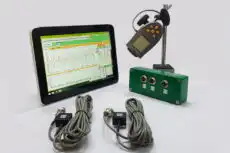
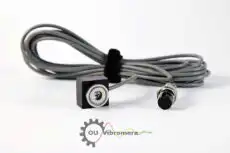
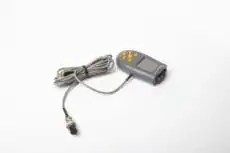
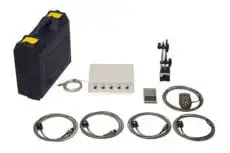
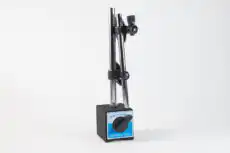

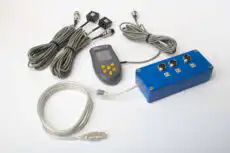
A seizmički senzor — također pozvan senzor seizmičkog pomaka ili inercijalni pretvarač — je vibracija senzor koji koristi unutrašnju seizmičku masu ("probnu masu") oslonjenu na opruge ili elastične fleksure kao inercijalnu referencu, što mu omogućava da mjeri apsolutno kretanje osnove senzora. Kada kućište vibrira, relativno kretanje između oslonjene mase i kućišta pretvara se u električni signal koji predstavlja vibraciju. U zavisnosti od toga gdje se mjerna frekvencija nalazi u odnosu na prirodna frekvencija, senzor radi u jednom od dva režima: iznad rezonancije masa teži da ostane nepomična u prostoru, a relativno kretanje prati pomak kućišta (klasični režim seizmometra i pretvarača brzine), dok ispod rezonancije mali preostali otklon mase je proporcionalan ubrzanju kućišta (režim akcelerometra). Ključna karakteristika je da se referenca nosi unutra senzora, tako da nije potreban fiksni eksterni datum.
Naziv “seizmički” dolazi od instrumentacije za zemljotrese: suspenzivna masa seizmografa ostaje relativno mirana dok se tlo pomjera ispod nje. U praćenju mašina, oba senzori brzine i akcelerometri su seizmički senzori u tom smislu, mada se pojam najčešće povezuje sa klasičnim pretvaračem brzine.
1. Princip rada
Sistem masa-opruga-prigušivač
Svaki seizmički senzor je, po srcu, mali mehanički oscilator sa četiri funkcionalna dijela:
- Seizmička masa: masa za kalibraciju suspenzija unutar kućišta senzora.
- Opruga: mehanička opruga ili tanke fleksije koje podupiru masu.
- Prigušenje: zrak, magnetsko (vihorna struja) ili fluidno prigušenje koje kontrolira rezonancu.
- Pretvaranje: element koji relativno kretanje mase prema kućištu pretvara u napon.
Regioni Frekvencijskog Odgovora
Kako se senzor ponaša u potpunosti zavisi od toga gdje se pobudna frekvencija nalazi u odnosu na vlastitu prirodnu frekvenciju — a dvije glavne porodice senzora namjerno rade na suprotnim stranama rezonancije:
- Ispod prirodne frekvencije (režim akcelerometra): masa i kućište se kreću u suštini zajedno, a mali preostali otklon mase je proporcionalan ubrzanje. Piezoelektrični i MEMS akcelerometri rade u ovom području, ispod svoje visoke montirane rezonancije.
- Na prirodnoj frekvenciji: sistem rezonira — izlazni signal je pojačan, ali izobličen i nepouzdan, pa se mjerenje blizu rezonancije izbjegava.
- Iznad prirodne frekvencije (režim seizmometra): masa u suštini ostaje na mjestu dok kućište vibrira oko nje, a relativno kretanje prati pomak kućišta radna zapremina (ili brzinu). Seizmometri za pomak i pretvarači brzine s pokretnim kalemom rade u ovom području, iznad svoje niske prirodne frekvencije.
- Upotrebljivi opsezi: pretvarač brzine se uobičajeno koristi iznad otprilike 2× svoje prirodne frekvencije, gdje se njegov odziv stabilizovao i ravan je; akcelerometar se koristi znatno ispod svoje montirane rezonancije — obično do otprilike jedne trećine te vrijednosti radi dobre tačnosti.
2. Vrste Seizmičkog Davača
Davalci Brzine (Pokretni Kalem)
- Magnet je suspenzija na oprugama unutar fiksnog kalema (ili obrnuto).
- Relativna brzina između magneta i kalema generiše napon elektromagnetnom indukcijom.
- Prirodna frekvencija tipično 8–15 Hz.
- Upotrebljivo iznad približno 16–30 Hz.
- Mjeri brzinu direktno, ne trebajući integraciju signala.
Akcelerometri
- Piezoelektrični tipovi koriste piezo kristal da osete inercijsku silu mase.
- MEMS tipovi koriste kapacitivnu ili piezootpornu senzoriku na mikromašinskom elementu.
- Znatno viša (montirana) prirodna frekvencija, tipično 10–30 kHz.
- Za razliku od pretvarača brzine, koristi se ispod rezonanciju: upotrebljiv od oko 1 Hz do otprilike jedne trećine frekvencije montirane rezonancije.
- Meri ubrzanje, koje se može integrirati do brzine ili pomeraja.
3. Seizmički vs. Ne-seizmički senzori
Seizmička porodica se najbolje razume poređenjem sa senzorima koji se oslanjaju na spoljnu referencu.
Seizmički senzori (inercijalna referenca)
- Akcelometeri i transdjuseri brzine.
- Mere apsolutno kretanje u inercijskom prostoru.
- Montiraju se direktno na vibrirajuću strukturu.
- Nose svoju sopstvenu unutrašnju masu kao referencu.
- Najčešće korišćeni izbor za monitoring mašinskog stanja.
Ne-seizmički senzori (spoljne reference)
- Senzori blizine (vrtložni-strujni senzori).
- Mere relativno kretanje između dve površine.
- Zahtevaju nepokretnu tačku montaže sa koje se posmatra.
- Obično mere vibracije vratila u odnosu na ležaj.
- Standard za merenje vibracija vratila na mašinama sa kliznih ležaja.
4. Prednosti seizmičkog dizajna
Samoodrživana Referenca
- Nije potreban eksterni referentni okvir.
- Senzor se može montirati gotovo bilo gdje na vibracionoj strukturi.
- Izvještava pravo apsolutno gibanje u inercijskom prostoru.
Svestranost
- Jedan tip senzora obuhvaća veliki broj primjena.
- Pogodno je za privremene mjerenja i trajne instalacije.
- Lako je prenosivo sa stroja na stroj.
Upravo je ova svestranost razlog što prenosivi instrumenti se na njih oslanjaju. Dvokanalnog Balanset-1A, na primjer, uzima očitanja sa akselometrima stegnutim na kućištima ležaja — seizmički senzori koji se sami referenciraju i ne trebaju nepokretan referentni sistem, tako da inženjer može brzo prelaziti između točaka mjerenja i strojeva tijekom balansiranja na mjestu.
5. Ograničenja
Ograničenja Frekvencijskog Odziva
- Pretvarači brzine ne mogu pouzdano mjeriti ispod otprilike 2× svoje prirodne frekvencije; tipovi s pokretnim kalemom posebno slabo reaguju ispod 15–20 Hz. Postoji inherentan kompromis: niža prirodna frekvencija daje bolji doseg na niskim frekvencijama, ali zahtijeva veći i teži senzor.
- Akcelerometri gube tačnost kako se mjerna frekvencija približava njihovoj montiranoj rezonanciji; praktična gornja granica (tipično oko jedne trećine montirane rezonancije) u velikoj mjeri zavisi od načina montaže (vidi ISO 5348).
- Na samom donjem kraju, odziv akcelerometra je ograničen osjetnim elementom i elektronikom pojačala, a ne seizmičkim ovjesom — tipično do oko 0,5–1 Hz za standardne industrijske jedinice.
Mjeri Gibanje Kućišta
- Senzor izvještava o gibanju kućišta ležaja, ne o osovini izravno.
- Vibracija kućišta nije ista kao vibracija osovine — filtrirana je krutošću ležaja i okružnom strukturom.
- Gdje su prava orbitalna gibanja osovine važna, umjesto toga trebaju se koristiti senzori blizine.
6. Primjene
Praćenje Stanja Strojeva
- Mjerenja vibracija kućišta ležaja.
- Praćenje ukupne vibracije.
- Kvar ležaja detekcija.
- Dijagnostika opšte rotacijske mehanike.
Strukturne vibracije
- Ankete vibracija zgrada i temelja.
- Seizmičko nadgledanje zemljotresa.
- Vibracije koje se šire iz mehanike na osnovu zemljine strukture.
Modalna analiza
- Mjerenje odziva strukture na kalibrovani udar.
- Određivanje prirodne frekvencije i oblici modova.
- Izrada funkcije frekventnog odziva koristi se u modalna analiza.
Seizmički pretvarači, koji koriste unutrašnju oslonjenu masu kao inercijalnu referencu, čine temelj mjerenja vibracija na rotacionoj opremi. Razumijevanje seizmičkog principa — kako oslonjena masa omogućava mjerenje apsolutnog kretanja, i zašto pretvarači brzine rade iznad svoje prirodne frekvencije dok akcelerometri rade ispod svoje montirane rezonancije — objašnjava i prednosti i ograničenja ovih dvaju stubova svakog industrijskog programa analize vibracija.

