Razumevanje demodulacije (analiza anvelope)
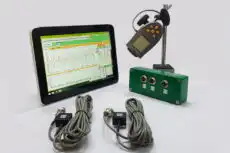

Demodulacija je tehnika obrade signala korišćena u analizu vibracija da detektuje ponavljajuće, niskofrekvencijske udare koji su efikasno “skriveni” unutar visokofrekvencijske vibracije mašine. To je motor iza poznatijeg izraza Analiza Omotača, i dvoje se često koriste naizmjenično. Metoda izolira visokofrekventni pojas vibracija koji se ponaša kao nosilac, zatim izdvaja envelopa tog nosioca — otkrivaće osnovnu brzinu ponavljanja sitnih, periodičnih udara kao što su oni proizvedeni mikroskopskim neispravnostima u ležajevi ili zupčanici.
1. Definicija: Šta je demodulacija?
Svaki defekt u ležaju sa valjaćim elementima ili u zahvatajućem zubu proizvodi kratak mehanički udar svaki put kada opterećena površina prođe preko njega. Taj udar pobuđuje prirodne frekvencije strukture, što čini da se mašina "oglašava" na frekvencijama daleko iznad brzine vrtnje. Sami udarci nose vrlo malo energije, ali se ponavljaju na točnoj, predvidivoj stopi vezanoj uz geometriju komponente. Demodulacija odbacuje visokofrekventno oglašavanje i oponavlja samo ovu brzinu ponavljanja — informaciju koja zapravo identificira neispravnost.
Rezultat je usko povezan s idejom spektar obvojnice: prikaz frekvencije izračunat ne iz sirovih valnih oblika već iz njihove demodulisane ovojnice. Gdje obični spektar vibracija pokazuje energiju u signala, demodulisani spektar pokazuje ritam udara skrivenih u njemu.
2. Proces demodulacije
Demodulacija je lanac od tri koraka, primijenjena na sirovi signal iz akcelerometar prije konačne transformacije:
- Filtriranje u pojasu propusnosti: Sirovi signal vibracija prvo se propušta kroz visokofrekventni filtar propusnog pojasa. Ovo uklanja jaku, niskofrekventnu komponentu — neuravnoteženost, neporavnanje, labavost — i čuva samo visokofrekventnu oblast gdje stresni valovi od ležaja ili zahvatajućih udara pobuđuju strukturnu rezonance. Dobar izbor ovog pojasa (često centriran na poznanu strukturnu rezonancu) je odluka o postavljanju od najveće važnosti u cijeloj metodi.
- Rektifikacija: Filtrirani, visokofrekventni signal se zatim ispravljač — negativna polovica valnog oblika je preusmjerena na pozitivnu — proizvedeći signal koji predstavlja apsolutnu amplitudu nosioca.
- Filtriranje niskofrekventnim (ovojničenje): Konačno, ispravljeni signal se propušta kroz niskopropusni filtar. Ovo uklanja visokofrekvencijski nosač i ostavlja samo sporo promenljivu “ovojnicu” koja prati vrhove ispravljenog signala. Ta ovojnica direktno predstavlja frekvenciju ponavljanja osnovnih udaraca.
An FFT se tada izvršava na signalu ovojnice. Rezultujući spektar — spektar ovojnice ili demodulisani spektar — pokazuje jasne vrhove na točnim frekvencijama greške komponenti ležaja ili prenosnika, čak i kada bi ti vrhovi bili nevidljivi u običnom spektru sirovih podataka.
3. Zašto je Demodulacija Toliko Efikasna?
Demodulacija je jedan od najvrednijih postupaka za rano otkrivanje greške upravo zbog toga kako rukuje signalima udaraca.
- Rano upozorenje: Kada mala ljuštenje uslijed zamora materijala na trci ležaja je pogođena valjnim elementom, ona proizvodi mali, niskoenergiji udarac. Taj udarac uzrokuje vrlo kratak, visokofrekvencijski prasak vibracije dok se struktura mašine zvona na svojim prirodnim frekvencijama — dugo pre nego što je oštećenje dovoljno veliko da podigne opšti nivo vibracije.
- Odvajanje Signala od Šuma: U običnom FFT spektru, minijaturna energija iz ovih ranih udaraca je potpuno pokopana ispod masivne energije niskofrekventnih vibracija kao što je neuravnoteženost. Greška je prisutna u podacima, ali zatopljena.
- Fokusiranje na Frekvenciju Ponavljanja: Demodulacija potpuno ignoriše moćne niskofrekventne signale. Koncentriše se na visokofrekvencijsko zvanjenje i, važno, na frekvenciju pojavljivanja tog zvanjenja. Upravo ta frekvencija ponavljanja direktno odgovara frekvencijama kvarova ležajeva — BPFO, BPFI, BSF — i na frekvencija zahvata zubaca (GMF) i njene bočne trake.
Jer demodulacija reaguje na udarci nego amplituda, ona može označiti defektni ležaj mesecima pre nego što se taj ležaj pojavi na standardnom spektru brzine — odlučujuća prednost u prediktivno održavanje.
4. Primene i Terenska Upotreba
Primarne primene demodulacije su:
- Analiza Ležajeva sa Valjnim Elementima: To je definitivna metoda za otkrivanje i dijagnostiku grešaka u kuglastim i valjnim ležajima, često pružajući upozorenje mesecima pre nego što greška postane kritična. Prisustvo energije na BPFO, BPFI ili BSF u spektru ovojnice je skoro nedvosmislen otisak lokalnog defekta.
- Analiza Reduktora: Veoma je efikasna pri detekciji pukotina ili slomljenih zuba zupčanika, koji generiši jasan udarac na 1× brzini rotacije zahvaćenog zupčanika u demodulisanom spektru, često praćen bočne trake.
- Drugi Udarni Događaji: Može detektovati i druge repetitivne fenomene udaranja — parne zamke koje se ciklički otvaraju i zatvaraju, ili probleme s vremenskim slijedom ventila reciprokiranih motora.
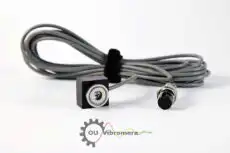
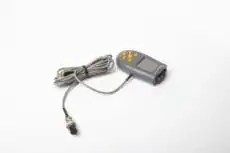
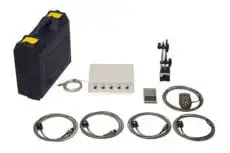
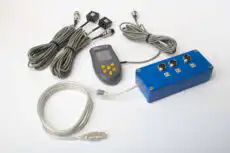
Na terenu, isti instrument korišten za balansiranje služi i kao dijagnostički alat. Prijenosni dvokanalski analizator kao što je Balanset-1A hvata širokopojasni signal iz akcelerometra na svakom ležaju, omogućujući tehničaru da pregleda obični spektar i demodulirani omotač usporedo i odredi je li pik na 1× pravi neuravnoteženost ili prvi znak oštećenog ležaja. Sličan pristup kao što je metoda udarnog pulsa i energija impulsa koristi iste visokofrekvencijske udarce, ali demodulacija ostaje najdijagnostičnija jer čuva cijeli spektar brzine ponavljanja umjesto da ga svede na jedan broj.
5. Izbjegavanje uobičajenih grešaka pri postavljanju i dobra praksa
- Pogrešna frekvencijska traka: Ako je propusni filter postavljen daleko od stvarne strukturne rezonancije, udarci se ne pojačavaju i spektar omotača izgleda prazan čak i kada defekt postoji. Mnogi instrumenti nude unaprijed postavljene trake; test udara može potvrdi gdje se struktura rezonira.
- Pričvršćivanje je važno: Energija visokofrekvencijskog udarca lako se gubi kroz meke nosače. Senzor pričvršćen vijkom ili ljepilom puno bolje čuva nosač nego magnet na oslikavanoj površini — vidi ISO 5348 o pričvršćivanju akcelerometra.
- Interpretacija, ne samo detekcija: Pik u spektru omotača trebao bi biti usklađen s izračunatim frekvencijama kvarova za određeni ležaj prije nego što se donese dijagnoza; harmonici brzine vrtnje mogu inače biti pogrešno tumačeni kao defekt.

