ਡੀਮੋਡੂਲੇਸ਼ਨ (ਲਿਫ਼ਾਫ਼ਾ ਵਿਸ਼ਲੇਸ਼ਣ) ਨੂੰ ਸਮਝਣਾ
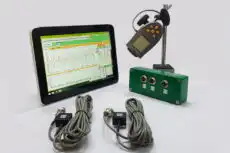

ਡੀਮੌਡੂਲੇਸ਼ਨ ਇੱਕ ਸਿਗਨਲ-ਪ੍ਰੋਸੈਸਿੰਗ ਤਕਨੀਕ ਹੈ ਜੋ ਵਾਈਬ੍ਰੇਸ਼ਨ ਵਿਸ਼ਲੇਸ਼ਣ ਵਿੱਚ ਵਾਰ-ਵਾਰ ਹੋਣ ਵਾਲੇ, ਘੱਟ-ਬਾਰੰਬਾਰਤਾ ਵਾਲੇ ਪ੍ਰਭਾਵਾਂ (impacts) ਦਾ ਪਤਾ ਲਗਾਉਣ ਲਈ ਵਰਤੀ ਜਾਂਦੀ ਹੈ ਜੋ ਮਸ਼ੀਨ ਦੀ ਉੱਚ-ਬਾਰੰਬਾਰਤਾ ਵਾਈਬ੍ਰੇਸ਼ਨ ਦੇ ਅੰਦਰ ਅਸਰਦਾਰ ਢੰਗ ਨਾਲ “ਲੁਕੇ ਹੋਏ” ਹੁੰਦੇ ਹਨ। ਇਹ ਵਧੇਰੇ ਜਾਣੇ-ਪਛਾਣੇ ਸ਼ਬਦ ਐਨਵੈਲਪ ਵਿਸ਼ਲੇਸ਼ਣ (Envelope Analysis) ਦੇ ਪਿੱਛੇ ਦੀ ਪ੍ਰੇਰਕ ਸ਼ਕਤੀ ਹੈ, ਅਤੇ ਦੋਵੇਂ ਸ਼ਬਦ ਅਕਸਰ ਇੱਕ-ਦੂਜੇ ਦੀ ਥਾਂ ਵਰਤੇ ਜਾਂਦੇ ਹਨ। ਇਹ ਵਿਧੀ ਵਾਈਬ੍ਰੇਸ਼ਨ ਦੇ ਇੱਕ ਉੱਚ-ਬਾਰੰਬਾਰਤਾ ਬੈਂਡ ਨੂੰ ਅਲੱਗ ਕਰਦੀ ਹੈ ਜੋ ਇੱਕ ਕੈਰੀਅਰ ਵਾਂਗ ਵਿਵਹਾਰ ਕਰਦਾ ਹੈ, ਫਿਰ ਕੱਢਦੀ ਹੈ ਲਿਫਾਫਾ ਉਸ ਕੈਰੀਅਰ ਦਾ — ਛੋਟੇ, ਸਮੇਂ-ਸਮੇਂ 'ਤੇ ਹੋਣ ਵਾਲੇ ਪ੍ਰਭਾਵਾਂ ਦੀ ਅੰਤਰੀਵ ਦੁਹਰਾਓ ਦਰ (repetition rate) ਨੂੰ ਪ੍ਰਗਟ ਕਰਦੇ ਹੋਏ, ਜਿਵੇਂਕਿ ਉਹ ਜੋ ਬੇਅਰਿੰਗ ਜਾਂ ਗੀਅਰ.
1. ਪਰਿਭਾਸ਼ਾ: ਡੀਮੌਡੂਲੇਸ਼ਨ ਕੀ ਹੈ?
ਰੋਲਿੰਗ-ਐਲੀਮੈਂਟ ਬੇਅਰਿੰਗ ਜਾਂ ਮੈਸ਼ਿੰਗ ਗੀਅਰ ਵਿੱਚ ਹਰ ਨੁਕਸ ਹਰ ਵਾਰ ਜਦੋਂ ਇੱਕ ਲੋਡਡ ਸਤਹ ਇਸ ਉੱਤੋਂ ਲੰਘਦੀ ਹੈ ਤਾਂ ਇੱਕ ਸੰਖੇਪ ਮਕੈਨੀਕਲ ਝਟਕਾ ਪੈਦਾ ਕਰਦਾ ਹੈ। ਉਹ ਝਟਕਾ ਢਾਂਚੇ ਦੀਆਂ ਕੁਦਰਤੀ ਬਾਰੰਬਾਰਤਾਵਾਂ ਨੂੰ ਉਤੇਜਿਤ ਕਰਦਾ ਹੈ, ਜਿਸ ਨਾਲ ਮਸ਼ੀਨ ਚੱਲਣ ਦੀ ਗਤੀ ਤੋਂ ਬਹੁਤ ਉੱਪਰ ਦੀਆਂ ਬਾਰੰਬਾਰਤਾਵਾਂ 'ਤੇ “ਗੂੰਜਣ” ਲੱਗਦੀ ਹੈ। ਪ੍ਰਭਾਵ ਖੁਦ ਬਹੁਤ ਘੱਟ ਊਰਜਾ ਰੱਖਦੇ ਹਨ, ਪਰ ਇਹ ਕੰਪੋਨੈਂਟ ਦੀ ਜਿਓਮੈਟਰੀ ਨਾਲ ਜੁੜੀ ਇੱਕ ਸਟੀਕ, ਅਨੁਮਾਨਯੋਗ ਦਰ 'ਤੇ ਦੁਹਰਾਏ ਜਾਂਦੇ ਹਨ। ਡੀਮੌਡੂਲੇਸ਼ਨ ਉੱਚ-ਬਾਰੰਬਾਰਤਾ ਗੂੰਜ ਨੂੰ ਰੱਦ ਕਰਦਾ ਹੈ ਅਤੇ ਸਿਰਫ਼ ਇਸ ਦੁਹਰਾਓ ਦਰ ਨੂੰ ਮੁੜ ਪ੍ਰਾਪਤ ਕਰਦਾ ਹੈ — ਉਹ ਜਾਣਕਾਰੀ ਜੋ ਅਸਲ ਵਿੱਚ ਨੁਕਸ ਦੀ ਪਛਾਣ ਕਰਦੀ ਹੈ।
ਨਤੀਜਾ ਇਸ ਵਿਚਾਰ ਨਾਲ ਨੇੜਿਓਂ ਜੁੜਿਆ ਹੋਇਆ ਹੈ ਐਨਵੈਲਪ ਸਪੈਕਟ੍ਰਮ: ਇੱਕ ਬਾਰੰਬਾਰਤਾ ਡਿਸਪਲੇ ਜੋ ਕੱਚੇ ਵੇਵਫਾਰਮ ਤੋਂ ਨਹੀਂ ਸਗੋਂ ਇਸਦੇ ਡੀਮੌਡੂਲੇਟਿਡ ਐਨਵੈਲਪ ਤੋਂ ਗਿਣੀ ਜਾਂਦੀ ਹੈ। ਜਿੱਥੇ ਇੱਕ ਰਵਾਇਤੀ ਵਾਈਬ੍ਰੇਸ਼ਨ ਸਪੈਕਟ੍ਰਮ 'ਤੇ ਭਰੋਸਾ ਕਰਨ ਲਈ ਬੁਨਿਆਦੀ ਹੈ ਊਰਜਾ ਦਿਖਾਉਂਦਾ ਹੈ ਵਿੱਚ ਸਿਗਨਲ ਦੀ, ਡੀਮੌਡੂਲੇਟਿਡ ਸਪੈਕਟ੍ਰਮ ਇਸ ਦੇ ਅੰਦਰ ਲੁਕੇ ਪ੍ਰਭਾਵਾਂ ਦੀ ਲੈਅ ਦਿਖਾਉਂਦਾ ਹੈ।
2. ਡੀਮੌਡੂਲੇਸ਼ਨ ਦੀ ਪ੍ਰਕਿਰਿਆ
ਡੀਮੌਡੂਲੇਸ਼ਨ ਇੱਕ ਤਿੰਨ-ਪੜਾਵੀ ਲੜੀ ਹੈ, ਜੋ ਇੱਕ ਐਕਸੀਲਰੋਮੀਟਰ ਤੋਂ ਪ੍ਰਾਪਤ ਕੱਚੇ ਸਿਗਨਲ 'ਤੇ ਕਿਸੇ ਵੀ ਅੰਤਿਮ ਟ੍ਰਾਂਸਫਾਰਮ ਤੋਂ ਪਹਿਲਾਂ ਲਾਗੂ ਕੀਤੀ ਜਾਂਦੀ ਹੈ:
- ਬੈਂਡ-ਪਾਸ ਫਿਲਟਰਿੰਗ: ਕੱਚੇ ਵਾਈਬ੍ਰੇਸ਼ਨ ਸਿਗਨਲ ਨੂੰ ਪਹਿਲਾਂ ਇੱਕ ਉੱਚ-ਬਾਰੰਬਾਰਤਾ ਵਿੱਚੋਂ ਲੰਘਾਇਆ ਜਾਂਦਾ ਹੈ ਬੈਂਡ-ਪਾਸ ਫ਼ਿਲਟਰ। ਇਹ ਮਜ਼ਬੂਤ, ਘੱਟ-ਬਾਰੰਬਾਰਤਾ ਸਮੱਗਰੀ ਨੂੰ ਹਟਾ ਦਿੰਦਾ ਹੈ — ਅਸੰਤੁਲਨ, ਮਿਸਅਲਾਈਨਮੈਂਟ, ਢਿੱਲਾਪਨ (looseness) — ਅਤੇ ਸਿਰਫ਼ ਇੱਕ ਉੱਚ-ਬਾਰੰਬਾਰਤਾ ਖੇਤਰ ਰੱਖਦਾ ਹੈ ਜਿੱਥੇ ਬੇਅਰਿੰਗ ਜਾਂ ਗੀਅਰ ਪ੍ਰਭਾਵਾਂ ਤੋਂ ਤਣਾਅ ਤਰੰਗਾਂ ਢਾਂਚਾਗਤ ਰੈਜ਼ੋਨੈਂਸ ਨੂੰ ਉਤੇਜਿਤ ਕਰਦੀਆਂ ਹਨ। ਇਸ ਬੈਂਡ ਨੂੰ ਚੰਗੀ ਤਰ੍ਹਾਂ ਚੁਣਨਾ (ਅਕਸਰ ਇੱਕ ਜਾਣੀ-ਪਛਾਣੀ ਢਾਂਚਾਗਤ ਗੂੰਜ 'ਤੇ ਕੇਂਦਰਿਤ) ਪੂਰੀ ਵਿਧੀ ਵਿੱਚ ਸਭ ਤੋਂ ਮਹੱਤਵਪੂਰਨ ਸੈੱਟਅੱਪ ਫੈਸਲਾ ਹੈ।
- ਰੈਕਟੀਫਿਕੇਸ਼ਨ: ਫਿਲਟਰ ਕੀਤੇ, ਉੱਚ-ਬਾਰੰਬਾਰਤਾ ਸਿਗਨਲ ਨੂੰ ਫਿਰ ਰੈਕਟੀਫਾਈ ਕੀਤਾ ਜਾਂਦਾ ਹੈ — ਵੇਵਫਾਰਮ ਦੇ ਨੈਗੇਟਿਵ ਅੱਧੇ ਹਿੱਸੇ ਨੂੰ ਪਾਜ਼ੀਟਿਵ ਵਿੱਚ ਫਲਿਪ ਕੀਤਾ ਜਾਂਦਾ ਹੈ — ਜਿਸ ਨਾਲ ਇੱਕ ਸਿਗਨਲ ਪੈਦਾ ਹੁੰਦਾ ਹੈ ਜੋ ਕੈਰੀਅਰ ਦੇ ਪੂਰਨ ਐਪਲੀਟਿਊਡ ਨੂੰ ਦਰਸਾਉਂਦਾ ਹੈ।
- ਲੋਅ-ਪਾਸ ਫਿਲਟਰਿੰਗ (ਐਨਵੈਲਪਿੰਗ): ਅੰਤ ਵਿੱਚ, ਰੈਕਟੀਫਾਈਡ ਸਿਗਨਲ ਨੂੰ ਇੱਕ ਵਿੱਚੋਂ ਲੰਘਾਇਆ ਜਾਂਦਾ ਹੈ ਲੋ-ਪਾਸ ਫਿਲਟਰ। ਇਹ ਉੱਚ-ਬਾਰੰਬਾਰਤਾ ਕੈਰੀਅਰ ਨੂੰ ਸਮੂਥ ਕਰ ਦਿੰਦਾ ਹੈ ਅਤੇ ਸਿਰਫ਼ ਹੌਲੀ-ਹੌਲੀ ਬਦਲਣ ਵਾਲਾ “ਐਨਵੈਲਪ” ਪਿੱਛੇ ਛੱਡਦਾ ਹੈ ਜੋ ਰੈਕਟੀਫਾਈਡ ਸਿਗਨਲ ਦੀਆਂ ਪੀਕਾਂ ਦਾ ਪਿੱਛਾ ਕਰਦਾ ਹੈ। ਉਹ ਐਨਵੈਲਪ ਸਿੱਧੇ ਤੌਰ 'ਤੇ ਅੰਤਰੀਵ ਪ੍ਰਭਾਵਾਂ ਦੀ ਦੁਹਰਾਓ ਦਰ ਨੂੰ ਦਰਸਾਉਂਦਾ ਹੈ।
ਇੱਕ FFT ਫਿਰ ਐਨਵੈਲਪ ਸਿਗਨਲ 'ਤੇ ਕੀਤਾ ਜਾਂਦਾ ਹੈ। ਨਤੀਜੇ ਵਜੋਂ ਬਣਿਆ ਸਪੈਕਟ੍ਰਮ — ਐਨਵੈਲਪ ਸਪੈਕਟ੍ਰਮ, ਜਾਂ ਡੀਮੌਡੂਲੇਟਿਡ ਸਪੈਕਟ੍ਰਮ — ਬੇਅਰਿੰਗ ਜਾਂ ਗੀਅਰ ਕੰਪੋਨੈਂਟਾਂ ਦੀਆਂ ਸਹੀ ਨੁਕਸ ਬਾਰੰਬਾਰਤਾਵਾਂ 'ਤੇ ਸਪਸ਼ਟ ਪੀਕਾਂ ਦਿਖਾਉਂਦਾ ਹੈ, ਭਾਵੇਂ ਉਹ ਪੀਕਾਂ ਕੱਚੇ ਡੇਟਾ ਦੇ ਇੱਕ ਸਾਧਾਰਨ ਸਪੈਕਟ੍ਰਮ ਵਿੱਚ ਅਦਿੱਖ ਹੁੰਦੀਆਂ।
3. ਡੀਮੌਡੂਲੇਸ਼ਨ ਇੰਨਾ ਪ੍ਰਭਾਵਸ਼ਾਲੀ ਕਿਉਂ ਹੈ?
ਡੀਮੌਡੂਲੇਸ਼ਨ ਸ਼ੁਰੂਆਤੀ ਨੁਕਸ ਪਛਾਣ ਲਈ ਸਭ ਤੋਂ ਕੀਮਤੀ ਤਕਨੀਕਾਂ ਵਿੱਚੋਂ ਇੱਕ ਹੈ, ਬਿਲਕੁਲ ਇਸ ਲਈ ਕਿਉਂਕਿ ਇਹ ਪ੍ਰਭਾਵ ਸਿਗਨਲਾਂ ਨੂੰ ਕਿਵੇਂ ਸੰਭਾਲਦੀ ਹੈ।
- ਸਮੇਂ ਸਿਰ ਚੇਤਾਵਨੀ: ਜਦੋਂ ਇੱਕ ਬਹੁਤ ਛੋਟਾ ਸਪਾਲ (spall) ਬੇਅਰਿੰਗ ਰੇਸ 'ਤੇ ਕਿਸੇ ਰੋਲਿੰਗ ਐਲੀਮੈਂਟ ਨਾਲ ਟਕਰਾਉਂਦਾ ਹੈ, ਤਾਂ ਇਹ ਇੱਕ ਛੋਟਾ, ਘੱਟ-ਊਰਜਾ ਪ੍ਰਭਾਵ ਪੈਦਾ ਕਰਦਾ ਹੈ। ਉਹ ਪ੍ਰਭਾਵ ਵਾਈਬ੍ਰੇਸ਼ਨ ਦਾ ਇੱਕ ਬਹੁਤ ਸੰਖੇਪ, ਉੱਚ-ਬਾਰੰਬਾਰਤਾ ਵਾਲਾ ਵਿਸਫੋਟ ਪੈਦਾ ਕਰਦਾ ਹੈ ਜਿਵੇਂ ਮਸ਼ੀਨ ਢਾਂਚਾ ਆਪਣੀਆਂ ਕੁਦਰਤੀ ਬਾਰੰਬਾਰਤਾਵਾਂ 'ਤੇ ਗੂੰਜਦਾ ਹੈ — ਇਸ ਤੋਂ ਬਹੁਤ ਪਹਿਲਾਂ ਕਿ ਨੁਕਸਾਨ ਸਮੁੱਚੇ ਵਾਈਬ੍ਰੇਸ਼ਨ ਪੱਧਰ ਨੂੰ ਵਧਾਉਣ ਲਈ ਕਾਫ਼ੀ ਵੱਡਾ ਹੋਵੇ।
- ਸਿਗਨਲ ਨੂੰ ਸ਼ੋਰ ਤੋਂ ਵੱਖ ਕਰਨਾ: ਇੱਕ ਸਾਧਾਰਨ FFT ਸਪੈਕਟ੍ਰਮ ਵਿੱਚ, ਇਹਨਾਂ ਸ਼ੁਰੂਆਤੀ-ਪੜਾਅ ਦੇ ਪ੍ਰਭਾਵਾਂ ਦੀ ਬਹੁਤ ਛੋਟੀ ਊਰਜਾ ਅਸੰਤੁਲਨ (unbalance) ਵਰਗੇ ਘੱਟ-ਬਾਰੰਬਾਰਤਾ ਵਾਲੇ ਵਾਈਬ੍ਰੇਸ਼ਨ ਦੀ ਵਿਸ਼ਾਲ ਊਰਜਾ ਹੇਠ ਪੂਰੀ ਤਰ੍ਹਾਂ ਦੱਬ ਜਾਂਦੀ ਹੈ। ਨੁਕਸ ਡੇਟਾ ਵਿੱਚ ਮੌਜੂਦ ਹੁੰਦਾ ਹੈ, ਪਰ ਦੱਬਿਆ ਰਹਿ ਜਾਂਦਾ ਹੈ।
- ਦੁਹਰਾਓ ਦਰ (Repetition Rate) 'ਤੇ ਧਿਆਨ ਕੇਂਦਰਿਤ ਕਰਨਾ: ਡੀਮੌਡੂਲੇਸ਼ਨ ਸ਼ਕਤੀਸ਼ਾਲੀ ਘੱਟ-ਬਾਰੰਬਾਰਤਾ ਸਿਗਨਲਾਂ ਨੂੰ ਪੂਰੀ ਤਰ੍ਹਾਂ ਨਜ਼ਰਅੰਦਾਜ਼ ਕਰਦਾ ਹੈ। ਇਹ ਉੱਚ-ਬਾਰੰਬਾਰਤਾ ਗੂੰਜ 'ਤੇ ਧਿਆਨ ਕੇਂਦਰਿਤ ਕਰਦਾ ਹੈ ਅਤੇ, ਸਭ ਤੋਂ ਮਹੱਤਵਪੂਰਨ ਗੱਲ, ਦੁਹਰਾਅ ਦਰ ਉਸ ਗੂੰਜ ਦੀ। ਇਹ ਉਹੀ ਦੁਹਰਾਓ ਦਰ ਹੈ ਜੋ ਸਿੱਧੇ ਤੌਰ 'ਤੇ ਇਸ ਨਾਲ ਮੇਲ ਖਾਂਦੀ ਹੈ ਬੇਅਰਿੰਗ ਫਾਲਟ ਫ੍ਰੀਕੁਐਂਸੀਆਂ — BPFO, BPFI, BSF — ਅਤੇ ਇਸ ਨਾਲ ਗੀਅਰ ਮੇਸ਼ ਫ੍ਰੀਕੁਐਂਸੀ (GMF) ਅਤੇ ਇਸਦੇ ਸਾਈਡਬੈਂਡਾਂ ਨਾਲ।
ਕਿਉਂਕਿ ਡੀਮੌਡੂਲੇਸ਼ਨ ਇਸ ਪ੍ਰਤੀ ਪ੍ਰਤੀਕਿਰਿਆ ਕਰਦਾ ਹੈ ਪ੍ਰਭਾਵ ਦੀ ਬਜਾਏ ਐਂਪਲੀਟਿਊਡ (ਆਯਾਮ), ਇਹ ਕਿਸੇ ਨੁਕਸਦਾਰ ਬੇਅਰਿੰਗ ਨੂੰ ਉਸ ਬੇਅਰਿੰਗ ਦੇ ਇੱਕ ਮਿਆਰੀ ਵੇਗ ਸਪੈਕਟ੍ਰਮ ਵਿੱਚ ਦਿਖਾਈ ਦੇਣ ਤੋਂ ਮਹੀਨੇ ਪਹਿਲਾਂ ਹੀ ਚਿੰਨ੍ਹਿਤ ਕਰ ਸਕਦਾ ਹੈ — ਇੱਕ ਨਿਰਣਾਇਕ ਫਾਇਦਾ ਭਵਿੱਖਬਾਣੀ ਰੱਖ-ਰਖਾਵ.
4. ਐਪਲੀਕੇਸ਼ਨਾਂ ਅਤੇ ਫੀਲਡ ਵਰਤੋਂ
ਡੀਮੋਡੂਲੇਸ਼ਨ ਦੇ ਮੁੱਖ ਉਪਯੋਗ ਇਹ ਹਨ:
- ਰੋਲਿੰਗ-ਐਲੀਮੈਂਟ ਬੇਅਰਿੰਗ ਵਿਸ਼ਲੇਸ਼ਣ: ਇਹ ਬਾਲ ਅਤੇ ਰੋਲਰ ਬੇਅਰਿੰਗਾਂ ਵਿੱਚ ਨੁਕਸ ਪਛਾਣਨ ਅਤੇ ਨਿਦਾਨ ਕਰਨ ਲਈ ਨਿਸ਼ਚਿਤ ਵਿਧੀ ਹੈ, ਜੋ ਅਕਸਰ ਨੁਕਸ ਗੰਭੀਰ ਹੋਣ ਤੋਂ ਮਹੀਨੇ ਪਹਿਲਾਂ ਚੇਤਾਵਨੀ ਦਿੰਦੀ ਹੈ। ਐਨਵੈਲਪ ਸਪੈਕਟ੍ਰਮ ਵਿੱਚ BPFO, BPFI ਜਾਂ BSF 'ਤੇ ਊਰਜਾ ਦੀ ਮੌਜੂਦਗੀ ਇੱਕ ਸਥਾਨਿਕ ਨੁਕਸ ਦੀ ਲਗਭਗ ਨਿਰਸੰਦੇਹ ਪਛਾਣ ਹੈ।
- ਗੀਅਰਬਾਕਸ ਵਿਸ਼ਲੇਸ਼ਣ: ਇਹ ਟੁੱਟੇ ਜਾਂ ਦਰਾੜ ਵਾਲੇ ਗੀਅਰ ਦੰਦਾਂ ਦਾ ਪਤਾ ਲਗਾਉਣ ਵਿੱਚ ਬਹੁਤ ਪ੍ਰਭਾਵਸ਼ਾਲੀ ਹੈ, ਜੋ ਡੀਮੌਡੂਲੇਟਿਡ ਸਪੈਕਟ੍ਰਮ ਵਿੱਚ ਪ੍ਰਭਾਵਿਤ ਗੀਅਰ ਦੀ ਘੁੰਮਣ ਗਤੀ ਦੇ 1× 'ਤੇ ਇੱਕ ਸਪਸ਼ਟ ਪ੍ਰਭਾਵ ਪੈਦਾ ਕਰਦੇ ਹਨ, ਜਿਸ ਦੇ ਨਾਲ ਅਕਸਰ ਸਾਈਡਬੈਂਡਸ.
- ਹੋਰ ਟਕਰਾਅ ਦੀਆਂ ਘਟਨਾਵਾਂ: ਇਹ ਹੋਰ ਦੁਹਰਾਓ ਵਾਲੇ ਪ੍ਰਭਾਵ ਵਾਲੇ ਵਰਤਾਰਿਆਂ ਦਾ ਵੀ ਪਤਾ ਲਗਾ ਸਕਦਾ ਹੈ — ਸਟੀਮ ਟ੍ਰੈਪ ਖੁੱਲ੍ਹਣ ਅਤੇ ਬੰਦ ਹੋਣ ਦਾ ਚੱਕਰ, ਜਾਂ ਰੈਸੀਪ੍ਰੋਕੇਟਿੰਗ-ਇੰਜਣ ਵਾਲਵ-ਟਾਈਮਿੰਗ ਸਮੱਸਿਆਵਾਂ।
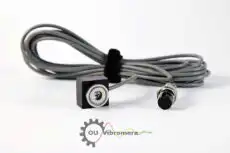
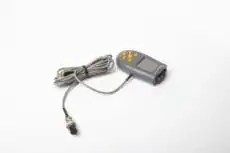
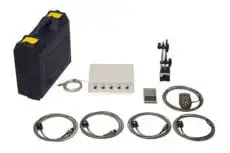
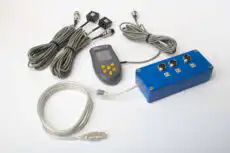
ਫੀਲਡ ਵਿੱਚ, ਬੈਲੇਂਸਿੰਗ ਲਈ ਵਰਤਿਆ ਜਾਣ ਵਾਲਾ ਉਹੀ ਯੰਤਰ ਇੱਕ ਡਾਇਗਨੌਸਟਿਕ ਟੂਲ ਦੇ ਤੌਰ 'ਤੇ ਵੀ ਕੰਮ ਕਰਦਾ ਹੈ। ਜਿਵੇਂ ਇੱਕ ਪੋਰਟੇਬਲ ਦੋ-ਚੈਨਲ ਐਨਾਲਾਈਜ਼ਰ Balanset-1A ਹਰ ਬੇਅਰਿੰਗ 'ਤੇ ਇੱਕ ਐਕਸੀਲੇਰੋਮੀਟਰ ਤੋਂ ਬ੍ਰੌਡਬੈਂਡ ਸਿਗਨਲ ਕੈਪਚਰ ਕਰਦਾ ਹੈ, ਤਾਂ ਜੋ ਇੱਕ ਤਕਨੀਸ਼ੀਅਨ ਸਾਧਾਰਨ ਸਪੈਕਟ੍ਰਮ ਅਤੇ ਡੀਮੌਡੂਲੇਟਿਡ ਐਨਵੈਲਪ ਨੂੰ ਨਾਲੋ-ਨਾਲ ਦੇਖ ਸਕੇ ਅਤੇ ਤੈਅ ਕਰ ਸਕੇ ਕਿ ਕੀ 1× ਪੀਕ ਅਸਲੀ ਅਸੰਤੁਲਨ ਹੈ ਜਾਂ ਕਿਸੇ ਖ਼ਰਾਬ ਹੋ ਰਹੀ ਬੇਅਰਿੰਗ ਦਾ ਪਹਿਲਾ ਸੰਕੇਤ ਹੈ। ਸੰਬੰਧਿਤ ਪਹੁੰਚਾਂ ਜਿਵੇਂ ਕਿ ਸ਼ੌਕ ਪਲਸ ਵਿਧੀ ਅਤੇ ਸਪਾਈਕ ਐਨਰਜੀ ਉਹੀ ਉੱਚ-ਬਾਰੰਬਾਰਤਾ ਪ੍ਰਭਾਵਾਂ ਦਾ ਲਾਭ ਲੈਂਦੀਆਂ ਹਨ, ਪਰ ਡੀਮੌਡੂਲੇਸ਼ਨ ਸਭ ਤੋਂ ਵੱਧ ਡਾਇਗਨੌਸਟਿਕ ਬਣਿਆ ਰਹਿੰਦਾ ਹੈ ਕਿਉਂਕਿ ਇਹ ਪੂਰੇ ਦੁਹਰਾਓ-ਦਰ ਸਪੈਕਟ੍ਰਮ ਨੂੰ ਇੱਕ ਸਿੰਗਲ ਨੰਬਰ ਵਿੱਚ ਸਮੇਟਣ ਦੀ ਬਜਾਏ ਸੁਰੱਖਿਅਤ ਰੱਖਦਾ ਹੈ।
5. ਸੈੱਟਅੱਪ ਦੀਆਂ ਮੁਸ਼ਕਲਾਂ ਅਤੇ ਵਧੀਆ ਅਭਿਆਸ
- ਗ਼ਲਤ ਫਿਲਟਰ ਬੈਂਡ: ਜੇ ਬੈਂਡ-ਪਾਸ ਫਿਲਟਰ ਕਿਸੇ ਅਸਲੀ ਢਾਂਚਾਗਤ ਗੂੰਜ ਤੋਂ ਦੂਰ ਰੱਖਿਆ ਜਾਵੇ, ਤਾਂ ਪ੍ਰਭਾਵ ਵਧਾਏ ਨਹੀਂ ਜਾਂਦੇ ਅਤੇ ਐਨਵੈਲਪ ਸਪੈਕਟ੍ਰਮ ਖਾਲੀ ਦਿਖਾਈ ਦਿੰਦਾ ਹੈ ਭਾਵੇਂ ਨੁਕਸ ਮੌਜੂਦ ਹੋਵੇ। ਕਈ ਯੰਤਰ ਪ੍ਰੀਸੈੱਟ ਬੈਂਡ ਪੇਸ਼ ਕਰਦੇ ਹਨ; ਇੱਕ ਬੰਪ ਟੈਸਟ ਪੁਸ਼ਟੀ ਕਰ ਸਕਦਾ ਹੈ ਕਿ ਢਾਂਚਾ ਕਿੱਥੇ ਗੂੰਜਦਾ ਹੈ।
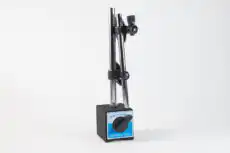
- ਮਾਊਂਟਿੰਗ ਮਹੱਤਵਪੂਰਨ ਹੈ: ਉੱਚ-ਬਾਰੰਬਾਰਤਾ ਪ੍ਰਭਾਵ ਊਰਜਾ ਨਰਮ ਮਾਊਂਟਾਂ ਰਾਹੀਂ ਆਸਾਨੀ ਨਾਲ ਗੁਆਚ ਜਾਂਦੀ ਹੈ। ਸਟੱਡ- ਜਾਂ ਅਡੈਸਿਵ-ਮਾਊਂਟਡ ਸੈਂਸਰ ਪੇਂਟ ਕੀਤੀ ਸਤਹ 'ਤੇ ਮੈਗਨੈਟ ਨਾਲੋਂ ਕੈਰੀਅਰ ਨੂੰ ਕਿਤੇ ਬਿਹਤਰ ਸੁਰੱਖਿਅਤ ਰੱਖਦਾ ਹੈ — ਦੇਖੋ ISO 5348 ਐਕਸੀਲੇਰੋਮੀਟਰ ਮਾਊਂਟਿੰਗ 'ਤੇ।
- ਵਿਆਖਿਆ, ਸਿਰਫ਼ ਪਛਾਣ ਨਹੀਂ: ਨਿਦਾਨ ਕਰਨ ਤੋਂ ਪਹਿਲਾਂ ਐਨਵਲਪ ਸਪੈਕਟ੍ਰਮ ਵਿੱਚ ਦਿਖਣ ਵਾਲੇ ਪੀਕ ਦੀ ਤੁਲਨਾ ਖਾਸ ਬੇਅਰਿੰਗ ਲਈ ਗਿਣੇ ਗਏ ਫਾਲਟ ਫ੍ਰੀਕੁਐਂਸੀ ਨਾਲ ਕੀਤੀ ਜਾਣੀ ਚਾਹੀਦੀ ਹੈ; ਨਹੀਂ ਤਾਂ ਰਨਿੰਗ ਸਪੀਡ ਦੇ ਹਾਰਮੋਨਿਕਸ ਨੂੰ ਗਲਤੀ ਨਾਲ ਨੁਕਸ ਸਮਝਿਆ ਜਾ ਸਕਦਾ ਹੈ।

