Razumevanje udaranja u kompresori



Pumpanje — često jednostavno naziva se udaranjem kompresora — jaka aerodinamička nestabilnost u centrifugalnim i aksijalnim kompresori u kojoj se ceo tok kroz mašinu periodički obrće. Rezultat je oscilacija pritiska i toka, obično na frekvencijama od 0,5–10 Hz. U svakom surge ciklusu, tok se trenutno zaustavlja ili obrće, pritisak pražnjenja se sruši, zatim se napred tok nastavlja i pritisak se obnavlja, i ciklus se ponavlja. Ova okretanja nameću ogromne fluktuirajuće sile na rotor, proizvodeći ozbiljnu vibracija — naročito u aksijalno pravcu — glasan tutnjajući zvuk, i sposobnost da uništi kompresor u roku od nekoliko minuta ako se odmah ne zaustavi.
Udaranje je fundamentalno sistem nestabilnost koja uključuje kompresor zajedno sa njegovom povezanom cevnom mrežom i zapreminom, nije svojstvo samog kompresora. Pojavljuje se kada je mašina izbačena van svoje mogućnosti podizanja pritiska pri niskom toku, a sprečavanje zahteva anti-surge kontrolu koja čuva tok sigurno iznad linije udaranja.
1. Mehanizam udaranja
Ciklus pumpanja
Tipičan ciklus oscilovanja prolazi kroz ponavljanu sekvencu:
- Smanjenje protoka: sistemski zahtjev pada, tako da protok kroz kompresor opada.
- Nastanak zastoja strujanja (stall): pri vrlo malim protocima lopatice se zaustavaljaju i protok se odvaja od površina lopatica.
- Kolaps tlaka: zaustavaljeni kompresor više ne može održavati svoj tlak na izlazu.
- Obrnuto strujanje: plin visokog tlaka zarobljen u cjevovodu na izlazu ili plenumu pogoni se unatrag kroz kompresor.
- Izjednačavanje tlaka: tlak na izlazu pada dok plin bježi unatrag.
- Protok naprijed se nastavlja: nakon što je tlak pao, kompresor može ponovno pokrenuti plin naprijed.
- Tlak raste: obnovljeni protok naprijed ponovno gradi tlak na izlazu.
- Ciklus se ponavlja: visok tlak ponovno zaustavlja stroj, i ciklus se nastavlja.
Frekvencija oscilovanja
- Određena volumenom sistema (cjevovodi, plenum, spremnici) zajedno sa karakteristikama kompresora.
- Veći volumeni daju nižu frekvenciju oscilovanja.
- Tipičan raspon: 0,5–10 Hz.
- Mali sistemi: otprilike 5–10 Hz.
- Veliki sistemi: otprilike 0,5–2 Hz.
- Frekvencija ostaje relativno konstantna za dati sistem.
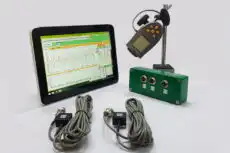
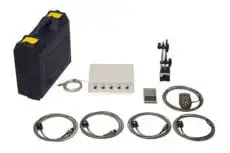
Ova niska, sistemom određena frekvencija nalazi se u radnom rasponu prenosivog analizatora. Vrijedna je napomena da Balanset-1A mjeri vibracije od 5 Hz naviše, tako da ciklusi vibracija veće frekvencije malih sistema padaju u njegov opseg; ključna dijagnostika, međutim, je manje tačna frekvencija nego nepogrešiva karakteristika velikih, nestabilnih, pretežno aksijalnih pulsacija niske frekvencije koje se pojavljuju iznenada.
2. Uslovi koji dovode do nailaska
Rad izvan linije nailaska
Mapa performansi svakog kompresora nosi liniju nailaska koja definiše njegovu stabilnu granicu:
- Linija pumpanja: lijeva granica stabilnog rada na mapi.
- Siguran rad: desno od linije, pri većim protocima.
- Zona pumpanja: lijevo od linije — nestabilno i zabranjeno područje.
- Margina: mašine se normalnom slučaju pokušavaju sa marginom od 10–20% protoka desno od linije nailaska.
Događaji koji pokreću pumpanje
- Smanjenje potražnje: proces zahteva manje, pa protok pada prema liniji nailaska.
- Ograničenje na izlazu: ventil koji se zatvara ili blokada nizvodno.
- Smanjenje brzine: kompresor usporava bez proporcionalnog pada u potrebnom protoku.
- Promjene gustine: promene molekulske težine gasa ili temperature koji pomeraju karakteristiku kompresora.
- Zaprljanost: taloženje čestica koje s vremenom erodira kapacitet mašine.
3. Efekti i posledice
Vibracija
- Amplituda: može dosegnuti 25–50 mm/s (1–2 in/s) ili više.
- Aksijalna komponenta: posebno izražena duž ose vratila.
- Niska frekvencija: 0.5–10 Hz pulsacije.
- Kretanje celog sklopa: ceo skup kompresora se ljulja i vibrira.
Mehanička oštećenja
- Otkaz ležaja: udarna opterećenja mogu uništiti ležajeve za satima.
- Oštećenje brtve: aksijalno kretanje i preokrete pritiska uništavaju zaptivače.
- Oštećenje vratila: savijanje i torzioni napon od preokreta toka.
- Oštećenje lopatica: naizmenična aerodinamička opterećenja uzrokuju zamor i mogu dovesti do oslobađanja lopatice.
- Oštećenje spojnice: torzioni udar oštećuje spojnice.
- Potisni ležaj: brzo naizmenično aksijalno potiskivanje može uništiti aksijalni ležaj — često prvi žrtvovan deo tijekom udara.
Posljedice procesa
- Oscilacije pritiska i protoka se šire u dalji deo procesa.
- Oscilacije temperature nastaju usled ponovljene kompresije i ekspanzije.
- Mogu nastati poremećaji procesa ili okidanja sistema bezbednosti.
- Kvalitet proizvoda može biti ugrožen nestabilnim uslovima.
4. Detekcija
Potpis vibracija
- Naglo početak vibracija velike amplitude i niske frekvencije.
- Frekvencija u opsegu 0,5–10 Hz.
- Ozbiljno aksijalnom vibracijom.
- Nestabilna amplituda sa stalno promenljivim vrednostima.
Taj potpis je karakterističan na spektar vibracija i na vremenski oblik signala: nagao udarac energije daleko ispod radna brzina, dominantan u aksijalnom kanalu, koji raste i opada umesto da ostaje stabilan. Monitoring vibracija na odbojnom ležaju kompresora je jedan od najbrži načina za detekciju usisavanja u toku, jer se aksijalna pulsacija tamo najjače registruje.
Akustični potpis
- Glasna eksplozivna ili zujna zvuk.
- Ritamska pulsacija čujiva na frekvenciji usisavanja.
- Karakteristična i neizbežna za svakoga ko je čuo.
Pokazatelji procesa
- Oscilujući pritisak pražnjenja.
- Oscilujući protok koji može zapravo biti obrnut.
- Fluktuacije temperature.
- Fluktuacije struje motora.
5. Prevencija: Upravljanje anti-surzom
Komponente sistema
Recirkulacioni ventil. Brzo reagujući ventil koji vraća plinove za ispuštanje nazad u ulaz. Otvara se kako bi se dodao protok kad se radna točka približava surž liniji i dimenzioniran je za potpuni protok kompresora ako je potrebno.
Mjerenje protoka i tlaka. Kontinuirano praćenje brzine protoka i podjele rasta tlaka ucrtava živu radnu točku na mapu kompresora i detektuje svaki pristup prema surž liniji.
Kontroler. Kontroler računa udaljenost do surž linije, otvara ventil recikliranja s marginom sigurnosti kako se surž približava, i — u modernim instalacijama — koristi adaptivne algoritme. Vrijeme odziva je kritično, obično zahtijeva akciju u manje od jedne sekunde.
Postupci rada
- Nikada ne radite lijevo od surž linije.
- Održavajte marginu protoka od 10–20% od surža.
- Promjene opterećenja vršite postepeno i izbjegavajte nagle padove potražnje.
- Provjerite da je anti-surž sistem funkcionalan prije svakog pokretanja.
- Periodički testujte anti-surž sistem.
6. Hitni odgovori
Ako dođe do pumpanja
- Hitna mjera: ručno otvorite ventil recikliranja ako je automatski sistem otkazao.
- Povećanje protoka: otvorite ispuštanje, smanjite otpor ili pokrenite paralelne jedinice.
- Smanjite podjelu tlaka: usporiti kompresor ako je regulabilne brzine.
- Hitno gašenje: ako se surge ne može zaustaviti u roku od 10–30 sekundi, isključiti mašinu.
- Nemojte restartati: dok se uzrok ne identifikuje i otkloni.
Inspekcija nakon surge-a
- Provera oštećenja lopatica.
- Kontrola stanja ležaja.
- Proveriti integritet zaptivanja.
- Ispitati aksijalni ležaj.
- Izvršite analizu vibracija pre nego što se mašina vrati u pogon — bazni spektar će pokazati bilo koje nove neuravnoteženost, neporavnanje ili oštećenje ležaja koje je ostalo nakon incidenta.
7. Surge naspram drugih nestabilnosti
Surge naspram rotacionog zapuhavanja
- Pumpanje: oscilacija protoka na nivou celog sistema na veoma niskoj frekvenciji (0,5–10 Hz).
- Rotaciono zapuhavanje: lokalizovane zone zapuhavanja koje rotiraju oko osovine na višoj frekvenciji, obično 0,2–0,8× brzine rotora, što ga svrstava među subsinhroni fenomeni.
- Ozbiljnost: surge je destruktivniji od ta dva; rotaciono zapuhavanje može biti preteča surge-a.
Surge naspram recirkulacije
- Pumpanje: povratni tok protoka specifičan za kompresor na nivou celog sistema.
- Recirkulacija: može se pojaviti u pumpama ili kompresorima, predstavlja lokalizovanu povratnu struju, i generalno je manje ozbiljno.
- Odnos: Recirkulacija može razviti potpunu pumpnu nestabilnost (surge) u kompresorima.
Pumpanje (surging) je najopasnije radno stanje kod centrifugalnih i aksijalnih kompresora, sposobno uništiti opremu u roku od nekoliko minuta. Razumijevanje mehanizma pumpanja, prepoznavanje granice linije pumpanja, implementacija efikasne anti-surge kontrole i održavanje odgovarajućih radnih margina apsolutno su ključni za sigurnu eksploataciju kompresora u industrijskoj kompresiji plina.

