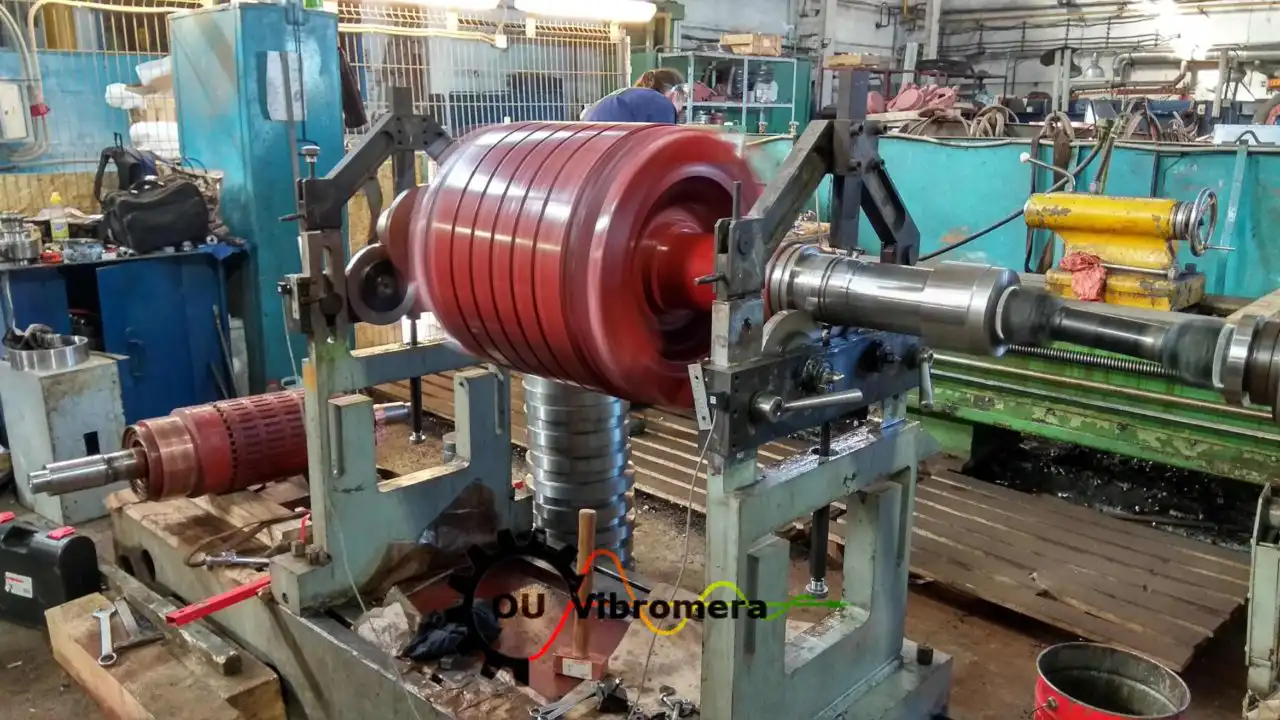
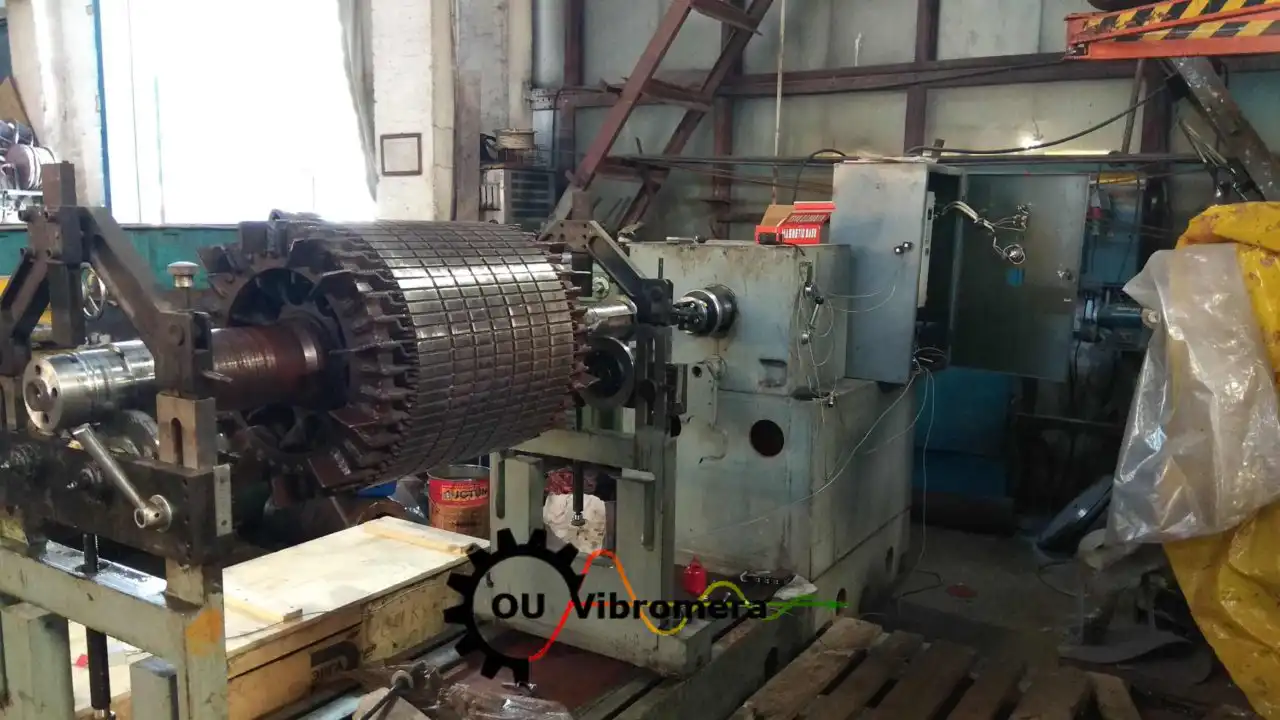
The Issue: Balancing Rotors After Repair
Enterprises specializing in electric motor repair often face a daunting task: achieving precise rotor balancing following the repair process. The implications of not balancing a rotor correctly are far-reaching, from escalated vibration levels to eventual mechanical failure. This article elaborates on a budget-friendly method that involves specialized balancing equipment and a straightforward stand design.
Why Balancing Matters
Balancing is far from a mere quality check; it's an operational imperative. A rotor out of balance can result in:
- Heightened Vibration: Leading to accelerated degradation of motor components.
- Inflated Energy Use: Unbalanced motors consume extra energy, raising operational costs.
- Safety and Operational Hazards: Including potential for mechanical breakdown and employee safety risks.
The Proposed Solution: Utilizing a Simple Stand and Spring Cushions
The most budget-friendly way to secure optimal rotor balance involves using a rudimentary stand designed explicitly for balancing. This stand comprises a welded frame supported on cylindrical spring cushions.
The Role of Spring Cushions
Spring cushions fulfill two vital functions:
- External Interference Isolation: They minimize the impact of external vibrations and noise on the motor.
- Preventing Resonance: The frame's natural frequency, cushioned by the springs, should be 2-3 times lower than the rotor's rate to mitigate resonance effects.
Adhering to these parameters ensures that post-balancing residual vibration seldom exceeds 0.3 - 0.7 mm/s—a figure within the acceptable limits for electric motors.
Assessing Effectiveness: Understanding Residual Vibration
The efficacy of this approach is quantifiable through residual vibration levels. Specialized balancing equipment can successfully reduce these levels to 0.3 - 0.7 mm/s, an acceptable standard for most electric motors. This indicates not just an extension of the motor's lifespan but also its efficient functioning.
Final Remarks: Balancing as a Strategic Asset
For organizations engaged in electric motor repair, the challenge of post-repair rotor balancing is more than a quality criterion; it's a strategic asset. By employing a cost-conscious stand design along with dedicated balancing equipment, residual vibration levels can be substantially reduced. The result is a motor that operates more efficiently, reliably, and safely.