Notch ფილტრების გაგება
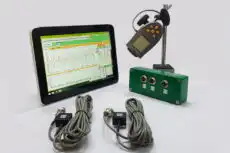
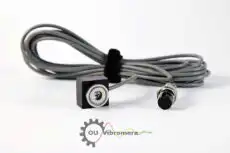
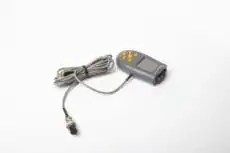
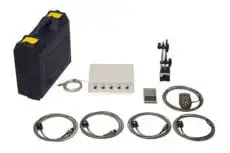

A ჩაღრმავებული ფილტრი — მასვე უწოდებენ band-stop ფილტრს, band-reject ფილტრს ან სიხშირეს ხაფანგას — არის სიხშირე-შერჩევითი სიგნალის დამუშავების ელემენტი, რომელიც ძლიერად ასუსტებს ვიბრაცია კომპონენტებს ვიწროი სიხშირის ზოლის ფარგლებში, ხოლო მისი გარეთ ყველაფერი სილამაზის გამო გამოუცვლელი რჩება. ეს არის მოდელის ზუსტი საპირისპირო ზოლის გამტარობის ფილტრი: ერთი ზოლის გატარების ნაცვლად დანარჩენის ბლოკაციის, ის ერთი ზოლს ბლოკავს და დანარჩენი გატარდება. კიდევ სხვა ხელსაწყოს სიგნალის ფილტრაცია ნაკრებში notch ფილტრი არის ქირურგიული მოწყობილობა.
შიგნით ვიბრაციის ანალიზი, notch ფილტრები ამოშორებენ დომინანტურ ხელახლა ჩერჩის მოწყობილობებ, როგორიცაა 50/60 Hz ელექტრული ხმაური, ჩახშობენ დაკაბალებული ვიბრაციის კომპონენტი (ძალიან დიდი 1× დისბალანსი რომელიც ნიღბავს ყველაფერს), ან დახშობენ რეზონანსს, რომელიც აფერფურცელებს დიაგნოსტიკურ დეტალებს. ეფექტურად, ისინი ანალიტიკოსს აძლევენ საშუალებას "დაინახოს" დომინანტური სიხშირის გარშემო დაფარული უსუსტო მაგრამ დიაგნოსტიკურად მნიშვნელოვანი კომპონენტების აღმოჩენისთვის სპექტრი.
1. ფილტრის მახასიათებლები
ცენტრალური (ჭედური) სიხშირე
- მაქსიმალური შესუსტების სიხშირე — ის, რომელიც "notch" ხორბალი ხდება.
- მორგებულია კონკრეტულ ჩარევაზე ან არასასურველ სიხშირეზე
- შესუსტება ჩვეულებრივ 40–60 დბ არის ცენტრში.
ჭრილის გამტარუნარიანობა
- ვიწრო ნოჩი: უარყოფს ძალიან შერჩევით სიხშირის დიაპაზონს (მაღალი Q).
- განიერი ნოჩი: უარყოფს უფრო ფართო სიხშირის ზოლს (დაბალი Q).
- Q ფაქტორი: ცენტრის სიხშირე გაყოფილი სიგანეზე.
- ტიპიური: Q = 10–50 ვიბრაციის აპლიკაციებისთვის.
შესუსტების სიღრმე
- რამდენად შეკვეცილი არის notch სიხშირე.
- ჩვეულებრივ 40–60 დბ, ექვივალენტი 100–1000× შემცირებამდე.
- უმაღლესი ფილტრები უღრმა notch-ებს უზრუნველყოფენ.
- მიმდებარე სიხშირეები მინიმალურად იმოქმედება კარგი დიზაინის შემთხვევაში.
2. ჩვეულებრივი გამოყენება
ელექტრული ხმაურის აღმოფხვრა
ელექტროენერგიის ხაზის ხმაურის აღმოფხვრა არის კლასიკური გამოყენება:
- 60 Hz ნოჩი: აღმოფხვრის 60 Hz ელექტრული ხმაურს ჩრდილოეთ ამერიკაში.
- 50 Hz ნოჩი: აღმოფხვრის 50 Hz ხმაურს ევროპასა და აზიაში.
- ჰარმონიკები: დამატებითი ჭრილები 120/180/240 ჰერცზე ან 100/150/200 ჰერცზე
- სარგებელი: უფრო სუფთა სპექტრი, რომელიც ავლენს მის ქვეშ არსებულ მექანიკურ ვიბრაციას.
- სიფრთხილე: არ გამოიყენოთ იგი, თუ 2× ხაზის სიხშირე (120 ან 100 Hz) აქვს დიაგნოსტიკური მნიშვნელობა — ეს ზოლი არის გასაღის მაჩვენებელი ელექტრული ხარვეზები მოტორებში.
დომინანტური კომპონენტის თავგაბმა
- მძიმე დისბალანსი: დანაკაკ წაკვეთეთ დამძლავი 1× სხვა კომპონენტების გამოსაჩენად.
- მაღალი მექანიკური ურთიერთქმედება: ამოსთავსეთ დომინანტური კბილანების გადაბმის სიხშირე გამოსავლენად ლილვის სიხშირეები.
- ძლიერი რეზონანსი: თავგაბმა სტრუქტურული რეზონანსი მის უკან არსებული აგზნების სხვადსხვა ასპექტების სანახავად.
- მიზანი: გამოავლინე დაფარული დიაგნოსტიკური ინფორმაცია.
სენსორის რეზონანსის აღმოფხვრა
- მოხსენით არტიფაქტები სენსორის მიერთების რეზონანსი.
- სანთელი განათავსეთ დაკიდების რეზონანსის სიხშირეზე, რომელიც იცვლება მიერთების მეთოდის მიხედვით.
- უზრუნველყოფს, რომ გაზომვა მანქანას წარმოადგენს, არა სენსორს.
ალიასინგის ხელოვნურობის თავიდან აცილება
- გამოაცალეთ კონკრეტული მაღალი სიხშირე ქვემოთ ჩამობირჯებამდე.
- შეუშვებელია ალიასინგი ცნობილი ძლიერი კომპონენტის.
- ავსებს ანტი-ალიასინგს დაბალი სიხშირის ფილტრი მის ნაცვლად კი არა.
3. დიზაინის მხედელობები
ვიწრო ჭრილი (მაღალი Q)
- უპირატესობა: ერთი სიხშირის ქირურგიული მოშორება მინიმალური გავლენით მეზობელებზე.
- ნაკლი: სამიზნე სიხშირე უნდა იყოს ზუსტად ცნობილი და სტაბილური.
- მაგალითი: 60.0 Hz ± 0.5 Hz ჩამკეტი ელექტრული ჩარევის დასამუშავებლად.
ფართო ჭრილი (დაბალი Q)
- უპირატესობა: იჭერს სიხშირის ვარიაციებს, ასე რომ რეგულირება ნაკლებად კრიტიკულია.
- ნაკლი: შეიძლება იმოქმედოს სიხშირეებზე, რომელთა შენახვაც გინდოდათ.
- მაგალითი: 1× ± 5 Hz ჩამკეტი უთანასწორობის გასაწერად, რომელიც იცვლება სირბილის სიჩქარე ფლუქტუაციები.
სიღრმისა და სიგანის კომპრომისი
- უფრო ღრმა ჩამკეტები (60 dB-ზე მეტი) ხშირად მეტ ზოლის სიგანეს მოითხოვს.
- ძალიან ვიწრო ნაჭდევებმა შეიძლება ღრმა შესუსტება ვერ მიაღწიონ
- გაბალანსეთ აპლიკაციის მოთხოვნების შესაფერი.
4. უპირატესობები და შეზღუდვები
უპირატესობები
- აშორებს დომინანტ ხელფარ სიხშირეებს.
- გამოკვეთს დაფარულ დიაგნოსტიკულ კომპონენტებს.
- ხელმისაწვდომი დინამიური დიაპაზონი.
- აძლევს ანალიტიკოსს მხარდაჭერის საშუალებას ასლი მაგრამ მნიშვნელოვანი სიგნალებზე.
შეზღუდვები და სიფრთხილის ზომები
- ხსნის ინფორმაციას: ამოკვეთილი ამპლიტუდის ქვეშ აღნიშნული შინაარსი სამუდამოდ იკარგება ფილტრირებული ჩანაწერიდან.
- შეიძლება დაფაროს პრობლემები: თუ ამოკვეთილი სიხშირე დიაგნოსტიკურ მნიშვნელობას ფლობდა, გაუმართაობა მოგვიანებით აღმოჩნდება.
- ფაზური დამახინჯება: მკაფიო ფილტრი მნიშვნელოვანი გავლენა აკეთებს ფაზა ამოკვეთილი სიხშირის მახლობელი ზოლი.
- რეზონანსი (რინგინგი): მკაფიო ამოკვეთილი ფილტრები შეიძლება შექმნან დროითი დომენის არტიფაქტები დროის ტალღის ფორმა.
- გამოიყენეთ სიფრთხის ზომით: ამოკვეთილი ფილტრი უნდა კომპლიმენტიროს, არასოდეს შეცვალოს, ფილტრირებული ანალიზი.
5. საუკეთესო პრაქტიკა
როდის გამოიყენოთ ამოკვეთილი ფილტრი
- ცნობილი ხელშეშლა, როგორიცაა ელექტრული შორი, ხელს უშლის გაზომვას.
- დომინირებული კომპონენტი (მძიმე დისბალანსი) ხელს უშლის დინამიკური დიაპაზონის სრულ გამოყენებას.
- ფილტრირებული ანალიზი უკვე დაადასტურა, რომ ამოკვეთილი სიხშირე არ არის დიაგნოსტიკური.
- გსურთ სუსტი სიგნალის გამჟღავნება დამწვრობილი გამოკვლევისთვის.
როდის არ გამოიყენოთ ის
- რუტინული სკრინინგული გაზომვები — გამოიყენეთ ფილტრირებული მონაცემი ზოგადი დიაგნოზი.
- როდესაც ამოკვეთილი სიხშირე დიაგნოსტიკურ მნიშვნელობას ფლობს.
- სანამ სრულიად გაიგებთ ფილტრირებული ჩანაწერი.
- როგორც ჩანაცვლება რეალური ხელშეშლის წყაროს აღმოსაფხვრელად.
დოკუმენტაცია
- ყოველთვის ააღნიშნეთ, როდესაც ამოკვეთილი ფილტრი გამოყენებული იყო.
- ჩაწერეთ ჭრის სიხშირე და გამშირთველი.
- შეინახეთ ფილტრული მონაცემები საცნობარო მხრივ.
- აღნიშნეთ ჭრის ფილტრაციის მიზეზი დიაგნოსტიკური ანგარიში.
6. განხორციელება
აპარატურის ჭრილის ფილტრები
- ფიქსირებული სიხშირე, ჩვეულებრივად 50 ან 60 Hz.
- ჩართული და გამოცალკეული აუცილებლობის მიხედვით.
- ანალოგური სქემა ინსტრუმენტის შიგნით.
- მუშაობს რეალურ დროში.
პროგრამული უზრუნველყოფის ჭრილის ფილტრები
- გამოყენებული ციფრულ მონაცემებზე შეგროვების შემდეგ.
- რეგულირებადი ცენტრალური სიხშირე და გამშირთველი.
- სხვადსხვა ჭრის პარამეტრი შეიძლება გამოცდილი და შედარებული იყოს.
- გადაუნაგირებელი — ორიგინალური მონაცემები დაცული რჩება.
7. ჭრის ფილტრი ველოს პრაქტიკაში
დღე-დღეში ველოს სამუშაოში ჭრის ფილტრი დამდეგ აღმოჩნდება, როდესაც ერთი სიხშირე ყველაფერს, რაც ნახვა გჭირდებათ, დაფარავს. ხშირი შემთხვევა არის როტორი დიდი დისბალანსით: პორტატული ანალიზატორი, როგორიცაა ბალანსეტი-1ა ზომავს 1×-ს ამპლიტუდა და ფაზა პირდაპირ დაბალანსება, და ერთხელ, როდესაც ის დომინირებული 1× კომპონენტი სწორდება, სპექტრი იხსნება ისე, რომ უფრო მცირე ღერო და გადაცემის ხელმოწერები წაკითხვადი ხდება ყოველგვარი ჭრის გარეშე. ეს ილუსტრაციაა ოქროს წესის — სადაც შესაძლებელია, გამოსწორება წყაროზე, ვიდრე სიმპტომის დაფარვა. ჭრის ფილტრი რჩება სწორი ხელსაწყო, როდესაც დანაშაულებული სიხშირე ნამდვილად გარე მხრიდან არის, როგორიცაა 50/60 Hz აღება კაბელზე, და დასტურდება, რომ მას მექანიკური მნიშვნელობა არ აქვს.
ჭრის ფილტრები სპეციალიზებული სიგნალ-დამუშავების ხელსაწყოები, რომლებიც სელექციურად ამოშორებენ ვიბრაციის სიგნალიდან ვიწრო სიხშირის ზოლებს. ისინი ძლევამტკიცე ჩარევის აღმოფხვრისა და დაფარული კომპონენტების გამოჩენისთვის, მაგრამ მათი გამოყენება მიზანმიმართული და სრული ცოდნის მქონე უნდა იყოს, რა ძირს აღმოიფხვრება — ყოველთვის დასტურდება, რომ ჭრილი სიხშირეები არ შეიცავს მნიშვნელოვან დიაგნოსტიკურ შინაარსს.

