Notch Filtrləri Anlamaq
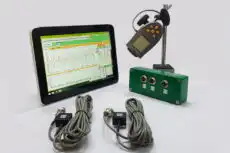
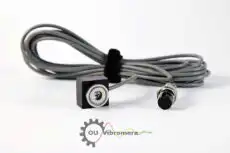
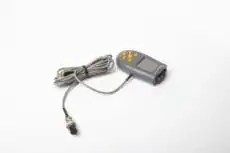
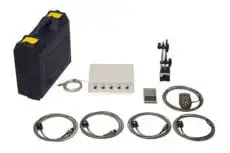

A kərtikli filtr — band-stop filter, band-reject filter və ya frequency trap da adlandırılır — dar tezlik zolağında olan komponentləri güclü şəkildə zəiflədən tezlik-seçici siqnal emalı elementidir vibrasiya dar tezlik zolağındakı komponentləri zəiflədərkən, onun xaricində qalan hər şeyi demək olar ki, dəyişmədən buraxır. Bu, dəqiq əksidir bant keçirici filtr: bir zolağı buraxıb qalanını bloklamaq əvəzinə, bir zolağı bloklayır və qalanını buraxır. Alətlər dəstində siqnal filtrləmə, notch cərrahi alətdir.
In Vibrasiya Analizi, notch filtrlər 50/60 Hz elektrik səs-küyü kimi dominant maneələri aradan qaldırır, həddən artıq böyük vibrasiya komponentini (çox böyük 1× balanssızlıq ki, qalan hər şeyi maskalayır) zəiflədir və ya diaqnostik detalı gizlədən rezonansı basdırır. Nəticədə onlar analizatora dominant tezliyin “ətrafından baxmağa” imkan verir ki, spektrdə altında gizlənən daha zəif, amma diaqnostik cəhətdən vacib komponentləri üzə çıxarsın spektr.
1. Filtr Xarakteristikaları
Mərkəzi (Notch) Tezliyi
- Maksimum zəiflətmə tezliyi — yəni “kəsilib çıxarılan” tezlik.
- Xüsusi müdaxiləyə və ya arzuolunmaz tezlikə köklənmişdir
- Zəifləmə tipik olaraq mərkəzində 40–60 dB-dir.
Çentik bant genişliyi
- Dar kəsici: çox seçici frekans diapazonunu rədd edir (yüksək Q).
- Geniş kəsici: daha geniş frekans bandını rədd edir (aşağı Q).
- Q amili: mərkəz frekansının bant genişliyinə bölünməsi.
- Tipik: Q = 10–50 vibrasiya tətbiqləri üçün.
Zəifləmə dərinliyi
- Çentik frekansının nə qədər azaldıldığı.
- Tipik olaraq 40–60 dB, 100–1000× azalmaya ekvivalentdir.
- Daha yüksək dərəcəli filtrlər daha dərin çentiklər təmin edir.
- Dizayn yaxşı olduqda qonşu frekanslar minimal dərəcədə təsirlənir.
2. Ümumi Tətbiqləri
Elektrik Müdaxələsinin Aradan Qaldırılması
Elektrik şəbəkə səsinin ləğvini klassik istifadədir:
- 60 Hz kəsici: Şimali Amerikada 60 Hz elektrik təsirini aradan qaldırır.
- 50 Hz kəsici: Avropa və Asiyada 50 Hz müdaxələsini aradan qaldırır.
- Harmoniklər: 120/180/240 Hz və ya 100/150/200 Hz-də əlavə çentiklər
- Fayda: əsas mexaniki vibrasyonu ortaya çıxaran daha təmiz spektr.
- Diqqət: 2× xətt frekansının (120 və ya 100 Hz) diaqnostik dəyəri daşıyırsa istifadə etməyin — bu band açarı göstəricisidir Elektrik nasazlıqları mühərriklərdə.
Dominan Komponentinin Suppression
- Şiddətli balanssızlıq: digər komponentləri ortaya çıxarmaq üçün 1× çentik edin.
- Yüksək dişli mesh: dominan aradan qaldırın dişli cütləşmə tezliyi aşkar etmək üçün yatağın tezlikləri.
- Güclü rezonans: konstruktiv bir rezonans arxasında olan həyəcanı görmək.
- Məqsəd: maskalı diaqnostik məlumatları açır.
Sensör Rezonansının Ləğvi
- Artefaktları çıxarın sensörun montaj rezonansi.
- Kəsiyi montaj-rezonans tezliyinə qoyun; bu, montaj metodundan asılı olaraq dəyişir.
- Ölçmənin sensorun deyil, maşının göstəricisini təmsil etdiyini təmin edir.
Aliasing Artefaktlarının Qarşısının Alınması
- Aşağısampling əvvəl müəyyən yüksək tezliyi kəsin.
- Qarşısını alır aliasing məlum güclü komponentin.
- Əks-aliasing-ə tamamlayıcı aşağı ötürmə filtr bunu əvəz etməkdən daha çox.
3. Dizayn Müsaidələri
Dar Çentik (Yüksək Q)
- Üstünlük: yoxşulara minimal təsiri olan tək bir tezliyin cərrahi çıxarılması.
- Dezavantaj: hədəf tezliyi dəqiq bilinməli və sabit olmalıdır.
- Misal: elektrik müdaxələsi üçün 60.0 Hz ± 0.5 Hz kəs.
Geniş Çentik (Aşağı Q)
- Üstünlük: tezlik dəyişiklikləri götürür, buna görə tənzimləmə daha az kritikdir.
- Dezavantaj: istədiyin tezliklərin saxlanılmasına təsir edə biləcək.
- Misal: 1× ±5 Hz notch sürətlə dəyişən balanssızlığını aradan qaldırmaq üçün qaçış sürəti dəyişkənliklərin.
Dərinlik və Genişlik Mübadiləsi
- Daha dərin notchlar (60 dB-dən çox) tez-tez daha geniş bant genişliyini tələb edir.
- Çox dar çentiklər dərin zəifləməyə nail ola bilməz
- Balansı tətbiqə uyğun hala gətirin.
4. Üstünlüklər və Məhdudiyyətlər
Üstünlüklər
- Hakimiyyətçi müdaxilə tezliklərini aradan qaldırır.
- Maskalanmış diaqnostik komponentləri açığa çıxarır.
- Mövcud olanın istifadəsini yaxşılaşdırır Dinamik diapazon.
- Analitikə zəif lakin mühüm siqnallara fokus etməyə icazə verir.
Məhdudiyyətlər və Xəbərdarlıqlar
- Məlumatları aradan qaldırır: notch-lanmış məzmun filtrlənmiş qeydərdən həmişəlik itirilir.
- Problemləri gizlədə biləcək: notch tezliyinin diaqnostik dəyəri olsaydı, nasazlıq qaçırılır.
- Faza təhrif: notch filtrlər əhəmiyyətli dərəcədə təsir edir faza notch tezliyinin yaxınlığında.
- Zəng: kəskin notchlar zaman sferasında artefaktlar yarada biləcəklər zaman dalğa forması.
- Ehtiyatla istifadə edin: notch hərəkətini tamamlamaq lazım, heç vaxt filtrlənməmiş analizi əvəz etməmələri.
5. Ən yaxşı təcrübələr
Notch Filtrini Nə Vaxt İstifadə Edəcəyiniz
- Məlumat ölçümünü bağlayan elektrik səs-küyü kimi məlum müdaxilə.
- Dominant komponent (ağır balanssızlıq) dinamik diapazonun tam istifadəsini əngəlləyir.
- Filtrlənməmiş analiz artıq seçilmiş tezliyin diaqnostik göstərici olmadığını təsdiqləmişdir.
- Siz zəif bir siqnalı ətraflı yoxlamaq üçün ortaya çıxarmaq istəyirsiz.
Ne Zaman İstifadə Etməmək Lazımdır
- Rutin sənədləştirmə ölçmələri — ümumi üçün filtrlənməmiş məlumatlardan istifadə edin diaqnoz.
- Seçilmiş tezlik diaqnostik dəyərə malik olduqda.
- Tam filtrlənməmiş spektri başa düşməmişdən əvvəl.
- Faktiki müdaxilə mənbəyini düzəltmənin əvəzində.
Sənədlər
- Həmişə çentik filtrinin istifadə edildiyini qeyd edin.
- Seçilmiş tezlik və bant genişliyini qeyd edin.
- Müşayiət üçün filtrlənməmiş məlumatları saxlayın.
- Çentik filtrasiyasının səbəbini qeyd edin diaqnostik hesabat.
6. Tətbiq
Avadanlıq Notch Filtrləri
- Sabit tezlik, tipik olaraq 50 və ya 60 Hz.
- Lazım olan zaman aktivləşdirilir və deaktivləşdirilir.
- Cihazın içərisindəki analog sxem.
- Gerçəyi vaxtda işləyir.
Proqram Notch Filtrləri
- Əldə etdikdən sonra rəqəmləşdirilmiş məlumatlarına tətbiq olunur.
- Tənzimlənən mərkəz tezliyi və bant genişliyi.
- Müxtəlif çentik parametrləri sınaqdan keçirilə və müqayisə oluna bilər.
- Qırılmaya davamlı — orijinal məlumatlar qorunur.
7. Sahə Praktikasında Çentik Filtri
Gündəlik sahə işində çentik filtri, tək bir tezlik bütün görməniz lazım olan şeyləri boğduğunda faydalı olur. Ümumi hal, böyük balanssızlığı olan rotor ilə baş verir: Balanset kimi portativ analizatoru istifadə edərkən Balanset-1A 1×-i ölçür amplituda və faza birbaşa balanslaşdırma, və həmin dominant 1× komponenti düzəldildikdən sonra, spektr açılır və daha kiçik rulman və dişli imzaları heç bir çentik olmadan oxunur. Bu qızıl qaidəni göstərir — hər cür mümkün olduqda, simptomun yüksükmə etmədən əvvəl mənbəni aradan qaldırın. Çentik, təriflənən tezlik həqiqətən xarici olduqda, məsələn, kabel üzərində 50/60 Hz qəbul olunması halında və mexaniki məhsul daşımamaq kimi təsdiq olunduqda, düzgün vasitə olaraq qalır.
Çentik filtirləri, vibrasyon siqnalından dar tezlik diapazonlarını seçici olaraq çıxaran ixtisaslaşdırılmış siqnal işləmə vasitələridir. Müdaxilə edilməsi və maskalanmış komponentləri aşkarlamaq üçün güclüdürlər, lakin əqli və çıxarılanın nə olduğunun tam fərk edilməsi ilə istifadə edilməlidir — həmişə çentik edilən tezliklərin heç bir mühüm diaqnostik məzmun daşımadığını təsdiq edin.

