Жабдықты өшіруді түсіну






Shutdown айналмалы машинаны тоқтатуға әкелу процесі — бұл орнатылған тәртіпке сәйкес жоспарланған процедура арқылы немесе қауіпті жағдайға жауап ретінде машинаны бірден тоқтататын төтенше ысыру арқылы. Ішінде vibration және сенімділік контексінде, өшірулер қарапайым тоқтатулардан әлдеқайда артық. Олар басқарылуы керек механикалық және термиялық ынамасын басқарады, олар сирек құрылған терезені ашады интерпеляция талдауы және физикалық тексеру, және олар машина соңында қауіпсіз және барлау жұмысына қол жеткізетін сәтті белгілейді.
Төрт түрлі өшіру түрлерін, олардың машинаға әсерлерін түсіну — термиялық ынамалар, thermal bowing, және яғайы жағдайының өзгеруі — және олардың ұсынатын диагностикалық мәні, қажетсіз үзіндіді мүмкіндікке айналдыру. Түсіндіріле отырып, әрбір өшіру жабдық денсаулығының төбек суретіне және тиімдірек барлау бағдарламасына ықпал етеді.
1. Өшіру түрлері
1. Қалыпты жоспарланған өшіру
- Procedure: өндіректіні өшіру тәртібіне сәйкес.
- Speed: біртіндеп азайту және басқарылатын coastdown.
- Purpose: барлау немесе ағын аяқтау үшін қалыпты тоқтату.
- Timing: алдын ала жоспарлау.
- Stress: минималды термиялық және механикалық ынама.
2. Төтенше қолмен өшіру
- Trigger: оператор аномальды жағдайларды байқағаннан кейін оны іске қосады.
- Speed: жылдам, бірақ әлі де бақылалған.
- Purpose: байқалған проблемадан болған зиянның алдын алу үшін.
- Procedure: қалыпты жүргіздеуге қарағанда тезірек, арнайы төтенше тоқтату реті.
3. Автоматты өндіктіліктен ажыратылу (қорғау жүйесі)
- Trigger: a trip level қорғау жүйесінде асындырылған.
- Speed: екінші ішінде қосай.
- Purpose: ыстық зиянның алдын алу үшін.
- Action: отын немесе қуат өндіктіліктен ажыратылуы, клапанды жабылуы, тежегі іске асырылуы.
- No delay: адамның қатысысыз автоматты жауап.
4. Төтенше тоқтату (істен шығу)
- Аспап компоненты бұзылғаны үшін тоқтайды.
- Ол бақыланбаған және ықтимал түрде зақымданатын.
- Бұл ең жаман-жағдай сценарий.
- Жағдайын мониторинг және қорғау жүйелері дәл осыны болдырмау үшін бар.
2. Тоқтату кезінде дрожу
Төңнің төмендеу сипаттамалары
- Ротор өзінің арқылы қайтып өтеді сындық жылдамдықтар баяу ылдамдығын төмендеген кезде.
- Пик амплитудалары әрбір резонанста пайда болады.
- Бұл жинау мүмкіндігі rotor-dynamics data.
- Анықсыз ылдамдығын төмендету өзі белгі болып табылады.
Термалды әсерлер
- Ысы ос құйма айналуы тоқтағанда дамыта алады thermal sag.
- Біркелкі емес салқындау термалды ығу ұялтады.
- Ірі турбиналарда сол ығуды болғ ылдастыру үшін айналу механизмі пайдаланылады.
- Температуралар салқындату кезінде барлық уақытта бақыланады.
Құйма алаңдарының мәселелері
- Сыни ылдамдықтардың ара осынша өтуі құйма алаңдарын құлықтандырады.
- Бөлу шарттары ылдамдық төмендеген сайын өзгереді.
- Құйма алаңдарының температурасы бақыланады.
- Машина толық тоқтаудың бұрын баяу ылдамдықта вибрация тексерісі жүргізіледі.
3. Тоқтатуды диагностикалық мүмкіндік ретінде пайдалану
Баяу ылдамдығын төмендету машина бүтін ылдамдық ауқымын басқарылған жағдайда өтетін бірнеше уақыттың біреуі, және ол диагностикалық құнды ету. Айна кескілі оқиға, а run-up, ылдамдыққа өндіктелген кезде ұқсас терезе ұсынады.
Баяу ылдамдығын төмендету тестісі
- Вибрация баяу ылдамдығын төмендеген кезде үзіліссіз жазылады.
- Сыни ылдамдықтар анықталады Bode plots.
- Сығуу резонанс шыңының пішінінен бағаланады.
- Су құс диаграммалары бүтін жылдамдықтар ауқымын бір уақытта көрсетеді.
- Нәтижесі роторлық динамиканың құнды деректер жиынтығы.
Ақырамалы айналу өлшемдері
- Vibration and runout өте төмен жылдамдықта оқылады (100 RPM төмен).
- Олар механикалық ығысуды немесе eccentricity from genuine unbalance.
- Олар кез келген термикалық ығысу бағалауына сілтеме болып табылады.
Тоқтатудан кейінгі тексеру
- Әдетте жетпелі компоненттерге қол жеткіздіру.
- Айналмалы элементтердің визуалды тексеруі.
- Подшипник, уплотнение және муфта жағдайын бағалау.
- Тiгіндіктің растамасы.
- Ешік өлшемдері.
4. Ірі турбиналарды тоқтату процедуралары
Бақыланатын суығуы
- Жылдамдықты төмендетпес бұрын жүктемені аралықты төмендетіңіз.
- Ротор бойындағы термикалық градиенттерді азайтыңыз.
- Температураларды барлық уақыт бақылаңыз.
- Ірі блоктар үшін бұл бірнеше сағат алуы мүмкін.
Айналдыру механизмінің жұмысы
- Машина салынған кезде төмен айналу, әдетте 3–10 RPM.
- Термиялық ығысуының пайда болуына жол бермейді.
- Тоқтатылғаннан кейін 8–24 сағат ішінде жұмыс істей алады.
- Бұл ірі бу турбиналары үшін өте маңызды, өйткені теңсіз салындырылуы басқаша shaft bow қауіпсіз қайта іске қосуға кедергі келтіретін өлшемде болуы мүмкін.
5. Төтентік тоқтатуға қатысты ойластырулар
Төтентік тоқтатуды қашан орындау керек
- Дірлеу деңгейі сөндіру деңгейінен асып кетуі.
- A rapid vibration increase — for example a doubling within minutes.
- Evidence of rubs or contact.
- Түтін, от немесе ұсақ дыбыстар.
- Тығын ойындарының қатерлі материалдарды шыдатуы.
- Персоналға қарсы кез келген қауіп-қатер.
Төтентік рәсім
- Жазылған рәсімге сәйкес төтентік тоқтатуды орындаңыз.
- Құрықты немесе отынды бірден ажыратыңыз.
- Машина тежегішпен жабдықталған болса, тежегішті пайдаланыңыз.
- Салындырылу кезінде дірлеуді бақылаңыз.
- Машина тексерілгенге дейін қайта іске қоспаңыз.
Төтентік кейінгі іс-қимаслар
- Аймақты құлыпталту.
- Құлпылау және белгілеу операциясын орындаңыз.
- Қайта іске қосуға рұқсат беру алдында толық тексеріс жүргізіңіз.
- Іштен шығудың себебін анықтаңыз.
- Мәселені түзеңіз және түзетудің дұрыстығын тексеріңіз.
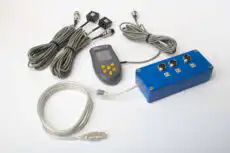
Білік іршеуінің роторының вибрациясының өсуінен болса, диагностика машина қауіпсіз түрде тоқтатылғаннан және қараусының астында қайта іске қосылғаннан кейін жүргізіледі. Баланset-1A сияқты портативті екі канальды анализатор Балансет-1А records the 1× амплитуда және фаза бақыланатын іске қосу кезінде және жұмыс жылдамдығында, бұл аналитикке қалай болғаны қылмысшы екенін айтады unbalance, misalignment, немесе дамып келе жатқан bearing defect. Балансыздық болса, сол құрал командаға field-balance ротордың өзінің қарайластарында машина қызметке қайтарылмас бұрын — іштен шығуды жабу, оны тек ресеттеу емес.
6. Жоспарлау, үйлестіру және қайта іске қосу
Жоспарланған ағымдар
- Тоқтатуды өндіріс кестесімен үйлестіріңіз.
- Бөліктер мен ресурстарды алдын ала орналастырыңыз.
- Егжей-тегжейлі жүмыс жоспарын дайындаңыз.
- Қызмет көрсету ағымын бақылау деректерін қажеттіліктерін белгілеген деректер үшін қарап шығыңыз.
- Ағымның ұзақтығын оңтайландырыңыз.
Вибрациядан тұтындырылған сөндіру
- Шарт бақылау жүйесі тоқтату қажет екенін көрсеткен кезде қаршы алынады.
- Ауырлығы және remaining-useful-life бағалаулар — пікір а vibration-trend RUL бағалаушысы көмектесе алады сандық өлшеу.
- Өндіріске ықпалын азайту үшін жоспарланған.
- Мониторинг анықтаған жөндеулерді орындау үшін пайдаланылады.
Қайта іске қосудың бұрын-соңы тексеру тізімі
- Тексеру аяқталды және құжатталды.
- Анықталған барлық проблемалар түзетілді.
- Майлау тексерілді.
- Қолжетімді жерлерде түзеу тексерілді.
- Барлық қорғаныш және қақпақтар қайта орналастырылды.
- Блокау/белгілеу дұрыс түрде алынып тасталды.
- Қайта іске қосуға рұқсат алынды.
Іске қосу мониторингі
- Monitor іске қосу тербелісі closely.
- Жөндеулер жасалса, күтілген жақсарықты растау.
- Техникалық қызмет кезінде пайда болған жаңа проблемаларға назар аудар.
- Ыстық қайта іске қосулардағы термалды-қию әсерлерін есепке ал.
Осылайша, тоқтатулар барлық машиналардың өмір циклінің шешуші оқиғалары болып табылады. Олар кернеудің межесінде ауыруын сақтау үшін дұрыс процедураларды қажет етеді, диагностикалық деректерді жинау және жасырын компоненттерді тексеру үшін салыстырмаланбаған мүмкіндік беруді ұсынады, және барлық қолмен жүргізілген техникалық қызмет араласуының орната нүктесін көрсетеді. Тоқтату түрлерін түсіну, әрқайсысына дұрыс процедураны орындау және ғана диагностикалық баға үшін пайдалану бәрі тікелей ұзақ мерзімді жабдықтың сенімділігіне ықпал етеді.

