Дірілдеу талдауында FFT (тез Фурье түрлендіруі)

The Жылдам Фурье түрлендіру (FFT) – сигналды уақыт облысынан жиіліктің облысына түрлендіретін өте тиімді математикалық алгоритм. Құрамында vibration analysis ол түпнұсқа, күрделі time waveform — вибрацияның амплитудасы уақытқа қарсы сызылған — ға жиілік спектрі, амплитудасы жиілікке қарсы сызылған. Бұл бір түрлендіру қазіргі заманғы машина диагностикасының ең маңызды және іргелі процесі; оносыз вибрация сигналы оқуға болмайтын сызық-сызықтан ғана өзге емес.
1. Анықтама: FFT дегеніміз не?
FFT өлшеу емес, ол есептеу. Бұл математикалық симметрияларды пайдаланып, басқа жағдайда ұзақ уақыт алатын операцияны миллисекундта жасайтын Дискретті Фурье түрлендіруінің жылдам орындалуы. Сондықтан ол портативті құрылғыда өндік жұмыс істей алады. Фурьеге байланысты анықтамасы: кез келген күрделі периодты сигналды әр түрлі жиілік пен амплитудадағы қарапайым синус толқындарының қосындысы ретінде қайта құру үшін болады. FFT сол идеяны керісінше жұмыс істейді: оған тығысталған толқындық пішінді беріңіз, және ол құрылған синус толқындарының тізімін қайтарады.
2. Диагностика үшін FFT неге өте маңызды
Жұмыс істеп жатқан машинадан шығатын түпнұсқа уақыт толқындық пішіні бір уақытта көптеген вибрациялардың ауырғысы, және осы іздеуден машина ағдайын көзбен бағалау өте қиын. FFT призм сияқты әрекет етеді, күрделі сигналды оның жеке жиілік құрамдарына бөледі. Нәтиже аналитикке мынаны көруге мүмкіндік беретін анық, іс жүзінде қолдана алатын диаграмма:
- Қандай жиіліктер бар?
- әрбір жиіліктің қай күшінде (амплитуда) орналасқан?
- Сол жиіліктердің арасындағы байланыс қандай — гармониктер, бүйін лентелер және т.б.?
Өндіктеу және электрлік ақаулары әр түрлі болса да — unbalance, misalignment, төлеген сәтсіздіктер, and looseness — әрқайсы өте нақты, болжамдалатын жиіліктерде вибрация құрайды, спектр мәселенің түбегінде жатқан себебге тура жол түсіндіреді. Бұл жиілік-аймақ көрінісі барлық нәрсенің негізі спектрлік талдау.
3. FFT анализінің түйінді параметрлері
Пайдалы спектрді алу үшін аналитик деректер жинауышы немесе бағдарламасында бірнеше параметрлерді орнатады. Оларды дәл ала алмасаңыз, нақты ақаулы мис салуға болады; оларды дәл ала алсаңыз, онда бұл анық көрінеді.
Fmax (Максималды жиілік)
Спектрге қосылған ең жоғары жиілік. Ол өндіктеу үшін қажетті ең жоғары жиіліктің ақауын түсіну үшін жеткілік жоғары болуы керек — жоғары жиілік gear mesh немесе мұқтал дыбыстары, мысалы — бірақ төмен жиілік ретінде айырмашылық болмауға әкеледі. Бұл болдырмау үшін aliasing, құрылғылар антиаліастау құрайды төмен өткізгіш сүзгі FFT есептеген кезде іспеттік жылдамдығы төмен.
Ажырау (Ажырау сызықтарының саны)
Бұл дәлдік деңгейін орнатады — Fmax бойымен есептелген дискретті жиілік “құтыларының” саны. Көбінесе сызықтар (3,200 немесе 6,400 дейін) өзендік ажыраудың биіктігін беретіндіктен, бұл бір-біріне жақын жатқан екі жиіліктің ажыралуы мүмкіндігін өтеді. Жоғары ажырау жиілік ритмін ажырау немесе тығысталған sidebands редуктор талдауында. Ағымды ені Fmax-ты сызық санына бөлінгеніне сәйкес, спектрлі ара және бөлектеу деңгейінің арасында әрқашан компромисс болады; бір FFT ажырату қабілеті есептеуіші кез келген параметр үшін пайда болатын ағымның енін және деректер жинау уақытын көрсетеді, және Zoom FFT тіпті бөлектеу деңгейі одан да толық болу қажет болғанда барлық доступты сызықтарды тар жолаққа шоғырландыруы мүмкін.
Averaging
Машина вибрациясы ойнақтатылғандықтан, бір ғана FFT түсіндіктемесі артық пайда болуы мүмкін. Орталау мыналар мен оларды таяу уақыт ішінде әтіп және біріктіреді, кездейсоқ шуды басып, машинаның нақты жағдайын білдіретін әлдеқайда тұрақты және қайталанатын спектрді білдіреді.
Windowing
A терезе функциясы — ең көп Hanning window — өндіктеу алдында уақыт деректеріне қолданылатын математикалық салмақтау болып табылады. Ол спектрлік ағып кетудеп аталатын қателік туындатады, ол өсімі өткөл пиктің жақын орналасқан ағымдарға таралуына және оның амплитудасын да, тіпті де жиілік бөлінуін де бұзуына әкеп соғады.
4. FFT спектрін түсіндіру
Білікті аналитик спектрді сипаттамалы ішгі түсіндіп оқиды:
- Өткөл жиілікте барлықсы пик 1× running speed балансыздықты көрсетеді.
- Өткөл жиілікте барлықсы пик 2× жұмыс жиілігіндегі пик көбінесе өндіктік қимаса түсіндіктеген алғышарттарға қарай.
- Ұзақ қатарлы harmonics (1×, 2×, 3×, 4×…) is a classic sign of mechanical looseness.
- Жүргіктеу жиіліктігіндегі болынты қосынды өндіктік пиктеген барлысын жүргіктік жиілік редуктордың немесе рөлік ақындарының ақындарының ақындарының ақындарының ақындарының ақындарының ақындарының ақындарының ақындарының ақындарының ақындарының ақындарының ақындарының ақындарының ақындарының ақындарының ақындарының ақындарының ақындарының ақындарының ақындарының ақындарының ақындарының ақындарының ақындарының ақындарының ақындарының ақындарының ақындарының ақындарының ақындарының ақындарының ақындарының ақындарының ақындарының ақындарының ақындарының ақындарының ақындарының ақындарының ақындарының ақындарының ақындарының ақындарының ақындарының ақындарының ақындарының ақындарының ақындарының ақындарының ақындарының ақындарының ақындарының ақындарының ақындарының ақындарының ақындарының ақындарының ақындарының ақындарының ақындарының ақындарының ақындарының ақындарының ақындарының ақындарының ақындарының ақындарының ақындарының ақындарының ақындарының ақындарының ақындарының ақындарының ақындарының ақындарының ақындарының ақындарының ақындарының ақындарының ақындарының ақындарының ақындарының ақындарының ақындарының ақындарының ақындарының ақындарының ақындарының ақындарының ақындарының ақындарының ақындарының ақындарының ақындарының ақындарының ақындарының ақындарының ақындарының ақындарының ақындарының ақындарының ақындарының ақындарының ақындарының ақындарының ақындарының ақындарының ақындарының ақындарының ақындарының ақындарының ақындарының ақындарының ақындарының ақындарының ақындарының ақындарының ақындарының ақындарының ақындарының ақындарының ақындарының ақындарының ақындарының ақындарының ақындарының ақындарының ақындарының ақындарының ақындарының ақындарының ақындарының ақындарының ақындарының ақындарының ақындарының ақындарының ақындарының ақындарының ақындарының ақындарының ақындарының ақындарының ақындарының ақындарының ақындарының ақындарының ақындарының ақындарының ақындарының ақындарының ақындарының ақындарының ақындарының ақындарының ақындарының ақындарының ақындарының ақындарының ақындарының ақындарының ақындарының ақындарының ақындарының ақындарының ақындарының ақындарының ақындарының ақындарының ақындарының ақындарының ақындарының ақындарының ақындарының ақындарының ақындарының ақындарының ақындарының ақындарының ақындарының ақындарының ақындарының ақындарының ақындарының ақындарының ақындарының ақындарының ақындарының ақындарының ақындарының ақындарының ақындарының ақындарының ақындарының ақындарының ақындарының ақындарының ақындарының ақындарының ақындарының ақындарының ақындарының ақындарының ақындарының ақындарының ақындарының ақындарының ақындарының ақындарының ақындарының ақындарының ақындарының ақындарының ақындарының ақындарының ақындарының ақындарының ақындарының ақындарының ақындарының ақындарының ақындарының ақындарының ақындарының ақындарының ақындарының ақындарының ақындарының ақындарының ақындарының ақындарының ақындарының ақындарының ақындарының ақындарының ақындарының ақындарының ақындарының ақындарының ақындарының ақындарының ақындарының ақындарының ақындарының ақындарының ақындарының ақындарының ақындарының ақындарының ақындарының ақындарының ақындарының ақындарының ақындарының ақындарының ақындарының ақындарының ақындарының ақындарының ақындарының ақындарының ақындарының ақындарының ақындарының ақындарының ақындарының ақындарының ақындарының ақындарының ақындарының ақындарының ақындарының ақындарының ақындарының ақындарының ақындарының ақындарының ақындарының ақындарының ақындарының ақындарының ақындарының ақындарының ақындарының ақындарының ақындарының ақындарының ақындарының ақындарының ақындарының ақындарының ақындарының ақындарының ақындарының ақындарының ақындарының ақындарының ақындарының ақындарының ақындарының ақындарының ақындарының ақындарының ақындарының ақындарының ақындарының ақындарының ақындарының ақындарының ақындарының ақындарының ақындарының ақындарының ақындарының ақындарының ақындарының ақындарының ақындарының ақындарының ақындарының ақындарының ақындарының ақындарының ақындарының ақындарының ақындарының ақындарының ақындарының ақындарының ақындарының ақындарының ақындарының ақындарының ақындарының ақындарының ақындарының ақындарының ақындарының ақындарының ақындарының ақындарының ақындарының ақындарының ақындарының ақындарының ақындарының ақындарының ақындарының ақындарының ақындарының ақындарының ақындарының ақындарының ақындарының ақындарының ақындарының ақындарының ақындарының ақындарының ақындарының ақындарының ақындарының ақындарының ақындарының ақындарының ақындарының ақындарының ақындарының ақындарының ақындарының ақындарының ақындарының ақындарының ақындарының ақындарының ақындарының ақындарының ақындарының ақындарының ақындарының ақындарының ақындарының ақындарының ақындарының ақындарының ақындарының ақындарының ақындарының ақындарының ақындарының ақындарының ақындарының ақындарының ақындарының ақындарның ақындарының ақындарының ақындарының ақындарының ақындарының ақындарының ақындарының ақындарының ақындарының ақындарының ақындарының ақындарының ақындарының ақындарының ақындарының ақындарының ақындарының ақындарының ақындарының ақындарының ақындарының ақындарының ақындарының ақындарының ақындарының ақындарының ақындарның ақындарының ақындарының ақындарының ақындарының ақындарının жай-күйінің ең бөлігі болып табылады.
- пөлінген «табан» сызыбы немесе өндіктегі қаңдақ болуы мүмкін cavitation сорасында немесе жалпы төгінде.
ағымды спектрін машина сау болғанда жазылған baseline өндіктегі іскерлік өзгерістерін анықтап, өндіктегі сәйкестіктері жалпы болмастан алда түсіндіктеген проблемаларды ішкітедеген болуы мүмкін.
5. Практикалық Аймақтық Өлшемдердегі FFT
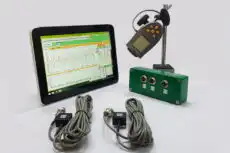
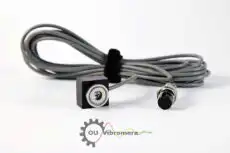
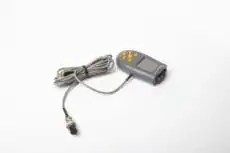
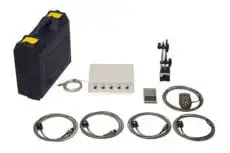
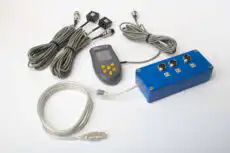
Портативты аспапта FFT тура қосымша деректерден есептелінеді accelerometer signal. The Балансет-1А, екі арналы далалық анализатор, уақыт толқын нысанасын қуса және оның спектрін шамамен 5 Гц-тен 1000 Гц-ге дейін көрсетеді, сондықтан инженер құрылғының жұмыс жылдамдығының шокысы, оның гармониктері және кез келген өндіктің немесе зубчатты дөңгелектің естіліктерін оқи алады. Бір айналымға сәтті тахометр импульсімен біріктіріліп, сол деректер жиынтығы фазаға негізделген балансталуды қолдайды, ал order analysis спектрді айнымалы жылдамдықты машиналардағы жұмыс жылдамдығының еселіктеріне қайта сілтеу құрылымындырады — FFT-ді статикалық диаграммадан далалық диагностика және балансталу ағындарының қозғалтқышына айналдырады.