Дрөйт Талдауда Дифференциалдауды Түсіну

Differentiation in vibration талдау — дрөйт сигналын бір өлшеу параметрінен екіншісіне түрлендіретін математикалық операция оның уақыт туындысын алу арқылы — немесе эквивалент түрде, жиілікке көбейту арқылы жиілік облысында. It turns displacement into velocityжәне жылдамдықты accelerationге айналдырады. Дифференциалдау integrationтың дәл кері операциясы болып табылады; ол анағұрлым сейрек орындалады, себебі өндіктегі сенсорлар үйлестіргіш болып табылады және әдеттегі қажеттіліктер интеграция істеп табылады down жылдамдықтан немесе орын ауыстырудан, дифференциялдамау up. Бұл өндіктігі нақты проявталатын жағдай — орын ауыстыру өлшенген жақындық сенсоры жылдамдық-негізделген стандартты салыстырып қарап, немесе жоғары жиілік құрамын зерделеген кезде.
Түсінік қажет негізді ұғыну — дифференциялдау операциясы: frequency-weighting операция: ол жоғары жиілік құраушыларын ерекшелендіреді және төмен жиілік құраушыларын басады — интеграциялаудың қарама-қарсыты. Бұл орын ауыстыру жазбасынан сәл анықталмаған жоғары жиілік диагностикалық дәл мәліметті шығарып алуға ыңғайлы, бірақ ол екі жақты құрал, себебі ол жоғары жиілік шуын сигнал сияқты сәл-әлсіз ұлғайтады. Қажетсінік-қажет емес, ол ашуға тырысқан ақпаратты өзі басып алуы мүмкін.
1. Математикалық байланыстар
Бір физика екі баламалы тәсілмен өрнектелуі мүмкін, және олардың арасындағы таңдау нақты практикалық салдарға ие.
Уақыт аймағындағы дифференциялдау
- Орын ауыстырудан жылдамдық: v(t) = d/dt [x(t)]
- Жылдамдықтан үдеу: a(t) = d/dt [v(t)]
- Орын ауыстырудан үдеу: a(t) = d²/dt² [x(t)] — the second derivative, applied in one step
Жиілік аймағындағы дифференциялдау
Жиілік аймағында операция қарапайым көбейту операциясына айналады, бұл соншалықты ағымдағы құрылғылар осында жұмыс істейді:
- Орын ауыстырудан жылдамдық: V(f) = D(f) × 2πf
- Жылдамдықтан үдеу: A(f) = V(f) × 2πf
- Net effect: every spectral line is scaled by its own frequency, so high frequencies are lifted and low frequencies pushed down — and double differentiation scales by (2πf)², an even steeper tilt.
Бұл жиілік тәуелділігі дифференциялдаудың барлық сюжеті. Әрбір түрлендіру жиіліктің бір дәрежесін көбейткендіктен, ол инженер үнемі ауыстырып отыратын параметрлер отбасын байланыстырады; конвертерлері мысалы, вибрация үдеу калькуляторы or a дрожания орын ауыстыруы есептегіші таза тон үшін қиын-қимас жиілік байланысын қолданады.
2. Дифференциялдау неліктен пайдаланылады
Дифференциялдау аз түсіндіктігіне қарамастан, бірнеше заңды қолдану салалары бар:
- Жақындық сенсорының қолданылуы: жақындық сенсорлары вал орнын тікелей өлшейді, алайда көптеген дірілдеу стандарттары жылдамдық шегіндерін анықтайды. Орындалуды жылдамдыққа дифференциалдау арқылы орын сенсорын сол шектерге салыстыруға болады.
- Жоғары жиілік арттыру: дифференциалдау ұшты көтеретіндіктен, ол орынды деректеріне ұстап қалған жоғары жиілік ақау сигналтарын ашуға және ылғал төмен жылдамдықты талдауға ыңғайлы түрге айналдыруға мүмкіндік береді.
- Сенсор түрлерін өндіктеп салыстыру: орын сенсорын accelerometerсалыстыру үшін екеуі де ортақ параметрге — әдетте жылдамдыққа — түрінде түрленеді, осылайша олардың өлшеулері тұрақтылыққа тексеріле алады.
3. Қиындықтар: Шуы Күшейтілуі
Дифференциалдаудың қайта анықталған қиындығы шу болып табылады және ол жиілікке көбейту ережесінен тікелей іздігінде келіп шығады.
Неге шу басым болады
Операция жиілікке көбейтеді, ала шу — бүтін спектрде орналасатын — сонау топ сол сигналдың өсіміне қарағанда көбірек күшейтіледі. Анық түсінік: 10 кГц ішінде 1 % шу 100 Гц ішінде сигналына қатысты шамамен 100× күшейтіледі, сондықтан таза болып көрінетін енгізу батылуы мүмкін. Қорғаны төмен өткізгіш сүзгі дифференциалдау бұрын қолдану болып табылады, басқа байтұыста үйтік болатын жоғары жиілік мазмұнын алып тастайды.
Сенсор шуы және екі реттік дифференциалдау
Әр орын сенсоры өзінің электрлік және квантталау шуын ұстайды. Жылдамдыққа бір реттік дифференциалдау оны күшейтеді; төбеге дейін екі реттік дифференциалдау ең драматты түрде әсерлі ұрпаққа ұрылса, оны өндіктен аулақ ұстану керек. Егер сіз шынымен үдеуді қажет етсеңіз, дұрыс жауап әдетте оны тікелей акселерометрмен өлшеу болып табылады, орындалуды екі рет дифференциалдау орнына.
Сандық қателіктер
Уақыт облысында дифференциалдау сонымен қатар цифрландыру қателіктерін күшейтеді және іріктеу артефактыларына сезімтал болып табылады, бұл жиілік облысын әдісінің дәлдік маңызды болған жерде артықшылықты аударту практикалық сезімін болады.
4. Дұрыс Орындау
Тәртіптеген процедура дифференциалдауды ынамды ұстайды. Интеграциялаумен қарсы құру ескеріңіз, өйткі оларының орнына жоғары-ажырау сүзгісі төмен жиілік дрейфін арту үшін — екі операция қарама-қарсы filtering strategies.
Бір рет дифференциалдау (орын ауысуы → жылдамдық)
- Алдымен төмен-ажырау сүзгісі: жоғары жиілік шуын арту, қиылу频率 болмасын ең жоғары қызығушылық жиілігінің примерно 2–5× құрайды.
- Сигналдың сапасын тексеріңіз: енгізу ерсі шу және артефактілік құрушылықтан ұстатарын растаңыз.
- Differentiate: жиілік облысында 2πf-ге көбейтіңіз.
- Нәтижеге негіздігінен тексеріңіз: негіздіктік болмасын күткен шамалары салыстырыңыз.
Екі рет дифференциалдау (орын ауысуы → үдеу)
- Әдетте болмауынан аулақ болыңыз — ол сирек жақсы нәтижелер береді.
- Егер болмауынан қашу мүмкін болмаса, қиялы жоғары-ажырау сүзгілеу қолданыңыз, қиылу ең жоғары қызығушылық жиілігінде орнатылсын, ал жоғары жиілік тасмасы шу-шектелген болсын деп қабылдаңыз.
- Түнігірек балама: түстік өлшеп, тура үдеуді өлшеңіз.
Жиілік-облыс ұстанымы
Қазіргі замана, ойтін рецепті есептеу болып табылады FFT of the displacement or velocity signal, multiply each bin by 2πf (or (2πf)² for double differentiation), apply any low-pass filtering in the frequency domain, and read off the spectrum in the new parameter — taking an inverse FFT if a time waveform қалатын. Бұл тәсіл жиынтық қатаңдарын болдыратын, сүзгілеуді жеңіл ету, есептелік тиімді, ал бүгінде талдағыш құрылғыларына құрылған стандартты әдіс болып табылады.
5. Қашан пайдалану керек — және қашан пайдалану керек емес
Жақындық зондының орын ауыстыруын ISO салыстыруы үшін жылдамдыққа түрлендіргенде, төмен жылдамдықтағы орын ауыстыру деректеріндегі жоғары жиіліктік құрамды өндіргенде, сенсордың әртүрлі түрлерін ортақ негіздеме бойынша салыстырғанда және дұрыс сүзгілеу қолданылуы мүмкін болғанда, дифференциялау әдісіне жүгініңіз. Шуылды орын ауыстыру сигналдарында оның қолданылуын сақтансыз, екі рет дифференциялаудан бойын сүндіңіз (ол әрбір жағдайда міндетті болса да), және — қайталап келе жатқан тақырып — акселерометр қол жетімді болғанда оны мүлдем қолданбаңыз, өйткені қажетті параметрді тікелей өлшеу оны туынди-арқылы алғандан әрқашан жақсы.
6. Дифференциялау және интеграциялау, сонымен қатар қазіргі құрылғылар
Бұл екі операция айна бейнесінің бір-бірі, және оларды қатарында көру екеуінің де түсінігін нақтылайды.
| Aspect | Integration | Differentiation |
|---|---|---|
| Жиіліктің әсері | Төмен жиіліктерді күшейтеді | Жоғары жиіліктерді күшейтеді |
| Common use | Acceleration → velocity, velocity → displacement | Орын ауыстыру → жылдамдық |
| Main problem | Төмен жиіліктік дрейф | Жоғары жиіліктік шу күшейтілуі |
| Қажетті сүзгі | Интеграциялаудан бұрын жоғарыдан өту сүзгісі | Дифференциялаудан бұрын төмен өту сүзгісі |
| How often used | Very common | Less common |
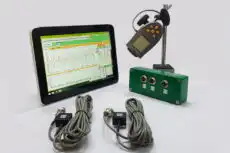
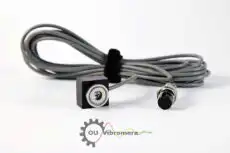
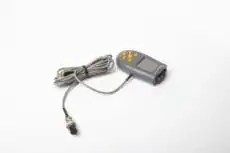
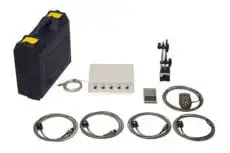
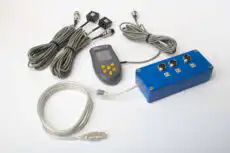
Іс жүзінде инженер сирек осы түрлендірулерді қолмен орындайды. Қазіргі анализаторлар орын ауыстыру, жылдамдық және үдеу арасында автоматты түрде түрлендіреді: пайдаланушы қажетті параметрді таңдайды және құрылғы дұрыс сүзгілеу мен масштабтау-ны қолданады, бұл қателіктің ықтималдығын айтарлықтай азайтады. Көптеген құрылғы бір уақытта үш параметрінің де бәрін көрсете алады — әрқайсысы жиіліктік ауқымдың әртүрлі бөлігін ерекшелейтін — тағдырларының толық көрінісін беру үшін. Екі арналы көлік құрылғысы сияқты Балансет-1А бұл түрлендіруді ішінде орындайды, жиынты бағалау үшін жылдамдықты ұсынады сияқты ауырлық деңгейлеріне қарсы ISO 20816-1 осы кезде негіздегі үдеу деректерін сақтап отырып, сондықтан аналитик өлке аумағында ешқашан ресімі түрінде жазба дифференциялаудың міндеттігі болмайды.
Демек, дифференциялау интеграциялаудың құнды емес болса да, шын мағынасында құнды құрдас: орын ауыстыру өлшеулерін жылдамдыққа немесе үдеуге түрлендіру үшін және сенсор түрлерін өзара тексеру үшін міндетті, егер оның шу күшейтуші сипаты ұстанылса және дұрыс төмен өту сүзгісі қолданылса. Осы бір ерекшелік түсініңіз — ол жоғарыдағы жиіліктерді көтеріп-түсіреді — және дұрыс параметр түрлендіруі әмбелсіз болады.

