Оптикалық тахометрлерді түсіну
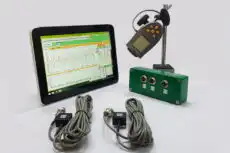
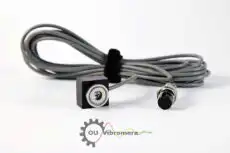
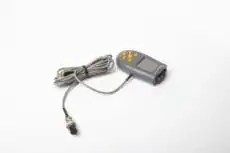
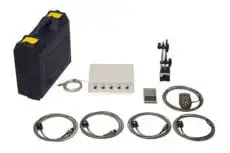

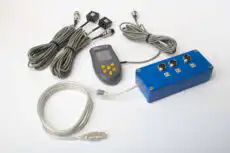
An оптикалық тахометр жарықты — көрінетін жарық диодын, лазерді немесе инфрақызылды — фотодетектормен бірге пайдаланатын контактісіз жылдамдықты өлшеу құрылғысы болып табылады; ол белгілі бір таңбамен белгіленген білікпен сәлгі лентаға шағылысуды анықтау немесе жарық сәулесінің үзілуін сезу арқылы айналуды анықтайды. Ол бір мезгілде екі функцияны орындайды: айналу жылдамдығын RPM-де хабарлайды және phase reference in vibration analysis, field balancing, and order trackingретінде пайдаланылатын айналымға бір рет импульс береді. Бұл термин ең кең тараған түр болып табылатын қолмен ұсталатын лазерлі блоктарды да, әртүрлі жарық көздеріне негізделген тұрақты орнатылған оптикалық сенсорларды да қамтиды. Оптикалық тахометрлер лазерлық тахометртығыз байланысты, бірақ оптикалық санат лазерлік емес жарық көздерін де қамтитындықтан кеңірек.
1. Оптикалық тахометрдің түрлері
1.1 Шағылыстырушы түрі (ең кең тараған)
- Жарық көзі мен детектор бір корпуста орналасқан.
- Құрылғы білікте орналасқан шағылыстырғыш жолақтан қайтарылған жарықты анықтайды.
- Ол әдетте 50–500 мм аралығындағы алшақтықта жұмыс істейді.
- Қолмен ұсталатын лазерлік тахометрлер осы әдісті пайдаланады.
- Қарапайым, ыңғайлы және жылжымалы — жедел тексерулер үшін тамаша.
1.2 Сәулені өткізу типі
- Жарық көзі мен детектор бір-біріне қараған жеке бөліктер болып табылады.
- Айналмалы нысан айналу барысында сәулені үзеді.
- Сәулені кесіп өтетін әрбір қалақша, шарбақ немесе элемент бір импульс жасайды.
- Бұл қажет болған жағдайда бір айналымға бірнеше импульсті өлшеуге мүмкіндік береді.
- Тұрақты орнатылған жүйелерде кеңінен қолданылады.
1.3 Талшықты-оптикалық тип
- Жарық талшықты-оптикалық кабельдер арқылы берілді және қабылданады.
- Электрондық блок өлшеу нүктесінен қашықтықта орналасады.
- Тар кеңістіктерде, жоғары электромагниттік кедергі немесе жарылысқа қауіпті орталарда пайдалануға ыңғайлы.
- Қауіпті аймақтар үшін іштей қауіпсіз нұсқалар қол жетімді.
2. Жарық көздері
Эмиттердің таңдауы жұмыс қашықтығын, нүкте өлшемін және қоршаған жарықтан қорғану деңгейін анықтайды.
- Лазер (қызыл немесе ИҚ): дәл орналастыру үшін ұзақ жұмыс қашықтығы мен кіші нүктені қамтамасыз ететін когерентті, фокусталған сәуле — ең жоғары өнімділік және қолмен ұсталатын құрылғылардағы әдеттегі таңдау.
- Жарық диодты (LED) (көрінетін немесе инфрақызыл): жұмыс қашықтығы қысқарақ және дақ ауданы үлкенірек болса да, құны төмен когерентсіз жарық; тұрақты орнатылған сенсорларда кең қолданылады.
- Infrared (IR): көзге көрінбейді, сыртқы жарыққа аз сезімтал, сондықтан жарық ортада тиімдірек; қосымша қауіпсіздік артықшылығы — көрінетін лазерлік сәуленің болмауы.
3. Қолдану салалары
3.1 Айналу жылдамдығын өлшеу
- Техникалық жай-күйді бақылау кезінде айналым жиілігін (RPM) жедел тексеру.
- Атауын тек жинақы деректемеге сәйкестігін тексеру running speed.
- Жүктеме астындағы жылдамдық өзгеруін анықтау.
- Calculating slip frequency индукциялық қозғалтқыштарда.
3.2 Тербеліс талдауы үшін фазалық анықтамалық сигнал
Бұл — оптикалық тахометрді тербеліс маманы үшін таптырмас құралға айналдыратын рөл. Тербеліс толқын пішінін роторда бір айналымда бір рет пайда болатын импульспен синхрондау арқылы анализатор кідірісті фазалық бұрышқа түрлендіреді:
- Ол фазамен синхронданған өлшемдер үшін іске қосу сигналын (триггерді) қамтамасыз етеді.
- Ол міндетті түрде қажет теңгеру, онда фаза әрбір түзету жазықтығының бұрыштық орнын анықтайды түзету салмағы.
- Айнымалы жылдамдықты жабдыққа арналған ретке негізделген талдауды (order tracking) жүзеге асыруға мүмкіндік береді.
- It supports Bode plot іске қосу мен тоқтау кезінде байқалатын гармоника буыны.
3.3 Синхронды өлшемдер
- Triggering a stroboscope айналатын таңба қозғалмайтындай болып көрінеді.
- Уақыт аймағындағы сигналдарды синхрондау averaging синхронды емес шуды жою мақсатында.
- Ретке негізделген өңдеу үшін бір айналымда бір рет іріктеу (дискреттеу).
4. Advantages
Оптикалық тәсіл өзінің орнын үш қасиетімен дәлелдейді:
- Контактісіз жұмыс: айналмалы бөлікке ештеңе тимейді, сондықтан біліктегі үйкеліс пен жүктеме болмайды, датчик жылдамдықты шектемейді, сезімтал элемент тозбайды.
- Ease of use: жолақ таспаны жабыстырып, бағыттаңыз және өлшеңіз — нәтижелер лезде алынады, ал аспап толығымен тасымалданады.
- Versatility: ол кең жылдамдық диапазонындағы кез келген айналмалы объектіде жұмыс істейді, реттелетін жұмыс қашықтығы бар және уақытша тексерулерге де, тұрақты орнатуларға да жарамды.
5. Орнату және қоршаған орта факторлары
Тұрақты орнату үшін датчикті ұсынылған қашықтықта орнатыңыз, оның оптикалық осін біліктің перпендикуляр бетіне бағыттаңыз, шағылыстырғыш таспаны қолжетімді жерге жабыстырыңыз, қажет болса оптиканы лас кіруден тереземен қорғаңыз және қашықтық пен бағыттауды реттеу мүмкіндігін қамтамасыз етіңіз. Бірнеше қоршаған орта факторы өнімділікті төмендетеді және назар аударуды қажет етеді:
- Ambient light: күшті күн сәулесі детекторды соқырандырады — ИҚ көзін пайдаланыңыз немесе нысанды экранмен жабыңыз.
- Contamination: оптикадағы май тұманы мен шаң сигналды әлсіретеді.
- Vibration: датчикті берік бекітіңіз, ол біліктке қатысты тербелмесін.
- Temperature: датчиктің рұқсат етілген мәндерінен шықпаңыз, әдетте −20-тан +60 °C-ге дейін.
6. Үздік тәжірибелер мен ақауларды жою
Қолмен ұстап өлшеу кезінде тұрақты бетке сүйеніп тұрыңыз, шағылыстырғыш таспаның ортасына бағыттаңыз, өндіруші ұсынған қашықтықты сақтаңыз, жарық сәулелерінен қорғаңыз және нәтиженің тұрақтылығын растау үшін бірнеше өлшем жүргізіңіз. Импульс фазалық эталон ретінде пайдаланылғанда, таспа орнын 0° белгісі ретінде қабылдаңыз — оны жазып алыңыз — тұрақты, таза сигналды қамтамасыз етіңіз, бір айналымда бір ғана импульсті тексеріңіз және күмән туса осциллографта толқын пішінін бақылаңыз. Жиі кездесетін ақаулардың қарапайым шешімдері бар:
- No signal: орнату қашықтығын тексеріңіз, оптиканы тазалаңыз, таспаның бар-жоғын растаңыз және батареяны тексеріңіз.
- Тұрақсыз көрсеткіш: қашықтықты азайтыңыз, таспаны жақсартыңыз және бөгде жарықтан қорғаңыз.
- Бірнеше импульс (RPM екі есе артады): бір айналымда қосымша импульс тудыратын артық таспа бөліктерін, шпонка ойықтарының жылтырауын немесе басқа шағылыстырғыш белгілерді жойыңыз.
Тасымалды теңгергіште оптикалық тахометр қосымша құрал емес, бүкіл жұмыс процесінің уақыт белдеуі болып табылады. Балансет-1А, мысалы, шағылыстырғыш таспаның кішкентай бөлігінен іске қосылатын оптикалық лазерлік тахометрмен жеткізіледі; ол 50–500 мм орнату қашықтығында 250–90,000 rpm диапазонында жұмыс істейді; бір айналымдық импульсі бағдарламалық жасақтамаға әр теңгеру салмағын есептеу және нәтижені тексеру үшін қажет фазалық эталонды береді. қалдық дисбалансы одан кейін. Тұжырымдамалық тұрғыдан ол контактісіз фотоэлектрлік сенсор және тұрақты орнатылғанмен бірдей функцияны атқарады keyphasor.
Оптикалық тахометрлер — әсіресе лазерлік түрлері — тербеліс талдауы мен теңгерімдеуде таптырмас құралға айналды. Контактісіз жұмыс принципі, қолданыстың қарапайымдылығы, дәлдігі, сондай-ақ жылдам өлшеу сенсоры мен фаза анықтамасы ретіндегі қос қызметі оларды тербеліс мамандары, сенімділік инженерлері және жолда айналмалы жабдықтармен жұмыс жасайтын техникалық қызмет мамандары үшін қажетті құралға айналдырады.

