ಸಮತೋಲನ ಸೇವೆಗಳು › ಅಭಿಮಾನಿಗಳು › Cooling Tower Fans
Cooling Tower Fan Balancing — In-Situ, at Operating Speed
Large-diameter FRP and aluminium-blade cooling tower fans run continuously in damp, fouling-prone conditions. When mineral scale, biological growth or blade erosion shifts blade mass, the resulting vibration propagates into the gearbox, drive shaft and tower structure. We balance these fans in place, at working speed — no rotor removal, no gearbox disassembly — eliminating the vibration source before it becomes a structural or mechanical failure.

In short: Cooling tower fan balancing is performed in-situ, at normal operating speed, using the influence-coefficient method. A vibration accelerometer on the gearbox housing and a laser tachometer on the shaft measure the unbalance state; the Balanset-1A calculates the exact correction mass and angular position. No rotor removal, no gearbox work — a typical single-cell job is complete in under one hour, reducing vibration by 70 % or more and extending gearbox and bearing life by a factor of eight or more.
Signs your cooling tower fan is out of balance
Cooling tower fan unbalance develops gradually, making it easy to overlook until a costly component fails. These are the reliable early warnings:
Why cooling tower fans lose balance — and what it costs
Cooling tower fans face a combination of fouling mechanisms almost unique in the fan world. Mineral scale from recirculated water mist clings unevenly to the suction face of blades. Algae and biological slime build up in patches depending on water chemistry and solar exposure. Erosion from water droplets at the blade leading edge removes thin layers of FRP or aluminium in sectors facing the distribution nozzles. In cold climates, ice loading on one or more blades can add hundreds of grams of asymmetric mass within minutes. Because centrifugal force grows with the square of rotational speed, even a modest mass offset at slow fan RPM produces significant shaking force on the gearbox.
The downstream cost of neglect is high: gearbox rebuilds that cost many times more than a balancing session, structural repairs to the tower deck and basin supports, shortened drive-shaft coupling life, and lost cooling capacity during peak summer demand when every cell is critical. Proactive periodic balancing — achievable on-site in under an hour — prevents all of these by keeping dynamic loads within design limits.
Why halving vibration multiplies bearing and gear life
How we balance a cooling tower fan — step by step
Field balancing with the Balanset-1A uses the influence-coefficient method, which requires no disassembly and produces a fully documented result:
- ಸಂವೇದಕಗಳನ್ನು ಮೌಂಟ್ ಮಾಡಿ. A vibration accelerometer is secured to the gearbox housing or fan-deck bearing; a laser tachometer is aimed at a reflective strip on the drive shaft. No rotor removal or gearbox disassembly is required — the fan runs at normal operating speed throughout.
- ಮೂಲ ಅಳತೆಯನ್ನು ಪಡೆಯಿರಿ. One run at full operating speed records vibration amplitude and phase angle, establishing the current unbalance state in both magnitude and direction.
- ಪರೀಕ್ಷೆಯ ತೂಕವನ್ನು ಸೇರಿಸಿ. A test mass of known weight is clamped to the fan hub ring or blade-pitch housing at a recorded angular position. A second run captures how the vibration changes, giving the device the influence coefficient for this rotor.
- ಸಾಧನವನ್ನು ಗಣನೆ ಮಾಡುವ ಅವಕಾಶ ನೀಡಿ. The Balanset-1A applies the influence-coefficient algorithm and outputs the required correction mass and its precise angular position — single-plane for narrow disc-like fan assemblies, or two-plane for wide rotors with significant axial span.
- ಸುಧಾರಣೆಯ ತೂಕವನ್ನು ಸ್ಥಿರ ಮಾಡಿ. The correction mass is bolted or clamped at the computed angle on the hub ring, blade-pitch housing or existing bolt circle, where it can be repositioned if future re-balancing is needed.
- ಪರಿಶೀಲಿಸಿ ಮತ್ತು ದಾಖಲೆ ಮಾಡಿ. A final measurement run confirms that residual unbalance is within the applicable ISO tolerance for the cooling-tower fan grade; plane-by-plane figures are recorded in a balancing report for the maintenance file.
ನಾವು ಸಮತೋಲಿತ ಮಾಡುವುದು
- Cooling tower propeller fans (FRP, aluminium and steel blades)
- Induced-draught and forced-draught cooling tower fan assemblies
- Large-diameter slow-speed cooling tower fans (1.5 m to 12 m diameter)
- Variable-pitch cooling tower fan hubs
- HVAC air-handling unit supply and return fans
- Chiller condenser-section axial fans
- Evaporative cooler and adiabatic cooler fans
- Dry-cooler and fluid-cooler propeller fans
- Rooftop packaged-unit fans
- Process-water cooling fans in data centres and industrial facilities
ಸಹನಶೀಲತೆ ಮತ್ತು ಮಾನದಂಡಗಳು
ISO 14694 sets balance-quality grades and vibration-velocity limits for industrial fans, including cooling-tower and HVAC categories. Permissible residual unbalance at each G-grade is calculated per ISO 21940-11 (the successor to ISO 1940-1), using rotor mass and maximum service speed as inputs.
Cooling-tower fan manufacturers frequently specify ISO 14694 category BV-3 or BV-4 as the acceptance criterion. We balance to the grade your equipment specification requires and document plane-by-plane residual-unbalance figures in the job report. Use our ಶೇಷ-ಅಸಮತೋಲನ ಕ್ಯಾಲ್ಕುಲೇಟರ್ to determine your permissible tolerance before starting.
Balanset-1A — ನಿಮ್ಮ ಸಂಪೂರ್ಣ ಪ್ರಾಂಗಣ-ಸಮತೋಲನ ಸಾಧನ ಪೆಟ್ಟಿಗೆ
ಈ ಪುಟದಲ್ಲಿ ಎಲ್ಲವೂ ಒಂದು ಪೋರ್ಟೇಬಲ್ ಯಂತ್ರದೊಂದಿಗೆ ಮಾಡಲಾಗುತ್ತದೆ: ಬ್ಯಾಲೆನ್ಸೆಟ್-1ಎ. It is a two-channel dynamic balancer and vibration analyzer that balances cooling tower fan rotors ಅವುಗಳ ಸ್ವಂತ ಬೆಲ್ಲಾಣಿಗಳಲ್ಲಿ, ಕಾರ್ಯಾಚರಣ ವೇಗದಲ್ಲಿ, 3-ರನ್ ಪ್ರಭಾವ-ಗುಣಾಂಕ ವಿಧಾನವನ್ನು ಬಳಸಿ — ತಂತ್ರಾಂಶವು ನಿಖರ ತಿದ್ದುಪಡಿ ದ್ರವ್ಯರಾಶಿ ಮತ್ತು ಕೋನವನ್ನು ಲೆಕ್ಕಿಸುತ್ತದೆ ಮತ್ತು ವರದಿಯನ್ನು ಉಳಿಸುತ್ತದೆ.
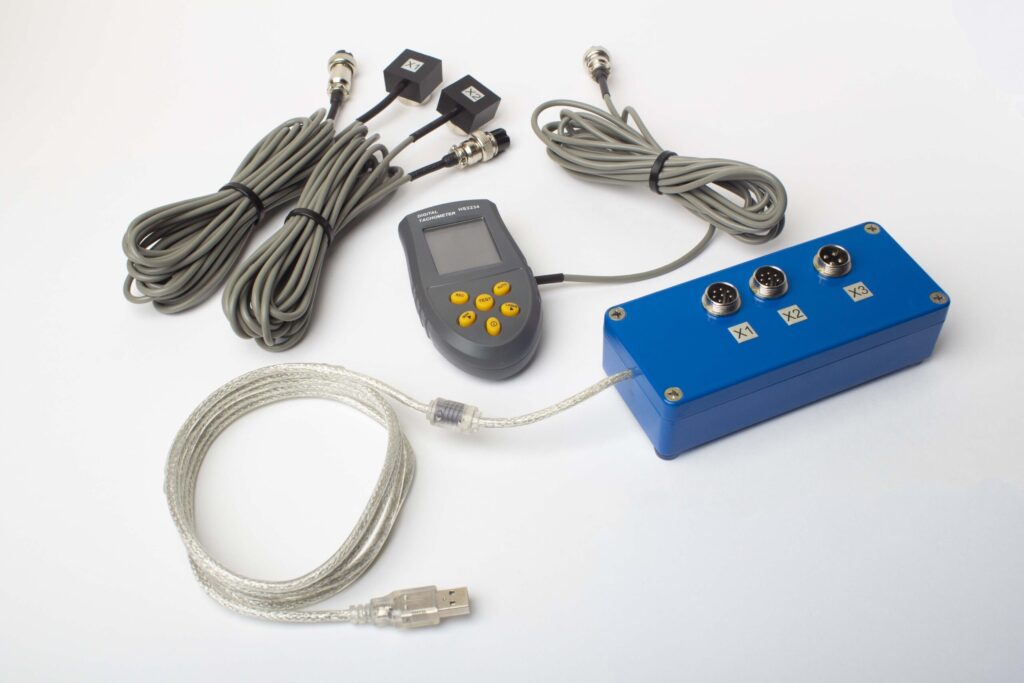
ಪೂರ್ಣ ಸಾಧನ ಪೆಟ್ಟಿಗೆಯಲ್ಲಿ ಏನಿದೆ
€1,975 · ಪೂರ್ಣ ಸಾಧನ ಪೆಟ್ಟಿಗೆ, ಸ್ಟಾಕ್ನಲ್ಲಿ, VAT ಇನ್ವಾಯ್ಸ್
- ಇಂಟರ್ಫೇಸ್ ಮಾಪನ ಘಟಕ (USB, 2 ಚಾನೆಲ್ಗಳು)
- ಎರಡು ವೈಬ್ರೇಶನ್ ಆಕ್ಸೆಲೆರೋಮೀಟರ್ಗಳು (4 ಮೀ ಕೇಬಲ್, 10 ಮೀ ಐಚ್ಛಿಕ)
- ಲೇಜರ್ ಟ್ಯಾಕೋಮೀಟರ್ / ಆಪ್ಟಿಕಲ್ ಹಂತ ಸಂವೇದಕ (50–500 ಮಿಮೀ)
- ಸಂವೇದಕದ ಮ್ಯಾಗ್ನೆಟಿಕ್ ಸ್ಟ್ಯಾಂಡ್
- ಪರೀಕ್ಷಾ ಮತ್ತು ತಿದ್ದುಪಡಿ ತೂಕಗಳಿಗೆ ಡಿಜಿಟಲ್ ಸ್ಕೇಲ್
- ವಿಂಡೋಸ್ ಬ್ಯಾಲೆನ್ಸಿಂಗ್ ಮತ್ತು ವಿಶ್ಲೇಷಣ ಸಾಫ್ಟ್ವೇರ್
- ಪ್ಲಾಸ್ಟಿಕ್ ಟ್ರಾನ್ಸ್ಪೋರ್ಟ್ ಕೇಸ್
Full Kit
ಯೂನಿಟ್ · 2 ಸೆನ್ಸರ್ಗಳು · ಲೇಜರ್ ಟ್ಯಾಕೋಮೀಟರ್ · ಮ್ಯಾಗ್ನೆಟಿಕ್ ಸ್ಟ್ಯಾಂಡ್ · ಡಿಜಿಟಲ್ ಸ್ಕೇಲ್ · ಸಾಫ್ಟ್ವೇರ್ · ಟ್ರಾನ್ಸ್ಪೋರ್ಟ್ ಕೇಸ್. ಬಾಕ್ಸ್ನಿಂದ ಬ್ಯಾಲೆನ್ಸಿಂಗ್ ಪ್ರಾರಂಭಿಸಲು ಅಗತ್ಯವಾದ ಎಲ್ಲವೂ ಸೇರಿದೆ.
OEM set
ಯೂನಿಟ್ · 2 ಸೆನ್ಸರ್ಗಳು · ಲೇಜರ್ ಟ್ಯಾಕೋಮೀಟರ್ · ಸಾಫ್ಟ್ವೇರ್. ಈಗಾಗಲೇ ಸ್ಟ್ಯಾಂಡ್, ಸ್ಕೇಲ್ ಮತ್ತು ಕೇಸ್ ಹೊಂದಿದ ಅಥವಾ ಯೂನಿಟ್ ಅನ್ನು ಬ್ಯಾಲೆನ್ಸಿಂಗ್ ಮೆಶಿನ್ಗೆ ಅಂತರ್ಗತಗೊಳಿಸುವ ಇಂಟಿಗ್ರೇಟರ್ಗಳಿಗೆ.
| ಪ್ಯಾರಾಮೀಟರ್ | ಮೌಲ್ಯ |
|---|---|
| ಮಾಪನ ಚ್ಯಾನೆಲ್ಗಳು | 2 (ಏಕ- & ದ್ವಿ-ತಲಾ ಬ್ಯಾಲೆನ್ಸಿಂಗ್) |
| ವೈಬ್ರೇಶನ್ ವೇಗ ಶ್ರೇಣಿ | 0.2–80 mm/s RMS |
| ಆವೃತ್ತಿ ವ್ಯಾಪ್ತಿ | 5–1000 Hz (≤10% amplitude error above 550 Hz) |
| ಮಾಪನ ನಿಖುರತೆ | ±5% ಪೂರ್ಣ ಸ್ಕೇಲ್ನ |
| ವಿಧಾನ | 3-ರನ್ ಪ್ರಭಾವ-ಗುಣಾಂಕ (1 ಅಥವಾ 2 ತಲಾಗಳು) |
| Analysis | 1× ನಲ್ಲಿ ವೈಶಾಲ್ಯ & ಹಂತ, FFT ಸ್ಪೆಕ್ಟ್ರಮ್ & ತರಂಗರೂಪ, ಉಳಿಸಿದ ವರದಿಗಳು |
| Laptop | ಸೇರಿಲ್ಲ (ವಿಂಡೋಸ್ PC, ವಿನಂತಿಯ ಮೇರೆಗೆ ಲಭ್ಯವಿದೆ) |
Field balancing vs balancing machine — which suits cooling tower fans?
| ಘಟಕ | ಕ್ಷೇತ್ರ ಸಮತೋಲನ (Balanset-1A) | ಸಮತೋಲನ ಯಂತ್ರ (ಕಾರ್ಯಾಲಯ) |
|---|---|---|
| Fan removed from tower? | No — balanced in place | ಹೌದು — ಸಂಪೂರ್ಣ ವಿಘಟನ ಅಗತ್ಯ |
| Gearbox disassembly? | ಇಲ್ಲ | Yes — shaft must be extracted |
| ಉತ್ಪಾದನ ನಿಶ್ಚಲತೆ | ಸಂವೇದಕ ಅಳವಡಿಕೆ ಮಾತ್ರ (<15 ನಿಮಿಷ) | Hours to days (disassemble, transport, balance, reinstall) |
| ಸಮತೋಲನ ವೇಗ | ನಿಜವಾದ ಕಾರ್ಯನಿರ್ವಹಣ ವೇಗ ಮತ್ತು ಪರಿಸ್ಥಿತಿಗಳು | ಪ್ರತ್ಯೇಕ ಕಡಿಮೆ-ವೇಗ ಸ್ಪಿಂಡಲ್ |
| Accounts for blade aerodynamic loading | Yes — full assembly balanced in airflow | No — static rotor only |
| Standards met | ISO 21940-11, ISO 14694 BV-3/BV-4 | ISO 21940-11 |
| Equipment cost | €1,975 (ಪೂರ್ಣ ಕಿಟ್) | €10,000 – €50,000+ |
| Typical job time per cell | <ಸ್ಥಳದಲ್ಲಿ 1 ಘಂಟೆ | ಒಟ್ಟು 1–3 ದಿನಗಳು |
Field balancing is strongly preferred for installed cooling tower fans: the rotor cannot be economically extracted without crane work and extended downtime, and balancing in actual airflow conditions gives a result that a workshop spindle cannot replicate. A workshop machine is appropriate only for new-build fan assemblies before first installation.
Real cooling tower & HVAC fan cases
HVAC fan guide
Detailed procedure for balancing HVAC fan impellers in air-handling units using the influence-coefficient method.
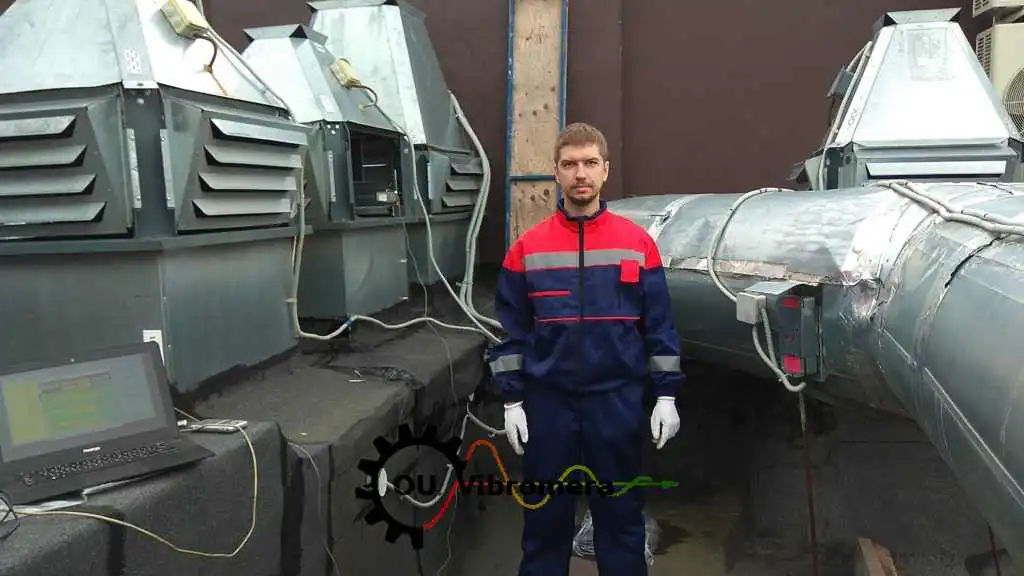
Exhaust fan on site
In-situ balancing of a ventilation fan at running speed with documented residual-unbalance results.
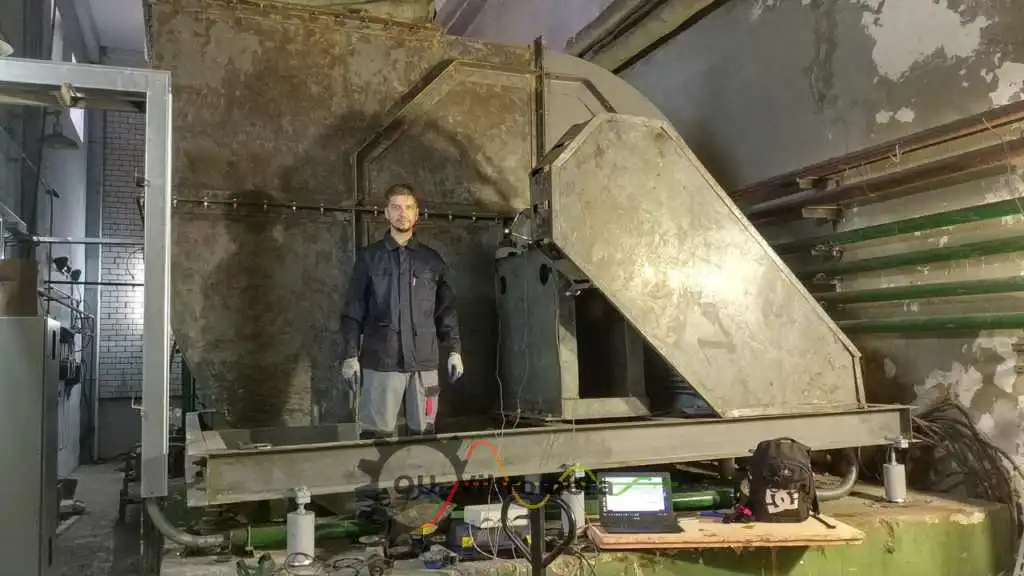
Induced-draft fans
Balancing of large induced-draft fans operating in high-temperature process conditions.
Free cooling tower fan calculators
Cooling tower fan balancing FAQ
Can a cooling tower fan be balanced while the tower is in service?
How do I tell whether the vibration is unbalance or a gearbox fault?
FRP blades are difficult to drill or weld — how is the correction weight fitted?
How often should cooling tower fans be balanced?
Can one Balanset-1A handle all cells in a multi-cell cooling tower?
What balance grade do cooling tower fans need to meet?
ಸಿದ್ಧಾಂತ ಕಲಿಯಿರಿ
Keep your cooling tower running at peak efficiency, all season
The Balanset-1A performs single- and two-plane cooling tower fan balancing in place at operating speed, calculates the exact correction mass and angle, and documents residual-unbalance results to ISO 21940-11 and ISO 14694 — no rotor removal, no lost production.

