ಹರಿವು ಅಶಾಂತತೆಯನ್ನು ಅರ್ಥಮಾಡಿಕೊಳ್ಳುವುದು




ಹರಿವು ಅಶಾಂತತೆ ಇದು ಪಂಪ್ಗಳು, ಫ್ಯಾನ್ಗಳು, ಕಂಪ್ರೆಸರ್ಗಳು ಮತ್ತು ಪೈಪಿಂಗ್ ವ್ಯವಸ್ಥೆಗಳೊಳಗಿನ ಅಸ್ತವ್ಯಸ್ತ, ಅಕ್ರಮ ದ್ರವ ಚಲನೆಯಾಗಿದೆ — ಯಾದೃಚ್ಛಿಕ ವೇಗ ಅಲೆಮಾಳಿಗಳು, ಸುತ್ತುವ ಎಡ್ಡಿಗಳು ಮತ್ತು ಭ್ರಮರಗಳು. ಸರಾಗ laminar flow ಯಲ್ಲಿ ದ್ರವ ಕಣಗಳು ಕ್ರಮಬದ್ಧ ಸಮಾಂತರ ಮಾರ್ಗಗಳಲ್ಲಿ ಸಾಗುವುದಕ್ಕಿಂತ ಭಿನ್ನವಾಗಿ, turbulent flow ನಿಜವಾಗಿಯೂ ಮೂರು-ಆಯಾಮದ ಮತ್ತು ಯಾದೃಚ್ಛಿಕವಾಗಿದ್ದು, ವೇಗ ಮತ್ತು ಒತ್ತಡ ಕ್ಷಣಕ್ಷಣವೂ ಬದಲಾಗುತ್ತಿರುತ್ತವೆ. ತಿರುಗುವ ಯಂತ್ರೋಪಕರಣಗಳಲ್ಲಿ ಈ ಅಶಾಂತಿ ಮಹತ್ವದ್ದಾಗಿದೆ: turbulence ಇಂಪೆಲ್ಲರ್ಗಳು ಮತ್ತು ಬ್ಲೇಡ್ಗಳ ಮೇಲೆ ಅಸ್ಥಿರ ಬಲಗಳನ್ನು ಹೇರುತ್ತದೆ, ಇದರಿಂದ broadband vibration ಮತ್ತು ಶಬ್ದವನ್ನು ಉಂಟುಮಾಡಿ, ಶಕ್ತಿಯನ್ನು ವಿಲೀನಗೊಳಿಸಿ, ಘಟಕದ ದಣಿವು. ಕೆಲವು turbulence ಅನಿವಾರ್ಯವಾಗಿದ್ದು ಹಲವುವೇಳೆ ಅಪೇಕ್ಷಣೀಯವೂ ಆಗಿದೆ — ಇದು ಮಿಶ್ರಣ ಮತ್ತು ಉಷ್ಣ ವರ್ಗಾವಣೆಯನ್ನು ಉತ್ತೇಜಿಸುತ್ತದೆ — ಆದರೆ ದುರ್ಬಲ inlet ಪರಿಸ್ಥಿತಿಗಳು, ವಿನ್ಯಾಸೇತರ ಕಾರ್ಯಾಚರಣೆ ಅಥವಾ flow separation ನಿಂದ ಉಂಟಾಗುವ ಅತಿಯಾದ turbulence ಕಂಪನ ಸಮಸ್ಯೆಗಳನ್ನು ಸೃಷ್ಟಿಸಿ, ದಕ್ಷತೆಯನ್ನು ಕಡಿಮೆಮಾಡಿ, ಯಾಂತ್ರಿಕ ಧರಿಸಿಕೆಯನ್ನು ವೇಗಗೊಳಿಸುತ್ತದೆ.
1. ವ್ಯಾಖ್ಯಾನ: Flow Turbulence ಎಂದರೇನು?
ನಿರ್ಣಯದ ದೃಷ್ಟಿಯಿಂದ turbulence ನ ನಿರ್ಧಾರಕ ಲಕ್ಷಣವೆಂದರೆ ಅದು broadband. ಉದಾಹರಣೆಗೆ ಒಂದು ಯಾಂತ್ರಿಕ ದೋಷವಾದ unbalance ತನ್ನ ಶಕ್ತಿಯನ್ನು ವಿಭಜಿತ ಆವೃತ್ತಿಯಲ್ಲಿ ಕೇಂದ್ರೀಕರಿಸುತ್ತದೆ; turbulence ತನ್ನ ಶಕ್ತಿಯನ್ನು ವಿಶಾಲ ಪಟ್ಟಿಯ ಮೇಲೆ ಹರಡಿ, ಸಂಪೂರ್ಣ ಕಂಪನ ವರ್ಣಪಟಲವನ್ನು ಯ ಶಬ್ದ ನೆಲಮಟ್ಟವನ್ನು ಏರಿಸುತ್ತದೆ; ತೀವ್ರ ಶಿಖರವನ್ನು ಉಂಟುಮಾಡುವುದಿಲ್ಲ. ಈ ವ್ಯತ್ಯಾಸವನ್ನು ಗುರುತಿಸುವುದೇ ವಿಶ್ಲೇಷಕನಿಗೆ “ಇದು flow ಸಮಸ್ಯೆ, ಯಾಂತ್ರಿಕ ಸಮಸ್ಯೆ ಅಲ್ಲ” ಎಂದು ಹೇಳಲು ಮತ್ತು ಪ್ರತಿಕ್ರಿಯೆಯನ್ನು ಬೆರಿಂಗ್ಗಳು ಹಾಗೂ balance weight ಗಳಿಗಿಂತ ಕಾರ್ಯಾಚರಣಾ ಪರಿಸ್ಥಿತಿಗಳು ಮತ್ತು ductwork ಕಡೆಗೆ ಕೊಂಡೊಯ್ಯಲು ಸಹಾಯಮಾಡುತ್ತದೆ.
2. ಅಶಾಂತ ಹರಿವಿನ ಲಕ್ಷಣಗಳು
ಹರಿವು-ಸ್ಥಿತಿ ಪರಿವರ್ತನೆ
Reynolds ಸಂಖ್ಯೆಯ ಪ್ರಕಾರ ಹರಿವು laminar ನಿಂದ turbulent ಗೆ ಬದಲಾಗುತ್ತದೆ:
- Reynolds ಸಂಖ್ಯೆ (Re): Re = (ρ × V × D) / µ.
- ಇಲ್ಲಿ ρ = ಘನತೆ, V = ವೇಗ, D = ಲಕ್ಷಣಾತ್ಮಕ ಆಯಾಮ ಮತ್ತು µ = ಸಾಂದ್ರತೆ.
- Laminar ಹರಿವು: Re 2300 ಕ್ಕಿಂತ ಕಡಿಮೆ (ಸರಾಗ, ಕ್ರಮಬದ್ಧ).
- ಪರಿವರ್ತನಾ ಸ್ಥಿತಿ: Re 2300 ರಿಂದ 4000 ವರೆಗೆ.
- Turbulent ಹರಿವು: Re 4000 ಕ್ಕಿಂತ ಹೆಚ್ಚು (ಅಸ್ತವ್ಯಸ್ತ, ಅಕ್ರಮ).
- ಔದ್ಯೋಗಿಕ ಯಂತ್ರೋಪಕರಣಗಳು: ಬಹುತೇಕ ಯಾವಾಗಲೂ ಅಶಾಂತ ಹರಿವು ಸ್ಥಿತಿಯಲ್ಲೇ ಕಾರ್ಯನಿರ್ವಹಿಸುತ್ತವೆ.
ಈ ಸ್ಥಿತಿ ಒಂದೇ dimensionless ಗುಂಪಿನ ಮೇಲೆ ಅವಲಂಬಿತವಾಗಿರುವುದರಿಂದ, ವೇಗವಾದ Reynolds ಸಂಖ್ಯೆಯ ಲೆಕ್ಕಾಚಾರ ಆಯ್ದ ಪೈಪ್ ಗಾತ್ರ ಮತ್ತು ದ್ರವಕ್ಕೆ ಕೊಟ್ಟ ಹರಿವು laminar ಆಗಿದೆಯೇ ಅಥವಾ turbulent ಆಗಿದೆಯೇ ಎಂಬುದನ್ನು ತಕ್ಷಣ ದೃಢೀಕರಿಸುತ್ತದೆ.
turbulence ನ ಲಕ್ಷಣಗಳು
- ಯಾದೃಚ್ಛಿಕ ವೇಗ ಅಲೆಮಾಳಿಗಳು: ಕ್ಷಣಿಕ ವೇಗವು ಅದರ ಸರಾಸರಿಯನ್ನು ಸುತ್ತುತ್ತಾ ಅಸ್ತವ್ಯಸ್ತವಾಗಿ ತಿರುಗಾಡುತ್ತದೆ.
- ಎಡ್ಡಿಗಳು ಮತ್ತು ಭ್ರಮರಗಳು: ವಿಸ್ತೃತ ಗಾತ್ರ ಶ್ರೇಣಿಯನ್ನು ಆವರಿಸುವ ಸುತ್ತುವ ರಚನೆಗಳು.
- ಶಕ್ತಿ cascade: ದೊಡ್ಡ ಎಡ್ಡಿಗಳು ಕ್ರಮೇಣ ಸಣ್ಣದಾಗುತ್ತಾ ವಿಭಜಿತವಾಗುತ್ತವೆ.
- ಮಿಶ್ರಣ: momentum, heat ಮತ್ತು mass ಗಳ ವೇಗವಾದ ಮಿಶ್ರಣ.
- ಶಕ್ತಿ ವಿಲಯ: turbulent ಘರ್ಷಣೆ ಚಲನಶಕ್ತಿಯನ್ನು ಉಷ್ಣಕ್ಕೆ ಪರಿವರ್ತಿಸುತ್ತದೆ.
3. ಯಂತ್ರೋಪಕರಣಗಳಲ್ಲಿ turbulence ನ ಮೂಲಗಳು
Inlet ಅಶಾಂತತೆಗಳು
- ಕೆಟ್ಟ inlet ವಿನ್ಯಾಸ: ತೀಕ್ಷ್ಣ ತಿರುವುಗಳು, ಅಡೆತಡೆಗಳು ಅಥವಾ ಅಪರ್ಯಾಪ್ತ ನೇರ ಪೈಪ್ ಉದ್ದ.
- ಸ್ವರ್ಲ್: ದ್ರವವು impeller ಅಥವಾ fan ಒಳನುಗ್ಗುವಾಗಾಗುವ pre-rotation.
- ಏಕರೂಪವಲ್ಲದ ವೇಗ: ಆದರ್ಶದಿಂದ ವಿಕೃತಗೊಂಡ ವೇಗ ಪ್ರೊಫೈಲ್.
- ಪ್ರಭಾವ: ಹೆಚ್ಚಿದ turbulence ತೀವ್ರತೆ, ಹೆಚ್ಚಿದ ಕಂಪನ ಮತ್ತು ಕಡಿಮೆಯಾದ ಕಾರ್ಯಕ್ಷಮತೆ.
ಹರಿವು ವಿಭಜನೆ
- ಅನನುಕೂಲಕರ ಒತ್ತಡ gradient ಗಳು: ಹರಿವು ಮೇಲ್ಮೈಗಳಿಂದ ಬೇರ್ಪಡುತ್ತದೆ.
- ವಿನ್ಯಾಸೇತರ ಕಾರ್ಯಾಚರಣೆ: ತಪ್ಪಾದ ಹರಿವು ಕೋನಗಳು ಬ್ಲೇಡ್ಗಳ ಮೇಲೆ separation ಉಂಟುಮಾಡುತ್ತವೆ.
- ಸ್ಟಾಲ್: ಬ್ಲೇಡ್ನ suction ಬದಿಯಲ್ಲಿ ವ್ಯಾಪಕ separation.
- Result: ಬಹಳ ಉನ್ನತ turbulence ತೀವ್ರತೆ ಮತ್ತು ಅಸ್ತವ್ಯಸ್ತ ಬಲಗಳು.
Wake ಪ್ರದೇಶಗಳು
- ಬ್ಲೇಡ್ಗಳು, strut ಗಳು ಮತ್ತು ಅಡೆತಡೆಗಳ ಕೆಳಹಾದಿಯಲ್ಲಿ turbulent wake ಗಳು ರೂಪುಗೊಳ್ಳುತ್ತವೆ.
- wake ಒಳಗೆ turbulence ತೀವ್ರತೆ ಹೆಚ್ಚಿರುತ್ತದೆ.
- ಕೆಳಹಾದಿಯ ಘಟಕಗಳು ಇದರಿಂದ ಉಂಟಾಗುವ ಅಸ್ಥಿರ ಬಲಗಳನ್ನು ಅನುಭವಿಸುತ್ತವೆ.
- ಬಹು-ಹಂತ ಯಂತ್ರಗಳಲ್ಲಿ blade–wake ಸಂವಹನ ವಿಶೇಷವಾಗಿ ಮಹತ್ವದ್ದು.
ಉನ್ನತ-ವೇಗ ಪ್ರದೇಶಗಳು
- ತುರ್ತುಲென್ಸ್ ತೀವ್ರತೆ ಸಾಮಾನ್ಯವಾಗಿ ವೇಗದೊಂದಿಗೆ ಹೆಚ್ಚುತ್ತದೆ.
- Impeller tip ಗಳು ಮತ್ತು discharge nozzle ಗಳು ಉನ್ನತ turbulence ವಲಯಗಳಾಗಿವೆ.
- ಇವು ಸ್ಥಳೀಯವಾಗಿ ಹೆಚ್ಚಿನ ಬಲ ಮತ್ತು ಧರಿಸಿಕೆಯನ್ನು ಸೃಷ್ಟಿಸುತ್ತವೆ.
4. ಯಂತ್ರೋಪಕರಣಗಳ ಮೇಲೆ ಪರಿಣಾಮಗಳು
ಕಂಪನ ಉತ್ಪಾದನೆ
- Broadband ಕಂಪನ: turbulence ವಿಶಾಲ ಆವೃತ್ತಿ ವ್ಯಾಪ್ತಿಯಲ್ಲಿ ಯಾದೃಚ್ಛಿಕ ಬಲಗಳನ್ನು ಉಂಟುಮಾಡುತ್ತದೆ.
- ಸ್ಪೆಕ್ಟ್ರಮ್: ವಿಭಜಿತ ಶಿಖರಗಳಿಗಿಂತ ಏರಿದ ಶಬ್ದ ನೆಲಮಟ್ಟವನ್ನು ಉಂಟುಮಾಡುತ್ತದೆ.
- ಆಯಾಮ: turbulence ತೀವ್ರತೆಯೊಂದಿಗೆ ಹೆಚ್ಚುತ್ತದೆ.
- ಫ್ರೀಕ್ವೆನ್ಸಿ ವ್ಯಾಪ್ತಿ: turbulence-ಪ್ರೇರಿತ ಕಂಪನಕ್ಕೆ ಸಾಮಾನ್ಯವಾಗಿ 10–500 Hz.
ಶಬ್ದ ನಿರ್ಮಿತಿ
- Aerodynamic ಶಬ್ದದ ಪ್ರಮುಖ ಮೂಲ turbulence ಆಗಿದೆ.
- ಇದು broadband “ವೂಷಿಂಗ್” ಅಥವಾ “ರಶಿಂಗ್” ಶಬ್ದವನ್ನು ಉತ್ಪಾದಿಸುತ್ತದೆ.
- ಶಬ್ದದ ಮಟ್ಟವು ವೇಗದ ಆರನೇ ಘಾತದಂತೆ ಏರುತ್ತದೆ — ವೇಗಕ್ಕೆ ಅಸಾಧಾರಣವಾಗಿ ಸಂವೇದನಶೀಲವಾಗಿದೆ.
- ಉನ್ನತ-ವೇಗದ fan ಗಳಲ್ಲಿ ಇದು ಪ್ರಮುಖ ಶಬ್ದ ಮೂಲವಾಗಿರಬಹುದು.
ದಕ್ಷತಾ ನಷ್ಟಗಳು
- Turbulent ಘರ್ಷಣೆ ಉಪಯುಕ್ತ ಶಕ್ತಿಯನ್ನು ವಿಲೀನಗೊಳಿಸುತ್ತದೆ.
- ಇದು ಒತ್ತಡ ಏರಿಕೆಯಾಗುವುದನ್ನೂ ವಿತರಿಸಲ್ಪಡುವ ಹರಿವನ್ನೂ ಎರಡನ್ನೂ ಕಡಿಮೆಮಾಡುತ್ತದೆ.
- ಸಾಮಾನ್ಯ turbulence ನಷ್ಟಗಳು ಒಳಹಾಕಿದ ಶಕ್ತಿಯ 2 ರಿಂದ 10% ವರೆಗೆ ಇರುತ್ತವೆ.
- ವಿನ್ಯಾಸೇತರ ಕಾರ್ಯಾಚರಣೆಯಲ್ಲಿ ಅವು ಹೆಚ್ಚಾಗುತ್ತವೆ.
ಘಟಕದ ದಣಿವು
- ಯಾದೃಚ್ಛಿಕ ಅಲೆಮಾಳಿಯ ಬಲಗಳು ಚಕ್ರಾಕಾರ ಒತ್ತಡವನ್ನು ಉಂಟುಮಾಡುತ್ತವೆ.
- ಈ ಒತ್ತಡ ಚಕ್ರಣವು ಉನ್ನತ ಆವೃತ್ತಿಯಲ್ಲಿರುತ್ತದೆ.
- ಇದು ಬ್ಲೇಡ್ ಮತ್ತು ರಚನಾ ದಣಿವಿಗೆ ಕಾರಣವಾಗುತ್ತದೆ, ವಿಶೇಷವಾಗಿ ಅದು ಬ್ಲೇಡ್ ಅನುರಣನ.
- ಉನ್ನತ ವೇಗಗಳಲ್ಲಿ ಇದು ವಿಶೇಷ ಕಳವಳಕಾರಿ.
ಸವೆತ ಮತ್ತು ವಸ್ತ್ರ
- turbulence ಘರ್ಷಕ ಸೇವೆಯಲ್ಲಿ ಅರಿಪನ್ನು ಹೆಚ್ಚಿಸುತ್ತದೆ.
- turbulence ನಿಂದ suspension ನಲ್ಲಿ ಉಳಿಯುವ ಕಣಗಳು ಮೇಲ್ಮೈಗಳನ್ನು ಹೊಡೆಯುತ್ತವೆ.
- ಉನ್ನತ turbulence ಪ್ರದೇಶಗಳಲ್ಲಿ ಧರಿಸಿಕೆ ವೇಗವಾಗುತ್ತದೆ.
5. ಪತ್ತೆಹಚ್ಚುವಿಕೆ ಮತ್ತು ನಿರ್ಣಯ
ಕಂಪನ-ಸ್ಪೆಕ್ಟ್ರಮ್ ಸೂಚಕಗಳು
- ಏರಿದ broadband: ಸ್ಪೆಕ್ಟ್ರಮ್ಅಂತ್ಯಂತ ಉನ್ನತ ಶಬ್ದ ನೆಲಮಟ್ಟ.
- ವಿಭಜಿತ ಶಿಖರಗಳ ಕೊರತೆ: ನಿರ್ದಿಷ್ಟ ಆವೃತ್ತಿಗಳಲ್ಲಿ ಕಾಣಿಸಿಕೊಳ್ಳುವ ಯಾಂತ್ರಿಕ ದೋಷಗಳಿಗೆ ಭಿನ್ನವಾಗಿ.
- ಹರಿವು-ಆಧಾರಿತ: broadband ಮಟ್ಟವು ಹರಿವು ದರದೊಂದಿಗೆ ಬದಲಾಗುತ್ತದೆ.
- BEP ನಲ್ಲಿ ಕನಿಷ್ಠ: ವಿನ್ಯಾಸ ಬಿಂದುವಿನಲ್ಲಿ turbulence ಅತ್ಯల్పವಾಗಿರುತ್ತದೆ.
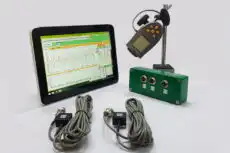
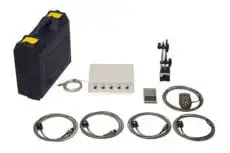
ಈ broadband, ಹರಿವು-ಆಧಾರಿತ ಲಕ್ಷಣವನ್ನೇ ಸ್ಥಳದಲ್ಲೇ ದೃಢೀಕರಿಸಲು portable analyser ಬಳಸಲಾಗುತ್ತದೆ. Bearing housingಗಳ ಮೇಲೆ ಇರುವ ಸ್ಪೆಕ್ಟ್ರಮ್ ಅನ್ನು ಬ್ಯಾಲೆನ್ಸೆಟ್-1ಎ ಬಳಸಿ ಓದಿದಾಗ, ಉನ್ನತ ಒಟ್ಟು ಮಟ್ಟವು turbulence ಅನ್ನು ಸೂಚಿಸುವ ಏರಿದ noise floor ಆಗಿದೆಯೇ, ಅಥವಾ field balancingಅಗತ್ಯವಾಗುವ ಅಸಮತೋಲನವನ್ನು ಸೂಚಿಸುವ ವಿಭಜಿತ 1× peak ಆಗಿದೆಯೇ ಎಂಬುದನ್ನು ಎಂಜಿನಿಯರ್ ನೋಡಬಹುದು. ಹರಿವು ಬದಲಾದಂತೆ ಆ floor ಹೇಗೆ ಬದಲಾಗುತ್ತದೆ ಎನ್ನುವುದನ್ನು ಗಮನಿಸುವುದರಿಂದ ಯಂತ್ರವನ್ನು ತೆರೆಯದೇ ನಿರ್ಣಯ ಬಹುತೇಕ ಸ್ಪಷ್ಟವಾಗುತ್ತದೆ.
ಧ್ವನಿಶಾಸ್ತ್ರೀಯ ವಿಶ್ಲೇಷಣೆ
- ತೆಗೆದುಕೊಳ್ಳಿ sound-pressure-level ಮಾಪನಗಳು.
- broadband ಶಬ್ದದ ಏರಿಕೆ turbulence ಅನ್ನು ಸೂಚಿಸುತ್ತದೆ.
- ಧ್ವನಿ ಸ್ಪೆಕ್ಟ್ರಮ್ ಕಂಪನ ಸ್ಪೆಕ್ಟ್ರಮ್ ಅನ್ನು ಪ್ರತಿಬಿಂಬಿಸುತ್ತದೆ.
- ದಿಕ್ಕು-ಸೂಚಕ ಮೈಕ್ರೋಫೋನ್ಗಳು turbulence ಮೂಲಗಳನ್ನು ಪತ್ತೆಹಚ್ಚಬಹುದು.
ಹರಿವು ದೃಶ್ಯೀಕರಣ
- ವಿನ್ಯಾಸ ಹಂತದ ವೇಳೆ Computational fluid dynamics (CFD).
- ಪರೀಕ್ಷೆಯ ವೇಳೆ flow streamer ಗಳು ಅಥವಾ smoke visualisation.
- ಅಲೆಮಾಳಿಗಳನ್ನು ಬಹಿರಂಗಪಡಿಸುವ ಒತ್ತಡ ಮಾಪನಗಳು.
- ಸಂಶೋಧನಾ ಪರಿಸ್ಥಿತಿಗಳಲ್ಲಿ Particle Image Velocimetry (PIV).
6. ಸಮಸ್ಯೆ ನಿರೋಧಕ ತಂತ್ರಗಳು
Inlet ವಿನ್ಯಾಸ ಸುಧಾರಣೆಗಳು
- ಮೇಲ್ಹಾದಿಯಲ್ಲಿ ಸಾಕಷ್ಟು ನೇರ ಪೈಪ್ ಒದಗಿಸಿ — ಕನಿಷ್ಠ 5 ರಿಂದ 10 ವ್ಯಾಸಗಳಷ್ಟು.
- inlet ಗಿಂತ ತಕ್ಷಣ ಮೊದಲು ಇರುವ ತೀವ್ರ ತಿರುವುಗಳನ್ನು ತೆಗೆದುಹಾಕಿ.
- flow straightener ಗಳು ಅಥವಾ turning vane ಗಳು ಅಳವಡಿಸಿ.
- turbulence ನಿರ್ಮಾಣವನ್ನು ಕಡಿಮೆಮಾಡಲು bell-mouth ಅಥವಾ streamlined inlet ಗಳನ್ನು ಬಳಸಿ.
ಕಾರ್ಯಾಚರಣಾ ಬಿಂದು ಆಪ್ಟಿಮೈಸೇಶನ್
- ಅತ್ಯುತ್ತಮ ದಕ್ಷತಾ ಬಿಂದು (BEP) ಸಮೀಪ ಕಾರ್ಯನಿರ್ವಹಿಸಿ.
- ಅಲ್ಲಿ ಹರಿವು ಕೋನಗಳು ಬ್ಲೇಡ್ ಕೋನಗಳಿಗೆ ಹೊಂದಿಕೊಂಡಿರುವುದರಿಂದ separation ಕನಿಷ್ಠಗೊಳ್ಳುತ್ತದೆ.
- turbulence ನಿರ್ಮಾಣವು ಅಲ್ಲಿ ಅತ್ಯಲ್ಪವಾಗಿರುತ್ತದೆ.
- Variable-speed ನಿಯಂತ್ರಣ ಆ ಅತ್ಯುತ್ತಮ ಬಿಂದುವನ್ನು ಕಾಯ್ದಿಡಲು ಸಹಾಯಮಾಡುತ್ತದೆ.
ವಿನ್ಯಾಸ ಬದಲಾವಣೆಗಳು
- ತೀಕ್ಷ್ಣ ಮೂಲೆಗಳಿಲ್ಲದಂತೆ ಹರಿವು ಮಾರ್ಗಗಳಲ್ಲಿ ಸರಾಗ ಸಂಕ್ರಮಣಗಳು.
- ಹರಿವನ್ನು ಕ್ರಮೇಣ ನಿಧಾನಗೊಳಿಸುವ diffuser ಗಳು.
- Vortex suppressor ಗಳು ಅಥವಾ anti-swirl ಸಾಧನಗಳು.
- turbulence-ಜನಿತ ಶಬ್ದವನ್ನು ಶೋಷಿಸಲು acoustic lining.
7. ಇತರ ಹರಿವು ಘಟನಗಳ ಜೊತೆ turbulence ಹೋಲಿಕೆ
Broadband ಕಂಪನಕ್ಕೆ ಸಂಬಂಧಿಸಿದ ಹಲವಾರು ಹರಿವು-ಮೂಲಗಳಲ್ಲಿ turbulence ಒಂದು; ಅದನ್ನು ಸನ್ನಿಹಿತ ಘಟನಗಳಿಂದ ಬೇರ್ಪಡಿಸುವುದರಿಂದ ನಿರ್ಣಯ ಹೆಚ್ಚು ತೀಕ್ಷ್ಣವಾಗುತ್ತದೆ.
Turbulence ವಿರುದ್ಧ cavitation
- ಟರ್ಬುಲೆನ್ಸ್: broadband, ನಿರಂತರ ಮತ್ತು ಹರಿವು-ಆಧಾರಿತ.
- ಕ್ಯಾವಿಟೇಶನ್: ಆಘಾತಸ್ವರೂಪಿ, ಹೆಚ್ಚು ಉನ್ನತ ಆವೃತ್ತಿಯ ಮತ್ತು NPSH ಮೇಲೆ ಅವಲಂಬಿತ.
- ಎರಡೂ: ಎರಡೂ ಸಹಅಸ್ತಿತ್ವದಲ್ಲಿರಬಹುದು, ಮತ್ತು ಎರಡೂ broadband ಕಂಪನವನ್ನು ಸೃಷ್ಟಿಸುತ್ತವೆ.
Turbulence ವಿರುದ್ಧ recirculation
- ಟರ್ಬುಲೆನ್ಸ್: ಯಾದೃಚ್ಛಿಕ, broadband ಮತ್ತು ಎಲ್ಲಾ ಹರಿವುಗಳಲ್ಲಿ ಇರುವದು.
- ಮರುಸಂಚಲನ: ಕಡಿಮೆ ಹರಿವಿನಲ್ಲಿ ಮಾತ್ರ ಕಾಣಿಸಿಕೊಳ್ಳುವ, ಕಡಿಮೆ-ಆವೃತ್ತಿಯ ದೋಲನಗಳಿರುವ ಸಂಘಟಿತ ಅಸ್ಥಿರತೆ.
- ಸಂಬಂಧ: recirculation ವಲಯಗಳು ಸ್ವತಃ ಬಹಳ turbulent ಆಗಿರುತ್ತವೆ.
ಹರಿವು turbulence ಅನ್ನು ವಿಸ್ತೃತವಾಗಿ ಬೇರ್ಪಡಿಸಿ ತಿಳಿದುಕೊಳ್ಳುವುದು ಸಹ ಮುಖ್ಯ, ಅಂದರೆ ಕಂಪನ ಸಂಕೇತದಲ್ಲಿ ಕಾಣಿಸಿಕೊಳ್ಳುವ turbulence, ಮತ್ತು ವಾಯುಗತಿಶಾಸ್ತ್ರೀಯ ಶಕ್ತಿಗಳು ಅಡಿಯಲ್ಲಿ ದಾಖಲಿಸಲ್ಪಟ್ಟ aerodynamic load ಗಳಿಂದಲೂ — ಯಂತ್ರದ ರಚನಾ ಬದಿಯಿಂದ ನೋಡುವ ಅದೇ ಭೌತಶಾಸ್ತ್ರ.
Flow turbulence ತಿರುಗುವ ಯಂತ್ರೋಪಕರಣಗಳಲ್ಲಿ ಉನ್ನತ-ವೇಗದ ದ್ರವ ಹರಿವಿನ ಸ್ವಾಭಾವಿಕ ಲಕ್ಷಣವಾಗಿದೆ. ಅದು ಅನಿವಾರ್ಯವಾದರೂ, sound inlet design, design point ಸಮೀಪ ಕಾರ್ಯಾಚರಣೆ ಮತ್ತು ಜಾಗರೂಕ flow optimisation ಮೂಲಕ ಅದರ ತೀವ್ರತೆ ಮತ್ತು ಪರಿಣಾಮಗಳನ್ನು ನಿಯಂತ್ರಿಸಬಹುದು. Broadband ಕಂಪನ ಮತ್ತು ಶಬ್ದದ ಮೂಲವಾಗಿ turbulence ಅನ್ನು ಅರ್ಥಮಾಡಿಕೊಂಡರೆ, ವಿಶ್ಲೇಷಕನು ಅದನ್ನು ವಿಭಜಿತ-ಆವೃತ್ತಿಯ ಯಾಂತ್ರಿಕ ದೋಷಗಳಿಂದ ಸ್ಪಷ್ಟವಾಗಿ ಬೇರ್ಪಡಿಸಿ, ತಿದ್ದುಪಡಿ ಪ್ರಯತ್ನವನ್ನು ಯಾಂತ್ರಿಕ ದುರಸ್ತಿಗಿಂತ ಹರಿವು ಪರಿಸ್ಥಿತಿಗಳತ್ತ ಕೊಂಡೊಯ್ಯಬಹುದು.

