ರೋಟರ್ ಡೈನಾಮಿಕ್ಸ್ನಲ್ಲಿ ಜೈರೋಸ್ಕೋಪಿಕ್ ಪರಿಣಾಮವನ್ನು ಅರ್ಥಮಾಡಿಕೊಳ್ಳುವುದು





ದಿ ಜೈರೋಸ್ಕೋಪಿಕ್ ಪರಿಣಾಮ ತಿರುಗುತ್ತಿರುವ ರೋಟರ್ ಒಂದು ವಸ್ತು ತನ್ನ ಭ್ರಮಣ ಅಕ್ಷದ ಬದಲಾವಣೆಯನ್ನು ಪ್ರತಿರೋಧಿಸಿ, ಸ್ಪಿನ್ ಅಕ್ಷಕ್ಕೆ ಲಂಬವಾದ ಅಕ್ಷದ ಸುತ್ತ ತಿರುಗುವಂತೆ ಬಲವಂತಪಡಿಸಿದಾಗ ಮೊಮೆಂಟ್ಗಳು — ಟಾರ್ಕ್ಗಳು — ಉಂಟುಮಾಡುವ ಭೌತಿಕ ಪ್ರಕ್ರಿಯೆಯಾಗಿದೆ. Rotor dynamics ನಲ್ಲಿ, rotor dynamicsಈ gyroscopic moments ಗಳು ತಿರುಗುವ shaft ಬಾಗುವಾಗ ಅಥವಾ ಅಡ್ಡದಿಕ್ಕಿನಲ್ಲಿ ಕಂಪಿಸುವಾಗ, ರೋಟರ್ನ angular-momentum vector ದಿಕ್ಕು ಬದಲಾಗಲು ಕಾರಣವಾಗುವ ಆಂತರಿಕ ಪ್ರತಿಕ್ರಿಯೆಗಳಾಗಿವೆ. ಇವು ದೋಷವಲ್ಲ, fault ಅಲ್ಲ: spinning massನ ಅನಿವಾರ್ಯ ಪರಿಣಾಮವಾಗಿದ್ದು, ಯಂತ್ರದ ಗತಿಶೀಲ ವರ್ತನೆಯನ್ನು ಮರುರೂಪಗೊಳಿಸುತ್ತವೆ. Gyroscopic moments ಇವುಗಳನ್ನು ಪ್ರಭಾವಿಸುತ್ತವೆ ನೈಸರ್ಗಿಕ ಆವೃತ್ತಿಗಳನ್ನು, ನಿರ್ಣಾಯಕ ವೇಗ, ಮೋಡ್ ಆಕಾರಗಳು, ಹಾಗೂ ಸ್ಥಿರತೆ — ಮತ್ತು ರೋಟರ್ ಎಷ್ಟು ವೇಗವಾಗಿ ತಿರುಗುತ್ತದೆಯೋ, ಅದರ polar moment of inertia ಎಷ್ಟು ದೊಡ್ಡದೋ, ಅಷ್ಟೇ ಅವು ಸ್ಪಷ್ಟವಾಗುತ್ತವೆ.
1. ಭೌತಿಕ ಆಧಾರ: ಕೋನೀಯ ವೇಗಮಾನ
ಕೋನೀಯ ವೇಗಮಾನ ಸಂರಕ್ಷಣೆ
ತಿರುಗುತ್ತಿರುವ ರೋಟರ್ಗೆ angular momentum ಇರುತ್ತದೆ, L = I × ω; ಇಲ್ಲಿ I ಎಂದರೆ polar moment of inertia ಮತ್ತು ω ಎಂದರೆ angular velocity. ಹೊರಗಿನ torque ಕ್ರಿಯೆಗೊಳಗಾಗದಿದ್ದರೆ angular momentum ಸಂರಕ್ಷಿತವಾಗಿರುತ್ತದೆ. ಸ್ಪಿನ್ ಅಕ್ಷದ ದಿಕ್ಕು ಬದಲಾಯಿಸಲು ಏನಾದರೂ ಬಲವಂತಪಡಿಸಿದಾಗ — lateral vibration ಅಥವಾ shaft bending ಸಮಯದಲ್ಲಿ ನಡೆಯುವುದೇ ಇದಾಗಿದೆ — ಆ ಬದಲಾವಣೆಗೆ ವಿರೋಧವಾಗಿ ಒಂದು gyroscopic moment ಕಾಣಿಸಬೇಕು ಎಂದು ಸಂರಕ್ಷಣಾ ನಿಯಮ ಒತ್ತಾಯಿಸುತ್ತದೆ. ಇದೇ ಪರಿಣಾಮ spinning top ಅನ್ನು ನೇರವಾಗಿ ಇಡುತ್ತದೆ ಹಾಗೂ ತಿರುಗುತ್ತಿರುವ ಸೈಕಲ್ ಚಕ್ರವನ್ನು ತಿರುಗಿಸುವುದು ಕಷ್ಟವಾಗುತ್ತದೆ; ಯಂತ್ರದಲ್ಲಿ ಇದು ಒಂದು ಸಮತಲದ ಚಲನೆಯನ್ನು ಲಂಬ ಸಮತಲದ ಬಲಗಳೊಂದಿಗೆ ಜೋಡಿಸುತ್ತದೆ.
ಬಲಗೈ ನಿಯಮ
Gyroscopic moment ನ ದಿಕ್ಕು ಬಲಗೈ ನಿಯಮವನ್ನು ಅನುಸರಿಸುತ್ತದೆ:
- ಬೊಟ್ಟೆ ಬೆರಳನ್ನು angular-momentum vector (spin axis) ದಿಕ್ಕಿನಲ್ಲಿ ಇಡಿ.
- ಅಕ್ಷವನ್ನು ಯಾವ ದಿಕ್ಕಿಗೆ ಬಲವಂತವಾಗಿ ಚಲಿಸುತ್ತಿದೆಯೋ (applied angular velocity), ಆ ದಿಕ್ಕಿಗೆ ಬೆರಳುಗಳನ್ನು ಮಡಚಿ.
- Gyroscopic moment ಇವೆರಡಕ್ಕೂ ಲಂಬವಾಗಿ ಕ್ರಿಯೆಗೊಳ್ಳುತ್ತದೆ; ಬದಲಾವಣೆಯನ್ನು ಪ್ರತಿರೋಧಿಸುತ್ತದೆ.
2. ರೋಟರ್ ಡೈನಾಮಿಕ್ಸ್ ಮೇಲಿನ ಪರಿಣಾಮಗಳು
ನೈಸರ್ಗಿಕ ಆವೃತ್ತಿಯ ವಿಭಜನೆ
Rotor dynamics ನಲ್ಲಿ ಅತ್ಯಂತ ಮುಖ್ಯ ಪರಿಣಾಮವೆಂದರೆ gyroscopic coupling ಪ್ರತಿ ನೈಸರ್ಗಿಕ ಆವೃತ್ತಿಯನ್ನು ಎರಡು ಭಾಗಗಳಾಗಿ ವಿಭಜಿಸುತ್ತದೆ — forward ಮತ್ತು backward ವರ್ಲ್ ಮೋಡ್:
- Forward whirl modes: shaft orbit, shaft ತಿರುಗುವ ದಿಕ್ಕಿನಲ್ಲೇ ತಿರುಗುತ್ತದೆ. Gyroscopic moments ಹೆಚ್ಚುವರಿ stiffness (“gyroscopic stiffening”) ಹಾಗೆ ವರ್ತಿಸುವುದರಿಂದ, ನೈಸರ್ಗಿಕ ಆವೃತ್ತಿಗಳು rotational speed ಜೊತೆಗೆ ಏರುತ್ತವೆ; ಇದರಿಂದ ಇನ್ನಷ್ಟು ಸ್ಥಿರವಾದ, ಹೆಚ್ಚಿನ critical speeds ದೊರೆಯುತ್ತವೆ.
- Backward whirl modes: orbit, shaftಗೆ ವಿರುದ್ಧ ದಿಕ್ಕಿನಲ್ಲಿ ತಿರುಗುತ್ತದೆ. ಇಲ್ಲಿ gyroscopic moments ಪರಿಣಾಮಕಾರಿ stiffness ಅನ್ನು ಕಡಿಮೆ ಮಾಡುತ್ತವೆ (“gyroscopic softening”), ಆದ್ದರಿಂದ ನೈಸರ್ಗಿಕ ಆವೃತ್ತಿಗಳು ವೇಗದೊಂದಿಗೆ ಇಳಿಯುತ್ತವೆ; ಇದರಿಂದ ಕಡಿಮೆ ಸ್ಥಿರವಾದ, ಕಡಿಮೆ critical speeds ದೊರೆಯುತ್ತವೆ.
Critical-speed ಪರಿಷ್ಕರಣೆ
ಈ ವಿಭಜನೆಯ ಕಾರಣದಿಂದ critical speeds ಇನ್ನು ಸ್ಥಿರ ಸಂಖ್ಯೆಗಳಲ್ಲ; ಅವು ರೋಟರ್ ವೇಗದ ಮೇಲೆಯೇ ಅವಲಂಬಿತವಾಗುತ್ತವೆ:
- Gyroscopic ಪರಿಣಾಮಗಳಿಲ್ಲದೆ, critical speed ಒಂದು ಸ್ಥಿರ ಮೌಲ್ಯವಾಗಿರುತ್ತಿತ್ತು; mass ಮತ್ತು stiffness ಮಾತ್ರ ಅದನ್ನು ನಿರ್ಧರಿಸುತ್ತಿದ್ದವು.
- Gyroscopic ಪರಿಣಾಮಗಳೊಂದಿಗೆ, forward critical speeds ಏರುತ್ತವೆ, backward critical speeds ಇಳಿಯುತ್ತವೆ.
- ವಿನ್ಯಾಸದ ಲಾಭ ಎಂದರೆ, gyroscopic stiffening critical speed ಅನ್ನು ಮೇಲಕ್ಕೆ ಸರಿಸಿ ದಾರಿಗೆ ಅಡ್ಡಿಯಾಗದಂತೆ ಮಾಡಿದುದರಿಂದ, ಕೆಲವೊಮ್ಮೆ ಹೈ-ಸ್ಪೀಡ್ ರೋಟರ್ ತನ್ನ non-rotating critical speed ಗಿಂತ ಮೇಲೂ ಕಾರ್ಯನಿರ್ವಹಿಸಬಹುದು.
Mode shape ಬದಲಾವಣೆ
Gyroscopic coupling ಕಂಪನ mode shapesಗಳನ್ನೂ ಬದಲಿಸುತ್ತದೆ. Forward ಮತ್ತು backward whirl ಬೇರೆ ಬೇರೆ deflection patternಗಳನ್ನು ತಾಳುತ್ತವೆ; translational ಮತ್ತು rotational (tilting) ಚಲನಗಳು ಪರಸ್ಪರ ಜೋಡಿಕೊಳ್ಳುತ್ತವೆ; ಪರಿಣಾಮದ mode shapes ಸಮಾನ non-rotating ರಚನೆಗಿಂತ ಹೆಚ್ಚು ಸಂಕೀರ್ಣವಾಗುತ್ತವೆ.
3. ಪ್ರಮಾಣವನ್ನು ಏನು ನಿರ್ಧರಿಸುತ್ತದೆ
ರೋಟರ್ ಲಕ್ಷಣಗಳು ಮತ್ತು ಜ್ಯಾಮಿತಿ
Gyroscopic ಪರಿಣಾಮದ ಬಲವು ಬಹುಪಾಲು ರೋಟರ್ನ ಭಾರ ಹೇಗೆ ವಿತರಿತವಾಗಿದೆ ಎಂಬುದರಿಂದ ನಿರ್ಧಾರವಾಗುತ್ತದೆ:
- Polar moment of inertia (Ip): ದೊಡ್ಡ, disc ಮಾದರಿಯ ಭಾರಗಳು ಅತ್ಯಂತ ಬಲವಾದ gyroscopic moments ಅನ್ನು ಸೃಷ್ಟಿಸುತ್ತವೆ.
- Diametral moment of inertia (Id): I ಅನುಪಾತp/Id ಒಂದು ರೋಟರ್ gyroscopically ಎಷ್ಟು ಮಹತ್ವದ್ದೆಂಬುದನ್ನು ಸೂಚಿಸುತ್ತದೆ — ತೆಳುವಾದ disc ಗೆ ಅನುಪಾತ ಹೆಚ್ಚಾಗಿರುತ್ತದೆ; ಉದ್ದವಾದ ಸಣ್ಣ drum ಗೆ ಕಡಿಮೆಯಾಗಿರುತ್ತದೆ.
- Disc ಇರುವ ಸ್ಥಳ ಮತ್ತು ಸಂಖ್ಯೆ: mid-span ಹತ್ತಿರದ discs ಗಳು ಗರಿಷ್ಠ coupling ಸೃಷ್ಟಿಸುತ್ತವೆ; ಅನೇಕ discs ಇದ್ದರೆ ಪರಿಣಾಮ ಇನ್ನಷ್ಟು ಹೆಚ್ಚಾಗುತ್ತದೆ.
- ರೋಟರ್ ಪ್ರಕಾರ: turbine wheel ಮತ್ತು compressor impeller ಗಳಂತಹ ಅಗಲ, ತೆಳುವಾದ discs ಗಳು ಹೆಚ್ಚಿನ I ಹೊಂದಿರುತ್ತವೆp; ಅವುಗಳನ್ನು ಸಂಪರ್ಕಿಸುವ ತೆಳುವಾದ shaft coupling ಅನ್ನು ಹೆಚ್ಚಿಸುತ್ತದೆ; ಕಡಿಮೆ I ಹೊಂದಿರುವ cylindrical drum-type rotorsp/Id ಅನುಪಾತದಿಂದ ಬಹಳ ದುರ್ಬಲ ಪರಿಣಾಮಗಳನ್ನು ತೋರಿಸುತ್ತವೆ.
ಕಾರ್ಯಾಚರಣಾ ವೇಗ
Gyroscopic moments rotational speed ಗೆ ಅನುಪಾತವಾಗಿರುವುದರಿಂದ, ಕಡಿಮೆ ವೇಗದಲ್ಲಿ ಅವು ಅಲ್ಪವಾಗಿರುತ್ತವೆ; ಹೆಚ್ಚಿನ ವೇಗದಲ್ಲಿ ಪ್ರಭಾವಿ ಆಗುತ್ತವೆ — ಸಾಮಾನ್ಯ ಯಂತ್ರಗಳಿಗೆ ಸರಾಸರಿಯಾಗಿ 10,000 rpm ಗಿಂತ ಮೇಲೆ, ಆದರೆ ಗಡಿ ಜ್ಯಾಮಿತಿಯನ್ನು ಅವಲಂಬಿಸುತ್ತದೆ. ಆದ್ದರಿಂದ turbine, compressor ಮತ್ತು high-speed spindle ಗಳಲ್ಲಿ ಅವು ನಿರ್ಣಾಯಕ; ನಿಧಾನವಾಗಿ ಓಡುವ fan ಮತ್ತು pump ಗಳಲ್ಲಿ ಹೆಚ್ಚಾಗಿ ನಿರ್ಲಕ್ಷಿಸಬಹುದಾದವು.
4. ಪ್ರಾಯೋಗಿಕ ಅರ್ಥಗಳು
ವಿನ್ಯಾಸ ಮತ್ತು ವಿಶ್ಲೇಷಣೆ
- Critical-speed ವಿಶ್ಲೇಷಣೆ: ಹೈ-ಸ್ಪೀಡ್ ರೋಟರ್ಗಾಗಿ ಯಾವುದೇ ಖಚಿತ ಊಹೆ gyroscopic ಪರಿಣಾಮಗಳನ್ನು ಒಳಗೊಂಡಿರಬೇಕು; ಇಲ್ಲವಾದರೆ ಲೆಕ್ಕಿಸಿದ critical speeds ಸರಳವಾಗಿ ತಪ್ಪಾಗುತ್ತವೆ.
- ಕ್ಯಾಂಪ್ಬೆಲ್ ರೇಖಾಚಿತ್ರಗಳು: ಈ ಪ್ಲಾಟ್ಗಳು ವೇಗ ಹೆಚ್ಚಾಗುತ್ತಿದ್ದಂತೆ forward ಮತ್ತು backward whirl ವಕ್ರಗಳು ಬೇರ್ಪಡುತ್ತಿರುವುದನ್ನು ತೋರಿಸುತ್ತವೆ, ಮತ್ತು ಒಂದು ಕ್ಯಾಂಪ್ಬೆಲ್ ರೇಖಾಚಿತ್ರ ಕ್ಯಾಲ್ಕುಲೇಟರ್ ಪ್ರತಿ ವಕ್ರವು excitation line ಅನ್ನು ಎಲ್ಲಿ ದಾಟುತ್ತದೆ ಎಂಬುದನ್ನು ಪತ್ತೆಹಚ್ಚಲು ಸಹಾಯ ಮಾಡುತ್ತದೆ.
- ಬೆರಿಂಗ್ ಆಯ್ಕೆ: ಅಸಮಮಿತಿ bearing stiffness ಅನ್ನು forward whirl mode ಅನ್ನು ಆದ್ಯತೆಯಿಂದ ಬೆಂಬಲಿಸಲು ಬಳಸಬಹುದು.
- ಕಾರ್ಯಾಚರಣಾ ವೇಗದ ವ್ಯಾಪ್ತಿ: gyroscopic stiffening non-rotating critical speed ಗಿಂತ ಮೇಲಿನ ಕಾರ್ಯಾಚರಣೆಯನ್ನು ನ್ಯಾಯಸಮ್ಮತವಾಗಿ ಅನುಮತಿಸಬಹುದು.
Balancing ಮೇಲಿನ ಪರಿಣಾಮಗಳು
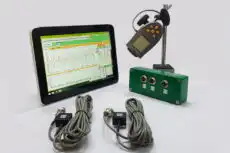
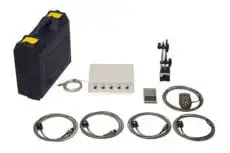
Gyroscopic coupling balancing ಮೇಲೆ ನೇರವಾದ, ಪ್ರಾಯೋಗಿಕ ಪರಿಣಾಮಗಳನ್ನು ಉಂಟುಮಾಡುತ್ತದೆ. ಇದು ಪ್ರಭಾವ ಗುಣಾಂಕಗಳುಅನ್ನು ಬದಲಿಸುತ್ತದೆ, ಆದ್ದರಿಂದ ರೋಟರ್ನ ಪ್ರತಿಕ್ರಿಯೆ ಪರೀಕ್ಷಾ ತೂಕಗಳು ವೇಗದೊಂದಿಗೆ ಬದಲಾಗುತ್ತದೆ; ವಿಧಾನ ಸಮತೋಲನ ಒಂದುದಿನ ಲವಚಿಕ ರೋಟರ್ split ಆದ forward ಮತ್ತು backward modes ಅನ್ನು ಪರಿಗಣಿಸಲೇಬೇಕು; ಮತ್ತು ಪ್ರತಿ ಸಮತೋಲನ ತಿದ್ದುವ ಸಮತಲ ಯ ಪರಿಣಾಮಕಾರಿತ್ವವು mode shape ಮೇಲೆ ಅವಲಂಬಿತವಾಗಿರುತ್ತದೆ; ಅದನ್ನು gyroscopic coupling ಮರುರೂಪಗೊಳಿಸಿದೆ. ಪ್ರಾಯೋಗಿಕವಾಗಿ, ಹೈ-ಸ್ಪೀಡ್ ರೋಟರ್ನ್ನು ಅದರ ಕಾರ್ಯಾಚರಣಾ ವೇಗದಲ್ಲೇ ಅಥವಾ ಅದಕ್ಕೆ ಸಮೀಪದಲ್ಲೇ balance ಮಾಡಬೇಕು. ಉದಾಹರಣೆಗೆ portable two-channel analyser ಬ್ಯಾಲೆನ್ಸೆಟ್-1ಎ ಇದು 1× amplitude ಮತ್ತು phase ಅನ್ನು ಅಳೆದು, ರೋಟರ್ ನಿಜವಾಗಿ ಓಡುವ ವೇಗದಲ್ಲೇ influence coefficients ಅನ್ನು ಗಣನೆಮಾಡುತ್ತದೆ; ಹೀಗಾಗಿ ಅದರ ತಿದ್ದುಪಡಿ low-speed approximation ಆಧಾರದ ಮೇಲೆ ಅಲ್ಲ, ರೋಟರ್ನ ನಿಜವಾದ gyroscopically-modified ಪ್ರತಿಕ್ರಿಯೆಯನ್ನು ಪ್ರತಿಬಿಂಬಿಸುತ್ತದೆ.
ಕಂಪನ ವಿಶ್ಲೇಷಣೆ
Forward ಮತ್ತು backward whirl ಡೇಟಾದಲ್ಲಿ ಬೇರೆ ಬೇರೆ ಗುರುತುಗಳನ್ನು ಬಿಡುತ್ತವೆ. ಆರ್ಬಿಟ್ ವಿಶ್ಲೇಷಣೆ ಇದು precession direction ಅನ್ನು ನೇರವಾಗಿ ತೋರಿಸುತ್ತದೆ, ಮತ್ತು ಪೂರ್ಣ spectrum ವಿಶ್ಲೇಷಣೆ forward ಮತ್ತು backward ಎರಡೂ ಘಟಕಗಳನ್ನು ತೋರಿಸಬಲ್ಲದು; ಇದರಿಂದ peak ಅನ್ನು ಸರಿಯಾದ whirl mode ಗೆ ಕೊಂಡೊಯ್ಯಲು ವಿಶ್ಲೇಷಕನಿಗೆ ಸಹಾಯವಾಗುತ್ತದೆ.
5. ವಿವಿಧ ಕೈಗಾರಿಕೆಗಳ worked examples
ವಿಮಾನ ಟರ್ಬೈನ್ ಎಂಜಿನ್ಗಳು
20,000–40,000 rpm ನಲ್ಲಿ ತಿರುಗುವ ಹೈ-ಸ್ಪೀಡ್ compressor ಮತ್ತು turbine discs ಗಳು ವಿಮಾನದ manoeuvresಗಳಿಗೆ ಭೌತಿಕವಾಗಿ ವಿರೋಧಿಸುವ ಬಲವಾದ gyroscopic moments ಉಂಟುಮಾಡುತ್ತವೆ. ಅವುಗಳ critical speeds, non-rotating ಲೆಕ್ಕಾಚಾರ ಹೇಳುವುದಕ್ಕಿಂತ ಬಹಳ ಮೇಲಿರುತ್ತವೆ; forward whirl modes ಪ್ರತಿಕ್ರಿಯೆಯನ್ನು ಆಳುತ್ತವೆ.
ವಿದ್ಯುತ್ ಉತ್ಪಾದನಾ ಟರ್ಬೈನ್ಗಳು
3000–3600 rpm ನಲ್ಲಿ ಓಡುವ ದೊಡ್ಡ turbine wheels ಗಳು transient ಸಂದರ್ಭಗಳಲ್ಲಿ ರೋಟರ್ನ ಪ್ರತಿಕ್ರಿಯೆಯನ್ನು ರೂಪಿಸುವ gyroscopic moments ಉಂಟುಮಾಡುತ್ತವೆ; seismic ಮತ್ತು foundation ವಿನ್ಯಾಸದಲ್ಲಿ ಇವುಗಳನ್ನು ಪರಿಗಣಿಸಲೇಬೇಕು.
Machine-tool spindleಗಳು
chuck ಅಥವಾ grinding wheel ಹೊತ್ತಿರುವ 10,000–40,000 rpm ಹೈ-ಸ್ಪೀಡ್ spindleಗಳು ತಮ್ಮ ಲೆಕ್ಕಿಸಿದ non-rotating critical speeds ಗಿಂತ ಮೇಲೆ ಓಡಲು gyroscopic stiffening ಮೇಲೆ ಅವಲಂಬಿತವಾಗಿರುತ್ತವೆ; ಈ ಪರಿಣಾಮವು cutting forces ಮತ್ತು ಒಟ್ಟು ಯಂತ್ರ ಸ್ಥಿರತೆಯ ಮೇಲೆಯೂ ಪ್ರಭಾವ ಬೀರುತ್ತದೆ.
6. ಗಣಿತೀಯ ವಿವರಣೆ ಮತ್ತು ಉನ್ನತ ವಿಷಯಗಳು
Gyroscopic moment ಅನ್ನು ಸಂಕ್ಷಿಪ್ತವಾಗಿ ಹೀಗೆ ವ್ಯಕ್ತಪಡಿಸಲಾಗುತ್ತದೆ:
Mg = Ip × ω × Ω — ಇಲ್ಲಿ Ip ಎಂದರೆ polar moment of inertia, ω ಎಂದರೆ rotational speed (rad/s), ಮತ್ತು Ω ಎಂದರೆ shaft bending ಅಥವಾ precession ನ angular velocity (rad/s).
ಚಲನ ಸಮೀಕರಣಗಳಲ್ಲಿ ಈ moment ಲಂಬ ದಿಕ್ಕುಗಳ lateral displacementಗಳನ್ನು ಜೋಡಿಸುವ coupling terms ಆಗಿ ಕಾಣಿಸುತ್ತದೆ; ಅದಕ್ಕಾಗಿಯೇ rotating system ಒಂದು stationary structure ಗಿಂತ ಇಷ್ಟು ವಿಭಿನ್ನವಾಗಿ ವರ್ತಿಸುತ್ತದೆ.
Gyroscopic stiffening
ಹೆಚ್ಚಿನ ವೇಗದಲ್ಲಿ gyroscopic effect ರೋಟರ್ ಅನ್ನು lateral deflection ವಿರುದ್ಧ ಗಮನಾರ್ಹವಾಗಿ ಗಟ್ಟಿಗೊಳಿಸಬಹುದು; forward critical speeds ಅನ್ನು 50–100% ಅಥವಾ ಇನ್ನಷ್ಟು ಏರಿಸಬಹುದು ಮತ್ತು non-rotating critical speed ಗಿಂತ ಮೇಲಿನ ಕಾರ್ಯಾಚರಣೆಯನ್ನು ಅನುಮತಿಸಬಹುದು. ಬಹು ಸಂದರ್ಭಗಳಲ್ಲಿ, ಇದೇ stiffening ಪ್ರಾಯೋಗಿಕ flexible-rotor ಕಾರ್ಯಾಚರಣೆಯನ್ನು ಸಾಧ್ಯವಾಗಿಸುತ್ತದೆ.
ಬಹು-ರೋಟರ್ ವ್ಯವಸ್ಥೆಗಳಲ್ಲಿ gyroscopic coupling
ಒಂದು ಯಂತ್ರದಲ್ಲಿ ಹಲವಾರು ರೋಟರ್ಗಳು ಇದ್ದರೆ, ಪ್ರತಿಯೊಂದರ gyroscopic moments ಪರಸ್ಪರ ಕ್ರಿಯೆಗೊಳ್ಳುತ್ತವೆ. ಸಂಕೀರ್ಣ coupled modes ಬೆಳೆದುಬರಬಹುದು, critical speedsನ ವಿತರಣೆ ಊಹಿಸುವುದು ಕಷ್ಟವಾಗುತ್ತದೆ, ಮತ್ತು ಖಚಿತ ಮೌಲ್ಯಮಾಪನಕ್ಕೆ ಸಾಮಾನ್ಯವಾಗಿ sophisticated multi-body dynamic analysis ಅಗತ್ಯವಾಗುತ್ತದೆ.
ಹೈ-ಸ್ಪೀಡ್ ತಿರುಗುವ ಯಂತ್ರೋಪಕರಣಗಳ ಖಚಿತ ವಿಶ್ಲೇಷಣೆಗೆ gyroscopic effects ಅನ್ನು ಅರ್ಥಮಾಡಿಕೊಳ್ಳುವುದು ಅತ್ಯಗತ್ಯ. ಅವು stationary structure ಗೆ ಹೋಲಿಸಿದರೆ ರೋಟರ್ ಹೇಗೆ ವರ್ತಿಸುತ್ತದೆ ಎಂಬುದನ್ನು ಮೂಲಭೂತವಾಗಿ ಬದಲಿಸುತ್ತವೆ; ಹಾಗಾಗಿ ಯಾವುದೇ ಗಂಭೀರ rotor-dynamic study, critical-speed prediction, ಅಥವಾ vibration ಟ್ರಬಲ್ಶೂಟಿಂಗ್ of high-speed equipment.

