ತಿದ್ದುಪಡಿ ತೃತೀಯವನ್ನು ಅರ್ಥ ಮಾಡಿಕೊಳ್ಳುವುದು





A ಸಮತೋಲನ ತಿದ್ದುವ ಸಮತಲ — ಸಮತೋಲನ ತೃತೀಯ ಎಂದೂ ಕರೆಯುತ್ತಾರೆ — ಎಂಬುದು ರೋಟರ್ ಶಾಫ್ಟ್ ಅಕ್ಷಕ್ಕೆ ಲಂಬವಾದ ಯಾವುದೇ ತೃತೀಯವಾಗಿದ್ದು, ಅಲ್ಲಿ ಸಮತೋಲನ ತಿದ್ದುಪಡಿ ಮಾಡಬಹುದು. ಸಾಮಾನ್ಯ ಪದಗಳಲ್ಲಿ, ಇದು ರೋಟರ್ ದಾದ್ಯತೆ ಎಲ್ಲಿ ದ್ರವ್ಯರಾಶಿ ಸೇರಿಸಬಹುದು (ವೆಲ್ಡಿಂಗ್, ಬೋಲ್ಟಿಂಗ್ ಅಥವಾ ಎಪಾಕ್ಸಿ ಮೂಲಕ) ಅಥವಾ ತೆಗೆದುಹಾಕಬಹುದು (ಕೂಡಿ ಕೊರೆಯುವುದು, ಹೀರುವುದು ಅಥವಾ ಮಿಲ್ಲಿಂಗ್ ಮೂಲಕ) ರದ್ದುಗೊಳಿಸಲು unbalance ಸ್ಥಿತಿ. ಸರಿಯಾದ ತಿದ್ದುಗೆ ಸಮತಲಗಳನ್ನು ಆಯ್ಕೆ ಮಾಡುವುದು ಯಾವುದೇ ಸಮತೋಲನ ಕಾರ್ಯದಲ್ಲಿ ಮೊದಲ ಮತ್ತು ಅತ್ಯಂತ ಪ್ರಭಾವಶಾಲಿ ನಿರ್ಧಾರಗಳಲ್ಲಿ ಒಂದಾಗಿದೆ, ಏಕೆಂದರೆ ಪ್ರತಿಯೊಂದು ತಿದ್ದುಪಡಿ ತೂಕ ವಿಶ್ಲೇಷಕ ನಂತರ ಶಿಫಾರಸು ಮಾಡುವ ವಿಧಾನ ಕೇವಲ ಬಳಕೆಯೋಗ್ಯ ಸಮತಲ ಇರುವ ಸ್ಥಳದಲ್ಲಿ ಸ್ಥಾಪಿಸಿಕೊಳ್ಳಬಹುದು.
1. ವ್ಯಾಖ್ಯಾನ: ತಿದ್ದುಗೆ ಸಮತಲ ಎಂದರೇನು?
ತಿದ್ದುಗೆ ಸಮತಲ ಸಮತೋಲನ ಪ್ರಕ್ರಿಯೆಯ ಕಾರ್ಯ ಮೇಲ್ಮೈ. ಅಸಮತೋಲನವು ರೋಟರ್ನ ದ್ರವ್ಯರಾಶಿಯ ಮೂಲಕ ಎಲ್ಲೋ ವಿತರಿಸಲ್ಪಟ್ಟಿರುತ್ತದೆ, ಆದರೆ ತಿದ್ದುಗೆಗಳನ್ನು ಅಕ್ಷದ ಉದ್ದಕ್ಕೆ “ಗಾಳಿಯಲ್ಲಿ” ಅನ್ವಯ ಮಾಡಲಾಗುವುದಿಲ್ಲ — ಭಾಗದ ನೈಜ, ಪ್ರವೇಶಯೋಗ್ಯ ಮುಖದಲ್ಲಿ ಅವುಗಳು ಬರಬೇಕು. ಸಮತಲವು ಆ ಮುಖದ ಅಕ್ಷೀಯ ಸ್ಥಾನವನ್ನು ವ್ಯಾಖ್ಯಾನಿಸುತ್ತದೆ; ಅದರ ಸುತ್ತ ಕೋನೀಯ ಸ್ಥಾನ ಭಾರೀ (ಅಥವಾ ಹಗುರವಾದ) ಸ್ಥಳ ಕುಳಿತಿರುವ ಸ್ಥಾನವಾಗಿದೆ. phase ಮಾಪನವು ನಿಮಗೆ ತಿಳಿಸುತ್ತದೆ.
ಎರಡು ಅವಶ್ಯಕತೆಗಳು ಆಲೋಚನೀಯವಲ್ಲ. ಸಮತಲವು ಅರಿವಾಗಬೇಕು ಭೌತಿಕವಾಗಿ ಪ್ರವೇಶಯೋಗ್ಯ ಡ್ರಿಲ್, ಗ್ರೈಂಡರ್ ಅಥವಾ ವೆಲ್ಡರ್ ಅದನ್ನು ತಲುಪಿಸುವಂತೆ, ಮತ್ತು ಇದು ಇರಬೇಕು strong enough ರೋಟರ್ನ ಸಂಪೂರ್ಣ ಸೇವಾ ಜೀವನಕ್ಕೆ ತಿದ್ದುಗೆ ತೂಕವನ್ನು ಸುರಕ್ಷಿತವಾಗಿ ಹಿಡಿದುಕೊಳ್ಳಲು. ವೇಗದಲ್ಲಿ ಸಡಿಲವಾಗುವ ತೂಕವು ಅಸಮತೋಲನದ ಹೊಸ — ಮತ್ತು ಅಪಾಯಕಾರಿ — ಮೂಲವಾಗುತ್ತದೆ.
2. ಎಷ್ಟು ತಿದ್ದುಗೆ ಸಮತಲಗಳ ಅಗತ್ಯವಿದೆ?
ಅಗತ್ಯವಿರುವ ಸಮತಲಗಳ ಸಂಖ್ಯೆ ಇರುವ ಅಸಮತೋಲನದ ಪ್ರಕಾರ ಮತ್ತು ರೋಟರ್ ಕಾರ್ಯಕ್ಷಮ ವೇಗದಲ್ಲಿ ಕಠಿಣ ಅಥವಾ ಮುಂಜಾನು ದೇಹವಾಗಿ ವರ್ತಿಸುತ್ತದೆ ಎಂಬುದರ ಮೇಲೆ ನಿರ್ದಿಷ್ಟವಾಗಿ ನಿರ್ಧರಿತವಾಗಿದೆ.
ಎ) ಏಕ-ಸಮತಲ ಸಮತೋಲನ
ಒಂದು ತಿದ್ದುಗೆ ಸಮತಲವು ಶುದ್ಧ ಸ್ಥಿರ ಅಸಮತೋಲನಗಾಗಿ ಸಾಕಾಗುತ್ತದೆ, ಇದರಲ್ಲಿ ಭಾರೀ ಸ್ಥಳವನ್ನು ಕಿರಿದಾದ, ಡಿಸ್ಕ್-ಆಕಾರದ ರೋಟರ್ನ ಕೇಂದ್ರದಲ್ಲಿ ಕೇಂದ್ರೀಕೃತವೆಂದು ಪರಿಗಣಿಸಬಹುದು. ತಿದ್ದುಗೆವು ಅಳೆಯದ ಭಾರೀ ಸ್ಥಳದ ವಿರುದ್ಧ 180° ಸ್ಥಾಪಿಸಿದ ಒಂದೇ ದ್ರವ್ಯರಾಶಿ. ಏಕ-ಸಮತಲ ಸಮತೋಲನ ಲೋಪೋಟಿ ಚಕ್ರಗಳು, ಏಕ-ಚಾನೆಲ್ ಪುಲ್ಲಿಗಳು ಮತ್ತು ಕಿರಿದಾದ ಫ್ಯಾನ್ಗಳಿಗೆ ವಿಶಿಷ್ಟ.
ಬಿ) ದ್ವಿ-ಸಮತಲ ಸಮತೋಲನ
ತಿದ್ದುಗೆ ಮಾಡಲು ಎರಡು ತಿದ್ದುಗೆ ಸಮತಲಗಳ ಅಗತ್ಯವಿದೆ ಚಿತ್ರಾಕರ್ಷಕ ಅಸಮತೋಲನ — ಉದ್ಯೋಗಿಕ ರೋಟರ್ಗಳಲ್ಲಿ ಅತ್ಯಂತ ಸಾಮಾನ್ಯ ಸ್ಥಿತಿ, ಮತ್ತು ಸ್ವತಃ ಸ್ಥಿರ ಮತ್ತು ದಂಪತಿ ಅಸಮತೋಲನಸಮೋಚ್ಛ. ಕಾರ್ಯವಿಧಿ ಪ್ರತ್ಯೇಕ ತೂಕ ಮತ್ತು ಕೋನವನ್ನು ಗಣಿಸುತ್ತದೆ ಪ್ರತಿ ಸಮತಲ ಮತ್ತು ಎರಡೂ ತಿದ್ದುಪಡಿಗಳು ಸಾಮೂಹಿಕವಾಗಿ ಕಾರ್ಯ ನಿರ್ವಹಿಸಿ ಸ್ಥಿರ “ಕಂಪನ” ಮತ್ತು ಯುಗಳ “ಲೋಲನ” ಎರಡನ್ನೂ ತೆಗೆದುಹಾಕುತ್ತವೆ. ಎರಡು-ಸಮತಲ ಸಮತೋಲನ ಹೆಚ್ಚಿನ ಮೋಟರ್ ರೋಟರ್ಗಳು, ಪಂಪ್ ಇಂಪೆಲರ್ಗಳು, ಬಹು-ತೋಡೆ ಪುಲ್ಲೆ ಮತ್ತು ಡ್ರೈವ್ ಶಾಫ್ಟ್ಗಳಿಗೆ ಅನ್ವಯವಾಗುತ್ತದೆ.
ಸಿ) ಬಹುಸಮತಲ ಸಮತೋಲನ
ಎರಡಕ್ಕಿಂತ ಹೆಚ್ಚು ಸಮತಲಗಳು ಅಗತ್ಯವಿದೆ ಮತ್ತು ಸಂಕೀರ್ಣ ಗೇರ್ ವ್ಯವಸ್ಥೆಗಳು. ಅವರು ಎರಡು-ಚ್ಯಾನಲ್ FFT ವಿಶ್ಲೇಷಣೆ, ಅಂತಹ ಮುಂದಸಾಲಿನ ತಂತ್ರಗಳನ್ನು ಪ್ರವೀಣವೇಗದಲ್ಲಿ ವಿಲುಮೆ ಹೋಗಿ ಕೆಲೊ ಸ್ಥಳದಲ್ಲಿ ಮಾಡಿದ ತಿದ್ದುಪಡಿ ಮತ್ತೊಂದು ಸ್ಥಳದಲ್ಲಿ ಸಮತೋಲನವನ್ನು ಹಾಳು ಮಾಡುತ್ತವೆ. ಹೆಚ್ಚುವರಿ ಸಮತಲಗಳು ರೋಟರ್ನ ಬಾಗುವಿಕೆಯ ವಿಧಿಗಳನ್ನು ಅದರ ಕಾರ್ಯಸಾಧನ ವೇಗದ ಬಳಿ ಪ್ರತಿರೋಧಿಸುತ್ತವೆ. ಬಹುಸಮತಲ ಸಮತೋಲನ — ಹೆಚ್ಚಿನ ವೇಗದ ಗ್ಯಾಸ್ ಟರ್ಬೈನ್ಗಳು, ದೀರ್ಘ ಪೇಪರ್-ಮೆಷಿನ್ ರೋಲ್ಗಳು ಮತ್ತು ಬಹುಪೋಚಾ ಸಂಕೋಚಕಗಳಲ್ಲಿ ಬಳಸಲಾಗುತ್ತದೆ — ಇದು ವಿಶೇಷ ಕಾರ್ಯ ಇದು ಸಾಮಾನ್ಯತಃ ಮಾದರೀ ಮಾಡೆಲಿಂಗ್ ಮತ್ತು ಹಲವಾರು ಉಚ್ಚ ವೇಗದ ಓಟಗಳನ್ನು ಒಳಗೊಂಡಿರುತ್ತದೆ.
3. ತಿದ್ದುಪಡಿ ಸಮತಲಗಳ ಅವ್ಯವಹಾರಿಕ ಆಯ್ಕೆ
ಕೆಲಸವನ್ನು ಹೊಂದಿಸುವಾಗ, ನಿರ್ವಾಹಕನು ಸಮತಲಗಳ ಜೋಡಿಗೆ ಪ್ರತಿಬದ್ಧ ಆಗುವುದಕ್ಕೆ ಮುನ್ನ ಹಲವಾರು ಅವ್ಯವಹಾರಿಕ ಅಂಶಗಳನ್ನು ತೂಕ ಮಾಡಿಕೊಳ್ಳುತ್ತಾನೆ:
- ಪ್ರವೇಶಿಸಬಹುದಾದಿಕೆ: ಗಾತ್ರೆ, ವೆಲ್ಡರ್ ಅಥವಾ ಫಾಸ್ಟೆನರ್ ಯಾವಾಗ ಮೆಷಿನ್ ಅದರ ಆರಂಭಿಕ ಸ್ಥಿತಿಯಲ್ಲಿ ಸ್ಥಳವನ್ನು ತಲುಪಬಹುದು?
- ವಸ್ತುವಿನ ಶಕ್ತಿ: ಲೋಹವು ಗಾತ್ರೆ ಮಾಡುವಂತೆ ಅಥವಾ ವೆಲ್ಡೆಡ್ ತೂಕ ಹೊಂದುವಂತೆ ಸಾಕಷ್ಟು ದಪ್ಪ ಮತ್ತು ಸುಸ್ಥಿರವಾಗಿರುತ್ತದೆಯೇ? ನೀವು ತೆಳುವಾದ ಫ್ಯಾನ್ ಬ್ಲೇಡ್ಗಳನ್ನು ಎಂದಿದ್ದರೂ ಬಳಸುವುದಿಲ್ಲ — ನೀವು ದಪ್ಪ ಹಬ್ ಅಥವಾ ಬ್ಯಾಕ್ಪ್ಲೇಟ್ ಬಳಸುತ್ತೀರಿ.
- ಸಮತಲ ಬೇರೆತನ: ಎರಡು-ಸಮತಲ ಕೆಲಸಕ್ಕಾಗಿ, ಸಮತಲಗಳ ನಡುವೆ ಅಕ್ಷೀಯ ದೂರವನ್ನು ಗರಿಷ್ಠಗೊಳಿಸುವುದು ವಿರುದ್ಧ ಹೆಚ್ಚು ಸನ್ನಿವೇಶ ನೀಡುತ್ತದೆ ದಂಪತಿ ಅಸಮತೋಲನಇದು ಸಾಮಾನ್ಯತಃ ಸಣ್ಣ, ಹೆಚ್ಚು ನಿಖುದ ತಿದ್ದುಪಡಿ ತೂಕವನ್ನು ನೀಡುತ್ತದೆ.
- ಘಟಕ ಸಮಗ್ರತೆ: ತಿದ್ದುಪಡಿ ವಿಧಿ ರೋಟರ್ನ ರಚನೆಯ ಶಕ್ತಿ ಅಥವಾ ಸೋತನ ಜೀವನವನ್ನು ಎಂದಿದ್ದರೂ ರಾಜಿ ಮಾಡುವುದಿಲ್ಲ.
4. ಕ್ಷೇತ್ರ ಸಮತೋಲನದಲ್ಲಿ ತಿದ್ದುಪಡಿ ಸಮತಲಗಳು
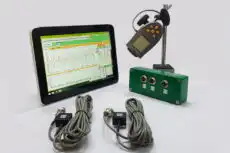
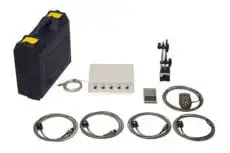
ಅದರ ಸ್ವಂತ ಬೆರಳುವಳಿಯಲ್ಲಿ ಚಲಾಯಮಾನ ಸಂಯೋಜಿತ ಮೆಷಿನ್ನಲ್ಲಿ, ತಿದ್ದುಪಡಿ ಸಮತಲಗಳು ಅಪವಿತ್ರೀಕರಣ ಇಲ್ಲದೆ ಇಂಜಿನಿಯರ್ ತಲುಪಬಹುದಾದ ಎರಡು ಪ್ರವೇಶಾಯ ಮುಖಗಳು — ಸಾಮಾನ್ಯತಃ ಫ್ಯಾನ್ ಹಬ್ನ ತುದಿಗಳು ಅಥವಾ ಇಂಪೆಲರ್ ಶ್ರೌಡ್ನ ಗೋಚರ ಮುಖಗಳು. ಪೋರ್ಟಬಲ್ ಎರಡು-ಚ್ಯಾನೆಲ್ ಯಂತ್ರಣ ಇದೆ ಬ್ಯಾಲೆನ್ಸೆಟ್-1ಎ ಪ್ರತಿ ಬೆರಳುವಳಿಯಲ್ಲಿ 1× ವೈಶಾಲ್ಯ ಮತ್ತು ನಿಗದಿಗೆ ಆಪಾದನೆ ಮಾಪನ ಮಾಡುತ್ತದೆ, ರೋಟರ್ನ ಲೆಕ್ಕ ಹಾಕುತ್ತದೆ ಪ್ರಭಾವ ಗುಣಾಂಕಗಳು ಒಂದರಿಂದ ಪರೀಕ್ಷಾ-ತೂಕ run, and then resolves the required mass and angle for each chosen plane. Because the planes are fixed by what the machine physically allows, defining them clearly before the first run — and recording their angular reference — is what makes the resulting correction repeatable and the verified ಉಳಿದ ಅಸಮತೋಲನ meaningful.
5. Splitting a Correction Between Fixed Angular Positions
Sometimes the ideal correction angle falls where no metal exists — between two fan blades, for example. In that case the single required weight is resolved into two components at the nearest available fixed angular positions within the same correction plane, a technique known as ವಿಭಜಿತ ತಿದ್ದುಪಡಿ. The two part-weights add vectorially to the same effect as one weight at the unavailable angle. This is not the same as two-plane balancing: two-plane balancing distributes corrections between two ಅಕ್ಷೀಯ planes to remove static and couple unbalance, whereas split correction is a vector decomposition of one correction in one plane when the requested angle is unavailable. Either way, plane geometry matters as much as the numbers: a well-chosen pair of accessible, well-separated planes keeps corrections small, secure, and easy to verify against an ISO 21940-11 balance grade.

