ನಮ್ಯ ತಿರುಳು ತಿಳಿಯುವುದು


A ಲವಚಿಕ ರೋಟರ್ ಒಂದು ರೋಟರ್ ಕೇಂದ್ರಾತ್ಮಕ ಬಲದ ಅಡಿಯಲ್ಲಿ ತನ್ನ ಅಥವಾ ಅದರ ಬಳಿ ಓಡುವಾಗ ಬಾಗುತ್ತದೆ ಅಥವಾ ವಿರೂಪಗೊಳ್ಳುತ್ತದೆ ನಿರ್ಣಾಯಕ ವೇಗ. ಒಂದು ...ಗಿಂತ ಭಿನ್ನವಾಗಿ ಕಠಿಣ ರೋಟರ್ — ಇದನ್ನು ಎಂದೊಮ್ಮೆ ಕಡಿಮೆ ವೇಗದಲ್ಲಿ ಸಮತೋಲನೆ ಮಾಡಿ ಮತ್ತು ಅದರ ಸಂಪೂರ್ಣ ಕಾರ್ಯಚಟುವಟಿಕೆ ಶ್ರೇಣಿಯಲ್ಲಿ ಸಮತೋಲನ ಉಳಿಯುತ್ತದೆ — ನಮ್ಯ ತಿರುಳುವು’ unbalance ಗತಿಶೀಲತೆಯೊಂದಿಗೆ ಆಕೃತಿ ಬದಲಾದಾಗ ವಿತರಣೆ ಬದಲಾಗುತ್ತದೆ. ಈ ಏಕ ಸತ್ಯವು ಮೃದುಸುತ್ತುಕೆಯನ್ನು ಸಮತೋಲಿಸುವುದನ್ನು ಗಮನಾರ್ಹವಾಗಿ ಹೆಚ್ಚು ಜಟಿಲವಾದ ಕಾರ್ಯವನ್ನಾಗಿ ಮಾಡುತ್ತದೆ. ಕಾರ್ಯಸಾಧನ ಸೂತ್ರವಾಗಿ, ಸುತ್ತುಕೆಯ ಗರಿಷ್ಠ ಸೇವೆ ಗತಿಶೀಲತೆ ಸಂಪರ್ಕ ಅವಧಿಗೆ ತಲುಪಿದಾಗ ಮೃದುವೆಂದು ಪರಿಗಣಿಸಲಾಗುತ್ತದೆ 70% ಅಥವಾ ಹೆಚ್ಚು ಅದರ ಮೊದಲ ಬಾಗುವಿಕೆ ನಿರ್ಣಾಯಕ ಗತಿಶೀಲತೆಯ.
1. ವ್ಯಾಖ್ಯಾನ: ಮೃದುಸುತ್ತುಕೆ ಎಂದರೆ ಏನು?
ಗತಿಶೀಲತೆಯೊಂದಿಗೆ ಆಕೃತಿ ಬದಲಾವಣೆ ಆಚರಣೆಯನ್ನು ವ್ಯಾಖ್ಯಾನಿಸುತ್ತದೆ. ಕಠಿಣ ಸುತ್ತುಕೆ ತನ್ನ ರೇಖಾಗಣಿತವನ್ನು ಇಡುತ್ತದೆ, ಆದ್ದರಿಂದ ಕಡಿಮೆ ಗತಿಶೀಲತೆಯಲ್ಲಿ ಮಾಡಿದ ತಿದ್ದುವಿಕೆ ಎಲ್ಲೆಡೆ ಮಾನ್ಯವಾಗಿರುತ್ತದೆ. ಮೃದುಸುತ್ತುಕೆ ಬದಲಾಗಿ, ನಿರ್ಣಾಯಕ ಗತಿಶೀಲತೆಯನ್ನು ಸಮೀಪಿಸುತ್ತಿದ್ದಂತೆ ಅಳತೆಯ ಅಂಶವು ಬಾಗುತ್ತದೆ, ಮತ್ತು ಆ ವಿಚಲನವು ಅದರ ಪರಿಣಾಮಕಾರಿ ಭಾರೀ ಬಿಂದುವನ್ನು ಪುನರ್ವಸತಿ ಮಾಡುತ್ತದೆ. 70% ಮಿತಿ ಸಮತೋಲನ ಮಾನದಂಡಗಳು ನಿರ್ದಿಷ್ಟ ಸುತ್ತುಕೆಗೆ ಯಾವ ಚಿಕಿತ್ಸೆ ಅಗತ್ಯವಾಗಿದೆ ಎಂಬುದನ್ನು ನಿರ್ಧರಿಸಲು ಬಳಸುವ ಪ್ರಾಯೋಗಿಕ ಗಡಿ, ಮತ್ತು ಇದು ಯಾವುದೇ ತಿದ್ದುವಿಕೆ ತಂತ್ರ ನಿರ್ಧರಿಸುವ ಮೊದಲು ನಿರ್ಧರಿಸಬೇಕಾದ ಮೊದಲ ಪ್ರಶ್ನೆ.
2. ಮೃದುಸುತ್ತುಕೆ ವಿಭಿನ್ನವಾಗಿ ಏಕೆ ವರ್ತಿಸುತ್ತದೆ
ಎರಡು ಸಂಬಂಧಿತ ಕಲ್ಪನೆಗಳು ವ್ಯತ್ಯಾಸವನ್ನು ವಿವರಿಸುತ್ತವೆ: ನಿರ್ಣಾಯಕ ಗತಿಶೀಲತೆ ಮತ್ತು ಮೋಡ್ ಆಕಾರ.
- ನೈಜ ವೇಗ: ಸುತ್ತುಕೆಯ ನೈಸರ್ಗಿಕ ಆವರ್ತನಗಳ ಒಂದೊಂದು ಜೊತೆಗೆ ಸಂಪತ್ತುವ ತಿರುವು ಗತಿಶೀಲತೆ. ಅಲ್ಲಿ ಸುತ್ತುಕೆ ಪ್ರವೇಶಿಸುತ್ತದೆ resonance, ಮತ್ತು ಚಿಕ್ಕ ಸಮತೋಲನ ಕ್ಷೇತ್ರವೂ ಬಲವಾಗಿ ವರ್ಧಿತವಾಗುತ್ತದೆ, ಸುತ್ತುಕೆಯನ್ನು ಬಾಗಲು ಒತ್ತಾಯ ಮಾಡುತ್ತದೆ.
- ಮೋಡ್ ಆಕಾರ: ಸುತ್ತುಕೆ ನಿರ್ದಿಷ್ಟ ನಿರ್ಣಾಯಕ ಮೂಲಕ ಹಾದುಹೋಗುತ್ತಿದ್ದಾಗ ತೆಗೆದುಕೊಳ್ಳುವ ಗುಣವಿಶೇಷ ವಿಚಲಿತ ಆಕಾರ. ಮೊದಲನೆಯ ನಿರ್ಣಾಯಕವು ಮಧ್ಯ-ಮೆಲುವಿನಲ್ಲಿ ಗರಿಷ್ಠ ವಿಚಲನದೊಂದಿಗೆ ಸರಳ ಅರ್ಧ-ಸೈನ್ ಬಾಗುವಿಕೆ ಉತ್ಪಾದಿಸುತ್ತದೆ; ಎರಡನೆಯದು ಮಧ್ಯದಲ್ಲಿ ಸ್ಥಾನಿಯ ಪೂರ್ಣ ಸೈನ್ ಅಲೆಯನ್ನು ಉತ್ಪಾದಿಸುತ್ತದೆ ನೋಡ್ ಸರಿಯೊಂದಿಗೆ; ಉನ್ನತ ವಿಧಿಗಳು ಹೆಚ್ಚಿನ ಸ್ಥಾನಿಗಳನ್ನು ಸೇರಿಸುತ್ತವೆ.
ಮೃದುಸುತ್ತುಕೆ ಚಲಿಸುವಾಗ, ಬಾಗುವಿಕೆ ಅದರ ದ್ರವ್ಯಮಾನ ಕೇಂದ್ರದ ಸ್ಥಳವನ್ನು ಬದಲಾಯಿಸುತ್ತದೆ. ಕಡಿಮೆ ಗತಿಶೀಲತೆಯಲ್ಲಿ ಒಂದು ಪರಿಣಾಮಕಾರಿ ಸ್ಥಾನದಲ್ಲಿ ಇರುವ ಸಮತೋಲನ ಕ್ಷೇತ್ರವು ಉನ್ನತ ಗತಿಶೀಲತೆಯಲ್ಲಿ ವಿಭಿನ್ನ ಸ್ಥಾನದಿಂದ ಕೆಲಸ ಮಾಡಬಹುದು. ಪರಿಣಾಮವಾಗಿ, ಕಡಿಮೆ ಗತಿಶೀಲತೆಯಲ್ಲಿ ಮಾಡಿದ ಸರಳ ಎರಡು-ತೀರಿ ಸಮತೋಲನ ಸೇವೆ ಗತಿಶೀಲತೆಯಲ್ಲಿ ನಿರ್ಭಂದ ಪ್ರವಾಹವನ್ನು ಭರವಸೆ ನೀಡುವುದಿಲ್ಲ, ಅಥವಾ ಅಲ್ಲಿಗೆ ಮಾರ್ಗದಲ್ಲಿ ನಿರ್ಣಾಯಕ ಮೂಲಕ ಸುರಕ್ಷಿತ ಸಾಗಣೆ ನೀಡುವುದಿಲ್ಲ — ಕಡಿಮೆ ಗತಿಶೀಲತೆ ತಿದ್ದುವಿಕೆ ಹೆಚ್ಚಿನ ಗತಿಶೀಲತೆ ಸ್ಥಿತಿಯನ್ನು ಕೆಟ್ಟತರಕ್ಕೆ ಕೂಡ ಮಾಡಬಹುದು.
3. ಮೃದುಸುತ್ತುಕೆ ಸಮತೋಲನ
ಮೃದುಸುತ್ತುಕೆ ಸಮತೋಲನ ಒಂದು ವಿಶೇಷ ಕಾರ್ಯವು ಅತ್ಯಾಧುನಿಕ ತಂತ್ರಗಳು ಮತ್ತು ಸಾಧನೋಪಕರಣಗಳನ್ನು ಅಗತ್ಯವಾಗಿಸುತ್ತದೆ, ಇದು ಮಾನದಂಡವಾಗಿ ನಿರ್ಧರಿಸಲಾಗಿದೆ ISO 21940-12 (ಕಠಿಣ ಸುತ್ತುಕೆ ಆವರಿಸಿದ ಹಳೆಯ ISO 1940 ಕುಟುಂಬಕ್ಕೆ ಆಧುನಿಕ ಎರೆಡ್ವಹನಕಾರ). ಗುರಿ ಒಂದೇ ಗತಿಶೀಲತೆಗೆ ಸುತ್ತುಕೆ ಸಮತೋಲನ ಮಾಡುವುದನ್ನು ಎರಲಕ್ಷ್ಯವಾಗಿ ಮಾಡುವುದು ಅಲ್ಲ, ಸಂಪೂರ್ಣ ಕಾರ್ಯಸಾಧನ ಮಿಶ್ರಣ ಆನ ರನ್ ನಿರ್ಣಾಯಕ ಮೂಲಕ ಪ್ರತಿಟಿಕೆಯನ್ನು ಸೇರಿದಂತೆ ನಿರ್ಭಂದ ಪ್ರವಾಹವನ್ನು ಉಳಿಸುವುದು ಆಗಿದೆ. ಎರಡು ಪ್ರಬಳ ಂಶವಿಧಿಗಳೆ:
- ಸ್ಫಟಿಕ ಸಮತೋಲನ: ಪ್ರತಿಟಿಕೆಯನ್ನು ಪ್ರತ್ಯೇಕ ಸಮತೋಲನ ಕ್ಷೇತ್ರ ತೊಂದರೆಯಾಗಿ ಪರಿಗಣಿಸುವ ಪರಿಣಾಮಕಾರಿ ತಂತ್ರ. ತಿದ್ದುವಿಕೆ ತೂಕವನ್ನು ಪ್ರತಿಟಿಕೆ ಆಕಾರ ಶೂನ್ಯತೆಗಳನ್ನು ವಿಫಲಗೊಳಿಸುವ ಮೊದಲನೆಯ ಮೋಡ್ ಪರಿಹರಿಸಲು, ತೂಕ ಮಧ್ಯ-ಮೆಲುವೆಂದಲ್ಲಿ ಪ್ರಮಾಣವೇ ಮಾಡಲು ಹೋಗುತ್ತವೆ; ಎರಡನೆಯ ಮೋಡ್ ಪರಿಹರಿಸಲು, ತೂಕವನ್ನು ಮಧ್ಯ ಸ್ಥಾನಿ ಎರಡೂ ಕಡೆ ವಿಭಜಿತ ಮಾಡಲಾಗುತ್ತದೆ ಆ ಮೋಡ್ ನ ವಿರುದ್ಧವಾಗಿ ಆದರೆ ಪ್ರಥಮವನ್ನು ತೊಂದರೆ ಇಡದೆ.
- ಪ್ರಭಾವ ಗುಣಾಂಕ ವಿಧಿ (ಬಹು-ಗತಿಶೀಲತೆ, ಬಹು-ತೀರಿ): ಸುತ್ತುಕೆ ಹಲವಾರು ಗತಿಶೀಲತೆಗಳಲ್ಲಿ ಚಲಿಸಲಾಗುತ್ತದೆ, ನಿರ್ಣಾಯಕ ಹತ್ತಿರದೇ ಸೇರಿದಂತೆ, ಪರೀಕ್ಷಾ ತೂಕಗಳು ಬಹು ಮೂಲಿಸಲಾಗಿದ ಎಂದು ಪ್ರಯೋಗ ಮಾಡಲಾಗುತ್ತದೆ ಸುಧಾರಣೆ ಸಮತಲಗಳು. ಅಳತೆ ಪ್ರತಿಕ್ರಿಯೆಗಳು ಸುತ್ತುಕೆ ಕ್ರಿಯೆಗಳು ಕೈಫಿಯತ್ವ ಗುಣಾಂಕಗಳ ಮಾತೃಕೆಯನ್ನು ಮಾಡುತ್ತವೆ, ಮತ್ತು ಸಾಫ್ಟ್ವೇರ್ ಎಲ್ಲಾ ತೀರಿಗಳಲ್ಲಿ ಸೂಕ್ತ ತೂಕಗಳ ಸರಣಿಯಾಗಿ ಮಾತೃಕೆಯನ್ನು ಮೂಲಕ ಪರಿಹರಿಸುತ್ತದೆ. ಇದು ಬಹುಸಮತಲ ಸಮತೋಲನ.
ನೆಲಸಾಧನೆಯಲ್ಲಿ ಈ ಕಾರ್ಯವು ಸಾಮಾನ್ಯವಾಗಿ ನಿರ್ಣಾಯಕ ಮೂಲಕ ಸುತ್ತುಕೆಯನ್ನು ಸುರಕ್ಷಿತವಾಗಿ ತೆಗೆದುಕೊಳ್ಳುವ ಸಾಮರ್ಥ್ಯರಹಿತ ಗತಿಶೀಲತೆ ಸಮತೋಲನ ಯಂತ್ರ, ಮತ್ತು ಮಾತೃಕೆ ಲೆಕ್ಕೆಗಳನ್ನು ಮಾಡುವ ಸಾಮರ್ಥ್ಯರಹಿತ ಸಾಫ್ಟ್ವೇರ್ ಪುರ್ವವರ್ತಿ ಪೂರ್ವಾಭ್ಯಾಸಯೊಂದಿಗೆ ಮಾಡಬಹುದು ನಮ್ರ-ರೋಟರ್ ಸಮತೋಲನ ಸಹನೀಯತೆ ಕ್ಯಾಲ್ಕುಲೇಟರ್ (ISO 21940).
4. ಕ್ಷೇತ್ರದಲ್ಲಿ ಗಡಿ ಎಲ್ಲಿ ಇರುತ್ತದೆ
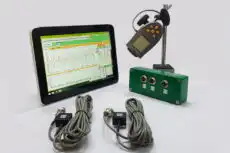
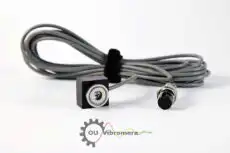
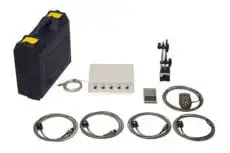
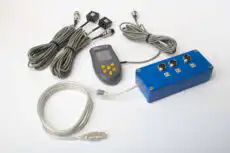
ಅನೇಕ ಶಿಲ್ಪ ಯಂತ್ರಗಳು 70% ಸೀಮೆಯ ಕೆಳಗೆ ನೆಮ್ಮದಿಂದ ಕುಳಿತುಕೊಂಡಿವೆ ಮತ್ತು ಕಠಿಣ ರೋಟರ್ಗಳಾಗಿ ವರ್ತಿಸುತ್ತವೆ, ಆದ್ದರಿಂದ ಅವುಗಳನ್ನು ಚಾಲನೆ ವೇಗದಲ್ಲಿ ಸ್ಥಳದಲ್ಲಿ ಸಮತೋಲನ ಮಾಡಬಹುದು. ಈ ಯಂತ್ರಗಳಿಗೆ, Balanset ನಂತಹ ಪೋರ್ಟೇಬಲ್ ಎರಡು-ಚಾನೆಲ್ ವಿಶ್ಲೇಷಕ ಬ್ಯಾಲೆನ್ಸೆಟ್-1ಎ 1X ವೈಶಾಲ್ಯ ಮತ್ತು ಹಂತವನ್ನು ಅಳೆಯುತ್ತದೆ, ರೋಟರ್ನ ಪ್ರಭಾವ ಗುಣಾಂಕಗಳನ್ನು ಲೆಕ್ಕ ಹಾಕುತ್ತದೆ ಮತ್ತು ಏಕ- ಅಥವಾ ದ್ವಿ-ಸಮತಲ field balancing ಯಂತ್ರದ ಸ್ವಂತ ಬೇರಿಂಗುಗಳಲ್ಲಿ — ಸಮತೋಲನ ಯಂತ್ರ ಅಥವಾ ವಿಘಟನೆಯ ಅಗತ್ಯವಿಲ್ಲ. ಪ್ರಮುಖ ಎಂಜಿನಿಯರಿಂಗ್ ಅಂಶವು ರೋಟರ್ ಯಾವಾಗ ನಮ್ರ ಪ್ರದೇಶಕ್ಕೆ ಪ್ರವೇಶ ಮಾಡುತ್ತದೆ ಎಂಬುದನ್ನು ಗುರುತಿಸುವುದು: ಒಮ್ಮೆ ಸೇವಾ ವೇಗವು ಆ ಮೊದಲ ವಕ್ರತೆ ವಿಶ್ಲೇಷಕ್ಕೆ ಸಮೀಪವಾಗಿದ್ದರೆ, ಏಕ-ವೇಗ ತಿದ್ದುಪಡಿ ಇನ್ನು ಮುಂದೆ ಸಾಕಾಗುವುದಿಲ್ಲ ಮತ್ತು ಮೇಲಿನ ಬಹು-ವೇಗ, ಬಹು-ಸಮತಲ ವಿಧಾನಗಳು ಅಗತ್ಯವಾಗುತ್ತದೆ.
5. ನಮ್ರ ರೋಟರ್ಗಳ ಉದಾಹರಣೆಗಳು
ವೇಗ ಹೆಚ್ಚಿರುವ ಅಥವಾ ಶಾಫ್ಟುಗಳು ಉದ್ದ ಮತ್ತು ತೆಳುವಾದವಾಗಿರುವ ಎಲ್ಲೆಡೆ ನಮ್ರ ರೋಟರ್ಗಳು ಸಾಮಾನ್ಯವಾಗಿರುತ್ತವೆ, ಇದರಲ್ಲಿ:
- ದೊಡ್ಡ ಉಗಿ ಮತ್ತು ಅನಿಲ ಟರ್ಬೈನ್ ಜನರೇಟರ್ಗಳು
- ಹೆಚ್ಚಿನ-ವೇಗ ಟರ್ಬೋಕಂಪ್ರೆಸರ್ಗಳು
- ಕಾಗದದ ಯಂತ್ರಗಳಲ್ಲಿ ದೀರ್ಘ, ತೆಳುವಾದ ಶಾಫ್ಟುಗಳು ಮತ್ತು ರೋಲರ್ಗಳು
- ಹೆಚ್ಚಿನ-ವೇಗ ಯಂತ್ರ-ಸರಂಜಾಮಿನ ಸ್ಪಿಂಡಲ್ಗಳು
ಪ್ರತಿಯೊಂದು ಸಂದರ್ಭದಲ್ಲಿ ಒಂದೇ ತತ್ವ ವಿನ್ಯಾಸ ಮತ್ತು ನಿರ್ವಹಣೆಯನ್ನು ನಿಯಂತ್ರಿಸುತ್ತದೆ: ಚಾಲನೆ ವೇಗವು ವಕ್ರತೆ ವಿಶ್ಲೇಷಕ್ಕೆ ಹತ್ತಿರವಾಗಿರುತ್ತದೆ, ರೋಟರ್ನ ಆಕಾರ — ಮತ್ತು ಆದ್ದರಿಂದ ಅದರ ಸಮತೋಲನ ಸ್ಥಿತಿ — ವೇಗವನ್ನು ಹೆಚ್ಚಿನ ಮಟ್ಟಿಗೆ ಅವಲಂಬಿತವಾಗುತ್ತದೆ, ಮತ್ತು ಸಮತೋಲನ ವಿಧಾನವು ಹೆಚ್ಚು ಪರಿಷ್ಕೃತವಾಗಿರಬೇಕು.

