ಸ್ಟ್ರೋಬೋಸ್ಕೋಪ್ ಅನ್ನು ಅರ್ಥೈಸಿಕೊಳ್ಳುವುದು

A ಸ್ಟ್ರೋಬೋಸ್ಕೋಪ್, ಅಥವಾ ಸ್ಟ್ರೋಬ್, ನಿಯಮಿತ ಮತ್ತು ವೇಗದ ಬೆಳಕಿನ ಫ್ಲ್ಯಾಶ್ ಉಂಟುಮಾಡುವ ಯಂತ್ರವಾಗಿದೆ. ಫ್ಲ್ಯಾಶ್ ದರವನ್ನು ಯಂತ್ರದ ತಿರುಗುವಿಕೆ ವೇಗದೊಂದಿಗೆ ಸಮನ್ವಯಗೊಳಿಸುವ ಮೂಲಕ, ಸ್ಟ್ರೋಬ್ ಚಲಿಸುವ ಭಾಗವನ್ನು ಸ್ಥಿರ ಅಥವಾ “ಹೆಪ್ಪುಗೊಳಿಸಿದ,” ಸ್ಥಾನದಲ್ಲಿ ಪ್ರದರ್ಶಿಸುತ್ತದೆ. ಆ ಸ್ಟಾಪ್-ಮೋಷನ್ ಪರಿಣಾಮ ಇಂಜಿನಿಯರ್ ಅನ್ನು ತಿರುಗುವ ಮತ್ತು ಪರಸ್ಪರ ಕ್ರಿಯೆ ಮಾಡುವ ಘಟಕಗಳನ್ನು ದೃಷ್ಟಿಗತವಾಗಿ ನಿರೀಕ್ಷಣ ಮಾಡಲು ಅನುಮತಿ ನೀಡುತ್ತದೆ ಅವು ಪೂರ್ಣ ವೇಗದಲ್ಲಿ ಚಲಿಸುವಾಗ, ಮತ್ತು ಇದು ಸ್ಟ್ರೋಬೋಸ್ಕೋಪ್ ಅನ್ನು ನಿಜವಾದ ಉಪಯುಕ್ತ ಸಹಕಾರಿ ಮಾಡುತ್ತದೆ vibration analysis ವೇಗ ದೃಢೀಕರಣ ಮತ್ತು ಸಂಖ್ಯೆ-ಮಾತ್ರ ಅಳತೆ ಮಿಸ್ ಮಾಡಬಹುದಾದ ವಿಶಿಷ್ಟ ಚಲನೆ ಆಗ್ರಹಿಸಲು.
1. ವ್ಯಾಖ್ಯಾನ: ಸ್ಟ್ರೋಬೋಸ್ಕೋಪ್ ಎಂದರೇನು?
ಅದರ ಮೂಲಭೂತ ರೂಪದಲ್ಲಿ ಒಂದು ಸ್ಟ್ರೋಬೋಸ್ಕೋಪ್ ಎಂಬುದು ನಿಖರವಾಗಿ ನಿಯಂತ್ರಿಸಬಹುದಾದ ಫ್ಲ್ಯಾಶಿಂಗ್ ದೀಪ. ಆಪರೇಟರ್ ಫ್ಲ್ಯಾಶ್ ಆವರ್ತನವನ್ನು ಹೊಂದಿಸುತ್ತಾರೆ — ಸಾಮಾನ್ಯವಾಗಿ ಪ್ರತಿ ನಿಮಿಷಕ್ಕೆ ಫ್ಲ್ಯಾಶ್ಗಳಲ್ಲಿ, RPM ನಂತೆಯೇ ಘಟಕಗಳು — ಮತ್ತು ಬೆಳಕು ಆ ನಿಖರ ದರದಲ್ಲಿ ಆನ್ ಮತ್ತು ಆಫ್ ಆಗುತ್ತದೆ. ದರವು ಆವರ್ತಕ ಚಲನೆಗೆ ಹೊಂದಿಕೆಯಾದಾಗ, ಭಾಗವು ತನ್ನ ಚಕ್ರದ ಒಂದು ಪುನರಾವರ್ತಿತ ಬಿಂದುವಿನಲ್ಲಿ ಮಾತ್ರ ಬೆಳಗಿಸಲ್ಪಡುತ್ತದೆ, ಆದ್ದರಿಂದ ಕಣ್ಣಿಗೆ ಅದು ಸ್ಥಿರವಾಗಿ ಕಾಣಿಸುತ್ತದೆ. ಈ ತಂತ್ರವು ತಿರುಗುವ ಶಾಫ್ಟ್ಗಳು, ಪ್ರತ್ಯಾಗಾಮಿ ಲಿಂಕೇಜ್ಗಳು ಮತ್ತು ಆಂದೋಲನ ಕಾರ್ಯವಿಧಾನಗಳ ಮೇಲೆ ಸಮಾನವಾಗಿ ಕಾರ್ಯನಿರ್ವಹಿಸುತ್ತದೆ.
2. ಸ್ಟ್ರೋಬೋಸ್ಕೋಪಿಕ್ ಪರಿಣಾಮ
ತತ್ವವು ಪರಿಗ್ರಹಣ ವಿದ್ಯಮಾನವಾಗಿದೆ. ಸ್ಟ್ರೋಬ್ ದಿಕ್ಸೂಚಿಯಲ್ಲಿ ವಸ್ತುವು ತಿರುಗುವಿಕೆಯ ಒಂದೇ ಸ್ಥಾನಕ್ಕೆ ಮರಳುವ ಸರಿಯಾದ ಕ್ಷಣದಲ್ಲಿ ಪ್ರಕಾಶಿಸಿದಾಗ, ಕಣ್ಣು ಮತ್ತು ಮೆದುಳು ಪುನರಾವೃತ್ತಿ ನಿರ್ಮಿತ ಚಿತ್ರಗಳನ್ನು ಗತಿಹೀನ ವಸ್ತುವಿನ ಛಾಪದಲ್ಲಿ ಬೆರೆಸುತ್ತವೆ. ಫ್ಲ್ಯಾಶ್ ದರ ಮತ್ತು ತಿರುಗುವಿಕೆ ವೇಗದ ನಡುವಿನ ಸಂಬಂಧವು ಲೋಕವೃತ್ತದವನು ಏನು ನೋಡುತ್ತಾನೆ ಎಂಬುದನ್ನು ನಿಯಂತ್ರಿಸುತ್ತದೆ:
- ಫ್ಲ್ಯಾಶ್ ದರ ತಿರುಗುವಿಕೆ ವೇಗಕ್ಕೆ ಸಮಾನವಾಗಿದೆ, ವಸ್ತುವು ಏಕ ಸ್ಥಾನದಲ್ಲಿ ಹೆಪ್ಪುಗೊಳಿಸಿದವನಂತೆ ತೋರುತ್ತದೆ.
- ಫ್ಲ್ಯಾಶ್ ದರ ತಿರುಗುವಿಕೆ ವೇಗಕ್ಕಿಂತ ಸ್ವಲ್ಪ ನಿಧಾನವಾಗಿದೆ , ವಸ್ತುವು ನಿಧಾನವಾಗಿ ಮುಂದೆ ತೇವನವಾಗಿ ತೋರುತ್ತದೆ.
- ಫ್ಲ್ಯಾಶ್ ದರ ತಿರುಗುವಿಕೆ ವೇಗಕ್ಕಿಂತ ಸ್ವಲ್ಪ ವೇಗವಾಗಿದೆ ತಿರುಗುವಿಕೆಯ ವೇಗಕ್ಕಿಂತ ಕಡಿಮೆ ಇದ್ದರೆ, ವಸ್ತುವು ನಿಧಾನವಾಗಿ ಹಿಂದಕ್ಕೆ ಚಲಿಸುವಂತೆ ತೋರುತ್ತದೆ.
ಈ ನಿಧಾನ ಸ್ಪಷ್ಟ ಚಲನೆಯು ಕೌತುಕವನ್ನು ಮೀರಿದೆ: ಫ್ಲ್ಯಾಶ್ ದರವನ್ನು ನಿಜವಾದ ವೇಗದಿಂದ ಸ್ವಲ್ಪ ಕಡಿಮೆ ಮಾಡುವುದರಿಂದ ನಿರೀಕ್ಷಕವು “ಹೆಚ್ಚಳ” ಘಟಕದ ನಿಧಾನ ಚಲನೆಯನ್ನು ನೋಡಿ, ಯಂತ್ರವನ್ನು ಎಂದಿಗೂ ನಿಲ್ಲಿಸದೆಯೇ ಸಂಯೋಜಕ ಅಥವಾ ಬ್ಲೇಡ್ನ ಪ್ರತಿಯೊಂದು ಮುಖವನ್ನು ಅನುಕ್ರಮವಾಗಿ ಪರೀಕ್ಷಿಸಬಹುದು.
3. ಯಂತ್ರ ನಿರ್ವಹಣೆಯಲ್ಲಿ ಅನ್ವಯಗಳು
ಎ) ವೇಗ ಮಾಪನ
ಸ್ಟ್ರೋಬೋಸ್ಕೋಪ್ ಸಂಪರ್ಕವಿಲ್ಲದ tachometer. ಶಾಫ್ಟ್ನಲ್ಲಿ ಉಲ್ಲೇಖ ಚಿಹ್ನೆಯನ್ನು ಇರಿಸಿ ಮತ್ತು ಆ ಚಿಹ್ನೆ ಒಂದೇ ಸ್ಥಿರ ಚಿತ್ರವಾಗಿ ಕಾಣುವವರೆಗೆ ಫ್ಲ್ಯಾಶ್ ದರವನ್ನು ಹೆಚ್ಚಿಸುವುದರ ಮೂಲಕ, ಆಪರೇಟರ್ ಸ್ಟ್ರೋಬ್ ಪ್ರದರ್ಶನದಿಂದ ನೇರವಾಗಿ ವೇಗವನ್ನು ಓದಬಹುದು. ದೃಢೀಕರಣ ನಿರಂತರ ವೇಗ (1X) ಯಾವುದೇ ಕಂಪನ ಅಧ್ಯಯನದಲ್ಲಿ ಅಗತ್ಯ ಮೊದಲ ಹೆಜ್ಜೆಯಾಗಿದೆ, ಏಕೆಂದರೆ ಪ್ರತಿಯೊಂದು ರೋಗನಿರ್ಣಯ ಆವರ್ತನವು ಅದಕ್ಕೆ ಉಲ್ಲೇಖಿತವಾಗಿದೆ.
ಎಚ್ಚರಿಕೆ — ಹಾರ್ಮೋನಿಕ್ಗಳನ್ನು ಸತರ್ಕವಾಗಿರಿ. 3800 RPM ನಲ್ಲಿ ತಿರುಗುವ ಶಾಫ್ಟ್ 3600 RPM ನಲ್ಲಿ ಸ್ಟ್ರೋಬ್ ಫ್ಲ್ಯಾಶ್ ಆಗಿದ್ದರೂ (ಇದು ಪ್ರತಿ ಅರ್ಧ-ತಿರುವಿನಲ್ಲಿ ಚಿಹ್ನೆಯನ್ನು ನೋಡುತ್ತದೆ) ಅಥವಾ 900 RPM ನಲ್ಲಿ (ಪ್ರತಿ ಬೇರೆ ತಿರುವಿನಲ್ಲಿ) ಸ್ಥಿರವೆಂದು ಕಾಣಿಸಬಹುದು. ಉಪ-ಬಹುವಿಧಗಳ ಒಂದು ವಿವರಣೆಯು ಚಿಹ್ನೆಯು ಒಂದರ ಬದಲಿಗೆ ಎರಡು ಅಥವಾ ಹೆಚ್ಚು ಸಮಾನ ದೂರದ ಚಿತ್ರಗಳಾಗಿ ಕಾಣುತ್ತದೆ. ಸರಿಯಾದ ವೇಗ ಯಾವಾಗಲೂ highest ಒಂದೇ, ಸ್ಥಿರ ಚಿತ್ರವನ್ನು ಉತ್ಪಾದಿಸುವ ಫ್ಲ್ಯಾಶ್ ದರ. ನಿಖರವಾದ ಡಿಜಿಟಲ್ ಓದುವಿಕೆ ಅಗತ್ಯವಾದಲ್ಲಿ, ಒಂದು ಆಪ್ಟಿಕಲ್ ಟ್ಯಾಕೋಮೀಟರ್ ಒಂದು ಪಟ್ಟಿ ಅಥವಾ ಪ್ರತಿಬಿಂಬಿತ ನಿಶಾನೆಯಿಂದ ದಾಳಿ ಪ್ರತಿಫಲಿತ ಟೇಪ್ ಈ ಅಸ್ಪಷ್ಟತೆಯನ್ನು ಸಂಪೂರ್ಣವಾಗಿ ತೆಗೆದುಹಾಕುತ್ತದೆ.
ಬಿ) ಚಲಿಸುವ ಭಾಗಗಳ ಮೋಶನ ನಿರೀಕ್ಷಣ
ಇದು ಸ್ಟ್ರೋಬೋಸ್ಕೋಪ್ನ ಪ್ರಾಥಮಿಕ ಬಳಕೆಯಾಗಿದೆ. ಚಲನೆಯನ್ನು ಸ್ಥಿರಗೊಳಿಸುವ ಮೂಲಕ, ನಿರೀಕ್ಷಕವು ನೇರವಾಗಿ ಹುಡುಕಬಹುದು:
- Bent shafts: a ಬಾಗಿದ ಶಾಫ್ಟ್ ಸ್ಥಿರ ಚಿತ್ರದಲ್ಲಿ ಗೋಚರ ನೇವುಗಳಿಂದ ಪ್ರಕಟವಾಗುತ್ತದೆ.
- ಹಾನಿಗ್ರಸ್ತ ಫ್ಯಾನ್ ಬ್ಲೇಡ್ಗಳು ಅಥವಾ ಸಂಯೋಜಕಗಳು: ಬಿರುಕು, ಕಾಣೆಯಾದ ಬೋಲ್ಟ್ ಮತ್ತು ಇತರ ಸಂಯೋಜಕ ನ್ಯೂನತೆಗಳು ಯಂತ್ರವು ಕಾರ್ಯಾಚರಣೆ ಹೋದಾಗ ಸ್ಪಷ್ಟವಾಗಿ ಗೋಚರವಾಗುತ್ತದೆ.
- ಬೆಲ್ಟ್ ಮತ್ತು ಶೀವ್ ಸಮಸ್ಯೆಗಳು: V-ಬೆಲ್ಟ್ನ ಸ್ಥಿತಿ, ಶೀವ್ನಲ್ಲಿ ಅದರ ಆಸನ ಮತ್ತು ಯಾವುದೇ ಸ್ಲಿಪ್ ಅನ್ನು ಚಲನೆಯಲ್ಲಿ ವೀಕ್ಷಿಸಬಹುದು.
- ಶಾಫ್ಟ್ ಕಕ್ಷೀಯ ಚಲನೆ: ಬೀಟಿಂಗ್ನ ಕ್ಲಿಯರೆನ್ಸ್ ಮೂಲಕ ಶಾಫ್ಟ್ನ ಅತಿರೇಕ ಚಲನೆಯನ್ನು ಸ್ಮೀಅರ್ ಅಥವಾ ಕಕ್ಷೀಯ ಗುರುತು ಎಂದು ನೋಡಬಹುದು.
ಸಿ) ಕಂಪನ ವಿಶ್ಲೇಷಣೆ ಸಹಾಯ
ಸ್ಟ್ರೋಬೋಸ್ಕೋಪ್ ಸಹ ಮೂಲಭೂತ ಸರಂಜಾಮಾಗಿ ಕಾರ್ಯನಿರ್ವಹಿಸುತ್ತದೆ phase ವಿಶ್ಲೇಷಣೆ. ಅನಾಲೈಜರ್ನಿಂದ ಕಂಪನ ಸಂಕೇತದ ಶಿಖರಕ್ಕೆ ಫ್ಲ್ಯಾಷ್ ಸಿಂಕ್ರೋನೈಜ್ ಮಾಡುವ ಮೂಲಕ — ಕೆಲವು ಮುಂದುವರಿದ ಮಾದರಿಗಳಲ್ಲಿ ಒಂದು ವೈಶಿಷ್ಟ್ಯ — ಕಂಪನವು ಅದರ ಗರಿಷ್ಠ ಧನಾತ್ಮಕ ಚಲನಕ್ಕೆ ತಲುಪಿದಾಗ ಮಾತ್ರ ದೃಶ್ಯ ಪ್ರಜ್ವಲಿತ ಆಗುತ್ತದೆ. ವಿಶ್ಲೇಷಕ ನಂತರ ಪಿಕ್ ಕಂಪನದ ಕ್ಷಣದಲ್ಲಿ ಶಾಫ್ಟ್ ಉಲ್ಲೇಖ ಚಿಹ್ನೆ ಎಲ್ಲಿ ಇದೆ ಎಂಬುದನ್ನು ನಿಖಿಲವಾಗಿ ನೋಡುತ್ತಾನೆ, ಇದು ಅಸಮತೋಲನದ ಭಾರೀ ಸ್ಥಳವನ್ನು ಗುರುತಿಸಲು ಸಹಾಯ ಮಾಡುತ್ತದೆ unbalance ಅಥವಾ ಸರಿಸಲು ಮೊದಲು ಸಂಕೀರ್ಣ ರಚನಾತ್ಮಕ ಚಲನೆಯನ್ನು ವ್ಯಾಖ್ಯಾನ ಮಾಡಿ.
ಡಿ) ರೆಸೋನನ್ಸ್ ಮತ್ತು ಮೋಡ್ ಆಕೃತಿಗಳನ್ನು ಗಮನಿಸುವುದು
ರಚನೆ ಆವೃತ್ತವಾಗಿದ್ದಾಗ resonance, ಅದರ ಚಲನೆ ಬಹಳ ಹೆಚ್ಚು ಕುಸಿತವಾಗಿ ವಿವರ್ಧಿತವಾಗುತ್ತದೆ. ಸ್ಟ್ರೋಬ್ ಅನ್ನು ರೆಸೋನಂಟ್ ಆವರ್ತನಕ್ಕೆ ಟ್ಯೂನ್ ಮಾಡುವುದು ವಿಶ್ಲೇಷಕರಿಗೆ ಬಾಗುವಿಕೆ ಅಥವಾ ತಿರುಗುವ ಮೋಡ್ ಆಕಾರ ನೇರವಾಗಿ ವೀಕ್ಷಿಸಲು ಸಾಧ್ಯವಾಗುತ್ತದೆ — ಯಾವ ವಿಭಾಗಗಳು ಹೆಚ್ಚು ಚಲಿಸುತ್ತವೆ ಮತ್ತು ಸ್ಥಿರ ಬಿಂದುಗಳು ಎಲ್ಲಿ ಇವೆ ಎಂಬುದನ್ನು ನೋಡುತ್ತಿದ್ದಾಗ. ಈ ರೀತಿಯಲ್ಲಿ ವಿಚಲಿತ ಆಕೃತಿಯನ್ನು ದೃಶ್ಯಶಾಲಿ ಮಾಡುವುದು ಸಾಮಾನ್ಯವಾಗಿ ರೆಸೋನನ್ಸ್ ಸಮಸ್ಯೆಯನ್ನು ಅರ್ಥಮಾಡಿಕೊಳ್ಳುವ ಮತ್ತು ಅಂತಿಮವಾಗಿ ಸರಿಸಲುಕೊರಡಿ ಅಧ್ವಾನವಾಗಿದೆ.
4. ಆಧುನಿಕ ಸಾಧನಗಳ ಜೊತೆಗೆ ಸ್ಟ್ರೋಬೋಸ್ಕೋಪ್
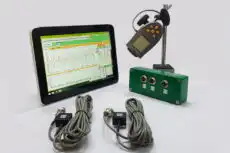
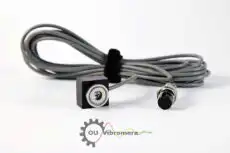
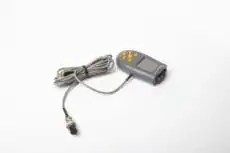
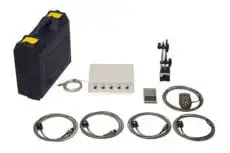
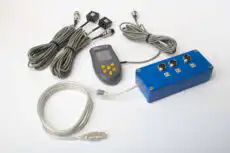
ಸ್ಟ್ರೋಬ್ ಅನ್ನು ವೇಗದ, ಅತ್ಯಂತ ಬುದ್ಧಿಮಾನ್ಯ ಪರಸ್ಪರ-ಪರಿಶೀಲನೆ ಆಗಿ ಉಳಿದಿದ್ದರೆ, ಪರಿಮಾಣಾತ್ಮಕ ಕೆಲಸದ ಸಂದರ್ಭದಲ್ಲಿ ಇದು ಸಾಮಾನ್ಯವಾಗಿ ಪರಿಣತ ವಿಶ್ಲೇಷಕದೊಂದಿಗೆ ಜೋಡಿ ಮಾಡಲಾಗುತ್ತದೆ. ಪೋರ್ಟೇಬಲ್ ಎರಡು-ಸಮತಲ ಸಾಧನ ಸಂಗ್ರಹ ಟ್ರಾಂಸ್ಡ್ಯೂಸರ ಹೊಂದಿದ್ದಾಗ ಬ್ಯಾಲೆನ್ಸೆಟ್-1ಎ ನಿಖಿಲ ವೇಗ ಮತ್ತು ಹಂತ ಉಲ್ಲೇಖ ಮತ್ತು ವಿನ್ಯಾಸಕ್ಕಾಗಿ ಸರಬರಾಜು ಆಧಾರ ಲೇಸರ್ ಟ್ಯಾಕೋಮೀಟರ್ ಬಳಸುತ್ತದೆ ಅಸ್ತಿತ್ವ ಮತ್ತು ಹಂತ ಸಂಖ್ಯಾತ್ಮಕವಾಗಿ ದಾಖಲೆ ಮಾಡುತ್ತದೆ, ಆದರೆ ಸ್ಟ್ರೋಬೋಸ್ಕೋಪ್ ದೃಷ್ಟಿ ದೃಶ್ಯ ಸಂಗ್ರಹ ಒದಗಿಸುತ್ತದೆ — ಇಂಜಿನೀಯರರಿಗೆ ಸಚೇತನವಾಗಿ ನೋಡಿ ಲೋಲೋ, ಸ್ವತಂತ್ರ ತುಪ್ಪಳ ಅಥವಾ ಸ್ಪೆಕ್ಟ್ರಮ್ ವರದಿ ಮಾಡುತ್ತಿರುವ ರೆಸೋನಂಟ್ ಮೋಡ್. ಒಂದೇ ಬಳಕೆ ಮಾಡಿದಾಗ, ಕಣ್ಣು ಮತ್ತು ಸಾಧನವು ಎರಡೂ ಕಂಡುಕೊಂಡು ವರದಿ ಮೋಟಾರುಸುಮಾರೀ ಹೋರಾಟವನ್ನು ಓದಿದೆ ರೋಗನಿರ್ಣಯ ಮಾಡುತ್ತವೆ.

