ಟ್ರಿಪ್ ಮಟ್ಟಗಳನ್ನು ಅರ್ಥಮಾಡಿಕೊಳ್ಳುವುದು

A ಟ್ರಿಪ್ ಮಟ್ಟ — ನಿರ್ಗಮನ ನಿರ್ಧಾರ, ತುರ್ತು ಟ್ರಿಪ್ ಅಥವಾ ನಿರ್ಣಾಯಕ ಸನ್ನಿವೇಶ ಎನ್ನಲಾಗುತ್ತದೆ — ಸಾಧನ-ರಕ್ಷಣ ವ್ಯವಸ್ಥೆಯಲ್ಲಿ ಅತ್ಯುನ್ನತವಾಗಿದೆ vibration ಅಥವಾ ಸ್ಥಿತಿ ಮಿತಿ. ಒಂದು ಮಾಪನ ಮೌಲ್ಯ ಇದನ್ನು ದಾಟಿದಾಗ, ವ್ಯವಸ್ಥೆ ಸ್ವಯಂಚಾಲಿತವಾಗಿ ತುರ್ತು ನಿರ್ಗಮನವನ್ನು ಆರಂಭಿಸುತ್ತದೆ ಶಟ್ಡೌನ್ ವಿನಾಶಕಾರಿ ಹಾನಿಯನ್ನು ತಡೆಯಲು. ಕಡಿಮೆ ಅಲಾರಂ ಮಟ್ಟ ಅಥವಾ warning level ಆ ಪ್ರಕರಣದಲ್ಲಿ ಕೇವಲ ಆಪರೇಟರ್ಗೆ ಅಧಿಸೂಚನೆ ನೀಡುತ್ತದೆ, ಟ್ರಿಪ್ ತನ್ನದೇ ಆದ ಪ್ರಕರಣದಲ್ಲಿ ರಕ್ಷಾತ್ಮಕ ಕ್ರಿಯೆ ಬಿದ್ದಿರುತ್ತದೆ — ಪ್ರತಿ ಸೆಕೆಂಡ ಎಣಿಸುವ ಕ್ಷಣದಲ್ಲಿ ತೆರೆದ ನಿರ್ಣಾಯಕ ಮಾರ್ಗದಿಂದ ಮಾನವ ನಿರ್ಧಾರ-ಮಾಡುವಿಕೆಯನ್ನು ತೆಗೆದುಕೊಂಡಿದೆ. ಟ್ರಿಪ್ ರೋಗ-ಬೆಳವಣಿಗೆ ಮತ್ತು ನಿರ್ದೇಶಿತ ಸಾಧನದ ನಡುವಿನ ರಕ್ಷಣೆಯ ಅಂತಿಮ ಸಾಲು.
1. ವ್ಯಾಖ್ಯಾನ: ಟ್ರಿಪ್ ಮಟ್ಟ ಎಂದರೇನು?
ಟ್ರಿಪ್ ಮಟ್ಟವನ್ನು ಕಂಪನ ವೈಶಾಲ್ಯದ ನಿಯತ ಸ್ಥಳದಲ್ಲಿ ನಿರ್ಧರಿಸಲಾಗುತ್ತದೆ ಅಲ್ಲಿ ನಿರಂತರ ಕಾರ್ಯಾಚರಣೆಯು ಸಾಧನಕ್ಕೆ ಕ್ಷಿಪ್ರ, ಶಾಶ್ವತ ಹಾನಿಯ ಅಪಾಯ ಅಥವಾ ಜನರು ಮತ್ತು ಸಂಸ್ಥೆಗೆ ಸುರಕ್ಷತೆ ಅಪಾಯವನ್ನು ಸೃಷ್ಟಿ ಮಾಡುತ್ತದೆ. ಇದು ಬಹು-ಪದರ ಸನ್ನಿವೇಶ ಶ್ರೇಣಿಯಲ್ಲಿ ಅತ್ಯಂತ ಸಾಮರಸ್ಯವುಳ್ಳ ಬಿಂದು ಮತ್ತು ಮಾನವ ನಿರೀಕ್ಷಣೆ ಇಲ್ಲದೆ ಕಾರ್ಯರೂಪ ನೀಡುವ ಏಕೈಕ ಸಾಧನ. ನಿರ್ಣಾಯಕ ಟರ್ಬೋ ಯಂತ್ರಕ್ಕಾಗಿ ಇದು API 670ನಡುವಿನ ಮಾನದಂಡಗಳ ಆಧಾರದ ಮೇಲೆ ಕಡ್ಡಾಯವಾಗಿದೆ, ಮತ್ತು ಇದು ಲಕ್ಷ ಲಕ್ಷ ಮೌಲ್ಯದ ಸಾಧನವನ್ನು ವಿನಾಶ ಮಾಡುಬಹುದಾದ, ಸಿಬ್ಬಂದಿಗಳನ್ನು ಗಾಯಪ್ರಾಪ್ತ ಮಾಡುಬಹುದಾದ ಅಥವಾ ಪರಿಸರ ಪ್ರಕಾಶವನ್ನು ಪ್ರೇರೇಪಿಸುಬಹುದಾದ ವಿಫಲತೆಗಳನ್ನು ತಡೆಯುವ ಚೂಸುವ ರಕ್ಷಣೆ ಪ್ರತಿನಿಧಿತ್ವ ಮಾಡುತ್ತದೆ.
ಟ್ರಿಪ್ ಅನ್ನು ಅಧಿಸೂಚನೆಯ ಬದಲಾಗಿ ಸ್ವಯಂಚಾಲಿತ ಕ್ರಿಯೆ ಇದ್ದುದರಿಂದ, ಅದರ ನಿರ್ಧರಿತ ಮೌಲ್ಯ ಉದ್ದೇಶಕರ ಇಂಜಿನಿಯರಿಂಗ್ ರಿಣ. ಕೆಳಗೆ ನಿರ್ಧರಿಸಿದ ಸಾಧನವು ಹಾನಿರಹಿತ ಸಂಕ್ರಮಣುಗಳಲ್ಲಿ ಟ್ರಿಪ್ ಮಾಡುತ್ತದೆ ಮತ್ತು ಬಿಡಲಾದ ನುಸುಮನೆ ಲಭ್ಯತೆ ಮತ್ತು ಆಪರೇಟರ್ ಗಳ್ಳು ಅಪೌಷ್ಟಿಕ ಮಾಡುತ್ತದೆ. ಎತ್ತುವುದಕ್ಕೆ ದೂರವಾಗಿಸಿದಾಗ, ಹಾನಿ ಈಗಾಗಲೇ ಮಾಡಲಾದ ನಂತರ ರಕ್ಷಣೆ ಆಗಮನ. ಟ್ರಿಪ್ ಮಟ್ಟ ಹೊಂದಿಸುವುದರ ಕಲೆ ಪ್ರಗತಿ ಮಾಂ-ಪ್ರಾಥಮಿಕವನ್ನು ಧರಿಸುವ ಬ್ರಾಚೆಟ್ ಕಂಡುಕೊಳ್ಳುವುದು ಆದರೆ ಚಾಲಕ ನಿರ್ಣಾಯಕ ಯಂತ್ರ.
2. ಟ್ರಿಪ್ ಮಟ್ಟ ನಿಯೋಜನೆ
ಹಾನಿ ಮಿತಿಗಳ ಆಧಾರದ ಮೇಲೆ
ಟ್ರಿಪ್ ಪಾಯಿಂಟ್ ಭೌತಿಕ ಹಾನಿ ಪ್ರಾರಂಭವಾಗುವ ಸ್ಥಾನಕ್ಕೆ ಸ್ಥಿರಗೊಳಿಸಲಾಗುತ್ತದೆ, ನಂತರ ಸುರಕ್ಷತಾ ಅಂತರದಿಂದ ಹಿಂದಕ್ಕೆ ಎಳೆಯಲಾಗುತ್ತದೆ:
- ಹಾನಿ ಬಿಂದುವಿನ ಕೆಳಗೆ: ಸೆಟ್ಪಾಯಿಂಟ್ ತಕ್ಷಣ ಯಾಂತ್ರಿಕ ಹಾನಿಯನ್ನು ಉಂಟುಮಾಡುವ ಕಂಪನದ ಕೆಳಗೆ ಇರಬೇಕು.
- ಆಧಾರರೇಖೆಯ ಸಾಪೇಕ್ಷವಾಗಿ: ಸಾಮಾನ್ಯ ಅಂತಃಸ್ಫೂರ್ತ ನಿಯಮವೆಂದರೆ ಯಂತ್ರದ ಸಮರ್ಥ ಕಂಪನದ 10–20 ಪಟ್ಟು baseline, ಅಥವಾ ISO 20816 ಜೋನ್ D ನ ಮೇಲಭಾಗ (ಹಳೆಯ ISO 10816 ಜೋನ್ D), ಅಲ್ಲಿ ಕಾರ್ಯಾಚರಣೆಯನ್ನು ಹಾನಿಕಾರಕ ಎಂದು ಪರಿಗಣಿಸಲಾಗುತ್ತದೆ.
- ಎತ್ತರಗಳಿಂದ ಸೀಮಾಬದ್ಧವಾಗಿದೆ: ಯಂತ್ರಗಳಲ್ಲಿ ಸನ್ನಿಹಿತತೆ ತನಿಖೆ, ಶಾಫ್ಟ್-ಕಂಪನ ಟ್ರಿಪ್ ರೋಟರ್ ಎತ್ತರವನ್ನು ಮುಚ್ಚುವ ಮೊದಲು ಮತ್ತು ಸೀಲ್ ಅಥವಾ ಸ್ಟೇಟರ್ನೊಂದಿಗೆ ಸಂಪರ್ಕ ಸ್ಥಾಪಿಸುವ ಮೊದಲು ಕಾರ್ಯಸ್ವೀಕಾರ ಮಾಡಬೇಕು.
- ಬೇರಿಂಗ್ ಮಿತಿಗಳಿಂದ ಸೀಮಾಬದ್ಧವಾಗಿದೆ: ಬೇರಿಂಗ್ ವಿಫಲ ಗಳನ್ನು ಉಂಟುಮಾಡುವ ಲೋಡ್ನ ಕೆಳಗೆ ಇರಿ, ಮತ್ತು ಸಂಪೂರ್ಣವಾಗಿ ಬುದ್ಧಿವಂತ ಅಂತರವನ್ನು ಪ್ರಮಾಣ ಮಾಡಿ.
ಟರ್ಬೊಮೆಶಿನರಿಗಾಗಿ API 670 ಮಾರ್ಗದರ್ಶನ
- ಶಾಫ್ಟ್ ಕಂಪನ ಟ್ರಿಪ್: ಸಾಮಾನ್ಯವಾಗಿ 25 ಮಿಲ್ಸ್ (635 µm) ಪೀಕ್-ಟು-ಪೀಕ್, ಸಾಮೀಪ್ಯತೆ ತನಿಖೆಗಳನ್ನು ಅಳೆಯಲಾಗುತ್ತದೆ.
- ಬೇರಿಂಗ್ ಹೌಸಿಂಗ್: ಸಾಮಾನ್ಯವಾಗಿ 0.5–0.6 in/s (12–15 mm/s) ವೇಗ.
- Voting: 2-ವೋಟೆಯಾಗಿರಬೇಕು — ಟ್ರಿಪ್ ಕಾರ್ಯಗತ ಮಾಡುವ ಮೊದಲು ಎರಡು ಸ್ವತಂತ್ರ ಸಂವೇದಕಗಳು ಒಪ್ಪುತ್ತಿರಬೇಕು.
- Time delay: ಸಾಮಾನ್ಯವಾಗಿ ಸಾಸ್ಥಿತ ಸ್ಥಿತಿಯನ್ನು ದೃಢೀಕರಿಸಲು 1–5 ಸೆಕೆಂಡುಗಳ ಕಿಳಿಯಲ್ಲಿ।
ಯಂತ್ರ-ನಿರ್ದಿಷ್ಟ ಅಂಶಗಳು
- ಅಂತರಗಳು: ರೋಟರ್ ಸೀಲ್ ಅಥವಾ ಸ್ಟೇಟರ್ನೊಂದಿಗೆ ಸಂಪರ್ಕಕ್ಕೆ ಮೊದಲು ಚಾಲನೆ ನಿಲ್ಲಿಸುವುದು।
- ಬೀಳುಹಣ್ಣು ಮಿತಿಗಳು: ಬೀಳುಹಣ್ಣುವಿನ ಹೊರೆ-ವಿಫಲತೆ ಮಿತಿಯ ಕೆಳಗೆ ಸೆಟ್ಪಾಯಿಂಟ್ ಬೆಳೆಯಿರಿ।
- ಐತಿಹಾಸಿಕ ಡೇಟಾ: ಅದೇ ಅಥವಾ ಸಹೋದರ ಯಂತ್ರಗಳ ಹಿಂದಿನ ವೈಫಲ್ಯಗಳಲ್ಲಿ ದಾಖಲಿಸಿದ ಕಂಪನ ಬಳಸಿ।
- ತಯಾರಕಾರರ ಶಿಫಾರಸುಗಳು: ಅವಲಬ್ಧವಾದ ಸೆಳೆತಿನಿಂದ OEM-ನಿರ್ದಿಷ್ಟ ಸೆಟ್ಪಾಯಿಂಟ್ ಅನ್ನು ಅನ್ವಯಿಸಿ।
3. ಚಾಲನೆ ನಿಲ್ಲಿಸುವಿಕೆ ಮಟ್ಟ ವರ್ಸಸ್ ಇತರ ಎಚ್ಚರಿಕೆಗಳು
ಚಾಲನೆ ನಿಲ್ಲಿಸುವಿಕೆ ಸೋಪಾನಮಯ ಸೋಪಾನದ ಅಗ್ರಸ್ಥಾನ. ಕೆಳಮಟ್ಟಗಳು ಯೋಜನೆಗಾಗಿ ಸಮಯ ಖರೀದಿಸುತ್ತವೆ; ಚಾಲನೆ ನಿಲ್ಲಿಸುವಿಕೆ ಜೀವನ ಆತ್ಮರಕ್ಷಣೆ ಹೊರತುಪಡಿಸಿ ಏನೂ ಖರೀದಿಸುವುದಿಲ್ಲ. ವಿಶಿಷ್ಟ ಚಕ್ರ ಹೀಗಿದೆ:
| ಮಟ್ಟ | Typical value | ಕ್ರಮ | ಕಾಲಾವಧಿ |
|---|---|---|---|
| ಎಚ್ಚರಿಕೆ | ಮೂಲಮಟ್ಟದ 2× | ತನಿಖೆ ಮಾಡಿ | ವಾರಗಳ ಮೂಲಕ ತಿಂಗಳುಗಳು |
| Warning | ಮೂಲಮಟ್ಟದ 4× | ನಿರ್ವಹಣಾ ಕಾರ್ಯ ಯೋಜನೆ | 1–4 weeks |
| ಅಪಾಯ | ಮೂಲಮಟ್ಟದ 8× | ತುರ್ತು ದುರಸ್ತಿ | ದಿನಗಳು |
| ಟ್ರಿಪ್ | 12–15× ಮೂಲರೇಖೆ | ಸ್ವಯಂಚಾಲಿತ ಸ್ಥಿರ ಹೊಗೆ | ತಕ್ಷಣ (ಸೆಕೆಂಡುಗಳು) |
ನಿಮ್ನ ಸೀಮೆಗಳು ಸ್ಥಿತಿ ಮೇಲ್ವಿಚಾರಣೆ ಮತ್ತು ಪ್ರವೃತ್ತಿ ವಿಶ್ಲೇಷಣೆಯ ರಾಜ್ಯ, ಅಲ್ಲಿ ವಿಶ್ಲೇಷಕ ಇನ್ನೂ ತೀರ್ಪಿನ ವಿಲಾಸಿತೆಯನ್ನು ಹೊಂದಿದ್ದಾರೆ. ಇದಕ್ಕೆ ವಿರುದ್ಧವಾಗಿ, ಚಾಲನೆ ನಿಲ್ಲಿಸುವಿಕೆ ಗಟ್ಟಿ-ಬದ್ಧ ತರ್ಕ: ಇದು ಯಾರನ್ನೂ ಸಂಪರ್ಕ ಕೆಲಸ ಮಾಡುವುದಿಲ್ಲ. ಅದು ನಿಖಿಲವಾಗಿ ಅದರ ಮೂಲ್ಯ, ಮತಪೆಟ್ಟೆ, ಮತ್ತು ತಾಮಸದಿಕೆ ಎಷ್ಟು ಸವಧಾನತೆಯಿಂದ ಎಂಜಿನಿಯರ್ ಮಾಡಿದ್ದರೂ ನಿಂತುಕೊಂಡಿರಬೇಕು — ಹಾಗೆ ಪರಿಚಾರಕ ನಿಷೇಧಿಸಲು ಕೆಟ್ಟ ನಿರ್ಧಾರದ ರಕ್ಷಕ ನಿಲ್ಲಿಸಲು ನಿಲ್ಲಿದ್ದಾನೆ.
4. ಅನುಷ್ಠಾನ ಅವಶ್ಯಕತೆಗಳು
ಹಾರ್ಡ್ವೇರ್
- ನಿರಂತರವಾಗಿ ಸ್ಥಾಪಿತ ಸಂವೇದಕಗಳು — ಮಾರ್ಗ-ಆಧಾರಿತ, ಸುತ್ತಾಡುವ ನಾಚೀಕೆ ಅಲ್ಲ ಡೇಟಾ ಸಂಗ್ರಾಹಕ.
- ನಿವೇದಿತ ವೀಕ್ಷಣಾ ಹಾರ್ಡ್ವೇರ್ ನಿಜವಾದ ಶಟ್ಡೌನ್ ಸಾಮರ್ಥ್ಯದೊಂದಿಗೆ.
- ನಿರ್ಣಾಯಕ ಟ್ರಿಪ್ಗಳಿಗೆ ಸಮರೂಪ ಸೆನ್ಸರ್ಗಳು (2-of-2 ಅಥವಾ 2-of-3 ವೋಟಿಂಗ್).
- UPS ಬ್ಯಾಕಅಪ್ನೊಂದಿಗೆ ವಿಶ್ವಾಸಾರ್ಹ ವಿದ್ಯುತ್ ಸರಬರಾಜು.
- ಸಾಫ್ಟ್ವೇರ್ನಿಂದ ಸ್ವತಂತ್ರವಾಗಿ ಕೆಲಸ ಮಾಡುವ ಗಟ್ಟಿಯಾದ-ತಂತಿಯ ಶಟ್ಡೌನ್ ಮಾರ್ಗ.
ಸುರಕ್ಷತೆ-ವ್ಯವಸ್ಥೆ ಸಂಯೋಜನ
- DCS/PLC ಸುರಕ್ಷತೆ ವ್ಯವಸ್ಥೆಗೆ ಸಂಪರ್ಕ.
- ಸಮರೂಪ ಟ್ರಿಪ್ ಸರ್ಕಿಟ್ಗಳು.
- ನಿರಾಪದ-ವೈಫಲ್ಯ ವಿನ್ಯಾಸ, ಇದರಿಂದ ಸೆನ್ಸರ್ ವೈಫಲ್ಯವು ಸ್ವತಃ ಟ್ರಿಪ್ ಅಥವಾ ಎಚ್ಚರಿಕೆಯನ್ನು ಉಂಟುಮಾಡುತ್ತದೆ ಸುರಕ್ಷೆಯ ನಿರ್ಲಕ್ಷ ನಷ್ಟಕ್ಕೆ ಬದಲಾಗಿ.
- ಟ್ರಿಪ್ ಕಾರ್ಯನ ನಿಯಮಿತ ಪರೀಕ್ಷೆ.
- ಸುರಕ್ಷತೆ-ನಿರ್ಣಾಯಕ ಅನ್ವಯಗಳಿಗಾಗಿ SIL (ಸುರಕ್ಷತೆ ಅಖಂಡತೆ ಮಟ್ಟ) ರೇಟಿಂಗ್.
ಪ್ರತಿಕ್ರಿಯೆ ಸಮಯ
- ಪತ್ತೆ ಶಟ್ಡೌನ್ ದೀಕ್ಷೆವರೆಗೆ: 1 ಸೆಕೆಂಡಿನ ಕೆಳಗೆ ಸಾಮಾನ್ಯವಾಗಿದೆ.
- ಒಟ್ಟು ಶಟ್ಡೌನ್ ಸಮಯ: ಉಪಕರಣವನ್ನು ಅವಲಂಬಿಸಿ, ಸೆಕೆಂಡುಗಳಿಂದ ನಿಮಿಷಗಳವರೆಗೆ.
- ಹಾನಿಯನ್ನು ತಡೆಯಲು ಸಾಕಷ್ಟು ವೇಗದಿಂದ, ಆದರೆ ಕ್ಷಣಿಕ ಶಿಖರಗಳ ಮೇಲೆ ಟ್ರಿಪ್ ಮಾಡುವುದನ್ನು ತಪ್ಪಿಸಲು ಉದ್ದೇಶಪೂರ್ವಕವಾಗಿ.
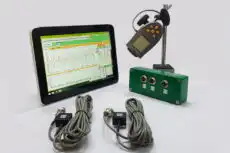
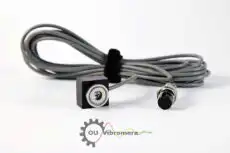
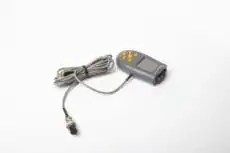
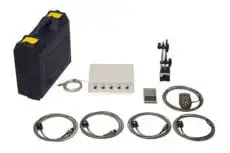
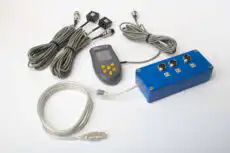
ಈ ಸುರಕ್ಷೆ ಪದರ ರೋಗನಿರ್ಣಯ ಯಂತ್ರೀಕರಣದಿಂದ ವಿಭಿನ್ನವಾಗಿದೆ. ಸುರಕ್ಷಾ ವ್ಯವಸ್ಥೆ ಒಂದೇ ಹೌದು/ಇಲ್ಲ ಪ್ರಶ್ನೆಗೆ ಉತ್ತರ ನೀಡುತ್ತದೆ — ಈ ಯಂತ್ರ ಚಲಿಸುವುದನ್ನು ಮುಂದುವರಿಸಬೇಕು? — ಆದರೆ ಪೋರ್ಟೇಬಲ್ ವಿಶ್ಲೇಷಕ ಉತ್ತರ ನೀಡುತ್ತದೆ ಏಕೆ ನೊಂದಿಸುವಿಕೆ ಮೊದಲ ಸ್ಥಾನದಲ್ಲಿ ಏರುತ್ತಿದೆ. ಯಂತ್ರವು ಟ್ರಿಪ್ ಮಾಡಿದಾಗ, ಅಥವಾ ಅದರ ಪ್ರವೃತ್ತಿ ಟ್ರಿಪ್ ಬ್ಯಾಂಡ್ನೆಡೆಗೆ ಸರಿಯಾಗುತ್ತಿದ್ದಾಗ, ಇಂಜಿನಿಯರ್ಗಳು Balanset ನಂತಹ ಪೋರ್ಟೇಬಲ್ ಎರಡು-ಚಾನೆಲ್ ಯಂತ್ರವನ್ನು ತರುತ್ತಾರೆ ಬ್ಯಾಲೆನ್ಸೆಟ್-1ಎ ಬೇರಿಂಗ್ ಆವಾಸಸ್ಥಾನಗಳಿಗೆ ಸ್ಪೆಕ್ಟ್ರಮ್ ಮತ್ತು 1× ನೊಂದಿಸುವಿಕೆ ಕ್ಯಾಪ್ಚರ್ ಮಾಡಲು. ವೈಶಾಲ್ಯ ಮತ್ತು ಹಂತ. ಆ ರೋಗನಿರ್ಣಯವು ಕಾರಣವು ಯಾವುದೆಂದು ಬಹಿರಂಗಪಡಿಸುತ್ತದೆ unbalance, misalignment, or a ಬೇರಿಂಗ್ ದೋಷ — ಮತ್ತು, ಮೂಲ ಕಾರಣವು ಅಸಮತೋಲನವಾಗಿರುವ ಸ್ಥಳದಲ್ಲಿ, ಅದೇ ಯಂತ್ರ ಸ್ಥಳದಲ್ಲಿ ರೋಟರ್ ಸಮತೋಲನ ಮಾಡುತ್ತದೆ ಇದರಿಂದ ನೊಂದಿಸುವಿಕೆ ಟ್ರಿಪ್ ಮೆಳುವಿನಿಂದ ದೂರವಾಗಿ ಬೀಳುತ್ತದೆ.
5. ಟ್ರಿಪ್ ಘಟನೆ ನಿರ್ವಹಿಸುವುದು
ಟ್ರಿಪ್ ಸಂಭವಿಸಿದಾಗ
- ತಕ್ಷಣ: ಸಾಧನವು ಸ್ವಯಂಚಾಲಿತವಾಗಿ ಬಂದ್ಚ್ಹಟ್ಡೌನ್ ಆಗುತ್ತದೆ.
- ಅಲಾರ್ಮ್: ಆಪರೇಟರ್ಗಳಿಗೆ ಟ್ರಿಪ್ ಸ್ಥಿತಿ ಮತ್ತು ಅದರ ಕಾರಣದ ಬಗ್ಗೆ ತಿಳಿಸಲಾಗುತ್ತದೆ.
- ಡೇಟಾ ಸೆರೆಹಿಡಿಯುವಿಕೆ: ಟ್ರಿಪ್ಗಿಂತ ಮೊದಲಿನ ಮತ್ತು ಟ್ರಿಪ್ನ ಸಮಯದಲ್ಲಿನ ಕಂಪನ ಡೇಟಾ ವಿಶ್ಲೇಷಣೆಗಾಗಿ ಉಳಿಸಿಕೊಳ್ಳಲಾಗುತ್ತದೆ.
- ಪರಿಶೀಲನೆ: ಮೂಲ ಕಾರಣ ನಿರ್ಧರಿಸಲಾಗುತ್ತದೆ.
- ಲಾಕ್ಔಟ್: ಸ್ಪೂರ್ತಿ ತೆರವುಗೊಳ್ಳುವವರೆಗೆ ಪುನರಾರಂಭ ನಿರ್ಬಂಧಿತವಾಗಿರುತ್ತದೆ.
ಟ್ರಿಪ್ನ ನಂತರದ ಕ್ರಿಯೆಗಳು
- ಸಾಧನದ ಕ್ಷತಿಗಾಗಿ ತಪಾಸಣೆ ಮಾಡಿ.
- ಉಳಿಸಿಕೊಂಡ ಕಂಪನ ಡೇಟಾವನ್ನು ವಿಶ್ಲೇಷಿಸಿ.
- ಟ್ರಿಪ್ ಆದಿಕೊಳ್ಳಿಸಿದ ಸ್ಪೂರ್ತಿಯನ್ನು ಗುರುತಿಸಿ.
- ಸಮಸ್ಯೆಯನ್ನು ದೂರ ಮಾಡಿ.
- ಟ್ರಿಪ್ ಸೆಟ್ಪಾಯಿಂಟ್ ಸೂಕ್ತವಾಗಿದೆ ಎಂದು ಖಚಿತಪಡಿಸಿ — ತಡಿ ಅಥವಾ ವಿಳಂಬವಾಗಿಲ್ಲ.
- ಘಟನೆ ಮತ್ತು ಕಲಿತ ಪಾಠಗಳನ್ನು ದಾಖಲಿಸಿ.
Trip reset
- ಸ್ವಯಂಚಾಲಿತವಾದುದೇ ಆಗಲಿ, ಎಂದಿಗೂ ಕೈಯಾರೆ ರೀಸೆಟ್ ಅಗತ್ಯವಾಗಿ ಇರಲಿ.
- ತೆರವುಗೊಳ್ಳುವ ಮೊದಲು ಕಾರಣವನ್ನು ನಿವಾರಿಸಿದೆ ಎಂದು ಖಚಿತಪಡಿಸಿ.
- ಪುನರಾರಂಭಕ್ಕೆ ಅನುಮೋದನೆ ಪಡೆಯಿರಿ.
- ಮೊದಲು ಟ್ರಿಪ್ನ ನಂತರದ ತಪಾಸಣೆ ಪೂರ್ಣ ಮಾಡಿ.
6. ಸುಳ್ಳು ಟ್ರಿಪ್ಗಳನ್ನು ತಡೆಯುವುದು
ಸರಿಯಾದ ಸೆಟ್ಪಾಯಿಂಟ್ ಆಯ್ಕೆ
- ಅನಗತ್ಯ ಟ್ರಿಪ್ಗಳನ್ನು ತಪ್ಪಿಸಲು ಸಾಕಷ್ಟು ಹೆಚ್ಚು.
- ಸಾಧನವನ್ನು ರಕ್ಷಿಸಲು ಸಾಕಷ್ಟು ಕಡಿಮೆ.
- ಸಾಮಾನ್ಯವಾಗಿ ಅಪಾಯ ಅಲಾರ್ಮ್ಗಿಂತ 20–30% ಮೇಲಿನ ಅಂಚು.
- ಯಂತ್ರವು ತನ್ನ ಮೂಲಕ ಹೋಗುವಾಗ ಸಂಭವಿಸುವ ಅಲ್ಪಾವಧಿಯ ಕಂಪನಕ್ಕೆ ಗ್ರಾಹ್ಯತೆ ನಿರ್ಣಾಯಕ ವೇಗ ಸ್ಟಾರ್ಟಅಪ್ ಸಮಯದಲ್ಲಿ।
Time delays
- ಸಣ್ಣ ವಿಳಂಬ (1–5 ಸೆಕೆಂಡುಗಳು) ಸ್ಥಿತಿ ಧಾರಾವಾಹಿಕವಾಗಿದೆ ಎಂದು ಖಚಿತಪಡಿಸುತ್ತದೆ।
- ಇದು ತಾತ್ಕಾಲಿಕ ತೀವ್ರವೃದ್ಧಿಗಳ ಕಾರಣದ ಕ್ರಿಯಾತ್ಮಕತೆಯನ್ನು ತಡೆಯುತ್ತದೆ।
- ಆದರೆ ಸುರಕ್ಷತ್ವ ಸಂರಕ್ಷಣೆಯನ್ನು ಸಂರಕ್ಷಿಸಲು ಇದು ಸಾಕಷ್ಟು ಚಿಕ್ಕದಾಗಿರಬೇಕು।
Voting logic
- ಎರಡು ಸಂವೇದಕಗಳು ಒಪ್ಪಿಕೊಳ್ಳುವ ಅಗತ್ಯ (2-ರಿಂದ-2)।
- ಅಥವಾ ಮೂರು ಸಂವೇದಕಗಳಲ್ಲಿ ಎರಡು (2-ರಿಂದ-3 ಮತದಾನ)।
- ಇದು ಒಂದೇ ಸಂವೇದಕ ವಿಫಲತೆ ಭ್ರಮಿತ ಕ್ರಿಯಾತ್ಮಕತೆಗೆ ಬಲವಂತಿಸುವುದನ್ನು ತಡೆಯುತ್ತದೆ ಮತ್ತು ಸಂಪೂರ್ಣ ವಿಶ್ವಾಸಾರ್ಹತೆಯನ್ನು ಹೆಚ್ಚಿಸುತ್ತದೆ।
7. ಪರೀಕ್ಷೆ, ಪರಿಶೀಲನೆ ಮತ್ತು ಮಾನದಂಡಗಳು
ಕಾರ್ಯಕ್ಷೇತ್ರ ಪರೀಕ್ಷೆ ಮತ್ತು ಮಾಂಚೀಕರಣ
- ಕ್ರಿಯಾತ್ಮಕತೆ ಪರೀಕ್ಷೆಯನ್ನು ನಿಯತಕಾಲಿಕವಾಗಿ ಪರೀಕ್ಷಿಸಿ — ಕನಿಷ್ಠ ವಾರ್ಷಿಕವಾಗಿ।
- ಹೆಚ್ಚಿನ ಕಂಪನವನ್ನು ಅನುಕರಿಸಿ ಅಥವಾ ಪರೀಕ್ಷಾ ಸಂಕೇತವನ್ನು ಇಂಜೆಕ್ಟ್ ಮಾಡಿ ಕ್ರಿಯಾತ್ಮಕತೆ ನಿಷ್ಕಾಸನವನ್ನು ದೃಢೀಕರಿಸಲು।
- ಪ್ರತಿಯೊಂದು ಅನುರೂಪ ಚಾನೆಲ್ ಪರೀಕ್ಷಿಸಿ ಮತ್ತು ಫಲಿತಾಂಶಗಳನ್ನು ದಾಖಲಿಸಿ।
- ಸಂವೇದಕಗಳು ಮತ್ತು ಸೆಟ್ಪಾಯಿಂಟ್ಗಳನ್ನು ಮಾಂಚೀಕರಿಸಿ, ವ್ಯವಸ್ಥೆಯ ಪ್ರತಿಕ್ರಿಯಾ ಸಮಯವನ್ನು ಅಳೆಯಿರಿ ಮತ್ತು ಕ್ರಿಯಾತ್ಮಕತೆ ಸರಣಿಯಲ್ಲಿ ಪ್ರತಿಯೊಂದು ಘಟಕವನ್ನು ಪರಿಶೀಲಿಸಿ।
ನಿಯಂತ್ರಕ ಮತ್ತು ಮಾನದಂಡ ಸಂದರ್ಭ
- API 670: 10,000 HP ಮತ್ತು ಅದಕ್ಕಿಂತ ಹೆಚ್ಚಿನ ಟರ್ಬೋಮಾಷಿನರಿಗೆ ಕಂಪನ ಕ್ರಿಯಾತ್ಮಕತೆಯನ್ನು ಕಡ್ಡಾಯವಾಗಿ ಮಾಡುತ್ತದೆ ಮತ್ತು ಸೆಟ್ಪಾಯಿಂಟ್, ಮತದಾನ ತರ್ಕ ಮತ್ತು ಪರೀಕ್ಷೆಗಳನ್ನು ನಿರ್ದಿಷ್ಟ ಮಾಡುತ್ತದೆ — ನಿರ್ಣಾಯಕ ಸಾಧನಗಳಿಗೆ ವಾಸ್ತವ ಪ್ರಮಾಣದ ಮಾನದಂಡ।
- IEC 61508: ವಿದ್ಯುತ್/ಎಲೆಕ್ಟ್ರಾನಿಕ್ ಸುರಕ್ಷತ್ವ ವ್ಯವಸ್ಥೆಗಳ ಕ್ರಿಯಾತ್ಮಕ ಸುರಕ್ಷತ್ವ।
- IEC 61511: ಪ್ರಕ್ರಿಯೆ ಸಮೃದ್ಧ ಕ್ರಿಯಾತ್ಮಕ ಸುರಕ್ಷತ್ವ।
- SIL ratings: ಅವರು ರಕ್ಷಿಸುವ ಝುಂಕಿಗಳಿಗೆ ಅನುಸಾರವಾಗಿ ಕ್ರಿಯಾತ್ಮಕತೆ ವ್ಯವಸ್ಥೆಗಳಿಗೆ ಅನ್ವಯ ಮಾಡಲಾಗುತ್ತದೆ।
ಸಂಕ್ಷೇಪದಲ್ಲಿ, ಕ್ರಿಯಾತ್ಮಕತೆ ಸ್ತರವು ಯಂತ್ರ-ನಿರೀಕ್ಷಣ ವ್ಯವಸ್ಥೆಯಲ್ಲಿ ಅಂತಿಮ ರಕ್ಷಣಾ ಮಾನದಂಡವಾಗಿದೆ, ಕಂಪನ ಸಂಕೇತಗಳು ಕಾರ್ಯನಿರ್ವಾಹಕ ವೈಫಲ್ಯವನ್ನು ಸೂಚಿಸಿದಾಗ ಸ್ವಯಂಚಾಲಿತವಾಗಿ ಸಾಧನಗಳನ್ನು ನಿಲುಮೆಯಿಸುತ್ತದೆ। ಸರಿಯಾದ ಸೆಟ್ಪಾಯಿಂಟ್ ನಿರ್ಮಾಣ, ಅನುರೂಪ ಮತ್ತು ವಿಶ್ವಾಸಾರ್ಹ ವಸ್ತುವಸ್ತು, ಶಿಸ್ತಬದ್ಧ ನಿಯತಕಾಲಿಕ ಪರೀಕ್ಷೆ ಮತ್ತು ಸಂಯೋಜನೆ ಉದ್ಯಾನ ಸುರಕ್ಷತ್ವ ವ್ಯವಸ್ಥೆಯ ಸಂಯೋಜನೆಯು ಈ ಅಂತಿಮ ರಕ್ಷಾಚಾನೆಯನ್ನು ನಿರ್ভರಕ್ಷಯ ಕಾಳಜಿ ಮಾಡುತ್ತದೆ — ಉತ್ಚ-ಮೌಲ್ಯದ ತಿರುಗುತ್ತಿರುವ ಯಂತ್ರೋಪಕರಣ ಮತ್ತು ಅದರ ಸುತ್ತಲೂ ಕೆಲಸ ಮಾಡುವ ಜನರನ್ನು ರಕ್ಷಿಸುತ್ತದೆ।

