ತಿರುಗುವ ಯಂತ್ರೋಪಕರಣಗಳಲ್ಲಿ ಶಾಫ್ಟ್ ಅಪೇಕ್ಷಾ ಸಂರೇಖನವನ್ನು ಅರ್ಥಮಾಡಿಕೊಳ್ಳುವುದು

ಶಾಫ್ಟ್ ಸಮನ್ವಯ ದೋಷ ಎಂಬುದು ಅಂದರೆ ಎರಡು ಅಥವಾ ಹೆಚ್ಚಿನ ಸಂಯೋಜಿತ ಶಾಫ್ಟ್ನ ತಿರುಗುವಿಕೆ ಕೇಂದ್ರ ರೇಖೆಗಳು ಯಂತ್ರವು ಸಾಮಾನ್ಯ ಚಾಲನೆಯ ಪರಿಸ್ಥಿತಿಗಳಲ್ಲಿ ಚಲಿಸಿದಾಗ ಸಮರೇಖೀಯವಾಗಿರುವುದಿಲ್ಲ. ಅದರ ಜೊತೆಗೆ unbalance, ಇದು ಯಂತ್ರೋಪಕರಣ ವಿಫಲತೆ ಆರಂಭಿಕ ಕಾರಣಗಳಲ್ಲಿ ಒಂದು ಸಾಮಾನ್ಯವಾದುದು, ಇದು vibration, ಬೇರಿಂಗ್ ಮತ್ತು ಮುದ್ರೆಯನ್ನು ನಾಶಮಾಡುತ್ತದೆ ಮತ್ತು ಶಕ್ತಿಯನ್ನು ವ್ಯರ್ಥ ಮಾಡುತ್ತದೆ. ನಿಖುದ ಸಂರೇಖನದ ಲಕ್ಷ್ಯವು ಶಾಫ್ಟ್ ಕೇಂದ್ರ ರೇಖೆಗಳನ್ನು ನಿರ್ದಿಷ್ಟ ಸಹನಶೀಲತೆಯೊಳಗೆ, ಯಂತ್ರವು ನಿಜವಾಗಿ ಚಲಿಸುವ ತಾಪಮಾನ ಮತ್ತು ಲೋಡ್ನಲ್ಲಿ ಸಮರೇಖೀಯವಾಗಿ ಸಾಧ್ಯವಷ್ಟು ಹತ್ತಿರವಾಗಿ ತರುವುದು.
1. ಅಪೇಕ್ಷಾ ಸಂರೇಖನದ ಪ್ರಕಾರಗಳು
ಅಪೇಕ್ಷಾ ಸಂರೇಖನವನ್ನು ಎರಡು ಪ್ರಾಥಮಿಕ ಪ್ರಕಾರಗಳಾಗಿ ವರ್ಗೀಕರಿಸಲಾಗುತ್ತದೆ, ಆದರೆ ಹೆಚ್ಚಿನ ನೈಜ-ಪ್ರಪಂಚ ಪರಿಸ್ಥಿತಿಗಳಲ್ಲಿ ಎರಡೂ ಪ್ರಕಾರಗಳ ಮಿಶ್ರಣ ವರ್ತಮಾನವಾಗಿರುತ್ತದೆ.
ಸಮಾನಾಂತರ ಅಪೇಕ್ಷಾ ಸಂರೇಖನ (ಪರಿಸರ)
ಸಮಾನಾಂತರ ಅಪೇಕ್ಷಾ ಸಂರೇಖನ ಈ ಸಂದರ್ಭದಲ್ಲಿ ಎರಡು ಶಾಫ್ಟ್ ಕೇಂದ್ರ ರೇಖೆಗಳು ಒಂದಕ್ಕೊಂದು ಸಮಾನಾಂತರವಾಗಿ ಚಲಿಸುತ್ತವೆ ಆದರೆ ಕೆಲವು ದೂರದಲ್ಲಿ ಪರಿಸರ ನೀಡುತ್ತವೆ. ಒಂದು ಶಾಫ್ಟ್ ಇನ್ನೊಂದಕ್ಕಿಂತ ಎತ್ತರದಲ್ಲಿ ಅಥವಾ ಕೆಳಭಾಗದಲ್ಲಿರುತ್ತದೆ (ಲಂಬ ಪರಿಸರ), ಅಥವಾ ಒಂದು ಬದಿಗೆ ವರ್ಗಾಯನೆಗೊಳ್ಳುತ್ತದೆ (ಸಮತಲ ಪರಿಸರ) ಎಂದು ಕಲ್ಪನೆ ಮಾಡಿಕೊಳ್ಳಿ. ಕೇಂದ್ರ ರೇಖೆಗಳು ಎಂದಿಗೂ ಭೇಟಿಯಾಗುವುದಿಲ್ಲ; ಅವು ಸರಳವಾಗಿ ಪಕ್ಕದಿಂದ ಪಕ್ಕವಾಗಿ ಚಲಿಸುತ್ತವೆ.
ಕೋನೀಯ ಅಪೇಕ್ಷಾ ಸಂರೇಖನ
ಕೋನೀಯ ಅಪೇಕ್ಷಾ ಸಂರೇಖನ ಈ ಸಂದರ್ಭದಲ್ಲಿ ಎರಡು ಶಾಫ್ಟ್ಗಳು ಒಂದಕ್ಕೊಂದು ಕೋನದಲ್ಲಿ ಇರುತ್ತವೆ. ಅವುಗಳ ಕೇಂದ್ರ ರೇಖೆಗಳು ಸಂಯೋಜನದಲ್ಲಿ ಛೇದಿಸುತ್ತವೆ ಆದರೆ ಒಂದೇ ಸಾಲಿನಲ್ಲಿ ಇರುವುದಿಲ್ಲ, ಇದು ಸಂಯೋಜನದಲ್ಲಿ “ಅಂತರ”ವನ್ನು ಮೂಲಿಯಾಗಿ ನೀಡುತ್ತದೆ, ಇದು ಒಂದು ಬದಿಗಿಂತ ಇನ್ನೊಂದು ಬದಿಯಲ್ಲಿ ಹೆಚ್ಚಿನವಾಗಿರುತ್ತದೆ.
ಸಂಯುಕ್ತ ದುಷ್ಟ ಜೋಡಣೆ
ಇದು ಪ್ರಾಯೋಗಿಕವಾಗಿ ಹೆಚ್ಚು ಸಾಮಾನ್ಯ ಪರಿಸ್ಥಿತಿ: ಶಾಫ್ಟ್ಗಳು ಸಮಾನಾಂತರ ಸ್ಥಳಾಂತರ ಮತ್ತು ಕೋನೀಯ ದುಷ್ಟ ಜೋಡಣೆ ಎರಡನ್ನೂ ಏಕಕಾಲದಲ್ಲಿ ಅನುಭವಿಸುತ್ತವೆ. ವಾಸ್ತವ ಯಂತ್ರಗಳು ಸಂಪೂರ್ಣ ಪ್ರತ್ಯೇಕತೆಯಲ್ಲಿ ಒಂದೇ ಪ್ರಕಾರವನ್ನು ಎಂದಿಗೂ ಪ್ರಸ್ತುತ ಮಾಡುವುದಿಲ್ಲ, ಅದಕ್ಕಾಗಿ ಜೋಡಣೆ ಲಂಬ ಮತ್ತು ಸಮತಲ ತಲೆಗಳ ಎರಡೂ ಸಮಯದಲ್ಲಿ ಸರಿಪಡಿಸಲಾಗುತ್ತದೆ.
2. ದುಷ್ಟ ಜೋಡಣೆಯ ಕಂಪನ ಸಹಿ
ದುಷ್ಟ ಜೋಡಣೆ ಬಹಳ ವಿಭಿನ್ನ ಸಹಿ ತಯಾರಿಸುತ್ತದೆ ಅದನ್ನು ಒಬ್ಬ ವಿಶ್ಲೇಷಕ ಒಳಗೆ ತೆಗೆದುಕೊಳ್ಳಬಹುದು FFT spectrum:
- ಪ್ರಾಥಮಿಕ ಸೂಚಕ (2×): ಶ್ರುತ ಚಿಹ್ನೆ ಗರಿಷ್ಠ ವೈಶಾಲ್ಯದೊಂದಿಗೆ ಪಿಕ್ ಅನ್ನು ನಿಖರವಾಗಿ 2× ತಿರುಗುವಿಕೆ ವೇಗ (2ನೇ ಆದೇಶ). ದುಷ್ಟ ಜೋಡಣೆ ಶಕ್ತಿ ಶಾಫ್ಟ್ ಮತ್ತು coupling ಪ್ರತಿ ಕ್ರಾಂತಿಗೆ ಎರಡು ಬಾಗುವ ಚಕ್ರಗಳಿಗೆ, ಆದ್ದರಿಂದ ಶಕ್ತಿ ಎರಡು ಬಾರಿ ಕೇಂದ್ರೀಕೃತ ಮಾಡುತ್ತದೆ running speed.
- ಹೆಚ್ಚಿನ ಅಕ್ಷೀಯ ಕಂಪನ: ದುಷ್ಟ ಜೋಡಣೆ ಸಾಮಾನ್ಯವಾಗಿ ಪ್ರಬಲ ಉತ್ಪಾದನ ಮಾಡುತ್ತದೆ ಅಕ್ಷೀಯ ಕಂಪನ (ಶಾಫ್ಟ್ಗೆ ಸಮಾನಾಂತರ). ಅಕ್ಷೀಯ ದಿಕ್ಕಿನಲ್ಲಿ ಹೆಚ್ಚಿನ 2× ಪಿಕ್ ಎಲ್ಲಾ ಸಬಲ ಸೂಚಕಗಳ ಒಂದು ಆಗಿದೆ.
- ಇತರೆ ಹಾರ್ಮೋನಿಕ್ಗಳು (1×, 3×, 4×): ಆದರೆ 2× ಪ್ರಾಥಮಿಕ, ದುಷ್ಟ ಜೋಡಣೆ ಸಹ 1× ಅಂಶ ಎತ್ತಿ ಮಾಡಬಹುದು, ಮತ್ತು ತೀವ್ರ ಪ್ರಕರಣಗಳು - ನಿರ್ದಿಷ್ಟವಾಗಿ ಸಮಾನಾಂತರ ಸ್ಥಳಾಂತರ - ಹೆಚ್ಚಿನ ಜನರೆ harmonics ಅಂತಹ 3× ಮತ್ತು 4×.
- ಯೋಗ-ನಿರ್ದಿಷ್ಟ ಆವರ್ತನಗಳು: ಕೆಲವು ಯೋಗಗಳು, ಹೀರಿಕೊಳ್ಳುವ ಅಥವಾ ದುಷ್ಟ ಜೋಡಣೆಯಿಂದ ಕ್ಷೀಣವಾದವುಗಳು, ತಮ್ಮ ಸ್ವಂತ ನಿರ್ದಿಷ್ಟ ಆವರ್ತನಗಳಲ್ಲಿ ಕಂಪನ ಉತ್ಪಾದನ ಮಾಡುತ್ತವೆ.
2× ಪಿಕ್ 1× ಪಿಕ್ನ 50% ಅಥವಾ ಹೆಚ್ಚು ಅನುಪಾತವಾಗಿರುವ ಸ್ಪೆಕ್ಟ್ರಮ್, ವಿಶೇಷವಾಗಿ ಉನ್ನತ ಅಕ್ಷೀಯ ಕಂಪನದೊಂದಿಗೆ ಕೂಡಿದ, ದುಷ್ಟ ಜೋಡಣೆಯ ಪಾಠ್ಯಪುಸ್ತಕ ಕಾರಣ ಆಗಿದೆ. 1× ಅಂಶ ಸಹ ಎತ್ತಿ ಮಾಡಬಹುದು ಕಾರಣ, ದುಷ್ಟ ಜೋಡಣೆ ಅಸಮತೋಲನದೊಂದಿಗೆ ಗೊಂದಲ ಸುಲಭ; ನಿರ್ಧಾರ ಸುಳಿವುಗಳು 2× ಪಿಕ್ ಮತ್ತು ಅಕ್ಷೀಯ ಓದುವಿಕೆಯ ಸಾಪೇಕ್ಷ ಗಾತ್ರ. ರೋಗನಿರ್ಣಯ ದೃಢೀಕರಣ phase ಯೋಗದ ಅಗತ್ಯತೆ ತುದಿ ಅಲುಗಾಲ ಅಸ್ಪಷ್ಟತೆ ಪರಿಹರಿಸುತ್ತದೆ - ದುಷ್ಟ ಜೋಡಣೆ ಯಂತ್ರಗಳು ಸಾಮಾನ್ಯವಾಗಿ ಯೋಗದ ಒಂದೇ ಪಕ್ಷದಿಂದ ಇತರೆ ಬದಿಗೆ ಸರಾಗ 180° ಅಕ್ಷೀಯ ಪ್ರಸ್ತುತಕ ವ್ಯತ್ಯಾಸ ತೋರಿಸುತ್ತವೆ.
3. ದುರ್ಲಿಪಿತವಿನ್ಯಾಸದ ಸಾಮಾನ್ಯ ಕಾರಣಗಳು
ದುರ್ಲಿಪಿತವಿನ್ಯಾಸ ಸ್ಥಾಪನಾ ದಿನದಿಂದ ಉಪಸ್ಥಿತವಾಗಬಹುದು ಅಥವಾ ಸೇವೆಯಲ್ಲಿ ಕ್ರಮೇಣ ಅಭಿವೃದ್ಧಿಯಾಗಬಹುದು.
- ಅಸರಿಸುವ ಸ್ಥಾಪನೆ: ಸರ್ವ ಸಾಮಾನ್ಯ ಕಾರಣವು ಆರಂಭಿಕ ಯಂತ್ರ ಸಿದ್ಧತೆಯ ಸಮಯದಲ್ಲಿ ಸೆಬೆಲೆ ದುಷ್ಟೆ ಅಭಾವವಾಗಿದೆ.
- ಉಷ್ಣದ ಬೆಳವಣಿಗೆ: ಯಂತ್ರಗಳು ಸುತ್ತಮುತ್ತಳ ಶಾಖದಿಂದ ಕಾರ್ಯನಿರ್ವಹಣೆ ಶಾಖಕ್ಕೆ ಬೆಳೆದಾಗ ಅವುಗಳ ಘಟಕಗಳು ವಿಸ್ತರಿತವಾಗುತ್ತವೆ. ಮೋಟರ್ ಎತ್ತರದ ಮೇಲೆ ಬೆಳೆಯಬಹುದು, ಅಥವಾ ಪಂಪ್ ಕಮಾನುವು ಬೀಸುತ್ತದೆ, ಶಾಫ್ಟ್ಗಳನ್ನು ದುರ್ಲಿಪಿತವಿನ್ಯಾಸದ ಹೊರಗೆ ಎಳೆಯುತ್ತದೆ. ಉತ್ತಮ ತಂಪು ದುರ್ಲಿಪಿತವಿನ್ಯಾಸವು ಉದ್ದೇಶಪೂರ್ವಕವಾಗಿ ಯಂತ್ರಗಳನ್ನು ಆಫ್ಸೆಟ್ ಮಾಡುತ್ತದೆ ಇದರಿಂದ ಅವು into ದುರ್ಲಿಪಿತವಿನ್ಯಾಸ ಬಿಸಿ ಆಗಿದೆ — ಇದು ಏಕೆ ಉಷ್ಣದ ಬೆಳವಣಿಗೆ ಸರಿದೂಗಣೆ ಗುರಿ ಅಂಕಿ ಅಂಶಗಳಿಗೆ ನಿರ್ಮಿಸಲಾಗಿದೆ.
- Pipe strain: ಅಸಾಧಾರಣ ಬೆಂಬಲಿತ ಇನ್ಲೆಟ್ ಅಥವಾ ಔಟ್ಲೆಟ್ ಪೈಪಿಂಗ್ ಒಳಗಡೆ ಶಕ್ತಿಗಳು ಪಂಪ್ ಅಥವಾ ಸಂಕ್ಷಿಪ್ತಕರಣ ಯೋಜಕರನ್ನು ಅವುಗಳ ಚಾಲಕರೊಂದಿಗೆ ದುರ್ಲಿಪಿತವಿನ್ಯಾಸದ ಹೊರಗೆ ಎಳೆಯಬಹುದು — ಪ್ರಕ್ರಿಯೆ ಎಲುವುಗಳಲ್ಲಿ ಬಹಳ ಸಾಮಾನ್ಯ ಸಮಸ್ಯೆ.
- ಅಸ್ತಿವಾರ ಸಮಸ್ಯೆಗಳು: ದುರ್ಬಲ ಅಥವಾ ಸರಿದೀರ್ಘ ಅಸ್ತಿವಾರ, ಅಥವಾ ಸಡಗರ ಚಿಕ್ಕ ಬೋಲ್ಟ್ಗಳು, ಯಂತ್ರವು ಸಮಯದೊಂದಿಗೆ ಬದಲಾಯಿತು ಬಿಡುತ್ತವೆ. ಗುರುತುದಾರಿ ಅಸ್ತಿವಾರ ನಿಷ್ಠುರತೆ ಲೋಡ್ ಅಡಿಯಲ್ಲಿ ದುರ್ಲಿಪಿತವಿನ್ಯಾಸ ಸರಿಹೋಗಲು ಅವಕಾಶ ನೀಡುತ್ತದೆ.
- Soft foot: ಒಂದು ಸ್ಥಾಪನೆ ಚಿಕ್ಕ ಬೆಳೆಯದ ಬೋಲ್ಟ್ಗಳು ತಲುಪುವುದಿಲ್ಲ ಮತ್ತು ವಾಸ್ತವವಾಗಿ ಪುಷ್ಟಿಶೆಷ್ಠನೆ ಚಲನ ಛಾಬ್ಪಿಯ ಉಭಯ ತೈಕುಂಡು ಆಧಾರಿ, ಬೋಲ್ಟ್ಗಳನ್ನು ತೆಳುವಾಗಿ ನಗಾಹುತ್ತವೆ ಯಂತ್ರ ಘಟನೆ ವಿಕೃತೀಕರಣ. Soft foot ದುರ್ಲಿಪಿತವಿನ್ಯಾಸ ತಲುಪುವುದಕ್ಕೆ ಮುಂಚೆ ಸರಿ ಮಾಡಬೇಕು.
4. ದುರ್ಲಿಪಿತವಿನ್ಯಾಸ ಸರಿಪಡಿಸುವುದು ಏಕೆ ನಿರ್ಣಾಯಕವಾಗಿದೆ
ದುರ್ಲಿಪಿತವಿನ್ಯಾಸದೊಂದಿಗೆ ಯಂತ್ರವನ್ನು ಚಾಲಿಸುವುದು ತೀವ್ರ ಪರಿಣಾಮಗಳನ್ನು ಹೊಂದಿದೆ:
- ಬೆಲ್ಲ ಮತ್ತು ಸೀಲುಗಳ ವಿಫಲತೆ: ಶಾಫ್ಟ್ಗಳಿನ ಮೇಲಿನ ಎತ್ತರದ ಚಕ್ರ ಸೂಲುವುಗಳು ನೇರವಾಗಿ ಬೆಲ್ಲಗಳು ಮತ್ತು ಸೀಲುಗಳಿಗೆ ಹೋದರೆ, ಅವುಗಳು ಅಕಾಲೀನವಾಗಿ ವಿಫಲವಾಗುತ್ತವೆ — ಪುನರಾವರ್ತಿತ ಹಿಂದೆಯ ಅಪರೂಪದ ಮೂಲ ಕಾರಣ ಮೂಲಕೋಶ ಪ್ರಮುಖದೋಷಗಳು.
- ಸಂಯೋಜನ ವಿಫಲತೆ: ಸಂಯೋಜನಗಳು ಯೋಚನೆಯಲ್ಲಿ ಸ್ವಲ್ಪ ಅಮಾನ್ಯಗಿರಿಕೆ ಸಹನೆ ಮಾಡಬಹುದು, ಆದರೆ ಅತಿಯಾದ ಅಮಾನ್ಯಗಿರಿಕೆ ಅವುಗಳನ್ನು ಧರಿಸುತ್ತದೆ ಮತ್ತು ಬೇಗನೆ ವಿಫಲ ಮಾಡುತ್ತದೆ.
- Shaft fatigue: ಶಾಫ್ಟ್ನ ಪುನರಾವರ್ತಿತ ಬಾಗುವಿಕೆ ಬೀಜ ಸಾಧ್ಯತೆ ಇದೆ fatigue ಖಿನ್ನತೆಗಳು ಮತ್ತು ಅಂತಿಮ ಶಾಫ್ಟ್ ವಿಫಲತೆಗೆ ಕಾರಣವಾಗಬಹುದು.
- ಹೆಚ್ಚಿದ ಶಕ್ತಿ ಬಳಕೆ: ಗಮನಾರ್ಹ ಶಕ್ತಿ ಉಪಯೋಗಿ ಕೆಲಸದ ಬದಲಿಗೆ ಶಾಖ ಮತ್ತು ಕಂಪನವಾಗಿ ವ್ಯರ್ಥವಾಗುತ್ತದೆ.
5. ಜೋಡಣೆ ಸುಧಾರಣೆ ಮತ್ತು ಪರಿಶೀಲನೆ
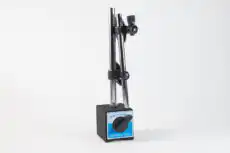
ನಿಖಿಲ ಜೋಡಣೆ — ಡಯಲ್ ಸೂಚಕಗಳು ಅಥವಾ ಲೇಸರ್ ಶಾಫ್ಟ್ ಜೋಡಣೆ ವ್ಯವಸ್ಥೆಗಳು — ಯಾವುದೇ ಪರಿಣಾಮಕಾರಿ ನಿರ್ಭರತೆ ಮತ್ತು ನಿರ್ವಹಣೆ ಕಾರ್ಯಕ್ರಮದ ಮೂಲಾಧಾರವಾಗಿದೆ. ಸುಧಾರಣೆಯನ್ನು ಸಾಮಾನ್ಯವಾಗಿ ಪೌಟಿಂಗ್ ಅಂತರ್ಗತ ಮಾಪನಗಳು ಸೇರಿಸುವ ಅಥವಾ ತೆಗೆದುಕೊಳ್ಳುವ ಮೂಲಕ ಮತ್ತು ಪಗಳುವ ಯಂತ್ರವನ್ನು ಸಮತಲವಾಗಿ ಮುಖ ಮಾಡುವ ಮೂಲಕ, ಅಪೇಕ್ಷಿತ ಚಲನೆಗಳು ಅಳೆಯಲಾದ ವಿಚಲನ ಮತ್ತು ಕೋನೀಯತೆಯಿಂದ ಗಣಿಸಲಾಗಿದೆ; ಎ ಪೌಟಿಂಗ್ ದಪ್ಪತೆ ಕ್ಯಾಲ್ಕುಲೇಟರ್ ಸೂಚಕ ಓದುವಿಕೆಗಳನ್ನು ಪ್ರತಿ ಕಾಲುಗೆ ನಿಖರವಾದ ಪೌಟಿಂಗ್ ಸ್ಟ್ಯಾಕ್ಗೆ ಪರಿವರ್ತಿಸುತ್ತದೆ, ಮತ್ತು ಒಂದು ಜೋಡಣೆ ಸಹನಶೀಲತೆ ಉಲ್ಲೇಖ ಫಲಿತಾಂಶ ವೇಗದ ಸ್ವೀಕಾರಾರ್ಹತೆಯ ಖಚಿತ ಪಡಿಸುವುದು.
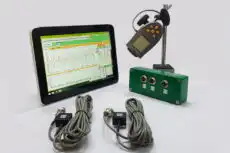
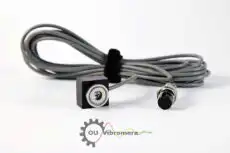
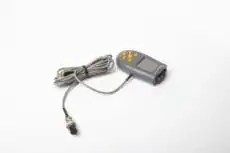
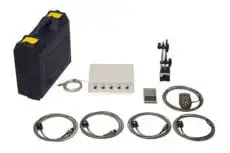
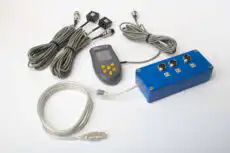
ಕೆಲಸ ಸಂಯೋಜನದಲ್ಲಿ ಮುಗಿಯುವುದಿಲ್ಲ. ಜೋಡಣೆಯ ನಂತರ, ಯಂತ್ರವನ್ನು 2× ಶಿಖರ ಮತ್ತು ಅಕ್ಷೀಯ ಮಾತ್ರವನ್ನು ಖಚಿತಪಡಿಸಿದ ಕಂಪನ ಸಮೀಕ್ಷೆಯೊಂದಿಗೆ ಪುನಃ-ಪರಿಶೀಲಿಸಬೇಕು. ಇದು ಎಲ್ಲಿ ಪೋರ್ಟೇಬಲ್ ಎರಡು-ಚಾನೆಲ್ ವೈಬ್ರೇಶನ್ ಆನಾಲೈಜರ್ such as the ಬ್ಯಾಲೆನ್ಸೆಟ್-1ಎ ಅಮೂಲ್ಯ: ಇದು ಪೂರ್ವ-ಮತ್ತು-ಪ್ರಸ್ತುತ ರೋಹಿತ ಮತ್ತು ಅಡ್ಡ-ಸಂಯೋಜನ ಹಂತವನ್ನು ಆವರಿಸುತ್ತದೆ, ಸುಧಾರಣೆ ವಾಸ್ತವವಾಗಿ ಅಮಾನ್ಯಗಿರಿಕೆ ಶಕ್ತಿಯನ್ನು ಕಡಿಮೆ ಮಾಡಿದೆ ಎಂದು ಪರಿಶೀಲಿಸುತ್ತದೆ, ಅವುಗಳನ್ನು ಬದಲಾಯಿಸುವ ನೀವು ಅಸ್ಥಿರತೆ ಮತ್ತು ಅಮಾನ್ಯಗಿರಿಕೆ ಆಗಾಗ್ಗೆ ಸಹ-ಅಸ್ತಿತ್ವ ಹೊಂದಿದೆ, ಅದೇ ಯಂತ್ರವು ನಂತರ ಯಾವುದೇ ಅವಶೇಷ 1× ಸರಿ ಮಾಡಬಹುದು field balancing ಸಂಯೋಜನ ಸಂಪೂರ್ಣ — ಸುಧಾರಣೆಯ ವಿರುದ್ಧ ಆಧುನಿಕ ISO 20816-3 ಮಿತಿಗಳು (ISO 10816-3 ಅನ್ನು ಬದಲಾಯಿಸಿದ ಪ್ರಮಾಣಿತ)।

