समजून घेणे नैसर्गिक वारंवारता
प्रत्येक भौतिक संरचनेची अंतर्निहित कंपन वारंवारिता — आणि रेजोनन्सशी असलेला तिचा संबंध कंपन विश्लेषण आणि rotating machinery engineering मधील सर्वात महत्त्वाच्या संकल्पनांपैकी एक का आहे.





नैसर्गिक वारंवारिता गणक
f मोजाn सोप्या प्रणालींसाठी + कार्यरत गतीच्या तुलनेत रेजोनन्स धोका तपासा
Results
नैसर्गिक वारंवारिता आणि रेजोनन्स धोका मूल्यांकन
नैसर्गिक वारंवारिता पाहण्यासाठी
मुख्य संकल्पना — एका दृष्टीक्षेपात
प्रत्येक कंपन करणाऱ्या प्रणालीचे नियंत्रण करणारे तीन मूलभूत गुणधर्म
| संरचना / घटक | नेहमीचे fn श्रेणी | नेहमीचा कार्यरत RPM | रेजोनन्स धोका | टीपा |
|---|---|---|---|---|
| मोठा काँक्रीट पाया | 15–40 Hz | 900–2400 | कमी | अतिशय कडक; सहसा कार्यरत गतीपेक्षा खूप वर |
| स्टील बेसप्लेट / स्किड | 20–80 Hz | 1200–4800 | मध्यम | 2-pole किंवा 4-pole मोटर गतीशी जुळू शकते |
| पाइपिंग प्रणाली (स्पॅन) | 5–50 Hz | 300–3000 | उच्च | लांब आधाररहित स्पॅन अत्यंत संवेदनशील असतात |
| पंप पेडेस्टल | 25–60 Hz | 1500–3600 | मध्यम | उभे पंप विशेषतः समस्याप्रधान असतात |
| फॅन हाउजिंग / श्राऊड | 15–120 Hz | 900–7200 | मध्यम | शीट मेटल पॅनेल्समध्ये अनेक मोड्स असू शकतात |
| इलेक्ट्रिक मोटर फ्रेम | 40–200 Hz | 2400–12000 | कमी | सहसा 1× कार्यरत गतीच्या वर डिझाइन केलेले |
| शाफ्ट (1st critical) | 20–500 Hz | 1200–30000 | उच्च | माहित असणे आवश्यक; critical ओलांडल्यास तीव्र कंपन |
| बेअरिंग हाउसिंग | 100–1000 Hz | — | कमी | 1× गतीने नव्हे तर bearing fault impacts मुळे उत्तेजित होते |
| गिअरबॉक्स casing | 200–2000 Hz | — | कमी | gear meshing frequencies मुळे उत्तेजित होते |
| स्प्रिंग आयसोलेटर्स (बसवलेले) | 2–8 Hz | 120–480 | मध्यम | आयसोलेशनसाठी कार्यरत गतीपेक्षा स्पष्टपणे खाली असणे आवश्यक |
| रबर माउंट्स | 5–25 Hz | 300–1500 | मध्यम | कडकपणा तापमान आणि वयानुसार बदलतो |
| वारंवारता गुणोत्तर (fop / fn) | झोन | वाढ गुणक | व्यावहारिक अर्थ | शिफारस |
|---|---|---|---|---|
| 0 – 0.7 | खाली सुरक्षित | 1.0 – 2.0× | कंपन शक्ती जवळजवळ 1:1 प्रमाणात प्रसारित होते; संरचना forcing सोबत त्याच फेजमध्ये हलते | स्वीकार्य; rigidly mounted उपकरणांसाठी नेहमीचे कार्यरत क्षेत्र |
| 0.7 – 0.85 | जवळ येण्याचा विभाग | 2 – 5× | Amplitude लक्षणीयरीत्या वाढू लागते; प्रारंभिक रेजोनन्स परिणाम | स्थिर अवस्थेतील कार्य टाळा; run-up/coast-down दरम्यान अल्पकाळ पार करणे स्वीकार्य |
| 0.85 – 1.15 | रेजोनन्स पट्टा | 5 – 50× | तीव्र वाढ; amplitude फक्त damping मुळे मर्यादित; संरचनात्मक नुकसान संभवते | येथे कधीही कार्य करू नका; अपरिहार्य असल्यास लगेच पार करा |
| 1.15 – 1.4 | बाहेर पडण्याचा विभाग | 2 – 5× | Amplitude कमी होत आहे पण अजूनही जास्त आहे; phase वेगाने बदलतो | स्थिर स्थिती टाळा; अल्पकाळचा transit स्वीकार्य |
| 1.4 – 2.5 | वर सुरक्षित | 0.3 – 1.0× | Vibration is attenuated; structure's inertia resists movement; phase inversion | लवचिक माउंट असलेल्या उपकरणांसाठी चांगले आयसोलेशन क्षेत्र |
| > 2.5 | आयसोलेशन क्षेत्र | < 0.3× | उत्कृष्ट कंपन आयसोलेशन; अतिशय कमी शक्ती प्रसारित होते | स्प्रिंग/रबर-माउंटेड मशीनसाठी आदर्श |
| पद्धत | आवश्यक उपकरणे | मशीन स्थिती | अचूकता | यासाठी सर्वोत्तम | मर्यादा |
|---|---|---|---|---|---|
| Impact Test (Bump Test) | मोडल हातोडा + accelerometer + FFT analyzer | थांबलेले | उच्च | संरचना, बेसप्लेट्स, पाइपिंग, bearing housings | मशीन थांबलेली असावी; वेग-आधारित परिणाम सुटू शकतात |
| Run-Up / Coast-Down | कंपन सेन्सर + tachometer + order tracking | चालू (चल वेग) | उच्च | शाफ्ट क्रिटिकल स्पीड्स, पाया रेजोनन्स | चल वेग आवश्यक; 1× unbalance force प्रामुख्याने shaft criticals उत्तेजित करते |
| ऑपरेटिंग डिफ्लेक्शन शेप (ODS) | मल्टी-चॅनल analyzer + अनेक सेन्सर्स | चालू (सामान्य) | मध्यम | विशिष्ट वारंवारितेवर संरचना कशी हलते याचे दृश्यीकरण | deflection shape दाखवते, खरा mode shape नाही (अनेक मोड्स योगदान देतात) |
| Experimental Modal Analysis (EMA) | मोडल हातोडा किंवा shaker + roving sensors + modal software | थांबलेले | अत्यंत उच्च | पूर्ण modal model (वारंवारिता, आकार, damping) | वेळखाऊ; कौशल्य आवश्यक; गुंतागुंतीची data processing |
| मर्यादित घटक विश्लेषण (FEA) | कॉम्प्युटर + FEA software + model | N/A (simulation) | मॉडेलवर अवलंबून | डिझाइन टप्पा; what-if analysis; गुंतागुंतीची भूमिती | अचूकता model च्या गुणवत्तेवर अवलंबून असते; boundary conditions अत्यंत महत्त्वाच्या |
| जलप्रपात / कॅस्केड आलेख | order tracking सहित कंपन analyzer | चालू (चल वेग) | उच्च | वेग बदलांदरम्यान अनेक रेजोनन्स ओळखणे | वेग बदल आवश्यक; फक्त कार्यरत शक्तींनी उत्तेजित होणारे रेजोनन्स सापडतात |
व्याख्या: नैसर्गिक वारंवारिता म्हणजे काय?
नैसर्गिक वारंवारिता is the frequency at which a mechanical system oscillates freely after being displaced from equilibrium. It is determined by the system's वस्तुमान and कठोरता: fn = (1/2π) × √(k/m), जिथे k हा कडकपणा (N/m) आणि m हे वस्तुमान (kg) आहे. जेव्हा बाह्य शक्तीची वारंवारिता नैसर्गिक वारंवारितेशी जुळते, तेव्हा resonance घडते — कंपन amplitude 10–50× वाढू शकते आणि विनाशकारी बिघाड होऊ शकतो. घूर्णन यंत्रसामग्रीमध्ये, critical speed (RPM) = fn × 60. क्षेत्रातील झटपट अंदाजासाठी static deflection वापरता येते: fn ≈ 15.76 / √δmm.
A नैसर्गिक वारंवारता ही अशी विशिष्ट वारंवारिता आहे ज्या वेळी एखादी भौतिक वस्तू किंवा प्रणाली समतोल स्थितीतून हलवल्यानंतर, पुढे कोणतीही सतत बाह्य driving force नसताना, मुक्तपणे कंपन करते. हा त्या वस्तूचा अंतर्निहित, मूलभूत गुणधर्म आहे आणि तो पूर्णपणे तिच्या भौतिक वैशिष्ट्यांवर — मुख्यतः तिच्या वस्तुमान (जडत्व) आणि तिच्या कठोरता (elasticity). Every physical object, from a guitar string to a bridge span to a machine's support pedestal, possesses one or more natural frequencies.
नैसर्गिक वारंवारितांना कधी कधी eigenfrequencies (from the German word "eigen" meaning "own" or "characteristic"), and the corresponding vibration patterns are called मोड आकार or eigenmodes. मशीन बेससारख्या गुंतागुंतीच्या संरचनेला शेकडो नैसर्गिक वारंवारिता असू शकतात, आणि प्रत्येक वारंवारितेशी एक विशिष्ट विकृती नमुना जोडलेला असतो — bending, twisting, breathing, rocking वगैरे.
घूर्णन यंत्रसामग्रीमध्ये, कंपन समस्यांचे कारण बहुतेकदा अत्यधिक excitation forces (उदा. unbalance) नसते, तर excitation frequency आणि संरचनात्मक नैसर्गिक वारंवारिता यांचा अपघाती जुळणारा संबंध असतो. पूर्णपणे स्वीकार्य असलेले unbalance देखील मशीन संरचनात्मक रेजोनन्सवर किंवा त्याच्या जवळ चालत असल्यास विनाशकारी कंपन निर्माण करू शकते. त्यामुळे अस्पष्ट उच्च कंपन तपासताना नैसर्गिक वारंवारिता ओळखणे हे सर्वात महत्त्वाच्या निदान पायऱ्यांपैकी एक आहे.
वस्तुमान, कठोरता आणि नैसर्गिक वारंवारता यांतील संबंध
वस्तुमान, कडकपणा आणि नैसर्गिक वारंवारिता यांच्यातील मूलभूत संबंध हा कंपन अभियांत्रिकीतील सर्वात महत्त्वाच्या संकल्पनांपैकी एक आहे. तो अंतर्ज्ञानीही आहे आणि गणिती दृष्ट्याही अचूक आहे.
अंतर्ज्ञानी समज
- कडकपणा (k): अधिक कडक वस्तूची जास्त नैसर्गिक वारंवारिता असते. गिटारची तार विचारात घ्या: तार घट्ट केल्यास (ताण/कडकपणा वाढवल्यास) pitch (वारंवारिता) वाढते. त्याच लांबीच्या पातळ अॅल्युमिनियम पट्टीपेक्षा जाड स्टील बीम खूप जास्त वारंवारितेवर कंपन करते.
- वस्तुमान (m): अधिक वस्तुमान असलेल्या वस्तूची कमी नैसर्गिक वारंवारिता कमी असते. टेबलच्या काठाबाहेर आलेला ruler विचारात घ्या: लांब, जड ruler लहान, हलक्या ruler पेक्षा अधिक हळू (कमी वारंवारितेने) दोलन करतो. संरचनेत वजन वाढवल्यास तिच्या नैसर्गिक वारंवारिता नेहमी कमी होतात.
मूलभूत सूत्र
For a simple single-degree-of-freedom (SDOF) system — a mass connected to a spring — the undamped natural frequency is:
या सूत्राचे खोल व्यावहारिक परिणाम आहेत:
- ते वाढ fn 2× ने वाढवायचे असल्यास कडकपणा 4× ने वाढवावा लागतो (square root मुळे) — किंवा वस्तुमान 4× ने कमी करावे लागते
- ते घट fn 2× ने कमी करायचे असल्यास कडकपणा 4× ने कमी करावा लागतो — किंवा वस्तुमान 4× ने वाढवावे लागते
- कडकपणा आणि वस्तुमानातील बदलांना कमी होत जाणारा परतावा: f मधील प्रत्येक doubling साठीn मापदंडात 4× बदल आवश्यक असतो
स्थिर deflection शॉर्टकट
कंपन अभियांत्रिकीतील सर्वात उपयुक्त व्यावहारिक सूत्रांपैकी एक नैसर्गिक वारंवारिता थेट गुरुत्वाखालील स्थिर deflection शी जोडते:
हे आश्चर्यकारकरित्या उपयुक्त आहे कारण स्थिर deflection मोजणे किंवा अंदाज लावणे बऱ्याचदा सोपे असते: मशीनच्या वजनाखाली संरचना किती वाकते ते मोजा. जर मशीन तिच्या आधारांवर 1 mm खाली बसत असेल, तर तिची उभी नैसर्गिक वारंवारिता सुमारे 15.8 Hz (948 RPM) असते. जर मशीन 0.25 mm खाली बसत असेल, तर fn ≈ 31.5 Hz (1890 RPM).
Need a quick natural frequency estimate without instruments? Place a dial indicator under the machine's bearing housing and observe the static deflection when the machine weight is applied (e.g., during installation). The formula fn ≈ 15.76/√δmm हे मूलभूत उभ्या नैसर्गिक वारंवारितेचा आश्चर्यकारकरीत्या चांगला पहिला अंदाज देते.
अनेक स्वातंत्र्याचे अंश
वास्तविक संरचना साध्या SDOF प्रणाली नसतात — त्यात वितरित कडकतेद्वारे जोडलेले अनेक वस्तुमान असतात, ज्यामुळे अनेक नैसर्गिक वारंवारिता निर्माण होतात. लवचिक आधारांवरील साध्या कडक वस्तूला सहा नैसर्गिक वारंवारिता असतात, ज्या सहा स्वातंत्र्य-अंशांशी संबंधित असतात: तीन अनुवादक (उभ्या, पार्श्व, अक्षीय) आणि तीन घूर्णन (roll, pitch, yaw). लवचिक संरचनेला अनंत मोड्स असतात, तरी व्यवहारात सर्वात खालच्या काहीच बहुतेक वेळा महत्त्वाच्या असतात.
मुख्य तत्त्व असे आहे: नैसर्गिक वारंवारितांची संख्या मॉडेलमधील स्वातंत्र्य-अंशांच्या संख्येइतकीच असते. 10 lumped masses असलेल्या साध्या बीम मॉडेलला 10 नैसर्गिक वारंवारिता असतात; 10,000 nodes असलेल्या finite element model ला 30,000 (प्रति node 3 DOF) नैसर्गिक वारंवारिता असतात, जरी त्यापैकी फक्त काही डझनच रुचीच्या वारंवारिता श्रेणीत असतात.
डॅम्पिंगचा परिणाम
Real systems always have some damping — friction, material hysteresis, radiation into surrounding structure, fluid drag, etc. Damping has two effects:
- प्रत्यक्ष रेजोनंट वारंवारिता थोडी कमी करते: डॅम्प्ड नैसर्गिक वारंवारिता f आहेd = fn × √(1 − ζ²), where ζ is the damping ratio. For typical mechanical structures (ζ = 0.01–0.05), this effect is negligible — less than 0.1% reduction.
- रेजोनन्सवरील amplitude मर्यादित करते: डॅम्पिंग नसल्यास रेजोनन्स amplitude सैद्धांतिकदृष्ट्या अनंत होईल. रेजोनन्सवरील amplification factor Q (quality factor) साधारणपणे Q = 1/(2ζ) असतो. ζ = 0.02 असलेल्या हलक्या डॅम्पिंगच्या संरचनेसाठी Q = 25 — म्हणजे रेजोनन्सवरील कंपन amplitude रेजोनन्सपासून दूर असताना असलेल्या amplitude पेक्षा 25× असते. म्हणूनच अगदी लहान unbalance देखील critical speeds वर प्रचंड कंपन निर्माण करू शकते.
नैसर्गिक वारंवारिता आणि रेजोनन्स: निर्णायक संबंध
नैसर्गिक वारंवारितेची संकल्पना अभियांत्रिकीमध्ये विशेषतः महत्त्वाची आहे कारण तिचा थेट संबंध resonance.
रेजोनन्स म्हणजे काय?
Resonance occurs when a periodic external force is applied to a system at a frequency that is equal to or very close to one of its natural frequencies. When this happens, the system absorbs energy from the external force with maximum efficiency, causing the vibration amplitude to grow dramatically. Each cycle of the forcing function adds energy to the system in exact synchronization with the system's natural oscillation, building amplitude cycle after cycle until either damping limits further growth or the structure fails.
वाढ गुणक
The magnification of vibration at resonance depends critically on the system's damping. The dynamic magnification factor (DMF) describes how much larger the dynamic response is compared to the static deflection that the same force would produce:
| डॅम्पिंग गुणोत्तर (ζ) | नेहमीची प्रणाली | Q घटक (≈ 1/2ζ) | रेजोनन्सवरील वाढ |
|---|---|---|---|
| 0.005 | वेल्डेड स्टील संरचना, डॅम्पिंग नसलेली | 100 | 100× स्थिर deflection |
| 0.01 | स्टील फ्रेम, बोल्टेड जोड | 50 | 50× स्थिर deflection |
| 0.02 | नेहमीची यंत्रसामग्री संरचना | 25 | 25× स्थिर deflection |
| 0.05 | काँक्रीट पाया, बोल्टेड जोड | 10 | 10× स्थिर deflection |
| 0.10 | रबर-माउंटेड, चांगले डॅम्पिंग असलेले | 5 | 5× स्थिर deflection |
| 0.20 | उच्च डॅम्पिंग (viscous damper) | 2.5 | 2.5× स्थिर deflection |
रेजोनन्स धोकादायक का आहे
रेजोनन्स विशेषतः धोकादायक आहे कारण forcing च्या परिमाणावरून अपेक्षित असलेल्या amplitude पेक्षा कंपन amplitude 10–100× जास्त असू शकते. 50 µm unbalance eccentricity असलेला रोटर, जो non-resonant वेगावर 1 mm/s कंपन निर्माण करतो, तो रेजोनन्सवर 25–50 mm/s निर्माण करू शकतो — इतके की bearings नष्ट होतील, bolts थकतील, welds crack होतील आणि सलग उपकरण बिघाड होईल.
The collapse of the Tacoma Narrows Bridge remains one of the most dramatic demonstrations of resonance in engineering history. Wind forces at a frequency near the bridge's torsional natural frequency caused the bridge deck to oscillate with increasing amplitude until structural failure occurred. The event led to fundamental changes in bridge engineering and is studied in every structural dynamics course worldwide. Modern engineers routinely perform modal analysis to ensure structures are designed away from foreseeable excitation frequencies.
घूर्णन यंत्रसामग्रीचे क्रिटिकल स्पीड्स
घूर्णन यंत्रसामग्रीमध्ये, नैसर्गिक वारंवारितेचा सर्वात महत्त्वाचा प्रकटीकरण म्हणजे critical speed — the rotational speed at which the shaft's rotation frequency (1× RPM) coincides with a natural frequency of the rotor-bearing-support system. When a machine operates at a critical speed, the 1× unbalance force excites the natural frequency, producing severe resonant vibration.
क्रिटिकल स्पीड्सचे प्रकार
- कडक-वस्तू criticals: हे तेव्हा घडतात जेव्हा शाफ्टची गती bearing supports वरील रोटरच्या नैसर्गिक वारंवारितेशी जुळते, आणि शाफ्ट स्वतः जवळजवळ सरळ राहतो. हे साधारणपणे पहिला आणि दुसरा critical (bounce आणि rock modes) असतात आणि कमी गतींवर दिसतात. कडक-वस्तू criticals bearing stiffness किंवा support structure mass बदलून बदलता येतात.
- लवचिक रोटर criticals (bending criticals): हे तेव्हा घडतात जेव्हा शाफ्ट गती, शाफ्ट bending deformation शी संबंधित नैसर्गिक वारंवारितेशी जुळते. पहिला bending critical साधारणपणे शाफ्ट अर्ध-साइन आकारात वाकण्याशी संबंधित असतो. हे अधिक धोकादायक असतात कारण यात शाफ्टच्या मध्य स्पॅनवर मोठी deflection असते आणि फक्त bearing बदलून ते नियंत्रित करता येत नाही — शाफ्टची geometry स्वतः बदलावी लागते.
विभाजन मार्जिन
उद्योगमानके (उदा., API 610, API 617) किमान विभाजन मार्जिन कार्यरत गती आणि critical speeds यांमधील मार्जिन आवश्यक ठरवतात:
- API ची नेहमीची अट: Operating speed must be at least 15–20% away from any lateral critical speed (undamped)
- सामान्य चांगली पद्धत: 20% मार्जिन किमान मानले जाते; महत्त्वाच्या उपकरणांसाठी 30% अधिक पसंत केले जाते
- VFD-चालित उपकरणे: Variable frequency drives कार्यरत गती बदलतात, त्यामुळे criticals मधून sweep होऊ शकते. संपूर्ण कार्यरत श्रेणी तपासली पाहिजे, आणि श्रेणीतील criticals ओळखून त्यांना वगळले पाहिजे किंवा वेगाने transit प्रोग्राम केले पाहिजे.
When field balancing a machine that operates near (but safely above) a critical speed, the phase relationship between unbalance and vibration response will differ from what is expected for a "below-resonance" machine. The vibration signal may be 90–180° ahead of the heavy spot rather than in-phase. Good balancing equipment हे trial-weight response measurement द्वारे आपोआप हाताळते, पण विश्लेषकाने हे लक्षात ठेवावे की critical च्या जवळचे कार्य साध्या vector analysis ला गुंतागुंतीचे बनवते.
नैसर्गिक वारंवारिता कशा ओळखल्या जातात?
मशीन किंवा संरचनेच्या नैसर्गिक वारंवारिता ओळखणे हे मूलभूत निदान कौशल्य आहे. साध्यापासून प्रगत अशा अनेक पद्धती उपलब्ध आहेत:
1. आघात चाचणी (बंप टेस्ट)
The most common and practical experimental method for identifying structural natural frequencies. The procedure involves striking the machine or structure (while it is not running) with an instrumented impact hammer and measuring the resulting vibration with an accelerometer. The hammer blow inputs energy across a broad frequency range simultaneously, and the structure naturally "rings" at its natural frequencies, producing clear peaks in the resulting FFT spectrum.
व्यावहारिक प्रक्रिया
उपकरण तयार करा
रुचीच्या बिंदूवर (साधारणपणे bearing housing किंवा support structure) संरचनेवर accelerometer बसवा. FFT analyzer किंवा data collector शी जोडा, impact testing साठी संरचित केलेले (time-domain trigger, योग्य frequency range, सामान्यतः structural resonances साठी 0–1000 Hz).
हातोड्याचे टोक निवडा
वेगवेगळ्या कडकपणाची impact hammer tips वेगवेगळ्या frequency ranges उत्तेजित करतात. मऊ रबर टोक 0–200 Hz; मध्यम plastic टोक 0–500 Hz; कठीण steel टोक 0–5000 Hz उत्तेजित करते. विशिष्ट चाचणीसाठी रुचीच्या frequency range कव्हर करणारे टोक निवडा.
प्रहार करा आणि नोंद घ्या
Strike the structure firmly with a single, clean blow. Avoid double-hits (bouncing). The analyzer should capture the time waveform showing the impact and the resulting free vibration decay. The FFT of this response reveals the natural frequencies as peaks.
अनेक प्रहारांचे सरासरीकरण करा
Take 3–5 averages to improve signal-to-noise ratio and confirm consistency. If the Frequency Response Function (FRF) varies significantly between hits, check for double-hits, poor accelerometer mounting, or changing boundary conditions.
नैसर्गिक वारंवारिता ओळखा
Natural frequencies appear as peaks in the FRF magnitude plot. Confirm using the phase plot (natural frequencies show 180° phase shift) and the coherence function (should be near 1.0 at natural frequencies). Record the frequencies and compare with operating speed and harmonics.
नेहमी bump test मशीनसह करा असेंबल केलेले पण चालू नसताना. रोटर काढल्यावर (वस्तुमान बदलते) किंवा मशीन चालू असताना (gyroscopic effects, वेगानुसार बदलणारी bearing stiffness, thermal effects) नैसर्गिक वारंवारिता लक्षणीयरीत्या बदलू शकतात. सर्व संबंधित मोड्स शोधण्यासाठी अनेक दिशांमध्ये (उभी, आडवी, अक्षीय) चाचणी करा. कोणत्याही संरचनात्मक बदलानंतर हव्या त्या परिणामाची पडताळणी करण्यासाठी पुन्हा चाचणी करा.
2. Run-Up / Coast-Down Test
For running machines, a run-up or coast-down test is the most practical way to identify natural frequencies that are excited by rotating forces. As the machine's speed changes, the 1× unbalance force (and any other speed-dependent forces) sweeps through a range of frequencies. When a forcing frequency crosses a natural frequency, the vibration amplitude shows a distinct peak — identifying that natural frequency as a critical speed.
The test requires simultaneous vibration measurement and tachometer signal (keyphasor) to correlate vibration amplitude and phase with shaft speed. The data is typically displayed as a Bode plot (amplitude and phase vs. RPM) or a polar plot (amplitude × phase vector vs. RPM). Both clearly show critical speeds as amplitude peaks accompanied by ~180° phase shifts.
3. Waterfall / Cascade Plot Analysis
waterfall (किंवा cascade) plot म्हणजे run-up किंवा coast-down दरम्यान मशीनच्या वेगांनुसार घेतलेल्या अनेक FFT spectra चे 3D प्रतिनिधित्व होय. यात frequency (आडवा), amplitude (उभा) आणि speed (depth axis) दाखवली जाते. या स्वरूपात:
- वेग-आधारित रेषा (orders) या तिरक्या रेषांसारख्या दिसतात: 1×, 2×, 3× इ., आणि वेग वाढल्यावर उजवीकडे सरकतात
- नैसर्गिक वारंवारता appear as vertical peaks (fixed frequency regardless of speed) — they don't move as speed changes
- रेजोनन्स तेव्हा दिसते जेव्हा वेग-आधारित order line एखाद्या नैसर्गिक वारंवारितेला छेदते आणि त्या ठिकाणी amplitude spike निर्माण होतो
This is one of the most powerful diagnostic tools for distinguishing speed-dependent vibration (from unbalance, misalignment, etc.) from structural resonance problems.
4. Finite Element Analysis (FEA)
During the design phase, engineers use computer models to predict the natural frequencies of components, machines, and support structures before they are built. FEA discretizes the structure into thousands of small elements, applies the correct material properties (density, elastic modulus, Poisson's ratio), models the boundary conditions (bolt connections, bearing supports, foundation), and solves the eigenvalue problem to extract natural frequencies and mode shapes.
FEA यासाठी अमूल्य आहे:
- उत्पादनापूर्वीच रेजोनन्स समस्या टाळण्यासाठी संरचना डिझाइन करणे
- Performing "what-if" analysis: what happens if we add a stiffener? Change the bearing span? Use a different material?
- प्रायोगिक चाचणी करणे कठीण असलेल्या गुंतागुंतीच्या भूमितींचे modal behavior भाकीत करणे
- मोजलेल्या आणि भाकीत केलेल्या नैसर्गिक वारंवारितांचा संबंध लावून प्रायोगिक निकालांची पडताळणी करणे
5. Operational Modal Analysis (OMA)
A relatively modern technique that extracts natural frequencies and mode shapes from a running machine using only the response data — no controlled excitation (hammer or shaker) required. OMA uses advanced algorithms (e.g., stochastic subspace identification) that treat the machine's operating forces as "white noise" excitation. This is particularly valuable for large or critical equipment that cannot be shut down for bump testing or where operational boundary conditions differ significantly from stopped conditions.
औद्योगिक यंत्रसामग्रीतील व्यावहारिक उदाहरणे
समस्या: 1780 RPM (29.7 Hz) वर चालणाऱ्या vertical turbine pump मध्ये motor top वर 1× RPM ला 12 mm/s कंपन दिसते. balancing प्रयत्न कंपन तात्पुरते कमी करतात पण काही आठवड्यांत ते परत येते.
तपासणी: मोटर/पंप assembly वरील bump test मध्ये 28.5 Hz ही नैसर्गिक वारंवारिता दिसते — कार्यरत गतीपेक्षा केवळ 4% कमी. प्रणाली रेजोनन्स पट्ट्यात कार्यरत आहे.
उपाय: कडकपणा वाढवण्यासाठी motor stool ला steel support brace जोडला जातो. बदलानंतरच्या bump test मध्ये नैसर्गिक वारंवारिता 42 Hz (कार्यरत गतीपेक्षा 42% जास्त) वर गेल्याचे दिसते. कोणतीही balancing correction न करता कंपन 2.5 mm/s पर्यंत कमी होते — यावरून मूळ कारण unbalance नव्हे तर रेजोनन्स होते हे सिद्ध होते.
समस्या: steel-frame foundation वरील मोठा induced-draft fan 990 RPM (16.5 Hz) वर चालतो. पाया 1× RPM ला 8 mm/s कंपन दाखवतो, तर fan स्वतः bearing housing वर फक्त 2 mm/s दाखवतो.
तपासणी: The fact that the foundation vibrates more than the source (fan) is a classic resonance indicator. A bump test reveals the foundation's lateral natural frequency is 17.2 Hz — within 4% of operating speed.
उपाय: दोन पर्याय विचारात घेतले: (1) पायामध्ये mass वाढवणे (f कमी करणेn), किंवा (2) कडकपणा वाढवणे (f वाढवणेn). foundation frame ला cross-bracing जोडले गेले, ज्यामुळे fn 24 Hz पर्यंत वाढले. पायाचे कंपन 1.8 mm/s पर्यंत घसरले.
समस्या: Piping connected to a 5-vane centrifugal pump running at 1480 RPM shows severe vibration at 123 Hz (= 5 × 24.7 Hz, the blade pass frequency). Pipe clamps loosen and fatigue cracks appear at welded supports.
तपासणी: A bump test on the affected pipe span reveals a natural frequency at 120 Hz — almost exactly at the pump's blade pass frequency (5× RPM = 123 Hz).
उपाय: An additional pipe support is installed at the midspan, raising the span's natural frequency to 185 Hz. Alternatively, for some installations, adding a tuned vibration absorber (dynamic absorber) at the pipe's antinode can be effective. After the support addition, piping vibration drops by 85%.
रेजोनन्स समस्या टाळण्याच्या रणनीती
रेजोनन्स हाताळण्याची सर्वोत्तम वेळ डिझाइन टप्प्यात असते, पण क्षेत्रातही ते दुरुस्त करता येते. तीन मूलभूत रणनीती आहेत:
1. Detune — नैसर्गिक वारंवारिता बदला
नैसर्गिक वारंवारिता excitation frequency पासून दूर हलवा. किमान विभाजन मार्जिन आवश्यक ठेवा (साधारणतः 20–30%). पर्याय:
- कडकपणा वाढवा: bracing, stiffeners, gussets, जाड प्लेट्स किंवा concrete fill जोडा. यामुळे f वाढतेn. कार्यरत गतीखाली रेजोनेट होणाऱ्या संरचनांसाठी हा सर्वात सामान्य उपाय आहे.
- वस्तुमान वाढवा: अतिरिक्त mass जोडा (steel plates, concrete). यामुळे f कमी होतेn. Used when the natural frequency is just above the excitation frequency and it's easier to move it lower.
- bearing stiffness बदला: shaft criticals साठी, bearing clearance, preload किंवा type बदलल्याने critical speed हलू शकतो. अधिक कडक bearings criticals वाढवतात; मऊ bearings ती कमी करतात.
- शाफ्टची geometry बदला: bending criticals साठी, शाफ्टचा व्यास वाढवल्यास critical speed वाढतो (कडकपणा वस्तुमानापेक्षा जलद वाढतो). bearing span कमी केल्यानेही criticals वाढतात.
2. Damp — रेजोनन्सवरील amplitude कमी करा
जर नैसर्गिक वारंवारिता excitation पासून दूर नेता येत नसेल, तर रेजोनंट amplitude मर्यादित करण्यासाठी damping जोडा. पर्याय:
- Constrained layer damping: संरचनात्मक प्लेट्सच्या मध्ये अडकवलेले viscoelastic material — panel आणि housing resonance साठी अत्यंत प्रभावी
- Viscous dampers: Squeeze-film किंवा viscous dashpot dampers, turbomachinery साठी bearing supports मध्ये सामान्यतः वापरले जातात
- Tuned vibration absorbers: A mass-spring system tuned to the problem frequency, attached to the vibrating structure. The absorber vibrates in anti-phase, canceling the structure's motion at the target frequency
- Bolted joints: bolted joints ची संख्या वाढवल्यास (welded च्या तुलनेत) joint interfaces वरील micro-slip मुळे friction damping निर्माण होते
3. उत्तेजक शक्ती कमी करा
जर detuning किंवा damping यांपैकी कोणतेही व्यावहारिक नसेल, तर forcing magnitude कमी करा:
- अधिक चांगले balancing: अधिक कडक G-ग्रेड यापर्यंत balancing करून 1× excitation कमी करा — रेजोनन्सवर नसले तरीही, यामुळे कोणताही रेजोनन्स उत्तेजित करण्यासाठी उपलब्ध शक्ती कमी होते
- प्रिसिजन alignment: misalignment मुळे होणारे 2× excitation कमी करा
- वेगातील बदल: मशीन VFD-चालित असल्यास, रेजोनंट वेग कार्यरत श्रेणीतून वगळा किंवा resonance band मधून जलद transit प्रोग्राम करा
- पृथक्करण: उत्तेजन रेजोनंट संरचनेपर्यंत पोहोचू नये म्हणून vibration isolators बसवा
व्यवहारात, कोणत्याही नैसर्गिक वारंवारिता आणि कोणत्याही महत्त्वाच्या excitation frequency मध्ये किमान 20% अंतर ठेवा. महत्त्वाच्या अनुप्रयोगांसाठी (power generation, offshore, aerospace), 30% किंवा अधिक पसंत केले जाते. हे फक्त 1× RPM साठीच नव्हे तर 2× (misalignment), blade/vane pass frequencies, gear mesh frequencies आणि इतर कोणत्याही periodical excitation साठी लागू होते. सर्वसमावेशक resonance avoidance analysis मध्ये सर्व excitation frequencies ची तुलना सर्व प्रणालीतील natural frequencies शी केली जाते.
नैसर्गिक वारंवारिता — आणि रेजोनन्सशी तिचा धोकादायक संबंध — समजून घेणे हे कंपन विश्लेषण आणि मशीन विश्वसनीयता अभियांत्रिकीच्या सरावाचे मूलभूत तत्त्व आहे. प्रत्येक vibration analyst ला चाचणीद्वारे नैसर्गिक वारंवारिता ओळखणे, त्यांचा कार्यस्थितींशी संबंध समजावून घेणे आणि कंपन समस्येमध्ये रेजोनन्सचा वाटा असल्याचे आढळल्यास योग्य दुरुस्ती उपाय सुचवणे यात प्रवीण असले पाहिजे.
नेहमी विचारले जाणारे प्रश्न — नैसर्गिक वारंवारिता
नैसर्गिक वारंवारिता, रेजोनन्स आणि critical speeds यांबद्दलचे सामान्य प्रश्न
संबंधित शब्दकोश लेख
व्यावसायिक कंपन विश्लेषण उपकरण
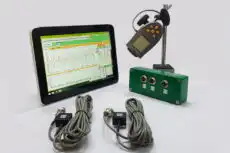
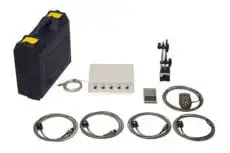
Identify resonance problems and balance rotors in the field with Vibromera's portable devices — spectrum analysis, phase measurement, and ISO-compliant balancing in one instrument.
उपकरण ब्राउজ करा →
