यांत्रिक प्रणालींमधील रेझोनन्स समजून घेणे






अनुनाद ही एक भौतिक घटना आहे जी जेव्हा एखाद्या प्रणालीवर अशा वारंवारतेच्या आवर्ती बलाचा भार पडतो जो तिच्या स्वतःच्या एखाद्या वारंवारतेशी जुळतो तेव्हा घडते प्राकृतिक वारंवारतेशी. जेव्हा ती वारंवारता जुळते, तेव्हा प्रणाली अत्यंत मोठ्या अॅम्प्लिट्यूडने कंप पावू लागते: इनपुट बलापासूनची ऊर्जा अतिशय कार्यक्षमतेने प्रणालीत हस्तांतरित होते, त्यामुळे vibration चक्रामागून चक्र नाट्यमयरीत्या वाढत जाते. रेझोनन्सच्या वेळी अॅम्प्लिट्यूड अखेरीस मर्यादित करणारा एकमेव घटक म्हणजे प्रणालीचे’चे damping. रेझोनन्स समजून घेणे आणि टाळणे हे रोटर डायनॅमिक्स आणि यंत्रसामग्री निदानशास्त्रातील मध्यवर्ती कार्यांपैकी एक आहे, कारण फार थोड्याच परिस्थिती उपकरणे इतक्या जलद नष्ट करू शकतात.
1. व्याख्या: रेझोनन्स म्हणजे काय?
रेझोनन्स हा बलाचा नव्हे तर timingचा प्रश्न म्हणून उत्तम प्रकारे समजून घेता येतो. एखाद्या संरचनेच्या स्वतःच्या लयीशी सुसंगतपणे लावलेले माफक उत्तेजन, सुसंगततेविना लावलेल्या कितीतरी अधिक प्रबळ बलापेक्षा खूप मोठा प्रतिसाद निर्माण करते. प्रत्येक योग्य वेळी दिलेला इनपुट त्या चक्रादरम्यान डॅम्पिंग जितकी ऊर्जा काढून टाकू शकते त्यापेक्षा थोडी अधिक ऊर्जा जोडतो, त्यामुळे डॅम्पिंगकडून प्रत्येक चक्रात नष्ट होणारी ऊर्जा अखेरीस पुरवठा होणाऱ्या ऊर्जेशी समतोल साधेपर्यंत अॅम्प्लिट्यूड वाढत जाते. कमी डॅम्पिंग असलेल्या प्रणालीत तो समतोल बिंदू केवळ अतिशय उच्च अॅम्प्लिट्यूडलाच गाठला जातो — आणि म्हणूनच रेझोनन्स धोकादायक असतो. ज्या वारंवारतेला तो घडतो ती नैसर्गिक वारंवारता असते, जी पूर्णपणे प्रणालीच्या वस्तुमान व कठोरता.
2. नैसर्गिक वारंवारता आणि रेझोनन्स यांच्यातील संबंध
रेझोनन्स समजून घेण्यासाठी तुम्हाला प्रथम नैसर्गिक वारंवारता समजून घेणे आवश्यक आहे. प्रत्येक भौतिक वस्तूला नैसर्गिक वारंवारतांचा एक संच असतो ज्यावर ती विचलित झाल्यास मुक्तपणे कंप पावते, आणि ही वारंवारता तिच्या वस्तुमानावर व स्टिफनेसवर अवलंबून असते. जेव्हा तुम्ही त्या नैसर्गिक वारंवारतांपैकी एकाच्या नेमक्या दराने वस्तूला सतत “ढकलता” तेव्हा जे घडते तेच रेझोनन्स होय.
झोपाळ्यावर मुलाला ढकलण्याचे क्लासिक उदाहरण आहे:
- मुलासह झुलणारा झूला, दोरीच्या लांबीनुसार (त्याची stiffness) आणि मुलाच्या वस्तुमानानुसार ठरणारी एक विशिष्ट natural frequency बाळगतो.
- एकच धक्का त्याला त्या natural frequency वर oscillate करायला लावतो आणि damping — हवेचा प्रतिकार व घर्षण — यामुळे तो हळूहळू मंदावत जातो.
- जर तुम्ही प्रत्येक धक्का झूल्याच्या natural frequency शी जुळवून दिलात, तर प्रत्येक धक्का ऊर्जा वाढवतो आणि झूला अधिकाधिक उंच जातो. हीच resonance आहे.
- जर तुम्ही चुकीच्या दराने धक्का दिलात — खूप जलद किंवा खूप संथ — तर तुमचे धक्के गतीशी विसंगत होतात आणि कोणतीही मोठी amplitude तयार होऊ शकत नाही.
हाच वस्तुमान-आणि-stiffness संबंध यंत्र घटकांवर नियंत्रण ठेवतो. तुम्ही आमच्या साहाय्याने तो परिमाणात्मकरीत्या तपासू शकता प्राकृतिक वारंवारता कॅलक्युलेटर साध्या mass-spring प्रणालीसाठी, किंवा जिथे natural frequency चालू गतीशी जुळते अशा फिरणाऱ्या shaft साठी, रोटर क्रिटिकल स्पीड कॅलक्युलेटर.
3. यंत्रसामग्रीमध्ये Resonance ही समस्या का असते?
फिरणाऱ्या यंत्रसामग्रीमध्ये resonance ही अत्यंत विनाशकारी व धोकादायक स्थिती असते. यंत्र सामान्य कार्यादरम्यान निर्माण करणाऱ्या कोणत्याही नियतकालिक बलाद्वारे “धक्का” पुरवला जातो — unbalance, misalignment, किंवा ब्लेड-पास यांमधील बले. यांपैकी एखाद्या बलाची frequency जर rotor, foundation, आधार रचना किंवा जोडलेल्या piping च्या natural frequency शी जुळली, तर परिणाम गंभीर असू शकतात:
- अत्यंत कंपन पातळी: किती कमी damping उपस्थित आहे यावर अवलंबून amplitude दहा, पन्नास किंवा अगदी शेकडो पटींनी वाढवली जाऊ शकते.
- उच्च गतिशील ताण: मोठे विचलन घटकांवर प्रचंड चक्रीय ताण लादते, ज्यामुळे जलद थकवा.
- विनाशकारी अपयश: रेजोनेन्स निर्माण करू शकते cracked shafts, निकामी झालेली bearings, तुटलेले weld आणि अत्यंत अल्प कालावधीत संपूर्ण संरचनात्मक विफलता.
- अत्यधिक आवाज: उच्च vibration मोठ्या, अनेकदा tonal आवाजाच्या स्वरूपात पसरते.
एक विशेष आणि अत्यंत महत्त्वाचा प्रकार म्हणजे critical speed — अशी rotor गती जिथे चालू-गती (1×) उत्तेजना rotor च्या natural frequency शी जुळते. यंत्रे जाणीवपूर्वक त्यांच्या critical speeds पासून दूर चालण्यासाठी, आणि run-up व coast-down दरम्यान त्यांमधून जलद पार होण्यासाठी रचली जातात.
4. Resonance ची लक्षणे व ओळख
Resonance ची एक विशिष्ट लक्षणे असतात जी निदानास मदत करतात आणि साध्या forced-vibration समस्येपासून, उदा. साधे unbalance, यापासून ते वेगळे ठरवतात:
- अत्यंत दिशात्मक vibration: संरचनात्मक stiffness दिशेनुसार भिन्न असल्यामुळे, vibration सामान्यतः एका दिशेत — अनेकदा horizontal — इतरांपेक्षा खूप जास्त असते.
- गतीच्या तुलनेत vibration मध्ये तीव्र शिखर: vibration केवळ एका अरुंद गती-पट्ट्यातच जास्त असते; यंत्र त्या बिंदूपलीकडे वेग वाढवते किंवा कमी करते तसतसे amplitude नाटकीयरीत्या घटते.
- 180-डिग्री फेज शिफ्ट: गती resonant frequency मधून जाते तसतसे, vibration चा phase 180 अंशांनी सरकतो. ही phase उलटी होणे ही resonance ची निर्णायक पुष्टी आहे.
- balance करणे कठीण: resonance वर कार्यरत असलेल्या rotor ला balance करण्याचा प्रयत्न अनेकदा निष्फळ ठरतो किंवा परिस्थिती बिघडवू शकतो — आवश्यक correction weights असामान्यपणे मोठ्या किंवा लहान निघतात, आणि vibration केवळ दुसऱ्या ठिकाणी स्थलांतरित होऊ शकते.
Resonance ची दोन परस्परपूरक मार्गांनी प्रायोगिकरीत्या पुष्टी केली जाते. एक बम्प (प्रभाव) परीक्षण स्थिर रचनेला उत्तेजित करून तिच्या natural frequencies थेट उघड करतो. पर्यायाने, एक गती वाढवण्याचा टप्पा or मंदावून थांबण्याचा टप्पा test मशीन संशयित रेझोनन्समधून स्वीप होत असताना अॅम्प्लिट्यूड आणि फेज रेकॉर्ड करतो, ज्यामध्ये निदर्शक अॅम्प्लिट्यूड पीक आणि 180-अंश फेज शिफ्ट यावर प्लॉट केले जाते बोड प्लॉट.
5. रेझोनन्स समस्या कशी सोडवावी
रेझोनन्स ही मूलतः फ्रिक्वेन्सी-जुळणीची समस्या असल्यामुळे, प्रत्येक उपाय हा “पुशर” किंवा “पुशी” यांपैकी एखाद्याची फ्रिक्वेन्सी बदलण्यावर — किंवा ऊर्जा अधिक वेगाने नष्ट करण्यावर येऊन ठरतो:
- कर्तृत्व वारंवारता बदला. सहसा याचा अर्थ मशीनचा कार्यवेग बदलणे असा होतो. जेथे प्रक्रिया परवानगी देते तेथे हा सर्वात सोपा उपाय आहे, आणि व्हेरिएबल-स्पीड ड्राइव्हवर निषिद्ध वेग पट्टा प्रोग्रॅमद्वारे वगळता येतो.
- नैसर्गिक वारंवारता बदला. हा सर्वात सामान्य उपाय आहे.
- ते वाढ नैसर्गिक फ्रिक्वेन्सी, कठोरता वाढवा रेझोनन्ट घटकाची — उदाहरणार्थ ब्रेस किंवा गसेट जोडून.
- ते घट नैसर्गिक फ्रिक्वेन्सी, एकतर कठोरता कमी करा or वजन जोडा घटकाकडे।
- Add damping. जेथे कोणतीही फ्रिक्वेन्सी हलवता येत नाही, तेथे डॅम्पिंग जोडल्याने — व्हिस्कोइलॅस्टिक उपचार किंवा विशेष डॅम्पर्स — रेझोनन्ट पीकची उंची स्वीकार्य पातळीपर्यंत कमी होते. जोडलेल्या डॅम्पिंगचा फायदा खालील गोष्टीद्वारे मोजता येतो भिंग गुणोत्तर कॅल्क्युलेटर.
हे लक्षात घेण्यासारखे आहे की सपोर्ट सिस्टीमशी संबंधित रेझोनन्स — संरचनात्मक अनुनाद or weak पाया कडकपणा — हा वारंवार आढळणारा दोषी असतो आणि त्याच पद्धतीने, संबंधित घटकाची कडकपणा वाढवून, वस्तुमान जोडून किंवा डॅम्पिंग करून तो हाताळला जातो.
6. रेझोनन्स आणि फील्ड बॅलन्सिंग
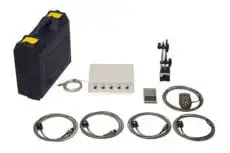
रेझोनन्स आणि बॅलन्सिंग यांच्यातील संबंध हा टाळण्यासारखा व्यावहारिक सापळा आहे. रेझोनन्सजवळ चालणारा रोटर दिशाभूल करणारी, अस्थिर अॅम्प्लिट्यूड-आणि-फेज वाचने देत असल्यामुळे, बॅलन्सिंगचा प्रयत्न करण्यापूर्वी मशीन रेझोनन्सवर चालत नाही हे तुम्ही प्रथम निश्चित केले पाहिजे. फील्डमध्ये हे खालीलप्रमाणे पोर्टेबल टू-चॅनेल अॅनालायझरसह सरळ असते Balanset-1A: त्याचे रन-अप आणि कोस्ट-डाउन मापन संपूर्ण वेगश्रेणीवरील अॅम्प्लिट्यूड आणि फेज कॅप्चर करते, कोणताही रेझोनन्ट पीक आणि 180-अंश फेज शिफ्ट उघड करते, तर त्याचा लेझर टॅकोमीटर फेज संदर्भ पुरवतो. मशीन रेझोनन्सपासून सुखरूप अंतरावर चालते याची पुष्टी झाल्यानंतर, तेच उपकरण करेक्शन वजने मोजते आणि योग्य अशा त्याच्या निकालाची पडताळणी करते balancing सहनशीलता — तर रेझोनन्सवर सुधारणा करण्याचा प्रयत्न केवळ लक्षणाचा पाठलाग करेल.

