शिअर त्वरणमापकांची समज

A शिअर त्वरणमापक (शिअर-मोड त्वरणमापक असेही म्हणतात) हा एक प्रकारचा पीজोइलेक्ट्रिक त्वरणमापक ज्यामध्ये अंतर्गत सीज्मिक वस्तुमान लागू करते shear तणाव — संकुचक तणावाऐवजी — पिज़ोइलेक्ट्रिक क्रिस्टल घटकांना जेव्हा त्वरण घटते. क्रिस्टल लोड होण्याच्या इस्या एक बदलामुळे श्रेष्ठ बेस-स्ट्रेन अलगीकरण, चांगली थर्मल-ट्रांजिएंट प्रतिक्रिया आणि माउंटिंग-टॉर्क भिन्नतेला कमी संवेदनशीलता मिळते, म्हणूनच शिअर डिजाइन महत्वपूर्ण vibration मापनांसाठी उच्च दर्जाची निवड असे ठरते जेथे अचूकता आणि दीर्घकाळीन स्थिरता सर्वाधिक महत्वाची असे. ते कॉम्प्रेशन-मोड सेंसरपेक्षा अधिक खर्चीक असतात, परंतु अचूकता प्रयोगशाळा, संदर्भ मानदंड आणि उच्च-मूल्य यंत्रसामग्रीच्या कायमस्वरूप निरीक्षणात, हा गुणवत्ता सहजपणे स्वत: साठी पैसे परत करते.
१. बांधणी आणि ऑपरेटिंग तत्व
A ट्रान्सड्यूसर शिअर मोडमध्ये बांधलेला त्वरणमापक त्याचे भाग केंद्रीय अक्षाभोवती व्यवस्थित करते जेणेकरून कंपन हा slide वस्तुमान क्रिस्टलच्या मागे पुढे करते त्याऐवजी त्यास दाबून पाडते.
अंतर्गत डिजाइन
- Centre post: एक कठोर माउंटिंग स्टड सेंसरच्या मध्यभागी चालते, आधारला अँकर केलेले.
- Seismic mass: मध्य पोस्टच्या सभोवतालचे घनदाट सामग्रीचे वलय किंवा सिलिंडर.
- पिज़ो घटक: स्फटिक प्लेट्स जी वस्तुमान आणि मध्य स्तंभ यांच्या दरम्यान जोडलेल्या असतात, स्पर्श (कतरण) भारांना प्रतिसाद देण्यासाठी अभिमुखित केलेल्या असतात.
- प्रीलोड: वस्तुमान स्फटिकांविरुद्ध कसून दबवले जाते — बहुतेक वेळा बाह्य रिंग किंवा स्लीव्हद्वारे — संमेलन कायम ठेवण्यासाठी आणि ऑपरेशनमध्ये रेखीय असण्यासाठी.
- कतरण संरचना: कारण स्फटिक स्तंभाच्या side वर बसलेले असतात, प्रवेग त्यांना संकुचित करण्याऐवजी कातरण करते.
कतरण मोड कसे कार्य करते
- गृहण त्याच्या मुंटलेल्या पृष्ठभागासह प्रवेग करते.
- सीस्मिक वस्तुमान त्याच्या जडत्वद्वारे त्या प्रवेगाकडे प्रतिरोध करते (F = m × a).
- वस्तुमान म्हणून स्थिर मध्य स्तंभाच्या सापेक्षतेने स्पर्शीयरित्या सरकते.
- हे सापेक्ष गती जोडलेल्या पीजोइलेक्ट्रिक घटकांना कातरणमध्ये ठेवते.
- कतरण ताण स्फटिक मुखांवर विद्युत शुल्क निर्माण करते.
- हा शुल्क लागू केलेल्या प्रवेगाच्या थेट प्रमाणात असतो, आणि एकतर अंतर्निर्मित द्वारे व्यवहार्य सिग्नलमध्ये रूपांतरित केला जातो IEPE सर्किट किंवा बाह्य चार्ज अॅम्प्लिफायर.
संकुचन मोडसह विरोधाभास शिक्षणीय आहे. संकुचन डिজाइनमध्ये स्फटिक वस्तुमानाखाली मुंटिंग बेसवर थेट बसलेले असतात, म्हणून बेस लवचिक किंवा गरम होणारी कोणतीही गोष्ट थेट स्फटिक स्टॅकमध्ये येते. कतरण भूमिती हेतुपूर्वकपणे संवेदनशील घटक बेस बंद करून स्तंभाच्या बाजूला हलवते, त्या त्रुटी स्रोतांपासून विघ्नकारक.
2. संकुचन मोडवर फायदे
बेस स्ट्रेन अलगाव
हा मुख्य लाभ आहे. जेव्हा सेंसरचे संरचना वाकते, संकुचन-मोड स्फटिक त्या वाकणेला खोट्या ताणाम्हणून वाटते आणि vibration वास्तव नाही असे रिपोर्ट करते. कतरण सेंसरमध्ये घटक बेस स्ट्रेनपासून अलगीकृत असतात, म्हणून:
- मुंटिंग पृष्ठभागाचे वाकणे स्फटिकांना थेट भार घालत नाही.
- सेंसर पातळ, लवचिक संरचनांवर मुंट केला जाऊ शकतो — शीट मेटल, हलके हाउजिंग, डक्टिंग — खोट्या आउटपुट निर्माण न करता.
- संपीडन डिजाईनमध्ये, याउलट, बेस स्ट्रेनमुळे या सपाट पृष्ठभागांवर खोट्या रीडिंग्जच्या समस्या कुख्यात आहेत।
बरोबर सेंसर माउंटिंग following ISO 5348 महत्व आहे, परंतु शिअर डिजाईन अपूर्ण पृष्ठभागांना बहुच अधिक सहजतेने सहन करते।
तापमान-क्षणिक प्रतिरोधक्षमता
- द्रुत तापमान बदलांचा अधिक चांगला नकार — ड्राफ्ट किंवा अचानक उष्मा स्रोत बहुच कमी खोट्या सिग्नल निर्माण करतो।
- कमी पायरोइलेक्ट्रिक प्रभाव (पीजो क्रिस्टलच्या तापमान बदलात होणारा मिथ्या चार्ज)।
- अधिक स्थिर शून्य बिंदू, जो DC जवळ कमी-वारंवारता कार्यासाठी महत्वाचा आहे।
माउंटिंग-टॉर्क असंवेदनशीलता आणि स्थिरता
- स्टड किती घट्टपणे टॉर्क केली जाते यावर कार्यक्षमता कमी प्रभावित होते, अधिक पुनरावृत्ती योग्य स्थापना प्रदान करते।
- क्षेत्रामध्ये कमी गंभीर टॉर्क नियंत्रण आवश्यक आहे।
- कमी दीर्घकालीन ड्रिफ्ट आणि अधिक स्थिर अंशांकन, ज्यामुळे शिअर सेंसर संदर्भ आणि मेट्रोलॉजी भूमिकांमध्ये प्रमुख आहेत जेथे विश्वासार्ह कॅलिब्रेशन प्रमाणपत्र वर्षांसाठी टिकून राहणे आवश्यक आहे।
३. अनुप्रयोग
शिअर एक्सेलेरोमीटर जेथे चुकीच्या संख्येची किंमत जास्त असते तेथे दिसून येतात:
- संदर्भ मानक: अंशांकन मास्टर सेंसर, मानक प्रयोगशाळा, आणि बैक-टू-बैक अंशांकन सेटअप जेथे सर्वोच्च अचूकता आवश्यक आहे।
- गंभीर यंत्र निरीक्षण: स्थायी स्थापना गंभीर यंत्रसामग्री जसे की मोठी टर्बोमशीनरी आणि अणु-संयंत्र उपकरण, जेथे विश्वसनीयता सर्वोपरि आहे।
- अचूक मापन: मोडल चाचणी, संरचनात्मक-गतिविज्ञान संशोधन, स्वीकृती परीक्षण, आणि संविदात्मक पडताळणी।
- कठीण माउंटिंग परिस्थितीः पातळ शीट मेटल, हलक्या हाउजिंग आणि इतर लवचिक पृष्ठभाग जेथे बेस स्ट्रेन कम्प्रेशन सेंसरला खराब करेल.
४. कार्यक्षमता वैशिष्ट्यः
कच्च्या बँडविड्थ आणि श्रेणीमध्ये, शिअर सेंसर एका चांगल्या कम्प्रेशन युनिटशी तुलनीय आहे; त्याचा फायदा मुख्य संख्या नव्हे तर स्थिरता आणि प्रतिरक्षामध्ये आहे.
- फ्रिक्वेंसी श्रेणी: अत्यंत व्यापक. कमी-फ्रिक्वेंसी प्रतिक्रिया सामान्यतः डिজाइनवर अवलंबून ०.५–५ हर्ट्ज पर्यंत पोहोचते, आणि वापरण्यायोग्य वरच्या मर्यादा माउंट केलेल्या resonance, बहुधा सेंसरच्या आकारावर अवलंबून २०–७० किलोहर्ट्ज (लहान सेंसर उच्च फ्रिक्वेंसीमध्ये रेजोनेट करतात).
- आयामाची श्रेणीः सामान्यतः ±५० g ते ±५०० g, उच्च किंवा निम्न श्रेणीसाठी विशेषीकृत आवृत्त्यांसह.
- तापमान कार्यक्षमताः मानक युनिट्स अंदाजे −५० ते +१२० °C व्यापतात, उच्च-तापमान आवृत्त्या सुमारे १७५ °C पर्यंत पोहोचतात, आणि त्या श्रेणीमध्ये शिअर डिজाइन कम्प्रेशन समतुल्यपेक्षा लहान शून्य शिफ्ट धरून ठेवते.
५. खर्च, निवड आणि फील्ड संदर्भ
शिअर सेंसर्स सामान्यतः कम्प्रेशन एक्सेलेरोमीटर्सपेक्षा दोन ते चार पटीने जास्त खर्चाचे असतात, जे अधिक जटिल उत्पादन, घट्ट सहनशीलता आणि प्रीमियम सामग्रीचा प्रतिबिंब असतो. प्रीमियम गंभीर किंवा करारातील मापनांसाठी, विचित्र माउंटिंग पृष्ठभागांसाठी, संदर्भ आणि कॅलिब्रेशन कर्तव्यांसाठी, आणि दीर्घकालीन स्थायी स्थापनांसाठी न्यायसंगत आहे जेथे स्थिरता आवश्यक आहे. कठोर पृष्ठभागांवर नियमित औद्योगिक निरीक्षणासाठी — किंवा बजेटवर तात्पुरत्या सर्वेक्षणांसाठी — कम्प्रेशन सेंसर सामान्यतः पुरेसा असतो. बहुतेक उत्पादक IEPE आणि चार्ज-मोड दोन्ही संस्करणांमध्ये शिअर डिजाइन देतात, वारंवार “प्रीमियम” किंवा “प्रिसिजन” मॉडेल्स म्हणून लेबल केलेले.
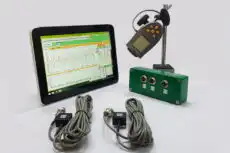
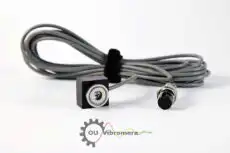
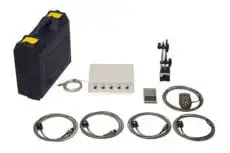
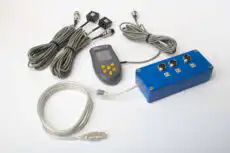
दिनांदिन फील्डमध्ये balancing आणि डायग्नोस्टिक्समध्ये, तथापि, प्रमुख त्रुटी स्रोत माउंटिंग गुणवत्ता आणि स्वच्छ आहेत phase संदर्भ, सेंसर स्थिरतेचा शेवटचा अंश नव्हे. Balanset-1A सारखे पोर्टेबल दोन-चॅनेल उपकरण Balanset-1A १× आयाम आणि टप्पा मोजते, गणना करते इन्फ्लुअन्स कोइफिशंट्स, and verifies अवशिष्ट असंतुलन कठोर एक्सेलेरोमीटर्स वापरून जे बेअरिंग हाउजिंगवर थेट माउंट केलेले असतात — अचूकच्या कठोर पृष्ठभाग जेथे मजबूत कम्प्रेशन किंवा औद्योगिक शिअर सेंसर चांगले काम करते. शिअर फायदा त्या पलीकडे निर्णायक बनतोः पातळ केसिंगवर, थर्मलली गोंगाट परिवेशांमध्ये, आणि कॅलिब्रेशन लॅबमध्ये जे प्रत्येक फील्ड सेंसरला प्रामाणिक ठेवते.
६. शिअर विरुद्ध कम्प्रेशनः द्रुत तुलना
| Property | Shear mode | कम्प्रेशन मोड |
|---|---|---|
| बेस स्ट्रेन संवेदनशीलता | Very low | उच्च |
| थर्मल-क्षणिक त्रुटी | कमी | जास्त |
| माउंटिंग-टॉर्क संवेदनशीलता | कमी | जास्त |
| दीर्घकालीन स्थिरता | उत्कृष्ट | चांगले |
| Relative cost | 2–4× | मूलभूत संदर्भ |
| Best suited to | अचूकता, संदर्भ, लचकदार पृष्ठभाग | कठोर पृष्ठभागांवर नियमित निरीक्षण |
संक्षेपात, शिअर अॅक्सेलेरोमीटर पिझोइलेक्ट्रिक कंपन सेंसर्सचा प्रीमियम स्तर प्रतिनिधित्व करतात: उच्च बेस-स्ट्रेन अस्वीकृति, थर्मल स्थिरता आणि मापन अचूकता. त्यांची उच्च किंमत त्यांना नियमित कर्तव्यापासून दूर ठेवते, परंतु जेव्हा मापन गुणवत्ता सर्वोच्च महत्त्वाची असते, माउंटिंग परिस्थिती आव्हानास्पद असतात, किंवा दीर्घकालीन स्थिरता अत्यावश्यक असते, तेव्हा शिअर-मोड accelerometer इष्टतम पर्याय आहे.

