ਕੇਬਲ ਮੁਆਵਜ਼ੇ ਨੂੰ ਸਮਝਣਾ
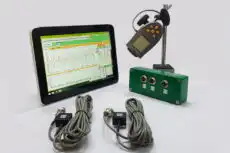
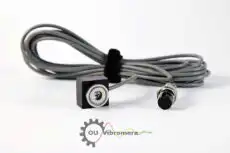
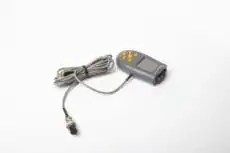
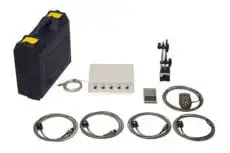
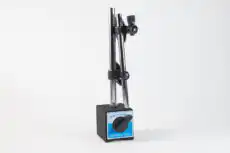

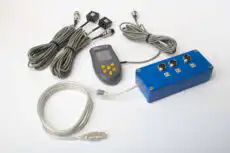
ਕੇਬਲ ਮੁਆਵਜ਼ਾ ਵਿੱਚ ਇਲੈਕਟ੍ਰਾਨਿਕ ਸਮਾਯੋਜਨ ਹੈ ਐਡੀ-ਕਰੰਟ ਪ੍ਰੌਕਸਿਮਿਟੀ ਪ੍ਰੋਬ ਸਿਸਟਮਾਂ ਵਿੱਚ, ਜੋ ਸਿਸਟਮ ’ਤੇ ਐਕਸਟੈਂਸ਼ਨ-ਕੇਬਲ ਦੀ ਲੰਬਾਈ ਦੇ ਪ੍ਰਭਾਵ ਨੂੰ ਠੀਕ ਕਰਦਾ ਹੈ ਕੈਲੀਬ੍ਰੇਸ਼ਨ. ਇਹ ਪ੍ਰੋਬ ਇੱਕ ਪੂਰੇ ਸਿਸਟਮ ਦੇ ਤੌਰ ’ਤੇ ਕੈਲੀਬਰੇਟ ਕੀਤੇ ਜਾਂਦੇ ਹਨ — ਪ੍ਰੋਬ, ਕੇਬਲ, ਅਤੇ ਪ੍ਰੌਕਸਿਮੀਟਰ ਇਲੈਕਟ੍ਰਾਨਿਕਸ ਇਕੱਠੇ — ਅਤੇ ਕੇਬਲ ਦੀ ਕੈਪੈਸੀਟੈਂਸ ਅਤੇ ਇੰਡਕਟੈਂਸ RF ਔਸਿਲੇਟਰ ਦੀ ਫ੍ਰੀਕੁਐਂਸੀ ਅਤੇ ਇੰਪੀਡੈਂਸ ਨੂੰ ਪ੍ਰਭਾਵਿਤ ਕਰਦੀ ਹੈ, ਜਿਸ ਨਾਲ ਬਦਲੇ ਵਿੱਚ ਬਹੁਤ ਮਹੱਤਵਪੂਰਨ ਵੋਲਟੇਜ-ਟੂ-ਗੈਪ ਸਬੰਧ ਬਦਲ ਜਾਂਦਾ ਹੈ। ਕੇਬਲ ਕੰਪਨਸੇਸ਼ਨ ਪ੍ਰੌਕਸਿਮੀਟਰ ਨੂੰ ਦੁਬਾਰਾ ਟਿਊਨ ਕਰਦੀ ਹੈ ਤਾਂ ਜੋ ਮਾਪ ਸਹੀ ਬਣੇ ਰਹਿਣ ਜਦੋਂ ਲਗਾਈ ਗਈ ਕੇਬਲ ਲੰਬਾਈ ਸਟੈਂਡਰਡ ਕੈਲੀਬ੍ਰੇਸ਼ਨ ਲੰਬਾਈ (ਆਮ ਤੌਰ ’ਤੇ 5 ਮੀਟਰ ਜਾਂ 9 ਮੀਟਰ) ਤੋਂ ਵੱਖਰੀ ਹੁੰਦੀ ਹੈ।
ਸਹੀ ਢੰਗ ਨਾਲ ਕੀਤੇ ਜਾਣ 'ਤੇ, ਕੰਪਨਸੇਸ਼ਨ ਵਿਸਥਾਪਨ ਮਾਪਾਂ ਨੂੰ ਫੀਲਡ ਸਥਾਪਨਾਵਾਂ ਵਿੱਚ ਕੇਬਲ-ਲੰਬਾਈ ਦੇ ਬਦਲਾਅ ਦੇ ਬਾਵਜੂਦ ਸਹੀ ਰੱਖਦੀ ਹੈ। ਇਹ ਇੰਜੀਨੀਅਰਾਂ ਨੂੰ ਸੈਂਸਰ ਲਗਾਉਣ ਅਤੇ ਰੂਟ ਕਰਨ ਦੀ ਆਜ਼ਾਦੀ ਦਿੰਦਾ ਹੈ ਜਦਕਿ ਮਾਪ ਦੀ ਸ਼ੁੱਧਤਾ ਬਣਾਈ ਰੱਖਦਾ ਹੈ ਜਿਸ 'ਤੇ ਸ਼ਾਫਟ ਵਾਈਬ੍ਰੇਸ਼ਨ ਨਿਗਰਾਨੀ, ਕਲੀਅਰੈਂਸ ਮੁਲਾਂਕਣ, ਅਤੇ ਰੋਟਰ ਡਾਇਨਾਮਿਕਸ ਵਿਸ਼ਲੇਸ਼ਣ ਨਿਰਭਰ ਕਰਦਾ ਹੈ।
1. ਕੇਬਲ ਕੰਪਨਸੇਸ਼ਨ ਕਿਉਂ ਜ਼ਰੂਰੀ ਹੈ
ਕੇਬਲ ਸੈਂਸਰ ਦਾ ਹਿੱਸਾ ਕਿਵੇਂ ਬਣਦੀ ਹੈ
ਇੱਕ ਐਡੀ-ਕਰੰਟ ਸਿਸਟਮ ਇੱਕ ਪੈਸਿਵ ਤਾਰ ਵਾਲਾ ਪ੍ਰੋਬ ਨਹੀਂ ਹੈ — ਕੇਬਲ ਖੁਦ ਮਾਪਣ ਵਾਲੇ ਸਰਕਟ ਦਾ ਇੱਕ ਇਲੈਕਟ੍ਰਿਕਲ ਤੱਤ ਹੈ:
- ਹਰ ਐਕਸਟੈਂਸ਼ਨ ਕੇਬਲ ਦੀ ਆਪਣੀ ਕੈਪੈਸੀਟੈਂਸ ਅਤੇ ਇੰਡਕਟੈਂਸ ਹੁੰਦੀ ਹੈ।
- ਉਹ ਕੇਬਲ ਪ੍ਰੌਕਸਿਮੀਟਰ ਦੇ RF ਔਸਿਲੇਟਰ ਸਰਕਟ ਦਾ ਹਿੱਸਾ ਬਣ ਜਾਂਦੀ ਹੈ।
- ਵੱਖਰੀ ਕੇਬਲ ਲੰਬਾਈ ਦਾ ਮਤਲਬ ਹੈ ਵੱਖਰੀ ਕੁੱਲ ਕੈਪੈਸੀਟੈਂਸ ਅਤੇ ਇੰਡਕਟੈਂਸ।
- ਇਹ ਬਦਲਾਅ ਔਸਿਲੇਟਰ ਦੀ ਫ੍ਰੀਕੁਐਂਸੀ ਅਤੇ ਇੰਪੀਡੈਂਸ ਨੂੰ ਬਦਲ ਦਿੰਦਾ ਹੈ।
- ਇਹ ਬਦਲੇ ਵਿੱਚ ਆਊਟਪੁੱਟ-ਵੋਲਟੇਜ-ਬਨਾਮ-ਗੈਪ ਸਬੰਧ ਨੂੰ ਬਦਲ ਦਿੰਦਾ ਹੈ — ਉਹੀ ਕਰਵ ਜਿਸ 'ਤੇ ਸਿਸਟਮ ਨਿਰਭਰ ਕਰਦਾ ਹੈ।
- ਜੇ ਬਦਲਾਅ ਦੀ ਭਰਪਾਈ ਨਾ ਕੀਤੀ ਜਾਵੇ ਤਾਂ ਨਤੀਜਾ ਮਾਪ ਦੀ ਗਲਤੀ ਹੁੰਦਾ ਹੈ।
ਪ੍ਰਭਾਵ ਕਿੰਨਾ ਵੱਡਾ ਹੋ ਸਕਦਾ ਹੈ?
- ਗਲਤੀ ਪਹੁੰਚ ਸਕਦੀ ਹੈ 5–20% ਕੇਬਲ ਦੀ ਲੰਬਾਈ ਵਿੱਚ ਵੱਡੇ ਬਦਲਾਅ ਲਈ — ਜੋ ਪ੍ਰੋਟੈਕਸ਼ਨ-ਗ੍ਰੇਡ ਮਾਪ ਲਈ ਬਹੁਤ ਜ਼ਿਆਦਾ ਹੈ।
- ਦੋਵੇਂ ਸੰਵੇਦਨਸ਼ੀਲਤਾ (ਢਲਾਣ, V/mil ਜਾਂ V/mm ਵਿੱਚ) ਅਤੇ ਆਫਸੈੱਟ ਪ੍ਰਭਾਵਿਤ ਹੁੰਦੇ ਹਨ।
- ਪ੍ਰੋਬ ਦੀ ਵਰਤੋਂ ਯੋਗ ਲੀਨੀਅਰ ਰੇਂਜ ਵੀ ਬਦਲ ਜਾਂਦੀ ਹੈ।
- ਇੱਕ ਗੈਰ-ਕੰਪਨਸੇਟਿਡ ਮਾਪ, ਅਸਲ ਵਿੱਚ, ਕਿਸੇ ਵੀ ਮਾਤਰਾਤਮਕ ਵਰਤੋਂ ਲਈ ਭਰੋਸੇਯੋਗ ਨਹੀਂ ਹੈ।
2. ਕੰਪਨਸੇਸ਼ਨ ਦੇ ਤਰੀਕੇ
ਕੇਬਲ ਦੀ ਲੰਬਾਈ ਨਾਲ ਨਜਿੱਠਣ ਦੇ ਤਿੰਨ ਸਥਾਪਿਤ ਤਰੀਕੇ ਹਨ, ਜੋ ਲਚਕਤਾ ਅਤੇ ਸ਼ੁੱਧਤਾ ਵਿਚਕਾਰ ਸੰਤੁਲਨ ਬਣਾਉਂਦੇ ਹਨ।
ਇਲੈਕਟ੍ਰਾਨਿਕ ਮੁਆਵਜ਼ਾ (ਆਧੁਨਿਕ ਸਿਸਟਮ)
- ਪ੍ਰੌਕਸਿਮੀਟਰ ਦੇ ਅੰਦਰ ਸਮਾਯੋਜਨ ਯੋਗ ਪੁਰਜ਼ੇ — ਆਮ ਤੌਰ ’ਤੇ ਪੋਟੈਂਸ਼ੀਓਮੀਟਰ ਜਾਂ DIP ਸਵਿੱਚ।
- ਖਾਸ ਲਗਾਈ ਗਈ ਕੇਬਲ ਲੰਬਾਈ ਲਈ ਇੱਕ ਵਾਰ ਸੈੱਟ ਕੀਤਾ ਜਾਂਦਾ ਹੈ।
- ਸਿਸਟਮ ਦੀ ਕੈਲੀਬਰੇਟਿਡ ਸ਼ੁੱਧਤਾ ਨੂੰ ਬਹਾਲ ਕਰਦਾ ਹੈ।
- ਕੁਝ ਆਧੁਨਿਕ ਪ੍ਰੌਕਸਿਮੀਟਰ ਕੇਬਲ ਦੀ ਲੰਬਾਈ ਨੂੰ ਆਪਣੇ ਆਪ ਪਛਾਣ ਕੇ ਆਪਣੇ ਆਪ ਹੀ ਭਰਪਾਈ ਕਰਦੇ ਹਨ।
ਖਾਸ ਲੰਬਾਈ ਲਈ ਫੈਕਟਰੀ ਕੈਲੀਬ੍ਰੇਸ਼ਨ
- ਪੂਰਾ ਸਿਸਟਮ ਉਸ ਸਹੀ ਕੇਬਲ ਨਾਲ ਕੈਲੀਬਰੇਟ ਕੀਤਾ ਜਾਂਦਾ ਹੈ ਜੋ ਲਗਾਈ ਜਾਵੇਗੀ।
- ਫਿਰ ਕੋਈ ਫੀਲਡ ਕੰਪਨਸੇਸ਼ਨ ਦੀ ਲੋੜ ਨਹੀਂ ਹੁੰਦੀ।
- ਇਹ ਉਪਲਬਧ ਸਭ ਤੋਂ ਸਹੀ ਤਰੀਕਾ ਹੈ।
- ਇਹ ਸਭ ਤੋਂ ਘੱਟ ਲਚਕੀਲਾ ਵੀ ਹੈ — ਬਾਅਦ ਵਿੱਚ ਕੇਬਲ ਬਦਲਣ ਨਾਲ ਦੁਬਾਰਾ ਕੈਲੀਬ੍ਰੇਸ਼ਨ ਕਰਨੀ ਪੈਂਦੀ ਹੈ।
ਕਈ ਕੈਲੀਬ੍ਰੇਸ਼ਨ ਪੁਆਇੰਟ
- ਸਿਸਟਮ ਨੂੰ ਕਈ ਕੇਬਲ ਲੰਬਾਈਆਂ 'ਤੇ ਲੱਛਣਬੱਧ ਕੀਤਾ ਜਾਂਦਾ ਹੈ।
- ਹਰੇਕ ਲਈ ਕੈਲੀਬ੍ਰੇਸ਼ਨ ਡਾਟਾ ਮੁਹੱਈਆ ਕੀਤਾ ਜਾਂਦਾ ਹੈ।
- ਵਰਤੋਂਕਾਰ ਸਿਰਫ਼ ਉਹ ਕੈਲੀਬ੍ਰੇਸ਼ਨ ਚੁਣਦਾ ਹੈ ਜੋ ਲਗਾਈ ਗਈ ਲੰਬਾਈ ਨਾਲ ਮੇਲ ਖਾਂਦੀ ਹੈ।
3. ਮਿਆਰੀ ਕੇਬਲ ਲੰਬਾਈਆਂ ਅਤੇ ਕੇਬਲ ਦੀ ਕਿਸਮ
ਆਮ ਲੰਬਾਈਆਂ
- 5 ਮੀਟਰ (16 ਫੁੱਟ): ਅਮਰੀਕਾ ਵਿੱਚ ਇੱਕ ਆਮ ਮਿਆਰ।
- 9 ਮੀਟਰ (30 ਫੁੱਟ): ਅੰਤਰਰਾਸ਼ਟਰੀ ਪੱਧਰ 'ਤੇ ਇੱਕ ਆਮ ਮਿਆਰ।
- 1 ਮੀਟਰ: ਖਾਸ, ਨੇੜਿਓਂ-ਜੁੜੀਆਂ ਐਪਲੀਕੇਸ਼ਨਾਂ ਲਈ ਇੱਕ ਛੋਟਾ ਸਿਸਟਮ।
- ਕਸਟਮ: ਇੱਕ ਵਾਰ ਕੰਪਨਸੇਸ਼ਨ ਲਾਗੂ ਹੋਣ ਤੋਂ ਬਾਅਦ ਅਸਲ ਵਿੱਚ ਕੋਈ ਵੀ ਲੰਬਾਈ ਸੰਭਵ ਹੈ।
ਐਕਸਟੈਂਸ਼ਨ ਕੇਬਲ
- ਇੱਕ ਖਾਸ ਲੋਅ-ਨੋਇਜ਼ ਕੋਐਕਸ਼ੀਅਲ ਕੇਬਲ, ਨਾ ਕਿ ਸਧਾਰਨ ਸਿਗਨਲ ਤਾਰ।
- ਇਸਦੀ ਪ੍ਰਤੀ ਯੂਨਿਟ ਲੰਬਾਈ ਇੱਕ ਨਿਰਧਾਰਿਤ ਕੈਪੈਸੀਟੈਂਸ ਹੁੰਦੀ ਹੈ — ਉਹ ਅੰਕੜਾ ਜਿਸ ਦੇ ਆਲੇ-ਦੁਆਲੇ ਕੰਪਨਸੇਸ਼ਨ ਬਣਾਈ ਜਾਂਦੀ ਹੈ।
- ਆਮ ਤੌਰ ’ਤੇ RG-174 ਜਾਂ ਇਸ ਵਰਗੀ ਕਿਸਮ।
- ਸਿਸਟਮ ਲਈ ਸਹੀ ਕੇਬਲ ਕਿਸਮ ਹੀ ਵਰਤੀ ਜਾਣੀ ਚਾਹੀਦੀ ਹੈ; ਬਦਲਵੀਂ ਕੇਬਲ ਬਿਜਲਈ ਵਿਵਹਾਰ ਨੂੰ ਬਦਲ ਦਿੰਦੀ ਹੈ।
4. ਕੰਪੈਂਸੇਸ਼ਨ ਪ੍ਰਕਿਰਿਆ
ਸੈੱਟਅਪ ਕਦਮ
- ਕੁੱਲ ਕੇਬਲ ਲੰਬਾਈ ਮਾਪੋ: ਪ੍ਰੋਬ ਲੀਡ ਪਲੱਸ ਐਕਸਟੈਂਸ਼ਨ ਕੇਬਲ, ਦੋਵੇਂ ਮਿਲਾ ਕੇ।
- ਮੈਨੂਅਲ ਵੇਖੋ: ਉਸ ਲੰਬਾਈ ਦੇ ਅਨੁਸਾਰੀ ਕੰਪੈਂਸੇਸ਼ਨ ਸੈਟਿੰਗ ਲੱਭੋ।
- ਪ੍ਰੌਕਸੀਮਿਟਰ ਨੂੰ ਐਡਜਸਟ ਕਰੋ: ਕੰਪੈਂਸੇਸ਼ਨ ਕੰਟਰੋਲਾਂ ਨੂੰ ਬਿਲਕੁਲ ਉਵੇਂ ਸੈੱਟ ਕਰੋ ਜਿਵੇਂ ਮੈਨੂਅਲ ਦੱਸਦਾ ਹੈ।
- ਪੁਸ਼ਟੀ ਕਰੋ: ਕਿਸੇ ਜਾਣੇ-ਪਛਾਣੇ ਗੈਪ 'ਤੇ, ਜਾਂ ਕੈਲੀਬ੍ਰੇਟਰ ਦੇ ਵਿਰੁੱਧ ਆਊਟਪੁੱਟ ਦੀ ਜਾਂਚ ਕਰੋ।
- ਦਸਤਾਵੇਜ਼: ਵਰਤੀ ਗਈ ਕੇਬਲ ਲੰਬਾਈ ਅਤੇ ਕੰਪੈਂਸੇਸ਼ਨ ਸੈਟਿੰਗ ਨੂੰ ਰਿਕਾਰਡ ਕਰੋ।
ਤਸਦੀਕ
ਵੈਰੀਫਿਕੇਸ਼ਨ ਉਹ ਥਾਂ ਹੈ ਜਿੱਥੇ ਕੰਪੈਂਸੇਸ਼ਨ ਸਾਬਤ ਕੀਤੀ ਜਾਂਦੀ ਹੈ, ਮੰਨੀ ਨਹੀਂ ਜਾਂਦੀ:
- ਜਾਣੇ-ਪਛਾਣੇ ਗੈਪ ਸੈੱਟ ਕਰਨ ਲਈ ਗੈਪ ਕੈਲੀਬ੍ਰੇਟਰ ਜਾਂ ਮਾਈਕ੍ਰੋਮੀਟਰ ਸਟੈਂਡ ਦੀ ਵਰਤੋਂ ਕਰੋ।
- ਹਰੇਕ ਜਾਣੇ-ਪਛਾਣੇ ਗੈਪ 'ਤੇ ਆਊਟਪੁੱਟ ਵੋਲਟੇਜ ਦੀ ਜਾਂਚ ਕਰੋ।
- ਪੁਸ਼ਟੀ ਕਰੋ ਕਿ ਸੰਵੇਦਨਸ਼ੀਲਤਾ (V/mil ਜਾਂ V/mm) ਸਪੈਸੀਫਿਕੇਸ਼ਨ ਨਾਲ ਮੇਲ ਖਾਂਦੀ ਹੈ।
- ਆਫਸੈੱਟ ਦੀ ਪੁਸ਼ਟੀ ਕਰੋ — ਨਾਮਾਤਰ ਗੈਪ 'ਤੇ ਆਊਟਪੁੱਟ ਵੋਲਟੇਜ।
- ਯਕੀਨੀ ਬਣਾਓ ਕਿ ਲੀਨੀਅਰ ਰੇਂਜ ਉੱਥੇ ਕੇਂਦਰਿਤ ਹੈ ਜਿੱਥੇ ਸ਼ਾਫਟ ਅਸਲ ਵਿੱਚ ਬੈਠੇਗਾ। ਇੱਕ ਪ੍ਰੌਕਸੀਮਿਟੀ ਪ੍ਰੋਬ ਗੈਪ-ਵੋਲਟੇਜ ਟੂਲ ਉਸ ਕੇਂਦਰ ਬਿੰਦੂ ਨੂੰ ਸਹੀ ਢੰਗ ਨਾਲ ਸੈੱਟ ਕਰਨ ਵਿੱਚ ਮਦਦ ਕਰਦਾ ਹੈ।
5. ਆਮ ਸਮੱਸਿਆਵਾਂ
ਗਲਤ ਮੁਆਵਜ਼ਾ
- ਲੱਛਣ: ਉਹ ਰੀਡਿੰਗਾਂ ਜੋ ਉਮੀਦਾਂ ਨਾਲ ਮੇਲ ਨਹੀਂ ਖਾਂਦੀਆਂ, ਅਤੇ ਗੈਪ ਰੇਂਜ ਵਿੱਚ ਇੱਕ ਗੈਰ-ਲੀਨੀਅਰ ਪ੍ਰਤਿਕਿਰਿਆ।
- ਕਾਰਨ: ਗਲਤ ਕੇਬਲ ਲੰਬਾਈ ਦਰਜ ਕੀਤੀ ਗਈ, ਕੰਪੈਂਸੇਸ਼ਨ ਕਦੇ ਐਡਜਸਟ ਨਹੀਂ ਕੀਤੀ ਗਈ, ਜਾਂ ਇੱਕ ਖਰਾਬ ਕੇਬਲ।
- ਪਛਾਣ: ਇੱਕ ਰੁਟੀਨ ਕੈਲੀਬ੍ਰੇਸ਼ਨ ਜਾਂਚ ਗਲਤੀ ਨੂੰ ਉਜਾਗਰ ਕਰਦੀ ਹੈ।
- ਹੱਲ: ਅਸਲ ਕੇਬਲ ਲੰਬਾਈ ਮਾਪੋ ਅਤੇ ਕੰਪੈਂਸੇਸ਼ਨ ਨੂੰ ਸਹੀ ਢੰਗ ਨਾਲ ਸੈੱਟ ਕਰੋ।
ਕੇਬਲ ਦੀ ਲੰਬਾਈ ਅਣਜਾਣ
- ਮੌਜੂਦਾ ਇੰਸਟਾਲੇਸ਼ਨ 'ਤੇ ਇੱਕ ਆਮ ਸਥਿਤੀ ਜਿੱਥੇ ਲੰਬਾਈ ਕਦੇ ਦਸਤਾਵੇਜ਼ਬੱਧ ਨਹੀਂ ਕੀਤੀ ਗਈ।
- ਇਸਨੂੰ ਭੌਤਿਕ ਤੌਰ 'ਤੇ ਮਾਪੋ, ਜਾਂ ਕੇਬਲ ਰੂਟਿੰਗ ਤੋਂ ਇਸਦਾ ਅੰਦਾਜ਼ਾ ਲਗਾਓ।
- ਇੱਕ ਜਾਣੇ-ਪਛਾਣੇ ਗੈਪ ਦੀ ਨਿਗਰਾਨੀ ਕਰਦੇ ਹੋਏ ਕੰਪੈਂਸੇਸ਼ਨ ਨੂੰ ਐਡਜਸਟ ਕਰੋ।
- ਉਦੋਂ ਤੱਕ ਦੁਹਰਾਓ ਜਦੋਂ ਤੱਕ ਆਊਟਪੁੱਟ ਉਸ ਗੈਪ 'ਤੇ ਸਹੀ ਢੰਗ ਨਾਲ ਨਹੀਂ ਪੜ੍ਹਦਾ।
ਮਿਲੀਆਂ-ਜੁਲੀਆਂ ਕੇਬਲ ਕਿਸਮਾਂ
- ਵੱਖ-ਵੱਖ ਕੇਬਲ ਕਿਸਮਾਂ ਪ੍ਰਤੀ ਮੀਟਰ ਵੱਖ-ਵੱਖ ਕੈਪੈਸੀਟੈਂਸ ਰੱਖਦੀਆਂ ਹਨ।
- ਕੰਪੈਂਸੇਸ਼ਨ ਇੱਕ ਮਿਆਰੀ ਕੇਬਲ ਕਿਸਮ ਦੇ ਆਲੇ-ਦੁਆਲੇ ਬਣਾਈ ਗਈ ਹੈ।
- ਇੱਕ ਗੈਰ-ਮਿਆਰੀ ਕੇਬਲ ਗਲਤੀ ਪੈਦਾ ਕਰ ਸਕਦੀ ਹੈ ਭਾਵੇਂ ਕੰਪੈਂਸੇਸ਼ਨ ਨਾਮਾਤਰ ਤੌਰ 'ਤੇ “ਸੈੱਟ” ਹੋਵੇ।
- ਧਾਰਨਾ ਨੂੰ ਵੈਧ ਰੱਖਣ ਲਈ ਹਮੇਸ਼ਾ ਨਿਰਮਾਤਾ ਦੁਆਰਾ ਦਰਸਾਈ ਗਈ ਕੇਬਲ ਦੀ ਵਰਤੋਂ ਕਰੋ।
6. ਸ਼ੁੱਧਤਾ ਲਈ ਇਹ ਕਿਉਂ ਮਹੱਤਵਪੂਰਨ ਹੈ
ਵਾਈਬ੍ਰੇਸ਼ਨ ਮਾਪ
- ਗਲਤ ਕੰਪੈਂਸੇਸ਼ਨ ਪੈਦਾ ਕਰਦੀ ਹੈ ਐਂਪਲੀਟਿਊਡ (ਆਯਾਮ) ਵਾਈਬ੍ਰੇਸ਼ਨ ਰੀਡਿੰਗ ਵਿੱਚ ਗਲਤੀਆਂ।
- ਇਹ ਦੀ ਭਰੋਸੇਯੋਗਤਾ ਨੂੰ ਕਮਜ਼ੋਰ ਕਰਦਾ ਹੈ ਰੁਝਾਨ ਸਮੇਂ ਦੇ ਨਾਲ।
- ਇਹ ਅਸਲ ਨੂੰ ਗਲਤ ਢੰਗ ਨਾਲ ਦਰਸਾ ਸਕਦਾ ਹੈ ਵਾਈਬ੍ਰੇਸ਼ਨ ਗੰਭੀਰਤਾ.
- ਨਤੀਜਾ ਗਲਤ ਅਲਾਰਮ ਹੈ — ਜਾਂ, ਇਸ ਤੋਂ ਵੀ ਮਾੜਾ, ਅਸਲ ਸਮੱਸਿਆਵਾਂ ਦਾ ਖੁੰਝ ਜਾਣਾ।
ਸਥਿਤੀ ਮਾਪ
- ਸੰਪੂਰਨ ਸ਼ਾਫਟ ਸਥਿਤੀ ਸ਼ੁੱਧਤਾ ਸਹੀ ਕੰਪੈਂਸੇਸ਼ਨ 'ਤੇ ਨਿਰਭਰ ਕਰਦੀ ਹੈ।
- ਇਹ ਸਿੱਧੇ ਤੌਰ 'ਤੇ ਕਲੀਅਰੈਂਸ ਅਤੇ ਨੂੰ ਪ੍ਰਭਾਵਿਤ ਕਰਦਾ ਹੈ ਬੇਅਰਿੰਗ-ਕਲੀਅਰੈਂਸ ਨਿਗਰਾਨੀ।
- ਟ੍ਰਿਪ ਸੈੱਟਪੁਆਇੰਟ ਸਿਰਫ਼ ਓਨੇ ਹੀ ਭਰੋਸੇਯੋਗ ਹਨ ਜਿੰਨਾ ਉਹਨਾਂ ਦੇ ਪਿੱਛੇ ਦਾ ਮਾਪ।
- ਖਰਾਬ ਕੰਪੈਂਸੇਸ਼ਨ ਝੂਠੇ ਟ੍ਰਿਪ ਦਾ ਕਾਰਨ ਬਣ ਸਕਦਾ ਹੈ — ਜਾਂ ਜਦੋਂ ਲੋੜ ਹੋਵੇ ਤਾਂ ਮਸ਼ੀਨ ਦੀ ਸੁਰੱਖਿਆ ਕਰਨ ਵਿੱਚ ਅਸਫਲ ਹੋ ਸਕਦਾ ਹੈ।
7. ਦਸਤਾਵੇਜ਼ੀਕਰਨ ਲੋੜਾਂ
ਇੰਸਟਾਲੇਸ਼ਨ ਰਿਕਾਰਡ
ਕੰਪੈਂਸੇਸ਼ਨ ਇੱਕ ਵਾਰ ਸੈੱਟ ਹੋਣ ਤੋਂ ਬਾਅਦ ਅਦਿੱਖ ਹੁੰਦੀ ਹੈ, ਇਸ ਲਈ ਦਸਤਾਵੇਜ਼ ਹੀ ਇਸਨੂੰ ਸਾਂਭਣਯੋਗ ਬਣਾਉਂਦੇ ਹਨ:
- ਹਰੇਕ ਚੈਨਲ ਲਈ ਕੁੱਲ ਕੇਬਲ ਲੰਬਾਈ।
- ਲਾਗੂ ਕੀਤੀਆਂ ਗਈਆਂ ਕੰਪਨਸੇਸ਼ਨ ਸੈਟਿੰਗਾਂ।
- ਕੈਲੀਬ੍ਰੇਸ਼ਨ ਵੈਰੀਫਿਕੇਸ਼ਨ ਡਾਟਾ।
- ਇਹ ਸਭ ਸਿਸਟਮ ਦਸਤਾਵੇਜ਼ਾਂ ਦੇ ਨਾਲ ਸਟੋਰ ਕੀਤਾ ਜਾਂਦਾ ਹੈ।
ਤਬਦੀਲੀ ਨਿਯੰਤਰਣ
- ਜੇਕਰ ਕੇਬਲ ਦੀ ਲੰਬਾਈ ਕਦੇ ਬਦਲੀ ਜਾਂਦੀ ਹੈ, ਤਾਂ ਕੰਪਨਸੇਸ਼ਨ ਨੂੰ ਅੱਪਡੇਟ ਕਰਨਾ ਜ਼ਰੂਰੀ ਹੈ।
- ਅਜਿਹੀ ਕਿਸੇ ਵੀ ਤਬਦੀਲੀ ਤੋਂ ਬਾਅਦ ਮੁੜ-ਕੈਲੀਬ੍ਰੇਟ ਕਰੋ ਜਾਂ ਘੱਟੋ-ਘੱਟ ਮੁੜ-ਪੁਸ਼ਟੀ ਕਰੋ।
- ਸੋਧ ਨੂੰ ਦਸਤਾਵੇਜ਼ੀਬੱਧ ਕਰੋ ਤਾਂ ਜੋ ਅਗਲੇ ਟੈਕਨੀਸ਼ੀਅਨ ਨੂੰ ਸਹੀ ਜਾਣਕਾਰੀ ਮਿਲੇ।
8. ਫੀਲਡ ਪ੍ਰੈਕਟਿਸ ਵਿੱਚ ਕੇਬਲ ਕੰਪਨਸੇਸ਼ਨ ਦੀ ਥਾਂ
ਕੇਬਲ ਕੰਪਨਸੇਸ਼ਨ ਦਾ ਸੰਬੰਧ ਸਥਾਈ ਤੌਰ ’ਤੇ ਸਥਾਪਿਤ ਪ੍ਰੌਕਸਿਮਿਟੀ ਪ੍ਰੋਬ ਸਿਸਟਮਾਂ ਨਾਲ ਹੈ ਜੋ ਕ੍ਰਿਟੀਕਲ ਟਰਬੋਮਸ਼ੀਨਰੀ ’ਤੇ ਵਰਤੇ ਜਾਂਦੇ ਹਨ, ਜਿੱਥੇ ਡਿਸਪਲੇਸਮੈਂਟ ਰੀਡਿੰਗ ਦਾ ਮਾਈਕ੍ਰੌਨ ਤੱਕ ਭਰੋਸੇਯੋਗ ਹੋਣਾ ਜ਼ਰੂਰੀ ਹੈ ਮਸ਼ੀਨਰੀ ਸੁਰੱਖਿਆ। ਪੋਰਟੇਬਲ ਫੀਲਡ ਵਰਕ ਨਾਲ ਇਸ ਦੀ ਤੁਲਨਾ ਕਰਨੀ ਬਣਦੀ ਹੈ, ਜਿੱਥੇ ਵਰਕਫਲੋ ਵੱਖਰਾ ਹੁੰਦਾ ਹੈ: ਜਦੋਂ ਕੋਈ ਇੰਜੀਨੀਅਰ ਕਿਸੇ ਪੋਰਟੇਬਲ ਯੰਤਰ ਜਿਵੇਂ ਕਿ Balanset-1A ਨਾਲ ਮਸ਼ੀਨ ਨੂੰ ਉਸਦੇ ਆਪਣੇ ਬੇਅਰਿੰਗਾਂ ਵਿੱਚ ਬੈਲੰਸ ਕਰਦਾ ਹੈ, ਤਾਂ ਸੈਂਸਰ ਇੱਕ ਸੀਸਮਿਕ ਐਕਸੀਲਰੋਮੀਟਰ ਹੁੰਦਾ ਹੈ ਜਿਸ ਵਿੱਚ ਇੱਕ ਸਥਿਰ, ਫੈਕਟਰੀ-ਕੈਰੇਕਟਰਾਈਜ਼ਡ ਲੀਡ ਅਤੇ ਇੱਕ ਆਪਟੀਕਲ ਲੇਜ਼ਰ ਟੈਕੋਮੀਟਰ — ਇਸ ਲਈ ਕੇਬਲ-ਲੰਬਾਈ ਕੰਪਨਸੇਸ਼ਨ ਕੋਈ ਵੇਰੀਏਬਲ ਨਹੀਂ ਹੈ ਜਿਸਨੂੰ ਯੂਜ਼ਰ ਨੂੰ ਮੈਨੇਜ ਕਰਨਾ ਪਵੇ। ਇਸ ਲਈ ਕੇਬਲ ਕੰਪਨਸੇਸ਼ਨ ਨੂੰ ਸਮਝਣਾ ਇੱਕ ਵਿਸ਼ਲੇਸ਼ਕ ਨੂੰ ਇਹ ਜਾਣਨ ਵਿੱਚ ਮਦਦ ਕਰਦਾ ਹੈ ਕਿ ਕਿਸ ਕਲਾਸ ਦੇ ਸਿਸਟਮ ਨੂੰ ਇਸ ਕੈਲੀਬ੍ਰੇਸ਼ਨ ਸਟੈਪ ਦੀ ਲੋੜ ਹੈ ਅਤੇ ਕਿਸਨੂੰ ਨਹੀਂ।
ਸੰਖੇਪ ਵਿੱਚ, ਕੇਬਲ ਕੰਪਨਸੇਸ਼ਨ ਐਡੀ-ਕਰੰਟ ਪ੍ਰੌਕਸਿਮਿਟੀ ਪ੍ਰੋਬ ਸਿਸਟਮਾਂ ਦਾ ਇੱਕ ਮਹੱਤਵਪੂਰਨ ਪਰ ਅਕਸਰ ਨਜ਼ਰਅੰਦਾਜ਼ ਕੀਤਾ ਜਾਣ ਵਾਲਾ ਪਹਿਲੂ ਹੈ। ਅਸਲ ਕੇਬਲ ਲੰਬਾਈ ਲਈ ਸਹੀ ਢੰਗ ਨਾਲ ਕੰਪਨਸੇਟ ਕਰਨਾ, ਕੈਲੀਬ੍ਰੇਸ਼ਨ ਜਾਂਚਾਂ ਰਾਹੀਂ ਇਸਨੂੰ ਸਾਬਤ ਕਰਨਾ, ਅਤੇ ਸੈਟਿੰਗਾਂ ਨੂੰ ਦਸਤਾਵੇਜ਼ੀਬੱਧ ਕਰਨਾ ਹੀ ਉਹ ਗੱਲਾਂ ਹਨ ਜੋ ਇਹਨਾਂ ਸਥਾਈ ਤੌਰ ’ਤੇ ਸਥਾਪਿਤ ਡਿਸਪਲੇਸਮੈਂਟ ਸਿਸਟਮਾਂ ਨੂੰ ਕ੍ਰਿਟੀਕਲ ਟਰਬੋਮਸ਼ੀਨਰੀ ਵਿੱਚ ਸ਼ਾਫਟ ਵਾਈਬ੍ਰੇਸ਼ਨ ਮਾਨੀਟਰਿੰਗ, ਰੋਟਰ ਪੋਜ਼ੀਸ਼ਨ ਟ੍ਰੈਕਿੰਗ, ਅਤੇ ਮਸ਼ੀਨਰੀ ਪ੍ਰੋਟੈਕਸ਼ਨ ਲਈ ਸਟੀਕ, ਭਰੋਸੇਯੋਗ ਡਾਟਾ ਦੇਣ ਦੇ ਯੋਗ ਬਣਾਉਂਦੀਆਂ ਹਨ।

