ਐਡੀ ਕਰੰਟ ਪ੍ਰੋਬਾਂ ਨੂੰ ਸਮਝਣਾ
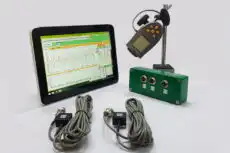
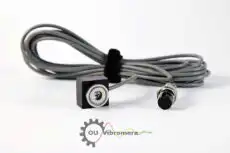
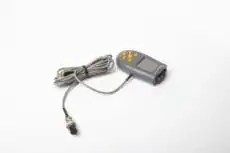
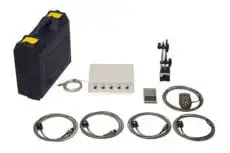
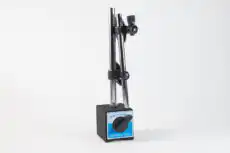

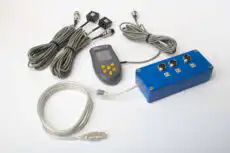
ਇੱਕ ਐਡੀ ਕਰੰਟ ਪ੍ਰੋਬ — ਜਿਸਨੂੰ ਪ੍ਰੌਕਸਿਮਿਟੀ ਪ੍ਰੋਬ, ਨਾਨ-ਕਾਂਟੈਕਟ ਡਿਸਪਲੇਸਮੈਂਟ ਸੈਂਸਰ, ਜਾਂ ਐਡੀ ਕਰੰਟ ਟ੍ਰਾਂਸਡਿਊਸਰ — ਇੱਕ ਸੈਂਸਰ ਹੈ ਜੋ ਆਪਣੀ ਟਿਪ ਅਤੇ ਇੱਕ ਕੰਡਕਟਿਵ ਟਾਰਗੇਟ ਸਤਹ ਦੇ ਵਿਚਕਾਰਲੇ ਗੈਪ ਨੂੰ ਬਿਨਾਂ ਛੂਹੇ ਮਾਪਦਾ ਹੈ। ਇਸ ਵਿੱਚ ਵਾਈਬ੍ਰੇਸ਼ਨ ਨਿਗਰਾਨੀ ਲਈ ਇਸਨੂੰ ਮਸ਼ੀਨ ਦੇ ਕੇਸਿੰਗ ਰਾਹੀਂ ਲਗਾਇਆ ਜਾਂਦਾ ਹੈ, ਘੁੰਮਦੇ ਸ਼ਾਫਟ ਵੱਲ ਇਸ਼ਾਰਾ ਕਰਦੇ ਹੋਏ, ਜਿੱਥੇ ਇਹ ਸ਼ਾਫਟ ਦੀ ਰੇਡੀਅਲ ਸਥਿਤੀ ਅਤੇ ਗਤੀ ਨੂੰ ਸਿੱਧਾ ਇਸ ਤਰ੍ਹਾਂ ਦਰਸਾਉਂਦਾ ਹੈ ਵਿਸਥਾਪਨ ਮਾਈਕ੍ਰੋਮੀਟਰ ਜਾਂ ਮਿਲਸ ਵਿੱਚ। ਕਿਉਂਕਿ ਇਹ ਕੇਸਿੰਗ ਦੀ ਬਜਾਏ ਸ਼ਾਫਟ ਨੂੰ ਖੁਦ ਮਹਿਸੂਸ ਕਰਦਾ ਹੈ, ਇਹ ਨਾਨ-ਕਾਂਟੈਕਟ ਦੇ ਪਰਿਵਾਰ ਵਿੱਚ ਇੱਕ ਖਾਸ ਸਥਾਨ ਰੱਖਦਾ ਹੈ ਡਿਸਪਲੇਸਮੈਂਟ ਪ੍ਰੋਬਾਂ ਜੋ ਉੱਚ-ਮੁੱਲ ਵਾਲੇ ਘੁੰਮਣ ਵਾਲੇ ਉਪਕਰਣਾਂ 'ਤੇ ਵਰਤੇ ਜਾਂਦੇ ਹਨ।
1. ਪਰਿਭਾਸ਼ਾ: ਐਡੀ ਕਰੰਟ ਪ੍ਰੋਬ ਕੀ ਹੈ?
ਐਡੀ ਕਰੰਟ ਪ੍ਰੋਬ ਗੰਭੀਰ ਟਰਬੋਮਸ਼ੀਨਰੀ — ਸਟੀਮ ਟਰਬਾਈਨਾਂ, ਗੈਸ ਟਰਬਾਈਨਾਂ, ਵੱਡੇ ਕੰਪ੍ਰੈਸਰਾਂ ਅਤੇ ਜਨਰੇਟਰਾਂ — 'ਤੇ ਸਥਾਈ ਵਾਈਬ੍ਰੇਸ਼ਨ ਨਿਗਰਾਨੀ ਲਈ ਮਿਆਰ ਹਨ। ਇਹ ਭੂਮਿਕਾ ਇਹ ਤਿੰਨ ਕਾਰਨਾਂ ਕਰਕੇ ਕਮਾਉਂਦੇ ਹਨ: ਇਹ (ਪ੍ਰੋਬ ਮਾਊਂਟਿੰਗ ਦੇ ਸਾਪੇਖ) ਸ਼ਾਫਟ ਦੀ ਗਤੀ ਨੂੰ ਬੇਅਰਿੰਗ-ਹਾਊਸਿੰਗ ਦੀ ਗਤੀ ਦੀ ਬਜਾਏ ਸਿੱਧਾ ਮਾਪਦੇ ਹਨ, ਇਹ ਕਲੀਅਰੈਂਸ ਨਿਗਰਾਨੀ ਲਈ ਲਾਭਦਾਇਕ ਸ਼ਾਫਟ-ਸਾਪੇਖ ਸਥਿਤੀ ਜਾਣਕਾਰੀ ਪ੍ਰਦਾਨ ਕਰਦੇ ਹਨ, ਅਤੇ ਇਹ ਉਹਨਾਂ ਕਠੋਰ ਵਾਤਾਵਰਣਾਂ (ਉੱਚ ਤਾਪਮਾਨ, ਤੇਲ ਦੀ ਧੁੰਦ, ਗੰਦਗੀ) ਵਿੱਚ ਭਰੋਸੇਯੋਗ ਢੰਗ ਨਾਲ ਕੰਮ ਕਰਦੇ ਰਹਿੰਦੇ ਹਨ ਜਿੱਥੇ ਸੰਪਰਕ ਸੈਂਸਰ ਜਲਦੀ ਫੇਲ ਹੋ ਜਾਂਦੇ ਹਨ। ਇੱਕ ਸਿੰਗਲ ਪ੍ਰੋਬ ਤੁਹਾਨੂੰ ਹੌਲੀ-ਹੌਲੀ ਬਦਲਣ ਵਾਲਾ DC ਟਰਮ — ਬੇਅਰਿੰਗ ਕਲੀਅਰੈਂਸ ਦੇ ਅੰਦਰ ਔਸਤ ਸ਼ਾਫਟ ਸਥਿਤੀ — ਅਤੇ ਇੱਕ ਡਾਇਨਾਮਿਕ AC ਟਰਮ ਜੋ ਖੁਦ ਵਾਈਬ੍ਰੇਸ਼ਨ ਹੈ, ਦੋਵੇਂ ਦਿੰਦਾ ਹੈ।
2. ਕਾਰਜਸ਼ੀਲ ਸਿਧਾਂਤ
ਐਡੀ ਕਰੰਟ ਪ੍ਰਭਾਵ
ਪ੍ਰੋਬ ਸ਼ਾਫਟ ਵਿੱਚ ਛੋਟੀਆਂ ਸਰਕੂਲੇਟਿੰਗ ਕਰੰਟਾਂ ਪੈਦਾ ਕਰਕੇ ਅਤੇ ਇਹ ਦੇਖ ਕੇ ਕੰਮ ਕਰਦਾ ਹੈ ਕਿ ਉਹ ਆਪਣੇ ਖੁਦ ਦੇ ਕੋਇਲ ਨੂੰ ਕਿਵੇਂ ਲੋਡ ਕਰਦੀਆਂ ਹਨ:
- RF ਉਤੇਜਨਾ: ਪ੍ਰੋਬ ਟਿਪ ਵਿੱਚ ਇੱਕ ਛੋਟਾ ਕੋਇਲ ਇੱਕ ਉੱਚ-ਫ੍ਰੀਕੁਐਂਸੀ ਰੇਡੀਓ-ਫ੍ਰੀਕੁਐਂਸੀ ਫੀਲਡ ਨਾਲ ਚਲਾਇਆ ਜਾਂਦਾ ਹੈ, ਆਮ ਤੌਰ 'ਤੇ 1–2 MHz।
- ਐਡੀ ਕਰੰਟ ਇੰਡਕਸ਼ਨ: ਉਹ ਫੀਲਡ ਪ੍ਰੋਬ ਦੇ ਸਾਹਮਣੇ ਵਾਲੀ ਕੰਡਕਟਿਵ ਸ਼ਾਫਟ ਸਤਹ ਵਿੱਚ ਐਡੀ ਕਰੰਟ ਪੈਦਾ ਕਰਦੀ ਹੈ।
- ਫੀਲਡ ਪਰਸਪਰ ਕਿਰਿਆ: ਐਡੀ ਕਰੰਟ ਆਪਣਾ ਖੁਦ ਦਾ ਵਿਰੋਧੀ ਚੁੰਬਕੀ ਫੀਲਡ ਪੈਦਾ ਕਰਦੇ ਹਨ।
- ਇੰਪੀਡੈਂਸ ਬਦਲਾਅ: ਵਿਰੋਧੀ ਫੀਲਡ ਕੋਇਲ ਦੇ ਇੰਪੀਡੈਂਸ ਨੂੰ ਬਦਲ ਦਿੰਦੀ ਹੈ, ਅਤੇ ਬਦਲਾਅ ਦੀ ਮਾਤਰਾ ਇਸ ਗੱਲ 'ਤੇ ਨਿਰਭਰ ਕਰਦੀ ਹੈ ਕਿ ਸ਼ਾਫਟ ਕਿੰਨੀ ਦੂਰ ਹੈ।
- ਸਿਗਨਲ ਕੰਡੀਸ਼ਨਿੰਗ: ਇੱਕ ਡਰਾਈਵਰ (ਜਿਸਨੂੰ ਅਕਸਰ ਪ੍ਰੌਕਸੀਮਿਟਰ ਜਾਂ ਓਸੀਲੇਟਰ-ਡੀਮੌਡੂਲੇਟਰ ਕਿਹਾ ਜਾਂਦਾ ਹੈ) ਉਸ ਇੰਪੀਡੈਂਸ ਨੂੰ ਗੈਪ ਦੇ ਅਨੁਪਾਤੀ ਇੱਕ DC ਵੋਲਟੇਜ ਵਿੱਚ ਬਦਲਦਾ ਹੈ।
- ਆਉਟਪੁੱਟ: ਅੰਤਿਮ ਵੋਲਟੇਜ ਸਿਗਨਲ ਤੁਰੰਤ ਸ਼ਾਫਟ-ਤੋਂ-ਪ੍ਰੋਬ ਦੂਰੀ ਨੂੰ ਦਰਸਾਉਂਦਾ ਹੈ।
ਗੈਪ-ਵੋਲਟੇਜ ਸੰਬੰਧ
- ਜਿਵੇਂ-ਜਿਵੇਂ ਗੈਪ ਬੰਦ ਹੁੰਦਾ ਹੈ ਆਊਟਪੁੱਟ ਵੋਲਟੇਜ ਵਧਦਾ ਹੈ ਅਤੇ ਜਿਵੇਂ ਖੁੱਲ੍ਹਦਾ ਹੈ ਘਟਦੀ ਹੈ — ਸ਼ਾਫਟ ਜਿੰਨਾ ਨੇੜੇ, ਵੋਲਟੇਜ ਓਨੀ ਜ਼ਿਆਦਾ।
- ਵਰਤੋਂਯੋਗ ਲੀਨੀਅਰ ਰੇਂਜ ਆਮ ਤੌਰ 'ਤੇ ਲਗਭਗ 0.5–2.0 mm (20–80 mils) ਹੁੰਦੀ ਹੈ।
- ਸੰਵੇਦਨਸ਼ੀਲਤਾ µm/V ਜਾਂ mils/V ਵਿੱਚ ਕੈਲੀਬ੍ਰੇਟ ਕੀਤੀ ਜਾਂਦੀ ਹੈ; ਇੱਕ ਆਮ ਅੰਕੜਾ ਲਗਭਗ 7.87 V/mm (200 mV/mil) ਹੁੰਦਾ ਹੈ।
- ਕਿਉਂਕਿ ਪ੍ਰਤੀਕਿਰਿਆ ਟਾਰਗੇਟ ਦੀਆਂ ਬਿਜਲਈ ਅਤੇ ਚੁੰਬਕੀ ਵਿਸ਼ੇਸ਼ਤਾਵਾਂ 'ਤੇ ਨਿਰਭਰ ਕਰਦੀ ਹੈ, ਪ੍ਰੋਬ ਨੂੰ ਖਾਸ ਸ਼ਾਫਟ ਅਲਾਏ ਦੇ ਵਿਰੁੱਧ ਕੈਲੀਬ੍ਰੇਟ ਕੀਤਾ ਜਾਂਦਾ ਹੈ ਜਿਸਨੂੰ ਇਹ ਦੇਖੇਗਾ।
3. ਮੁੱਖ ਲਾਭ
ਪ੍ਰੋਬ ਦੀਆਂ ਤਾਕਤਾਂ ਸਿੱਧੇ ਤੌਰ 'ਤੇ ਨਾਨ-ਕਾਂਟੈਕਟ ਹੋਣ ਅਤੇ ਸ਼ਾਫਟ ਨੂੰ ਖੁਦ ਦੇਖਣ ਤੋਂ ਆਉਂਦੀਆਂ ਹਨ:
- ਸਿੱਧਾ ਸ਼ਾਫਟ ਮਾਪ: ਇਹ ਬੇਅਰਿੰਗ ਰਾਹੀਂ ਕੇਸਿੰਗ ਤੱਕ ਪ੍ਰਸਾਰਿਤ ਹੋਣ ਵਾਲੀ ਵਾਈਬ੍ਰੇਸ਼ਨ ਦੀ ਬਜਾਏ, ਬੇਅਰਿੰਗ ਹਾਊਸਿੰਗ ਦੇ ਸਾਪੇਖ ਸ਼ਾਫਟ ਦੀ ਗਤੀ ਨੂੰ ਪੜ੍ਹਦਾ ਹੈ — ਸ਼ਾਫਟ ਅਤੇ ਕੇਸਿੰਗ ਵਾਈਬ੍ਰੇਸ਼ਨ ਵਿਚਕਾਰ ਉਹ ਫਰਕ ਜੋ ਰੋਟਰ ਡਾਇਨਾਮਿਕਸ। (ਅਬਸੋਲਿਊਟ ਸ਼ਾਫਟ ਗਤੀ ਨੂੰ ਮਾਪਣ ਲਈ ਹਾਊਸਿੰਗ 'ਤੇ ਇੱਕ ਸੀਸਮਿਕ ਸੈਂਸਰ ਵਾਧੂ ਲੋੜੀਂਦਾ ਹੈ।)
- DC ਤੋਂ ਉੱਚ-ਫ੍ਰੀਕੁਐਂਸੀ ਪ੍ਰਤੀਕਿਰਿਆ: ਇਹ 0 Hz (ਸਥਿਰ ਸਥਿਤੀ) ਤੋਂ 10 kHz ਤੋਂ ਅੱਗੇ ਤੱਕ ਮਾਪਦਾ ਹੈ, ਹੌਲੀ ਰੋਲ, ਟ੍ਰਾਂਜ਼ੀਐਂਟਸ ਅਤੇ ਰੈਜ਼ੋਨੈਂਸਾਂ ਨੂੰ ਉਸ ਘੱਟ-ਫ੍ਰੀਕੁਐਂਸੀ ਰੋਲ-ਆਫ ਤੋਂ ਬਿਨਾਂ ਕੈਪਚਰ ਕਰਦਾ ਹੈ ਜੋ ਇੱਕ ਐਕਸੀਲਰੋਮੀਟਰ ਨੂੰ ਸੀਮਤ ਕਰਦਾ ਹੈ। ਇਹ ਸਟਾਰਟਅੱਪ ਅਤੇ ਲਈ ਆਦਰਸ਼ ਬਣਾਉਂਦਾ ਹੈ ਕੋਸਟਡਾਊਨ ਕੰਮ ਕਰਦਾ ਹੈ।
- ਸ਼ਾਫਟ-ਸਾਪੇਖ ਸਥਿਤੀ: ਇਹ ਦੱਸਦਾ ਹੈ ਕਿ ਸ਼ਾਫਟ ਬੇਅਰਿੰਗ ਕਲੀਅਰੈਂਸ ਦੇ ਅੰਦਰ ਕਿੱਥੇ ਬੈਠਦਾ ਹੈ, ਹਾਊਸਿੰਗ ਵਿੱਚ ਪ੍ਰੋਬ ਮਾਊਂਟਿੰਗ ਦੇ ਸਾਪੇਖ, ਇਸ ਲਈ — ਸੈੱਟਅੱਪ ਦੌਰਾਨ ਇੱਕ ਵਾਰ ਰੈਫਰੈਂਸ ਕੀਤੇ ਜਾਣ ਤੋਂ ਬਾਅਦ — ਇਹ ਸੀਲਾਂ ਅਤੇ ਲੈਬਿਰਿੰਥਾਂ ਦੀ ਕਲੀਅਰੈਂਸ ਦੀ ਨਿਗਰਾਨੀ ਕਰ ਸਕਦਾ ਹੈ, ਰੋਟਰ ਸ਼ਿਫਟ ਜਾਂ ਬੇਅਰਿੰਗ ਘਿਸਾਵ ਦਾ ਪਤਾ ਲਗਾ ਸਕਦਾ ਹੈ, ਅਤੇ ਇੱਕ ਸੁਰੱਖਿਆਤਮਕ ਟ੍ਰਿਪ ਬਹੁਤ ਜ਼ਿਆਦਾ ਡਿਸਪਲੇਸਮੈਂਟ 'ਤੇ।
- ਕਠੋਰ-ਵਾਤਾਵਰਣ ਸਮਰੱਥਾ: ਘਿਸਣ ਲਈ ਕੋਈ ਚਲਦੇ ਹਿੱਸੇ ਨਾ ਹੋਣ ਅਤੇ ਲਗਭਗ 350 °C ਤੱਕ ਸੰਚਾਲਨ ਦੇ ਨਾਲ, ਇਹ ਸ਼ਾਫਟ 'ਤੇ ਗੰਦਗੀ ਤੋਂ ਬੇਪਰਵਾਹ ਹੈ ਅਤੇ ਤੇਲ ਦੀ ਧੁੰਦ, ਭਾਫ਼ ਅਤੇ ਧੂੜ ਵਿੱਚ ਭਰੋਸੇਯੋਗ ਬਣਿਆ ਰਹਿੰਦਾ ਹੈ।
4. ਖਾਸ ਸਥਾਪਨਾ
ਪ੍ਰੋਬ ਲਗਭਗ ਕਦੇ ਵੀ ਇੱਕ ਗੰਭੀਰ ਮਸ਼ੀਨ 'ਤੇ ਇਕੱਲੇ ਨਹੀਂ ਵਰਤੇ ਜਾਂਦੇ। ਕਲਾਸਿਕ ਪ੍ਰਬੰਧ ਹਰੇਕ ਬੇਅਰਿੰਗ 'ਤੇ ਇੱਕ ਜੋੜਾ ਅਤੇ ਥ੍ਰਸਟ ਫੇਸ 'ਤੇ ਇੱਕ ਰੱਖਦਾ ਹੈ:
- XY ਪ੍ਰੋਬ ਜੋੜੇ: 90° 'ਤੇ ਅਲੱਗ (ਹਰੀਜ਼ੌਂਟਲ ਅਤੇ ਵਰਟੀਕਲ) ਦੋ ਪ੍ਰੋਬ ਦੋਵੇਂ ਦਿਸ਼ਾਵਾਂ ਵਿੱਚ ਸ਼ਾਫਟ ਸਥਿਤੀ ਨੂੰ ਹੱਲ ਕਰਦੇ ਹਨ ਅਤੇ ਇੱਕ ਔਰਬਿਟ ਡਿਸਪਲੇ ਨੂੰ ਫੀਡ ਕਰਦੇ ਹਨ — ਮਿਆਰੀ ਟਰਬੋਮਸ਼ੀਨਰੀ ਸੰਰਚਨਾ।
- ਐਕਸੀਅਲ ਪੋਜ਼ੀਸ਼ਨ ਪ੍ਰੋਬ: ਸ਼ਾਫਟ ਦੇ ਸਿਰੇ ਵੱਲ ਨਿਸ਼ਾਨਾ ਬਣਾ ਕੇ, ਇਹ ਐਕਸੀਅਲ ਪੋਜ਼ੀਸ਼ਨ ਨੂੰ ਟਰੈਕ ਕਰਦਾ ਹੈ ਅਤੇ ਧੁਰੇ ਦੇ ਨਾਲ ਕੰਬਣੀ, ਨਿਗਰਾਨੀ ਕਰਦਾ ਹੈ ਥ੍ਰਸਟ-ਬੇਅਰਿੰਗ ਸਥਿਤੀ ਅਤੇ ਐਕਸੀਅਲ ਰੋਟਰ ਸ਼ਿਫਟ ਦੇ ਖਿਲਾਫ ਸੁਰੱਖਿਆ ਕਰਦਾ ਹੈ।
- ਮਾਊਂਟਿੰਗ ਲੋੜਾਂ: ਬਾਡੀ ਨੂੰ ਹਾਊਸਿੰਗ ਵਿੱਚ ਮਜ਼ਬੂਤੀ ਨਾਲ ਫੜਿਆ ਜਾਣਾ ਚਾਹੀਦਾ ਹੈ, ਸ਼ਾਫਟ ਦੇ ਸਮਕੋਣ 'ਤੇ, ਅਤੇ ਇਸ ਦੀ ਲੀਨੀਅਰ ਰੇਂਜ ਦੇ ਕੇਂਦਰ 'ਤੇ ਗੈਪ ਸੈੱਟ ਕੀਤਾ ਜਾਣਾ ਚਾਹੀਦਾ ਹੈ; ਕੇਬਲ ਰੂਟਿੰਗ ਅਤੇ ਗਰਾਊਂਡਿੰਗ ਨਿਰਮਾਤਾ ਦੇ ਅਤੇ API 670 ਸ਼ੋਰ ਤੋਂ ਬਚਣ ਲਈ ਨਿਯਮਾਂ ਦੀ ਪਾਲਣਾ ਕਰਦੇ ਹਨ।
ਫੀਲਡ ਵਿੱਚ ਉਸ ਗੈਪ ਵੋਲਟੇਜ ਨੂੰ ਸੈੱਟ ਕਰਨਾ ਅਤੇ ਤਸਦੀਕ ਕਰਨਾ ਥੋੜ੍ਹਾ ਗੁੰਝਲਦਾਰ ਹੈ, ਅਤੇ ਇੱਕ ਛੋਟੀ ਜਿਹੀ ਗਲਤੀ ਓਪਰੇਟਿੰਗ ਪੁਆਇੰਟ ਨੂੰ ਕਰਵ ਦੇ ਲੀਨੀਅਰ ਹਿੱਸੇ ਤੋਂ ਹਟਾ ਸਕਦੀ ਹੈ। ਸਾਡਾ ਪ੍ਰੌਕਸੀਮਿਟੀ ਪ੍ਰੋਬ ਗੈਪ ਵੋਲਟੇਜ ਕੈਲਕੁਲੇਟਰ ਟੀਚਾ ਸੰਵੇਦਨਸ਼ੀਲਤਾ ਅਤੇ ਲੋੜੀਂਦੇ ਗੈਪ ਨੂੰ ਉਸ ਬਾਇਸ ਵੋਲਟੇਜ ਵਿੱਚ ਬਦਲਦਾ ਹੈ ਜੋ ਤੁਹਾਨੂੰ ਸੈੱਟ ਕਰਨੀ ਚਾਹੀਦੀ ਹੈ।
5. ਐਪਲੀਕੇਸ਼ਨਾਂ ਅਤੇ ਪੋਰਟੇਬਲ ਟੂਲ ਕਿੱਥੇ ਫਿੱਟ ਬੈਠਦੇ ਹਨ
ਸਥਾਈ ਤੌਰ 'ਤੇ ਵਾਇਰਡ ਐਡੀ ਕਰੰਟ ਸਿਸਟਮ — ਹਰੇਕ ਬੇਅਰਿੰਗ 'ਤੇ XY ਪ੍ਰੋਬ ਅਤੇ ਇੱਕ ਐਕਸੀਅਲ ਪ੍ਰੋਬ, ਸਾਰੇ ਇੱਕ ਵੱਲ ਰੂਟ ਕੀਤੇ ਗਏ API 670-ਅਨੁਕੂਲ ਰੈਕ ਨੂੰ ਅਲਾਰਮ ਅਤੇ ਟ੍ਰਿਪ ਰਿਲੇਅ ਨਾਲ ਚਲਾ ਸਕਦਾ ਹੈ — ਗੰਭੀਰ ਟਰਬੋਮਸ਼ੀਨਰੀ ਦੀ ਸੁਰੱਖਿਆ ਕਰੋ ਜਿੱਥੇ ਵੀ ਖਰੀਦਦਾਰ ਜਾਂ ਪ੍ਰੋਜੈਕਟ ਵਿਸ਼ੇਸ਼ਤਾ ਇਸਦੀ ਲੋੜ ਹੋਵੇ, ਅਤੇ ਲਗਾਤਾਰ ਫੀਡ ਕਰੋ ਕ੍ਰਿਟੀਕਲ-ਸਪੀਡ ਪਛਾਣ, ਔਰਬਿਟ ਵਿਸ਼ਲੇਸ਼ਣ ਅਤੇ ਬੋਡ ਪਲਾਟ. ਇਹ ਸਮੱਸਿਆ-ਨਿਪਟਾਰੇ ਵਿੱਚ ਵੀ ਮਦਦ ਕਰਦੇ ਹਨ: ਸ਼ਾਫਟ ਦੀ ਮੂਵਮੈਂਟ ਦੀ ਕੇਸਿੰਗ ਦੀ ਮੂਵਮੈਂਟ ਨਾਲ ਤੁਲਨਾ ਕਰਕੇ ਇੱਕ ਵਿਸ਼ਲੇਸ਼ਕ ਇਹ ਫੈਸਲਾ ਕਰ ਸਕਦਾ ਹੈ ਕਿ ਨੁਕਸ ਰੋਟਰ ਵਿੱਚ ਹੈ ਜਾਂ ਢਾਂਚੇ ਵਿੱਚ।
ਹਾਲਾਂਕਿ, ਹਰ ਮਸ਼ੀਨ ਵਿੱਚ ਇਹ ਇੰਸਟਰੂਮੈਂਟੇਸ਼ਨ ਨਹੀਂ ਹੁੰਦੀ। ਜ਼ਿਆਦਾਤਰ ਜਨਰਲ-ਪਰਪਜ਼ ਪੰਪ, ਪੱਖੇ ਅਤੇ ਮੋਟਰਾਂ ਨੂੰ ਬਾਹਰੋਂ, ਬੇਅਰਿੰਗ ਹਾਊਸਿੰਗ 'ਤੇ, ਇੱਕ ਪੋਰਟੇਬਲ ਵਿਸ਼ਲੇਸ਼ਕ ਨਾਲ ਸੰਤੁਲਿਤ ਅਤੇ ਨਿਦਾਨ ਕੀਤਾ ਜਾਂਦਾ ਹੈ। ਇੱਕ ਦੋ-ਚੈਨਲ ਯੰਤਰ ਜਿਵੇਂ ਕਿ Balanset-1A ਕੇਸਿੰਗ ਵਾਈਬ੍ਰੇਸ਼ਨ ਨੂੰ ਇੱਕ ਐਕਸੀਲਰੋਮੀਟਰ ਨਾਲ ਪੜ੍ਹਦਾ ਹੈ ਅਤੇ ਫੇਜ਼ ਰੈਫਰੈਂਸ ਲਈ ਇੱਕ ਆਪਟੀਕਲ ਟੈਕੋਮੀਟਰ ਦੀ ਵਰਤੋਂ ਕਰਦਾ ਹੈ, ਫਿਰ ਸਿੰਗਲ- ਅਤੇ ਟੂ-ਪਲੇਨ ਕਰਦਾ ਹੈ ਸਾਈਟ ਬੈਲੇਂਸਿੰਗ (ਫੀਲਡ ਬੈਲੇਂਸਿੰਗ) ਸਿੱਧਾ ਮਸ਼ੀਨ ਦੇ ਆਪਣੇ ਬੇਅਰਿੰਗਾਂ ਵਿੱਚ — ਕਿਸੇ ਵੀ ਸਥਾਈ ਤੌਰ 'ਤੇ ਲਗਾਏ ਗਏ ਪ੍ਰੌਕਸੀਮਿਟੀ ਪ੍ਰੋਬ ਦੀ ਲੋੜ ਨਹੀਂ। ਸੰਖੇਪ ਵਿੱਚ, ਐਡੀ ਕਰੰਟ ਪ੍ਰੋਬ ਇੰਸਟਰੂਮੈਂਟਿਡ ਟਰਬੋਮਸ਼ੀਨਰੀ 'ਤੇ ਸ਼ਾਫਟ ਮੂਵਮੈਂਟ ਲਈ ਗੋਲਡ ਸਟੈਂਡਰਡ ਹਨ, ਜਦਕਿ ਕੇਸਿੰਗ-ਅਧਾਰਿਤ ਪੋਰਟੇਬਲ ਟੂਲ ਮਸ਼ੀਨਾਂ ਦੀ ਵਿਸ਼ਾਲ ਆਬਾਦੀ ਨੂੰ ਕਵਰ ਕਰਦੇ ਹਨ ਜਿੱਥੇ ਪ੍ਰੋਬ ਡ੍ਰਿਲ ਕਰਨਾ ਨਾ ਤਾਂ ਵਿਹਾਰਕ ਹੈ ਅਤੇ ਨਾ ਹੀ ਜ਼ਰੂਰੀ।

