ਵਾਈਬ੍ਰੇਸ਼ਨ ਮਾਨੀਟਰਿੰਗ ਨੂੰ ਸਮਝਣਾ
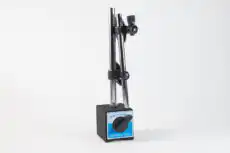

ਵਾਈਬ੍ਰੇਸ਼ਨ ਮਾਨੀਟਰਿੰਗ ਨਿਯਮਿਤ ਤੌਰ 'ਤੇ ਮਾਪਣ ਅਤੇ ਰਿਕਾਰਡ ਕਰਨ ਦਾ ਅਭਿਆਸ ਹੈ ਵਾਈਬ੍ਰੇਸ਼ਨ ਮਸ਼ੀਨਰੀ 'ਤੇ ਪੱਧਰ ਤਾਂ ਜੋ ਇਸਦੀ ਸਥਿਤੀ ਦਾ ਮੁਲਾਂਕਣ ਕੀਤਾ ਜਾ ਸਕੇ ਅਤੇ ਸਮੇਂ ਦੇ ਨਾਲ ਇਸਦੀ ਸਿਹਤ ਨੂੰ ਟਰੈਕ ਕੀਤਾ ਜਾ ਸਕੇ। ਇਸਦੇ ਉਲਟ ਵਾਈਬ੍ਰੇਸ਼ਨ ਡਾਇਗਨੌਸਟਿਕਸ, ਜੋ ਮੂਲ ਕਾਰਨ ਲੱਭਣ ਲਈ ਡੂੰਘਾਈ ਨਾਲ ਵਿਸ਼ਲੇਸ਼ਣ 'ਤੇ ਕੇਂਦਰਿਤ ਹੈ, ਮਾਨੀਟਰਿੰਗ ਮੁੱਖ ਤੌਰ 'ਤੇ ਪਤਾ ਲਗਾਉਣ ਨਾਲ ਸਬੰਧਤ ਹੈ ਬਦਲੋ। ਮੂਲ ਸਿਧਾਂਤ ਸਧਾਰਨ ਪਰ ਸ਼ਕਤੀਸ਼ਾਲੀ ਹੈ: ਸਿਹਤਮੰਦ ਮਸ਼ੀਨਾਂ ਸਥਿਰ ਹੁੰਦੀਆਂ ਹਨ, ਇਸ ਲਈ ਵਾਈਬ੍ਰੇਸ਼ਨ ਵਿੱਚ ਇੱਕ ਮਹੱਤਵਪੂਰਨ ਬਦਲਾਅ ਇੱਕ ਵਿਕਸਿਤ ਹੋ ਰਹੀ ਖਰਾਬੀ ਦਾ ਸਪਸ਼ਟ ਸੰਕੇਤ ਹੈ। ਵਾਈਬ੍ਰੇਸ਼ਨ ਮਾਨੀਟਰਿੰਗ ਕਿਸੇ ਵੀ ਅਵਸਥਾ-ਆਧਾਰਿਤ ਰੱਖ-ਰਖਾਵ (CBM) ਪ੍ਰੋਗਰਾਮ।
ਸਪਾਟ ਚੈੱਕ ਆਮ ਤੌਰ 'ਤੇ ਇੱਕ ਪੋਰਟੇਬਲ ਵਾਈਬਰੋਮੀਟਰ ਨਾਲ ਕੀਤੇ ਜਾਂਦੇ ਹਨ, ਇਸ ਤੋਂ ਪਹਿਲਾਂ ਕਿ ਲਗਾਤਾਰ ਨਿਗਰਾਨੀ ਜਾਇਜ਼ ਠਹਿਰੇ।
1. ਪਰਿਭਾਸ਼ਾ: ਵਾਈਬ੍ਰੇਸ਼ਨ ਮਾਨੀਟਰਿੰਗ ਕੀ ਹੈ?
ਆਪਣੇ ਮੂਲ ਵਿੱਚ, ਮਾਨੀਟਰਿੰਗ ਜਾਂਚ ਦੀ ਬਜਾਏ ਨਿਗਰਾਨੀ ਬਾਰੇ ਹੈ। ਇੱਕ ਮਾਨੀਟਰਿੰਗ ਸਿਸਟਮ ਮਾਪ ਬਿੰਦੂਆਂ ਦੇ ਇੱਕ ਨਿਰਧਾਰਿਤ ਸੈੱਟ ਨੂੰ ਦੇਖਦਾ ਹੈ ਅਤੇ ਜਿਸ ਪਲ ਕੋਈ ਰੀਡਿੰਗ ਆਪਣੀ ਇਤਿਹਾਸਕ ਸਥਿਤੀ ਤੋਂ ਭਟਕਦੀ ਹੈ, ਇੱਕ ਫਲੈਗ ਉਠਾਉਂਦਾ ਹੈ। ਇਹ, ਆਪਣੇ ਆਪ ਵਿੱਚ, ਇਹ ਨਹੀਂ ਦੱਸਦਾ ਕਿ ਕਿਉਂ ਕਿਉਂ ਰੀਡਿੰਗ ਬਦਲੀ — ਇਹ ਵਿਸ਼ਲੇਸ਼ਕ ਦਾ ਕੰਮ ਹੈ — ਪਰ ਇਹ ਭਰੋਸੇਯੋਗ ਤਰੀਕੇ ਨਾਲ ਤੁਹਾਨੂੰ ਦੱਸਦਾ ਹੈ ਕਿ ਕਿ ਕੁਝ ਬਦਲ ਗਿਆ ਹੈ, ਅਤੇ ਅਕਸਰ ਅਸਫਲਤਾ ਤੋਂ ਹਫ਼ਤੇ ਜਾਂ ਮਹੀਨੇ ਪਹਿਲਾਂ ਅਜਿਹਾ ਕਰਦਾ ਹੈ।
ਮਾਪੀਆਂ ਗਈਆਂ ਮਾਤਰਾਵਾਂ ਆਮ ਤੌਰ 'ਤੇ ਸਮੁੱਚਾ ਵਾਈਬ੍ਰੇਸ਼ਨ ਪੱਧਰ ਹੁੰਦੀਆਂ ਹਨ (ਆਮ ਤੌਰ 'ਤੇ mm/s RMS ਵਿੱਚ ਵੇਗ), ਅਤੇ ਵੱਧਦੇ ਤੌਰ 'ਤੇ ਪੂਰਾ ਸਪੈਕਟ੍ਰਮ ਅਤੇ ਟਾਈਮ ਵੇਵਫਾਰਮ (ਸਮਾਂ ਤਰੰਗ-ਰੂਪ) ਹਰੇਕ ਬਿੰਦੂ 'ਤੇ। ਮਾਨੀਟਰਿੰਗ ਦਾ ਮੁੱਲ ਬਹੁਤ ਵਧ ਜਾਂਦਾ ਹੈ ਜਦੋਂ ਉਹ ਰੀਡਿੰਗਾਂ ਲਗਾਤਾਰ, ਉਹਨਾਂ ਹੀ ਬਿੰਦੂਆਂ 'ਤੇ, ਉਹਨਾਂ ਹੀ ਇਕਾਈਆਂ ਵਿੱਚ, ਹਰ ਵਾਰ ਇਕੱਠੀਆਂ ਕੀਤੀਆਂ ਜਾਂਦੀਆਂ ਹਨ — ਕਿਉਂਕਿ ਇਕਸਾਰਤਾ ਹੀ ਇੱਕ ਸਾਰਥਕ ਤੁਲਨਾ ਨੂੰ ਸੰਭਵ ਬਣਾਉਂਦੀ ਹੈ।
2. ਵਾਈਬ੍ਰੇਸ਼ਨ ਮਾਨੀਟਰਿੰਗ ਕੀ ਮਾਪਦੀ ਹੈ?
ਹਰੇਕ ਮਾਨੀਟਰਿੰਗ ਪ੍ਰੋਗਰਾਮ ਇੱਕ ਚੋਣ 'ਤੇ ਟਿਕਿਆ ਹੁੰਦਾ ਹੈ ਕਿਹੜੀ ਭੌਤਿਕ ਮਾਤਰਾ ਮਾਪਣ ਲਈ। ਤਿੰਨ ਨਿਯਮਿਤ ਵਰਤੋਂ ਵਿੱਚ ਹਨ, ਅਤੇ ਹਰੇਕ ਵੱਖ-ਵੱਖ ਫ੍ਰੀਕੁਐਂਸੀ ਰੇਂਜ ਲਈ ਸਭ ਤੋਂ ਢੁਕਵਾਂ ਹੈ:
- ਐਕਸਲਰੇਸ਼ਨ (ਪ੍ਰਵੇਗ) (ਜਿਸ ਵਿੱਚ ਮਾਪਿਆ ਜਾਂਦਾ ਹੈ g ਜਾਂ m/s²) ਉੱਚ-ਫ੍ਰੀਕੁਐਂਸੀ ਘਟਨਾਵਾਂ 'ਤੇ ਜ਼ੋਰ ਦਿੰਦਾ ਹੈ ਅਤੇ ਇੱਕ ਦਾ ਕੁਦਰਤੀ ਆਉਟਪੁੱਟ ਹੈ ਐਕਸੀਲਰੋਮੀਟਰ। ਇਹ ਰੋਲਿੰਗ-ਐਲੀਮੈਂਟ ਬੇਅਰਿੰਗ ਖਰਾਬੀਆਂ ਅਤੇ ਗੀਅਰ-ਮੈਸ਼ ਸਮੱਸਿਆਵਾਂ ਲਈ ਸਹੀ ਪੈਰਾਮੀਟਰ ਹੈ, ਜੋ ਉੱਚ ਫ੍ਰੀਕੁਐਂਸੀ 'ਤੇ ਦਿਖਾਈ ਦਿੰਦੀਆਂ ਹਨ।
- ਵੈਲੋਸਿਟੀ (ਵੇਗ) (mm/s RMS) ਆਮ ਮਸ਼ੀਨਰੀ ਮਾਨੀਟਰਿੰਗ ਦਾ ਮੁੱਖ ਆਧਾਰ ਹੈ। ਇਹ ਮੱਧ-ਫ੍ਰੀਕੁਐਂਸੀ ਬੈਂਡ ਵਿੱਚ ਲਗਭਗ ਬਰਾਬਰ ਵਜ਼ਨ ਦਿੰਦਾ ਹੈ ਜਿੱਥੇ ਜ਼ਿਆਦਾਤਰ ਘੁੰਮਣ ਵਾਲੀ ਮਸ਼ੀਨਰੀ ਦੀਆਂ ਖਰਾਬੀਆਂ — ਅਸੰਤੁਲਨ, ਮਿਸਅਲਾਈਨਮੈਂਟ, ਢਿੱਲਾਪਣ — ਦਿਖਾਈ ਦਿੰਦੀਆਂ ਹਨ, ਇਸੇ ਲਈ ਲਗਭਗ ਹਰ ਵਾਈਬ੍ਰੇਸ਼ਨ ਸਟੈਂਡਰਡ ਵੇਗ ਦੀਆਂ ਸ਼ਰਤਾਂ ਵਿੱਚ ਲਿਖਿਆ ਜਾਂਦਾ ਹੈ।
- ਡਿਸਪਲੇਸਮੈਂਟ (ਵਿਸਥਾਪਨ) (µm, ਪੀਕ-ਟੂ-ਪੀਕ) ਅਸਲ ਭੌਤਿਕ ਗਤੀ ਦਾ ਵਰਣਨ ਕਰਦਾ ਹੈ ਅਤੇ ਘੱਟ ਫ੍ਰੀਕੁਐਂਸੀ 'ਤੇ ਹਾਵੀ ਰਹਿੰਦਾ ਹੈ। ਇਹ ਫਲੂਇਡ-ਫਿਲਮ ਬੇਅਰਿੰਗ ਮਸ਼ੀਨਾਂ 'ਤੇ ਪਸੰਦੀਦਾ ਪੈਰਾਮੀਟਰ ਹੈ, ਜਿੱਥੇ ਇੱਕ ਪ੍ਰੌਕਸਿਮਿਟੀ ਪ੍ਰੋਬ ਬੇਅਰਿੰਗ ਦੇ ਸਾਪੇਖ ਸ਼ਾਫਟ ਦੀ ਗਤੀ ਨੂੰ ਮਾਪਦਾ ਹੈ।
ਇਕੱਲੇ “ਸਮੁੱਚੇ” ਨੰਬਰ ਤੋਂ ਪਰੇ, ਆਧੁਨਿਕ ਮਾਨੀਟਰਿੰਗ ਫ੍ਰੀਕੁਐਂਸੀ ਵੀ ਕੈਪਚਰ ਕਰਦੀ ਹੈ ਸਪੈਕਟ੍ਰਮ ਅਤੇ ਕੱਚੀ ਟਾਈਮ ਵੇਵਫਾਰਮ, ਕਿਉਂਕਿ ਇੱਕੋ ਸਮੁੱਚਾ ਪੱਧਰ ਬਹੁਤ ਵੱਖ-ਵੱਖ ਖਰਾਬੀ ਹਸਤਾਖਰਾਂ ਨੂੰ ਲੁਕਾ ਸਕਦਾ ਹੈ। ਸ਼ੁਰੂ ਵਿੱਚ ਸਹੀ ਪੈਰਾਮੀਟਰ ਅਤੇ ਇਕਾਈ ਦੀ ਚੋਣ ਕਰਨਾ ਹੀ ਬਾਅਦ ਦੇ ਵਾਈਬ੍ਰੇਸ਼ਨ ਮਾਪ ਨੂੰ ਇੱਕ ਸਰਵੇਖਣ ਤੋਂ ਦੂਜੇ ਤੱਕ ਤੁਲਨਾਯੋਗ ਬਣਾਉਂਦਾ ਹੈ।
3. ਵਾਈਬ੍ਰੇਸ਼ਨ ਮਾਨੀਟਰਿੰਗ ਉਪਕਰਨ ਅਤੇ ਸੈਂਸਰ
ਮਾਨੀਟਰਿੰਗ ਪ੍ਰੋਗਰਾਮ ਦੇ ਪਿੱਛੇ ਹਾਰਡਵੇਅਰ ਦੋ ਸਮੂਹਾਂ ਵਿੱਚ ਆਉਂਦਾ ਹੈ: ਉਹ ਸੈਂਸਰ ਜੋ ਗਤੀ ਨੂੰ ਸਿਗਨਲ ਵਿੱਚ ਬਦਲਦੇ ਹਨ, ਅਤੇ ਉਹ ਯੰਤਰ ਜੋ ਇਸਨੂੰ ਇਕੱਠਾ ਕਰਦੇ ਅਤੇ ਸਟੋਰ ਕਰਦੇ ਹਨ।
ਸੈਂਸਰ
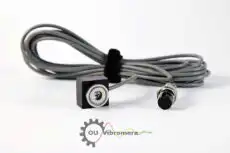
- ਐਕਸਲਰੋਮੀਟਰ — ਸਭ ਤੋਂ ਆਮ ਚੋਣ। ਮਜ਼ਬੂਤ, ਵਿਸ਼ਾਲ ਫ੍ਰੀਕੁਐਂਸੀ ਰੇਂਜ, ਬੇਅਰਿੰਗ ਅਤੇ ਗੀਅਰ ਮਾਨੀਟਰਿੰਗ ਲਈ ਆਦਰਸ਼।
- ਵੇਲੋਸਿਟੀ ਸੈਂਸਰ (ਏ ਵੈਲੋਮੀਟਰ) — ਸਵੈ-ਉਤਪਾਦਕ ਅਤੇ ਮੱਧ-ਬੈਂਡ ਮਸ਼ੀਨਰੀ ਰੀਡਿੰਗਾਂ ਨਾਲ ਚੰਗੀ ਤਰ੍ਹਾਂ ਮੇਲ ਖਾਂਦਾ।
- ਪ੍ਰੌਕਸਿਮਿਟੀ ਪ੍ਰੋਬ — ਗੈਰ-ਸੰਪਰਕ ਸੈਂਸਰ ਜੋ ਵੱਡੀਆਂ ਟਰਬੋਮਸ਼ੀਨਾਂ 'ਤੇ ਸਲੀਵ ਬੇਅਰਿੰਗਾਂ ਦੇ ਅੰਦਰ ਸਿੱਧੇ ਸ਼ਾਫਟ ਵਿਸਥਾਪਨ ਨੂੰ ਦੇਖਦੇ ਹਨ।
ਯੰਤਰ
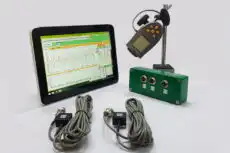
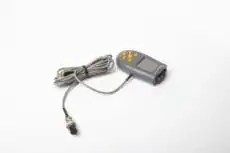
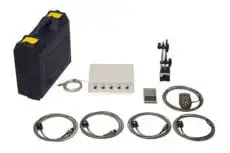
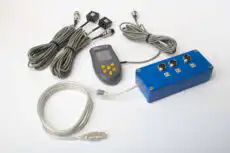
- ਪੋਰਟੇਬਲ ਵਿਸ਼ਲੇਸ਼ਕ ਅਤੇ ਡੇਟਾ ਕੁਲੈਕਟਰ — ਹੱਥ ਵਿੱਚ ਲੈ ਕੇ ਜਾਣ ਵਾਲੀਆਂ ਯੂਨਿਟਾਂ ਜੋ ਇੱਕ ਮਾਪ ਰੂਟ 'ਤੇ ਚੱਲਣ ਲਈ ਵਰਤੀਆਂ ਜਾਂਦੀਆਂ ਹਨ। ਇੱਕ ਦੋ-ਚੈਨਲ ਫੀਲਡ ਯੰਤਰ ਜਿਵੇਂ ਕਿ Balanset-1A ਸਿਰਫ਼ ਡਾਟਾ ਰਿਕਾਰਡ ਹੀ ਨਹੀਂ ਕਰਦਾ ਸਗੋਂ ਇੱਕ ਦੇ ਤੌਰ 'ਤੇ ਵੀ ਕੰਮ ਕਰਦਾ ਹੈ ਵਾਈਬ੍ਰੇਸ਼ਨ ਵਿਸ਼ਲੇਸ਼ਕ ਅਤੇ ਫੀਲਡ ਬੈਲੇਂਸਰ ਵਜੋਂ ਵੀ ਕੰਮ ਕਰਦਾ ਹੈ।
- ਔਨਲਾਈਨ ਨਿਗਰਾਨੀ ਹਾਰਡਵੇਅਰ — ਸਥਾਈ ਤੌਰ 'ਤੇ ਵਾਇਰਡ ਸੈਂਸਰ ਜੋ ਇੱਕ ਰੈਕ ਜਾਂ ਐਜ ਡਿਵਾਈਸ ਨੂੰ ਫੀਡ ਕਰਦੇ ਹਨ ਜੋ ਲਗਾਤਾਰ ਸੈਂਪਲ ਲੈਂਦਾ ਹੈ ਅਤੇ ਹਰੇਕ ਰੀਡਿੰਗ ਦੀ ਤੁਲਨਾ ਆਪਣੇ ਅਲਾਰਮ ਨਿਯਮਾਂ ਨਾਲ ਕਰਦਾ ਹੈ।
ਉਪਕਰਨ ਚੁਣਨਾ ਜ਼ਿਆਦਾਤਰ ਗੰਭੀਰਤਾ ਦਾ ਸਵਾਲ ਹੈ: ਰੁਟੀਨ ਮਸ਼ੀਨਾਂ ਦੀ ਵੱਡੀ ਗਿਣਤੀ ਲਈ ਇੱਕ ਵਧੀਆ ਪੋਰਟੇਬਲ ਯੰਤਰ ਸਭ ਤੋਂ ਵਧੀਆ ਕੰਮ ਕਰਦਾ ਹੈ, ਜਦਕਿ ਕੁਝ ਮਹੱਤਵਪੂਰਨ ਟ੍ਰੇਨਾਂ ਵਿਸ਼ੇਸ਼ ਸਥਾਈ ਹਾਰਡਵੇਅਰ ਨੂੰ ਜਾਇਜ਼ ਠਹਿਰਾਉਂਦੀਆਂ ਹਨ।
4. ਵਾਈਬ੍ਰੇਸ਼ਨ ਮਾਨੀਟਰਿੰਗ ਸਿਸਟਮ ਦੇ ਭਾਗ
ਪੋਰਟੇਬਲ ਹੋਵੇ ਜਾਂ ਸਥਾਈ, ਇੱਕ ਪੂਰਾ ਵਾਈਬ੍ਰੇਸ਼ਨ ਮਾਨੀਟਰਿੰਗ ਸਿਸਟਮ ਉਸੇ ਤਰਕਪੂਰਨ ਲੜੀ ਤੋਂ ਬਣਿਆ ਹੁੰਦਾ ਹੈ:
- ਸੈਂਸਰ ਇਕਸਾਰ, ਦੁਹਰਾਉਣ ਯੋਗ ਮਾਪ ਬਿੰਦੂਆਂ 'ਤੇ ਲਗਾਏ ਗਏ।
- ਸਿਗਨਲ ਪ੍ਰਾਪਤੀ — ਡਾਟਾ-ਕਲੈਕਟਰ ਜਾਂ DAQ ਜੋ ਸਿਗਨਲ ਨੂੰ ਡਿਜੀਟਾਈਜ਼ ਕਰਦਾ ਹੈ ਅਤੇ ਸਮੁੱਚੇ ਪੱਧਰ, ਸਪੈਕਟ੍ਰਮ ਅਤੇ ਵੇਵਫਾਰਮ ਦੀ ਗਣਨਾ ਕਰਦਾ ਹੈ।
- ਇੱਕ ਡਾਟਾਬੇਸ ਜੋ ਹਰ ਰੀਡਿੰਗ ਨੂੰ ਮਸ਼ੀਨ ਅਤੇ ਮਾਪ ਬਿੰਦੂ ਦੇ ਵਿਰੁੱਧ ਸੰਭਾਲਦਾ ਹੈ ਤਾਂ ਜੋ ਇਤਿਹਾਸ ਇਕੱਠਾ ਹੋ ਸਕੇ।
- ਅਲਾਰਮ ਲਾਜਿਕ ਜੋ ਹਰ ਨਵੀਂ ਰੀਡਿੰਗ ਦੀ ਤੁਲਨਾ ਪੂਰਨ ਸੀਮਾਵਾਂ ਅਤੇ ਮਸ਼ੀਨ ਦੀਆਂ ਆਪਣੀਆਂ ਬੇਸਲਾਈਨ.
- ਰਿਪੋਰਟਿੰਗ ਅਤੇ ਟ੍ਰੈਂਡਿੰਗ ਡੈਸ਼ਬੋਰਡ ਜੋ ਕੱਚੇ ਨੰਬਰਾਂ ਨੂੰ ਵਧਦੀਆਂ ਰੁਝਾਨ ਰੇਖਾਵਾਂ ਵਿੱਚ ਬਦਲਦੇ ਹਨ ਜਿਨ੍ਹਾਂ 'ਤੇ ਮੇਨਟੇਨੈਂਸ ਟੀਮਾਂ ਅਸਲ ਵਿੱਚ ਕਾਰਵਾਈ ਕਰਦੀਆਂ ਹਨ।
ਇਹ ਡਾਟਾਬੇਸ ਅਤੇ ਟ੍ਰੈਂਡਿੰਗ ਲੇਅਰ ਹਨ — ਸੈਂਸਰ ਨਹੀਂ — ਜੋ ਇੱਕ ਸੱਚੀ ਮਾਨੀਟਰਿੰਗ ਨੂੰ ਵੱਖ ਕਰਦੇ ਹਨ ਸਿਸਟਮ ਇੱਕ ਵਾਰੀ ਮਾਪ ਤੋਂ।
5. ਵਾਈਬ੍ਰੇਸ਼ਨ ਮਾਨੀਟਰਿੰਗ ਦੀਆਂ ਕਿਸਮਾਂ
ਦੋ ਮੁੱਖ ਤਰੀਕੇ ਹਨ, ਹਰੇਕ ਵੱਖ-ਵੱਖ ਉਪਕਰਨਾਂ ਅਤੇ ਸੰਚਾਲਨ ਲੋੜਾਂ ਲਈ ਢੁਕਵਾਂ ਹੈ।
a) ਪੋਰਟੇਬਲ (ਰੂਟ-ਆਧਾਰਿਤ) ਮਾਨੀਟਰਿੰਗ
ਇਹ ਆਮ-ਮਕਸਦ ਵਾਲੀ ਜਾਂ “ਬੈਲੰਸ ਆਫ਼ ਪਲਾਂਟ” ਮਸ਼ੀਨਰੀ ਦੀ ਨਿਗਰਾਨੀ ਲਈ ਸਭ ਤੋਂ ਆਮ ਵਿਧੀ ਹੈ।
- ਪ੍ਰਕਿਰਿਆ: ਇੱਕ ਤਕਨੀਸ਼ੀਅਨ ਇੱਕ ਪੋਰਟੇਬਲ ਵਰਤਦਾ ਹੈ ਡਾਟਾ ਕਲੈਕਟਰ ਅਤੇ ਪਲਾਂਟ ਵਿੱਚੋਂ ਇੱਕ ਪਹਿਲਾਂ ਤੋਂ ਨਿਰਧਾਰਿਤ “ਰੂਟ” 'ਤੇ ਚੱਲਦਾ ਹੈ, ਲੈਂਦਾ ਹੋਇਆ ਰੂਟ-ਆਧਾਰਿਤ ਮਾਪ ਹਰੇਕ ਮਸ਼ੀਨ 'ਤੇ ਨਿਰਧਾਰਿਤ ਬਿੰਦੂਆਂ 'ਤੇ ਨਿਯਮਿਤ ਅੰਤਰਾਲਾਂ 'ਤੇ (ਉਦਾਹਰਨ ਲਈ ਮਹੀਨਾਵਾਰ ਜਾਂ ਤਿਮਾਹੀ)।
- ਡਾਟਾ ਵਿਸ਼ਲੇਸ਼ਣ: ਇਕੱਠਾ ਕੀਤਾ ਡਾਟਾ ਇੱਕ ਸਾਫਟਵੇਅਰ ਡਾਟਾਬੇਸ ਵਿੱਚ ਅਪਲੋਡ ਕੀਤਾ ਜਾਂਦਾ ਹੈ। ਸਾਫਟਵੇਅਰ ਆਪਣੇ ਆਪ ਕਿਸੇ ਵੀ ਮਾਪ ਨੂੰ ਫਲੈਗ ਕਰਦਾ ਹੈ ਜੋ ਮਹੱਤਵਪੂਰਨ ਤੌਰ 'ਤੇ ਵਧ ਗਿਆ ਹੈ ਜਾਂ ਇੱਕ ਪਹਿਲਾਂ ਤੋਂ ਨਿਰਧਾਰਿਤ ਤੋਂ ਵੱਧ ਗਿਆ ਹੈ ਅਲਾਰਮ ਪੱਧਰ. ਫਿਰ ਇੱਕ ਵਿਸ਼ਲੇਸ਼ਕ ਫਲੈਗ ਕੀਤੇ ਡੇਟਾ ਦੀ ਸਮੀਖਿਆ ਕਰਦਾ ਹੈ ਤਾਂ ਜੋ ਇਹ ਫੈਸਲਾ ਕੀਤਾ ਜਾ ਸਕੇ ਕਿ ਕੀ ਡੂੰਘੇ ਡਾਇਗਨੌਸਟਿਕ ਵਿਸ਼ਲੇਸ਼ਣ ਦੀ ਲੋੜ ਹੈ।
- ਫਾਇਦੇ: ਵੱਡੀ ਗਿਣਤੀ ਵਿੱਚ ਮਸ਼ੀਨਾਂ ਲਈ ਲਾਗਤ-ਪ੍ਰਭਾਵਸ਼ਾਲੀ, ਲਚਕੀਲਾ, ਅਤੇ ਇਹ ਟੈਕਨੀਸ਼ੀਅਨ ਨੂੰ ਰੂਟ ਦੌਰਾਨ ਉਪਕਰਣ ਦਾ ਦ੍ਰਿਸ਼ਟੀਗਤ ਨਿਰੀਖਣ ਕਰਨ ਦੀ ਆਗਿਆ ਦਿੰਦਾ ਹੈ।
- ਨੁਕਸਾਨ: ਅਨਿਯਮਿਤ ਡੇਟਾ ਇਕੱਤਰੀਕਰਨ ਦਾ ਮਤਲਬ ਹੈ ਕਿ ਦੌਰਿਆਂ ਦੇ ਵਿਚਕਾਰ ਤੇਜ਼ੀ ਨਾਲ ਵਿਕਸਤ ਹੋ ਰਹੀ ਖਰਾਬੀ ਖੁੰਝ ਸਕਦੀ ਹੈ, ਅਤੇ ਟੈਕਨੀਸ਼ੀਅਨ ਦੀ ਮੁਹਾਰਤ ਅਤੇ ਸੈਂਸਰ ਮਾਊਂਟਿੰਗ ਦੇ ਆਧਾਰ 'ਤੇ ਡੇਟਾ ਦੀ ਗੁਣਵੱਤਾ ਅਸੰਗਤ ਹੋ ਸਕਦੀ ਹੈ।
b) ਪਰਮਾਨੈਂਟ (ਆਨਲਾਈਨ) ਮਾਨੀਟਰਿੰਗ
ਇਹ ਪਹੁੰਚ ਗੰਭੀਰ, ਉੱਚ-ਮੁੱਲ ਵਾਲੀਆਂ ਜਾਂ ਪਹੁੰਚਯੋਗ ਨਾ ਹੋਣ ਵਾਲੀਆਂ ਮਸ਼ੀਨਾਂ ਲਈ ਰਾਖਵੀਂ ਹੈ ਜਿੱਥੇ ਅਸਫਲਤਾ ਗੰਭੀਰ ਸੁਰੱਖਿਆ, ਵਾਤਾਵਰਣ ਜਾਂ ਵਿੱਤੀ ਨਤੀਜੇ ਲੈ ਕੇ ਆ ਸਕਦੀ ਹੈ।
- ਪ੍ਰਕਿਰਿਆ: ਸੈਂਸਰ ਜਿਵੇਂ ਕਿ ਐਕਸੀਲੇਰੋਮੀਟਰ ਜਾਂ ਪ੍ਰੌਕਸਿਮਿਟੀ ਪ੍ਰੋਬ ਮਸ਼ੀਨ 'ਤੇ ਸਥਾਈ ਤੌਰ 'ਤੇ ਸਥਾਪਿਤ ਕੀਤੇ ਜਾਂਦੇ ਹਨ ਅਤੇ ਇੱਕ ਸਿਸਟਮ ਨਾਲ ਵਾਇਰਡ ਕੀਤੇ ਜਾਂਦੇ ਹਨ ਜੋ ਲਗਾਤਾਰ (24/7) ਜਾਂ ਵਾਰ-ਵਾਰ, ਪ੍ਰੋਗਰਾਮ ਕੀਤੇ ਅੰਤਰਾਲਾਂ 'ਤੇ ਡੇਟਾ ਇਕੱਤਰ ਕਰਦਾ ਹੈ।
- ਡਾਟਾ ਵਿਸ਼ਲੇਸ਼ਣ: ਦੇ ਆਨਲਾਈਨ ਸਿਸਟਮ ਲਗਾਤਾਰ ਡੇਟਾ ਦੀ ਤੁਲਨਾ ਅਲਾਰਮ ਸੈੱਟਪੁਆਇੰਟਾਂ ਅਤੇ ਸੂਝਵਾਨ ਵਿਸ਼ਲੇਸ਼ਣਾਤਮਕ ਨਿਯਮਾਂ ਨਾਲ ਕਰਦਾ ਹੈ। ਜੇਕਰ ਕੋਈ ਅਲਾਰਮ ਟ੍ਰਿਪ ਹੁੰਦਾ ਹੈ ਤਾਂ ਇਹ ਆਪਣੇ ਆਪ ਟੈਕਸਟ, ਈਮੇਲ ਜਾਂ ਕੰਟਰੋਲ-ਸਿਸਟਮ ਅਲਰਟ ਰਾਹੀਂ ਸੂਚਿਤ ਕਰ ਸਕਦਾ ਹੈ, ਅਤੇ ਸਭ ਤੋਂ ਗੰਭੀਰ ਮਸ਼ੀਨਾਂ 'ਤੇ ਇਸਨੂੰ ਇੱਕ ਮਸ਼ੀਨਰੀ ਸੁਰੱਖਿਆ ਟ੍ਰਿਪ ਨਾਲ ਜੋੜਿਆ ਜਾ ਸਕਦਾ ਹੈ। ਵਿਸਤ੍ਰਿਤ ਇਤਿਹਾਸਕ ਅਤੇ ਡਾਇਗਨੌਸਟਿਕ ਵਿਸ਼ਲੇਸ਼ਣ ਲਈ ਉੱਚ-ਰੈਜ਼ੋਲਿਊਸ਼ਨ ਡੇਟਾ ਸਟੋਰ ਕੀਤਾ ਜਾਂਦਾ ਹੈ।
- ਫਾਇਦੇ: ਗੰਭੀਰ ਸੰਪਤੀਆਂ ਲਈ ਵੱਧ ਤੋਂ ਵੱਧ ਸੁਰੱਖਿਆ, ਅਸਥਾਈ ਘਟਨਾਵਾਂ ਦਾ ਕੈਪਚਰ ਜੋ ਇੱਕ ਰੂਟ ਕਦੇ ਨਹੀਂ ਫੜ ਸਕਦਾ, ਅਤੇ ਬਹੁਤ ਸ਼ੁਰੂਆਤੀ ਖਰਾਬੀ ਦੀ ਪਛਾਣ.
- ਨੁਕਸਾਨ: ਹਾਰਡਵੇਅਰ ਅਤੇ ਸਥਾਪਨਾ ਲਈ ਵੱਧ ਸ਼ੁਰੂਆਤੀ ਲਾਗਤ।
6. ਟ੍ਰੈਂਡਿੰਗ ਦੀ ਮਹੱਤਤਾ
ਵਾਈਬ੍ਰੇਸ਼ਨ ਮਾਨੀਟਰਿੰਗ ਦਾ ਸਭ ਤੋਂ ਸ਼ਕਤੀਸ਼ਾਲੀ ਪਹਿਲੂ ਹੈ ਰੁਝਾਨ. ਇੱਕ ਇਕੱਲੀ ਵਾਈਬ੍ਰੇਸ਼ਨ ਮਾਪ ਦਾ ਸੀਮਤ ਮੁੱਲ ਹੁੰਦਾ ਹੈ, ਪਰ ਸਮੇਂ ਦੇ ਨਾਲ ਮਾਪਾਂ ਦੀ ਇੱਕ ਲੜੀ ਇੱਕ ਟ੍ਰੈਂਡ ਲਾਈਨ ਬਣਾਉਂਦੀ ਹੈ ਜੋ ਸਪਸ਼ਟ ਤੌਰ 'ਤੇ ਦਿਖਾਉਂਦੀ ਹੈ ਕਿ ਮਸ਼ੀਨ ਦੀ ਸਥਿਤੀ ਕਿਵੇਂ ਵਿਕਸਤ ਹੋ ਰਹੀ ਹੈ। ਲਗਾਤਾਰ ਵਧਦਾ ਟ੍ਰੈਂਡ ਇੱਕ ਸਪਸ਼ਟ ਚੇਤਾਵਨੀ ਹੈ ਕਿ ਖਰਾਬੀ ਵਧ ਰਹੀ ਹੈ, ਅਤੇ ਇਹ ਰੱਖ-ਰਖਾਅ ਦੀ ਸਰਗਰਮੀ ਨਾਲ ਯੋਜਨਾ ਬਣਾਉਣ ਦੀ ਆਗਿਆ ਦਿੰਦਾ ਹੈ — ਪੁਰਜ਼ੇ ਆਰਡਰ ਕਰਨਾ, ਮਜ਼ਦੂਰੀ ਦਾ ਸ਼ਡਿਊਲ ਬਣਾਉਣਾ ਅਤੇ ਬੰਦ ਕਰਨ ਦੀ ਵਿੰਡੋ ਚੁਣਨਾ — ਅਸਫਲਤਾ ਹੋਣ ਤੋਂ ਬਹੁਤ ਪਹਿਲਾਂ।
ਵਾਈਬ੍ਰੇਸ਼ਨ ਮਿਆਰ ਜਿਵੇਂ ਕਿ ISO 20816-1 (ਆਧੁਨਿਕ ISO 20816 ਲੜੀ ਦਾ ਆਮ ਭਾਗ; ਆਮ ਉਦਯੋਗਿਕ ਮਸ਼ੀਨਾਂ ਲਈ ਮਸ਼ੀਨ-ਵਿਸ਼ੇਸ਼ ਸੀਮਾਵਾਂ ਹੁਣ ISO 20816-3 ਵਿੱਚ ਹਨ, ਜਿਸ ਨੇ ISO 10816-3 ਸੀਰੀਜ਼ ਦਾ ਆਧੁਨਿਕ ਉੱਤਰਾਧਿਕਾਰੀ) ਵਾਈਬ੍ਰੇਸ਼ਨ ਗੰਭੀਰਤਾ ਨੂੰ ਚਾਰ ਮੁਲਾਂਕਣ ਜ਼ੋਨਾਂ ਵਿੱਚ ਵੰਡਦਾ ਹੈ: ਜ਼ੋਨ A ਨਵੀਆਂ ਚਾਲੂ ਕੀਤੀਆਂ ਮਸ਼ੀਨਾਂ ਲਈ, ਜ਼ੋਨ B ਅਸੀਮਿਤ ਲੰਬੇ ਸਮੇਂ ਦੇ ਸੰਚਾਲਨ ਲਈ, ਜ਼ੋਨ C ਜਿੱਥੇ ਸੰਚਾਲਨ ਸਿਰਫ਼ ਸੀਮਤ ਸਮੇਂ ਲਈ ਸਵੀਕਾਰਯੋਗ ਹੈ, ਅਤੇ ਜ਼ੋਨ D ਜਿੱਥੇ ਵਾਈਬ੍ਰੇਸ਼ਨ ਨੁਕਸਾਨ ਪਹੁੰਚਾਉਣ ਲਈ ਕਾਫ਼ੀ ਗੰਭੀਰ ਹੈ। ਇਹ ਜ਼ੋਨ ਸੀਮਾਵਾਂ ਇੱਕ ਵਧੀਆ ਸ਼ੁਰੂਆਤੀ ਬਿੰਦੂ ਹਨ, ਪਰ ਸਭ ਤੋਂ ਪ੍ਰਭਾਵਸ਼ਾਲੀ ਅਲਾਰਮ ਉਹ ਹੁੰਦੇ ਹਨ ਜੋ ਮਸ਼ੀਨ ਦੇ ਆਪਣੇ ਇਤਿਹਾਸਕ ਬੇਸਲਾਈਨ ਡੇਟਾ ਤੋਂ ਸੈੱਟ ਕੀਤੇ ਜਾਂਦੇ ਹਨ: ਉਸ ਬੇਸਲਾਈਨ ਦੇ ਵਿਰੁੱਧ ਇੱਕ ਸਾਪੇਖਿਕ ਤਬਦੀਲੀ ਅਕਸਰ ਕਿਸੇ ਸੰਪੂਰਨ ਸੀਮਾ ਦੀ ਉਲੰਘਣਾ ਹੋਣ ਤੋਂ ਬਹੁਤ ਪਹਿਲਾਂ ਵਿਕਸਤ ਹੋ ਰਹੀ ਸਮੱਸਿਆ ਨੂੰ ਪ੍ਰਗਟ ਕਰ ਦਿੰਦੀ ਹੈ।
7. ਨਿਗਰਾਨੀ ਬਨਾਮ ਵਿਸ਼ਲੇਸ਼ਣ
ਇਸ ਸਬੰਧ ਨੂੰ ਇਸ ਤਰ੍ਹਾਂ ਸੋਚਣਾ ਮਦਦਗਾਰ ਹੁੰਦਾ ਹੈ:
ਮਾਨੀਟਰਿੰਗ ਸਮੱਸਿਆ ਲੱਭਦੀ ਹੈ; ਵਿਸ਼ਲੇਸ਼ਣ ਸਮੱਸਿਆ ਨੂੰ ਪਰਿਭਾਸਿਤ ਕਰਦਾ ਹੈ।
ਵਾਈਬ੍ਰੇਸ਼ਨ ਨਿਗਰਾਨੀ ਸਿਸਟਮ ਰੱਖਿਆ ਦੀ ਪਹਿਲੀ ਲਾਈਨ ਵਜੋਂ ਕੰਮ ਕਰਦੇ ਹਨ, ਸੰਭਾਵੀ ਮੁੱਦਿਆਂ ਨੂੰ ਫਲੈਗ ਕਰਨ ਲਈ ਵੱਡੀ ਮਾਤਰਾ ਵਿੱਚ ਡੇਟਾ ਨੂੰ ਆਪਣੇ ਆਪ ਛਾਣਦੇ ਹਨ। ਇਹ ਮਾਹਿਰ ਵਿਸ਼ਲੇਸ਼ਕ ਨੂੰ ਉਹਨਾਂ ਮਸ਼ੀਨਾਂ 'ਤੇ ਸਮਾਂ ਅਤੇ ਮੁਹਾਰਤ ਕੇਂਦਰਿਤ ਕਰਨ ਲਈ ਖਾਲੀ ਕਰਦਾ ਹੈ ਜਿਨ੍ਹਾਂ ਨੂੰ ਅਸਲ ਵਿੱਚ ਧਿਆਨ ਦੀ ਲੋੜ ਹੈ, ਡੂੰਘਾਈ ਨਾਲ ਵਾਈਬ੍ਰੇਸ਼ਨ ਵਿਸ਼ਲੇਸ਼ਣ ਕਰਕੇ ਖਾਸ ਖਰਾਬੀ ਦਾ ਨਿਦਾਨ ਕਰਨ ਅਤੇ ਸਟੀਕ ਸੁਧਾਰਾਤਮਕ ਕਾਰਵਾਈ ਦੀ ਸਿਫ਼ਾਰਸ਼ ਕਰਨ ਲਈ। ਨਿਗਰਾਨੀ ਵੀ ਇੰਜਣ ਹੈ ਭਵਿੱਖਬਾਣੀ ਰੱਖ-ਰਖਾਵ, ਜਿੱਥੇ ਉਹੀ ਟ੍ਰੈਂਡ ਡੇਟਾ ਦਾ ਵਿਸਥਾਰ ਕੀਤਾ ਜਾਂਦਾ ਹੈ ਤਾਂ ਜੋ ਸਿਰਫ਼ ਇਹ ਹੀ ਨਹੀਂ ਦੱਸਿਆ ਜਾ ਸਕੇ ਕਿ ਕੋਈ ਖਰਾਬੀ ਮੌਜੂਦ ਹੈ ਸਗੋਂ ਲਗਭਗ ਇਹ ਵੀ ਕਿ ਇਹ ਕਦੋਂ ਅਸਫਲਤਾ ਤੱਕ ਪਹੁੰਚੇਗੀ।
8. ਪੋਰਟੇਬਲ ਯੰਤਰ ਕਿੱਥੇ ਫਿੱਟ ਹੁੰਦੇ ਹਨ
ਜ਼ਿਆਦਾਤਰ ਪਲਾਂਟ ਇੱਕ ਟਾਇਰਡ ਰਣਨੀਤੀ ਚਲਾਉਂਦੇ ਹਨ: ਸਥਾਈ ਔਨਲਾਈਨ ਸਿਸਟਮ ਕੁਝ ਸੱਚਮੁੱਚ ਗੰਭੀਰ ਟ੍ਰੇਨਾਂ ਦੀ ਰਾਖੀ ਕਰਦੇ ਹਨ, ਜਦਕਿ ਇੱਕ ਪੋਰਟੇਬਲ ਯੰਤਰ ਨਿਯਮਤ ਮਸ਼ੀਨਾਂ ਦੀ ਬਹੁਤ ਵੱਡੀ ਆਬਾਦੀ ਨੂੰ ਕਵਰ ਕਰਦਾ ਹੈ। ਇੱਕ ਪੋਰਟੇਬਲ ਦੋ-ਚੈਨਲ ਵਿਸ਼ਲੇਸ਼ਕ ਜਿਵੇਂ ਕਿ Balanset-1A ਨਿਗਰਾਨੀ ਅਤੇ ਕਾਰਵਾਈ ਪੁਲ ਦਾ ਕੰਮ ਕਰਦਾ ਹੈ — ਇਹ ਸਮੁੱਚਾ ਪੱਧਰ ਅਤੇ 1× ਐਂਪਲੀਟਿਊਡ ਅਤੇ ਫੇਜ਼ ਟ੍ਰੈਂਡਿੰਗ ਲਈ ਕੈਪਚਰ ਕਰਦਾ ਹੈ, ਅਤੇ ਜਦੋਂ ਕੋਈ ਖਰਾਬੀ ਜਿਵੇਂ ਕਿ ਅਸੰਤੁਲਨ ਦੀ ਪੁਸ਼ਟੀ ਹੋ ਜਾਂਦੀ ਹੈ, ਤਾਂ ਉਹੀ ਯੰਤਰ ਰੋਟਰ ਨੂੰ ਉਸਦੇ ਆਪਣੇ ਬੇਅਰਿੰਗਾਂ ਵਿੱਚ ਸਾਈਟ 'ਤੇ ਹੀ ਸੰਤੁਲਿਤ ਕਰਦਾ ਹੈ। ਦੂਜੀ ਯਾਤਰਾ ਤੋਂ ਬਿਨਾਂ ਤਬਦੀਲੀ ਦਾ ਪਤਾ ਲਗਾਉਣ ਅਤੇ ਇਸਨੂੰ ਠੀਕ ਕਰਨ ਦੀ ਇਹ ਸਮਰੱਥਾ ਹੀ ਹੈ ਜੋ ਇੱਕ ਪੋਰਟੇਬਲ ਵਿਸ਼ਲੇਸ਼ਕ ਨੂੰ ਛੋਟੇ-ਤੋਂ-ਦਰਮਿਆਨੇ ਸਥਿਤੀ-ਨਿਗਰਾਨੀ ਪ੍ਰੋਗਰਾਮ ਦਾ ਵਿਹਾਰਕ ਕੇਂਦਰ ਬਣਾਉਂਦੀ ਹੈ।
9. ਅਕਸਰ ਪੁੱਛੇ ਜਾਣ ਵਾਲੇ ਸਵਾਲ
ਵਾਈਬ੍ਰੇਸ਼ਨ ਨਿਗਰਾਨੀ ਅਤੇ ਵਾਈਬ੍ਰੇਸ਼ਨ ਵਿਸ਼ਲੇਸ਼ਣ ਵਿੱਚ ਕੀ ਫਰਕ ਹੈ?
ਨਿਗਰਾਨੀ ਪਤਾ ਲਗਾਉਂਦੀ ਹੈ ਕਿ ਕਿ ਸਮੁੱਚੇ ਪੱਧਰਾਂ ਦੀ ਟ੍ਰੈਂਡਿੰਗ ਕਰਕੇ ਮਸ਼ੀਨ ਦੀ ਸਥਿਤੀ ਬਦਲ ਗਈ ਹੈ; ਵਿਸ਼ਲੇਸ਼ਣ ਜਾਂਚ ਕਰਦਾ ਹੈ ਕਿ ਕਿਉਂ, ਸਪੈਕਟ੍ਰਮ ਅਤੇ ਵੇਵਫਾਰਮ ਦੀ ਵਰਤੋਂ ਕਰਕੇ ਖਾਸ ਖਰਾਬੀ ਦਾ ਨਿਦਾਨ ਕਰਨ ਲਈ। ਨਿਗਰਾਨੀ ਕਈ ਮਸ਼ੀਨਾਂ 'ਤੇ ਲਗਾਤਾਰ ਚੱਲਦੀ ਹੈ; ਵਿਸ਼ਲੇਸ਼ਣ ਉਹਨਾਂ ਕੁਝ 'ਤੇ ਲਾਗੂ ਕੀਤਾ ਜਾਂਦਾ ਹੈ ਜਿਨ੍ਹਾਂ ਨੂੰ ਨਿਗਰਾਨੀ ਫਲੈਗ ਕਰਦੀ ਹੈ।
ਵਾਈਬ੍ਰੇਸ਼ਨ ਨਿਗਰਾਨੀ ਲਈ ਕਿਹੜੇ ਸੈਂਸਰ ਵਰਤੇ ਜਾਂਦੇ ਹਨ?
ਐਕਸੀਲਰੋਮੀਟਰ ਜ਼ਿਆਦਾਤਰ ਰੋਲਿੰਗ-ਐਲੀਮੈਂਟ ਮਸ਼ੀਨਰੀ ਨੂੰ ਕਵਰ ਕਰਦੇ ਹਨ, ਵੈਲੋਸਿਟੀ ਸੈਂਸਰ ਆਮ ਮਿਡ-ਬੈਂਡ ਰੀਡਿੰਗਾਂ ਲਈ ਢੁਕਵੇਂ ਹਨ, ਅਤੇ ਪ੍ਰੌਕਸਿਮਿਟੀ ਪ੍ਰੋਬ ਤਰਲ-ਫਿਲਮ ਬੇਅਰਿੰਗ ਮਸ਼ੀਨਾਂ 'ਤੇ ਸ਼ਾਫਟ ਵਿਸਥਾਪਨ ਮਾਪਦੇ ਹਨ।
ਇੱਕ “ਚੰਗਾ” ਵਾਈਬ੍ਰੇਸ਼ਨ ਪੱਧਰ ਕੀ ਹੈ?
ਇੱਥੇ ਕੋਈ ਇੱਕ ਸੰਖਿਆ ਨਹੀਂ ਹੈ — ਇਹ ਮਸ਼ੀਨ ਦੇ ਆਕਾਰ ਅਤੇ ਮਾਊਂਟਿੰਗ 'ਤੇ ਨਿਰਭਰ ਕਰਦਾ ਹੈ। ISO 20816 / ISO 10816-3 ਜ਼ੋਨ ਆਮ ਮਾਰਗਦਰਸ਼ਨ ਦਿੰਦੇ ਹਨ, ਪਰ ਸਭ ਤੋਂ ਭਰੋਸੇਯੋਗ ਅਲਾਰਮ ਉਸ ਮਸ਼ੀਨ ਦੇ ਆਪਣੇ ਸਥਾਪਿਤ ਬੇਸਲਾਈਨ ਦੇ ਸਾਪੇਖਿਕ ਬਦਲਾਅ ਹੈ।
ਵਾਈਬ੍ਰੇਸ਼ਨ ਕਿੰਨੀ ਵਾਰ ਮਾਪੀ ਜਾਣੀ ਚਾਹੀਦੀ ਹੈ?
ਨਿਯਮਤ ਮਸ਼ੀਨਾਂ ਦੀ ਰੂਟ-ਅਧਾਰਿਤ ਨਿਗਰਾਨੀ ਆਮ ਤੌਰ 'ਤੇ ਮਹੀਨਾਵਾਰ ਜਾਂ ਤਿਮਾਹੀ ਹੁੰਦੀ ਹੈ; ਸਥਾਈ ਔਨਲਾਈਨ ਸਿਸਟਮਾਂ 'ਤੇ ਗੰਭੀਰ ਮਸ਼ੀਨਾਂ ਦਾ ਨਮੂਨਾ ਲਗਾਤਾਰ ਜਾਂ ਵਾਰ-ਵਾਰ ਪ੍ਰੋਗਰਾਮ ਕੀਤੇ ਅੰਤਰਾਲਾਂ 'ਤੇ ਲਿਆ ਜਾਂਦਾ ਹੈ।
ਕੀ ਇੱਕ ਯੰਤਰ ਕਿਸੇ ਮਸ਼ੀਨ ਦੀ ਨਿਗਰਾਨੀ ਅਤੇ ਸੰਤੁਲਨ ਦੋਵੇਂ ਕਰ ਸਕਦਾ ਹੈ?
ਹਾਂ। Balanset-1A ਵਰਗਾ ਇੱਕ ਪੋਰਟੇਬਲ ਦੋ-ਚੈਨਲ ਵਿਸ਼ਲੇਸ਼ਕ ਨਿਗਰਾਨੀ ਲਈ ਵਾਈਬ੍ਰੇਸ਼ਨ ਦੀ ਟ੍ਰੈਂਡਿੰਗ ਕਰਦਾ ਹੈ ਅਤੇ, ਇੱਕ ਵਾਰ ਅਸੰਤੁਲਨ ਦੀ ਪੁਸ਼ਟੀ ਹੋਣ 'ਤੇ, ਪ੍ਰਦਰਸ਼ਨ ਕਰਦਾ ਹੈ ਸਾਈਟ ਬੈਲੇਂਸਿੰਗ (ਫੀਲਡ ਬੈਲੇਂਸਿੰਗ) ਉਸੇ ਦੌਰੇ 'ਤੇ।

