ਲਗਾਤਾਰ ਨਿਗਰਾਨੀ ਨੂੰ ਸਮਝਣਾ
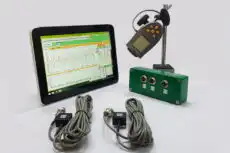
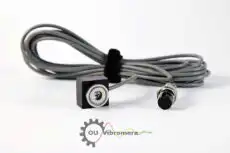
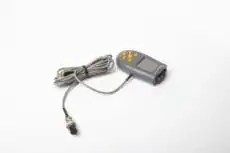
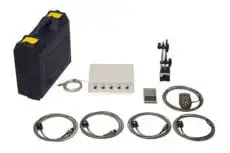
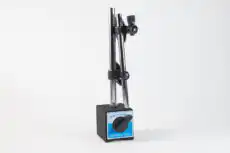

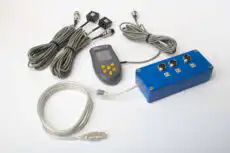
ਲਗਾਤਾਰ ਨਿਗਰਾਨੀ ਹੈ ਇੱਕ ਔਨਲਾਈਨ ਨਿਗਰਾਨੀ ਪਹੁੰਚ ਜਿਸ ਵਿੱਚ ਸਥਾਈ ਤੌਰ 'ਤੇ ਲਗਾਏ ਗਏ ਸੈਂਸਰ ਅਤੇ ਯੰਤਰ ਮਸ਼ੀਨ ਦੀ ਹਾਲਤ ਦੀ ਨਿਰੰਤਰ, ਰੀਅਲ-ਟਾਈਮ ਨਿਗਰਾਨੀ ਪ੍ਰਦਾਨ ਕਰਦੇ ਹਨ। ਸਿਸਟਮ ਵਾਈਬ੍ਰੇਸ਼ਨ ਸਿਗਨਲਾਂ ਦੀ ਲਗਾਤਾਰ ਪ੍ਰਕਿਰਿਆ ਕਰਦਾ ਹੈ — ਆਮ ਤੌਰ 'ਤੇ ਹਰ ਕੁਝ ਸਕਿੰਟਾਂ ਵਿੱਚ ਡਿਸਪਲੇਅ ਅਤੇ ਅਲਾਰਮ ਨੂੰ ਰਿਫ੍ਰੈਸ਼ ਕਰਦੇ ਹੋਏ — ਤਾਂ ਜੋ ਅਸਧਾਰਨ ਸਥਿਤੀਆਂ ਪ੍ਰਗਟ ਹੁੰਦੇ ਹੀ ਪਛਾਣੀਆਂ ਜਾਣ ਅਤੇ ਵਿਕਸਤ ਹੋ ਰਹੀ ਸਮੱਸਿਆ 'ਤੇ ਖ਼ਰਾਬੀ ਬਣਨ ਤੋਂ ਪਹਿਲਾਂ ਕਾਰਵਾਈ ਕੀਤੀ ਜਾ ਸਕੇ। ਇਹ ਉਪਕਰਣ ਨਿਗਰਾਨੀ ਦੇ ਸਭ ਤੋਂ ਉੱਚੇ ਪੱਧਰ ਨੂੰ ਦਰਸਾਉਂਦਾ ਹੈ, ਜੋ ਦੋਵਾਂ ਨੂੰ ਜੋੜਦਾ ਹੈ ਹਾਲਤ ਮੁਲਾਂਕਣ ਅਤੇ ਮਸ਼ੀਨਰੀ ਸੁਰੱਖਿਆ ਇੱਕ ਹੀ ਸਥਾਪਨਾ ਵਿੱਚ।
ਘੱਟ ਪ੍ਰਭਾਵਸ਼ਾਲੀ ਰਣਨੀਤੀਆਂ ਤੋਂ ਫ਼ਰਕ ਸ਼ਬਦ ਹੈ ਲਗਾਤਾਰ। ਦੇ ਉਲਟ ਸਮੇਂ-ਸਮੇਂ 'ਤੇ ਰੂਟ-ਆਧਾਰਿਤ ਸਰਵੇਖਣ ਜੋ ਮਹੀਨਾਵਾਰ ਲਏ ਜਾਂਦੇ ਹਨ, ਜਾਂ ਇੱਥੋਂ ਤੱਕ ਕਿ ਹਰ ਕੁਝ ਮਿੰਟਾਂ ਵਿੱਚ ਲਈਆਂ ਗਈਆਂ ਵਾਰ-ਵਾਰ ਸਨੈਪਸ਼ਾਟ ਰੀਡਿੰਗਾਂ ਦੇ, ਨਿਰੰਤਰ ਨਿਗਰਾਨੀ ਲਾਈਵ ਸਿਗਨਲ 'ਤੇ ਰੀਅਲ ਟਾਈਮ ਵਿੱਚ ਕੰਮ ਕਰਦੀ ਹੈ। ਇਹ ਇਸ ਨੂੰ ਤੇਜ਼ੀ ਨਾਲ ਵਿਕਸਤ ਹੋ ਰਹੇ ਨੁਕਸਾਂ ਅਤੇ ਅਸਥਾਈ ਘਟਨਾਵਾਂ ਨੂੰ ਫੜਨ ਦੇ ਸਮਰੱਥ ਇੱਕੋ-ਇੱਕ ਪਹੁੰਚ ਬਣਾਉਂਦਾ ਹੈ, ਅਤੇ ਇੱਕੋ-ਇੱਕ ਅਜਿਹਾ ਜੋ ਤੁਰੰਤ ਅਲਾਰਮ-ਅਤੇ-ਟ੍ਰਿਪ ਸਮਰੱਥਾ ਪ੍ਰਦਾਨ ਕਰ ਸਕਦਾ ਹੈ ਜਿਸਦੀ ਨਾਜ਼ੁਕ ਟਰਬੋਮਸ਼ੀਨਰੀ ਅਤੇ ਸੁਰੱਖਿਆ-ਸੰਵੇਦਨਸ਼ੀਲ ਪਲਾਂਟ ਨੂੰ ਲੋੜ ਹੁੰਦੀ ਹੈ।
1. ਓਪਰੇਟਿੰਗ ਮੋਡ
“ਨਿਰੰਤਰ” ਨੂੰ ਤੀਬਰਤਾ ਦੇ ਤਿੰਨ ਪੱਧਰਾਂ 'ਤੇ ਲਾਗੂ ਕੀਤਾ ਜਾਂਦਾ ਹੈ, ਜੋ ਪ੍ਰੋਸੈਸਿੰਗ ਲਾਗਤ ਨੂੰ ਡਾਟਾ ਦੀ ਅਮੀਰੀ ਦੇ ਵਿਰੁੱਧ ਵਪਾਰ ਕਰਦਾ ਹੈ।
- ਸੱਚੀ ਨਿਰੰਤਰ (ਰੀਅਲ-ਟਾਈਮ DSP): ਸਿਗਨਲ ਨੂੰ ਸਮਰਪਿਤ ਡਿਜੀਟਲ ਸਿਗਨਲ ਪ੍ਰੋਸੈਸਿੰਗ ਦੁਆਰਾ ਲਗਾਤਾਰ ਪ੍ਰੋਸੈਸ ਕੀਤਾ ਜਾਂਦਾ ਹੈ। ਸਮੁੱਚੇ ਪੱਧਰ ਹਰ 1–10 ਸਕਿੰਟਾਂ ਵਿੱਚ ਅੱਪਡੇਟ ਹੁੰਦੇ ਹਨ, ਇੱਕ ਅਲਾਰਮ ਇੱਕ ਸਕਿੰਟ ਤੋਂ ਘੱਟ ਸਮੇਂ ਵਿੱਚ ਜਵਾਬ ਦੇ ਸਕਦਾ ਹੈ, ਅਤੇ ਸੁਰੱਖਿਆ ਆਪਣੇ ਸਭ ਤੋਂ ਉੱਚੇ ਪੱਧਰ 'ਤੇ ਹੁੰਦੀ ਹੈ। ਇਹ ਸਭ ਤੋਂ ਮਹਿੰਗਾ ਲਾਗੂਕਰਨ ਵੀ ਹੈ।
- ਉੱਚ-ਆਵਿਰਤੀ ਸਨੈਪਸ਼ਾਟ: ਵਿਸਤ੍ਰਿਤ ਮਾਪ — ਜਿਸ ਵਿੱਚ ਸ਼ਾਮਲ ਹਨ FFT, ਰੁਝਾਨ ਅਤੇ ਉੱਨਤ ਵਿਸ਼ਲੇਸ਼ਣ — ਹਰ 1–60 ਸਕਿੰਟਾਂ ਵਿੱਚ ਲਏ ਜਾਂਦੇ ਹਨ, ਜਿਸ ਵਿੱਚ ਸਨੈਪਸ਼ਾਟਾਂ ਦੇ ਵਿਚਕਾਰ ਸਰਲੀਕ੍ਰਿਤ ਨਿਗਰਾਨੀ ਜਾਰੀ ਰਹਿੰਦੀ ਹੈ। ਇਹ ਪ੍ਰੋਸੈਸਿੰਗ ਲੋਡ ਦੇ ਵਿਰੁੱਧ ਡਾਟਾ ਦੀ ਅਮੀਰੀ ਨੂੰ ਸੰਤੁਲਿਤ ਕਰਦਾ ਹੈ ਅਤੇ ਸਭ ਤੋਂ ਆਮ ਵਿਹਾਰਕ ਲਾਗੂਕਰਨ ਹੈ।
- ਹਾਈਬ੍ਰਿਡ ਪਹੁੰਚ: ਸੁਰੱਖਿਆ ਲਈ ਨਿਰੰਤਰ ਸਮੁੱਚੇ-ਪੱਧਰ ਦੀ ਨਿਗਰਾਨੀ ਚੱਲਦੀ ਹੈ, ਜਦੋਂ ਕਿ ਵਿਸਤ੍ਰਿਤ ਵਿਸ਼ਲੇਸ਼ਣ ਸਮੇਂ-ਸਮੇਂ 'ਤੇ (ਘੰਟੇ ਜਾਂ ਰੋਜ਼ਾਨਾ) ਅਤੇ ਘਟਨਾ ਟ੍ਰਿਗਰਾਂ 'ਤੇ ਕੀਤਾ ਜਾਂਦਾ ਹੈ। ਇਹ ਸੁਰੱਖਿਆ ਜਾਲ ਦੀ ਬਲੀ ਦਿੱਤੇ ਬਿਨਾਂ ਪ੍ਰੋਸੈਸਿੰਗ ਸਰੋਤਾਂ ਨੂੰ ਅਨੁਕੂਲ ਬਣਾਉਂਦਾ ਹੈ।
2. ਮੁੱਖ ਵਿਸ਼ੇਸ਼ਤਾਵਾਂ
ਰੀਅਲ-ਟਾਈਮ ਅਲਾਰਮਿੰਗ
ਪਰਿਭਾਸ਼ਿਤ ਸਮਰੱਥਾ ਇਹ ਹੈ ਕਿ ਜਿਵੇਂ ਹੀ ਕੋਈ ਸੀਮਾ ਪਾਰ ਹੁੰਦੀ ਹੈ, ਤੁਰੰਤ ਸੂਚਨਾ ਦਿੱਤੀ ਜਾਂਦੀ ਹੈ। ਸਿਸਟਮ ਕਈ ਵਧਦੀਆਂ ਸੀਮਾਵਾਂ ਦੀ ਵਰਤੋਂ ਕਰਦੇ ਹਨ — ਆਮ ਤੌਰ 'ਤੇ ਇੱਕ ਚੇਤਾਵਨੀ, ਇੱਕ ਅਲਾਰਮ, ਇੱਕ ਖ਼ਤਰੇ ਦਾ ਪੱਧਰ ਅਤੇ ਇੱਕ ਟ੍ਰਿਪ — ਅਤੇ ਸਵੈਚਲਿਤ ਹੁਕਮ ਦੇ ਸਕਦੇ ਹਨ ਬੰਦ ਕਰਨਾ। ਜਵਾਬ ਦਾ ਸਮਾਂ ਸਕਿੰਟਾਂ ਤੋਂ ਮਿੰਟਾਂ ਤੱਕ ਹੁੰਦਾ ਹੈ, ਜੋ ਇਸ ਪਹੁੰਚ ਨੂੰ ਸਿਰਫ਼ ਡਾਇਗਨੌਸਟਿਕ ਦੀ ਬਜਾਏ ਅਸਲ ਵਿੱਚ ਸੁਰੱਖਿਆਤਮਕ ਬਣਾਉਂਦਾ ਹੈ।
ਅਸਥਾਈ ਘਟਨਾ ਕੈਪਚਰ
ਕਿਉਂਕਿ ਸਿਸਟਮ ਕਦੇ ਵੀ ਸੁਸਤ ਨਹੀਂ ਹੁੰਦਾ, ਇਹ ਆਪਣੇ ਆਪ ਸਟਾਰਟਅੱਪ ਅਤੇ ਬੰਦ ਕਰਨਾ ਘਟਨਾਵਾਂ ਨੂੰ ਰਿਕਾਰਡ ਕਰਦਾ ਹੈ, ਕਿਸੇ ਵੀ ਅਲਾਰਮ-ਟ੍ਰਿਗਰ ਕਰਨ ਵਾਲੀ ਘਟਨਾ ਦੇ ਆਲੇ-ਦੁਆਲੇ ਦੇ ਡਾਟੇ ਨੂੰ ਸੁਰੱਖਿਅਤ ਰੱਖਦਾ ਹੈ, ਅਤੇ ਅਸਧਾਰਨ ਘਟਨਾਵਾਂ ਦਾ ਰਿਕਾਰਡ ਰੱਖਦਾ ਹੈ। ਇਹ ਸਟੋਰ ਕੀਤਾ ਇਤਿਹਾਸ ਵਿਸਤ੍ਰਿਤ ਘਟਨਾ-ਤੋਂ-ਬਾਅਦ ਵਿਸ਼ਲੇਸ਼ਣ ਨੂੰ ਸਮਰੱਥ ਬਣਾਉਂਦਾ ਹੈ — ਅਕਸਰ ਇਹ ਸਮਝਣ ਦਾ ਇੱਕੋ-ਇੱਕ ਤਰੀਕਾ ਹੁੰਦਾ ਹੈ ਕਿ ਕੋਈ ਨੁਕਸ ਬਿਲਕੁਲ ਕਿਵੇਂ ਵਧਿਆ।
ਸਵੈਚਲਿਤ ਰੁਝਾਨ ਵਿਸ਼ਲੇਸ਼ਣ
ਕਿਸੇ ਮਨੁੱਖੀ ਦਖਲ ਦੀ ਲੋੜ ਨਹੀਂ ਹੈ: ਇਤਿਹਾਸਕ ਡਾਟਾ ਆਪਣੇ ਆਪ ਪੁਰਾਲੇਖਬੱਧ ਹੁੰਦਾ ਹੈ, ਮਹੀਨਿਆਂ ਤੋਂ ਸਾਲਾਂ ਤੱਕ ਫੈਲੇ ਲੰਬੇ ਸਮੇਂ ਦੇ ਰੁਝਾਨ ਬਣਾਈ ਰੱਖੇ ਜਾਂਦੇ ਹਨ, ਅਤੇ ਉਹਨਾਂ ਰੁਝਾਨਾਂ ਦਾ ਅੰਕੜਾ ਵਿਸ਼ਲੇਸ਼ਣ ਇਕੱਠੇ ਕੀਤੇ ਰਿਕਾਰਡ 'ਤੇ ਚਲਾਇਆ ਜਾ ਸਕਦਾ ਹੈ ਤਾਂ ਜੋ ਹੌਲੀ ਗਿਰਾਵਟ ਦਾ ਪਰਦਾਫਾਸ਼ ਕੀਤਾ ਜਾ ਸਕੇ ਜਿਸ ਨੂੰ ਇੱਕ ਸਿੰਗਲ ਰੀਡਿੰਗ ਕਦੇ ਵੀ ਪ੍ਰਗਟ ਨਹੀਂ ਕਰੇਗੀ।
3. ਨਿਰੰਤਰ ਨਿਗਰਾਨੀ ਕਿੱਥੇ ਲਾਗੂ ਕੀਤੀ ਜਾਂਦੀ ਹੈ
ਨਿਰੰਤਰ ਨਿਗਰਾਨੀ ਉਹਨਾਂ ਮਸ਼ੀਨਾਂ ਲਈ ਰਾਖਵੀਂ ਹੈ ਜਿਹਨਾਂ ਦੇ ਖ਼ਰਾਬੀ ਦੇ ਨਤੀਜੇ ਨਿਵੇਸ਼ ਨੂੰ ਜਾਇਜ਼ ਠਹਿਰਾਉਂਦੇ ਹਨ।
- ਟਰਬੋਮਸ਼ੀਨਰੀ: ਭਾਫ਼ ਅਤੇ ਗੈਸ ਟਰਬਾਈਨਾਂ, ਵੱਡੇ ਸੈਂਟਰੀਫਿਊਗਲ ਕੰਪ੍ਰੈਸਰ ਅਤੇ ਜਨਰੇਟਰ। ਇਹਨਾਂ ਵਿੱਚੋਂ ਬਹੁਤਿਆਂ ਲਈ, API 670 ਨਿਰੰਤਰ ਨਿਗਰਾਨੀ ਨੂੰ ਲਾਜ਼ਮੀ ਬਣਾਉਂਦਾ ਹੈ, ਜੋ ਹਾਲਤ-ਨਿਗਰਾਨੀ ਅਤੇ ਸੁਰੱਖਿਆ ਦੋਵਾਂ ਭੂਮਿਕਾਵਾਂ ਦੀ ਸੇਵਾ ਕਰਦਾ ਹੈ।
- ਨਾਜ਼ੁਕ ਪ੍ਰਕਿਰਿਆ ਉਪਕਰਣ: ਮੁੱਖ ਪ੍ਰਕਿਰਿਆ ਪੰਪ ਅਤੇ ਕੰਪ੍ਰੈਸਰ, ਬਿਨਾਂ ਸਥਾਪਿਤ ਸਪੇਅਰ ਵਾਲੀ ਮਸ਼ੀਨਰੀ, ਉੱਚ-ਨਤੀਜਾ-ਦੇ-ਖ਼ਰਾਬੀ ਵਾਲੀਆਂ ਇਕਾਈਆਂ, ਅਤੇ ਨਿਰੰਤਰ-ਪ੍ਰਕਿਰਿਆ ਲੜੀਆਂ ਜਿੱਥੇ ਇੱਕ ਗੈਰ-ਯੋਜਨਾਬੱਧ ਰੁਕਾਵਟ ਬਹੁਤ ਮਹਿੰਗੀ ਹੁੰਦੀ ਹੈ।
- ਰਿਮੋਟ ਜਾਂ ਬਿਨਾਂ-ਸਟਾਫ਼ ਵਾਲੀਆਂ ਸਹੂਲਤਾਂ: ਆਫਸ਼ੋਰ ਪਲੇਟਫਾਰਮ, ਪਾਈਪਲਾਈਨ ਕੰਪ੍ਰੈਸ਼ਨ ਸਟੇਸ਼ਨ ਅਤੇ ਆਟੋਮੇਟਿਡ ਪਲਾਂਟ — ਕਿਤੇ ਵੀ ਜਿੱਥੇ ਮੈਨੁਅਲ ਨਿਗਰਾਨੀ ਅਵਿਵਹਾਰਕ ਜਾਂ ਅਸੰਭਵ ਹੈ।
4. ਸਮੇਂ-ਸਮੇਂ ਦੀ ਨਿਗਰਾਨੀ ਨਾਲੋਂ ਫਾਇਦੇ
ਜਦੋਂ ਨਿਰੰਤਰ ਨਿਗਰਾਨੀ ਦੀ ਤੁਲਨਾ ਰੂਟ-ਆਧਾਰਿਤ ਜਾਂਚਾਂ ਨਾਲ ਕੀਤੀ ਜਾਂਦੀ ਹੈ ਤਾਂ ਤਿੰਨ ਲਾਭ ਸਾਹਮਣੇ ਆਉਂਦੇ ਹਨ।
- ਪਛਾਣ ਦੀ ਗਤੀ: ਨਿਰੰਤਰ ਸਿਸਟਮ ਸਕਿੰਟਾਂ ਤੋਂ ਮਿੰਟਾਂ ਦੇ ਅੰਦਰ ਸਮੱਸਿਆਵਾਂ ਨੂੰ ਫਲੈਗ ਕਰਦੇ ਹਨ। ਸਮੇਂ-ਸਮੇਂ ਦੀ ਨਿਗਰਾਨੀ ਨਾਲ ਔਸਤ ਪਛਾਣ ਦੇਰੀ ਸਰਵੇਖਣ ਅੰਤਰਾਲ ਦੀ ਅੱਧੀ ਹੁੰਦੀ ਹੈ — ਮਹੀਨਾਵਾਰ ਰੂਟ 'ਤੇ ਲਗਭਗ ਦੋ ਹਫ਼ਤੇ — ਇਸ ਲਈ ਇੱਕ ਨੁਕਸ ਇੱਕ ਪੰਦਰਵਾੜੇ ਲਈ ਬਿਨਾਂ ਦੇਖੇ ਚੱਲ ਸਕਦਾ ਹੈ। ਤੇਜ਼ ਪਛਾਣ ਯੋਜਨਾਬੱਧ, ਘੱਟ ਲਾਗਤ ਵਾਲੇ ਜਵਾਬ ਲਈ ਵੱਧ ਤੋਂ ਵੱਧ ਸਮਾਂ ਖਰੀਦਦੀ ਹੈ।
- ਘਟਨਾ ਕੈਪਚਰ: ਸਟਾਰਟਅੱਪ, ਸ਼ਟਡਾਊਨ ਅਤੇ ਪ੍ਰਕਿਰਿਆ ਗੜਬੜੀਆਂ ਦੌਰਾਨ ਅਸਥਾਈ ਘਟਨਾਵਾਂ ਵਾਪਰਦੇ ਹੀ ਫੜੀਆਂ ਜਾਂਦੀਆਂ ਹਨ, ਜਦੋਂ ਕਿ ਸਮੇਂ-ਸਮੇਂ ਦੀ ਨਿਗਰਾਨੀ ਦੌਰਿਆਂ ਦੇ ਵਿਚਕਾਰ ਵਾਪਰਨ ਵਾਲੀ ਹਰ ਚੀਜ਼ ਨੂੰ ਬਸ ਖੁੰਝਾ ਦਿੰਦੀ ਹੈ। ਇਹ ਖ਼ਰਾਬੀ ਦੇ ਵਧਣ ਨੂੰ ਸਮਝਣ ਲਈ ਬਹੁਤ ਜ਼ਰੂਰੀ ਹੈ।
- ਵਿਆਪਕ ਡਾਟਾ: ਇੱਕ ਸੰਪੂਰਨ ਵਾਈਬ੍ਰੇਸ਼ਨ ਇਤਿਹਾਸ, ਜੋ ਸੰਚਾਲਨ ਸਥਿਤੀਆਂ ਨਾਲ ਸੰਬੰਧਿਤ ਹੈ, ਅੰਕੜਾ ਵਿਸ਼ਲੇਸ਼ਣ ਦਾ ਸਮਰਥਨ ਕਰਦਾ ਹੈ ਅਤੇ ਬਿਹਤਰ ਨਤੀਜੇ ਦਿੰਦਾ ਹੈ ਖਰਾਬੀ ਡਾਇਗਨੌਸਿਸ ਇੱਕ ਬਹੁਤ ਅਮੀਰ ਡਾਟਾ ਸੈੱਟ ਤੋਂ।
5. ਚੁਣੌਤੀਆਂ ਅਤੇ ਲਾਗਤਾਂ
ਸੁਰੱਖਿਆ ਅਸਲੀ ਹੈ, ਪਰ ਇਸੇ ਤਰ੍ਹਾਂ ਦਾਖਲੇ ਦੀ ਕੀਮਤ ਵੀ ਹੈ।
- ਸ਼ੁਰੂਆਤੀ ਨਿਵੇਸ਼: ਸੈਂਸਰ ਅਤੇ ਕੇਬਲਿੰਗ, ਨਿਗਰਾਨੀ ਹਾਰਡਵੇਅਰ, ਸਾਫਟਵੇਅਰ ਲਾਇਸੰਸ, ਅਤੇ ਸਥਾਪਨਾ ਅਤੇ ਕਮਿਸ਼ਨਿੰਗ। ਇੱਕ ਪ੍ਰਤੀਨਿਧ ਅੰਕੜਾ ਚੈਨਲ ਗਿਣਤੀ ਅਤੇ ਜਟਿਲਤਾ 'ਤੇ ਨਿਰਭਰ ਕਰਦੇ ਹੋਏ, ਪ੍ਰਤੀ ਮਸ਼ੀਨ ਲਗਭਗ 20,000 ਤੋਂ 200,000 US ਡਾਲਰ ਹੈ।
- ਚੱਲ ਰਹੀਆਂ ਲਾਗਤਾਂ: ਸਾਫਟਵੇਅਰ ਰੱਖ-ਰਖਾਅ ਅਤੇ ਸਹਾਇਤਾ, ਸਮੇਂ-ਸਮੇਂ 'ਤੇ ਸੈਂਸਰ ਰੀਕੈਲੀਬ੍ਰੇਸ਼ਨ, ਸਿਸਟਮ ਰੱਖ-ਰਖਾਅ, ਡਾਟਾ ਸਟੋਰੇਜ ਅਤੇ ਸਟਾਫ ਸਿਖਲਾਈ ਸਾਰੇ ਸਥਾਪਨਾ ਦੇ ਜੀਵਨ ਭਰ ਜਾਰੀ ਰਹਿੰਦੇ ਹਨ।
- ਡਾਟਾ ਪ੍ਰਬੰਧਨ: ਸਿਸਟਮ ਵੱਡੀ ਮਾਤਰਾ ਵਿੱਚ ਡਾਟਾ ਪੈਦਾ ਕਰਦਾ ਹੈ ਜੋ ਸਟੋਰੇਜ ਅਤੇ ਪੁਰਾਲੇਖਬੱਧੀ ਲੋੜਾਂ ਅਤੇ ਇੱਕ ਵਿਸ਼ਲੇਸ਼ਣ ਕਾਰਜਭਾਰ ਲਿਆਉਂਦਾ ਹੈ — ਅਤੇ, ਜੇਕਰ ਅਲਾਰਮ ਸੀਮਾਵਾਂ ਨੂੰ ਮਾੜੇ ਢੰਗ ਨਾਲ ਸੰਰਚਿਤ ਕੀਤਾ ਗਿਆ ਹੈ, ਤਾਂ ਅਲਰਟ ਥਕਾਵਟ ਦਾ ਬਹੁਤ ਅਸਲੀ ਖ਼ਤਰਾ ਜੋ ਓਪਰੇਟਰਾਂ ਨੂੰ ਅਸਲ ਚੇਤਾਵਨੀਆਂ ਪ੍ਰਤੀ ਸੰਵੇਦਨਹੀਣ ਬਣਾ ਦਿੰਦਾ ਹੈ।
6. ਸਭ ਤੋਂ ਵਧੀਆ ਅਭਿਆਸ
ਅਲਾਰਮ ਕੌਂਫਿਗਰੇਸ਼ਨ
ਸੈੱਟ ਕਰੋ ਥ੍ਰੈਸ਼ਹੋਲਡ ਜੋ ਨਾ ਤਾਂ ਇੰਨੇ ਸੰਵੇਦਨਸ਼ੀਲ ਹੋਣ ਕਿ ਝੂਠੇ ਅਲਾਰਮ ਦੇਣ ਅਤੇ ਨਾ ਹੀ ਇੰਨੇ ਢਿੱਲੇ ਹੋਣ ਕਿ ਨੁਕਸ ਖੁੰਝ ਜਾਣ, ਵਧਦੇ ਪ੍ਰਤੀਕਰਮ ਵਾਲੇ ਕਈ ਅਲਾਰਮ ਪੱਧਰਾਂ ਦੀ ਵਰਤੋਂ ਕਰੋ, ਹਰ ਅਲਾਰਮ ਮਾਰਗ ਦੀ ਜਾਂਚ ਕਰੋ ਤਾਂ ਜੋ ਇਹ ਪੁਸ਼ਟੀ ਹੋ ਸਕੇ ਕਿ ਪ੍ਰਤੀਕਰਮ ਅਸਲ ਵਿੱਚ ਸਰਗਰਮ ਹੁੰਦਾ ਹੈ, ਅਤੇ ਹਰ ਸੈੱਟਪੁਆਇੰਟ ਨੂੰ ਇਸਦੇ ਤਰਕ ਸਮੇਤ ਦਸਤਾਵੇਜ਼ੀਕਰਨ ਕਰੋ ਤਾਂ ਜੋ ਭਵਿੱਖ ਦੇ ਇੰਜੀਨੀਅਰ ਸੀਮਾਵਾਂ ਦੇ ਆਧਾਰ ਨੂੰ ਸਮਝ ਸਕਣ।
ਏਕੀਕਰਨ
ਆਟੋਮੈਟਿਕ ਸ਼ਟਡਾਊਨ ਲਈ ਸਿਸਟਮ ਨੂੰ DCS ਨਾਲ ਜੋੜੋ, ਇਸਨੂੰ CMMS ਨਾਲ ਇੰਟਰਫੇਸ ਕਰੋ ਤਾਂ ਜੋ ਅਲਾਰਮ ਕੰਮ ਦੇ ਆਦੇਸ਼ (work orders) ਪੈਦਾ ਕਰਨ, ਈਮੇਲ, SMS ਜਾਂ ਪੇਜਰ ਰਾਹੀਂ ਸੂਚਨਾ ਦੀ ਸੰਰਚਨਾ ਕਰੋ, ਅਤੇ ਲੰਬੇ ਸਮੇਂ ਦੇ ਡਾਟਾ ਸੰਭਾਲ ਲਈ ਇੱਕ ਹਿਸਟੋਰੀਅਨ ਨੂੰ ਡਾਟਾ ਭੇਜੋ।
ਮਨੁੱਖੀ ਕਾਰਕ
ਅਲਾਰਮ ਦੀ ਉਡੀਕ ਕਰਨ ਦੀ ਬਜਾਏ ਨਿਗਰਾਨੀ ਕੀਤੇ ਗਏ ਡਾਟਾ ਦੀ ਨਿਯਮਿਤ ਤੌਰ 'ਤੇ ਸਮੀਖਿਆ ਕਰੋ, ਅਲਾਰਮ ਅਤੇ ਸ਼ਟਡਾਊਨ ਫੰਕਸ਼ਨਾਂ ਦੀ ਸਮੇਂ-ਸਮੇਂ 'ਤੇ ਜਾਂਚ ਕਰੋ, ਸਿਖਲਾਈ ਰਾਹੀਂ ਕਰਮਚਾਰੀਆਂ ਦੇ ਹੁਨਰ ਨੂੰ ਅੱਪ-ਟੂ-ਡੇਟ ਰੱਖੋ, ਅਤੇ ਸਿਸਟਮ ਨੂੰ ਕਿਵੇਂ ਸੰਰਚਿਤ ਅਤੇ ਸੰਚਾਲਿਤ ਕੀਤਾ ਜਾਂਦਾ ਹੈ ਇਸ ਬਾਰੇ ਸਪੱਸ਼ਟ ਦਸਤਾਵੇਜ਼ੀਕਰਨ ਬਣਾਈ ਰੱਖੋ।
7. ਮਿਆਰ ਅਤੇ ਨਿਯਮ
ਦੋ ਦਸਤਾਵੇਜ਼ ਇਸ ਵਿਸ਼ੇ ਨੂੰ ਢਾਂਚਾ ਦਿੰਦੇ ਹਨ। API 670 ਮਸ਼ੀਨਰੀ-ਸੁਰੱਖਿਆ-ਸਿਸਟਮ ਮਿਆਰ ਹੈ; ਇਹ ਬਹੁਤੀਆਂ ਵੱਡੀਆਂ ਟਰਬੋਮਸ਼ੀਨਾਂ ਲਈ ਨਿਰੰਤਰ ਨਿਗਰਾਨੀ ਲਾਜ਼ਮੀ ਕਰਦਾ ਹੈ ਅਤੇ ਸੈਂਸਰ ਦੀਆਂ ਕਿਸਮਾਂ, ਮਾਤਰਾਵਾਂ ਅਤੇ ਅਲਾਰਮ ਫੰਕਸ਼ਨਾਂ ਨੂੰ ਨਿਰਧਾਰਿਤ ਕਰਦਾ ਹੈ — ਗੰਭੀਰ ਘੁੰਮਣ ਵਾਲੇ ਉਪਕਰਣਾਂ ਲਈ ਅਸਲ ਮਾਪਦੰਡ। ISO 13373-1 ਵਾਈਬ੍ਰੇਸ਼ਨ ਸਥਿਤੀ-ਨਿਗਰਾਨੀ ਪ੍ਰਕਿਰਿਆਵਾਂ ਨੂੰ ਕਵਰ ਕਰਦਾ ਹੈ ਅਤੇ ਨਿਰੰਤਰ ਅਤੇ ਸਮੇਂ-ਸਮੇਂ ਦੀ ਨਿਗਰਾਨੀ ਵਿਚਕਾਰ ਚੋਣ ਕਰਨ ਬਾਰੇ ਮਾਰਗਦਰਸ਼ਨ ਪ੍ਰਦਾਨ ਕਰਦਾ ਹੈ। ਜਿੱਥੇ ਵਿਆਪਕ ਸਵਾਲ ਇਹ ਹੈ ਕਿ ਕਿਸ ਸੰਪਤੀ 'ਤੇ ਕਿਹੜੀ ਤਕਨੀਕ ਲਾਗੂ ਕੀਤੀ ਜਾਵੇ, ISO 17359 ਆਮ ਸਥਿਤੀ-ਨਿਗਰਾਨੀ ਢਾਂਚਾ ਦਿੰਦਾ ਹੈ, ਅਤੇ ਇੱਕ ਸੰਰਚਿਤ ਕੰਡੀਸ਼ਨ ਮੌਨੀਟਰਿੰਗ ਵਿਧੀ ਚੋਣਕਾਰ ਰਣਨੀਤੀ ਨੂੰ ਮਸ਼ੀਨ ਦੀ ਗੰਭੀਰਤਾ ਨਾਲ ਮੇਲ ਖਾਣ ਵਿੱਚ ਮਦਦ ਕਰ ਸਕਦਾ ਹੈ।
8. ਸੰਦਰਭ ਵਿੱਚ ਨਿਰੰਤਰ ਨਿਗਰਾਨੀ
ਨਿਰੰਤਰ ਨਿਗਰਾਨੀ ਉਪਕਰਣ ਨਿਗਰਾਨੀ ਅਤੇ ਸੁਰੱਖਿਆ ਦਾ ਸਭ ਤੋਂ ਉੱਚਾ ਪੱਧਰ ਪ੍ਰਦਾਨ ਕਰਦੀ ਹੈ — ਰੀਅਲ-ਟਾਈਮ ਨੁਕਸ ਖੋਜ, ਤੁਰੰਤ ਅਲਾਰਮਿੰਗ ਅਤੇ ਆਟੋਮੈਟਿਕ ਸ਼ਟਡਾਊਨ — ਜੋ ਗੰਭੀਰ ਮਸ਼ੀਨਰੀ ਲਈ ਜ਼ਰੂਰੀ ਹੈ। ਹਾਲਾਂਕਿ, ਇਹ ਹਰ ਕੰਮ ਲਈ ਸਾਧਨ ਨਹੀਂ ਹੈ। ਨਿਯਮਿਤ ਬੈਲੰਸਿੰਗ, ਸਮੇਂ-ਸਮੇਂ ਦੇ ਸਰਵੇਖਣਾਂ ਅਤੇ ਪਲਾਂਟ ਦੇ ਵੱਡੇ ਹਿੱਸੇ 'ਤੇ ਡਾਇਗਨੌਸਟਿਕ ਕੰਮ ਲਈ, ਇੱਕ ਪੋਰਟੇਬਲ ਦੋ-ਚੈਨਲ ਵਿਸ਼ਲੇਸ਼ਕ ਜਿਵੇਂ ਕਿ Balanset-1A ਇੰਜੀਨੀਅਰ ਨੂੰ ਵਾਈਬ੍ਰੇਸ਼ਨ ਮਾਪਣ, FFT ਸਪੈਕਟ੍ਰਮ ਕੈਪਚਰ ਕਰਨ ਅਤੇ ਸਥਾਈ ਇੰਸਟਾਲੇਸ਼ਨ ਤੋਂ ਬਿਨਾਂ, ਇਸਦੇ ਆਪਣੇ ਬੇਅਰਿੰਗਾਂ ਵਿੱਚ, ਸਾਈਟ 'ਤੇ ਹੀ ਰੋਟਰ ਨੂੰ ਬੈਲੰਸ ਕਰਨ ਦੀ ਆਗਿਆ ਦਿੰਦਾ ਹੈ। ਦੋਵੇਂ ਰਣਨੀਤੀਆਂ ਇੱਕ-ਦੂਜੇ ਦੀਆਂ ਪੂਰਕ ਹਨ: ਸਥਾਈ ਨਿਰੰਤਰ ਸਿਸਟਮ ਉਹਨਾਂ ਥੋੜ੍ਹੀਆਂ ਉੱਚ-ਮੁੱਲ ਵਾਲੀਆਂ, ਸੁਰੱਖਿਆ-ਸੰਵੇਦਨਸ਼ੀਲ ਮਸ਼ੀਨਾਂ ਦੀ ਰਾਖੀ ਕਰਦੇ ਹਨ ਜਿਨ੍ਹਾਂ ਦੀ ਅਸਫਲਤਾ 24/7 ਕਵਰੇਜ ਨੂੰ ਜਾਇਜ਼ ਠਹਿਰਾਉਂਦੀ ਹੈ, ਜਦਕਿ ਪੋਰਟੇਬਲ ਯੰਤਰ ਬਾਕੀ ਸਭ ਕੁਝ ਸੰਭਾਲਦੇ ਹਨ। ਜਿੱਥੇ ਇਸਦੀ ਲਾਗਤ ਜਾਇਜ਼ ਹੈ, ਉੱਥੇ ਨਿਰੰਤਰ ਨਿਗਰਾਨੀ ਸਭ ਤੋਂ ਮਹੱਤਵਪੂਰਨ ਉਪਕਰਣਾਂ ਲਈ ਵੱਧ ਤੋਂ ਵੱਧ ਭਰੋਸੇਯੋਗਤਾ ਅਤੇ ਸੁਰੱਖਿਆ ਪ੍ਰਦਾਨ ਕਰਦੀ ਹੈ।

