ਪੰਪ ਦੇ ਨੁਕਸ ਨੂੰ ਸਮਝਣਾ

ਪੰਪ ਦੇ ਨੁਕਸ ਉਹ ਨੁਕਸ ਅਤੇ ਖਰਾਬੀਆਂ ਹਨ ਜੋ ਸੈਂਟਰੀਫਿਊਗਲ ਪੰਪਾਂ, ਪੌਜ਼ਿਟਿਵ-ਡਿਸਪਲੇਸਮੈਂਟ ਪੰਪਾਂ ਅਤੇ ਹੋਰ ਪੰਪਿੰਗ ਉਪਕਰਣਾਂ ਨੂੰ ਪ੍ਰਭਾਵਿਤ ਕਰਦੀਆਂ ਹਨ। ਇਹ ਤਿੰਨ ਓਵਰਲੈਪਿੰਗ ਸਮੂਹਾਂ ਵਿੱਚ ਆਉਂਦੀਆਂ ਹਨ: ਮਕੈਨੀਕਲ ਸਮੱਸਿਆਵਾਂ (ਬੇਅਰਿੰਗ ਫੇਲ੍ਹ ਹੋਣਾ, ਸ਼ਾਫਟ ਦੀਆਂ ਸਮੱਸਿਆਵਾਂ, ਸੀਲ ਲੀਕੇਜ), ਹਾਈਡ੍ਰੌਲਿਕ ਸਮੱਸਿਆਵਾਂ (ਕੈਵੀਟੇਸ਼ਨ, ਪੁਨਰ-ਸਰਕੂਲੇਸ਼ਨ, ਇੰਪੈਲਰ ਨੁਕਸਾਨ), ਅਤੇ ਕਾਰਗੁਜ਼ਾਰੀ ਸੰਬੰਧੀ ਮੁੱਦੇ (ਘਟਿਆ ਹੋਇਆ ਪ੍ਰਵਾਹ, ਗੁਆਚੀ ਹੋਈ ਕੁਸ਼ਲਤਾ)। ਹਰੇਕ ਇੱਕ ਵਿਸ਼ੇਸ਼ਤਾ ਵਾਲਾ ਵਾਈਬ੍ਰੇਸ਼ਨ ਸਿਗਨੇਚਰ — ਵੇਨ ਪਾਸਿੰਗ ਆਵਿਰਤੀ ਕੰਪੋਨੈਂਟ, ਕੈਵੀਟੇਸ਼ਨ ਤੋਂ ਬੇਤਰਤੀਬ ਬ੍ਰੌਡਬੈਂਡ ਊਰਜਾ, ਜਾਂ ਹਾਈਡ੍ਰੌਲਿਕ ਅਸਥਿਰਤਾ ਤੋਂ ਵਧੀ ਹੋਈ ਲੋਅ-ਫ੍ਰੀਕੁਐਂਸੀ ਪਲਸੇਸ਼ਨ ਛੱਡਦਾ ਹੈ। ਕਿਉਂਕਿ ਪੰਪ ਲਗਭਗ ਹਰ ਉਦਯੋਗਿਕ ਪ੍ਰਕਿਰਿਆ ਦੇ ਕ੍ਰਿਟੀਕਲ ਪਾਥ ਵਿੱਚ ਹੁੰਦੇ ਹਨ, ਇਸ ਲਈ ਉਹਨਾਂ ਦੀ ਖਰਾਬੀ ਦਾ ਮਤਲਬ ਉਤਪਾਦਨ ਬੰਦ ਹੋਣਾ, ਵਾਤਾਵਰਣ ਸੰਬੰਧੀ ਰਿਸਾਅ ਅਤੇ ਸੁਰੱਖਿਆ ਖਤਰੇ ਹੋ ਸਕਦੇ ਹਨ, ਇਸ ਲਈ ਪੰਪ-ਵਿਸ਼ੇਸ਼ ਨੁਕਸ ਮੋਡਾਂ ਅਤੇ ਉਹਨਾਂ ਨੂੰ ਪ੍ਰਗਟ ਕਰਨ ਵਾਲੀਆਂ ਡਾਇਗਨੌਸਟਿਕ ਤਕਨੀਕਾਂ ਨੂੰ ਸਮਝਣਾ ਪ੍ਰਭਾਵਸ਼ਾਲੀ ਸਥਿਤੀ ਨਿਗਰਾਨੀ ਅਤੇ ਭਵਿੱਖਬਾਣੀ ਰੱਖ-ਰਖਾਵ.
1. ਪੰਪ ਨੁਕਸਾਂ ਦੀਆਂ ਸ਼੍ਰੇਣੀਆਂ
ਮਕੈਨੀਕਲ ਨੁਕਸ (ਸਾਰੇ ਰੋਟੇਟਿੰਗ ਉਪਕਰਣਾਂ ਵਿੱਚ ਸਾਂਝੇ)
- ਬੇਅਰਿੰਗ ਅਸਫਲਤਾਵਾਂ: ਸਭ ਤੋਂ ਆਮ ਪੰਪ ਫੇਲ੍ਹਯੋਰ, ਕੁੱਲ ਦਾ ਲਗਭਗ 30–40%।
- ਇੰਪੈਲਰ ਅਸੰਤੁਲਨ: ਕਟਾਵ, ਪਦਾਰਥ ਦੇ ਜਮ੍ਹਾਂ ਹੋਣ, ਜਾਂ ਗੁੰਮ ਹੋਏ ਵੇਨਾਂ ਤੋਂ।
- ਮਿਸਅਲਾਈਨਮੈਂਟ: ਪੰਪ ਅਤੇ ਇਸਦੇ ਡਰਾਈਵਰ ਵਿਚਕਾਰ ਕਪਲਿੰਗ ਦੇ ਪਾਰ।
- ਸ਼ਾਫਟ ਸਮੱਸਿਆਵਾਂ: a ਝੁਕਿਆ ਹੋਇਆ ਸ਼ਾਫਟ, ਦਰਾਰਾਂ, ਜਾਂ ਘਿਸਾਵਟ।
- ਮਕੈਨੀਕਲ ਢਿੱਲਾਪਣ: ਘਿਸੇ ਹੋਏ ਵੀਅਰ ਰਿੰਗ, ਢਿੱਲਾ ਇੰਪੈਲਰ, ਜਾਂ ਢਿੱਲਾ ਬੇਸਪਲੇਟ।
ਹਾਈਡ੍ਰੌਲਿਕ ਨੁਕਸ (ਪੰਪ-ਵਿਸ਼ੇਸ਼)
ਕੈਵੀਟੇਸ਼ਨ ਤਰਲ ਵਿੱਚ ਭਾਫ਼ ਦੇ ਬੁਲਬੁਲਿਆਂ ਦਾ ਬਣਨਾ ਅਤੇ ਹਿੰਸਕ ਢੰਗ ਨਾਲ ਟੁੱਟਣਾ ਹੈ। ਇਹ ਬੇਤਰਤੀਬ ਉੱਚ-ਫ੍ਰੀਕੁਐਂਸੀ ਬ੍ਰੌਡਬੈਂਡ ਵਾਈਬ੍ਰੇਸ਼ਨ ਪੈਦਾ ਕਰਦਾ ਹੈ, ਇੰਪੈਲਰ ਸਮੱਗਰੀ ਨੂੰ ਕਟਾਉਂਦਾ ਅਤੇ ਟੋਏ ਬਣਾਉਂਦਾ ਹੈ, ਅਤੇ ਸਭ ਤੋਂ ਆਮ ਅਤੇ ਸਭ ਤੋਂ ਵਿਨਾਸ਼ਕਾਰੀ ਹਾਈਡ੍ਰੌਲਿਕ ਸਮੱਸਿਆ ਹੈ।
ਰੀਸਰਕੁਲੇਸ਼ਨ ਇੱਕ ਪ੍ਰਵਾਹ ਅਸਥਿਰਤਾ ਹੈ ਜੋ ਆਫ-ਡਿਜ਼ਾਈਨ ਹਾਲਤਾਂ ਵਿੱਚ ਦਿਖਾਈ ਦਿੰਦੀ ਹੈ, ਲਗਭਗ 0.2–0.8× ਚੱਲ ਰਹੀ ਸਪੀਡ 'ਤੇ ਲੋਅ-ਫ੍ਰੀਕੁਐਂਸੀ ਪਲਸੇਸ਼ਨ ਪੈਦਾ ਕਰਦੀ ਹੈ। ਇਹ ਘੱਟ ਪ੍ਰਵਾਹ ਦਰਾਂ 'ਤੇ ਆਮ ਹੈ ਅਤੇ ਖੁਦ ਮਕੈਨੀਕਲ ਖਰਾਬੀਆਂ ਨੂੰ ਟ੍ਰਿਗਰ ਕਰ ਸਕਦੀ ਹੈ।
ਹਾਈਡ੍ਰੌਲਿਕ ਅਨਬੈਲੈਂਸ ਇੰਪੈਲਰ ਰਾਹੀਂ ਅਸਮਿਤ ਪ੍ਰਵਾਹ ਤੋਂ ਪੈਦਾ ਹੁੰਦਾ ਹੈ। ਇਹ ਅਸਥਿਰ ਤੋਂ 1× ਵਾਈਬ੍ਰੇਸ਼ਨ ਪੈਦਾ ਕਰਦਾ ਹੈ ਹਾਈਡ੍ਰੋਲਿਕ ਬਲ ਅਤੇ ਅਕਸਰ ਇੱਕ ਸਪਸ਼ਟ ਧੁਰੇ ਦੇ ਨਾਲ ਕੰਬਣੀ ਕੰਪੋਨੈਂਟ।
ਘਿਸਾਵਟ, ਕਟਾਵ ਅਤੇ ਸੀਲ ਫੇਲ੍ਹ ਹੋਣਾ
- ਇੰਪੈਲਰ ਘਿਸਾਵਟ: ਘਿਸੇ ਹੋਏ ਵੇਨ ਟਿਪ, ਸ਼ਰਾਊਡ ਅਤੇ ਹੱਬ।
- ਵੀਅਰ-ਰਿੰਗ ਕਲੀਅਰੈਂਸ: ਘਿਸਾਵਟ ਨਾਲ ਖੁੱਲ੍ਹ ਜਾਣਾ, ਜਿਸ ਨਾਲ ਪ੍ਰਵਾਹ ਅੰਦਰੂਨੀ ਤੌਰ 'ਤੇ ਲੀਕ ਹੁੰਦਾ ਹੈ।
- ਕੇਸਿੰਗ ਘਿਸਾਵਟ: ਵੋਲਿਊਟ ਜਾਂ ਡਿਫਿਊਜ਼ਰ ਸਤਹਾਂ ਦਾ ਕਟਾਵ।
- ਘਿਸਾਵਟ ਦਾ ਪ੍ਰਭਾਵ: ਘਟੀ ਹੋਈ ਕੁਸ਼ਲਤਾ, ਵਧੀ ਹੋਈ ਵਾਈਬ੍ਰੇਸ਼ਨ ਅਤੇ ਲਗਾਤਾਰ ਕਾਰਗੁਜ਼ਾਰੀ ਵਿੱਚ ਗਿਰਾਵਟ।
- ਸੀਲ ਫੇਲ੍ਹ ਹੋਣਾ: ਮਕੈਨੀਕਲ-ਸੀਲ ਫੇਸ ਘਿਸਾਵਟ, ਓ-ਰਿੰਗ ਜਾਂ ਸਪਰਿੰਗ ਸਮੱਸਿਆਵਾਂ, ਜਾਂ ਘਿਸੀ ਹੋਈ ਪੈਕਿੰਗ — ਇਹ ਸਾਰੇ ਉਤਪਾਦ ਦੇ ਨੁਕਸਾਨ, ਗੰਦਗੀ, ਅਤੇ ਅਕਸਰ ਰਗੜ-ਪ੍ਰੇਰਿਤ ਵਾਈਬ੍ਰੇਸ਼ਨ ਵੱਲ ਲੈ ਜਾਂਦੇ ਹਨ; ਜੇਕਰ ਧਿਆਨ ਨਾ ਦਿੱਤਾ ਜਾਵੇ, ਤਾਂ ਇੱਕ ਲੀਕ ਹੋ ਰਹੀ ਸੀਲ ਨੇੜਲੇ ਬੇਅਰਿੰਗ ਨੂੰ ਗੰਦਾ ਅਤੇ ਨਸ਼ਟ ਕਰ ਦਿੰਦੀ ਹੈ।
2. ਵਾਈਬ੍ਰੇਸ਼ਨ ਸਿਗਨੇਚਰ
ਵੇਨ ਪਾਸਿੰਗ ਫ੍ਰੀਕੁਐਂਸੀ (VPF)
ਪ੍ਰਾਇਮਰੀ ਪੰਪ-ਵਿਸ਼ੇਸ਼ ਫ੍ਰੀਕੁਐਂਸੀ, ਜੋ ਹਰੇਕ ਇੰਪੈਲਰ ਵੇਨ ਦੇ ਵੋਲਿਊਟ ਕਟਵਾਟਰ ਜਾਂ ਡਿਫਿਊਜ਼ਰ ਤੋਂ ਲੰਘਣ ਵੇਲੇ ਪੈਦਾ ਹੁੰਦੀ ਹੈ।
- ਗਣਨਾ: VPF = ਇੰਪੈਲਰ ਵੇਨਾਂ ਦੀ ਗਿਣਤੀ × RPM ÷ 60।
- ਆਮ: ਇੱਕ VPF ਪੀਕ ਮੱਧਮ ਐਂਪਲੀਟਿਊਡ 'ਤੇ ਮੌਜੂਦ ਹੁੰਦਾ ਹੈ।
- ਵਧਿਆ ਹੋਇਆ VPF: ਹਾਈਡ੍ਰੌਲਿਕ ਸਮੱਸਿਆਵਾਂ, ਇੰਪੈਲਰ ਨੁਕਸਾਨ, ਜਾਂ ਤੰਗ/ਅਸਮਾਨ ਕਲੀਅਰੈਂਸਾਂ ਵੱਲ ਇਸ਼ਾਰਾ ਕਰਦਾ ਹੈ।
- ਹਾਰਮੋਨਿਕਸ: 2×VPF ਅਤੇ 3×VPF ਕੁਝ ਡਿਜ਼ਾਈਨਾਂ ਵਿੱਚ ਦਿਖਾਈ ਦਿੰਦੇ ਹਨ।
ਗਣਿਤ ਇੱਕ ਵਾਰ ਤਾਂ ਤੇਜ਼ ਹੈ ਪਰ ਪੰਪਾਂ ਦੇ ਪੂਰੇ ਫਲੀਟ ਵਿੱਚ ਗਲਤੀ ਕਰਨਾ ਆਸਾਨ ਹੈ; ਸਾਡਾ ਬਲੇਡ/ਵੇਨ ਪਾਸ ਫ੍ਰੀਕੁਐਂਸੀ ਕੈਲਕੁਲੇਟਰ ਵੇਨ ਗਿਣਤੀ ਅਤੇ ਸਪੀਡ ਨੂੰ ਸਿੱਧਾ ਲੱਭਣ ਵਾਲੀ ਫ੍ਰੀਕੁਐਂਸੀ ਵਿੱਚ ਬਦਲ ਦਿੰਦਾ ਹੈ।
ਕੈਵੀਟੇਸ਼ਨ, ਰੀਸਰਕੁਲੇਸ਼ਨ ਅਤੇ ਇੰਪੈਲਰ ਸਿਗਨੇਚਰ
- ਕੈਵੀਟੇਸ਼ਨ: ਇੱਕ ਵਿਸ਼ਾਲ ਬੈਂਡ (ਲਗਭਗ 500–20,000 Hz) ਵਿੱਚ ਬੇਤਰਤੀਬ ਬ੍ਰੌਡਬੈਂਡ ਸ਼ੋਰ, ਵਿੱਚ ਤਿੱਖੇ ਪ੍ਰਭਾਵਸ਼ਾਲੀ ਸਪਾਈਕ ਟਾਈਮ ਵੇਵਫਾਰਮ (ਸਮਾਂ ਤਰੰਗ-ਰੂਪ) ਟੁੱਟ ਰਹੇ ਬੁਲਬੁਲਿਆਂ ਤੋਂ, ਇੱਕ ਅਨਿਯਮਿਤ ਤੌਰ 'ਤੇ ਉਤਰਾਅ-ਚੜ੍ਹਾਅ ਵਾਲਾ ਐਂਪਲੀਟਿਊਡ, ਅਤੇ ਬੇਮਿਸਾਲ “ਗਰੈਵਲ” ਜਾਂ “ਪੌਪਕੌਰਨ” ਵਾਲੀ ਆਵਾਜ਼।
- ਰੀਸਰਕੁਲੇਸ਼ਨ: ਸਬ-ਸਿੰਕ੍ਰੋਨਸ 0.2–0.8× ਚੱਲ ਰਹੀ ਸਪੀਡ 'ਤੇ ਪਲਸੇਸ਼ਨ, ਆਮ ਤੌਰ 'ਤੇ 2–15 Hz, ਪ੍ਰਵਾਹ ਬਦਲਣ ਦੇ ਨਾਲ ਅਕਸਰ ਫ੍ਰੀਕੁਐਂਸੀ ਵਿੱਚ ਅਸਥਿਰ, ਅਤੇ ਆਮ 1× ਐਂਪਲੀਟਿਊਡ ਦੇ ਕਈ ਗੁਣਾ ਤੱਕ ਪਹੁੰਚਣ ਦੇ ਸਮਰੱਥ।
- ਇੰਪੈਲਰ ਸਮੱਸਿਆਵਾਂ: ਅਨਬੈਲੈਂਸ (ਕਟਾਵ, ਜਮ੍ਹਾਂ ਹੋਣਾ, ਟੁੱਟੇ ਹੋਏ ਵੇਨ) ਤੋਂ 1× ਵਾਈਬ੍ਰੇਸ਼ਨ; ਢਿੱਲੇ ਇੰਪੈਲਰ ਤੋਂ ਕਈ ਹਾਰਮੋਨਿਕਸ ਅਤੇ ਅਨਿਯਮਿਤ ਵਾਈਬ੍ਰੇਸ਼ਨ; ਅਤੇ ਵਧੀ ਹੋਈ VPF ਐਂਪਲੀਟਿਊਡ ਦੇ ਨਾਲ ਸਾਈਡਬੈਂਡਸ ਨੁਕਸਾਨੇ ਹੋਏ ਵੇਨਾਂ ਤੋਂ।
3. ਫ੍ਰੀਕੁਐਂਸੀ ਦੁਆਰਾ ਆਮ ਪੰਪ ਫੇਲ੍ਹਯੋਰ ਮੋਡ
- ਬੇਅਰਿੰਗ ਫੇਲ੍ਹ ਹੋਣਾ (~30–40%): ਕਿਸੇ ਵੀ ਘੁੰਮਣ ਵਾਲੇ ਉਪਕਰਣ ਵਾਂਗ ਹੀ ਵਿਧੀਆਂ, ਪਰ ਥ੍ਰਸਟ ਲੋਡ, ਵਾਈਬ੍ਰੇਸ਼ਨ ਅਤੇ ਗੰਦਗੀ ਨਾਲ ਹੋਰ ਵਧੀਆਂ, ਅਤੇ ਇਸ ਰਾਹੀਂ ਪਛਾਣੀਆਂ ਜਾਂਦੀਆਂ ਹਨ ਬੇਅਰਿੰਗ ਫਾਲਟ ਫ੍ਰੀਕੁਐਂਸੀਆਂ.
- ਸੀਲ ਖਰਾਬੀ (~20–30%): ਮਕੈਨੀਕਲ-ਸੀਲ ਫੇਸ ਦੀ ਘਿਸਾਈ, O-ਰਿੰਗ ਜਾਂ ਗੈਸਕੇਟ ਦਾ ਖਰਾਬ ਹੋਣਾ, ਦਿਖਾਈ ਦੇਣ ਵਾਲਾ ਲੀਕੇਜ ਅਤੇ ਗੰਦਗੀ — ਅਤੇ ਅਕਸਰ ਬਾਅਦ ਵਿੱਚ ਬੇਅਰਿੰਗ ਖਰਾਬੀ ਦਾ ਕਾਰਨ।
- ਕੈਵੀਟੇਸ਼ਨ ਨੁਕਸਾਨ (~15–25%): ਇੰਪੈਲਰ ਦਾ ਖੋਰਾ (erosion), ਪਿਟਿੰਗ, ਹੌਲੀ-ਹੌਲੀ ਪ੍ਰਦਰਸ਼ਨ ਦਾ ਘਟਣਾ; ਸਹੀ ਸਿਸਟਮ ਡਿਜ਼ਾਈਨ ਅਤੇ ਲੋੜੀਂਦੇ NPSH ਨਾਲ ਵੱਡੇ ਪੱਧਰ 'ਤੇ ਰੋਕਿਆ ਜਾ ਸਕਦਾ ਹੈ।
- ਇੰਪੈਲਰ ਨੁਕਸਾਨ (~10–20%): ਖੋਰਾ, ਜੰਗਾਲ, ਬਾਹਰੀ-ਵਸਤੂ ਨੁਕਸਾਨ, ਟੁੱਟੇ ਜਾਂ ਤਿੜਕੇ ਵੇਨ, ਘਸਾਈ ਵਾਲੀ ਘਿਸਾਈ, ਅਤੇ ਫਾਊਲਿੰਗ।
4. ਪਛਾਣ ਦੇ ਤਰੀਕੇ
ਵਾਈਬ੍ਰੇਸ਼ਨ ਵਿਸ਼ਲੇਸ਼ਣ
- ਕੁੱਲ ਪੱਧਰ ਅਤੇ ਰੁਝਾਨ ਦੇ ਮੁਕਾਬਲੇ ਬੇਸਲਾਈਨ.
- FFT ਵਿਸ਼ਲੇਸ਼ਣ ਫ੍ਰੀਕੁਐਂਸੀ ਸਮੱਗਰੀ ਦੀ ਪਛਾਣ ਕਰਨ ਲਈ।
- VPF ਐਂਪਲੀਟਿਊਡ ਦੀ ਨਿਗਰਾਨੀ ਅਤੇ ਕੈਵੀਟੇਸ਼ਨ ਲਈ ਬ੍ਰੌਡਬੈਂਡ ਵਿਸ਼ਲੇਸ਼ਣ।
- ਥ੍ਰਸਟ ਅਤੇ ਹਾਈਡ੍ਰੌਲਿਕ-ਅਸੰਤੁਲਨ ਸਮੱਸਿਆਵਾਂ ਨੂੰ ਉਜਾਗਰ ਕਰਨ ਲਈ ਐਕਸੀਅਲ ਵਾਈਬ੍ਰੇਸ਼ਨ।
ਪ੍ਰਦਰਸ਼ਨ ਅਤੇ ਪ੍ਰਕਿਰਿਆ ਨਿਗਰਾਨੀ
- ਵਹਾਅ ਦਰ: ਗਿਰਾਵਟ ਘਿਸਾਈ ਜਾਂ ਰੁਕਾਵਟ ਦਾ ਸੰਕੇਤ ਦਿੰਦੀ ਹੈ।
- ਡਿਸਚਾਰਜ ਦਬਾਅ: ਘਟਿਆ ਹੋਇਆ ਹੈੱਡ ਇੰਪੈਲਰ ਜਾਂ ਵੀਅਰ-ਰਿੰਗ ਦੀ ਘਿਸਾਈ ਵੱਲ ਇਸ਼ਾਰਾ ਕਰਦਾ ਹੈ।
- ਬਿਜਲੀ ਦੀ ਖਪਤ: ਬਦਲਾਅ ਇੱਕ ਕੁਸ਼ਲਤਾ ਤਬਦੀਲੀ ਦਾ ਸੰਕੇਤ ਦਿੰਦਾ ਹੈ।
- ਪੰਪ ਕਰਵ: ਅਸਲ ਸੰਚਾਲਨ ਬਿੰਦੂ ਦੀ ਡਿਜ਼ਾਈਨ ਕਰਵ ਨਾਲ ਤੁਲਨਾ ਕਰੋ।
- ਸਕਸ਼ਨ ਪ੍ਰੈਸ਼ਰ / NPSH: ਨਾਕਾਫ਼ੀ NPSH ਕੈਵੀਟੇਸ਼ਨ ਦਾ ਮੂਲ ਕਾਰਨ ਹੈ।
- ਤਾਪਮਾਨ, ਸ਼ੋਰ ਅਤੇ ਲੀਕੇਜ: ਜ਼ਿਆਦਾ ਗਰਮ ਹੋਣਾ ਬੇਅਰਿੰਗ ਜਾਂ ਸੀਲ ਦੀ ਸਮੱਸਿਆ ਦਾ ਸੰਕੇਤ ਦਿੰਦਾ ਹੈ, ਕੈਵੀਟੇਸ਼ਨ ਅਤੇ ਰੀਸਰਕੂਲੇਸ਼ਨ ਸੁਣਾਈ ਦਿੰਦੇ ਹਨ, ਅਤੇ ਦਿਖਾਈ ਦੇਣ ਵਾਲੀਆਂ ਬੂੰਦਾਂ ਸੀਲ ਜਾਂ ਗੈਸਕੇਟ ਦੀ ਖਰਾਬੀ ਦਰਸਾਉਂਦੀਆਂ ਹਨ।
5. ਰੋਕਥਾਮ ਰਣਨੀਤੀਆਂ
ਚੋਣ, ਇੰਸਟਾਲੇਸ਼ਨ ਅਤੇ ਸੰਚਾਲਨ
- ਚੋਣ ਅਤੇ ਸਾਈਜ਼ਿੰਗ: ਅਸਲ ਸੰਚਾਲਨ ਹਾਲਤਾਂ ਲਈ ਪੰਪ ਦੀ ਚੋਣ ਕਰੋ, ਲੋੜੀਂਦਾ NPSH ਮਾਰਜਿਨ ਯਕੀਨੀ ਬਣਾਓ, ਸਭ ਤੋਂ ਵਧੀਆ ਕੁਸ਼ਲਤਾ ਬਿੰਦੂ (BEP) ਤੋਂ ਦੂਰ ਚਲਾਉਣ ਤੋਂ ਬਚੋ, ਅਤੇ ਘਸਾਉਣ ਵਾਲੇ, ਖੋਰਾ ਲਗਾਉਣ ਵਾਲੇ ਜਾਂ ਗਰਮ ਤਰਲ ਪਦਾਰਥਾਂ ਦਾ ਧਿਆਨ ਰੱਖੋ।
- ਸਥਾਪਨਾ: ਸ਼ੁੱਧਤਾ ਸ਼ਾਫਟ ਸੰਰੇਖਣ ਡਰਾਈਵਰ ਨਾਲ, ਪਾਈਪ ਸਟ੍ਰੇਨ ਖਤਮ ਕਰਨ ਲਈ ਸਹੀ ਪਾਈਪਿੰਗ ਸਹਾਰਾ, ਸਹੀ ਸਕਸ਼ਨ-ਪਾਈਪਿੰਗ ਡਿਜ਼ਾਈਨ, ਅਤੇ ਕਿਸੇ ਵੀ ਸਾਫਟ ਫੁੱਟ.
- ਸੰਚਾਲਨ: BEP ਦੇ ਨੇੜੇ (ਡਿਜ਼ਾਈਨ ਪ੍ਰਵਾਹ ਦੇ ਲਗਭਗ ±20% ਦੇ ਅੰਦਰ) ਚਲਾਓ, ਕਦੇ ਵੀ ਡੈੱਡਹੈੱਡ ਜਾਂ ਸੁੱਕਾ ਨਾ ਚਲਾਓ, ਸਕਸ਼ਨ ਪ੍ਰੈਸ਼ਰ ਬਣਾਈ ਰੱਖੋ, ਤਾਪਮਾਨ ਸੀਮਾਵਾਂ ਦੇ ਅੰਦਰ ਰੱਖੋ, ਅਤੇ ਜਿੱਥੇ ਲੋੜ ਹੋਵੇ ਉੱਥੇ ਘੱਟੋ-ਘੱਟ ਪ੍ਰਵਾਹ ਰੀਸਰਕੂਲੇਸ਼ਨ ਸ਼ਾਮਲ ਕਰੋ।
ਰੱਖ-ਰਖਾਵ ਅਤੇ ਫੀਲਡ ਬੈਲੇਂਸਿੰਗ
- ਸਾਂਭ-ਸੰਭਾਲ: ਸਮੇਂ ਸਿਰ ਬੇਅਰਿੰਗਾਂ ਨੂੰ ਲੁਬਰੀਕੇਟ ਕਰੋ, ਕਿਸੇ ਵੀ ਸੀਲ-ਫਲੱਸ਼ ਸਿਸਟਮ ਨੂੰ ਬਣਾਈ ਰੱਖੋ, ਵਾਈਬ੍ਰੇਸ਼ਨ ਦੇ ਰੁਝਾਨ ਦੀ ਨਿਗਰਾਨੀ ਕਰੋ, ਸਮੇਂ-ਸਮੇਂ 'ਤੇ ਪ੍ਰਦਰਸ਼ਨ ਦੀ ਜਾਂਚ ਕਰੋ, ਅਤੇ ਓਵਰਹਾਲ ਸਮੇਂ ਵੀਅਰ-ਰਿੰਗ ਕਲੀਅਰੈਂਸ ਦੀ ਜਾਂਚ ਕਰੋ।
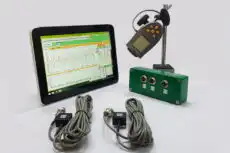
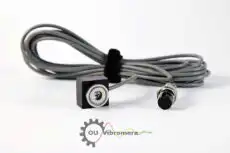
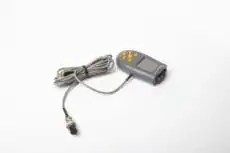
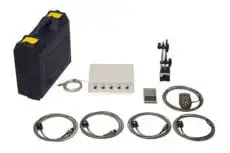
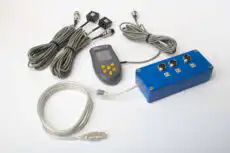
ਇਹਨਾਂ ਵਿੱਚੋਂ ਬਹੁਤ ਸਾਰੇ ਨੁਕਸ 1× ਵਾਈਬ੍ਰੇਸ਼ਨ ਵਿੱਚ ਵਾਧੇ 'ਤੇ ਇਕੱਠੇ ਹੁੰਦੇ ਹਨ, ਅਤੇ ਇਸ ਲਈ ਸਭ ਤੋਂ ਤੇਜ਼ ਇਲਾਜ — ਇੱਕ ਵਾਰ ਅਲਾਈਨਮੈਂਟ ਅਤੇ ਢਿੱਲਾਪਣ ਰੱਦ ਹੋਣ ਤੋਂ ਬਾਅਦ — ਰੋਟਰ ਨੂੰ ਥਾਂ 'ਤੇ ਹੀ ਦੁਬਾਰਾ ਸੰਤੁਲਿਤ ਕਰਨਾ ਹੈ। ਇੱਕ ਪੋਰਟੇਬਲ ਦੋ-ਚੈਨਲ ਐਨਾਲਾਈਜ਼ਰ ਜਿਵੇਂ ਕਿ Balanset-1A ਇੱਕ ਟੈਕਨੀਸ਼ੀਅਨ ਨੂੰ ਪੰਪ ਦੇ ਵਾਈਬ੍ਰੇਸ਼ਨ ਸਪੈਕਟ੍ਰਮ ਨੂੰ ਮਾਪਣ, ਇੱਕ ਅਸਲੀ ਇੰਪੈਲਰ-ਅਸੰਤੁਲਨ 1× ਪੀਕ ਨੂੰ ਇੱਕ ਮਿਸਅਲਾਈਨਮੈਂਟ 2× ਜਾਂ ਇੱਕ VPF ਹਾਈਡ੍ਰੌਲਿਕ ਪੀਕ ਤੋਂ ਵੱਖ ਕਰਨ, ਅਤੇ ਫਿਰ ਅਸੰਤੁਲਨ ਨੂੰ ਠੀਕ ਕਰਨ ਦੀ ਆਗਿਆ ਦਿੰਦਾ ਹੈ ਸਾਈਟ ਬੈਲੇਂਸਿੰਗ (ਫੀਲਡ ਬੈਲੇਂਸਿੰਗ) ਸੰਚਾਲਨ ਸਪੀਡ 'ਤੇ ਇੰਪੈਲਰ ਨੂੰ ਇਸ ਦੀਆਂ ਆਪਣੀਆਂ ਬੇਅਰਿੰਗਾਂ ਵਿੱਚ — ਬੈਲੇਂਸਿੰਗ ਮਸ਼ੀਨ ਤੱਕ ਹਟਾਉਣ ਦੀ ਲੋੜ ਨਹੀਂ, ਅਤੇ ਕੈਵੀਟੇਸ਼ਨ, ਰੀਸਰਕੂਲੇਸ਼ਨ ਅਤੇ ਬੇਅਰਿੰਗ ਸੰਕੇਤ ਸਾਰੇ ਇੱਕੋ ਮਾਪ ਵਿੱਚ ਕੈਪਚਰ ਕੀਤੇ ਗਏ। ਜਦੋਂ ਸੰਤੁਲਨ ਭਾਰ ਦੀ ਲੋੜ ਹੋਵੇ, ਤਾਂ ਟ੍ਰਾਇਲ ਵਜ਼ਨ ਕੈਲਕੁਲੇਟਰ ਇੱਕ ਸੁਰੱਖਿਅਤ ਪਹਿਲਾ ਅਨੁਮਾਨ ਦਿੰਦਾ ਹੈ।
ਪੰਪ ਦੇ ਨੁਕਸ ਦੋਵੇਂ ਮਿਆਰੀ ਘੁੰਮਣ ਵਾਲੀ-ਮਸ਼ੀਨਰੀ ਸਮੱਸਿਆਵਾਂ ਅਤੇ ਪੰਪ-ਵਿਸ਼ੇਸ਼ ਹਾਈਡ੍ਰੌਲਿਕ ਸਮੱਸਿਆਵਾਂ ਦੋਵਾਂ ਨੂੰ ਸ਼ਾਮਲ ਕਰਦੇ ਹਨ। ਮਕੈਨੀਕਲ ਹਾਲਤ, ਹਾਈਡ੍ਰੌਲਿਕ ਪ੍ਰਦਰਸ਼ਨ ਅਤੇ ਸੰਚਾਲਨ ਹਾਲਤਾਂ ਵਿਚਕਾਰ ਆਪਸੀ ਸੰਬੰਧ ਨੂੰ ਸਮਝਣਾ — ਅਤੇ ਵਾਈਬ੍ਰੇਸ਼ਨ ਵਿਸ਼ਲੇਸ਼ਣ ਨੂੰ ਪ੍ਰਦਰਸ਼ਨ ਅਤੇ ਪ੍ਰਕਿਰਿਆ ਪੈਰਾਮੀਟਰਾਂ ਨਾਲ ਜੋੜਨਾ — ਹੀ ਪ੍ਰਭਾਵਸ਼ਾਲੀ ਪੰਪ-ਭਰੋਸੇਯੋਗਤਾ ਪ੍ਰਬੰਧਨ ਨੂੰ ਸੰਭਵ ਬਣਾਉਂਦਾ ਹੈ ਅਤੇ ਸ਼ੁਰੂ ਤੋਂ ਹੀ ਮਹਿੰਗੀਆਂ ਖਰਾਬੀਆਂ ਅਤੇ ਉਤਪਾਦਨ ਵਿਘਨ ਨੂੰ ਹੋਣ ਤੋਂ ਰੋਕਦਾ ਹੈ।

