ਰੋਟੇਟਿੰਗ ਮਸ਼ੀਨਰੀ ਵਿਸ਼ਲੇਸ਼ਣ ਵਿੱਚ ਕੋਸਟਡਾਊਨ ਨੂੰ ਸਮਝਣਾ

ਕੋਸਟਡਾਊਨ (Coastdown) — ਜਿਸਨੂੰ ਰਨਡਾਊਨ ਜਾਂ ਡਿਸਲਰੇਸ਼ਨ ਵੀ ਕਿਹਾ ਜਾਂਦਾ ਹੈ — ਇੱਕ ਘੁੰਮਦੀ ਮਸ਼ੀਨ ਨੂੰ ਕਿਸੇ ਸਰਗਰਮ ਬ੍ਰੇਕਿੰਗ ਤੋਂ ਬਿਨਾਂ, ਸਿਰਫ਼ ਘਿਰਣਾ, ਵਿੰਡੇਜ ਅਤੇ ਬੇਅਰਿੰਗ ਡਰੈਗ ਦੇ ਕੁਦਰਤੀ ਨੁਕਸਾਨਾਂ ਸਦਕਾ, ਓਪਰੇਟਿੰਗ ਸਪੀਡ ਤੋਂ ਰੁਕਣ ਤੱਕ ਹੌਲੀ ਹੋਣ ਦੇਣ ਦੀ ਪ੍ਰਕਿਰਿਆ ਹੈ। ਇਸ ਵਿੱਚ ਰੋਟਰ ਡਾਇਨਾਮਿਕਸ ਅਤੇ ਵਾਈਬ੍ਰੇਸ਼ਨ ਵਿਸ਼ਲੇਸ਼ਣ, ਇੱਕ ਕੋਸਟਡਾਊਨ ਟੈਸਟ ਇੱਕ ਡਾਇਗਨੌਸਟਿਕ ਪ੍ਰਕਿਰਿਆ ਹੈ ਜਿਸ ਵਿੱਚ ਵਾਈਬ੍ਰੇਸ਼ਨ ਡਾਟਾ ਲਗਾਤਾਰ ਰਿਕਾਰਡ ਕੀਤਾ ਜਾਂਦਾ ਹੈ ਜਦੋਂ ਮਸ਼ੀਨ ਸਪੀਡ ਘਟਾਉਂਦੀ ਹੈ, ਜਿਸ ਨਾਲ ਇਸ ਬਾਰੇ ਭਰਪੂਰ ਜਾਣਕਾਰੀ ਮਿਲਦੀ ਹੈ ਕ੍ਰਿਟੀਕਲ ਸਪੀਡਾਂ, ਕੁਦਰਤੀ ਬਾਰੰਬਾਰਤਾਵਾਂ, ਅਤੇ ਸਿਸਟਮ ਦੇ ਗਤੀਸ਼ੀਲ ਸੁਭਾਅ ਬਾਰੇ। ਇਸਦੇ ਸ਼ੀਸ਼ਾ-ਰੂਪ ਟੈਸਟ, ਰਨਅੱਪ ਟੈਸਟ ਦੇ ਨਾਲ ਮਿਲ ਕੇ, ਇਹ ਨਵੇਂ ਉਪਕਰਣ ਦੀ ਕਮਿਸ਼ਨਿੰਗ, ਜ਼ਿੱਦੀ ਵਾਈਬ੍ਰੇਸ਼ਨ ਦੀ ਸਮੱਸਿਆ-ਨਿਵਾਰਣ, ਅਤੇ ਅਸਲ ਵਿੱਚ ਬਣਾਈ ਤੇ ਸਥਾਪਿਤ ਕੀਤੀ ਗਈ ਮਸ਼ੀਨ ਦੇ ਵਿਰੁੱਧ ਰੋਟਰਡਾਇਨਾਮਿਕ ਮਾਡਲਾਂ ਦੀ ਪੁਸ਼ਟੀ ਲਈ ਇੱਕ ਬੁਨਿਆਦੀ ਸੰਦ ਹੈ।
1. ਉਦੇਸ਼ ਅਤੇ ਵਰਤੋਂ
ਕ੍ਰਿਟੀਕਲ-ਸਪੀਡ ਪਛਾਣ
ਕੋਸਟਡਾਊਨ ਟੈਸਟਿੰਗ ਦੀ ਮੁੱਖ ਵਰਤੋਂ ਕ੍ਰਿਟੀਕਲ ਸਪੀਡਾਂ ਦਾ ਪਤਾ ਲਗਾਉਣਾ ਹੈ:
- ਜਿਵੇਂ-ਜਿਵੇਂ ਸਪੀਡ ਹਰੇਕ ਕ੍ਰਿਟੀਕਲ ਸਪੀਡ ਵਿੱਚੋਂ ਲੰਘਦੀ ਹੈ, ਵਾਈਬ੍ਰੇਸ਼ਨ ਐਂਪਲੀਟਿਊਡ ਵੱਧ ਤੋਂ ਵੱਧ ਹੋ ਜਾਂਦਾ ਹੈ;
- ਵਿੱਚ ਸਿਖਰ ਐਂਪਲੀਟਿਊਡ (ਆਯਾਮ)-ਬਨਾਮ-ਸਪੀਡ ਪਲਾਟ ਕ੍ਰਿਟੀਕਲ ਸਪੀਡਾਂ ਨੂੰ ਦਰਸਾਉਂਦੇ ਹਨ;
- ਇਸਦੇ ਨਾਲ ਹੋਣ ਵਾਲੀ 180° ਦੀ ਫੇਜ਼ ਸ਼ਿਫਟ ਇਸ ਗੱਲ ਦੀ ਪੁਸ਼ਟੀ ਕਰਦੀ ਹੈ ਕਿ ਇਹ ਅਸਲ ਰੈਜ਼ੋਨੈਂਸ (ਅਨੁਨਾਦ) ਹੈ ਨਾ ਕਿ ਸਪੀਡ ਨਾਲ ਸਬੰਧਿਤ ਕੋਈ ਹੋਰ ਪ੍ਰਭਾਵ; ਅਤੇ
- ਕਈ ਕ੍ਰਿਟੀਕਲ ਸਪੀਡਾਂ ਇੱਕ ਹੀ ਰਨ ਵਿੱਚ ਦਰਜ ਕੀਤੀਆਂ ਜਾ ਸਕਦੀਆਂ ਹਨ।
ਕੁਦਰਤੀ-ਫ੍ਰੀਕੁਐਂਸੀ ਮਾਪ
ਨਾਜ਼ੁਕ ਗਤੀਆਂ ਕੁਦਰਤੀ ਫ੍ਰੀਕੁਐਂਸੀਆਂ ਨਾਲ ਮੇਲ ਖਾਂਦੀਆਂ ਹਨ:
- ਪਹਿਲਾ ਕ੍ਰਿਟੀਕਲ ਸਪੀਡ ਪਹਿਲੀ ਕੁਦਰਤੀ ਫ੍ਰੀਕੁਐਂਸੀ 'ਤੇ ਹੁੰਦਾ ਹੈ, ਦੂਜਾ ਕ੍ਰਿਟੀਕਲ ਦੂਜੀ 'ਤੇ, ਅਤੇ ਇਸੇ ਤਰ੍ਹਾਂ ਅੱਗੇ;
- ਇਹ ਟੈਸਟ ਵਿਸ਼ਲੇਸ਼ਣਾਤਮਕ ਭਵਿੱਖਬਾਣੀਆਂ ਦੀ ਪ੍ਰਯੋਗਾਤਮਕ ਪੁਸ਼ਟੀ ਦਿੰਦਾ ਹੈ; ਅਤੇ
- ਇਸਦੀ ਵਿਆਪਕ ਵਰਤੋਂ ਫਾਈਨਾਈਟ-ਐਲੀਮੈਂਟ ਮਾਡਲਾਂ ਦੀ ਪੁਸ਼ਟੀ ਕਰਨ ਲਈ ਕੀਤੀ ਜਾਂਦੀ ਹੈ।
ਡੈਂਪਿੰਗ ਨਿਰਧਾਰਨ
ਹਰੇਕ ਰੈਜ਼ੋਨੈਂਸ ਸਿਖਰ ਦੀ ਤਿੱਖਾਪਣ ਸਿਸਟਮ ਦੇ ਡੈਂਪਿੰਗ:
- ਤਿੱਖੇ, ਉੱਚੇ ਸਿਖਰ ਘੱਟ ਡੈਂਪਿੰਗ ਦਰਸਾਉਂਦੇ ਹਨ;
- ਚੌੜੇ, ਨੀਵੇਂ ਸਿਖਰ ਵੱਧ ਡੈਂਪਿੰਗ ਦਰਸਾਉਂਦੇ ਹਨ;
- ਦੇ ਡੈਂਪਿੰਗ ਅਨੁਪਾਤ ਸਿਖਰ ਦੀ ਚੌੜਾਈ ਅਤੇ ਐਂਪਲੀਟਿਊਡ ਤੋਂ ਗਣਨਾ ਕੀਤਾ ਜਾ ਸਕਦਾ ਹੈ; ਅਤੇ
- ਉਹ ਅੰਕੜਾ ਭਵਿੱਖ ਦੇ ਸੰਚਾਲਨ ਵਿੱਚ ਵਾਈਬ੍ਰੇਸ਼ਨ ਪੱਧਰਾਂ ਦੀ ਭਵਿੱਖਬਾਣੀ ਲਈ ਮਹੱਤਵਪੂਰਨ ਹੈ।
ਅਸੰਤੁਲਨ-ਵੰਡ ਮੁਲਾਂਕਣ
- ਕ੍ਰਿਟੀਕਲ ਸਪੀਡਾਂ 'ਤੇ ਫੇਜ਼ ਸਬੰਧ ਇਹ ਦਰਸਾਉਂਦੇ ਹਨ ਕਿ ਅਸੰਤੁਲਨ ਰੋਟਰ ਦੇ ਨਾਲ-ਨਾਲ ਕਿਵੇਂ ਵੰਡਿਆ ਹੋਇਆ ਹੈ;
- ਉਹ ਸਟੈਟਿਕ ਨੂੰ ਵੱਖ ਕਰ ਸਕਦੇ ਹਨ ਕਪਲ ਅਸੰਤੁਲਨ; ਅਤੇ
- ਉਹ ਕੋਈ ਵੀ ਵਜ਼ਨ ਜੋੜਨ ਤੋਂ ਪਹਿਲਾਂ ਬੈਲੈਂਸਿੰਗ ਰਣਨੀਤੀ ਦੀ ਯੋਜਨਾ ਬਣਾਉਣ ਵਿੱਚ ਮਦਦ ਕਰਦੇ ਹਨ।
2. ਕੋਸਟਡਾਊਨ ਟੈਸਟ ਪ੍ਰਕਿਰਿਆ
ਤਿਆਰੀ
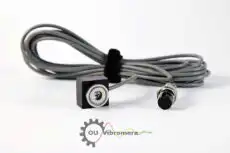
- ਸੈਂਸਰ ਲਗਾਓ: ਰੱਖੋ ਐਕਸੀਲੇਰੋਮੀਟਰ ਜਾਂ ਵੇਗ ਟ੍ਰਾਂਸਡਿਊਸਰ (velocity transducers) ਬੇਅਰਿੰਗ ਸਥਾਨਾਂ 'ਤੇ, ਹਰੀਜ਼ੌਂਟਲ ਅਤੇ ਵਰਟੀਕਲ ਦੋਵਾਂ ਦਿਸ਼ਾਵਾਂ ਵਿੱਚ।
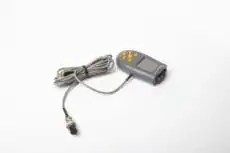
- ਟੈਕੋਮੀਟਰ ਲਗਾਓ: ਇੱਕ ਆਪਟੀਕਲ ਜਾਂ ਮੈਗਨੈਟਿਕ ਟੈਕੋਮੀਟਰ ਘੁੰਮਣ ਦੀ ਸਪੀਡ ਟਰੈਕ ਕਰਨ ਅਤੇ ਫੇਜ਼ ਰੈਫਰੈਂਸ ਪ੍ਰਦਾਨ ਕਰਨ ਲਈ।
- ਡਾਟਾ ਐਕਵਿਜ਼ੀਸ਼ਨ ਕੌਂਫਿਗਰ ਕਰੋ: ਢੁੱਕਵੇਂ ਸੈਂਪਲ ਰੇਟ 'ਤੇ ਲਗਾਤਾਰ ਰਿਕਾਰਡਿੰਗ ਸੈੱਟਅੱਪ ਕਰੋ।
- ਸਪੀਡ ਰੇਂਜ ਪਰਿਭਾਸ਼ਿਤ ਕਰੋ: ਆਮ ਤੌਰ 'ਤੇ ਓਪਰੇਟਿੰਗ ਸਪੀਡ ਤੋਂ ਇਸਦੇ 10–20% ਤੱਕ, ਜਾਂ ਜਦੋਂ ਤੱਕ ਮਸ਼ੀਨ ਰੁਕ ਨਹੀਂ ਜਾਂਦੀ।
ਅਮਲ
- ਓਪਰੇਟਿੰਗ ਸਪੀਡ 'ਤੇ ਸਥਿਰ ਕਰੋ: ਥਰਮਲ ਸੰਤੁਲਨ ਅਤੇ ਸਥਿਰ ਵਾਈਬ੍ਰੇਸ਼ਨ ਪ੍ਰਾਪਤ ਹੋਣ ਤੱਕ ਆਮ ਸਪੀਡ 'ਤੇ ਚਲਾਓ।
- ਕੋਸਟਡਾਊਨ ਸ਼ੁਰੂ ਕਰੋ: ਡਰਾਈਵ ਪਾਵਰ — ਮੋਟਰ, ਟਰਬਾਈਨ, ਜਾਂ ਹੋਰ ਪ੍ਰਾਈਮ ਮੂਵਰ — ਡਿਸਕਨੈਕਟ ਕਰੋ ਅਤੇ ਕੁਦਰਤੀ ਡਿਸਲਰੇਸ਼ਨ ਹੋਣ ਦਿਓ।
- ਲਗਾਤਾਰ ਨਿਗਰਾਨੀ ਕਰੋ: ਸਲੋਡਾਊਨ ਦੌਰਾਨ ਵਾਈਬ੍ਰੇਸ਼ਨ ਐਂਪਲੀਟਿਊਡ, ਫੇਜ਼ ਅਤੇ ਸਪੀਡ ਰਿਕਾਰਡ ਕਰੋ।
- ਸੁਰੱਖਿਆ ਲਈ ਧਿਆਨ ਰੱਖੋ: ਬਹੁਤ ਜ਼ਿਆਦਾ ਵਾਈਬ੍ਰੇਸ਼ਨ ਲਈ ਸੁਚੇਤ ਰਹੋ ਜੋ ਕਿਸੇ ਅਣਕਿਆਸੇ ਰੈਜ਼ੋਨੈਂਸ ਜਾਂ ਅਸਥਿਰਤਾ.
- ਸੰਪੂਰਨ ਗਿਰਾਵਟ (deceleration): ਉਦੋਂ ਤੱਕ ਰਿਕਾਰਡਿੰਗ ਜਾਰੀ ਰੱਖੋ ਜਦੋਂ ਤੱਕ ਮਸ਼ੀਨ ਰੁਕ ਨਹੀਂ ਜਾਂਦੀ ਜਾਂ ਦਿਲਚਸਪੀ ਵਾਲੀ ਘੱਟੋ-ਘੱਟ ਸਪੀਡ 'ਤੇ ਨਹੀਂ ਪਹੁੰਚ ਜਾਂਦੀ।
ਡਾਟਾ-ਸੰਗ੍ਰਹਿ ਪੈਰਾਮੀਟਰ
- ਸੈਂਪਲ ਦਰ: ਦਿਲਚਸਪੀ ਵਾਲੀ ਹਰ ਫ੍ਰੀਕੁਐਂਸੀ ਨੂੰ ਕੈਪਚਰ ਕਰਨ ਲਈ ਲੋੜੀਂਦਾ ਉੱਚਾ — ਆਮ ਤੌਰ 'ਤੇ ਵੱਧ ਤੋਂ ਵੱਧ ਫ੍ਰੀਕੁਐਂਸੀ ਦਾ 10-20×।
- ਸਮਾਂ-ਮਿਆਦ: ਰੋਟਰ ਇਨਰਸ਼ੀਆ ਦੁਆਰਾ ਨਿਰਧਾਰਤ, 30 ਸਕਿੰਟ ਤੋਂ 10 ਮਿੰਟ ਤੱਕ ਕਿਤੇ ਵੀ।
- ਮਾਪ: ਸਾਰੇ ਸੈਂਸਰ ਸਥਾਨਾਂ 'ਤੇ ਐਂਪਲੀਟਿਊਡ, ਫੇਜ਼ ਅਤੇ ਸਪੀਡ।
- ਸਿੰਕ੍ਰੋਨਸ ਸੈਂਪਲਿੰਗ: ਸਥਿਰ ਐਂਗੁਲਰ ਵਾਧਿਆਂ 'ਤੇ ਲਿਆ ਗਿਆ ਡਾਟਾ ਸਹਾਇਤਾ ਦੇਣ ਲਈ ਆਰਡਰ ਵਿਸ਼ਲੇਸ਼ਣ.
3. ਡਾਟਾ ਵਿਸ਼ਲੇਸ਼ਣ ਅਤੇ ਵਿਜ਼ੂਅਲਾਈਜ਼ੇਸ਼ਨ
ਬੋਡ ਪਲਾਟ
ਕੋਸਟਡਾਊਨ ਡਾਟਾ ਦਾ ਮਿਆਰੀ ਦ੍ਰਿਸ਼ ਹੈ ਬੋਡ ਪਲਾਟ (Bode Plot):
- ਉੱਪਰੀ ਟਰੇਸ: ਸਪੀਡ ਦੇ ਮੁਕਾਬਲੇ ਵਾਈਬ੍ਰੇਸ਼ਨ ਐਂਪਲੀਟਿਊਡ;
- ਹੇਠਲਾ ਟਰੇਸ: ਸਪੀਡ ਦੇ ਮੁਕਾਬਲੇ ਫੇਜ਼ ਐਂਗਲ;
- ਕ੍ਰਿਟੀਕਲ-ਸਪੀਡ ਦਸਤਖਤ: ਇੱਕ ਐਂਪਲੀਟਿਊਡ ਪੀਕ ਇਸਦੇ ਮੇਲ ਖਾਂਦੇ 180° ਫੇਜ਼ ਸ਼ਿਫਟ ਨਾਲ; ਅਤੇ
- ਹਰੇਕ ਸਥਾਨ ਲਈ: ਹਰੇਕ ਮਾਪ ਬਿੰਦੂ ਅਤੇ ਦਿਸ਼ਾ ਲਈ ਵੱਖਰੇ ਪਲਾਟ।
ਵਾਟਰਫਾਲ ਪਲਾਟ
A ਵਾਟਰਫਾਲ ਪਲਾਟ (ਕਾਸਕੇਡ ਡਾਇਗ੍ਰਾਮ) ਇੱਕ ਤਿੰਨ-ਅਯਾਮੀ ਦ੍ਰਿਸ਼ ਦਿੰਦਾ ਹੈ:
- X-ਧੁਰਾ: ਫ੍ਰੀਕੁਐਂਸੀ (Hz ਜਾਂ ਆਰਡਰ);
- Y-ਧੁਰਾ: ਸਪੀਡ (rpm);
- Z-ਧੁਰਾ (ਰੰਗ): ਵਾਈਬ੍ਰੇਸ਼ਨ ਐਂਪਲੀਟਿਊਡ;
- 1× ਕੰਪੋਨੈਂਟ ਸਪੀਡ ਨੂੰ ਟਰੈਕ ਕਰਦੀ ਇੱਕ ਵਿਕਰਣ ਰੇਖਾ ਦੇ ਰੂਪ ਵਿੱਚ ਦਿਖਾਈ ਦਿੰਦਾ ਹੈ;
- ਕੁਦਰਤੀ ਬਾਰੰਬਾਰਤਾਵਾਂ ਸਥਿਰ ਫ੍ਰੀਕੁਐਂਸੀ 'ਤੇ ਖਿਤਿਜੀ ਰੇਖਾਵਾਂ ਦੇ ਰੂਪ ਵਿੱਚ ਦਿਖਾਈ ਦਿੰਦੀਆਂ ਹਨ; ਅਤੇ
- ਉਹਨਾਂ ਦਾ ਲਾਂਘਾ — ਜਿੱਥੇ 1× ਰੇਖਾ ਇੱਕ ਕੁਦਰਤੀ-ਫ੍ਰੀਕੁਐਂਸੀ ਰੇਖਾ ਨੂੰ ਪਾਰ ਕਰਦੀ ਹੈ — ਇੱਕ ਕ੍ਰਿਟੀਕਲ ਸਪੀਡ ਹੈ।
ਪੋਲਰ ਪਲਾਟ (Polar Plot)
- ਵਾਈਬ੍ਰੇਸ਼ਨ ਵੈਕਟਰਾਂ ਨੂੰ ਕਈ ਸਪੀਡਾਂ 'ਤੇ ਪਲਾਟ ਕੀਤਾ ਜਾਂਦਾ ਹੈ;
- ਹਰੇਕ ਕ੍ਰਿਟੀਕਲ ਸਪੀਡ ਵਿੱਚੋਂ ਸਪੀਡ ਘਟਣ ਦੇ ਨਾਲ ਇੱਕ ਵਿਸ਼ੇਸ਼ ਸਪਾਈਰਲ ਬਣਦਾ ਹੈ; ਅਤੇ
- ਜਿਵੇਂ ਵੈਕਟਰ ਘੁੰਮਦਾ ਹੈ, ਫੇਜ਼ ਤਬਦੀਲੀ ਸਾਫ਼ ਦਿਖਾਈ ਦਿੰਦੀ ਹੈ।
4. ਕੋਸਟਡਾਊਨ ਬਨਾਮ ਰਨਅੱਪ ਟੈਸਟਿੰਗ
ਕੋਸਟਡਾਊਨ ਦੇ ਫਾਇਦੇ
- ਕੋਈ ਬਾਹਰੀ ਪਾਵਰ ਲੋੜੀਂਦੀ ਨਹੀਂ: ਬਸ ਡਰਾਈਵ ਨੂੰ ਡਿਸਕਨੈਕਟ ਕਰੋ ਅਤੇ ਮਸ਼ੀਨ ਨੂੰ ਕੋਸਟ ਕਰਨ ਦਿਓ।
- ਹੌਲੀ ਗਿਰਾਵਟ: ਹਰੇਕ ਸਪੀਡ 'ਤੇ ਵਧੇਰੇ ਠਹਿਰਾਅ ਸਮਾਂ ਬਿਹਤਰ ਫ੍ਰੀਕੁਐਂਸੀ ਰੈਜ਼ੋਲਿਊਸ਼ਨ ਦਿੰਦਾ ਹੈ।
- ਸੁਰੱਖਿਅਤ: ਸਿਸਟਮ ਊਰਜਾ ਹਾਸਲ ਕਰਨ ਦੀ ਬਜਾਏ ਊਰਜਾ ਗੁਆ ਰਿਹਾ ਹੈ।
- ਘੱਟ ਤਣਾਅ: ਕ੍ਰਿਟੀਕਲ ਸਪੀਡਾਂ ਘਟਦੀ ਊਰਜਾ 'ਤੇ ਪਾਰ ਕੀਤੀਆਂ ਜਾਂਦੀਆਂ ਹਨ।
ਰਨਅੱਪ ਦੇ ਫਾਇਦੇ
- ਕੰਟਰੋਲਡ ਐਕਸੈਲਰੇਸ਼ਨ: ਕ੍ਰਿਟੀਕਲ ਸਪੀਡਾਂ ਵਿੱਚੋਂ ਲੰਘਣ ਦੀ ਦਰ ਨੂੰ ਕਮਾਂਡ ਕੀਤਾ ਜਾ ਸਕਦਾ ਹੈ।
- ਆਮ ਸਟਾਰਟਅੱਪ ਦਾ ਹਿੱਸਾ: a ਰਨ-ਅੱਪ ਵਿਸ਼ਲੇਸ਼ਣ ਇੱਕ ਨਿਯਮਤ ਸਟਾਰਟ ਦੌਰਾਨ ਇਕੱਠਾ ਕੀਤਾ ਜਾ ਸਕਦਾ ਹੈ।
- ਸਰਗਰਮ ਹਾਲਾਤ: ਪ੍ਰਕਿਰਿਆ ਲੋਡ ਮੌਜੂਦ ਹੁੰਦੇ ਹਨ, ਇਸ ਲਈ ਡਾਟਾ ਅਸਲ ਸੰਚਾਲਨ ਦਾ ਵਧੇਰੇ ਪ੍ਰਤੀਨਿਧ ਹੁੰਦਾ ਹੈ।
ਤੁਲਨਾ ਸੰਬੰਧੀ ਵਿਚਾਰ
- ਤਾਪਮਾਨ: ਰਨਅੱਪ ਆਮ ਤੌਰ 'ਤੇ ਠੰਡੇ ਹਾਲਾਤ ਵਿੱਚ ਕੀਤਾ ਜਾਂਦਾ ਹੈ; ਕੋਸਟਡਾਊਨ ਗਰਮ ਸੰਚਾਲਨ ਹਾਲਾਤ ਤੋਂ ਸ਼ੁਰੂ ਹੁੰਦਾ ਹੈ।
- ਬੇਅਰਿੰਗ ਦੀ ਕਠੋਰਤਾ: ਗਰਮ (ਕੋਸਟਡਾਊਨ) ਅਤੇ ਠੰਡੇ (ਰਨਅੱਪ) ਵਿਚਕਾਰ ਵੱਖਰਾ ਹੋ ਸਕਦਾ ਹੈ।
- ਫਰਿਕਸ਼ਨ ਅਤੇ ਡੈਂਪਿੰਗ: ਦੋਵੇਂ ਤਾਪਮਾਨ 'ਤੇ ਨਿਰਭਰ ਹਨ ਅਤੇ ਪੀਕ ਐਂਪਲੀਟਿਊਡਾਂ ਨੂੰ ਬਦਲ ਦਿੰਦੇ ਹਨ।
- ਡਾਟਾ ਤੁਲਨਾ: ਰਨਅੱਪ ਅਤੇ ਕੋਸਟਡਾਊਨ ਟਰੇਸਾਂ ਵਿਚਕਾਰ ਅੰਤਰ ਖੁਦ ਥਰਮਲ ਜਾਂ ਲੋਡ ਪ੍ਰਭਾਵਾਂ ਨੂੰ ਪ੍ਰਗਟ ਕਰ ਸਕਦੇ ਹਨ।
5. ਐਪਲੀਕੇਸ਼ਨਾਂ ਅਤੇ ਵਰਤੋਂ ਦੇ ਮਾਮਲੇ
ਨਵੇਂ ਉਪਕਰਣ ਦੀ ਕਮਿਸ਼ਨਿੰਗ
- ਇਹ ਪੁਸ਼ਟੀ ਕਰੋ ਕਿ ਕ੍ਰਿਟੀਕਲ ਸਪੀਡ ਡਿਜ਼ਾਈਨ ਦੀਆਂ ਭਵਿੱਖਬਾਣੀਆਂ ਨਾਲ ਮੇਲ ਖਾਂਦੀ ਹੈ;
- ਲੋੜੀਂਦੇ ਸੈਪਰੇਸ਼ਨ ਮਾਰਜਿਨ ਦੀ ਪੁਸ਼ਟੀ ਕਰੋ;
- ਰੋਟਰਡਾਇਨੈਮਿਕ ਮਾਡਲ ਨੂੰ ਵੈਲੀਡੇਟ ਕਰੋ; ਅਤੇ
- ਸਥਾਪਿਤ ਕਰੋ ਬੇਸਲਾਈਨ ਡਾਟਾ ਭਵਿੱਖ ਦੇ ਹਵਾਲੇ ਲਈ।
ਵਾਈਬ੍ਰੇਸ਼ਨ ਸਮੱਸਿਆਵਾਂ ਦਾ ਨਿਪਟਾਰਾ
- ਇਹ ਨਿਰਧਾਰਿਤ ਕਰੋ ਕਿ ਕੀ ਵਧੀ ਹੋਈ ਵਾਈਬ੍ਰੇਸ਼ਨ ਸਪੀਡ-ਸਬੰਧਤ ਹੈ (ਇੱਕ ਰੈਜ਼ੋਨੈਂਸ);
- ਪਹਿਲਾਂ ਅਣਜਾਣ ਕ੍ਰਿਟੀਕਲ ਸਪੀਡ ਦਾ ਪਤਾ ਲਗਾਓ;
- ਕਿਸੇ ਸੋਧ ਜਾਂ ਮੁਰੰਮਤ ਦੇ ਪ੍ਰਭਾਵ ਦਾ ਮੁਲਾਂਕਣ ਕਰੋ; ਅਤੇ
- ਰੈਜ਼ੋਨੈਂਸ ਨੂੰ ਹੋਰ ਵਾਈਬ੍ਰੇਸ਼ਨ ਸਰੋਤਾਂ ਤੋਂ ਵੱਖ ਕਰੋ।
ਸੰਤੁਲਨ (ਬੈਲੰਸਿੰਗ) ਪ੍ਰਕਿਰਿਆਵਾਂ
- ਲਈ ਲਚਕਦਾਰ ਰੋਟਰ, ਕੋਸਟਡਾਊਨ ਇਹ ਪਛਾਣਦਾ ਹੈ ਕਿ ਕਿਹੜੇ ਮੋਡਾਂ ਨੂੰ ਬੈਲੈਂਸਿੰਗ ਦੀ ਲੋੜ ਹੈ;
- ਇਹ ਸਹੀ ਬੈਲੈਂਸਿੰਗ ਸਪੀਡ ਚੁਣਨ ਵਿੱਚ ਮਦਦ ਕਰਦਾ ਹੈ; ਅਤੇ
- ਇਹ ਇਸ ਤੋਂ ਬਾਅਦ ਸੁਧਾਰ ਦੀ ਪੁਸ਼ਟੀ ਕਰਦਾ ਹੈ ਮੋਡਲ ਬੈਲੇਂਸਿੰਗ.
ਸੋਧ ਦੀ ਪੁਸ਼ਟੀ
- ਬੇਅਰਿੰਗ ਬਦਲਣ ਤੋਂ ਬਾਅਦ, ਨਤੀਜੇ ਵਜੋਂ ਹੋਏ ਕ੍ਰਿਟੀਕਲ-ਸਪੀਡ ਬਦਲਾਅ ਦੀ ਪੁਸ਼ਟੀ ਕਰੋ;
- ਮਾਸ ਜਾਂ ਸਟਿਫਨੈੱਸ ਵਿੱਚ ਬਦਲਾਅ ਤੋਂ ਬਾਅਦ, ਭਵਿੱਖਬਾਣੀ ਕੀਤੇ ਨੈਚੁਰਲ-ਫ੍ਰੀਕੁਐਂਸੀ ਬਦਲਾਅ ਦੀ ਜਾਂਚ ਕਰੋ; ਅਤੇ
- ਸੁਧਾਰ ਦੀ ਮਾਤਰਾ ਕੱਢਣ ਲਈ ਪਹਿਲਾਂ ਅਤੇ ਬਾਅਦ ਦੇ ਕੋਸਟਡਾਊਨ ਦੀ ਤੁਲਨਾ ਕਰੋ।
6. ਕੋਸਟਡਾਊਨ ਟੈਸਟਿੰਗ ਲਈ ਸਭ ਤੋਂ ਵਧੀਆ ਅਭਿਆਸ
ਸੁਰੱਖਿਆ ਸੰਬੰਧੀ ਵਿਚਾਰ
- ਯਕੀਨੀ ਬਣਾਓ ਕਿ ਨੇੜੇ ਦਾ ਹਰ ਵਿਅਕਤੀ ਜਾਣਦਾ ਹੈ ਕਿ ਟੈਸਟ ਚੱਲ ਰਿਹਾ ਹੈ;
- ਅਚਾਨਕ ਰੈਜ਼ੋਨੈਂਸ ਲਈ ਵਾਈਬ੍ਰੇਸ਼ਨ ਨੂੰ ਧਿਆਨ ਨਾਲ ਦੇਖੋ;
- ਐਮਰਜੈਂਸੀ-ਸ਼ਟਡਾਊਨ ਸਮਰੱਥਾ ਉਪਲਬਧ ਰੱਖੋ;
- ਉਪਕਰਣ ਦੇ ਆਲੇ-ਦੁਆਲੇ ਦਾ ਖੇਤਰ ਖਾਲੀ ਕਰੋ; ਅਤੇ
- ਜੇਕਰ ਬਹੁਤ ਜ਼ਿਆਦਾ ਵਾਈਬ੍ਰੇਸ਼ਨ ਪੈਦਾ ਹੁੰਦੀ ਹੈ, ਤਾਂ ਕੋਸਟਡਾਊਨ ਪੂਰਾ ਕਰਨ ਦੀ ਬਜਾਏ ਐਮਰਜੈਂਸੀ ਸਟਾਪ ਬਾਰੇ ਵਿਚਾਰ ਕਰੋ।
ਡਾਟਾ ਗੁਣਵੱਤਾ
- ਸਹੀ ਡੀਸੈਲਰੇਸ਼ਨ ਰੇਟ: ਇੰਨੀ ਤੇਜ਼ ਨਹੀਂ ਕਿ ਹਰ ਸਪੀਡ 'ਤੇ ਬਹੁਤ ਘੱਟ ਡਾਟਾ ਪੁਆਇੰਟ ਹੋਣ, ਨਾ ਹੀ ਇੰਨੀ ਹੌਲੀ ਕਿ ਰਨ ਦੌਰਾਨ ਥਰਮਲ ਸਥਿਤੀਆਂ ਵਿੱਚ ਬਦਲਾਅ ਆਵੇ।
- ਸਥਿਰ ਹਾਲਾਤ: ਟੈਸਟ ਦੌਰਾਨ ਪ੍ਰਕਿਰਿਆ-ਵੇਰੀਏਬਲ ਬਦਲਾਵਾਂ ਨੂੰ ਘੱਟ ਤੋਂ ਘੱਟ ਕਰੋ।
- ਕਈ ਰਨ: ਦੁਹਰਾਓਯੋਗਤਾ ਦੀ ਪੁਸ਼ਟੀ ਕਰਨ ਲਈ ਦੋ ਜਾਂ ਤਿੰਨ ਕੋਸਟਡਾਊਨ ਕਰੋ।
- ਇੱਕੋ ਸਮੇਂ ਸਾਰੇ ਸਥਾਨ: ਹਰ ਬੇਅਰਿੰਗ ਨੂੰ ਇੱਕੋ ਸਮੇਂ ਰਿਕਾਰਡ ਕਰੋ।
ਦਸਤਾਵੇਜ਼ੀਕਰਨ
- ਓਪਰੇਟਿੰਗ ਸਥਿਤੀਆਂ ਰਿਕਾਰਡ ਕਰੋ — ਤਾਪਮਾਨ, ਲੋਡ, ਕੌਂਫਿਗਰੇਸ਼ਨ;
- ਪੂਰਾ ਵਾਈਬ੍ਰੇਸ਼ਨ ਅਤੇ ਸਪੀਡ ਡਾਟਾ ਕੈਪਚਰ ਕਰੋ;
- ਸਟੈਂਡਰਡ ਵਿਸ਼ਲੇਸ਼ਣ ਪਲਾਟ ਤਿਆਰ ਕਰੋ (ਬੋਡ, ਵਾਟਰਫਾਲ, ਪੋਲਰ);
- ਲੱਭੀ ਗਈ ਹਰ ਕ੍ਰਿਟੀਕਲ ਸਪੀਡ ਦੀ ਪਛਾਣ ਕਰੋ ਅਤੇ ਨਿਸ਼ਾਨ ਲਗਾਓ; ਅਤੇ
- ਡਿਜ਼ਾਈਨ ਭਵਿੱਖਬਾਣੀਆਂ ਜਾਂ ਪਿਛਲੇ ਟੈਸਟ ਡਾਟਾ ਨਾਲ ਤੁਲਨਾ ਕਰੋ, ਫਿਰ ਇਸਨੂੰ ਆਰਕਾਈਵ ਕਰੋ।
7. ਨਤੀਜਿਆਂ ਦੀ ਵਿਆਖਿਆ
ਨਾਜ਼ੁਕ ਸਪੀਡਾਂ ਦੀ ਪਛਾਣ
- ਬੋਡ ਪਲਾਟ ਵਿੱਚ ਐਂਪਲੀਟਿਊਡ ਪੀਕ ਦੇਖੋ;
- ਹਰੇਕ ਦੀ ਪੁਸ਼ਟੀ ਇਸਦੇ 180° ਫੇਜ਼ ਸ਼ਿਫਟ ਨਾਲ ਕਰੋ;
- ਉਹ ਸਪੀਡ ਨੋਟ ਕਰੋ ਜਿਸ 'ਤੇ ਪੀਕ ਹੁੰਦਾ ਹੈ; ਅਤੇ
- ਓਪਰੇਟਿੰਗ ਸਪੀਡ ਤੋਂ ਸੈਪਰੇਸ਼ਨ ਮਾਰਜਿਨ ਦੀ ਗਣਨਾ ਕਰੋ।
ਗੰਭੀਰਤਾ ਦਾ ਮੁਲਾਂਕਣ
- ਪੀਕ ਐਂਪਲੀਟਿਊਡ: ਕ੍ਰਿਟੀਕਲ ਸਪੀਡ 'ਤੇ ਵਾਈਬ੍ਰੇਸ਼ਨ ਕਿੰਨੀ ਉੱਚੀ ਚੜ੍ਹਦੀ ਹੈ?
- ਪੀਕ ਦੀ ਤਿੱਖਾਪਣ: ਇੱਕ ਤਿੱਖਾ ਪੀਕ ਘੱਟ ਡੈਂਪਿੰਗ ਅਤੇ ਇੱਕ ਸੰਭਾਵੀ ਸਮੱਸਿਆ ਦਾ ਸੰਕੇਤ ਦਿੰਦਾ ਹੈ।
- ਓਪਰੇਟਿੰਗ ਨੇੜਤਾ: ਚੱਲ ਰਹੀ ਸਪੀਡ ਕ੍ਰਿਟੀਕਲ ਸਪੀਡ ਦੇ ਕਿੰਨੀ ਨੇੜੇ ਹੈ?
- ਸਵੀਕਾਰਯੋਗਤਾ: ਲਗਭਗ ±15–20% ਦਾ ਸੈਪਰੇਸ਼ਨ ਮਾਰਜਿਨ ਆਮ ਤੌਰ 'ਤੇ ਲੋੜੀਂਦਾ ਹੈ।
ਉੱਨਤ ਵਿਸ਼ਲੇਸ਼ਣ
- ਕੱਢੋ ਮੋਡ ਸ਼ੇਪਸ (mode shapes) ਮਲਟੀ-ਪੁਆਇੰਟ ਮਾਪਾਂ ਤੋਂ;
- ਪੀਕ ਵਿਸ਼ੇਸ਼ਤਾਵਾਂ ਤੋਂ ਡੈਂਪਿੰਗ ਅਨੁਪਾਤ ਦੀ ਗਣਨਾ ਕਰੋ;
- ਫਾਰਵਰਡ ਨੂੰ ਬੈਕਵਰਡ ਤੋਂ ਵੱਖ ਕਰੋ ਵ੍ਹਰਲ (whirl) ਮੋਡ; ਅਤੇ
- ਨਤੀਜਿਆਂ ਦੀ ਤੁਲਨਾ ਇਸ ਨਾਲ ਕਰੋ ਕੈਂਪਬੈੱਲ ਡਾਇਗ੍ਰਾਮ ਭਵਿੱਖਬਾਣੀਆਂ।
8. ਖੇਤਰ ਵਿੱਚ ਕੋਸਟਡਾਊਨ
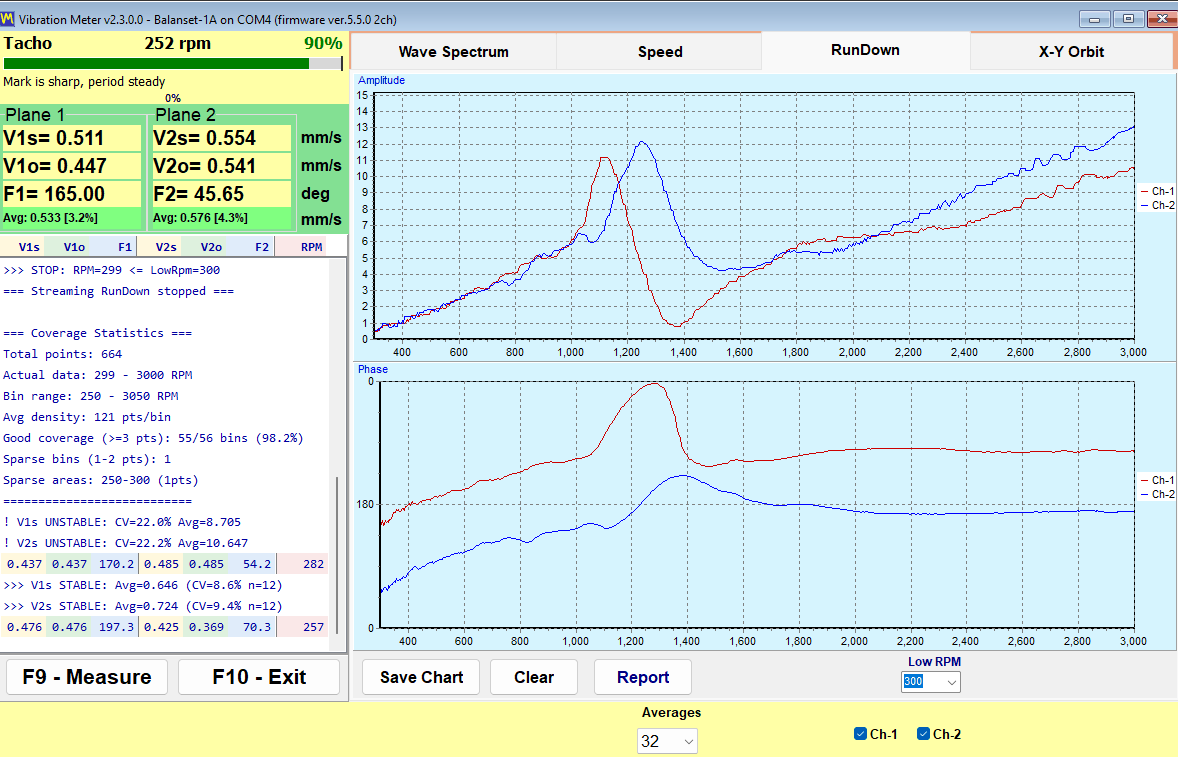
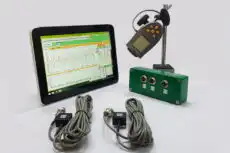
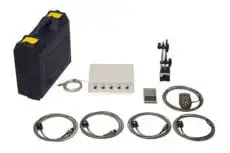
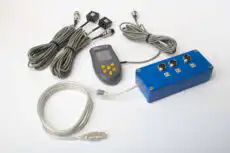
ਸਾਈਟ 'ਤੇ, ਕੋਸਟਡਾਊਨ ਲਈ ਕਿਸੇ ਸਮਰਪਿਤ ਟੈਸਟ ਸਟੈਂਡ ਦੀ ਲੋੜ ਨਹੀਂ ਹੁੰਦੀ — ਡਰਾਈਵ ਬੰਦ ਕਰਦੇ ਹੀ ਇਸਨੂੰ ਇੱਕ ਪੋਰਟੇਬਲ ਯੰਤਰ ਨਾਲ ਰਿਕਾਰਡ ਕੀਤਾ ਜਾ ਸਕਦਾ ਹੈ। ਇੱਕ ਦੋ-ਚੈਨਲ ਵਿਸ਼ਲੇਸ਼ਕ ਜਿਵੇਂ ਕਿ Balanset-1A, ਜਿਸਦਾ ਲੇਜ਼ਰ ਟੈਕੋਮੀਟਰ ਫੇਜ਼ ਸੰਦਰਭ ਪ੍ਰਦਾਨ ਕਰਦਾ ਹੈ, ਰੋਟਰ ਦੇ ਹੌਲੀ ਹੋਣ ਦੌਰਾਨ ਲਗਾਤਾਰ ਐਂਪਲੀਟਿਊਡ, ਫੇਜ਼ ਅਤੇ ਸਪੀਡ ਰਿਕਾਰਡ ਕਰਦਾ ਹੈ, ਜਿਸ ਨਾਲ ਇੰਜੀਨੀਅਰ ਨਤੀਜੇ ਵਾਲੇ ਬੋਡ ਟ੍ਰੇਸ ਤੋਂ ਸਿੱਧੇ ਕ੍ਰਿਟੀਕਲ-ਸਪੀਡ ਪੀਕ ਪੜ੍ਹ ਸਕਦਾ ਹੈ। ਉਹੀ ਡੇਟਾਸੈੱਟ ਜੋ ਰੈਜ਼ੋਨੈਂਸ ਦਾ ਪਤਾ ਲਗਾਉਂਦਾ ਹੈ, ਇਹ ਵੀ ਪੁਸ਼ਟੀ ਕਰਦਾ ਹੈ ਕਿ ਕੀ ਇੱਕ 1× ਅਸੰਤੁਲਨ ਯੋਗਦਾਨ ਪਾ ਰਿਹਾ ਹੈ, ਜਿਸ ਨਾਲ ਨਿਦਾਨ ਅਤੇ ਇੱਕ ਫਾਲੋ-ਅੱਪ ਸਾਈਟ ਬੈਲੇਂਸਿੰਗ (ਫੀਲਡ ਬੈਲੇਂਸਿੰਗ) ਕੰਮ ਇੱਕ ਹੀ ਰਨ-ਡਾਊਨ ਤੋਂ ਅੱਗੇ ਵਧਦਾ ਹੈ। ਸੰਖੇਪ ਵਿੱਚ, ਕੋਸਟਡਾਊਨ ਟੈਸਟਿੰਗ ਅਨੁਭਵੀ ਡੇਟਾ ਪ੍ਰਦਾਨ ਕਰਦੀ ਹੈ ਜੋ ਵਿਸ਼ਲੇਸ਼ਣਾਤਮਕ ਭਵਿੱਖਬਾਣੀ ਦੀ ਪੂਰਤੀ ਕਰਦੀ ਹੈ ਅਤੇ ਅਸਲ ਓਪਰੇਟਿੰਗ ਹਾਲਤਾਂ ਵਿੱਚ ਘੁੰਮਣ ਵਾਲੀ ਮਸ਼ੀਨਰੀ ਦੇ ਅਸਲ ਗਤੀਸ਼ੀਲ ਵਿਵਹਾਰ ਨੂੰ ਪ੍ਰਗਟ ਕਰਦੀ ਹੈ।
ਕੋਸਟ ਦੌਰਾਨ ਯੰਤਰ ਕੀ ਕਰਦਾ ਹੈ
ਇਸ ਉੱਤੇ ਕ੍ਰਮ Balanset-1A ਉੱਪਰ ਦਿੱਤੀ ਪ੍ਰਕਿਰਿਆ ਨੂੰ ਪ੍ਰਤੀਬਿੰਬਤ ਕਰਦਾ ਹੈ। ਮਸ਼ੀਨ ਨੂੰ ਓਪਰੇਟਿੰਗ ਸਪੀਡ 'ਤੇ ਲਿਆਓ ਅਤੇ "Run-down" ਟੈਬ 'ਤੇ F9 ਦਬਾਓ: ਪ੍ਰੋਗਰਾਮ ਪਹਿਲਾਂ ਵਰਕਿੰਗ ਸਪੀਡ 'ਤੇ ਇੱਕ ਸੰਦਰਭ ਮਾਪ ਲੈਂਦਾ ਹੈ ("Capturing baseline…"), ਫਿਰ ਪੁੱਛਦਾ ਹੈ ਕਿ ਰੋਟਰ ਨੂੰ ਰੋਕਿਆ ਜਾ ਸਕਦਾ ਹੈ। ਉਸ ਪਲ ਤੋਂ ਇਹ ਹਰੇਕ ਰੈਵੋਲਿਊਸ਼ਨ 'ਤੇ 1× ਐਮਪਲੀਟਿਊਡ ਅਤੇ ਫੇਜ਼ ਰਿਕਾਰਡ ਕਰਦਾ ਹੈ ਜਦਕਿ ਸਪੀਡ ਰੀਡਆਊਟ ਡਿੱਗਦੇ RPM ਨੂੰ ਟਰੈਕ ਕਰਦਾ ਹੈ, ਅਤੇ ਰਿਕਾਰਡਿੰਗ ਆਪਣੇ ਆਪ ਖਤਮ ਹੋ ਜਾਂਦੀ ਹੈ ਜਦੋਂ ਸਪੀਡ "Low RPM" ਥ੍ਰੈਸ਼ਹੋਲਡ (100–2000 RPM, ਡਿਫਾਲਟ 300) ਤੋਂ ਹੇਠਾਂ ਡਿੱਗ ਜਾਂਦੀ ਹੈ।
ਪੁਆਇੰਟਾਂ ਨੂੰ ਮਾਪੇ ਗਏ ਵਜੋਂ ਪਲਾਟ ਕੀਤਾ ਜਾਂਦਾ ਹੈ — ਪ੍ਰਤੀ ਰੈਵੋਲਿਊਸ਼ਨ ਇੱਕ, ਬਿਨਾਂ ਔਸਤ ਦੇ। ਉਹਨਾਂ ਮਸ਼ੀਨਾਂ 'ਤੇ ਜਿੱਥੇ ਸਿੰਕ੍ਰੋਨਸ ਕੰਪੋਨੈਂਟ ਅਸਲ ਵਿੱਚ ਹਰ ਮੋੜ ਨਾਲ ਬਦਲਦਾ ਹੈ (ਢਿੱਲਾਪਣ, ਰਗੜ, 2:1 ਬੈਲਟ ਡਰਾਈਵ) ਬਦਲਦੇ ਪੁਆਇੰਟਾਂ ਦੀ ਦਿਖਾਈ ਦੇਣ ਵਾਲੀ ਕੰਘੀ ਅਸਲੀ ਸਿਗਨਲ ਹੈ, ਡਿਸਪਲੇ ਸ਼ੋਰ ਨਹੀਂ; ਜਿੱਥੇ ਟੈਕੋਮੀਟਰ ਮਾਰਕ ਗੁੰਮ ਹੋ ਜਾਂਦਾ ਹੈ, ਚਾਰਟ ਸਿੱਧੀਆਂ ਲਾਈਨਾਂ ਬਣਾਉਣ ਦੀ ਬਜਾਏ ਗੈਪ ਦਿਖਾਉਂਦਾ ਹੈ।
ਪੂਰੀ ਰਿਪੋਰਟ ਐਮਪਲੀਟਿਊਡ ਅਤੇ ਫੇਜ਼ ਕਰਵਜ਼ ਨੂੰ ਵਰਕਿੰਗ ਸਪੀਡ 'ਤੇ ਲਏ ਗਏ ਸਨੈਪਸ਼ਾਟਾਂ — ਵੇਵਫਾਰਮ, ਸਪੈਕਟ੍ਰਮ, ਟੈਕੋ-ਮਾਰਕ ਇੰਟਰਵਲ ਅਤੇ X-Y ਔਰਬਿਟ — ਨਾਲ ਬੰਡਲ ਕਰਦੀ ਹੈ, ਤਾਂ ਜੋ ਕੋਸਟ ਅਤੇ ਮਸ਼ੀਨ ਦੀ ਪ੍ਰੀ-ਕੋਸਟ ਸਥਿਤੀ ਇੱਕ ਹੀ ਦਸਤਾਵੇਜ਼ ਵਿੱਚ ਹੋਣ।