ਸ਼ੁਰੂਆਤੀ ਚੇਤਾਵਨੀ ਨੂੰ ਸਮਝਣਾ






ਸ਼ੁਰੂਆਤੀ ਚੇਤਾਵਨੀ ਇੱਕ ਦੀ ਸਮਰੱਥਾ ਹੈ ਸਥਿਤੀ ਨਿਗਰਾਨੀ ਪ੍ਰੋਗਰਾਮ ਮਸ਼ੀਨਰੀ ਦੇ ਨੁਕਸਾਂ ਨੂੰ ਉਹਨਾਂ ਦੇ ਸਭ ਤੋਂ ਸ਼ੁਰੂਆਤੀ ਪੜਾਵਾਂ ਵਿੱਚ ਪਛਾਣਨ ਲਈ — ਮਹੀਨੇ, ਕਈ ਵਾਰ ਸਾਲ ਪਹਿਲਾਂ, ਇਸ ਤੋਂ ਪਹਿਲਾਂ ਕਿ ਉਹ ਕਾਰਜਸ਼ੀਲ ਅਸਫਲਤਾ ਦਾ ਕਾਰਨ ਬਣਨ — ਰੱਖ-ਰਖਾਅ ਟੀਮ ਨੂੰ ਮੁਰੰਮਤ ਦੀ ਯੋਜਨਾ ਬਣਾਉਣ, ਪੁਰਜ਼ੇ ਖਰੀਦਣ, ਅਤੇ ਡਾਊਨਟਾਈਮ ਸ਼ਡਿਊਲ ਕਰਨ ਲਈ ਵੱਧ ਤੋਂ ਵੱਧ ਸੰਭਵ ਲੀਡ ਟਾਈਮ ਦੇਣ ਦੀ। ਇਹ ਇਸ ਦਾ ਮੁੱਖ ਵੈਲਿਊ ਪ੍ਰਸਤਾਵ ਹੈ ਭਵਿੱਖਬਾਣੀ ਰੱਖ-ਰਖਾਵ: ਨੁਕਸਾਂ ਨੂੰ ਉਦੋਂ ਫੜਨਾ ਜਦੋਂ ਉਹ ਛੋਟੇ, ਠੀਕ ਕਰਨ ਲਈ ਸਸਤੇ ਹੋਣ, ਅਤੇ ਇਸ ਤੋਂ ਪਹਿਲਾਂ ਕਿ ਉਹ ਸੈਕੰਡਰੀ ਨੁਕਸਾਨ ਵਿੱਚ ਬਦਲ ਜਾਣ, ਤਾਂ ਜੋ ਇੱਕ ਸੰਸਥਾ ਰਿਐਕਟਿਵ ਸੰਕਟ-ਪ੍ਰਬੰਧਨ ਤੋਂ ਸ਼ਾਂਤ, ਪ੍ਰੋਐਕਟਿਵ ਸੰਪਤੀ ਪ੍ਰਬੰਧਨ ਵੱਲ ਜਾ ਸਕੇ। ਉਹ ਲੀਡ ਟਾਈਮ — ਆਮ ਤੌਰ 'ਤੇ ਬੇਅਰਿੰਗ ਨੁਕਸਾਂ ਲਈ 3–18 ਮਹੀਨੇ ਜੋ ਇਸ ਰਾਹੀਂ ਲੱਭੇ ਜਾਂਦੇ ਹਨ ਐਨਵਲਪ ਵਿਸ਼ਲੇਸ਼ਣ — ਬਿਲਕੁਲ ਉਹੀ ਹੈ ਜੋ ਬਣਾਉਂਦਾ ਹੈ ਸਥਿਤੀ-ਆਧਾਰਿਤ ਰੱਖ-ਰਖਾਅ ਆਰਥਿਕ ਤੌਰ 'ਤੇ ਵਿਵਹਾਰਕ, ਜਿਸ ਨਾਲ ਉਪਕਰਣ ਦੀ ਸੇਵਾ ਸਭ ਤੋਂ ਢੁਕਵੇਂ ਸਮੇਂ 'ਤੇ ਕੀਤੀ ਜਾ ਸਕਦੀ ਹੈ, ਨਾ ਕਿ ਐਮਰਜੈਂਸੀ ਵਿੱਚ।
1. ਅਰਲੀ ਵਾਰਨਿੰਗ ਹੀ ਪੂਰਾ ਮਕਸਦ ਕਿਉਂ ਹੈ
ਹਰ ਅਸਫਲਤਾ ਵਿਧੀ ਸਿਹਤ ਤੋਂ ਖਰਾਬੀ ਤੱਕ ਦੇ ਇੱਕ ਕਰਵ ਦੀ ਪਾਲਣਾ ਕਰਦੀ ਹੈ, ਅਤੇ ਉਸ ਕਰਵ 'ਤੇ ਜਿੰਨੀ ਜਲਦੀ ਕੋਈ ਨੁਕਸ ਪਛਾਣਿਆ ਜਾਂਦਾ ਹੈ, ਓਨੇ ਹੀ ਜ਼ਿਆਦਾ ਵਿਕਲਪ ਇੰਜੀਨੀਅਰ ਕੋਲ ਖੁੱਲ੍ਹੇ ਰਹਿੰਦੇ ਹਨ। ਮਾਈਕਰੋ-ਸਪਾਲ ਪੜਾਅ 'ਤੇ ਫੜੀ ਗਈ ਬੇਅਰਿੰਗ ਨੂੰ ਸ਼ਾਇਦ ਅਗਲੇ ਸ਼ਡਿਊਲਡ ਆਊਟੇਜ ਦੌਰਾਨ ਸਿਰਫ਼ ਇੱਕ ਯੋਜਨਾਬੱਧ ਬਦਲੀ ਦੀ ਲੋੜ ਹੋਵੇ; ਉਹੀ ਬੇਅਰਿੰਗ ਜੇ ਚੱਲਦੀ ਛੱਡ ਦਿੱਤੀ ਜਾਵੇ ਤਾਂ ਜਾਮ ਹੋ ਸਕਦੀ ਹੈ, ਸ਼ਾਫਟ ਨੂੰ ਬਰਬਾਦ ਕਰ ਸਕਦੀ ਹੈ, ਅਤੇ ਸਭ ਤੋਂ ਬੁਰੇ ਸਮੇਂ 'ਤੇ ਪੂਰੀ ਮਸ਼ੀਨ ਨੂੰ ਬੰਦ ਕਰ ਸਕਦੀ ਹੈ। ਅਰਲੀ ਵਾਰਨਿੰਗ ਇੱਕ ਅਣਪਛਾਤੀ, ਮਹਿੰਗੀ ਘਟਨਾ ਨੂੰ ਇੱਕ ਰੁਟੀਨ, ਘੱਟ-ਲਾਗਤ ਵਾਲੇ ਕੰਮ ਵਿੱਚ ਬਦਲ ਦਿੰਦੀ ਹੈ — ਅਤੇ ਇਹੀ ਇੱਕ ਫ਼ਰਕ ਹੈ ਜੋ ਪੂਰੇ ਮਾਨੀਟਰਿੰਗ ਪ੍ਰੋਗਰਾਮ ਦੀ ਲਾਗਤ ਨੂੰ ਜਾਇਜ਼ ਠਹਿਰਾਉਂਦਾ ਹੈ।
2. ਤਕਨੀਕਾਂ ਜੋ ਅਰਲੀ ਵਾਰਨਿੰਗ ਨੂੰ ਸਮਰੱਥ ਬਣਾਉਂਦੀਆਂ ਹਨ
ਐਨਵੈਲਪ ਵਿਸ਼ਲੇਸ਼ਣ — ਬੇਅਰਿੰਗਸ ਲਈ ਸਭ ਤੋਂ ਵਧੀਆ
- ਅਸਫਲਤਾ ਤੋਂ 6–18 ਮਹੀਨੇ ਪਹਿਲਾਂ ਰੋਲਿੰਗ-ਐਲੀਮੈਂਟ ਬੇਅਰਿੰਗ ਨੁਕਸਾਂ ਦਾ ਪਤਾ ਲਗਾਉਂਦਾ ਹੈ।
- ਓਵਰਆਲ ਵਾਈਬ੍ਰੇਸ਼ਨ ਪੱਧਰਾਂ ਨਾਲੋਂ ਮਹੀਨੇ ਪਹਿਲਾਂ ਅਲਾਰਮ ਵਜਾਉਂਦਾ ਹੈ।
- ਮਾਈਕਰੋ-ਸਪਾਲ ਅਤੇ ਸ਼ੁਰੂਆਤੀ ਸਤਹ ਨੁਕਸਾਨ ਪ੍ਰਤੀ ਸੰਵੇਦਨਸ਼ੀਲ ਜਿਸ ਨੂੰ ਬ੍ਰਾਡਬੈਂਡ ਮਾਪ ਖੁੰਝ ਜਾਂਦੇ ਹਨ।
- ਸ਼ੁਰੂਆਤੀ ਬੇਅਰਿੰਗ ਲਈ ਗੋਲਡ ਸਟੈਂਡਰਡ ਫਾਲਟ ਪਛਾਣ, ਦੇ ਨਾਲ ਮਿਲ ਕੇ ਕੰਮ ਕਰਦੇ ਹੋਏ ਐਨਵੈਲਪ ਸਪੈਕਟ੍ਰਮ.
ਟ੍ਰੈਂਡ ਵਿਸ਼ਲੇਸ਼ਣ
- ਨਿਸ਼ਚਿਤ ਅਲਾਰਮ ਥ੍ਰੈਸ਼ੋਲਡ ਪਾਰ ਹੋਣ ਤੋਂ ਕਾਫ਼ੀ ਪਹਿਲਾਂ ਹੌਲੀ-ਹੌਲੀ ਵਧਣ ਨੂੰ ਫੜ ਲੈਂਦਾ ਹੈ।
- ਇੱਕ ਜਾਣੇ-ਪਛਾਣੇ ਦੇ ਮੁਕਾਬਲੇ ਛੋਟੀਆਂ ਤਬਦੀਲੀਆਂ ਨੂੰ ਦਿੱਖ ਬਣਾਉਂਦਾ ਹੈ ਬੇਸਲਾਈਨ.
- ਐਕਸਟ੍ਰਾਪੋਲੇਸ਼ਨ ਦੀ ਆਗਿਆ ਦਿੰਦਾ ਹੈ — ਰੁਝਾਨ ਇਹ ਅੰਦਾਜ਼ਾ ਲਗਾਉਣ ਲਈ ਕਿ ਕਾਰਵਾਈ ਕਦੋਂ ਲੋੜੀਂਦੀ ਹੋਵੇਗੀ, ਡਾਟਾ ਨੂੰ ਅੱਗੇ ਵਧਾਉਣਾ।
- ਨਿਯਮਿਤ ਤੌਰ 'ਤੇ ਮਹੀਨਿਆਂ ਦਾ ਲੀਡ ਟਾਈਮ ਪ੍ਰਦਾਨ ਕਰਦਾ ਹੈ।
ਸਪੈਕਟ੍ਰਲ ਵਿਸ਼ਲੇਸ਼ਣ
- ਵਿੱਚ ਨਵੀਆਂ ਪੀਕਸ ਵਾਈਬ੍ਰੇਸ਼ਨ ਸਪੈਕਟ੍ਰਮ 'ਤੇ ਭਰੋਸਾ ਕਰਨ ਲਈ ਬੁਨਿਆਦੀ ਹੈ ਨਵੇਂ ਨੁਕਸਾਂ ਨੂੰ ਜ਼ਾਹਰ ਕਰਦੀਆਂ ਹਨ।
- ਵਿਸ਼ੇਸ਼ਤਾ ਬੇਅਰਿੰਗ ਫਾਲਟ ਫ੍ਰੀਕੁਐਂਸੀਆਂ ਕਿਸੇ ਵੀ ਓਵਰਆਲ-ਪੱਧਰ ਬਦਲਾਅ ਤੋਂ ਮਹੀਨੇ ਪਹਿਲਾਂ ਦਿਖਾਈ ਦਿੰਦੀਆਂ ਹਨ।
- ਸਿਰਫ਼ ਇਹ ਦੱਸਣ ਦੀ ਬਜਾਏ ਕਿ “ਕੁਝ” ਗਲਤ ਹੈ, ਖਾਸ ਨੁਕਸ ਦੀ ਸਹੀ ਪਛਾਣ ਕਰਦਾ ਹੈ।
- ਓਵਰਆਲ-ਪੱਧਰ ਦੀ ਨਿਗਰਾਨੀ ਇਕੱਲੇ ਨਾਲੋਂ ਲਗਾਤਾਰ ਪਹਿਲਾਂ।
ਅੰਕੜਾ ਵਿਧੀਆਂ
- ਕਰਟੋਸਿਸ ਸ਼ੁਰੂਆਤੀ, ਇਮਪੈਕਟ-ਟਾਈਪ ਬੇਅਰਿੰਗ ਨੁਕਸਾਨ ਨਾਲ ਤੇਜ਼ੀ ਨਾਲ ਵਧਦਾ ਹੈ।
- ਕ੍ਰੈਸਟ ਫੈਕਟਰ ਜਿਵੇਂ ਹੀ ਸਿਗਨਲ ਤਿੱਖੇ ਇਮਪੈਕਟ ਲਿਜਾਣਾ ਸ਼ੁਰੂ ਕਰਦਾ ਹੈ, ਬਦਲਦਾ ਹੈ।
- ਦੋਵੇਂ ਵਿੱਚ ਇੱਕ ਬਦਲਾਅ ਦਾ ਪਤਾ ਲਗਾਉਂਦੇ ਹਨ ਲੱਛਣ ਸਿਗਨਲ ਦੇ ਆਕਾਰ ਦੀ ਬਜਾਏ ਉਸ ਦੇ।
- ਉਹ ਪੂਰਵ-ਸੂਚਕ ਵਜੋਂ ਕੰਮ ਕਰਦੇ ਹਨ, ਐਂਪਲੀਟਿਊਡ ਵਧਣ ਤੋਂ ਪਹਿਲਾਂ ਸਮੱਸਿਆ ਦਾ ਸੰਕੇਤ ਦਿੰਦੇ ਹਨ।
3. ਤਕਨੀਕ ਅਨੁਸਾਰ ਲੀਡ ਟਾਈਮ
ਵੱਖ-ਵੱਖ ਤਕਨਾਲੋਜੀਆਂ ਵੱਖ-ਵੱਖ ਪੜਾਵਾਂ 'ਤੇ ਵੱਖ-ਵੱਖ ਨੁਕਸ ਦੇਖਦੀਆਂ ਹਨ। ਇੱਕ ਮੋਟੇ ਗਾਈਡ ਵਜੋਂ:
| ਪਛਾਣ ਵਿਧੀ | ਆਮ ਲੀਡ ਟਾਈਮ | ਨੁਕਸ ਦੀ ਕਿਸਮ |
|---|---|---|
| ਐਨਵੈਲਪ ਵਿਸ਼ਲੇਸ਼ਣ | 6–18 ਮਹੀਨੇ | ਬੇਅਰਿੰਗ ਨੁਕਸ |
| ਵਾਈਬ੍ਰੇਸ਼ਨ ਟ੍ਰੈਂਡਿੰਗ | 3–12 ਮਹੀਨੇ | ਅਸੰਤੁਲਨ, ਗ਼ਲਤ ਸੰਰੇਖਣ |
| ਤਾਪਮਾਨ ਟ੍ਰੈਂਡਿੰਗ | 1–6 ਮਹੀਨੇ | ਲੁਬਰੀਕੇਸ਼ਨ, ਰਗੜ ਸਬੰਧੀ ਸਮੱਸਿਆਵਾਂ |
| ਤੇਲ ਵਿਸ਼ਲੇਸ਼ਣ | 3–12 ਮਹੀਨੇ | ਅੰਦਰੂਨੀ ਘਿਸਾਈ |
| ਸਿਰਫ਼ ਓਵਰਆਲ ਵਾਈਬ੍ਰੇਸ਼ਨ | ਹਫ਼ਤਿਆਂ ਤੋਂ ਮਹੀਨਿਆਂ ਤੱਕ | ਉੱਨਤ ਖ਼ਰਾਬੀਆਂ |
ਪੈਟਰਨ ਸਪਸ਼ਟ ਹੈ: ਤਕਨੀਕ ਜਿੰਨੀ ਵਧੇਰੇ ਉੱਨਤ ਅਤੇ ਨੁਕਸ-ਵਿਸ਼ੇਸ਼ ਹੋਵੇਗੀ, ਚੇਤਾਵਨੀ ਓਨੀ ਹੀ ਪਹਿਲਾਂ ਮਿਲੇਗੀ। ਸਿਰਫ਼ ਓਵਰਆਲ ਪੱਧਰ 'ਤੇ ਨਿਰਭਰ ਰਹਿਣ ਨਾਲ ਸਭ ਤੋਂ ਘੱਟ ਸਮਾਂ ਮਿਲਦਾ ਹੈ।
4. ਸ਼ੁਰੂਆਤੀ ਚੇਤਾਵਨੀ ਦਾ ਮੁੱਲ
ਯੋਜਨਾਬੰਦੀ ਲਾਭ
- ਰੱਖ-ਰਖਾਅ ਸ਼ਡਿਊਲਿੰਗ: ਸੁਵਿਧਾਜਨਕ, ਯੋਜਨਾਬੱਧ ਬੰਦੀ ਦੌਰਾਨ ਮੁਰੰਮਤ ਕਰੋ।
- ਪੁਰਜ਼ੇ ਖਰੀਦਣਾ: ਆਮ ਲੀਡ ਟਾਈਮ 'ਤੇ ਆਰਡਰ ਕਰੋ, ਜਿਸ ਨਾਲ ਜਲਦਬਾਜ਼ੀ ਵਾਲੀਆਂ ਫੀਸਾਂ ਤੋਂ ਬਚਿਆ ਜਾ ਸਕੇ।
- ਸਰੋਤ ਵੰਡ: ਸਹੀ ਲੋਕਾਂ ਅਤੇ ਔਜ਼ਾਰਾਂ ਨੂੰ ਪਹਿਲਾਂ ਤੋਂ ਨਿਯੁਕਤ ਕਰੋ।
- ਉਤਪਾਦਨ ਯੋਜਨਾਬੰਦੀ: ਬੰਦੀ ਓਦੋਂ ਲਓ ਜਦੋਂ ਇਹ ਸਭ ਤੋਂ ਘੱਟ ਵਿਘਨਕਾਰੀ ਹੋਵੇ।
ਲਾਗਤ ਘਟਾਓ
- ਸੈਕੰਡਰੀ ਨੁਕਸਾਨ ਰੋਕੋ: ਨੁਕਸ ਨੂੰ ਨਾਲ ਲੱਗਦੇ ਹਿੱਸਿਆਂ ਨੂੰ ਨੁਕਸਾਨ ਪਹੁੰਚਾਉਣ ਤੋਂ ਪਹਿਲਾਂ ਠੀਕ ਕਰੋ।
- ਛੋਟੀਆਂ ਮੁਰੰਮਤਾਂ: ਪੂਰੀ ਮਸ਼ੀਨ ਨੂੰ ਦੁਬਾਰਾ ਬਣਾਉਣ ਦੀ ਬਜਾਏ ਸਿਰਫ਼ ਇੱਕ ਬੇਅਰਿੰਗ ਬਦਲੋ।
- ਕੋਈ ਜਲਦਬਾਜ਼ੀ ਨਹੀਂ: ਪੁਰਜ਼ਿਆਂ ਲਈ ਆਮ ਸਪਲਾਈ-ਚੇਨ ਸਮਾਂ-ਸਾਰਣੀ।
- ਯੋਜਨਾਬੱਧ ਮਜ਼ਦੂਰੀ: ਐਮਰਜੈਂਸੀ ਓਵਰਟਾਈਮ ਦੀ ਬਜਾਏ ਨਿਯਮਤ ਘੰਟੇ।
ਸੰਚਾਲਨ ਲਾਭ
- ਗੈਰ-ਯੋਜਨਾਬੱਧ ਉਤਪਾਦਨ ਨੁਕਸਾਨ ਤੋਂ ਬਚੋ।
- ਕਾਹਲੀ ਵਿੱਚ ਕੀਤੀਆਂ ਮੁਰੰਮਤਾਂ ਨੂੰ ਖਤਮ ਕਰਕੇ ਉਤਪਾਦ ਦੀ ਗੁਣਵੱਤਾ ਬਣਾਈ ਰੱਖੋ।
- ਵਿਨਾਸ਼ਕਾਰੀ ਅਸਫਲਤਾਵਾਂ ਨੂੰ ਰੋਕ ਕੇ ਸੁਰੱਖਿਆ ਵਧਾਓ।
- ਸਮੁੱਚੀ ਉਪਕਰਣ ਭਰੋਸੇਯੋਗਤਾ ਵਿੱਚ ਸੁਧਾਰ ਕਰੋ।
5. P-F ਇੰਟਰਵਲ
ਸੰਕਲਪ
- P-ਪੁਆਇੰਟ: ਉਹ ਪਲ ਜਦੋਂ ਸੰਭਾਵੀ ਅਸਫਲਤਾ ਪਹਿਲੀ ਵਾਰ ਪਛਾਣਨਯੋਗ ਬਣ ਜਾਂਦੀ ਹੈ।
- F-ਪੁਆਇੰਟ: ਉਹ ਪਲ ਜਦੋਂ ਕਾਰਜਸ਼ੀਲ ਅਸਫਲਤਾ ਅਸਲ ਵਿੱਚ ਵਾਪਰਦੀ ਹੈ।
- P-F ਇੰਟਰਵਲ: ਦੋਵਾਂ ਵਿਚਕਾਰਲਾ ਸਮਾਂ — ਕਾਰਵਾਈ ਕਰਨ ਲਈ ਉਪਲਬਧ ਵਿੰਡੋ।
- ਸ਼ੁਰੂਆਤੀ ਚੇਤਾਵਨੀ: ਸਭ ਤੋਂ ਪਹਿਲੇ ਸੰਭਵ P-ਪੁਆਇੰਟ 'ਤੇ ਪਛਾਣ ਕਰਕੇ ਵਰਤੋਂਯੋਗ P-F ਇੰਟਰਵਲ ਨੂੰ ਵਧਾਉਂਦੀ ਹੈ।
P-F ਇੰਟਰਵਲ ਨੂੰ ਵੱਧ ਤੋਂ ਵੱਧ ਕਰਨਾ
- ਉਪਲਬਧ ਸਭ ਤੋਂ ਸੰਵੇਦਨਸ਼ੀਲ ਖੋਜ ਤਕਨੀਕਾਂ ਦੀ ਵਰਤੋਂ ਕਰੋ।
- ਇੱਕ ਨਿਗਰਾਨੀ ਬਾਰੰਬਾਰਤਾ ਚੁਣੋ ਜੋ P-ਪੁਆਇੰਟ ਨੂੰ ਖੁੰਝਣ ਲਈ ਲੋੜੀਂਦੀ ਲੰਬੀ ਨਾ ਹੋਵੇ।
- ਕਈ ਪੈਰਾਮੀਟਰਾਂ ਦੀ ਨਿਗਰਾਨੀ ਕਰੋ ਤਾਂ ਜੋ ਸਭ ਤੋਂ ਪਹਿਲਾ ਸੰਕੇਤਕ ਕਦੇ ਨਾ ਖੁੰਝੇ।
- ਸਭ ਤੋਂ ਮਹੱਤਵਪੂਰਨ ਉਪਕਰਣਾਂ 'ਤੇ ਉੱਨਤ ਵਿਸ਼ਲੇਸ਼ਣ — ਐਨਵੈਲਪ ਅਤੇ ਸਪੈਕਟ੍ਰਲ ਢੰਗ — ਤੈਨਾਤ ਕਰੋ।
6. ਸ਼ੁਰੂਆਤੀ-ਚੇਤਾਵਨੀ ਸਮਰੱਥਾ ਨੂੰ ਨਿਯੰਤਰਿਤ ਕਰਨ ਵਾਲੇ ਕਾਰਕ
ਤਕਨੀਕ ਦੀ ਸੰਵੇਦਨਸ਼ੀਲਤਾ
- ਐਨਵੈਲਪ ਵਿਸ਼ਲੇਸ਼ਣ ਓਵਰਆਲ ਵਾਈਬ੍ਰੇਸ਼ਨ ਨਾਲੋਂ ਵਧੇਰੇ ਸੰਵੇਦਨਸ਼ੀਲ ਹੈ।
- ਸਪੈਕਟ੍ਰਲ ਵਿਸ਼ਲੇਸ਼ਣ ਸਿੰਗਲ-ਵੈਲਿਊ ਰੁਝਾਨਾਂ ਨਾਲੋਂ ਵਧੇਰੇ ਸੰਵੇਦਨਸ਼ੀਲ ਹੈ।
- ਅੰਕੜਾ ਢੰਗ ਉਹ ਸੂਖਮ ਤਬਦੀਲੀਆਂ ਖੋਜਦੇ ਹਨ ਜਿਨ੍ਹਾਂ ਨੂੰ ਹੋਰ ਢੰਗ ਨਜ਼ਰਅੰਦਾਜ਼ ਕਰ ਦਿੰਦੇ ਹਨ।
- ਤਕਨੀਕਾਂ ਨੂੰ ਜੋੜਨਾ ਸਭ ਤੋਂ ਪਹਿਲੀ ਸੰਭਵ ਖੋਜ ਦਿੰਦਾ ਹੈ।
ਮਾਪ ਦੀ ਬਾਰੰਬਾਰਤਾ
- ਮਹੀਨਾਵਾਰ ਮਾਪਾਂ ਵਿੱਚ, ਔਸਤਨ, ਦੋ ਹਫ਼ਤਿਆਂ ਦੀ ਖੋਜ ਦੇਰੀ ਹੁੰਦੀ ਹੈ।
- ਹਫ਼ਤਾਵਾਰੀ ਮਾਪ ਇਸਨੂੰ ਘਟਾ ਕੇ ਔਸਤਨ 3–4 ਦਿਨਾਂ ਦੀ ਦੇਰੀ ਤੱਕ ਲੈ ਆਉਂਦੇ ਹਨ।
- ਲਗਾਤਾਰ ਨਿਗਰਾਨੀ ਪ੍ਰਭਾਵਸ਼ਾਲੀ ਤੌਰ 'ਤੇ ਤੁਰੰਤ ਖੋਜ ਦਿੰਦਾ ਹੈ।
- ਇਹ ਚੋਣ ਲਾਗਤ ਅਤੇ ਖੋਜ ਦੀ ਗਤੀ ਵਿਚਕਾਰ ਇੱਕ ਜਾਣਬੁੱਝ ਕੇ ਕੀਤਾ ਗਿਆ ਸਮਝੌਤਾ ਹੈ।
ਬੇਸਲਾਈਨ ਗੁਣਵੱਤਾ
- ਇੱਕ ਵਧੀਆ ਬੇਸਲਾਈਨ ਛੋਟੀਆਂ ਤਬਦੀਲੀਆਂ ਨੂੰ ਪਛਾਣਨਾ ਆਸਾਨ ਬਣਾਉਂਦੀ ਹੈ।
- ਇੱਕ ਕਮਜ਼ੋਰ ਜਾਂ ਗੁੰਮ ਬੇਸਲਾਈਨ ਪਛਾਣ ਵਿੱਚ ਦੇਰੀ ਕਰਦੀ ਹੈ।
- ਇਸ ਲਈ ਬੇਸਲਾਈਨ ਦੀ ਗੁਣਵੱਤਾ ਸਿੱਧੇ ਤੌਰ 'ਤੇ ਅਗੇਤੀ-ਚੇਤਾਵਨੀ ਸਮਰੱਥਾ ਨੂੰ ਸੀਮਤ ਕਰਦੀ ਹੈ।
7. ਚੁਣੌਤੀਆਂ ਅਤੇ ਇਸ ਤੋਂ ਵੱਧ ਤੋਂ ਵੱਧ ਲਾਭ ਲੈਣਾ
ਗ਼ਲਤ ਅਲਾਰਮ (False Positives)
- ਬਹੁਤ ਸ਼ੁਰੂਆਤੀ ਪਛਾਣ ਸੁਭਾਵਿਕ ਤੌਰ 'ਤੇ ਗ਼ਲਤ-ਅਲਾਰਮ ਦਰ ਨੂੰ ਵਧਾ ਦਿੰਦੀ ਹੈ।
- ਕੁਝ ਛੋਟੀਆਂ ਤਬਦੀਲੀਆਂ ਕਦੇ ਵੀ ਅਸਫਲਤਾ ਤੱਕ ਨਹੀਂ ਵਧਦੀਆਂ।
- ਕਲਾ ਇਹ ਹੈ ਕਿ ਸ਼ੁਰੂਆਤੀ ਪਛਾਣ ਨੂੰ ਇੱਕ ਸਵੀਕਾਰਯੋਗ ਗ਼ਲਤ-ਅਲਾਰਮ ਦਰ ਦੇ ਨਾਲ ਸੰਤੁਲਿਤ ਕੀਤਾ ਜਾਵੇ।
- ਸਮੇਂ ਦੇ ਨਾਲ ਰੁਝਾਨ ਦੇਖ ਕੇ ਚੇਤਾਵਨੀ ਦੀ ਪੁਸ਼ਟੀ ਕਰਨਾ ਗ਼ਲਤ ਅਲਾਰਮਾਂ ਨੂੰ ਕਾਬੂ ਵਿੱਚ ਰੱਖਦਾ ਹੈ।
ਸਰੋਤਾਂ ਦੀ ਵਰਤੋਂ
- ਹਰ ਅਗੇਤੀ ਚੇਤਾਵਨੀ ਲਈ ਜਾਂਚ ਦੀ ਲੋੜ ਹੁੰਦੀ ਹੈ।
- ਚੇਤਾਵਨੀਆਂ ਦਾ ਹੜ੍ਹ ਸੀਮਤ ਵਿਸ਼ਲੇਸ਼ਣ ਸਮਰੱਥਾ ਨੂੰ ਭਾਰੂ ਕਰ ਸਕਦਾ ਹੈ।
- ਤਰਜੀਹ ਤੈਅ ਕਰਨਾ ਜ਼ਰੂਰੀ ਹੈ, ਅਤੇ ਸਵੈਚਾਲਿਤ ਸਕ੍ਰੀਨਿੰਗ ਮਾਤਰਾ ਨੂੰ ਸੰਭਾਲਣ ਵਿੱਚ ਮਦਦ ਕਰਦੀ ਹੈ।
ਵੱਧ ਤੋਂ ਵੱਧ ਮੁੱਲ ਪ੍ਰਾਪਤ ਕਰਨਾ
- ਪੂਰਕ ਤਕਨੀਕਾਂ ਦੀ ਵਰਤੋਂ ਕਰੋ — ਵਾਈਬ੍ਰੇਸ਼ਨ, ਤਾਪਮਾਨ, ਅਤੇ ਤੇਲ ਵਿਸ਼ਲੇਸ਼ਣ ਇਕੱਠੇ — ਹਰ ਇੱਕ ਵੱਖਰਾ ਦ੍ਰਿਸ਼ਟੀਕੋਣ ਦਿੰਦਾ ਹੋਇਆ ਅਤੇ ਦੂਜਿਆਂ ਦੀ ਪੁਸ਼ਟੀ ਕਰਦਾ ਹੋਇਆ।
- ਨਿਗਰਾਨੀ ਦੀ ਵਾਰਵਾਰਤਾ ਨੂੰ ਮਹੱਤਤਾ ਅਨੁਸਾਰ ਤੈਅ ਕਰੋ: ਲਗਾਤਾਰ ਜਾਂ ਵਾਰ-ਵਾਰ ਨਾਜ਼ੁਕ ਮਸ਼ੀਨਰੀ, ਮਹੱਤਵਪੂਰਨ ਸੰਪਤੀਆਂ ਲਈ ਮਹੀਨਾਵਾਰ, ਹਮੇਸ਼ਾ ਆਮ P-F ਅੰਤਰਾਲ ਤੋਂ ਛੋਟਾ।
- ਸਿਰਫ਼ ਓਵਰਆਲ ਪੱਧਰਾਂ 'ਤੇ ਨਿਰਭਰ ਨਾ ਰਹੋ; ਇਸ ਵਿੱਚ ਨਿਵੇਸ਼ ਕਰੋ ਸਪੈਕਟ੍ਰਲ ਵਿਸ਼ਲੇਸ਼ਣ, ਲਿਫ਼ਾਫ਼ਾ (envelope) ਵਿਧੀਆਂ, ਅਤੇ ਵਿਸ਼ਲੇਸ਼ਕ ਸਿਖਲਾਈ, ਅਤੇ ਉੱਨਤ ਤਕਨੀਕਾਂ ਨੂੰ ਨਾਜ਼ੁਕ ਉਪਕਰਣਾਂ 'ਤੇ ਕੇਂਦ੍ਰਿਤ ਕਰੋ।
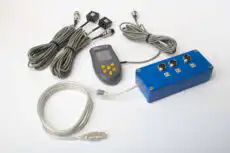
ਜਿੱਥੇ ਵਾਈਬ੍ਰੇਸ਼ਨ ਚੁਣੀ ਗਈ ਤਕਨਾਲੋਜੀ ਹੈ, ਉੱਥੇ ਡਾਟਾ ਨੂੰ ਰੁਝਾਨ ਵਿੱਚ ਦੇਖਣ ਤੋਂ ਪਹਿਲਾਂ ਕੈਪਚਰ ਕਰਨਾ ਪੈਂਦਾ ਹੈ। ਇੱਕ ਪੋਰਟੇਬਲ ਦੋ-ਚੈਨਲ ਵਿਸ਼ਲੇਸ਼ਕ ਜਿਵੇਂ ਕਿ Balanset-1A ਇੱਕ ਟੈਕਨੀਸ਼ੀਅਨ ਨੂੰ ਰੂਟ 'ਤੇ ਚੱਲਣ, ਇੱਕ ਸਮਕਾਲੀ ਰਿਕਾਰਡ ਕਰਨ ਦਿੰਦਾ ਹੈ FFT ਸਪੈਕਟ੍ਰਮ ਵਿੱਚ ਅਤੇ ਹਰ ਮਾਪ ਬਿੰਦੂ 'ਤੇ ਓਵਰਆਲ ਪੱਧਰ, ਅਤੇ ਉਹ ਇਕਸਾਰ ਬੇਸਲਾਈਨ-ਅਤੇ-ਰੁਝਾਨ ਇਤਿਹਾਸ ਬਣਾਉਂਦਾ ਹੈ ਜਿਸ 'ਤੇ ਅਗੇਤੀ ਚੇਤਾਵਨੀ ਨਿਰਭਰ ਕਰਦੀ ਹੈ — ਅਤੇ ਜਦੋਂ ਵਿਸ਼ਲੇਸ਼ਣ ਇਸ਼ਾਰਾ ਕਰਦਾ ਹੈ ਅਸੰਤੁਲਨ, ਉਹੀ ਯੰਤਰ ਇਸਨੂੰ ਸਾਈਟ 'ਤੇ ਹੀ ਠੀਕ ਕਰ ਦਿੰਦਾ ਹੈ।
8. ਨਿਵੇਸ਼ 'ਤੇ ਵਾਪਸੀ (ROI)
ਲਾਗਤ ਬਚਾਅ
- ਇੱਕ ਵਿਨਾਸ਼ਕਾਰੀ ਅਸਫਲਤਾ ਨੂੰ ਰੋਕਣਾ ਅਕਸਰ ਪੂਰੇ ਨਿਗਰਾਨੀ ਪ੍ਰੋਗਰਾਮ ਦੀ ਲਾਗਤ ਵਸੂਲ ਲੈਂਦਾ ਹੈ।
- ਸੈਕੰਡਰੀ ਨੁਕਸਾਨ ਨੂੰ ਰੋਕਣ ਦਾ ਮਤਲਬ ਹੈ ਕਿ ਬੇਅਰਿੰਗ ਦੀ ਅਸਫਲਤਾ ਕਦੇ ਵੀ ਸ਼ਾਫਟ ਤੱਕ ਨਹੀਂ ਪਹੁੰਚਦੀ।
- ਯੋਜਨਾਬੱਧ ਮੁਰੰਮਤਾਂ ਦੀ ਲਾਗਤ ਆਮ ਤੌਰ 'ਤੇ ਐਮਰਜੈਂਸੀ ਮੁਰੰਮਤਾਂ ਨਾਲੋਂ 30–50% ਘੱਟ ਹੁੰਦੀ ਹੈ।
ਅਪਟਾਈਮ ਲਾਭ
- ਗ਼ੈਰ-ਯੋਜਨਾਬੱਧ ਡਾਊਨਟਾਈਮ ਅਕਸਰ ਮੁਰੰਮਤ ਨਾਲੋਂ ਵੱਧ ਲਾਗਤ ਪਾਉਂਦਾ ਹੈ।
- ਅਗੇਤੀ ਚੇਤਾਵਨੀ ਕੰਮ ਨੂੰ ਇੱਕ ਯੋਜਨਾਬੱਧ ਬੰਦੀ ਦੇ ਅੰਦਰ ਆਉਣ ਦਿੰਦੀ ਹੈ।
- ਉਤਪਾਦਨ ਦੇ ਨੁਕਸਾਨ ਪੂਰੀ ਤਰ੍ਹਾਂ ਟਾਲੇ ਜਾਂਦੇ ਹਨ।
ਅਗੇਤੀ ਚੇਤਾਵਨੀ ਕਿਸੇ ਵੀ ਕੰਡੀਸ਼ਨ ਨਿਗਰਾਨੀ ਪ੍ਰੋਗਰਾਮ ਦਾ ਮੁੱਖ ਮੁੱਲ-ਪ੍ਰਦਾਨ ਕਰਨ ਵਾਲਾ ਤੰਤਰ ਹੈ। ਕਾਰਜਸ਼ੀਲ ਅਸਫਲਤਾ ਤੋਂ ਮਹੀਨੇ ਪਹਿਲਾਂ ਨੁਕਸਾਂ ਦੀ ਪਛਾਣ ਕਰਕੇ, ਇਹ ਉਹ ਸਮਾਂ-ਹੱਦ ਪ੍ਰਦਾਨ ਕਰਦੀ ਹੈ ਜੋ ਰੱਖ-ਰਖਾਅ ਨੂੰ ਪ੍ਰਤੀਕਿਰਿਆਤਮਕ ਸੰਕਟ-ਪ੍ਰਬੰਧਨ ਤੋਂ ਕਿਰਿਆਸ਼ੀਲ ਸੰਪਤੀ ਪ੍ਰਬੰਧਨ ਵਿੱਚ ਬਦਲ ਦਿੰਦੀ ਹੈ। ਇਸ ਸਮਰੱਥਾ ਨੂੰ ਵੱਧ ਤੋਂ ਵੱਧ ਕਰਨਾ — ਸੰਵੇਦਨਸ਼ੀਲ ਤਕਨੀਕਾਂ, ਸਮਝਦਾਰ ਨਿਗਰਾਨੀ ਵਾਰਵਾਰਤਾਵਾਂ, ਅਤੇ ਉੱਨਤ ਵਿਸ਼ਲੇਸ਼ਣ ਰਾਹੀਂ — ਭਰੋਸੇਯੋਗਤਾ ਵਿੱਚ ਲਾਭ ਅਤੇ ਲਾਗਤ ਬਚਤ ਪ੍ਰਦਾਨ ਕਰਦੀ ਹੈ ਜੋ ਭਵਿੱਖਬਾਣੀ ਰੱਖ-ਰਖਾਅ ਵਿੱਚ ਨਿਵੇਸ਼ ਨੂੰ ਜਾਇਜ਼ ਠਹਿਰਾਉਂਦੀ ਹੈ।

