ਗੰਭੀਰ ਮਸ਼ੀਨਰੀ ਨੂੰ ਸਮਝਣਾ

ਗੰਭੀਰ ਮਸ਼ੀਨਰੀ ਇਹ ਉਹ ਉਪਕਰਣ ਹਨ ਜਿਨ੍ਹਾਂ ਦੀ ਅਸਫਲਤਾ ਗੰਭੀਰ ਨਤੀਜੇ ਲਿਆਵੇਗੀ — ਵੱਡੇ ਉਤਪਾਦਨ ਨੁਕਸਾਨ, ਸੁਰੱਖਿਆ ਖ਼ਤਰੇ, ਵਾਤਾਵਰਣ ਸੰਬੰਧੀ ਰਿਸਾਅ, ਜਾਂ ਬਹੁਤ ਜ਼ਿਆਦਾ ਮੁਰੰਮਤ ਲਾਗਤਾਂ — ਅਤੇ ਜੋ ਇਸ ਲਈ ਨਿਗਰਾਨੀ, ਰੱਖ-ਰਖਾਅ ਅਤੇ ਸੁਰੱਖਿਆ ਦੇ ਸਭ ਤੋਂ ਉੱਚੇ ਪੱਧਰਾਂ ਦੀ ਵਾਰੰਟੀ ਦਿੰਦੇ ਹਨ। ਕ੍ਰਿਟੀਕਲਤੀ ਆਮ ਤੌਰ ’ਤੇ ਇੱਕ ਰਸਮੀ ਜੋਖਮ ਮੁਲਾਂਕਣ ਰਾਹੀਂ ਸਥਾਪਿਤ ਕੀਤੀ ਜਾਂਦੀ ਹੈ ਜੋ ਅਸਫਲਤਾ ਦੀ ਸੰਭਾਵਨਾ ਨੂੰ ਇਸਦੇ ਨਤੀਜਿਆਂ (ਉਤਪਾਦਨ ਪ੍ਰਭਾਵ, ਸੁਰੱਖਿਆ, ਵਾਤਾਵਰਣ, ਲਾਗਤ) ਅਤੇ ਬੈਕਅੱਪ ਉਪਕਰਣ ਦੀ ਉਪਲਬਧਤਾ ਦੇ ਵਿਰੁੱਧ ਤੋਲਦਾ ਹੈ। ਕ੍ਰਿਟੀਕਲ ਮਸ਼ੀਨਾਂ ਆਮ ਤੌਰ ’ਤੇ ਕਿਸੇ ਪਲਾਂਟ ਦੀਆਂ ਸੰਪਤੀਆਂ ਦੇ ਸਿਖਰਲੇ 5–20% ਬਣਾਉਂਦੀਆਂ ਹਨ, ਅਤੇ ਇਹ ਉਹ ਹਨ ਜੋ ਜਾਇਜ਼ ਠਹਿਰਾਉਂਦੀਆਂ ਹਨ ਔਨਲਾਈਨ ਨਿਰੰਤਰ ਨਿਗਰਾਨੀ, ਰਿਡੰਡੈਂਟ ਸੈਂਸਰ, ਆਟੋਮੈਟਿਕ ਸ਼ਟਡਾਊਨ ਸਮਰੱਥਾ ਅਤੇ ਸਭ ਤੋਂ ਵੱਧ ਤੀਬਰ ਭਵਿੱਖਬਾਣੀ ਰੱਖ-ਰਖਾਵ ਯਤਨ ਦਾ ਪਹਿਲਾ ਕੰਮ ਹੈ।
ਇਹ ਸਹੀ ਢੰਗ ਨਾਲ ਜਾਣਨਾ ਕਿ ਕਿਹੜਾ ਉਪਕਰਣ ਸੱਚਮੁੱਚ ਕ੍ਰਿਟੀਕਲ ਹੈ, ਇਹੀ ਹੈ ਜੋ ਸਰੋਤਾਂ ਨੂੰ ਚੰਗੀ ਤਰ੍ਹਾਂ ਵੰਡਣ ਦੀ ਆਗਿਆ ਦਿੰਦਾ ਹੈ। ਇਹ ਮਹਿੰਗੀ ਨਿਗਰਾਨੀ ਤਕਨਾਲੋਜੀ ਅਤੇ ਦੁਰਲੱਭ ਮਾਹਿਰ ਹੁਨਰ ਨੂੰ ਉਹਨਾਂ ਮਸ਼ੀਨਾਂ ’ਤੇ ਕੇਂਦਰਿਤ ਕਰਦਾ ਹੈ ਜਿੱਥੇ ਅਸਫਲਤਾ ਸਭ ਤੋਂ ਵੱਧ ਨੁਕਸਾਨ ਪਹੁੰਚਾਉਂਦੀ ਹੈ, ਜਦਕਿ ਬਾਕੀਆਂ ਲਈ ਸਰਲ, ਸਸਤੇ ਤਰੀਕੇ ਕਾਫ਼ੀ ਹੁੰਦੇ ਹਨ। ਇਹ ਫ਼ਰਕ — ਉਹਨਾਂ ਸੰਪਤੀਆਂ ਵਿਚਕਾਰ ਜੋ ਕਦੇ ਵੀ ਅਚਾਨਕ ਅਸਫਲ ਨਹੀਂ ਹੋਣੀਆਂ ਚਾਹੀਦੀਆਂ ਅਤੇ ਉਹਨਾਂ ਵਿਚਕਾਰ ਜਿਨ੍ਹਾਂ ਦੀ ਅਸਫਲਤਾ ਸਿਰਫ਼ ਇੱਕ ਅਸੁਵਿਧਾ ਹੈ — ਹਰ ਆਧੁਨਿਕ ਭਰੋਸੇਯੋਗਤਾ ਪ੍ਰੋਗਰਾਮ ਦਾ ਆਧਾਰ ਹੈ।
1. ਕ੍ਰਿਟੀਕਲਤੀ ਮੁਲਾਂਕਣ ਕਾਰਕ
ਚਾਰ ਵਿਆਪਕ ਕਾਰਕ ਇਹ ਨਿਰਧਾਰਿਤ ਕਰਦੇ ਹਨ ਕਿ ਕੋਈ ਮਸ਼ੀਨ ਕ੍ਰਿਟੀਕਲਤੀ ਪੈਮਾਨੇ ’ਤੇ ਕਿੱਥੇ ਖੜ੍ਹੀ ਹੁੰਦੀ ਹੈ।
ਉਤਪਾਦਨ ਪ੍ਰਭਾਵ
- ਇਕੱਲਾ ਅਸਫਲਤਾ ਬਿੰਦੂ: ਕੋਈ ਬੈਕਅੱਪ ਜਾਂ ਸਪੇਅਰ ਨਹੀਂ, ਇਸ ਲਈ ਇੱਕ ਅਸਫਲਤਾ ਪੂਰੀ ਉਤਪਾਦਨ ਲਾਈਨ ਜਾਂ ਪ੍ਰਕਿਰਿਆ ਨੂੰ ਰੋਕ ਦਿੰਦੀ ਹੈ। ਲਗਭਗ $10,000/ਘੰਟਾ ਤੋਂ ਵੱਧ ਦਾ ਉਤਪਾਦਨ ਨੁਕਸਾਨ ਇੱਕ ਆਮ ਸੀਮਾ ਹੈ, ਅਤੇ ਇਸ ਵਿੱਚ ਸਭ ਤੋਂ ਵੱਧ ਕ੍ਰਿਟੀਕਲਤੀ ਹੁੰਦੀ ਹੈ।
- ਬੌਟਲਨੈੱਕ ਉਪਕਰਣ: ਸਮੁੱਚੀ ਫੈਸਿਲਟੀ ਸਮਰੱਥਾ ਨੂੰ ਸੀਮਿਤ ਕਰਦਾ ਹੈ, ਇਸਦੇ ਆਲੇ-ਦੁਆਲੇ ਰਸਤਾ ਬਣਾਉਣ ਦਾ ਕੋਈ ਤਰੀਕਾ ਨਹੀਂ, ਇਸ ਲਈ ਇਸਦੀ ਅਸਫਲਤਾ ਪੂਰੇ ਪਲਾਂਟ ਦੇ ਉਤਪਾਦਨ ਨੂੰ ਘਟਾ ਦਿੰਦੀ ਹੈ।
- ਲੰਬਾ ਮੁਰੰਮਤ ਸਮਾਂ: ਮੁਰੰਮਤ ਵਿੱਚ 24–48 ਘੰਟਿਆਂ ਤੋਂ ਵੱਧ ਲੱਗਦਾ ਹੈ, ਸਪੇਅਰ-ਪਾਰਟਸ ਦਾ ਲੀਡ ਟਾਈਮ ਇੱਕ ਹਫ਼ਤੇ ਤੋਂ ਵੱਧ ਹੈ, ਜਾਂ ਵਿਸ਼ੇਸ਼ ਠੇਕੇਦਾਰਾਂ ਦੀ ਲੋੜ ਹੈ — ਇਹਨਾਂ ਵਿੱਚੋਂ ਕਿਸੇ ਦਾ ਵੀ ਮਤਲਬ ਹੈ ਲੰਬੀ ਡਾਊਨਟਾਈਮ ਭਾਵੇਂ ਇੱਕ ਬੈਕਅੱਪ ਮੌਜੂਦ ਹੋਵੇ।
ਸੁਰੱਖਿਆ ਵਿਚਾਰ
- ਕਰਮਚਾਰੀਆਂ ਦੀ ਸੁਰੱਖਿਆ: ਇੱਕ ਅਸਫਲਤਾ ਜੋ ਓਪਰੇਟਰਾਂ ਜਾਂ ਰੱਖ-ਰਖਾਅ ਸਟਾਫ਼ ਨੂੰ ਸੱਟ ਪਹੁੰਚਾ ਸਕਦੀ ਹੈ।
- ਘੁੰਮਣ ਵਾਲੇ ਉਪਕਰਣ: ਬਲੇਡ ਲਿਬਰੇਸ਼ਨ ਜਾਂ ਸ਼ਾਫਟ ਫ੍ਰੈਕਚਰ ਜੋ ਪ੍ਰੋਜੈਕਟਾਈਲ ਖ਼ਤਰੇ ਪੈਦਾ ਕਰਦਾ ਹੈ।
- ਪ੍ਰੈਸ਼ਰ ਵੈਸਲ: ਵਿਨਾਸ਼ਕਾਰੀ ਫਟਣ ਦਾ ਜੋਖਮ।
- ਜ਼ਹਿਰੀਲੀ ਜਾਂ ਜਲਣਸ਼ੀਲ ਸੇਵਾ: ਖ਼ਤਰਨਾਕ ਪਦਾਰਥਾਂ ਦਾ ਰਿਸਾਅ।
- ਅੱਗ ਜਾਂ ਧਮਾਕਾ: ਇਗਨੀਸ਼ਨ ਸਰੋਤ ਜਾਂ ਬਾਲਣ ਰਿਸਾਅ।
ਵਾਤਾਵਰਣ ਪ੍ਰਭਾਵ
- ਸੀਲ ਅਸਫਲਤਾਵਾਂ ਜ਼ਹਿਰੀਲੇ ਜਾਂ ਪ੍ਰਦੂਸ਼ਿਤ ਕਰਨ ਵਾਲੇ ਪਦਾਰਥਾਂ ਦਾ ਰਿਸਾਅ।
- ਉਹਨਾਂ ਰਿਸਾਵਾਂ ਤੋਂ ਪੈਦਾ ਹੋਣ ਵਾਲੀਆਂ ਰੈਗੂਲੇਟਰੀ ਉਲੰਘਣਾਵਾਂ।
- ਸਫਾਈ ਲਾਗਤਾਂ ਅਤੇ ਜੁਰਮਾਨੇ।
- ਜਨਤਕ ਸਾਖ ਨੂੰ ਨੁਕਸਾਨ ਅਤੇ ਕਾਨੂੰਨੀ ਜ਼ਿੰਮੇਵਾਰੀ ਦਾ ਸਾਹਮਣਾ।
ਮੁਰੰਮਤ ਅਤੇ ਬਦਲੀ ਲਾਗਤ
- $500,000–1,000,000 ਤੋਂ ਵੱਧ ਦਾ ਉਪਕਰਣ ਮੁੱਲ।
- $100,000 ਤੋਂ ਵੱਧ ਦੀਆਂ ਮੁਰੰਮਤ ਲਾਗਤਾਂ।
- ਸੈਕੰਡਰੀ ਨੁਕਸਾਨ ਦੀ ਸੰਭਾਵਨਾ — ਉਦਾਹਰਣ ਵਜੋਂ, ਇੱਕ ਖ਼ਰਾਬ ਬੇਅਰਿੰਗ ਜੋ ਸ਼ਾਫਟ ਨੂੰ ਨਸ਼ਟ ਕਰਦੀ ਹੈ, ਜਿੱਥੇ ਬੇਅਰਿੰਗ ਨੁਕਸਾਨ ਹੋਰ ਵੀ ਮਹਿੰਗੇ ਨੁਕਸਾਨ ਵਿੱਚ ਬਦਲ ਜਾਂਦੀ ਹੈ।
- ਨਾਲ ਲੱਗਦੇ ਉਪਕਰਣ ਨੂੰ ਸਹਾਇਯੋਗੀ ਨੁਕਸਾਨ।
2. ਕ੍ਰਿਟੀਕਲਤੀ ਵਰਗੀਕਰਨ ਸਿਸਟਮ
ਜ਼ਿਆਦਾਤਰ ਪਲਾਂਟ ਆਪਣੀਆਂ ਸੰਪਤੀਆਂ ਨੂੰ ਤਿੰਨ ਪ੍ਰਾਥਮਿਕਤਾ ਪੱਧਰਾਂ ਵਿੱਚ ਵੰਡਦੇ ਹਨ, ਹਰੇਕ ਦੇ ਨਾਲ ਇੱਕ ਮੇਲ ਖਾਂਦੀ ਨਿਗਰਾਨੀ ਅਤੇ ਰੱਖ-ਰਖਾਅ ਵਿਵਸਥਾ।
| ਸ਼੍ਰੇਣੀ | ਨਤੀਜੇ & ਰਿਡੰਡੈਂਸੀ | ਨਿਗਰਾਨੀ | ਰੱਖ-ਰਖਾਅ | ਫਲੀਟ ਦਾ ਹਿੱਸਾ |
|---|---|---|---|---|
| ਗੰਭੀਰ (ਪ੍ਰਾਥਮਿਕਤਾ 1) | ਗੰਭੀਰ (ਸੁਰੱਖਿਆ, ਵਾਤਾਵਰਣ, ਜਾਂ > $100k); ਕੋਈ ਰਿਡੰਡੈਂਸੀ ਨਹੀਂ | ਸੁਰੱਖਿਆ ਸਮੇਤ ਆਨਲਾਈਨ ਲਗਾਤਾਰ | ਤੀਬਰ ਪ੍ਰੀਡਿਕਟਿਵ; ਤੁਰੰਤ ਜਵਾਬ | 5–10% |
| ਮਹੱਤਵਪੂਰਨ (ਪ੍ਰਾਥਮਿਕਤਾ 2) | ਮਹੱਤਵਪੂਰਨ ਪਰ ਗੰਭੀਰ ਨਹੀਂ; ਸੀਮਿਤ ਬੈਕਅੱਪ ਜਾਂ ਵਰਕਅਰਾਊਂਡ | ਮਹੀਨਾਵਾਰ ਰੂਟ-ਆਧਾਰਿਤ ਜਾਂ ਬੁਨਿਆਦੀ ਔਨਲਾਈਨ | ਨਿਯਮਿਤ ਪ੍ਰੀਡਿਕਟਿਵ; ਯੋਜਨਾਬੱਧ ਦਖਲਅੰਦਾਜ਼ੀ | 20–30% |
| ਆਮ (ਪ੍ਰਾਥਮਿਕਤਾ 3) | ਮੱਧਮ; ਬੈਕਅੱਪ ਉਪਲਬਧ ਜਾਂ ਪ੍ਰਭਾਵ ਸੰਭਾਲਣਯੋਗ | ਤਿਮਾਹੀ ਸਰਵੇਖਣ ਜਾਂ ਰਨ-ਟੂ-ਫੇਲਿਓਰ | ਰੋਕਥਾਮਯੋਗ ਜਾਂ ਪ੍ਰਤੀਕਿਰਿਆਤਮਕ | 60–70% |
3. ਕ੍ਰਿਟੀਕਲ ਮਸ਼ੀਨਰੀ ਦੀਆਂ ਉਦਾਹਰਣਾਂ
ਇਹ ਲੇਬਲ ਉਦਯੋਗ-ਵਿਸ਼ੇਸ਼ ਹੈ, ਪਰ ਉਹੀ ਪੁਰਾਤਨ ਨਮੂਨੇ ਸਾਰੇ ਸੈਕਟਰਾਂ ਵਿੱਚ ਦੁਹਰਾਏ ਜਾਂਦੇ ਹਨ।
- ਬਿਜਲੀ ਉਤਪਾਦਨ: ਮੁੱਖ ਸਟੀਮ ਟਰਬਾਈਨ-ਜਨਰੇਟਰ, ਗੈਸ ਟਰਬਾਈਨਾਂ, ਬਾਇਲਰ ਫੀਡ ਪੰਪ, ਅਤੇ ਸਰਕੂਲੇਟਿੰਗ ਵਾਟਰ ਪੰਪ।
- ਤੇਲ ਅਤੇ ਗੈਸ: ਮੁੱਖ ਪ੍ਰੋਸੈਸ ਕੰਪ੍ਰੈਸਰ, ਪਾਈਪਲਾਈਨ ਪੰਪ, ਆਫਸ਼ੋਰ ਪਲੇਟਫਾਰਮ ਉਪਕਰਣ, ਅਤੇ ਰਿਫਾਈਨਰੀ ਕ੍ਰਿਟੀਕਲ-ਸਰਵਿਸ ਪੰਪ।
- ਨਿਰਮਾਣ: ਉਤਪਾਦਨ-ਲਾਈਨ ਦੀਆਂ ਮੁੱਖ ਡਰਾਈਵਾਂ, ਲਗਾਤਾਰ-ਪ੍ਰਕਿਰਿਆ ਸਾਜ਼ੋ-ਸਾਮਾਨ, ਬੌਟਲਨੈੱਕ ਮਸ਼ੀਨਾਂ, ਅਤੇ ਉੱਚ-ਮੁੱਲ ਵਾਲੇ ਵਿਸ਼ੇਸ਼ ਸਾਜ਼ੋ-ਸਾਮਾਨ।
ਇਨ੍ਹਾਂ ਸਾਰਿਆਂ ਵਿੱਚ ਸਾਂਝੀ ਗੱਲ ਇਹ ਹੈ ਕਿ ਹਰੇਕ ਇੱਕ ਵੱਡਾ, ਮਹਿੰਗਾ ਘੁੰਮਣ ਵਾਲਾ ਅਸਾਸਾ ਹੈ ਜਿਸ ਵਿੱਚ ਬਹੁਤ ਘੱਟ ਜਾਂ ਕੋਈ ਰਿਡੰਡੈਂਸੀ ਨਹੀਂ ਹੈ — ਬਿਲਕੁਲ ਉਹੀ ਸਮੂਹ ਜਿਸ ਲਈ ਵਾਈਬ੍ਰੇਸ਼ਨ ਵਿਸ਼ਲੇਸ਼ਣ ਸਭ ਤੋਂ ਵੱਧ ਲਾਭ ਦਿੰਦਾ ਹੈ।
4. ਨਿਗਰਾਨੀ ਅਤੇ ਰੱਖ-ਰਖਾਅ ਰਣਨੀਤੀ
ਪ੍ਰਾਥਮਿਕਤਾ 1 ਅਸਾਸਿਆਂ ਲਈ ਰਣਨੀਤੀ ਜਾਣਬੁੱਝ ਕੇ ਸਖ਼ਤ ਰੱਖੀ ਜਾਂਦੀ ਹੈ, ਕਿਉਂਕਿ ਅਚਾਨਕ ਅਸਫਲਤਾ ਦਾ ਨੁਕਸਾਨ ਚੌਕਸੀ ਦੀ ਲਾਗਤ ਨਾਲੋਂ ਕਿਤੇ ਵੱਧ ਹੁੰਦਾ ਹੈ:
- ਨਿਗਰਾਨੀ: ਆਨਲਾਈਨ ਲਗਾਤਾਰ, ਜਾਂ ਘੱਟੋ-ਘੱਟ ਰੋਜ਼ਾਨਾ ਮਾਪ।
- ਵਿਸ਼ਲੇਸ਼ਣ: ਵਿਸਤ੍ਰਿਤ ਸਪੈਕਟ੍ਰਲ ਵਿਸ਼ਲੇਸ਼ਣ ਅਤੇ ਉੱਨਤ ਤਕਨੀਕਾਂ ਜਿਵੇਂ ਕਿ ਐਨਵਲਪ ਵਿਸ਼ਲੇਸ਼ਣ.
- ਰੁਝਾਨ: ਰੀਅਲ-ਟਾਈਮ, ਤੁਰੰਤ ਅਲਾਰਮ ਦੇ ਨਾਲ।
- ਸੁਰੱਖਿਆ: ਜਦੋਂ ਨਾਜ਼ੁਕ ਸੀਮਾਵਾਂ ਦੀ ਉਲੰਘਣਾ ਹੁੰਦੀ ਹੈ ਤਾਂ ਆਟੋਮੈਟਿਕ ਸ਼ਟਡਾਊਨ।
- ਸਾਂਭ-ਸੰਭਾਲ: ਪੂਰਵ-ਸੂਚਕ, ਕਿਸੇ ਵੀ ਉੱਭਰ ਰਹੀ ਸਮੱਸਿਆ ਦੇ ਤੁਰੰਤ ਜਵਾਬ ਦੇ ਨਾਲ।
- ਸਪੇਅਰ ਪਾਰਟਸ: ਨਾਜ਼ੁਕ ਸਪੇਅਰ ਸਟਾਕ ਵਿੱਚ ਰੱਖੇ ਗਏ।
- ਸਰੋਤ: ਸਮਰਪਿਤ ਮਾਹਿਰ ਅਤੇ ਪ੍ਰਾਥਮਿਕਤਾ ਪਹੁੰਚ।
ਸਥਾਈ ਤੌਰ ’ਤੇ ਯੰਤਰਬੱਧ ਮਸ਼ੀਨਾਂ ਆਮ ਤੌਰ ’ਤੇ ਮਾਨਤਾ ਪ੍ਰਾਪਤ ਮਿਆਰਾਂ ਅਨੁਸਾਰ ਸੁਰੱਖਿਅਤ ਕੀਤੀਆਂ ਜਾਂਦੀਆਂ ਹਨ — API 670 ਸੁਰੱਖਿਆ ਪ੍ਰਣਾਲੀ ਲਈ ਹੀ, ਅਤੇ ਆਧੁਨਿਕ ISO 20816 ਲੜੀ (ਜਿਸ ਨੇ ਪੁਰਾਣੇ ISO 10816 ਦੀ ਥਾਂ ਲਈ) ਦਾ ਮੁਲਾਂਕਣ ਕਰਨ ਲਈ ਵਾਈਬ੍ਰੇਸ਼ਨ ਗੰਭੀਰਤਾ.
ਨਿਵੇਸ਼ ਦੀ ਜਾਇਜ਼ਤਾ
- $20k–100k ਦੀ ਲਾਗਤ ਵਾਲੀ ਆਨਲਾਈਨ ਨਿਗਰਾਨੀ ਪ੍ਰਣਾਲੀ ਉਸ ਅਸਫਲਤਾ ਦੇ ਮੁਕਾਬਲੇ ਬਹੁਤ ਛੋਟੀ ਹੈ ਜੋ ਲੱਖਾਂ ਤੱਕ ਪਹੁੰਚ ਸਕਦੀ ਹੈ।
- ਇੱਕ ਵੀ ਵਿਨਾਸ਼ਕਾਰੀ ਅਸਫਲਤਾ ਨੂੰ ਰੋਕਣਾ ਆਮ ਤੌਰ ’ਤੇ ਪੂਰੇ ਸਿਸਟਮ ਦੀ ਲਾਗਤ ਵਸੂਲ ਲੈਂਦਾ ਹੈ।
- ਸੱਚਮੁੱਚ ਨਾਜ਼ੁਕ ਸਾਜ਼ੋ-ਸਾਮਾਨ ਲਈ ਭੁਗਤਾਨ-ਵਾਪਸੀ ਅਕਸਰ ਇੱਕ ਸਾਲ ਤੋਂ ਘੱਟ ਸਮੇਂ ਵਿੱਚ ਹੋ ਜਾਂਦੀ ਹੈ — ਇੱਕ ROI ਦਲੀਲ ਜਿਸਨੂੰ ਭਵਿੱਖਬਾਣੀ ਰੱਖ-ਰਖਾਅ ROI ਕੈਲਕੁਲੇਟਰ ਅਤੇ ਡਾਊਨਟਾਈਮ ਲਾਗਤ ਕੈਲਕੁਲੇਟਰ ਠੋਸ ਰੂਪ ਦੇ ਸਕਦਾ ਹੈ।
5. ਨਾਜ਼ੁਕਤਾ ਸਮੀਖਿਆ
ਨਾਜ਼ੁਕਤਾ ਸਥਿਰ ਨਹੀਂ ਹੁੰਦੀ; ਜਿਵੇਂ-ਜਿਵੇਂ ਪਲਾਂਟ ਅਤੇ ਇਸਦੇ ਸਾਜ਼ੋ-ਸਾਮਾਨ ਬਦਲਦੇ ਹਨ, ਇਹ ਵੀ ਬਦਲਦੀ ਰਹਿੰਦੀ ਹੈ, ਇਸ ਲਈ ਇਸਦੀ ਮੁੜ-ਸਮੀਖਿਆ ਜ਼ਰੂਰੀ ਹੈ।
ਸਮੇਂ-ਸਮੇਂ ’ਤੇ ਮੁੜ-ਮੁਲਾਂਕਣ
- ਵਰਗੀਕਰਨਾਂ ਦੀ ਸਮੀਖਿਆ ਘੱਟੋ-ਘੱਟ ਸਾਲਾਨਾ ਕਰੋ।
- ਪ੍ਰਕਿਰਿਆ ਵਿੱਚ ਬਦਲਾਅ ਕਿਸੇ ਮਸ਼ੀਨ ਦੀ ਨਾਜ਼ੁਕਤਾ ਨੂੰ ਵਧਾ ਜਾਂ ਘਟਾ ਸਕਦੇ ਹਨ।
- ਨਵੇਂ ਲਗਾਏ ਗਏ ਬੈਕਅੱਪ ਸਾਜ਼ੋ-ਸਾਮਾਨ ਨਾਲ ਨਾਜ਼ੁਕਤਾ ਘੱਟ ਜਾਂਦੀ ਹੈ।
- ਬੁਢਾਪਾ ਅਸਫਲਤਾ ਦੀ ਸੰਭਾਵਨਾ ਨੂੰ ਵਧਾਉਂਦਾ ਹੈ, ਜਿਸ ਨਾਲ ਮਸ਼ੀਨ ਪੈਮਾਨੇ ’ਤੇ ਉੱਪਰ ਵੱਲ ਵਧਦੀ ਹੈ।
ਦਸਤਾਵੇਜ਼ੀਕਰਨ
- ਸਾਰੇ ਸਾਜ਼ੋ-ਸਾਮਾਨ ਨੂੰ ਸ਼ਾਮਲ ਕਰਨ ਵਾਲਾ ਇੱਕ ਨਾਜ਼ੁਕਤਾ ਰਜਿਸਟਰ ਬਣਾਈ ਰੱਖੋ।
- ਹਰੇਕ ਨਾਜ਼ੁਕ ਵਰਗੀਕਰਨ ਲਈ ਜਾਇਜ਼ਤਾ ਦਰਜ ਕਰੋ।
- ਸਮੀਖਿਆ ਅਤੇ ਮਨਜ਼ੂਰੀ ਦੇ ਰਿਕਾਰਡ ਰੱਖੋ।
- ਹਾਲਾਤ ਬਦਲਣ ਦੇ ਨਾਲ ਰਜਿਸਟਰ ਨੂੰ ਅੱਪਡੇਟ ਕਰੋ।
6. ਫੀਲਡ ਟੂਲ ਕਿੱਥੇ ਫਿੱਟ ਬੈਠਦੇ ਹਨ
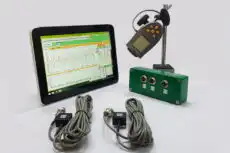
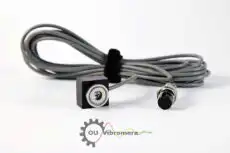
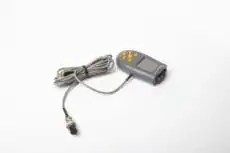
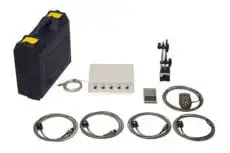
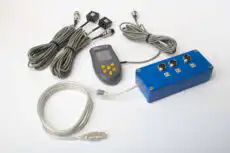
ਲਗਾਤਾਰ ਸੁਰੱਖਿਆ ਪ੍ਰਣਾਲੀਆਂ ਪ੍ਰਾਥਮਿਕਤਾ 1 ਮਸ਼ੀਨਾਂ ਲਈ ਪਹਿਲੀ ਲਾਈਨ ਹਨ, ਪਰ ਬਹੁਤ ਸਾਰਾ ਡਾਇਗਨੌਸਟਿਕ ਅਤੇ ਸੁਧਾਰਾਤਮਕ ਕੰਮ ਅਜੇ ਵੀ ਪੋਰਟੇਬਲ ਯੰਤਰਾਂ ਨਾਲ ਹੁੰਦਾ ਹੈ — ਖਾਸ ਕਰਕੇ ਪ੍ਰਾਥਮਿਕਤਾ 2 ਅਤੇ 3 ਅਸਾਸਿਆਂ ’ਤੇ ਜੋ ਸਥਾਈ ਯੰਤਰੀਕਰਨ ਨੂੰ ਜਾਇਜ਼ ਨਹੀਂ ਠਹਿਰਾ ਸਕਦੇ, ਅਤੇ ਨਾਜ਼ੁਕ ਮਸ਼ੀਨਾਂ ਦੀ ਮੁਰੰਮਤ ਦੌਰਾਨ ਵੀ। ਜਦੋਂ ਕੋਈ ਅਸੰਤੁਲਨ ਪਛਾਣਿਆ ਜਾਂਦਾ ਹੈ, ਤਾਂ ਇਸਨੂੰ ਅਕਸਰ ਥਾਂ ’ਤੇ ਹੀ ਠੀਕ ਕੀਤਾ ਜਾਂਦਾ ਹੈ ਸਾਈਟ ਬੈਲੇਂਸਿੰਗ (ਫੀਲਡ ਬੈਲੇਂਸਿੰਗ) ਨਾ ਕਿ ਰੋਟਰ ਨੂੰ ਬੈਲੈਂਸਿੰਗ ਸ਼ਾਪ ਵਿੱਚ ਲਿਜਾ ਕੇ। Balanset ਵਰਗਾ ਇੱਕ ਪੋਰਟੇਬਲ ਦੋ-ਚੈਨਲ ਵਿਸ਼ਲੇਸ਼ਕ Balanset-1A 1× ਮਾਪਦਾ ਹੈ ਐਂਪਲੀਟਿਊਡ ਅਤੇ ਫੇਜ਼ ਮਸ਼ੀਨ ਦੇ ਆਪਣੇ ਬੇਅਰਿੰਗਾਂ ਵਿੱਚ ਚੱਲ ਰਹੀ ਗਤੀ ’ਤੇ, ਅਤੇ ਸੁਧਾਰ ਵਜ਼ਨਾਂ ਦੀ ਗਣਨਾ ਸਾਈਟ ’ਤੇ ਹੀ ਕਰਦਾ ਹੈ, ਬਿਨਾਂ ਮਹਿੰਗੇ ਵਿਖੰਡਨ ਦੇ ਇੱਕ ਨਾਜ਼ੁਕ ਅਸਾਸੇ ਨੂੰ ਜਲਦੀ ਸੇਵਾ ਵਿੱਚ ਬਹਾਲ ਕਰਦੇ ਹੋਏ। ਇਸ ਤਰੀਕੇ ਨਾਲ ਵਰਤਿਆ ਜਾਵੇ ਤਾਂ, ਸਹੀ ਫੀਲਡ ਯੰਤਰ ਉਸੇ ਜੋਖਮ-ਅਧਾਰਿਤ ਰਣਨੀਤੀ ਦਾ ਹਿੱਸਾ ਹੈ ਜੋ ਪਹਿਲੀ ਥਾਂ ’ਤੇ ਨਾਜ਼ੁਕ ਮਸ਼ੀਨਰੀ ਨੂੰ ਪਰਿਭਾਸ਼ਿਤ ਕਰਦੀ ਹੈ: ਅਸਫਲਤਾ ਦੇ ਨਤੀਜਿਆਂ ਨਾਲ ਦਖਲ ਦੇ ਪੱਧਰ ਨੂੰ ਮੇਲ ਖਾਂਦਾ ਹੈ।

