IEPE ਐਕਸੈਲਰੋਮੀਟਰਾਂ ਨੂੰ ਸਮਝਣਾ
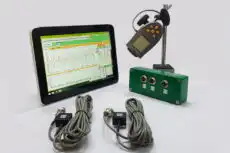
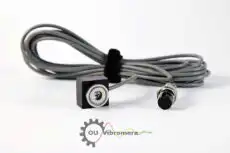
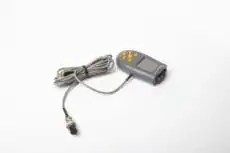
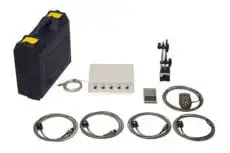
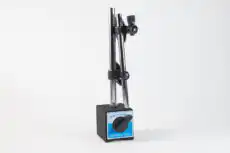

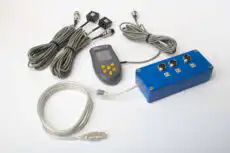
ਇੱਕ IEPE ਐਕਸੈਲਰੋਮੀਟਰ — ਇਸਦਾ ਸੰਖੇਪ ਰੂਪ ਹੈ ਇੰਟੀਗ੍ਰੇਟਿਡ ਇਲੈਕਟ੍ਰਾਨਿਕਸ ਪੀਜ਼ੋ-ਇਲੈਕਟ੍ਰਿਕ, ਅਤੇ ਟ੍ਰੇਡਮਾਰਕ ICP® ਦੇ ਅਧੀਨ ਵੀ ਵਿਕਿਆ ਜਾਂਦਾ ਹੈ, ਜਾਂ ਇਸਨੂੰ “ਵੋਲਟੇਜ-ਮੋਡ” ਜਾਂ “ਕਾਂਸਟੈਂਟ-ਕਰੰਟ” ਸੈਂਸਰ ਵਜੋਂ ਦਰਸਾਇਆ ਜਾਂਦਾ ਹੈ — ਇੱਕ ਪਾਈਜ਼ੋਇਲੈਕਟ੍ਰਿਕ ਐਕਸੈਲਰੋਮੀਟਰ ਹੈ ਜਿਸ ਵਿੱਚ ਆਪਣੇ ਹੀ ਹਾਊਸਿੰਗ ਵਿੱਚ ਬਣੀ ਛੋਟੀ ਸਿਗਨਲ-ਕੰਡੀਸ਼ਨਿੰਗ ਇਲੈਕਟ੍ਰਾਨਿਕਸ ਹੁੰਦੀ ਹੈ। ਇਹ ਇਲੈਕਟ੍ਰਾਨਿਕਸ ਇੱਕ ਸਥਿਰ ਕਰੰਟ (ਆਮ ਤੌਰ 'ਤੇ 2–20 mA) ਰਾਹੀਂ ਸੰਚਾਲਿਤ ਹੁੰਦੀ ਹੈ ਜੋ ਉਸੇ ਦੋ-ਤਾਰ ਕੋਐਕਸ਼ੀਅਲ ਕੇਬਲ ਰਾਹੀਂ ਦਿੱਤੀ ਜਾਂਦੀ ਹੈ ਜੋ ਆਊਟਪੁੱਟ ਸਿਗਨਲ ਨੂੰ ਵਾਪਸ ਯੰਤਰ ਤੱਕ ਲੈ ਜਾਂਦੀ ਹੈ। ਸੈਂਸਰ ਦੇ ਬਹੁਤ ਛੋਟੇ, ਉੱਚ-ਇਮਪੀਡੈਂਸ ਚਾਰਜ ਨੂੰ ਸਰੋਤ 'ਤੇ ਹੀ ਇੱਕ ਮਜ਼ਬੂਤ ਘੱਟ-ਇਮਪੀਡੈਂਸ ਵੋਲਟੇਜ ਵਿੱਚ ਬਦਲ ਕੇ, IEPE ਡਿਜ਼ਾਈਨ ਇੱਕ ਬਾਹਰੀ ਚਾਰਜ ਐਂਪਲੀਫਾਇਰ ਦੀ ਲੋੜ ਨੂੰ ਖਤਮ ਕਰ ਦਿੰਦਾ ਹੈ ਅਤੇ ਤੁਹਾਨੂੰ ਸਿਗਨਲ ਗੁਣਵੱਤਾ ਗੁਆਏ ਬਿਨਾਂ ਲੰਬੀ ਦੂਰੀ ਤੱਕ ਸਾਧਾਰਨ, ਸਸਤੀ ਕੋਐਕਸ਼ੀਅਲ ਕੇਬਲ ਚਲਾਉਣ ਦਿੰਦਾ ਹੈ। ਇਹੀ ਇੱਕ ਖੋਜ ਹੈ ਜਿਸ ਕਾਰਨ IEPE ਸੈਂਸਰ ਉਦਯੋਗਿਕ ਲਈ ਡਿਫਾਲਟ ਟ੍ਰਾਂਸਡਿਊਸਰ ਬਣ ਗਿਆ ਹੈ ਵਾਈਬ੍ਰੇਸ਼ਨ ਮਾਪ।
1. ਪਰਿਭਾਸ਼ਾ: IEPE ਐਕਸਲਰੋਮੀਟਰ ਕੀ ਹੈ?
ਆਪਣੇ ਮੂਲ ਰੂਪ ਵਿੱਚ, ਹਰੇਕ ਪੀਜ਼ੋਇਲੈਕਟ੍ਰਿਕ ਸੈਂਸਰ ਇੱਕ ਇਲੈਕਟ੍ਰਿਕ ਚਾਰਜ ਪੈਦਾ ਕਰਦਾ ਹੈ ਜੋ ਇਸਦੇ ਅਨੁਪਾਤਕ ਹੁੰਦਾ ਹੈ ਪ੍ਰਵੇਗ। ਸਮੱਸਿਆ ਇਹ ਹੈ ਕਿ ਇਹ ਚਾਰਜ ਬਹੁਤ ਉੱਚ ਇਮਪੀਡੈਂਸ 'ਤੇ ਪੈਦਾ ਹੁੰਦਾ ਹੈ, ਇਸ ਲਈ ਇਸਨੂੰ ਸ਼ੋਰ ਚੁੱਕੇ ਬਿਨਾਂ ਅਤੇ ਐਂਪਲੀਟਿਊਡ ਗੁਆਏ ਬਿਨਾਂ ਇੱਕ ਆਮ ਕੇਬਲ ਰਾਹੀਂ ਭੇਜਿਆ ਨਹੀਂ ਜਾ ਸਕਦਾ। ਪਰੰਪਰਾਗਤ ਚਾਰਜ-ਮੋਡ ਸੈਂਸਰ ਇਸਨੂੰ ਇੱਕ ਭਾਰੀ ਬਾਹਰੀ ਐਂਪਲੀਫਾਇਰ ਅਤੇ ਖਾਸ ਘੱਟ-ਸ਼ੋਰ ਕੇਬਲ ਨਾਲ ਹੱਲ ਕਰਦੇ ਹਨ। IEPE ਐਕਸਲਰੋਮੀਟਰ ਇਸਦੀ ਬਜਾਏ ਇੱਕ ਛੋਟਾ FET ਜਾਂ ਇੰਟੀਗ੍ਰੇਟਿਡ-ਸਰਕਟ ਐਂਪਲੀਫਾਇਰ ਪੈਕ ਕਰਦਾ ਹੈ ਅੰਦਰ ਸੈਂਸਰ ਵਿੱਚ, ਤਾਂ ਜੋ ਚਾਰਜ ਤੋਂ ਵੋਲਟੇਜ ਵਿੱਚ ਬਦਲਾਅ ਸਿਗਨਲ ਦੇ ਹਾਊਸਿੰਗ ਤੋਂ ਬਾਹਰ ਜਾਣ ਤੋਂ ਪਹਿਲਾਂ ਹੀ ਹੋ ਜਾਵੇ।
ਨਤੀਜਾ ਇੱਕ ਅਜਿਹਾ ਸੈਂਸਰ ਹੈ ਜੋ ਇੱਕ ਸਾਧਾਰਨ ਵੋਲਟੇਜ ਸਰੋਤ ਵਾਂਗ ਵਿਵਹਾਰ ਕਰਦਾ ਹੈ। ਇਹ ਦਾ ਨਜ਼ਦੀਕੀ ਸਾਥੀ ਹੈ ਵੋਲਟੇਜ-ਮੋਡ ਐਕਸਲਰੋਮੀਟਰ ਅਤੇ, ਜ਼ਿਆਦਾਤਰ ਆਧੁਨਿਕ ਉਦਯੋਗਿਕ ਯੂਨਿਟਾਂ ਵਾਂਗ, ਆਮ ਤੌਰ 'ਤੇ ਇੱਕ ਦੇ ਰੂਪ ਵਿੱਚ ਬਣਾਇਆ ਜਾਂਦਾ ਹੈ ਸ਼ੀਅਰ-ਮੋਡ ਐਕਸਲਰੋਮੀਟਰ ਸਥਿਰ, ਘੱਟ-ਸ਼ੋਰ ਪ੍ਰਦਰਸ਼ਨ ਲਈ। IEPE ਸੈਂਸਰਾਂ ਦੀ ਵਰਤੋਂ 90% ਤੋਂ ਵੱਧ ਉਦਯੋਗਿਕ ਵਿੱਚ ਹੋਣ ਦਾ ਅੰਦਾਜ਼ਾ ਹੈ ਐਕਸੀਲਰੋਮੀਟਰ ਐਪਲੀਕੇਸ਼ਨਾਂ ਵਿੱਚ — ਇਹ ਦੇ ਰੋਜ਼ਾਨਾ ਦੇ ਵਰਕਹਾਰਸ ਹਨ ਸਥਿਤੀ ਨਿਗਰਾਨੀ, ਬੈਲੇਂਸਿੰਗ, ਅਤੇ ਟ੍ਰਬਲਸ਼ੂਟਿੰਗ।
2. ਇਹ ਕਿਵੇਂ ਕੰਮ ਕਰਦਾ ਹੈ: ਇੱਕ ਕੇਬਲ 'ਤੇ ਪਾਵਰ ਅਤੇ ਸਿਗਨਲ
ਅੰਦਰੂਨੀ ਬਣਤਰ
- ਪੀਜ਼ੋਇਲੈਕਟ੍ਰਿਕ ਐਲੀਮੈਂਟ: ਜਦੋਂ ਸੈਂਸਿੰਗ ਕ੍ਰਿਸਟਲ ਜਾਂ ਸੈਰਾਮਿਕ 'ਤੇ ਦਬਾਅ ਪੈਂਦਾ ਹੈ ਤਾਂ ਇਹ ਪ੍ਰਵੇਗ ਦੇ ਅਨੁਪਾਤਕ ਇੱਕ ਚਾਰਜ ਪੈਦਾ ਕਰਦਾ ਹੈ।
- ਬਿਲਟ-ਇਨ ਐਂਪਲੀਫਾਇਰ: ਹਾਊਸਿੰਗ ਦੇ ਅੰਦਰ ਇੱਕ FET ਜਾਂ IC ਪੜਾਅ ਉਸ ਉੱਚ-ਇਮਪੀਡੈਂਸ ਚਾਰਜ (ਪਿਕੋਕੂਲੌਂਬ ਵਿੱਚ) ਨੂੰ ਘੱਟ-ਇਮਪੀਡੈਂਸ ਵੋਲਟੇਜ (ਮਿਲੀਵੋਲਟ ਵਿੱਚ) ਵਿੱਚ ਬਦਲਦਾ ਹੈ।
- ਦੋ-ਕੰਡਕਟਰ ਕੇਬਲ: ਇੱਕ ਸਿੰਗਲ ਕੋਐਕਸ਼ੀਅਲ ਲਾਈਨ ਸਪਲਾਈ ਪਾਵਰ ਅਤੇ ਮਾਪ ਸਿਗਨਲ ਦੋਵੇਂ ਲੈ ਜਾਂਦੀ ਹੈ।
ਪਾਵਰ ਅਤੇ ਸਿਗਨਲ ਪਾਥ
ਜੋ ਟ੍ਰਿਕ ਇੱਕ ਕੇਬਲ ਨੂੰ ਦੋ ਕੰਮ ਕਰਨ ਦਿੰਦੀ ਹੈ ਉਹ ਹੈ AC ਵਾਈਬ੍ਰੇਸ਼ਨ ਸਿਗਨਲ ਨੂੰ ਇੱਕ DC ਬਾਇਸ ਵੋਲਟੇਜ ਦੇ ਉੱਪਰ ਭੇਜਣਾ:
- ਯੰਤਰ ਇੱਕ ਰੈਗੂਲੇਟਿਡ ਸਥਿਰ ਕਰੰਟ (ਆਮ ਤੌਰ 'ਤੇ 4 mA) ਕੇਬਲ ਰਾਹੀਂ ਭੇਜਦਾ ਹੈ।
- ਉਹ ਕਰੰਟ ਸੈਂਸਰ ਦੀ ਅੰਦਰੂਨੀ ਇਲੈਕਟ੍ਰਾਨਿਕਸ ਨੂੰ ਪਾਵਰ ਦਿੰਦਾ ਹੈ, ਜੋ ਲਗਭਗ 8–12 V ਦੇ DC ਬਾਇਸ ਵੋਲਟੇਜ 'ਤੇ ਹੁੰਦੀ ਹੈ।
- ਮਕੈਨੀਕਲ ਵਾਈਬ੍ਰੇਸ਼ਨ ਇਸ ਵੋਲਟੇਜ ਨੂੰ ਮੌਡਿਊਲੇਟ ਕਰਦੀ ਹੈ, ਇਸ ਲਈ ਮਾਪ DC ਬਾਇਸ 'ਤੇ ਸੁਪਰਇੰਪੋਜ਼ਡ ਇੱਕ ਛੋਟੇ AC ਸਿਗਨਲ ਵਜੋਂ ਦਿਖਾਈ ਦਿੰਦਾ ਹੈ।
- ਯੰਤਰ ਦਾ ਇਨਪੁੱਟ ਪੜਾਅ AC-ਕਪਲਡ ਹੈ: ਇਹ DC ਬਾਇਸ ਨੂੰ ਬਲਾਕ ਕਰਦਾ ਹੈ ਅਤੇ ਸਿਰਫ਼ AC ਵਾਈਬ੍ਰੇਸ਼ਨ ਕੰਪੋਨੈਂਟ ਨੂੰ ਪੜ੍ਹਦਾ ਹੈ।
ਕਿਉਂਕਿ ਸਿਗਨਲ ਸੈਂਸਰ ਤੋਂ ਘੱਟ ਇਮਪੀਡੈਂਸ 'ਤੇ ਨਿਕਲਦਾ ਹੈ, ਇਹ ਵੱਡੇ ਪੱਧਰ 'ਤੇ ਉਸ ਕੈਪੈਸੀਟੈਂਸ ਅਤੇ ਟ੍ਰਾਈਬੋਇਲੈਕਟ੍ਰਿਕ ਸ਼ੋਰ ਤੋਂ ਸੁਰੱਖਿਅਤ ਰਹਿੰਦਾ ਹੈ ਜੋ ਉੱਚ-ਇਮਪੀਡੈਂਸ ਚਾਰਜ ਕੇਬਲਾਂ ਨੂੰ ਪਰੇਸ਼ਾਨ ਕਰਦਾ ਹੈ।
3. ਮੁੱਖ ਲਾਭ
- ਸਾਦਗੀ: ਕੋਈ ਬਾਹਰੀ ਚਾਰਜ ਐਂਪਲੀਫਾਇਰ ਨਹੀਂ, ਇੱਕ ਸਾਧਾਰਨ ਦੋ-ਤਾਰ ਕਨੈਕਸ਼ਨ, ਸਾਧਾਰਨ ਕੋਐਕਸ਼ੀਅਲ ਕੇਬਲ, ਅਤੇ ਤੇਜ਼ ਇੰਸਟਾਲੇਸ਼ਨ।
- ਲੰਬੀ ਕੇਬਲ ਦੂਰੀ: ਘੱਟ-ਇਮਪੀਡੈਂਸ ਆਊਟਪੁੱਟ ਘੱਟ ਤੋਂ ਘੱਟ ਖਰਾਬੀ ਅਤੇ ਬਿਨਾਂ ਕਿਸੇ ਖਾਸ ਕੇਬਲ ਦੇ ਲਗਭਗ 300 m (1,000 ft) ਤੱਕ ਕੇਬਲ ਚਲਾਉਂਦਾ ਹੈ।
- ਸ਼ੋਰ ਪ੍ਰਤੀਰੋਧਕਤਾ: ਘੱਟ ਸਰੋਤ ਇਮਪੀਡੈਂਸ ਚਾਰਜ ਮੋਡ ਨਾਲੋਂ ਬਹੁਤ ਵਧੀਆ EMI/RFI ਰਿਜੈਕਸ਼ਨ ਦਿੰਦਾ ਹੈ, ਇਸ ਲਈ IEPE ਸੈਂਸਰ ਬਿਜਲਈ ਤੌਰ 'ਤੇ ਸ਼ੋਰ ਵਾਲੇ ਪਲਾਂਟਾਂ ਵਿੱਚ ਵਧੀਆ ਕੰਮ ਕਰਦੇ ਹਨ।
- ਲਾਗਤ-ਪ੍ਰਭਾਵਸ਼ੀਲਤਾ: ਚਾਰਜ ਐਂਪਲੀਫਾਇਰਾਂ ਨੂੰ ਖਤਮ ਕਰਨ ਨਾਲ ਸਿਸਟਮ ਅਤੇ ਇੰਸਟਾਲੇਸ਼ਨ ਦੋਵਾਂ ਦੀ ਲਾਗਤ ਘੱਟ ਜਾਂਦੀ ਹੈ, ਅਤੇ ਇਹ ਸੈਂਸਰ ਇੱਕ ਉਦਯੋਗ ਸਟੈਂਡਰਡ ਹਨ ਜੋ ਵਿਆਪਕ ਤੌਰ 'ਤੇ ਸਟਾਕ ਵਿੱਚ ਮਿਲਦੇ ਹਨ।
4. ਵਿਸ਼ੇਸ਼ਤਾਵਾਂ ਅਤੇ ਪ੍ਰਦਰਸ਼ਨ
ਆਮ ਵਿਸ਼ੇਸ਼ਤਾਵਾਂ
- ਸੰਵੇਦਨਸ਼ੀਲਤਾ: 10–100 mV/g ਆਮ ਹੈ, ਜਿਸ ਵਿੱਚ 100 mV/g ਆਮ ਮਸ਼ੀਨਰੀ ਲਈ ਵਾਸਤਵਿਕ ਸਟੈਂਡਰਡ ਹੈ; ਦੇਖੋ ਸੈਂਸਰ ਸੰਵੇਦਨਸ਼ੀਲਤਾ ਇਸ ਬਾਰੇ ਕਿ ਇਹ ਆਊਟਪੁੱਟ ਨੂੰ ਕਿਵੇਂ ਸਕੇਲ ਕਰਦਾ ਹੈ।
- ਫ੍ਰੀਕੁਐਂਸੀ ਰੇਂਜ: ਲਗਭਗ 0.5 Hz ਤੋਂ 10 kHz ਤੱਕ, ਜਿਸ ਵਿੱਚ ਹੇਠਲੀ-ਫ੍ਰੀਕੁਐਂਸੀ ਸੀਮਾ AC ਕਪਲਿੰਗ ਦੁਆਰਾ ਤੈਅ ਕੀਤੀ ਜਾਂਦੀ ਹੈ।
- ਮਾਪ ਸੀਮਾ: ±50 g ਤੋਂ ±500 g ਉਦਯੋਗਿਕ ਯੂਨਿਟਾਂ ਲਈ ਖਾਸ ਹੈ।
- ਤਾਪਮਾਨ ਸੀਮਾ: −50 °C ਤੋਂ +120 °C ਸਟੈਂਡਰਡ ਵਜੋਂ, ਉੱਚ-ਤਾਪਮਾਨ ਵਰਜ਼ਨਾਂ ਦੇ +175 °C ਤੱਕ ਪਹੁੰਚਣ ਨਾਲ।
- ਲੋੜੀਂਦੀ ਪਾਵਰ: 18–30 VDC ਸਪਲਾਈ 2–20 mA ਸਥਿਰ ਕਰੰਟ 'ਤੇ।
ਪ੍ਰਦਰਸ਼ਨ ਵਿਸ਼ੇਸ਼ਤਾਵਾਂ
ਵਧੀਆ ਢੰਗ ਨਾਲ ਬਣੇ IEPE ਸੈਂਸਰ ਸ਼ਾਨਦਾਰ ਲੀਨੀਅਰਿਟੀ (ਆਮ ਤੌਰ 'ਤੇ 1% ਤੋਂ ਘੱਟ ਗਲਤੀ), ਘੱਟ ਨੌਇਜ਼ ਫਲੋਰ, ਕਾਰਜਸ਼ੀਲ ਬੈਂਡ ਵਿੱਚ ਇੱਕ ਸਮਤਲ ਫ੍ਰੀਕੁਐਂਸੀ ਰਿਸਪੌਂਸ, ਅਤੇ ਇੱਕ ਕੈਲੀਬ੍ਰੇਸ਼ਨ ਜੋ ਸਾਲਾਂ ਤੱਕ ਸਥਿਰ ਰਹਿੰਦੀ ਹੈ, ਪ੍ਰਦਾਨ ਕਰਦੇ ਹਨ। ਤੁਹਾਡੇ ਇੰਸਟਰੂਮੈਂਟ ਦੀ ਇਨਪੁੱਟ ਰੇਂਜ ਨਾਲ ਸਹੀ ਸੰਵੇਦਨਸ਼ੀਲਤਾ ਦਾ ਮੇਲ ਕਰਨਾ ਵਾਈਬ੍ਰੇਸ਼ਨ ਸੈਂਸਰ ਸੰਵੇਦਨਸ਼ੀਲਤਾ ਕੈਲਕੁਲੇਟਰ ਤਾਂ ਜੋ ਤੁਹਾਡੇ ਦੁਆਰਾ ਅਨੁਮਾਨਿਤ ਪੂਰੇ-ਪੈਮਾਨੇ ਦੀ ਪ੍ਰਵੇਗਤਾ ਐਂਪਲੀਫਾਇਰ ਨੂੰ ਕਲਿੱਪ ਨਾ ਕਰੇ।
5. ਧਿਆਨ ਰੱਖਣ ਯੋਗ ਸੀਮਾਵਾਂ
ਘੱਟ-ਫ੍ਰੀਕੁਐਂਸੀ ਪ੍ਰਤੀਕਿਰਿਆ
ਕਿਉਂਕਿ ਆਊਟਪੁੱਟ AC-ਕਪਲਡ ਹੁੰਦਾ ਹੈ, ਇੱਕ ਕੈਪੇਸੀਟਰ DC ਨੂੰ ਬਲਾਕ ਕਰਦਾ ਹੈ ਅਤੇ ਰਿਸਪੌਂਸ ਆਮ ਤੌਰ 'ਤੇ 0.5–2 Hz (−3 dB ਪੁਆਇੰਟ) ਦੇ ਘੱਟ-ਫ੍ਰੀਕੁਐਂਸੀ ਕੋਨੇ 'ਤੇ ਘੱਟ ਹੋ ਜਾਂਦਾ ਹੈ। ਇਸ ਲਈ ਇੱਕ IEPE ਸੈਂਸਰ ਸਹੀ DC ਜਾਂ ਬਹੁਤ ਹੌਲੀ ਬਦਲਾਅ ਨਹੀਂ ਮਾਪ ਸਕਦਾ। ਇਹ ~300 rpm ਤੋਂ ਉੱਪਰ ਚੱਲਣ ਵਾਲੀ ਜ਼ਿਆਦਾਤਰ ਮਸ਼ੀਨਰੀ ਲਈ ਕੋਈ ਸਮੱਸਿਆ ਨਹੀਂ ਹੈ, ਪਰ ਇਹ ਬਹੁਤ ਘੱਟ-ਸਪੀਡ ਸ਼ਾਫਟਾਂ 'ਤੇ ਇੱਕ ਅਸਲੀ ਸੀਮਾ ਬਣ ਜਾਂਦੀ ਹੈ, ਜਿੱਥੇ ਇੱਕ DC-ਸਮਰੱਥ ਸੈਂਸਰ ਵਧੇਰੇ ਪਸੰਦੀਦਾ ਹੁੰਦਾ ਹੈ।
ਤਾਪਮਾਨ ਸੀਮਾਵਾਂ
ਬਿਲਟ-ਇਨ ਇਲੈਕਟ੍ਰੌਨਿਕਸ ਗਰਮੀ ਦੇ ਮਾਮਲੇ ਵਿੱਚ ਕਮਜ਼ੋਰ ਬਿੰਦੂ ਹਨ: ਮਿਆਰੀ IEPE ਯੂਨਿਟ ਲਗਭਗ 120 °C ਤੱਕ ਸੀਮਿਤ ਹਨ, ਅਤੇ ਹਾਈ-ਟੈਂਪਰੇਚਰ ਵੇਰੀਐਂਟ ਵੀ ਲਗਭਗ 175 °C ਤੱਕ ਹੀ ਪਹੁੰਚਦੇ ਹਨ। ਇਸ ਤੋਂ ਬਾਅਦ ਇਲੈਕਟ੍ਰੌਨਿਕਸ ਫੇਲ੍ਹ ਹੋ ਜਾਂਦੇ ਹਨ, ਇਸੇ ਕਾਰਨ ਚਾਰਜ-ਮੋਡ ਸੈਂਸਰ — ਜਿਨ੍ਹਾਂ ਵਿੱਚ ਕੋਈ ਅੰਦਰੂਨੀ ਇਲੈਕਟ੍ਰੌਨਿਕਸ ਨਹੀਂ ਹੁੰਦੇ — ਲਗਭਗ 200 °C ਤੋਂ ਉੱਪਰ, ਨਿਊਕਲੀਅਰ ਸੇਵਾ ਵਿੱਚ, ਅਤੇ ਹੋਰ ਅਤਿਅੰਤ ਵਾਤਾਵਰਣਾਂ ਵਿੱਚ ਪਸੰਦੀਦਾ ਵਿਕਲਪ ਬਣੇ ਰਹਿੰਦੇ ਹਨ।
ਗ੍ਰਾਊਂਡ-ਲੂਪ ਸੰਵੇਦਨਸ਼ੀਲਤਾ
ਕਾਮਨ-ਮੋਡ ਰਿਜੈਕਸ਼ਨ ਸਿਰਫ਼ ਦਰਮਿਆਨੀ ਹੈ, ਇਸ ਲਈ ਸੈਂਸਰ ਅਤੇ ਇੰਸਟਰੂਮੈਂਟ ਵਿਚਕਾਰ ਗ੍ਰਾਊਂਡ ਪੋਟੈਂਸ਼ੀਅਲ ਵਿੱਚ ਅੰਤਰ ਨੌਇਜ਼ ਨੂੰ ਦਾਖਲ ਕਰ ਸਕਦਾ ਹੈ। ਸਹੀ ਗ੍ਰਾਊਂਡਿੰਗ ਅਤੇ, ਜੇ ਲੋੜ ਹੋਵੇ, ਇਲੈਕਟ੍ਰੀਕਲ ਆਈਸੋਲੇਸ਼ਨ ਇਸ ਨੂੰ ਰੋਕਦੇ ਹਨ; ਇੱਕ ਸਹੀ ਇੰਸਟਾਲੇਸ਼ਨ ਨਾਲ ਇਹ ਘੱਟ ਹੀ ਸਮੱਸਿਆ ਬਣਦੀ ਹੈ।
6. ਐਪਲੀਕੇਸ਼ਨ ਅਤੇ ਇੰਸਟਾਲੇਸ਼ਨ ਸਭ ਤੋਂ ਵਧੀਆ ਅਭਿਆਸ
IEPE ਸੈਂਸਰ ਲਗਭਗ ਹਰ ਥਾਂ ਦਿਖਾਈ ਦਿੰਦੇ ਹਨ ਜਿੱਥੇ ਵਾਈਬ੍ਰੇਸ਼ਨ ਮਾਪੀ ਜਾਂਦੀ ਹੈ: ਇੱਕ ਪੋਰਟੇਬਲ ਡਾਟਾ ਕਲੈਕਟਰ, ਸਥਾਈ ਔਨਲਾਈਨ ਸਿਸਟਮ, ਅਸਥਾਈ ਸਮੱਸਿਆ-ਨਿਵਾਰਨ ਕਨੈਕਸ਼ਨ, ਵਰਕਸ਼ਾਪ ਅਤੇ ਫੀਲਡ-ਬੈਲੈਂਸਿੰਗ ਕੰਮ, ਅਤੇ ਨਵੀਆਂ ਜਾਂ ਮੁਰੰਮਤ ਕੀਤੀਆਂ ਮਸ਼ੀਨਾਂ ਦੀ ਸਵੀਕ੍ਰਿਤੀ ਜਾਂਚ। ਇੱਕ ਬੈਲੈਂਸਿੰਗ ਸੰਦਰਭ ਵਿੱਚ ਉਹੀ IEPE ਚੈਨਲ 1× ਦੋਵਾਂ ਨੂੰ ਮਾਪਦਾ ਹੈ ਐਂਪਲੀਟਿਊਡ ਅਤੇ ਫੇਜ਼। ਇੱਕ ਪੋਰਟੇਬਲ ਦੋ-ਚੈਨਲ ਯੰਤਰ ਜਿਵੇਂ ਕਿ Balanset-1A ਆਪਣੇ ਦੋ ਐਨਾਲੌਗ MEMS ਐਕਸੀਲੇਰੋਮੀਟਰਾਂ ਨਾਲ ਉਹੀ ਮਾਪ ਸਿਧਾਂਤ ਲਾਗੂ ਕਰਦਾ ਹੈ: ਇਹ ਮਸ਼ੀਨ ਦੀਆਂ ਆਪਣੀਆਂ ਬੇਅਰਿੰਗਾਂ ਵਿੱਚ ਕੰਮ ਦੀ ਗਤੀ 'ਤੇ ਮਾਪਦਾ ਹੈ, ਪ੍ਰਭਾਵ ਗੁਣਾਂਕ ਗਿਣਦਾ ਹੈ, ਅਤੇ ਪੁਸ਼ਟੀ ਕਰਦਾ ਹੈ ਬਕਾਇਆ ਅਸੰਤੁਲਨ ਚੁਣੇ ਗਏ ਗੁਣਵੱਤਾ ਗਰੇਡ ਦੇ ਵਿਰੁੱਧ — ਇਹ ਸਭ ਇੱਕ ਬੈਲੈਂਸਿੰਗ ਮਸ਼ੀਨ ਤੋਂ ਬਿਨਾਂ।
ਮਾਊਂਟਿੰਗ ਵਿਧੀਆਂ
ਤੁਸੀਂ ਸੈਂਸਰ ਨੂੰ ਸਿੱਧਾ ਕਿਵੇਂ ਜੋੜਦੇ ਹੋ ਇਹ ਇਸਦੀ ਵਰਤੋਂ ਯੋਗ ਬੈਂਡਵਿਡਥ ਨੂੰ ਸੀਮਿਤ ਕਰਦਾ ਹੈ — ਇਸ ਬਾਰੇ ਵਿਸਤ੍ਰਿਤ ਨੋਟ ਵੇਖੋ ਸੈਂਸਰ ਮਾਊਂਟਿੰਗ ਅਤੇ ਅੰਤਰਰਾਸ਼ਟਰੀ ਨਿਯਮ ISO 5348:
- ਸਟੱਡ ਮਾਊਂਟ: ਸਭ ਤੋਂ ਵਧੀਆ ਪ੍ਰਦਰਸ਼ਨ ਅਤੇ ਸਭ ਤੋਂ ਵੱਧ ਵਰਤੋਂ ਯੋਗ ਫ੍ਰੀਕੁਐਂਸੀ (10+ kHz)।
- ਅਡੈਸਿਵ: ਲਗਭਗ 7–8 kHz ਤੱਕ ਵਧੀਆ, ਅਰਧ-ਸਥਾਈ ਪ੍ਰਦਰਸ਼ਨ।
- ਮੈਗਨੈਟਿਕ: ਲਗਭਗ 2–3 kHz ਤੱਕ ਨਿਯਮਿਤ ਨਿਗਰਾਨੀ ਲਈ ਸੁਵਿਧਾਜਨਕ ਅਤੇ ਸਵੀਕਾਰਯੋਗ।
- ਹੈਂਡਹੈਲਡ ਪ੍ਰੋਬ: ਸਿਰਫ਼ ਤੇਜ਼ ਸਕ੍ਰੀਨਿੰਗ, ਸੀਮਿਤ ਸ਼ੁੱਧਤਾ ਅਤੇ ਬੈਂਡਵਿਡਥ ਦੇ ਨਾਲ।
ਕੇਬਲ ਅਤੇ ਪਾਵਰ ਜਾਂਚ
- ਵਧੀਆ ਗੁਣਵੱਤਾ ਵਾਲੀ ਕੋਐਕਸ਼ੀਅਲ ਕੇਬਲ ਵਰਤੋ, ਇਸ ਨੂੰ ਦਬਾਉਣ ਜਾਂ ਤਿੱਖੇ ਮੋੜਾਂ ਤੋਂ ਬਚਾਓ, ਇਸਨੂੰ ਵਾਈਬ੍ਰੇਸ਼ਨ ਦੇ ਖਿਲਾਫ ਸੁਰੱਖਿਅਤ ਕਰੋ, ਅਤੇ ਇਸਨੂੰ ਹਾਈ-ਵੋਲਟੇਜ ਲਾਈਨਾਂ ਤੋਂ ਦੂਰ ਰੱਖੋ।
- ਪੁਸ਼ਟੀ ਕਰੋ ਕਿ ਇੰਸਟਰੂਮੈਂਟ ਸਹੀ ਸਥਿਰ ਕਰੰਟ (2–20 mA) ਸਪਲਾਈ ਕਰਦਾ ਹੈ, ਬਾਇਸ ਵੋਲਟੇਜ (ਆਮ ਤੌਰ 'ਤੇ 8–12 VDC) ਦੀ ਜਾਂਚ ਕਰੋ, ਅਤੇ ਇੱਕ ਢੁਕਵੀਂ 18–30 VDC ਸਪਲਾਈ ਦੀ ਪੁਸ਼ਟੀ ਕਰੋ।
- ਜੇ ਸ਼ੱਕ ਹੋਵੇ, ਤਾਂ ਸੈਂਸਰ, ਕੇਬਲ, ਅਤੇ ਇੰਸਟਰੂਮੈਂਟ ਵਿਚਕਾਰ ਨੁਕਸ ਨੂੰ ਅਲੱਗ ਕਰਨ ਲਈ ਇੱਕ ਜਾਣੇ-ਪਛਾਣੇ-ਚੰਗੇ ਸੈਂਸਰ ਨਾਲ ਚੈਨਲ ਦੀ ਜਾਂਚ ਕਰੋ।
7. IEPE ਬਨਾਮ ਹੋਰ ਐਕਸੇਲੇਰੋਮੀਟਰ ਕਿਸਮਾਂ
| ਕਿਸਮ | ਇਲੈਕਟ੍ਰੌਨਿਕਸ | ਕੇਬਲਿੰਗ | ਸਭ ਤੋਂ ਢੁਕਵਾਂ |
|---|---|---|---|
| IEPE / ICP® | ਬਿਲਟ-ਇਨ ਐਂਪਲੀਫਾਇਰ | ਸਧਾਰਨ ਕੋਐਕਸ਼ੀਅਲ, ਲੰਬੀਆਂ ਦੂਰੀਆਂ | ~95% ਉਦਯੋਗਿਕ ਕੰਮ |
| ਚਾਰਜ ਮੋਡ | ਕੋਈ ਨਹੀਂ (ਬਾਹਰੀ ਚਾਰਜ ਐਂਪ ਦੀ ਲੋੜ) | ਵਿਸ਼ੇਸ਼ ਘੱਟ-ਨੌਇਜ਼ ਕੇਬਲ | ਅਤਿਅੰਤ ਗਰਮੀ (>175 °C), ਨਿਊਕਲੀਅਰ |
| MEMS | ਮਾਈਕ੍ਰੋ-ਮਸ਼ੀਨਡ ਸਿਲੀਕਾਨ | ਅਕਸਰ ਇੰਟੀਗ੍ਰੇਟਿਡ/ਡਿਜੀਟਲ | ਘੱਟ ਲਾਗਤ, ਛੋਟਾ ਆਕਾਰ, DC ਰਿਸਪੌਂਸ |
ਚਾਰਜ ਮੋਡ ਦੇ ਮੁਕਾਬਲੇ, IEPE ਸਾਦਗੀ ਅਤੇ ਲਾਗਤ ਵਿੱਚ ਜਿੱਤਦਾ ਹੈ ਪਰ ਬਹੁਤ ਉੱਚ ਤਾਪਮਾਨਾਂ ਨੂੰ ਸਹਿਣ ਕਰਨ ਦੀ ਸਮਰੱਥਾ ਗੁਆ ਦਿੰਦਾ ਹੈ। MEMS ਦੇ ਮੁਕਾਬਲੇ, ਪੀਜ਼ੋਇਲੈਕਟ੍ਰਿਕ IEPE ਬਿਹਤਰ ਸੰਵੇਦਨਸ਼ੀਲਤਾ, ਵਧੇਰੇ ਬੈਂਡਵਿਡਥ, ਅਤੇ ਇੱਕ ਲੰਬਾ ਸਾਬਤ ਹੋਇਆ ਟਰੈਕ ਰਿਕਾਰਡ ਪੇਸ਼ ਕਰਦਾ ਹੈ, ਜਦਕਿ MEMS ਘੱਟ ਲਾਗਤ, ਛੋਟੇ ਆਕਾਰ, ਅਤੇ ਸੱਚੀ DC ਰਿਸਪੌਂਸ ਨਾਲ ਮੁਕਾਬਲਾ ਕਰਦਾ ਹੈ। ਜ਼ਿਆਦਾਤਰ ਪਲਾਂਟ ਮਸ਼ੀਨਰੀ ਲਈ, IEPE ਐਕਸੇਲੇਰੋਮੀਟਰ ਪ੍ਰਦਰਸ਼ਨ, ਸਾਦਗੀ, ਅਤੇ ਲਾਗਤ ਦਾ ਸਭ ਤੋਂ ਵਧੀਆ ਸੰਤੁਲਨ ਬਣਿਆ ਰਹਿੰਦਾ ਹੈ — ਇਹੀ ਕਾਰਨ ਹੈ ਕਿ ਇਸਨੇ ਜ਼ਿਆਦਾਤਰ ਮਿਆਰੀ ਕੰਡੀਸ਼ਨ-ਮਾਨੀਟਰਿੰਗ, ਬੈਲੈਂਸਿੰਗ, ਅਤੇ ਸਮੱਸਿਆ-ਨਿਵਾਰਨ ਕਾਰਜਾਂ ਵਿੱਚ ਪੁਰਾਣੇ ਚਾਰਜ-ਮੋਡ ਅਤੇ ਉੱਚ-ਇੰਪੀਡੈਂਸ ਵੋਲਟੇਜ-ਆਊਟਪੁੱਟ ਸੈਂਸਰਾਂ ਦੀ ਥਾਂ ਲੈ ਲਈ ਹੈ।

