ਵਾਈਬ੍ਰੇਸ਼ਨ ਵਿਸ਼ਲੇਸ਼ਣ ਵਿੱਚ ਟ੍ਰਬਲਸ਼ੂਟਿੰਗ ਨੂੰ ਸਮਝਣਾ

ਸਮੱਸਿਆ ਨਿਵਾਰਨ ਡਾਟਾ ਇਕੱਤਰੀਕਰਨ, ਵਿਸ਼ਲੇਸ਼ਣ, ਪਰਿਕਲਪਨਾ ਟੈਸਟਿੰਗ ਅਤੇ ਮੂਲ-ਕਾਰਨ ਨਿਰਧਾਰਨ ਰਾਹੀਂ ਮਸ਼ੀਨਰੀ ਸਮੱਸਿਆਵਾਂ ਦੀ ਜਾਂਚ ਅਤੇ ਹੱਲ ਕਰਨ ਦੀ ਯੋਜਨਾਬੱਧ ਪ੍ਰਕਿਰਿਆ ਹੈ। ਇੱਕ ਵਾਈਬ੍ਰੇਸ਼ਨ ਸੰਦਰਭ ਵਿੱਚ ਇਹ ਜੋੜਦੀ ਹੈ ਵਾਈਬ੍ਰੇਸ਼ਨ ਮਾਪ, ਡਾਇਗਨੌਸਟਿਕ ਵਿਸ਼ਲੇਸ਼ਣ, ਭੌਤਿਕ ਨਿਰੀਖਣ ਅਤੇ ਟੈਸਟਿੰਗ ਤਿੰਨ ਸਵਾਲਾਂ ਦੇ ਜਵਾਬ ਦੇਣ ਲਈ: ਬਹੁਤ ਜ਼ਿਆਦਾ ਵਾਈਬ੍ਰੇਸ਼ਨ ਕਿਉਂ ਮੌਜੂਦ ਹੈ, ਕਿਹੜਾ ਹਿੱਸਾ ਖਰਾਬ ਹੈ, ਅਤੇ ਕਿਹੜੀ ਸੁਧਾਰਾਤਮਕ ਕਾਰਵਾਈ ਸਮੱਸਿਆ ਨੂੰ ਸਿਰਫ਼ ਇਸਦੇ ਲੱਛਣਾਂ ਦਾ ਇਲਾਜ ਕਰਨ ਦੀ ਬਜਾਏ ਸਥਾਈ ਤੌਰ 'ਤੇ ਹੱਲ ਕਰੇਗੀ। ਚੰਗੀ ਤਰ੍ਹਾਂ ਕੀਤੀ ਗਈ, ਇਹ ਉਹ ਅਨੁਸ਼ਾਸਨ ਹੈ ਜੋ “ਬਹੁਤ ਜ਼ਿਆਦਾ ਵਾਈਬ੍ਰੇਸ਼ਨ” ਦੀ ਅਸਪਸ਼ਟ ਸ਼ਿਕਾਇਤ ਨੂੰ ਇੱਕ ਪੁਸ਼ਟੀ ਕੀਤੇ ਕਾਰਨ ਅਤੇ ਇੱਕ ਸਥਾਈ ਹੱਲ ਵਿੱਚ ਬਦਲ ਦਿੰਦਾ ਹੈ।
1. ਪਰਿਭਾਸ਼ਾ: ਟ੍ਰਬਲਸ਼ੂਟਿੰਗ ਕੀ ਹੈ?
ਪ੍ਰਭਾਵਸ਼ਾਲੀ ਟ੍ਰਬਲਸ਼ੂਟਿੰਗ ਤਿੰਨ ਥੰਮ੍ਹਾਂ 'ਤੇ ਟਿਕੀ ਹੋਈ ਹੈ: ਇੱਕ ਸੰਗਠਿਤ ਵਿਧੀ, ਵਿਆਪਕ ਤਕਨੀਕੀ ਗਿਆਨ — ਮਸ਼ੀਨਰੀ ਡਿਜ਼ਾਈਨ, ਖਰਾਬੀ ਦੇ ਢੰਗ ਅਤੇ ਵਿਸ਼ੇਸ਼ ਵਾਈਬ੍ਰੇਸ਼ਨ ਸੰਕੇਤਾਂ ਦਾ — ਅਤੇ ਇੱਕ ਯੋਜਨਾਬੱਧ ਤਰੀਕਾ ਜੋ ਸਧਾਰਨ ਜਾਂਚਾਂ ਤੋਂ ਵਿਸਤ੍ਰਿਤ ਜਾਂਚ ਵੱਲ ਵਧਦਾ ਹੈ। ਇਸਦੇ ਉਲਟ ਹੈ ਬੇਤਰਤੀਬ ਹਿੱਸਾ ਬਦਲੀ ਜਾਂ ਅਜ਼ਮਾਇਸ਼-ਅਤੇ-ਗਲਤੀ, ਜੋ ਸਮਾਂ, ਪੈਸਾ ਅਤੇ ਭਰੋਸੇਯੋਗਤਾ ਬਰਬਾਦ ਕਰਦੀ ਹੈ। ਸਭ ਤੋਂ ਮਹੱਤਵਪੂਰਨ ਆਦਤ ਇਹ ਹੈ ਕਿ ਕਾਰਵਾਈ ਕਰਨ ਤੋਂ ਪਹਿਲਾਂ ਨਿਦਾਨ ਕਰੋ: ਹਰ ਅਗਲਾ ਕਦਮ ਇਸ ਲਈ ਹੁੰਦਾ ਹੈ ਤਾਂ ਜੋ ਕੋਈ ਵੀ ਸੰਦ ਚੁੱਕਣ ਤੋਂ ਪਹਿਲਾਂ ਸਬੂਤ ਬਣਾਇਆ ਜਾ ਸਕੇ।
2. ਯੋਜਨਾਬੱਧ ਟ੍ਰਬਲਸ਼ੂਟਿੰਗ ਪ੍ਰਕਿਰਿਆ
ਇੱਕ ਭਰੋਸੇਯੋਗ ਜਾਂਚ ਛੇ ਕਦਮਾਂ ਦੇ ਦੁਹਰਾਉਣਯੋਗ ਕ੍ਰਮ ਦੀ ਪਾਲਣਾ ਕਰਦੀ ਹੈ, ਹਰ ਇੱਕ ਅਗਲੇ ਕਦਮ ਤੋਂ ਪਹਿਲਾਂ ਦਾਇਰੇ ਨੂੰ ਸੀਮਤ ਕਰਦਾ ਹੈ।
ਕਦਮ 1 — ਸਮੱਸਿਆ ਦੀ ਪਰਿਭਾਸ਼ਾ
- ਲੱਛਣ: ਬਿਲਕੁਲ ਕੀ ਗਲਤ ਹੈ — ਵੱਧ ਵਾਈਬ੍ਰੇਸ਼ਨ, ਸ਼ੋਰ, ਤਾਪਮਾਨ?
- ਇਹ ਕਦੋਂ ਸ਼ੁਰੂ ਹੋਇਆ: ਹਾਲੀਆ ਜਾਂ ਲੰਬੇ ਸਮੇਂ ਤੋਂ?
- ਬਦਲਾਅ: ਸਮੱਸਿਆ ਦੇ ਸਾਹਮਣੇ ਆਉਣ ਤੋਂ ਠੀਕ ਪਹਿਲਾਂ ਕੀ ਬਦਲਿਆ — ਰੱਖ-ਰਖਾਅ, ਪ੍ਰਕਿਰਿਆ ਵਿੱਚ ਬਦਲਾਅ, ਸੰਚਾਲਨ ਸਥਿਤੀਆਂ?
- ਸੰਚਾਲਨ ਸਥਿਤੀਆਂ: ਇਹ ਕਦੋਂ ਵਾਪਰਦਾ ਹੈ — ਹਰ ਸਮੇਂ, ਜਾਂ ਸਿਰਫ਼ ਖਾਸ ਗਤੀਆਂ ਜਾਂ ਲੋਡਾਂ 'ਤੇ?
- ਇਤਿਹਾਸ: ਕੀ ਪਹਿਲਾਂ ਵੀ ਅਜਿਹੀਆਂ ਸਮੱਸਿਆਵਾਂ ਜਾਂ ਮੁਰੰਮਤਾਂ ਹੋਈਆਂ ਹਨ?
ਕਦਮ 2 — ਡਾਟਾ ਇਕੱਤਰੀਕਰਨ
- ਸਾਰੇ ਬੇਅਰਿੰਗਾਂ 'ਤੇ ਅਤੇ ਸਾਰੀਆਂ ਦਿਸ਼ਾਵਾਂ ਵਿੱਚ ਵਿਆਪਕ ਵਾਈਬ੍ਰੇਸ਼ਨ ਮਾਪ।
- FFT ਸਪੈਕਟਰਾ, ਸਮਾਂ ਵੇਵਫਾਰਮ ਅਤੇ ਫੇਜ਼ ਰੀਡਿੰਗਾਂ।
- ਐਨਵੈਲਪ ਵਿਸ਼ਲੇਸ਼ਣ ਜਦੋਂ ਕਿਸੇ ਬੇਅਰਿੰਗ 'ਤੇ ਸ਼ੱਕ ਹੋਵੇ।
- ਤਾਪਮਾਨ ਅਤੇ ਪ੍ਰਦਰਸ਼ਨ ਡਾਟਾ।
- ਇਸ ਦੇ ਮੁਕਾਬਲੇ ਬੇਸਲਾਈਨ ਡਾਟਾ ਜਿੱਥੇ ਇਹ ਮੌਜੂਦ ਹੈ।
ਕਦਮ 3 — ਵਿਸ਼ਲੇਸ਼ਣ ਅਤੇ ਪਰਿਕਲਪਨਾ
- ਵਾਈਬ੍ਰੇਸ਼ਨ ਸੰਕੇਤ ਦੀ ਪਛਾਣ ਕਰੋ — 1×, 2×, ਬੇਅਰਿੰਗ ਫ੍ਰੀਕੁਐਂਸੀਆਂ ਆਦਿ।
- ਇਸਨੂੰ ਜਾਣੇ-ਪਛਾਣੇ ਖਰਾਬੀ ਕਿਸਮਾਂ ਨਾਲ ਮਿਲਾਓ।
- ਇੱਕ ਮੁੱਖ ਪਰਿਕਲਪਨਾ ਬਣਾਓ (ਸਭ ਤੋਂ ਸੰਭਾਵਿਤ ਕਾਰਨ) ਅਤੇ ਵਿਕਲਪਾਂ ਦੀ ਸੂਚੀ ਬਣਾਓ।
- ਸੰਭਾਵਨਾ ਦੇ ਆਧਾਰ 'ਤੇ ਉਮੀਦਵਾਰਾਂ ਨੂੰ ਤਰਜੀਹ ਦਿਓ।
ਕਦਮ 4 — ਪਰਿਕਲਪਨਾ ਟੈਸਟਿੰਗ
- ਅਜਿਹੇ ਟੈਸਟ ਚਲਾਓ ਜੋ ਹਰੇਕ ਪਰਿਕਲਪਨਾ ਦੀ ਪੁਸ਼ਟੀ ਕਰਦੇ ਹਨ ਜਾਂ ਇਸਨੂੰ ਖਾਰਜ ਕਰਦੇ ਹਨ।
- ਵਾਧੂ ਮਾਪ ਲਓ, ਜਾਂ ਵੱਖ-ਵੱਖ ਸੰਚਾਲਨ ਸਥਿਤੀਆਂ ਹੇਠ ਮਾਪੋ।
- ਜਿੱਥੇ ਵੀ ਪਹੁੰਚ ਹੋਵੇ, ਭੌਤਿਕ ਤੌਰ 'ਤੇ ਨਿਰੀਖਣ ਕਰੋ, ਅਤੇ ਖਾਤਮੇ ਦੀ ਪ੍ਰਕਿਰਿਆ ਰਾਹੀਂ ਕੰਮ ਕਰੋ।
ਕਦਮ 5 — ਮੂਲ-ਕਾਰਨ ਨਿਰਧਾਰਨ
- ਪੁੱਛੋ ਕਿ ਖਰਾਬੀ ਕਿਉਂ ਹੋਈ: ਸੰਚਾਲਨ ਦੁਰਵਰਤੋਂ, ਰੱਖ-ਰਖਾਅ ਦੀ ਗਲਤੀ, ਡਿਜ਼ਾਈਨ ਦੀ ਖਾਮੀ, ਜਾਂ ਸਿਰਫ਼ ਉਮਰ?
- ਯੋਗਦਾਨ ਪਾਉਣ ਵਾਲੇ ਕਾਰਕਾਂ ਦੀ ਪਛਾਣ ਕਰੋ, ਸਪੱਸ਼ਟ ਗੱਲਾਂ ਤੋਂ ਅੱਗੇ ਜਾਣ ਲਈ 5-ਕਿਉਂ ਵਿਸ਼ਲੇਸ਼ਣ ਜਾਂ ਸਮਾਨ ਤਕਨੀਕ ਦੀ ਵਰਤੋਂ ਕਰਕੇ।
ਕਦਮ 6 — ਹੱਲ ਅਤੇ ਪੁਸ਼ਟੀਕਰਨ
- ਸੁਧਾਰਾਤਮਕ ਕਾਰਵਾਈ ਲਾਗੂ ਕਰੋ, ਫਿਰ ਦੁਬਾਰਾ ਮਾਪੋ ਇਹ ਪੁਸ਼ਟੀ ਕਰਨ ਲਈ ਕਿ ਸਮੱਸਿਆ ਸੱਚਮੁੱਚ ਹੱਲ ਹੋ ਗਈ ਹੈ।
- ਦੁਬਾਰਾ ਹੋਣ ਤੋਂ ਰੋਕਣ ਲਈ ਮੂਲ ਕਾਰਨ ਨੂੰ ਹੱਲ ਕਰੋ, ਅਤੇ ਖੋਜਾਂ ਅਤੇ ਹੱਲ ਦਾ ਦਸਤਾਵੇਜ਼ੀਕਰਨ ਕਰੋ।
3. ਆਮ ਟ੍ਰਬਲਸ਼ੂਟਿੰਗ ਦ੍ਰਿਸ਼
ਜ਼ਿਆਦਾਤਰ ਜਾਂਚਾਂ ਕੁਝ ਜਾਣੇ-ਪਛਾਣੇ ਪੈਟਰਨਾਂ ਵਿੱਚ ਆਉਂਦੀਆਂ ਹਨ, ਅਤੇ ਪੈਟਰਨ ਦੀ ਪਛਾਣ ਕਰਨਾ ਨਿਦਾਨ ਨੂੰ ਤੇਜ਼ ਕਰਦਾ ਹੈ।
- ਰੱਖ-ਰਖਾਅ ਤੋਂ ਬਾਅਦ ਨਵੀਂ ਵੱਧ ਵਾਈਬ੍ਰੇਸ਼ਨ: ਜਾਂਚ ਕਰੋ ਕਿ ਅਸਲ ਵਿੱਚ ਕੀ ਕੀਤਾ ਗਿਆ ਸੀ — ਅਲਾਈਨਮੈਂਟ, ਬੇਅਰਿੰਗ ਬਦਲੀ, ਬੈਲੇਂਸਿੰਗ? ਕੰਮ ਦੀ ਗੁਣਵੱਤਾ ਦੀ ਪੁਸ਼ਟੀ ਕਰੋ (ਕੀ ਅਲਾਈਨਮੈਂਟ ਸਹਿਣਸ਼ੀਲਤਾ ਦੇ ਅੰਦਰ ਹੈ, ਕੀ ਸਹੀ ਪੁਰਜ਼ੇ ਲਗਾਏ ਗਏ ਸਨ?) ਅਤੇ ਇੰਸਟਾਲੇਸ਼ਨ ਗਲਤੀਆਂ ਦੀ ਭਾਲ ਕਰੋ ਜਿਵੇਂ ਕਿ ਸਾਫਟ ਫੁੱਟ, ਢਿੱਲੇ ਬੋਲਟ ਜਾਂ ਗਲਤ ਮੁੜ-ਅਸੈਂਬਲੀ।
- ਬਿਨਾਂ ਰੱਖ-ਰਖਾਅ ਦੇ ਨਵੀਂ ਵੱਧ ਵਾਈਬ੍ਰੇਸ਼ਨ: ਗਤੀ, ਲੋਡ ਜਾਂ ਪ੍ਰਕਿਰਿਆ ਵਿੱਚ ਬਦਲਾਵਾਂ ਦੀ ਜਾਂਚ ਕਰੋ; ਵਾਈਬ੍ਰੇਸ਼ਨ ਸੰਕੇਤ ਨੂੰ ਖਰਾਬੀ ਦੀ ਕਿਸਮ ਵੱਲ ਇਸ਼ਾਰਾ ਕਰਨ ਦਿਓ; ਅਤੇ ਫੈਸਲਾ ਕਰੋ ਕਿ ਕੀ ਇਹ ਕੋਈ ਨਵੀਂ ਖਰਾਬੀ ਹੈ ਜਾਂ ਕਿਸੇ ਮੌਜੂਦਾ ਖਰਾਬੀ ਦੀ ਤਰੱਕੀ ਹੈ।
- ਹੌਲੀ-ਹੌਲੀ ਵਾਈਬ੍ਰੇਸ਼ਨ ਵਿੱਚ ਵਾਧਾ: ਦੇ ਨਾਲ ਰੁਝਾਨ ਦੇ ਇਤਿਹਾਸ ਦੀ ਸਮੀਖਿਆ ਕਰੋ ਰੁਝਾਨ ਵਿਸ਼ਲੇਸ਼ਣ — ਕੀ ਇਹ ਰੇਖਿਕ ਹੈ ਜਾਂ ਘਾਤਕ? ਵਿਕਸਿਤ ਹੋ ਰਹੀ ਖ਼ਰਾਬੀ ਦੀ ਪਛਾਣ ਕਰਨ ਲਈ ਸਪੈਕਟ੍ਰਲ ਵਿਸ਼ਲੇਸ਼ਣ ਦੀ ਵਰਤੋਂ ਕਰੋ, ਜੋ ਆਮ ਤੌਰ 'ਤੇ ਬੀਅਰਿੰਗ ਘਿਸਾਵਟ ਜਾਂ ਵਧ ਰਹੀ ਹੈ ਅਸੰਤੁਲਨ ਉਤਪਾਦ ਦੇ ਜਮ੍ਹਾਂ ਹੋਣ ਜਾਂ ਖੋਰ ਤੋਂ, ਫਿਰ ਵਧਣ ਦੀ ਦਰ ਦੇ ਆਧਾਰ 'ਤੇ ਦਖ਼ਲਅੰਦਾਜ਼ੀ ਦੀ ਯੋਜਨਾ ਬਣਾਓ।
- ਮੁਰੰਮਤ ਨਾਲ ਸਮੱਸਿਆ ਹੱਲ ਨਹੀਂ ਹੋਈ: ਹੋ ਸਕਦਾ ਹੈ ਕਿ ਗ਼ਲਤ ਖ਼ਰਾਬੀ ਦਾ ਨਿਦਾਨ ਕੀਤਾ ਗਿਆ ਹੋਵੇ, ਮੂਲ ਕਾਰਨ ਨੂੰ ਹੱਲ ਨਾ ਕੀਤਾ ਗਿਆ ਹੋਵੇ, ਜਾਂ ਇੱਕੋ ਸਮੇਂ ਕਈ ਖ਼ਰਾਬੀਆਂ ਮੌਜੂਦ ਹੋਣ। ਉਸੇ ਮੁਰੰਮਤ ਨੂੰ ਦੁਹਰਾਉਣ ਦੀ ਬਜਾਏ ਨਵੇਂ ਨਜ਼ਰੀਏ ਨਾਲ ਮੁੜ-ਮੁਲਾਂਕਣ ਕਰੋ।
4. ਸਮੱਸਿਆ-ਨਿਪਟਾਰਾ (Troubleshooting) ਦੇ ਸੰਦ ਅਤੇ ਤਕਨੀਕਾਂ
ਜਾਂਚ ਸਬੂਤ ਦੀਆਂ ਤਿੰਨ ਪੂਰਕ ਲਾਈਨਾਂ 'ਤੇ ਨਿਰਭਰ ਕਰਦੀ ਹੈ। ਵਾਈਬ੍ਰੇਸ਼ਨ ਵਿਸ਼ਲੇਸ਼ਣ ਮੁੱਖ ਡਾਟਾ ਪ੍ਰਦਾਨ ਕਰਦਾ ਹੈ — ਇੱਕ ਨਾਲ ਲਈਆਂ ਗਈਆਂ ਬਹੁ-ਪੁਆਇੰਟ ਮਾਪਾਂ ਪੋਰਟੇਬਲ ਵਿਸ਼ਲੇਸ਼ਕ, ਵੱਖ-ਵੱਖ ਸਪੀਡਾਂ ਅਤੇ ਲੋਡਾਂ ਹੇਠ ਟੈਸਟਿੰਗ, ਅਤੇ ਪਹਿਲਾਂ/ਬਾਅਦ ਦੀ ਤੁਲਨਾ। ਭੌਤਿਕ ਨਿਰੀਖਣ ਡਾਟੇ ਨੂੰ ਅਸਲੀਅਤ ਵਿੱਚ ਆਧਾਰਿਤ ਕਰਦਾ ਹੈ: ਜਿੱਥੇ ਪਹੁੰਚਯੋਗ ਹੋਵੇ ਉੱਥੇ ਵਿਜ਼ੂਅਲ ਜਾਂਚ, ਢਿੱਲੇ ਬੋਲਟ, ਨੁਕਸਾਨ ਜਾਂ ਲੀਕ ਵਰਗੀਆਂ ਸਪੱਸ਼ਟ ਸਮੱਸਿਆਵਾਂ ਦੀ ਜਾਂਚ, ਅੰਦਰੂਨੀ ਹਿੱਸਿਆਂ ਦੀ ਬੋਰਸਕੋਪ ਨਾਲ ਦੇਖਭਾਲ, ਅਤੇ ਅਲਾਈਨਮੈਂਟ ਅਤੇ ਰਨਆਊਟ ਮਾਪ। ਅਤੇ ਖ਼ਾਤਮੇ ਦੀ ਪ੍ਰਕਿਰਿਆ (process of elimination) ਇਨ੍ਹਾਂ ਨੂੰ ਇਕੱਠਾ ਜੋੜਦੀ ਹੈ — ਯੋਜਨਾਬੱਧ ਢੰਗ ਨਾਲ ਪਰਿਕਲਪਨਾਵਾਂ ਦੀ ਜਾਂਚ ਕਰਨਾ, ਅਸੰਭਵ ਕਾਰਨਾਂ ਨੂੰ ਰੱਦ ਕਰਨਾ, ਸਭ ਤੋਂ ਸੰਭਾਵਿਤ ਵੱਲ ਸੀਮਤ ਕਰਨਾ, ਅਤੇ ਇੱਕ ਖ਼ਾਸ ਟੈਸਟ ਨਾਲ ਇਸਦੀ ਪੁਸ਼ਟੀ ਕਰਨਾ।
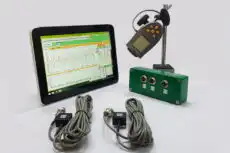
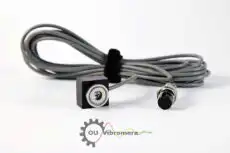
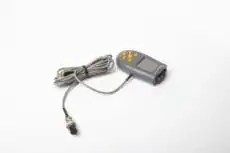
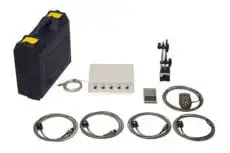
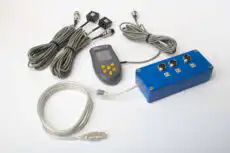
ਇੱਕ ਪੋਰਟੇਬਲ ਦੋ-ਚੈਨਲ ਯੰਤਰ ਜਿਵੇਂ ਕਿ Balanset-1A ਇਸ ਪੜਾਅ ਲਈ ਕੁਦਰਤੀ ਤੌਰ 'ਤੇ ਸਭ ਤੋਂ ਭਰੋਸੇਯੋਗ ਸੰਦ ਹੈ: ਇਹ ਚੱਲਦੀ ਮਸ਼ੀਨ ਦੇ ਹਰ ਮਾਪ ਬਿੰਦੂ 'ਤੇ ਸਪੈਕਟ੍ਰਾ, ਵੇਵਫਾਰਮ ਅਤੇ ਐਂਪਲੀਟਿਊਡ-ਐਂਡ-ਫੇਜ਼ ਨੂੰ ਕੈਪਚਰ ਕਰਦਾ ਹੈ, ਅਤੇ ਜਦੋਂ ਨਿਦਾਨ ਅਸੰਤੁਲਨ (unbalance) ਨਿਕਲਦਾ ਹੈ ਤਾਂ ਇਹ ਇੰਜੀਨੀਅਰ ਨੂੰ ਸਮੱਸਿਆ-ਨਿਪਟਾਰੇ ਤੋਂ ਸਿੱਧੇ ਸਾਈਟ ਬੈਲੇਂਸਿੰਗ (ਫੀਲਡ ਬੈਲੇਂਸਿੰਗ) ਵੱਲ ਜਾਣ ਅਤੇ ਨਤੀਜੇ ਦੀ ਪੁਸ਼ਟੀ ਕਰਨ ਦੀ ਇਜਾਜ਼ਤ ਦਿੰਦਾ ਹੈ — ਇਹ ਸਭ ਕੁਝ ਬਿਨਾਂ ਵੱਖ ਕੀਤੇ, ਇੱਕੋ ਦੌਰੇ ਵਿੱਚ। ਧਿਆਨ ਵਿੱਚ ਰੱਖਣ ਵਾਲੀ ਇੱਕ ਬਾਰੀਕੀ ਹੈ ਰੈਜ਼ੋਨੈਂਸ (ਅਨੁਨਾਦ): ਇੱਕ ਢਾਂਚਾਗਤ ਅਨੁਨਾਦ (resonance) ਇੱਕ ਮਾਮੂਲੀ ਬਲ ਨੂੰ ਚਿੰਤਾਜਨਕ ਵਾਈਬ੍ਰੇਸ਼ਨ ਵਿੱਚ ਵਧਾ ਸਕਦਾ ਹੈ, ਇਸ ਲਈ ਇਹ ਪੁਸ਼ਟੀ ਕਰਨਾ ਕਿ ਕੀ ਕੋਈ ਬਾਰੰਬਾਰਤਾ ਕਿਸੇ ਕੁਦਰਤੀ ਬਾਰੰਬਾਰਤਾ ਨਾਲ ਮੇਲ ਖਾਂਦੀ ਹੈ, ਅਕਸਰ ਉਹ ਟੈਸਟ ਹੁੰਦਾ ਹੈ ਜੋ ਇੱਕ ਫੋਰਸਿੰਗ ਸਮੱਸਿਆ ਨੂੰ ਇੱਕ ਐਂਪਲੀਫਿਕੇਸ਼ਨ ਸਮੱਸਿਆ ਤੋਂ ਵੱਖ ਕਰਦਾ ਹੈ।
5. ਸਮੱਸਿਆ-ਨਿਪਟਾਰੇ ਦੀਆਂ ਆਮ ਗ਼ਲਤੀਆਂ
ਇਹੀ ਗ਼ਲਤੀਆਂ ਵੱਖ-ਵੱਖ ਉਦਯੋਗਾਂ ਵਿੱਚ ਦੁਹਰਾਈਆਂ ਜਾਂਦੀਆਂ ਹਨ, ਅਤੇ ਹਰੇਕ ਦਾ ਇੱਕ ਸਧਾਰਨ ਹੱਲ ਹੈ:
- ਜਲਦਬਾਜ਼ੀ ਵਿੱਚ ਸਿੱਟੇ ਕੱਢਣਾ: ਬਿਨਾਂ ਸਹੀ ਵਿਸ਼ਲੇਸ਼ਣ ਦੇ ਕਿਸੇ ਕਾਰਨ ਨੂੰ ਮੰਨ ਲੈਣਾ, ਜਾਂ ਬਿਨਾਂ ਪੁਸ਼ਟੀ ਕੀਤੇ ਪਿਛਲੇ ਕੰਮ ਨਾਲ ਪੈਟਰਨ-ਮੈਚਿੰਗ ਕਰਨਾ। ਹੱਲ: ਯੋਜਨਾਬੱਧ ਪ੍ਰਕਿਰਿਆ ਦੀ ਪਾਲਣਾ ਕਰੋ ਅਤੇ ਕਾਰਵਾਈ ਕਰਨ ਤੋਂ ਪਹਿਲਾਂ ਪੁਸ਼ਟੀ ਕਰੋ।
- ਅਧੂਰੀ ਜਾਂਚ: ਸਤਹੀ ਖੋਜ 'ਤੇ ਰੁਕ ਜਾਣਾ ਅਤੇ ਮੂਲ ਕਾਰਨ ਕਦੇ ਸਥਾਪਿਤ ਨਾ ਕਰਨਾ, ਜਿਸ ਕਾਰਨ ਸਮੱਸਿਆ ਦੁਬਾਰਾ ਆਉਂਦੀ ਹੈ। ਹੱਲ: ਹਮੇਸ਼ਾ ਪੁੱਛੋ “ਇਹ ਕਿਉਂ ਹੋਇਆ?”
- ਬੇਤਰਤੀਬ ਪੁਰਜ਼ਾ ਬਦਲੀ: ਬਿਨਾਂ ਨਿਦਾਨ ਦੇ ਪੁਰਜ਼ੇ ਬਦਲਣਾ — ਮਹਿੰਗਾ, ਹੌਲੀ ਅਤੇ ਅਕਸਰ ਬੇਅਸਰ। ਹੱਲ: ਪਹਿਲਾਂ ਨਿਦਾਨ ਕਰੋ, ਫਿਰ ਮੁਰੰਮਤ ਕਰੋ।
6. ਦਸਤਾਵੇਜ਼ੀਕਰਨ ਅਤੇ ਗਿਆਨ ਭੰਡਾਰ
ਚੰਗਾ ਸਮੱਸਿਆ-ਨਿਪਟਾਰਾ ਉਦੋਂ ਖ਼ਤਮ ਨਹੀਂ ਹੁੰਦਾ ਜਦੋਂ ਮਸ਼ੀਨ ਸੁਚਾਰੂ ਢੰਗ ਨਾਲ ਚੱਲਦੀ ਹੈ; ਇਹ ਉਦੋਂ ਖ਼ਤਮ ਹੁੰਦਾ ਹੈ ਜਦੋਂ ਕੇਸ ਦਰਜ ਕੀਤਾ ਜਾਂਦਾ ਹੈ। ਇੱਕ ਸੰਪੂਰਨ ਸਮੱਸਿਆ-ਨਿਪਟਾਰਾ ਰਿਕਾਰਡ ਸਮੱਸਿਆ ਦਾ ਵੇਰਵਾ ਅਤੇ ਇਤਿਹਾਸ, ਇਕੱਠਾ ਕੀਤਾ ਗਿਆ ਡਾਟਾ ਅਤੇ ਕੀਤਾ ਗਿਆ ਵਿਸ਼ਲੇਸ਼ਣ, ਵਿਚਾਰੀਆਂ ਗਈਆਂ ਪਰਿਕਲਪਨਾਵਾਂ, ਕੀਤੇ ਗਏ ਟੈਸਟ ਅਤੇ ਉਨ੍ਹਾਂ ਦੇ ਨਤੀਜੇ, ਪਛਾਣਿਆ ਗਿਆ ਮੂਲ ਕਾਰਨ, ਲਾਗੂ ਕੀਤਾ ਗਿਆ ਹੱਲ, ਅਤੇ ਇਹ ਸਾਬਤ ਕਰਨ ਵਾਲੇ ਪੁਸ਼ਟੀਕਰਨ ਮਾਪ ਕਿ ਇਹ ਕੰਮ ਕਰ ਗਿਆ, ਨੂੰ ਦਰਜ ਕਰਦਾ ਹੈ। ਸਮੇਂ ਦੇ ਨਾਲ ਇਹ ਰਿਕਾਰਡ ਇਕੱਠੇ ਹੋ ਕੇ ਇੱਕ ਗਿਆਨ ਭੰਡਾਰ (knowledge base) — ਆਮ ਸਮੱਸਿਆਵਾਂ ਅਤੇ ਹੱਲਾਂ, ਉਪਕਰਣ-ਵਿਸ਼ੇਸ਼ ਖ਼ਾਸੀਅਤਾਂ ਦੀ ਇੱਕ ਲਾਇਬ੍ਰੇਰੀ, ਅਤੇ ਨਵੇਂ ਸਟਾਫ਼ ਲਈ ਇੱਕ ਸਿਖਲਾਈ ਸਰੋਤ ਬਣ ਜਾਂਦੇ ਹਨ — ਜੋ ਚੱਲ ਰਹੀ ਸਥਿਤੀ ਨਿਗਰਾਨੀ.
ਸਮੱਸਿਆ-ਨਿਪਟਾਰਾ, ਇਸ ਲਈ, ਉਹ ਸਮੱਸਿਆ-ਹੱਲ ਕਰਨ ਦਾ ਅਨੁਸ਼ਾਸਨ ਹੈ ਜੋ ਵਾਈਬ੍ਰੇਸ਼ਨ ਦੇ ਲੱਛਣਾਂ ਨੂੰ ਪਛਾਣੇ ਗਏ ਕਾਰਨਾਂ ਅਤੇ ਪ੍ਰਭਾਵਸ਼ਾਲੀ ਹੱਲਾਂ ਵਿੱਚ ਬਦਲ ਦਿੰਦਾ ਹੈ। ਯੋਜਨਾਬੱਧ ਜਾਂਚ ਰਾਹੀਂ — ਮਾਪ ਡਾਟੇ, ਵਿਸ਼ਲੇਸ਼ਣੀ ਤਕਨੀਕਾਂ, ਸਰੀਰਕ ਜਾਂਚ ਅਤੇ ਤਰਕਪੂਰਨ ਸੋਚ ਨੂੰ ਜੋੜ ਕੇ — ਇਹ ਵਾਈਬ੍ਰੇਸ਼ਨ ਦੀਆਂ ਸਮੱਸਿਆਵਾਂ ਨੂੰ ਸਥਾਈ ਤੌਰ 'ਤੇ ਹੱਲ ਕਰਦਾ ਹੈ ਜਦੋਂ ਕਿ ਸੰਸਥਾਗਤ ਗਿਆਨ ਬਣਾਉਂਦਾ ਹੈ ਜੋ ਹਰ ਭਵਿੱਖ ਦੇ ਨਿਦਾਨ ਨੂੰ ਤੇਜ਼ ਅਤੇ ਹਰ ਮਸ਼ੀਨ ਨੂੰ ਵਧੇਰੇ ਭਰੋਸੇਯੋਗ ਬਣਾਉਂਦਾ ਹੈ।

