ਵਾਈਬ੍ਰੇਸ਼ਨ ਵਿਸ਼ਲੇਸ਼ਣ (VA) ਨੂੰ ਸਮਝਣਾ
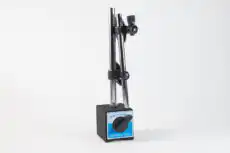

ਵਾਈਬ੍ਰੇਸ਼ਨ ਵਿਸ਼ਲੇਸ਼ਣ (VA) ਇੱਕ ਤਕਨੀਕੀ ਅਨੁਸ਼ਾਸਨ ਹੈ ਜਿਸ ਵਿੱਚ ਘੁੰਮਣ ਵਾਲੀਆਂ ਮਸ਼ੀਨਾਂ ਦੇ ਵਾਈਬ੍ਰੇਸ਼ਨ ਸਿਗਨੇਚਰ ਨੂੰ ਮਾਪਿਆ, ਪ੍ਰੋਸੈਸ ਕੀਤਾ ਅਤੇ ਵਿਆਖਿਆ ਕੀਤਾ ਜਾਂਦਾ ਹੈ ਤਾਂ ਜੋ ਉਹਨਾਂ ਦੀ ਮਕੈਨੀਕਲ ਸਥਿਤੀ ਦਾ ਪਤਾ ਲਗਾਇਆ ਜਾ ਸਕੇ। ਇਹ ਵਾਈਬ੍ਰੇਸ਼ਨ ਡਾਇਗਨੌਸਟਿਕਸ ਦਾ ਮੁੱਖ ਕਾਰਜ-ਕੇਂਦਰ ਹੈ ਅਤੇ ਆਧੁਨਿਕ ਭਵਿੱਖਬਾਣੀ ਰੱਖ-ਰਖਾਵ ਦੀ ਇੱਕ ਬੁਨਿਆਦੀ ਥੰਮ੍ਹ ਹੈ। ਹਰ ਚੱਲਦੀ ਮਸ਼ੀਨ ਥੋੜੀ ਮਾਤਰਾ ਵਿੱਚ ਵਾਈਬ੍ਰੇਸ਼ਨ; ਵਾਈਬ੍ਰੇਸ਼ਨ ਵਿਸ਼ਲੇਸ਼ਣ ਉਸ ਸਿਗਨਲ ਨੂੰ ਇੱਕ ਭਾਸ਼ਾ ਵਜੋਂ ਲੈਂਦਾ ਹੈ ਅਤੇ ਇਸ ਨੂੰ ਡੀਕੋਡ ਕਰਕੇ ਖ਼ਰਾਬੀਆਂ ਦਾ ਪਤਾ ਲਗਾਉਂਦਾ ਹੈ ਅਤੇ ਉਹਨਾਂ ਦੀ ਪ੍ਰਕਿਰਤੀ, ਸਥਾਨ ਅਤੇ ਗੰਭੀਰਤਾ ਨੂੰ ਵਿਫਲਤਾ ਆਉਣ ਤੋਂ ਬਹੁਤ ਪਹਿਲਾਂ ਹੀ ਪਛਾਣਦਾ ਹੈ।
1. ਪਰਿਭਾਸ਼ਾ: ਵਾਈਬ੍ਰੇਸ਼ਨ ਵਿਸ਼ਲੇਸ਼ਣ ਕੀ ਹੈ?
ਸਰਲ ਸ਼ਬਦਾਂ ਵਿੱਚ, ਵਾਈਬ੍ਰੇਸ਼ਨ ਵਿਸ਼ਲੇਸ਼ਣ ਇਹ ਅਧਿਐਨ ਕਰਨ ਦੀ ਯੋਜਨਾਬੱਧ ਪ੍ਰਕਿਰਿਆ ਹੈ ਕਿ ਮਸ਼ੀਨ ਚੱਲਦੇ ਸਮੇਂ ਕਿਵੇਂ ਗਤੀ ਕਰਦੀ ਹੈ। ਇੱਕ ਸਿਹਤਮੰਦ ਮਸ਼ੀਨ ਇੱਕ ਸਥਿਰ, ਨੀਵੇਂ ਪੱਧਰ ਦਾ ਵਾਈਬ੍ਰੇਸ਼ਨ ਪੈਟਰਨ ਪੈਦਾ ਕਰਦੀ ਹੈ; ਵਿਕਸਿਤ ਹੋ ਰਹੀ ਖ਼ਰਾਬੀ ਉਸ ਪੈਟਰਨ ਨੂੰ ਖ਼ਾਸ ਤਰੀਕਿਆਂ ਨਾਲ ਬਦਲਦੀ ਹੈ। ਸੈਂਸਰ ਰਾਹੀਂ ਗਤੀ ਨੂੰ ਕੈਪਚਰ ਕਰਕੇ ਅਤੇ ਸਹੀ ਡੋਮੇਨ ਵਿੱਚ ਜਾਂਚ ਕਰਕੇ, ਇੱਕ ਵਿਸ਼ਲੇਸ਼ਕ ਸਧਾਰਨ ਸਿਗਨੇਚਰ ਨੂੰ ਚੇਤਾਵਨੀ ਸੰਕੇਤ ਤੋਂ ਵੱਖ ਕਰ ਸਕਦਾ ਹੈ ਅਤੇ ਉਸ ਚੇਤਾਵਨੀ ਨੂੰ ਇੱਕ ਖ਼ਾਸ ਕਾਰਨ ਨਾਲ ਜੋੜ ਸਕਦਾ ਹੈ — ਅਸੰਤੁਲਨ, ਮਿਸਅਲਾਈਨਮੈਂਟ, ਕਿਸੇ ਖ਼ਰਾਬ ਹੋ ਰਹੇ ਬੇਅਰਿੰਗ, ਜਾਂ ਗੀਅਰ ਦੇ ਨੁਕਸ।
ਕਿਉਂਕਿ ਇਹ ਮਸ਼ੀਨ ਨੂੰ ਬੰਦ ਕੀਤੇ ਜਾਂ ਖੋਲ੍ਹੇ ਬਿਨਾਂ ਅੰਦਰ ਦੇਖ ਸਕਦਾ ਹੈ, ਵਾਈਬ੍ਰੇਸ਼ਨ ਵਿਸ਼ਲੇਸ਼ਣ ਮੂਲ ਰੂਪ ਵਿੱਚ ਇੱਕ ਗੈਰ-ਦਖ਼ਲਅੰਦਾਜ਼ ਤਕਨੀਕ ਹੈ। ਇਹੀ ਗੱਲ ਇਸਨੂੰ ਸਥਿਤੀ ਨਿਗਰਾਨੀ ਲਈ ਇੰਨਾ ਕੀਮਤੀ ਬਣਾਉਂਦੀ ਹੈ: ਓਪਰੇਟਿੰਗ ਸਪੀਡ 'ਤੇ ਕੁਝ ਸਕਿੰਟਾਂ ਵਿੱਚ ਲਿਆ ਗਿਆ ਇੱਕ ਮਾਪ, ਉਸ ਉਪਕਰਣ ਦੀ ਸਿਹਤ ਦੀ ਪੁਸ਼ਟੀ ਕਰ ਸਕਦਾ ਹੈ ਜਾਂ ਸਮੱਸਿਆ ਦਾ ਸੰਕੇਤ ਦੇ ਸਕਦਾ ਹੈ ਜਿਸ ਨੂੰ ਉਤਪਾਦਨ ਵਿੱਚ ਬਣੇ ਰਹਿਣਾ ਜ਼ਰੂਰੀ ਹੈ।
2. ਵਿਸ਼ਲੇਸ਼ਣ ਬਨਾਮ ਮਾਨੀਟਰਿੰਗ: ਕਾਰਨ ਦੀ ਜਾਂਚ
ਸ਼ਬਦ ਵਾਈਬ੍ਰੇਸ਼ਨ ਨਿਗਰਾਨੀ ਅਤੇ ਵਾਈਬ੍ਰੇਸ਼ਨ ਵਿਸ਼ਲੇਸ਼ਣ ਅਕਸਰ ਇਕੱਠੇ ਵਰਤੇ ਜਾਂਦੇ ਹਨ, ਪਰ ਇਹ ਦੋ ਵੱਖ-ਵੱਖ ਸਵਾਲਾਂ ਦਾ ਜਵਾਬ ਦਿੰਦੇ ਹਨ। ਵਾਈਬ੍ਰੇਸ਼ਨ ਮਾਨੀਟਰਿੰਗ ਸਮੇਂ ਦੇ ਨਾਲ ਸਮੁੱਚੇ ਪੱਧਰ ਨੂੰ ਦੇਖਦੀ ਹੈ ਅਤੇ ਇਹ ਪਤਾ ਲਗਾਉਂਦੀ ਹੈ ਕਿ ਕਿ ਕੁਝ ਬਦਲ ਗਿਆ ਹੈ — ਇਹ ਇੱਕ ਨਿਗਰਾਨੀ ਦੀ ਭੂਮਿਕਾ ਹੈ, ਜੋ ਕਈ ਮਸ਼ੀਨਾਂ ਵਿੱਚ ਇੱਕ ਅੰਕੜੇ ਦਾ ਰੁਝਾਨ ਦੇਖਦੀ ਹੈ ਅਤੇ ਜਦੋਂ ਕੋਈ ਰੀਡਿੰਗ ਆਪਣੇ ਇਤਿਹਾਸ ਤੋਂ ਭਟਕਦੀ ਹੈ ਤਾਂ ਅਲਾਰਮ ਦਿੰਦੀ ਹੈ। ਵਿਸ਼ਲੇਸ਼ਣ ਉੱਥੋਂ ਅੱਗੇ ਇਹ ਨਿਰਧਾਰਿਤ ਕਰਦਾ ਹੈ ਕਿਉਂ.
ਸਪਸ਼ਟ ਰੂਪ ਵਿੱਚ ਕਿਹਾ ਜਾਵੇ: ਮਾਨੀਟਰਿੰਗ ਬਦਲਾਅ ਦਾ ਪਤਾ ਲਗਾਉਂਦੀ ਹੈ; ਵਿਸ਼ਲੇਸ਼ਣ ਉਸਦੇ ਕਾਰਨ ਦੀ ਜਾਂਚ ਕਰਦਾ ਹੈ। ਜਿੱਥੇ ਇੱਕ ਮਾਨੀਟਰਿੰਗ ਸਿਸਟਮ ਸਿਰਫ਼ ਇਹ ਰਿਪੋਰਟ ਕਰ ਸਕਦਾ ਹੈ ਕਿ ਕਿਸੇ ਬੇਅਰਿੰਗ 'ਤੇ ਵੇਲੋਸਿਟੀ ਦੁੱਗਣੀ ਹੋ ਗਈ ਹੈ, ਉੱਥੇ ਵਿਸ਼ਲੇਸ਼ਕ ਬਾਰੰਬਾਰਤਾ ਸਪੈਕਟ੍ਰਮ ਅਤੇ ਟਾਈਮ ਵੇਵਫਾਰਮ (ਸਮਾਂ ਤਰੰਗ-ਰੂਪ) ਖੋਲ੍ਹ ਕੇ ਇਹ ਫ਼ੈਸਲਾ ਕਰਦਾ ਹੈ ਕਿ ਕੀ ਉਹ ਵਾਧਾ ਅਸੰਤੁਲਨ, ਢਿੱਲੇ ਪੈ ਰਹੇ ਪੈਰ, ਜਾਂ ਬੇਅਰਿੰਗ ਖ਼ਰਾਬੀ ਦੀ ਪਹਿਲੀ ਅਵਸਥਾ ਕਾਰਨ ਹੈ। ਇਹ ਦੋਵੇਂ ਗਤੀਵਿਧੀਆਂ ਇੱਕ ਪ੍ਰੋਗਰਾਮ ਦੇ ਪੂਰਕ ਹਿੱਸੇ ਹਨ — ਮਾਨੀਟਰਿੰਗ ਸ਼ੱਕੀ ਮਸ਼ੀਨਾਂ ਦੀ ਸੂਚੀ ਨੂੰ ਕੁਝ ਤੱਕ ਸੀਮਤ ਕਰਦੀ ਹੈ, ਅਤੇ ਵਿਸ਼ਲੇਸ਼ਣ ਉਹਨਾਂ ਵਿੱਚੋਂ ਹਰ ਇੱਕ ਨੂੰ ਇੱਕ ਨਾਮ-ਯੋਗ, ਕਾਰਵਾਈਯੋਗ ਖ਼ਰਾਬੀ ਵਿੱਚ ਬਦਲਦਾ ਹੈ।
3. ਵਾਈਬ੍ਰੇਸ਼ਨ ਵਿਸ਼ਲੇਸ਼ਣ ਦਾ ਮੂਲ ਆਧਾਰ: FFT
ਜਦੋਂ ਕਿ ਬਹੁਤ ਸਾਰੀਆਂ ਤਕਨੀਕਾਂ ਮੌਜੂਦ ਹਨ, ਆਧੁਨਿਕ ਕੰਪਨ ਵਿਸ਼ਲੇਸ਼ਣ ਦੀ ਨੀਂਹ ਹੈ ਫਾਸਟ ਫੂਰੀਅਰ ਟ੍ਰਾਂਸਫਾਰਮ (FFT)। FFT ਇੱਕ ਅਤਿ ਕੁਸ਼ਲ ਐਲਗੋਰਿਦਮ ਹੈ ਜੋ ਇੱਕ ਜਟਿਲ ਟਾਈਮ ਵੇਵਫਾਰਮ (ਸਮਾਂ ਤਰੰਗ-ਰੂਪ) — ਸਮੇਂ ਦੇ ਮੁਕਾਬਲੇ ਵਿਸਥਾਪਨ, ਵੇਗ, ਜਾਂ ਪ੍ਰਵੇਗ ਦਾ ਇੱਕ ਲਹਿਰਦਾਰ ਟਰੇਸ ਜਿਸਨੂੰ ਨੰਗੀ ਅੱਖ ਨਾਲ ਸਮਝਣਾ ਬਹੁਤ ਮੁਸ਼ਕਲ ਹੈ — ਨੂੰ ਲੈ ਕੇ ਇਸਦੇ ਵਿਅਕਤੀਗਤ ਬਾਰੰਬਾਰਤਾ ਭਾਗਾਂ ਵਿੱਚ ਵੰਡਦਾ ਹੈ।
ਨਤੀਜਾ ਹੈ ਇੱਕ ਸਪੈਕਟ੍ਰਮ: ਇੱਕ ਗ੍ਰਾਫ਼ ਜੋ ਦਰਸਾਉਂਦਾ ਹੈ ਐਂਪਲੀਟਿਊਡ (ਆਯਾਮ) ਕੰਪਨ ਨੂੰ ਹਰ ਖਾਸ ਬਾਰੰਬਾਰਤਾ ਸੰਕੇਤ ਵਿੱਚ ਮੌਜੂਦ ਦੇ ਵਿਰੁੱਧ। ਇਹ ਸਪੈਕਟ੍ਰਮ ਵਿਸ਼ਲੇਸ਼ਕ ਦਾ ਸਭ ਤੋਂ ਸ਼ਕਤੀਸ਼ਾਲੀ ਸੰਦ ਹੈ, ਕਿਉਂਕਿ ਵੱਖ-ਵੱਖ ਮਕੈਨੀਕਲ ਅਤੇ ਬਿਜਲੀ ਸੰਬੰਧੀ ਖ਼ਰਾਬੀਆਂ ਇਸ ਉੱਤੇ ਵੱਖਰੇ ਪੈਟਰਨਾਂ ਅਤੇ ਸਿਖਰਾਂ ਵਜੋਂ ਪ੍ਰਗਟ ਹੁੰਦੀਆਂ ਹਨ। ਤਰਕ ਸਿੱਧਾ ਹੈ: ਲਗਭਗ ਹਰ ਖ਼ਰਾਬੀ ਮਸ਼ੀਨ ਵਿੱਚ ਕਿਸੇ ਭੌਤਿਕ ਘਟਨਾ ਨਾਲ ਜੁੜੀ ਇੱਕ ਬਾਰੰਬਾਰਤਾ ਨੂੰ ਉਤੇਜਿਤ ਕਰਦੀ ਹੈ, ਇਸ ਲਈ ਅਸੰਤੁਲਨ 1× ਚੱਲਣ ਦੀ ਗਤੀ ਉੱਤੇ ਦਿਖਾਈ ਦਿੰਦਾ ਹੈ, ਗਲਤ ਸੰਰੇਖਣ 2× ਉੱਤੇ ਊਰਜਾ ਜੋੜਦਾ ਹੈ, ਅਤੇ ਰੋਲਿੰਗ-ਤੱਤ ਦੇ ਨੁਕਸ ਆਪਣੀਆਂ ਬੇਅਰਿੰਗ ਫਾਲਟ ਫ੍ਰੀਕੁਐਂਸੀਆਂ ਉੱਤੇ ਪ੍ਰਗਟ ਹੁੰਦੇ ਹਨ। ਉਹ ਸਿਖਰਾਂ ਨੂੰ ਪੜ੍ਹਨਾ ਹੀ ਸਪੈਕਟ੍ਰਲ ਵਿਸ਼ਲੇਸ਼ਣ.
4. ਸਪੈਕਟ੍ਰਮ ਪੜ੍ਹਨਾ: ਖਾਸ ਖ਼ਰਾਬੀ ਬਾਰੰਬਾਰਤਾਵਾਂ
ਕੰਪਨ ਵਿਸ਼ਲੇਸ਼ਣ ਦੀ ਨਿਦਾਨ ਸ਼ਕਤੀ ਇਸ ਤੱਥ ਤੋਂ ਆਉਂਦੀ ਹੈ ਕਿ ਹਰ ਆਮ ਖ਼ਰਾਬੀ ਅਨੁਮਾਨਯੋਗ ਬਾਰੰਬਾਰਤਾ ਉੱਤੇ ਕੰਪਨ ਉਤੇਜਿਤ ਕਰਦੀ ਹੈ, ਜਿਸਨੂੰ ਚੱਲਣ ਦੀ ਗਤੀ ਦੇ ਗੁਣਜ ਵਜੋਂ ਦਰਸਾਇਆ ਜਾਂਦਾ ਹੈ (1× = ਪ੍ਰਤੀ ਚੱਕਰ ਇੱਕ ਵਾਰ)। ਇਹ ਪਛਾਣਨਾ ਕਿ ਊਰਜਾ ਸਪੈਕਟ੍ਰਮ ਵਿੱਚ ਕਿੱਥੇ ਪ੍ਰਗਟ ਹੁੰਦੀ ਹੈ, ਹੀ ਇੱਕ ਮਾਪ ਨੂੰ ਨਿਦਾਨ ਵਿੱਚ ਬਦਲਦਾ ਹੈ। ਸਭ ਤੋਂ ਮਹੱਤਵਪੂਰਨ ਸੰਕੇਤ ਹਨ:
- ਅਸੰਤੁਲਨ — ਪ੍ਰਧਾਨ 1×। ਇੱਕ ਭਾਰੀ ਧੱਬਾ ਸ਼ਾਫ਼ਟ ਦੇ ਨਾਲ ਘੁੰਮਦਾ ਹੈ ਅਤੇ ਬਿਲਕੁਲ ਚੱਲਣ ਦੀ ਗਤੀ ਉੱਤੇ ਇੱਕ ਇਕੱਲੀ, ਮਜ਼ਬੂਤ ਸਿਖਰ ਪੈਦਾ ਕਰਦਾ ਹੈ, ਮੁੱਖ ਤੌਰ ਤੇ ਰੇਡੀਅਲ ਦਿਸ਼ਾ ਵਿੱਚ। ਇੱਕ ਸਾਫ਼ 1× ਸਿਖਰ ਜੋ ਸਮੇਂ ਦੇ ਨਾਲ ਵਧਦੀ ਜਾਂਦੀ ਹੈ, ਇਹ ਕਲਾਸਿਕ ਸੰਕੇਤ ਹੈ ਅਸੰਤੁਲਨ.
- ਗਲਤ ਸੰਰੇਖਣ — ਮਜ਼ਬੂਤ 2× (ਅਕਸਰ 1× ਅਤੇ 3× ਦੇ ਨਾਲ)। ਮਿਸਅਲਾਈਨਮੈਂਟ ਜੁੜੇ ਹੋਏ ਸ਼ਾਫ਼ਟਾਂ ਵਿਚਕਾਰ ਗਲਤ ਸੰਰੇਖਣ ਆਮ ਤੌਰ ਤੇ ਦੁੱਗਣੀ ਚੱਲਣ ਗਤੀ ਉੱਤੇ ਇੱਕ ਉਭਾਰੀ ਸਿਖਰ ਵਧਾਉਂਦਾ ਹੈ, ਅਕਸਰ ਮਹੱਤਵਪੂਰਨ ਧੁਰੀ ਕੰਪਨ ਦੇ ਨਾਲ — ਅਸੰਤੁਲਨ ਤੋਂ ਇੱਕ ਮੁੱਖ ਅੰਤਰ, ਜੋ ਮੁੱਖ ਰੂਪ ਵਿੱਚ ਰੇਡੀਅਲ ਹੁੰਦਾ ਹੈ।
- ਮਕੈਨੀਕਲ ਢਿੱਲ — ਚੱਲਣ-ਗਤੀ ਹਾਰਮੋਨਿਕਸ ਦੀ ਇੱਕ ਲੜੀ। ਢਿੱਲਾਪਣ ਇੱਕ ਕਤਾਰ ਪੈਦਾ ਕਰਦਾ ਹੈ ਹਾਰਮੋਨਿਕਸ (1×, 2×, 3×, 4× ਅਤੇ ਇਸ ਤੋਂ ਅੱਗੇ), ਅਤੇ ਕਈ ਵਾਰ ਅੱਧ-ਕ੍ਰਮ (0.5×) ਹਿੱਸੇ, ਕਿਉਂਕਿ ਨਾਨ-ਲੀਨੀਅਰ ਜੋੜ ਵੇਵਫਾਰਮ ਨੂੰ ਕਲਿਪ ਅਤੇ ਵਿਗਾੜ ਦਿੰਦਾ ਹੈ।
- ਰੋਲਿੰਗ-ਤੱਤ ਬੇਅਰਿੰਗ ਨੁਕਸ — ਗੈਰ-ਸਮਕਾਲੀ ਬੇਅਰਿੰਗ ਖ਼ਰਾਬੀ ਬਾਰੰਬਾਰਤਾਵਾਂ। ਬਾਹਰੀ ਰੇਸ, ਅੰਦਰੂਨੀ ਰੇਸ, ਰੋਲਿੰਗ ਤੱਤ, ਜਾਂ ਪਿੰਜਰੇ ਉੱਤੇ ਕੋਈ ਖਰਾਬੀ ਚੱਲਣ ਗਤੀ ਦੇ ਇੱਕ ਗਣਨਾਯੋਗ, ਗੈਰ-ਪੂਰਨਅੰਕ ਗੁਣਜ ਉੱਤੇ ਕੰਪਨ ਪੈਦਾ ਕਰਦੀ ਹੈ — ਬੇਅਰਿੰਗ ਫਾਲਟ ਫ੍ਰੀਕੁਐਂਸੀਆਂ। ਸ਼ੁਰੂਆਤੀ ਨੁਕਸ ਕਮਜ਼ੋਰ ਹੁੰਦੇ ਹਨ ਅਤੇ ਉੱਚ-ਬਾਰੰਬਾਰਤਾ ਵਾਲੇ ਕੈਰੀਅਰ ਉੱਤੇ ਸਵਾਰ ਹੁੰਦੇ ਹਨ, ਇਸ ਲਈ ਇਹਨਾਂ ਨੂੰ ਐਨਵਲਪ (ਡੀਮੋਡਿਊਲੇਸ਼ਨ) ਵਿਸ਼ਲੇਸ਼ਣ ਦੁਆਰਾ ਸਭ ਤੋਂ ਵਧੀਆ ਪ੍ਰਗਟ ਕੀਤਾ ਜਾਂਦਾ ਹੈ।
- ਗੀਅਰ — ਗੀਅਰ-ਮੇਸ਼ ਫ੍ਰੀਕੁਐਂਸੀ ਅਤੇ ਸਾਈਡਬੈਂਡ। ਇੱਕ ਗੀਅਰ ਜੋੜਾ ਆਪਣੀ ਗੀਅਰ-ਮੇਸ਼ ਫ੍ਰੀਕੁਐਂਸੀ (ਦੰਦਿਆਂ ਦੀ ਸੰਖਿਆ × ਸ਼ਾਫ਼ਟ ਦੀ ਗਤੀ) 'ਤੇ ਕੰਬਣੀ ਕਰਦਾ ਹੈ। ਇੱਕ ਘਿਸਿਆ ਜਾਂ ਟੁੱਟਿਆ ਦੰਦ ਉਸ ਚੋਟੀ ਨੂੰ ਮੋਡੂਲੇਟ ਕਰਦਾ ਹੈ, ਜਿਸ ਨਾਲ ਮੇਸ਼ ਫ੍ਰੀਕੁਐਂਸੀ ਦੇ ਦੋਵੇਂ ਪਾਸੇ ਖ਼ਰਾਬ ਸ਼ਾਫ਼ਟ ਦੀ ਚੱਲਣ ਦੀ ਗਤੀ ਦੇ ਫ਼ਾਸਲੇ 'ਤੇ ਸਾਈਡਬੈਂਡ ਪੈਦਾ ਹੁੰਦੇ ਹਨ।
- ਬਿਜਲਈ ਖਰਾਬੀਆਂ — ਲਾਈਨ ਫ੍ਰੀਕੁਐਂਸੀ ਤੋਂ ਦੁੱਗਣੀ। ਇੰਡਕਸ਼ਨ ਮੋਟਰਾਂ ਵਿੱਚ ਸਮੱਸਿਆਵਾਂ, ਜਿਵੇਂ ਕਿ ਏਅਰ-ਗੈਪ ਜਾਂ ਰੋਟਰ-ਬਾਰ ਦੀ ਖਰਾਬੀ, ਖ਼ਾਸ ਤੌਰ 'ਤੇ ਬਿਜਲੀ ਸਪਲਾਈ (ਲਾਈਨ) ਫ੍ਰੀਕੁਐਂਸੀ ਤੋਂ ਦੁੱਗਣੀ 'ਤੇ ਊਰਜਾ ਪੈਦਾ ਕਰਦੀਆਂ ਹਨ, ਜੋ ਉਨ੍ਹਾਂ ਨੂੰ ਸ਼ੁੱਧ ਮਕੈਨੀਕਲ ਸਰੋਤਾਂ ਤੋਂ ਵੱਖ ਕਰਦੀ ਹੈ।
ਕਿਉਂਕਿ ਇਹ ਸੰਬੰਧ ਗਤੀ ਨਾਲ ਬਦਲਦੇ ਹਨ, ਪਰਿਵਰਤਨਸ਼ੀਲ ਗਤੀ ਵਾਲੀ ਮਸ਼ੀਨ 'ਤੇ ਕੰਮ ਕਰਨ ਵਾਲਾ ਵਿਸ਼ਲੇਸ਼ਕ ਅਕਸਰ ਆਰਡਰ ਵਿਸ਼ਲੇਸ਼ਣ ਵੱਲ ਸਵਿੱਚ ਕਰਦਾ ਹੈ, ਜੋ ਸਪੈਕਟ੍ਰਮ ਨੂੰ ਪੂਰਨ ਹਰਟਜ਼ ਦੀ ਬਜਾਏ ਆਰਡਰਾਂ (ਚੱਲਣ ਦੀ ਗਤੀ ਦੇ ਗੁਣਾਂਕਾਂ) ਵਿੱਚ ਦਰਸਾਉਂਦਾ ਹੈ, ਤਾਂ ਜੋ ਮਸ਼ੀਨ ਦੇ ਤੇਜ਼ ਹੋਣ 'ਤੇ ਖਰਾਬੀ ਦੀਆਂ ਚੋਟੀਆਂ ਆਪਣੀ ਥਾਂ 'ਤੇ ਸਥਿਰ ਰਹਿਣ।
5. ਕੰਬਣੀ ਵਿਸ਼ਲੇਸ਼ਣ ਵਿੱਚ ਮੁੱਖ ਤਕਨੀਕਾਂ
ਕੰਬਣੀ ਵਿਸ਼ਲੇਸ਼ਣ ਕੋਈ ਇੱਕਲੀ ਗਤੀਵਿਧੀ ਨਹੀਂ ਸਗੋਂ ਵਿਸ਼ੇਸ਼ ਤਕਨੀਕਾਂ ਦਾ ਸੰਗ੍ਰਹਿ ਹੈ, ਜਿਨ੍ਹਾਂ ਵਿੱਚੋਂ ਹਰੇਕ ਮਸ਼ੀਨ ਦੀ ਸਿਹਤ ਦਾ ਵੱਖਰਾ ਦ੍ਰਿਸ਼ ਪੇਸ਼ ਕਰਦੀ ਹੈ। ਇੱਕ ਕੁਸ਼ਲ ਵਿਸ਼ਲੇਸ਼ਕ ਕਿਸੇ ਇੱਕ 'ਤੇ ਨਿਰਭਰ ਕਰਨ ਦੀ ਬਜਾਏ ਕਈ ਤਕਨੀਕਾਂ ਨੂੰ ਜੋੜਦਾ ਹੈ:
- ਸਮੁੱਚੇ ਪੱਧਰ ਦੀ ਨਿਗਰਾਨੀ: VA ਦਾ ਸਭ ਤੋਂ ਸਰਲ ਰੂਪ, ਜਿੱਥੇ ਇੱਕ ਸਿੰਗਲ ਮੁੱਲ — ਆਮ ਤੌਰ 'ਤੇ RMS ਵੇਲੋਸਿਟੀ ਜੋ ਕੁੱਲ ਕੰਬਣੀ ਊਰਜਾ ਨੂੰ ਦਰਸਾਉਂਦੀ ਹੈ — ਸਮੇਂ ਦੇ ਨਾਲ ਟ੍ਰੈਂਡ ਕੀਤਾ ਜਾਂਦਾ ਹੈ। ਅਚਾਨਕ ਵਾਧਾ ਕਿਸੇ ਸਮੱਸਿਆ ਦਾ ਸੰਕੇਤ ਦਿੰਦਾ ਹੈ ਪਰ ਇਸ ਦਾ ਕਾਰਨ ਨਹੀਂ ਦੱਸਦਾ; ਇਹ ਇੱਕ ਚੇਤਾਵਨੀ ਸੰਕੇਤ ਹੈ, ਨਿਦਾਨ ਨਹੀਂ।
- ਸਪੈਕਟ੍ਰਲ ਵਿਸ਼ਲੇਸ਼ਣ: ਕੰਬਣੀ ਦੀਆਂ ਫ੍ਰੀਕੁਐਂਸੀਆਂ ਦੀ ਪਛਾਣ ਕਰਨ ਅਤੇ ਮੂਲ ਕਾਰਨ ਦਾ ਨਿਦਾਨ ਕਰਨ ਲਈ FFT ਸਪੈਕਟ੍ਰਮ ਦੀ ਵਿਸਤ੍ਰਿਤ ਜਾਂਚ, ਜੋ ਅਸੰਤੁਲਨ ਨੂੰ ਮਿਸਅਲਾਈਨਮੈਂਟ, ਢਿੱਲਾਪਣ, ਜਾਂ ਬਿਜਲਈ ਖਰਾਬੀਆਂ ਤੋਂ ਵੱਖ ਕਰਦੀ ਹੈ।
- ਟਾਈਮ ਵੇਵਫਾਰਮ ਵਿਸ਼ਲੇਸ਼ਣ: ਸਮੇਂ ਦੇ ਨਾਲ ਕੱਚੇ ਸਿਗਨਲ ਦਾ ਸਿੱਧਾ ਵਿਸ਼ਲੇਸ਼ਣ, ਜੋ ਖ਼ਾਸ ਤੌਰ 'ਤੇ ਅਸਥਾਈ ਘਟਨਾਵਾਂ, ਪ੍ਰਭਾਵਾਂ, ਅਤੇ ਕੁਝ ਗੈਰ-ਰੇਖਿਕ ਵਿਵਹਾਰਾਂ ਦੀ ਪਛਾਣ ਕਰਨ ਲਈ ਉਪਯੋਗੀ ਹੈ ਜੋ ਸਪੈਕਟ੍ਰਮ ਵਿੱਚ ਹਮੇਸ਼ਾ ਸਪਸ਼ਟ ਨਹੀਂ ਹੁੰਦੇ।
- ਫੇਜ਼ ਵਿਸ਼ਲੇਸ਼ਣ: ਕੰਬਣੀ ਸਿਗਨਲ ਅਤੇ ਕਿਸੇ ਸੰਦਰਭ ਬਿੰਦੂ — ਜਿਵੇਂ ਕਿ ਪ੍ਰਤੀ ਚੱਕਰ ਇੱਕ ਵਾਰ ਪਲਸ — ਵਿਚਕਾਰ ਸਾਪੇਖਿਕ ਸਮੇਂ ਦਾ ਮਾਪ। ਫੇਜ਼ (ਪ੍ਰਾਵਸਥਾ) ਸਿੰਗਲ-ਸ਼ਾਟ ਲਈ ਅਟੱਲ ਹੈ ਬੈਲੇਂਸਿੰਗ, ਗਲਤ ਅਲਾਈਨਮੈਂਟ (misalignment) ਦੀ ਪੁਸ਼ਟੀ ਕਰਨ ਲਈ, ਅਤੇ ਉਹਨਾਂ ਖਰਾਬੀਆਂ ਨੂੰ ਵੱਖ ਕਰਨ ਲਈ ਜੋ ਸਿਰਫ਼ ਐਂਪਲੀਟਿਊਡ ਦੇ ਆਧਾਰ ਤੇ ਇੱਕੋ ਜਿਹੀਆਂ ਦਿਖਾਈ ਦਿੰਦੀਆਂ ਹਨ।
- ਐਨਵੈਲਪ ਵਿਸ਼ਲੇਸ਼ਣ (Envelope Analysis): ਇੱਕ ਸਿਗਨਲ-ਪ੍ਰੋਸੈਸਿੰਗ ਤਕਨੀਕ ਜੋ ਉੱਚ-ਆਵਿਰਤੀ ਕੈਰੀਅਰ ਨੂੰ ਡੀਮੋਡੁਲੇਟ ਕਰਕੇ ਸ਼ੁਰੂਆਤੀ ਅਵਸਥਾ ਦੀਆਂ ਰੋਲਿੰਗ-ਐਲੀਮੈਂਟ ਬੇਅਰਿੰਗ ਅਤੇ ਗੇਅਰ ਖਰਾਬੀਆਂ ਦੀ ਵਿਸ਼ੇਸ਼ਤਾ ਵਾਲੇ ਘੱਟ-ਊਰਜਾ, ਦੁਹਰਾਉਣ ਵਾਲੇ ਪ੍ਰਭਾਵਾਂ ਨੂੰ ਉਜਾਗਰ ਕਰਦੀ ਹੈ।
- ਮੋਡਲ ਵਿਸ਼ਲੇਸ਼ਣ ਅਤੇ ODS ਵਿਸ਼ਲੇਸ਼ਣ: ਉੱਨਤ ਵਿਧੀਆਂ ਜੋ ਕਿਸੇ ਮਸ਼ੀਨ ਜਾਂ ਇਸਦੀ ਨੀਂਹ ਦੀਆਂ ਸੰਰਚਨਾਤਮਕ ਕੰਪਨ ਵਿਸ਼ੇਸ਼ਤਾਵਾਂ ਨੂੰ ਸਮਝਣ ਲਈ ਵਰਤੀਆਂ ਜਾਂਦੀਆਂ ਹਨ, ਮੁੱਖ ਤੌਰ ਤੇ ਪਛਾਣ ਕਰਨ ਅਤੇ ਹੱਲ ਕਰਨ ਲਈ ਰੈਜ਼ੋਨੈਂਸ (ਅਨੁਨਾਦ) ਸਮੱਸਿਆਵਾਂ।
- ਆਰਡਰ ਵਿਸ਼ਲੇਸ਼ਣ: ਉਹਨਾਂ ਮਸ਼ੀਨਾਂ ਲਈ ਸਪੈਕਟ੍ਰਲ ਵਿਸ਼ਲੇਸ਼ਣ ਦਾ ਇੱਕ ਅਨੁਕੂਲਨ ਜੋ ਗਤੀ ਬਦਲਦੀਆਂ ਹਨ, Hz ਵਿੱਚ ਸੰਪੂਰਨ ਆਵਿਰਤੀ ਦੀ ਬਜਾਏ “ਕ੍ਰਮਾਂ” (ਚੱਲਣ ਦੀ ਗਤੀ ਦੇ ਗੁਣਜਾਂ) ਦੇ ਰੂਪ ਵਿੱਚ ਸਪੈਕਟ੍ਰਮ ਪ੍ਰਸਤੁਤ ਕਰਦਾ ਹੈ।
6. ਟਾਈਮ ਵੇਵਫਾਰਮ ਬਨਾਮ ਸਪੈਕਟ੍ਰਮ: ਇੱਕ ਸਿਗਨਲ ਦੇ ਦੋ ਦ੍ਰਿਸ਼
ਸਪੈਕਟ੍ਰਮ ਸ਼ਕਤੀਸ਼ਾਲੀ ਹੈ, ਪਰ ਇਹ ਇੱਕ ਵਿਉਤਪੰਨ ਦ੍ਰਿਸ਼ ਹੈ — FFT ਇਹ ਮੰਨਦਾ ਹੈ ਕਿ ਸਿਗਨਲ ਦੁਹਰਾਉਂਦਾ ਹੈ ਅਤੇ ਊਰਜਾ ਨੂੰ ਆਵਿਰਤੀ ਬਿਨਾਂ ਵਿੱਚ ਔਸਤ ਕਰਦਾ ਹੈ, ਜੋ ਸੰਖੇਪ, ਅਨਿਯਮਿਤ ਘਟਨਾਵਾਂ ਨੂੰ ਲੁਕਾ ਸਕਦਾ ਹੈ। ਕੱਚਾ ਟਾਈਮ ਵੇਵਫਾਰਮ (ਸਮਾਂ ਤਰੰਗ-ਰੂਪ) ਉਸ ਚੀਜ਼ ਨੂੰ ਸੁਰੱਖਿਅਤ ਰੱਖਦਾ ਹੈ ਜਿਸਨੂੰ ਸਪੈਕਟ੍ਰਮ ਸਮਤਲ ਕਰ ਦਿੰਦਾ ਹੈ, ਅਤੇ ਦੋਵਾਂ ਨੂੰ ਇਕੱਲੇ ਇਕੱਲੇ ਦੀ ਬਜਾਏ ਮਿਲ ਕੇ ਪੜ੍ਹਿਆ ਜਾਂਦਾ ਹੈ।
ਵੇਵਫਾਰਮ ਥੋੜੇ ਸਮੇਂ ਦੇ ਪ੍ਰਭਾਵਾਂ, ਰਗੜਾਂ, ਅਤੇ ਦੋ ਨਜ਼ਦੀਕੀ ਆਵਿਰਤੀਆਂ ਵਿਚਕਾਰ ਬੀਟਿੰਗ ਲਈ, ਅਤੇ ਇਹ ਨਿਰਧਾਰਤ ਕਰਨ ਲਈ ਬਿਹਤਰ ਦ੍ਰਿਸ਼ ਹੈ ਕਿ ਕੋਈ ਸਿਗਨਲ ਸਾਈਨੋਸੋਇਡਲ ਹੈ (ਅਸੰਤੁਲਨ ਦਾ ਆਮ ਲੱਛਣ) ਜਾਂ ਤਿੱਖਾ ਅਤੇ ਆਵੇਗਸ਼ੀਲ (ਢਿੱਲੇਪਣ ਜਾਂ ਬੇਅਰਿੰਗ ਨੁਕਸ ਦਾ ਆਮ ਲੱਛਣ)। ਇੱਕ ਵਿਵਹਾਰਕ ਕਾਰਜ-ਪ੍ਰਵਾਹ ਸਪੈਕਟ੍ਰਮ ਦੀ ਵਰਤੋਂ ਪਛਾਣ ਕਰਨ ਲਈ ਕਰਨਾ ਹੈ ਜੋ ਆਵਿਰਤੀਆਂ ਊਰਜਾ ਲੈ ਜਾਂਦੀਆਂ ਹਨ, ਫਿਰ ਵੇਵਫਾਰਮ ਤੇ ਵਾਪਸ ਆਉਣਾ ਦੇਖਣ ਲਈ ਕਿਵੇਂ ਕਿ ਉਹ ਊਰਜਾ ਕਿਵੇਂ ਪ੍ਰਦਾਨ ਕੀਤੀ ਜਾਂਦੀ ਹੈ — ਸਮਤਲ ਰੂਪ ਵਿੱਚ, ਨਿਯਮਿਤ ਸਪਾਈਕਾਂ ਵਿੱਚ, ਜਾਂ ਅਨਿਯਮਿਤ ਅਸਥਾਈ ਤੌਰ ਤੇ। ਦੋਵਾਂ ਡੋਮੇਨਾਂ ਨੂੰ ਮਿਲਾਉਣਾ ਹੀ ਉਹ ਚੀਜ਼ ਹੈ ਜੋ ਇੱਕ ਇਕੱਲੀ ਚੋਟੀ ਦੇ ਅਧਾਰ ਤੇ ਕੀਤੇ ਅਨੁਮਾਨ ਤੋਂ ਇੱਕ ਭਰੋਸੇਮੰਦ ਨਿਦਾਨ ਨੂੰ ਵੱਖ ਕਰਦੀ ਹੈ।
7. ਕੰਪਨ ਵਿਸ਼ਲੇਸ਼ਣ ਕਾਰਜ-ਪ੍ਰਵਾਹ
ਇੱਕ ਦੁਹਰਾਉਣਯੋਗ ਨਿਦਾਨ ਇੱਕ ਸਿੰਗਲ ਰੀਡਿੰਗ ਦੀ ਬਜਾਏ ਇੱਕ ਸਥਿਰ ਕ੍ਰਮ ਦੀ ਪਾਲਣਾ ਕਰਦਾ ਹੈ:
- ਮਸ਼ੀਨ ਦਾ ਸੰਦਰਭ ਇਕੱਠਾ ਕਰੋ। ਚੱਲਣ ਦੀ ਗਤੀ, ਬੇਅਰਿੰਗ ਦੀਆਂ ਕਿਸਮਾਂ, ਗੇਅਰ ਦੰਦਾਂ ਦੀ ਸੰਖਿਆ, ਡਰਾਈਵ ਵਿਵਸਥਾ, ਅਤੇ ਲੋਡ ਨੋਟ ਕਰੋ। ਉੱਪਰ ਦਿੱਤੀਆਂ ਖਰਾਬੀ ਆਵਿਰਤੀਆਂ ਨੂੰ ਇਹਨਾਂ ਬੁਨਿਆਦੀ ਤੱਥਾਂ ਤੋਂ ਬਿਨਾਂ ਸਪੈਕਟ੍ਰਮ ਵਿੱਚ ਲੱਭਿਆ ਨਹੀਂ ਜਾ ਸਕਦਾ।
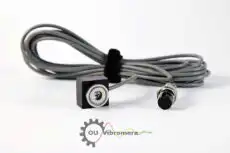
- ਸੈਂਸਰ ਨੂੰ ਸਹੀ ਢੰਗ ਨਾਲ ਮਾਊਂਟ ਕਰੋ। ਇੱਕ ਐਕਸੀਲਰੋਮੀਟਰ ਬੇਅਰਿੰਗ ਹਾਊਸਿੰਗ ਨਾਲ ਮਜ਼ਬੂਤੀ ਨਾਲ ਫਿਕਸ, ਹਰ ਵਾਰ ਉਸੇ ਬਿੰਦੂ ਤੇ, ਸਹੀ ਮਾਪ ਦਿਸ਼ਾ ਵਿੱਚ, ਦੁਹਰਾਉਣਯੋਗ ਡੇਟਾ ਦੀ ਨੀਂਹ ਹੈ।
- ਸਮੁੱਚਾ ਪੱਧਰ, ਸਪੈਕਟ੍ਰਮ, ਵੇਵਫਾਰਮ ਅਤੇ ਫੇਜ਼ ਪ੍ਰਾਪਤ ਕਰੋ। ਓਪਰੇਟਿੰਗ ਗਤੀ ਤੇ ਕੁਝ ਸਕਿੰਟਾਂ ਦਾ ਡੇਟਾ ਕੈਪਚਰ ਕਰੋ, ਇੱਕ ਟੈਕੋਮੀਟਰ ਸੰਦਰਭ ਜਿੱਥੇ 1× ਫੇਜ਼ ਦੀ ਲੋੜ ਹੋਵੇ।
- ਇਤਿਹਾਸ ਅਤੇ ਸੀਮਾਵਾਂ ਦੇ ਵਿਰੁੱਧ ਤੁਲਨਾ ਕਰੋ। ਮਸ਼ੀਨ ਦੇ ਮੁਕਾਬਲੇ ਰੀਡਿੰਗ ਸੈੱਟ ਕਰੋ ਰੁਝਾਨ ਅਤੇ ਮਾਨਤਾ ਪ੍ਰਾਪਤ ਗੰਭੀਰਤਾ ਜ਼ੋਨਾਂ ਦੇ ਵਿਰੁੱਧ (ਹੇਠਾਂ ਦੇਖੋ)। ਮਸ਼ੀਨ ਦੀ ਆਪਣੀ ਬੇਸਲਾਈਨ ਦੇ ਮੁਕਾਬਲੇ ਬਦਲਾਅ ਅਕਸਰ ਕਿਸੇ ਪੂਰਨ ਸੀਮਾ ਨਾਲੋਂ ਵਧੇਰੇ ਸੰਕੇਤਕ ਹੁੰਦਾ ਹੈ।
- ਨਿਦਾਨ ਕਰੋ, ਫਿਰ ਕਾਰਵਾਈ ਕਰੋ। ਚੋਟੀਆਂ ਨੂੰ ਖ਼ਰਾਬੀ ਨਾਲ ਮਿਲਾਓ, ਵੇਵਫਾਰਮ ਅਤੇ ਫੇਜ਼ ਨਾਲ ਪੁਸ਼ਟੀ ਕਰੋ, ਫਿਰ ਸੁਧਾਰ ਦੀ ਸਿਫ਼ਾਰਿਸ਼ ਕਰੋ — ਅਲਾਈਨਮੈਂਟ, ਕੱਸਣਾ, ਬੇਅਰਿੰਗ ਬਦਲਣਾ, ਜਾਂ ਸਾਈਟ ਬੈਲੇਂਸਿੰਗ (ਫੀਲਡ ਬੈਲੇਂਸਿੰਗ).
8. ਫੀਲਡ ਵਿੱਚ ਮਾਪ ਕਿਵੇਂ ਲਿਆ ਜਾਂਦਾ ਹੈ
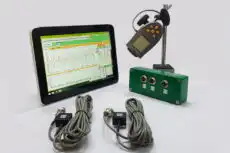
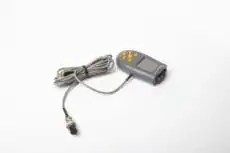
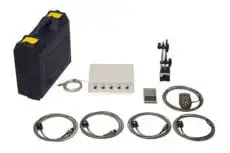
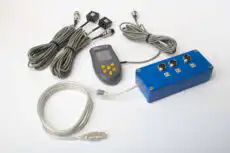
ਅਮਲ ਵਿੱਚ ਇੱਕ ਵਿਸ਼ਲੇਸ਼ਕ ਬੇਅਰਿੰਗ ਹਾਊਸਿੰਗ ਨਾਲ ਜੋੜਦਾ ਹੈ ਐਕਸੀਲਰੋਮੀਟਰ ਓਪਰੇਟਿੰਗ ਸਪੀਡ 'ਤੇ ਕੁਝ ਸਕਿੰਟਾਂ ਦਾ ਡੇਟਾ ਰਿਕਾਰਡ ਕਰਦਾ ਹੈ, ਅਤੇ ਯੰਤਰ ਨੂੰ ਮੌਕੇ 'ਤੇ ਸਪੈਕਟ੍ਰਮ ਅਤੇ ਕੁੱਲ ਪੱਧਰ ਦੀ ਗਣਨਾ ਕਰਨ ਦਿੰਦਾ ਹੈ। ਬੈਲੇਂਸਿੰਗ ਕਾਰਜ ਲਈ ਜਾਣਕਾਰੀ ਦਾ ਇੱਕ ਦੂਜਾ ਟੁਕੜਾ ਜ਼ਰੂਰੀ ਹੈ — ਫੇਜ਼ ਰੈਫਰੈਂਸ — ਜੋ ਇੱਕ ਟੈਕੋਮੀਟਰ ਹਰ ਕ੍ਰਾਂਤੀ 'ਤੇ ਇੱਕ ਪਲਸ ਦੁਆਰਾ ਪ੍ਰਦਾਨ ਕੀਤਾ ਜਾਂਦਾ ਹੈ। ਇੱਕ ਪੋਰਟੇਬਲ ਦੋ-ਚੈਨਲ ਯੰਤਰ ਜਿਵੇਂ ਕਿ Balanset-1A ਬਿਲਕੁਲ ਇਸੇ ਵਰਕਫਲੋ ਨੂੰ ਕਰਦਾ ਹੈ: ਇਹ ਐਂਪਲੀਚਿਊਡ ਅਤੇ ਫੇਜ਼ ਮਾਪਦਾ ਹੈ, FFT ਸਪੈਕਟ੍ਰਮ ਬਣਾਉਂਦਾ ਹੈ, ਅਤੇ ਬਿਨਾਂ ਡਿਸਅਸੈਂਬਲੀ ਦੇ ਸਾਈਟ 'ਤੇ ਸਿੰਗਲ-ਪਲੇਨ ਅਤੇ ਟੂ-ਪਲੇਨ ਬੈਲੇਂਸਿੰਗ ਦਾ ਸਮਰਥਨ ਕਰਦਾ ਹੈ। ਕਿਉਂਕਿ ਰੀਡਿੰਗ ਮਸ਼ੀਨ ਦੀਆਂ ਆਪਣੀਆਂ ਬੇਅਰਿੰਗਾਂ ਵਿੱਚ ਅਸਲ ਭਾਰ ਹੇਠ ਲਈ ਜਾਂਦੀ ਹੈ, ਇਹ ਕਿਸੇ ਬੈਂਚ ਅਨੁਮਾਨ ਦੀ ਬਜਾਏ ਅਸਲ ਚੱਲਣ ਦੀ ਸਥਿਤੀ ਨੂੰ ਦਰਸਾਉਂਦੀ ਹੈ।
9. ਕਾਰਜ ਅਤੇ ਲਾਭ
ਵਾਈਬ੍ਰੇਸ਼ਨ ਵਿਸ਼ਲੇਸ਼ਣ ਲਗਭਗ ਹਰ ਉਦਯੋਗ ਵਿੱਚ ਲਾਗੂ ਕੀਤਾ ਜਾਂਦਾ ਹੈ ਜੋ ਘੁੰਮਣ ਵਾਲੇ ਉਪਕਰਣਾਂ ਦੀ ਵਰਤੋਂ ਕਰਦਾ ਹੈ, ਜਿਸ ਵਿੱਚ ਨਿਰਮਾਣ, ਬਿਜਲੀ ਉਤਪਾਦਨ, ਤੇਲ ਅਤੇ ਗੈਸ, ਜਲ ਉਪਯੋਗਤਾਵਾਂ, ਮਿੱਝ ਅਤੇ ਕਾਗਜ਼, ਸਮੁੰਦਰੀ ਪ੍ਰੋਪਲਸ਼ਨ, ਅਤੇ ਆਵਾਜਾਈ ਸ਼ਾਮਲ ਹਨ। ਗੰਭੀਰਤਾ ਦੇ ਫੈਸਲੇ ਆਮ ਤੌਰ 'ਤੇ ਮਾਨਤਾ ਪ੍ਰਾਪਤ ਸੀਮਾਵਾਂ ਨਾਲ ਜੁੜੇ ਹੁੰਦੇ ਹਨ — ਸਭ ਤੋਂ ਆਮ ਤੌਰ 'ਤੇ ISO 20816 ਲੜੀ (ਜਿਸਨੇ ਪੁਰਾਣੇ ISO 10816 ਨੂੰ ਬਦਲਿਆ), ਮਸ਼ੀਨ ਕਲਾਸ ਦੁਆਰਾ “ਚੰਗੇ” ਤੋਂ “ਅਸਵੀਕਾਰਯੋਗ” ਤੱਕ ਸਵੀਕ੍ਰਿਤੀ ਜ਼ੋਨ ਪਰਿਭਾਸ਼ਿਤ ਕਰਦੀ ਹੈ।
ਇੱਕ ਚੰਗੀ ਤਰ੍ਹਾਂ ਲਾਗੂ ਕੀਤੇ ਪ੍ਰੋਗਰਾਮ ਦੇ ਲਾਭ ਮਹੱਤਵਪੂਰਨ ਹਨ:
- ਵਧਿਆ ਹੋਇਆ ਅਪਟਾਈਮ: ਖ਼ਰਾਬੀਆਂ ਦਾ ਜਲਦੀ ਪਤਾ ਲਗਾਉਣਾ ਵਿਨਾਸ਼ਕਾਰੀ ਅਸਫਲਤਾ ਤੋਂ ਪਹਿਲਾਂ ਰੱਖ-ਰਖਾਅ ਨਿਯਤ ਕਰਨ ਦਿੰਦਾ ਹੈ, ਅਯੋਜਿਤ ਡਾਊਨਟਾਈਮ ਤੋਂ ਬਚਾਉਂਦਾ ਹੈ।
- ਵਧੀ ਹੋਈ ਸੁਰੱਖਿਆ: ਉਪਕਰਣ ਦੀਆਂ ਅਸਫਲਤਾਵਾਂ ਨੂੰ ਰੋਕਦਾ ਹੈ ਜੋ ਕਰਮਚਾਰੀਆਂ ਨੂੰ ਖ਼ਤਰੇ ਵਿੱਚ ਪਾ ਸਕਦੀਆਂ ਹਨ।
- ਘੱਟ ਰੱਖ-ਰਖਾਅ ਲਾਗਤਾਂ: ਸਿਹਤਮੰਦ ਮਸ਼ੀਨਾਂ 'ਤੇ ਬੇਲੋੜੇ “ਰੋਕਥਾਮ” ਕੰਮ ਨੂੰ ਖਤਮ ਕਰਦਾ ਹੈ ਅਤੇ ਵਿਆਪਕ ਸੈਕੰਡਰੀ ਨੁਕਸਾਨ ਹੋਣ ਤੋਂ ਪਹਿਲਾਂ ਸਮੱਸਿਆਵਾਂ ਫੜ ਕੇ ਮੁਰੰਮਤ ਦੀਆਂ ਲਾਗਤਾਂ ਨੂੰ ਸੀਮਤ ਕਰਦਾ ਹੈ।
- ਸੰਪੱਤੀ ਭਰੋਸੇਯੋਗਤਾ ਵਿੱਚ ਸੁਧਾਰ: ਰੱਖ-ਰਖਾਅ ਨੂੰ ਪ੍ਰਤੀਕਿਰਿਆਸ਼ੀਲ ਜਾਂ ਕੈਲੰਡਰ-ਆਧਾਰਿਤ ਮਾਡਲ ਤੋਂ ਬਦਲ ਕੇ ਇੱਕ ਸਥਿਤੀ-ਅਧਾਰਿਤ ਪਹੁੰਚ, ਮਸ਼ੀਨਰੀ ਦੀ ਉਮਰ ਅਤੇ ਕਾਰਗੁਜ਼ਾਰੀ ਨੂੰ ਵੱਧ ਤੋਂ ਵੱਧ ਕਰਦੀ ਹੈ।
10. ਅਕਸਰ ਪੁੱਛੇ ਜਾਂਦੇ ਸਵਾਲ
ਵਾਈਬ੍ਰੇਸ਼ਨ ਵਿਸ਼ਲੇਸ਼ਣ ਅਤੇ ਵਾਈਬ੍ਰੇਸ਼ਨ ਨਿਗਰਾਨੀ ਵਿੱਚ ਕੀ ਅੰਤਰ ਹੈ?
ਨਿਗਰਾਨੀ ਖੋਜ ਕਰਨ ਲਈ ਸਮੁੱਚੇ ਪੱਧਰ ਦੇ ਰੁਝਾਨਾਂ ਨੂੰ ਟਰੈਕ ਕਰਦੀ ਹੈ ਕਿ ਇੱਕੋ ਸਮੇਂ ਕਈ ਮਸ਼ੀਨਾਂ 'ਤੇ ਮਸ਼ੀਨ ਦੀ ਸਥਿਤੀ ਬਦਲ ਗਈ ਹੈ; ਵਿਸ਼ਲੇਸ਼ਣ ਫਿਰ ਨਿਸ਼ਾਨਦੇਹੀ ਕੀਤੀ ਮਸ਼ੀਨ 'ਤੇ ਸਪੈਕਟ੍ਰਮ, ਵੇਵਫਾਰਮ ਅਤੇ ਫੇਜ਼ ਦੀ ਜਾਂਚ ਕਰਦਾ ਹੈ ਤਾਂ ਜੋ ਨਿਦਾਨ ਕੀਤਾ ਜਾ ਸਕੇ ਕਿਉਂ। ਨਿਗਰਾਨੀ ਖੇਤਰ ਨੂੰ ਤੰਗ ਕਰਦੀ ਹੈ; ਵਿਸ਼ਲੇਸ਼ਣ ਨੁਕਸ ਦੀ ਪਛਾਣ ਕਰਦਾ ਹੈ। ਦੇਖੋ ਵਾਈਬ੍ਰੇਸ਼ਨ ਨਿਗਰਾਨੀ.
FFT ਸਪੈਕਟ੍ਰਮ ਕੀ ਦਰਸਾਉਂਦਾ ਹੈ?
FFT ਕੱਚੇ ਟਾਈਮ ਵੇਵਫਾਰਮ ਨੂੰ ਐਂਪਲੀਟਿਊਡ ਬਨਾਮ ਫ੍ਰੀਕੁਐਂਸੀ ਦੇ ਸਪੈਕਟ੍ਰਮ ਵਿੱਚ ਬਦਲਦਾ ਹੈ। ਕਿਉਂਕਿ ਹਰੇਕ ਨੁਕਸ ਇੱਕ ਵਿਸ਼ੇਸ਼ ਫ੍ਰੀਕੁਐਂਸੀ ਨੂੰ ਉਤੇਜਿਤ ਕਰਦਾ ਹੈ — ਅਸੰਤੁਲਨ ਲਈ 1×, ਗਲਤ ਸੰਰੇਖਣ ਲਈ 2×, ਖ਼ਰਾਬ ਬੇਅਰਿੰਗਾਂ ਲਈ ਬੇਅਰਿੰਗ ਨੁਕਸ ਫ੍ਰੀਕੁਐਂਸੀਆਂ — ਪੀਕਸ ਦੀ ਸਥਿਤੀ ਕਾਰਨ ਦੀ ਪਛਾਣ ਕਰਦੀ ਹੈ।
ਕਿਹੜੀ ਫ੍ਰੀਕੁਐਂਸੀ ਅਸੰਤੁਲਨ ਬਨਾਮ ਗਲਤ ਅਲਾਈਨਮੈਂਟ ਨੂੰ ਦਰਸਾਉਂਦੀ ਹੈ?
ਅਸੰਤੁਲਨ 1× ਚੱਲਣ ਦੀ ਗਤੀ 'ਤੇ ਇੱਕ ਪ੍ਰਮੁੱਖ ਪੀਕ ਦਿਖਾਉਂਦਾ ਹੈ, ਜੋ ਜ਼ਿਆਦਾਤਰ ਰੇਡੀਅਲ ਹੁੰਦਾ ਹੈ। ਗਲਤ ਸੰਰੇਖਣ ਆਮ ਤੌਰ 'ਤੇ ਇੱਕ ਮਜ਼ਬੂਤ 2× ਪੀਕ ਪੈਦਾ ਕਰਦਾ ਹੈ ਅਤੇ ਆਮ ਤੌਰ 'ਤੇ ਧਿਆਨ ਦੇਣ ਯੋਗ ਧੁਰੀ (axial) ਵਾਈਬ੍ਰੇਸ਼ਨ ਦੇ ਨਾਲ ਹੁੰਦਾ ਹੈ, ਜੋ ਕਿ ਦੋਹਾਂ ਵਿੱਚ ਫ਼ਰਕ ਦੱਸਣ ਦਾ ਵਿਵਹਾਰਕ ਤਰੀਕਾ ਹੈ।
ਵਾਈਬ੍ਰੇਸ਼ਨ ਵਿਸ਼ਲੇਸ਼ਣ ਲਈ ਕਿਹੜੇ ਉਪਕਰਨਾਂ ਦੀ ਲੋੜ ਹੈ?
ਘੱਟੋ-ਘੱਟ, ਇੱਕ ਐਕਸਲੇਰੋਮੀਟਰ ਅਤੇ FFT ਸਪੈਕਟ੍ਰਮ ਅਤੇ ਸਮੁੱਚੇ ਪੱਧਰ ਦੀ ਗਣਨਾ ਕਰਨ ਦੇ ਸਮਰੱਥ ਇੱਕ ਯੰਤਰ। ਬੈਲੇਂਸਿੰਗ ਅਤੇ ਫੇਜ਼-ਆਧਾਰਿਤ ਨਿਦਾਨ ਲਈ ਤੁਹਾਨੂੰ ਇੱਕ ਟੈਕੋਮੀਟਰ ਸੰਦਰਭ ਦੀ ਵੀ ਲੋੜ ਹੈ; ਇੱਕ ਦੋ-ਚੈਨਲ ਵਾਈਬ੍ਰੇਸ਼ਨ ਵਿਸ਼ਲੇਸ਼ਕ ਜਿਵੇਂ ਕਿ Balanset-1A ਇਹ ਸਭ ਇੱਕ ਪੋਰਟੇਬਲ ਯੂਨਿਟ ਵਿੱਚ ਜੋੜਦਾ ਹੈ।
ਵਾਈਬ੍ਰੇਸ਼ਨ ਵਿਸ਼ਲੇਸ਼ਣ ਖਰਾਬੀ ਦੀ ਭਵਿੱਖਬਾਣੀ ਵਿੱਚ ਕਿੰਨਾ ਸਟੀਕ ਹੈ?
ਜ਼ਿਆਦਾਤਰ ਘੁੰਮਣ ਵਾਲੀ ਮਸ਼ੀਨਰੀ 'ਤੇ ਇਹ ਖਰਾਬੀ ਤੋਂ ਹਫ਼ਤਿਆਂ ਜਾਂ ਮਹੀਨਿਆਂ ਪਹਿਲਾਂ ਵਿਕਸਿਤ ਹੋ ਰਹੇ ਨੁਕਸਾਂ ਦਾ ਭਰੋਸੇਯੋਗ ਤੌਰ 'ਤੇ ਪਤਾ ਲਗਾਉਂਦਾ ਹੈ, ਖਾਸ ਕਰਕੇ ਜਦੋਂ ਰੀਡਿੰਗਾਂ ਨੂੰ ਇੱਕ ਸਥਿਰ ਬੇਸਲਾਈਨ ਦੇ ਵਿਰੁੱਧ ਟ੍ਰੈਂਡ ਕੀਤਾ ਜਾਂਦਾ ਹੈ। ਸ਼ੁੱਧਤਾ ਇਕਸਾਰ ਸੈਂਸਰ ਮਾਊਂਟਿੰਗ, ਸਹੀ ਮਸ਼ੀਨ ਡੇਟਾ, ਅਤੇ ਸਪੈਕਟ੍ਰਮ, ਵੇਵਫਾਰਮ ਅਤੇ ਫੇਜ਼ ਨੂੰ ਜੋੜਨ 'ਤੇ ਨਿਰਭਰ ਕਰਦੀ ਹੈ, ਨਾ ਕਿ ਕਿਸੇ ਇੱਕ ਅੰਕੜੇ 'ਤੇ ਭਰੋਸਾ ਕਰਨ 'ਤੇ।
ਕੀ ਮਸ਼ੀਨ ਬੰਦ ਕੀਤੇ ਬਿਨਾਂ ਵਾਈਬ੍ਰੇਸ਼ਨ ਵਿਸ਼ਲੇਸ਼ਣ ਕੀਤਾ ਜਾ ਸਕਦਾ ਹੈ?
ਹਾਂ। ਇਹ ਇੱਕ ਗੈਰ-ਦਖਲੰਦਾਜ਼ੀ ਤਕਨੀਕ ਹੈ ਜੋ ਓਪਰੇਟਿੰਗ ਗਤੀ 'ਤੇ ਕੀਤੀ ਜਾਂਦੀ ਹੈ, ਜੋ ਕਿ ਬਿਲਕੁਲ ਇਸੇ ਕਾਰਨ ਉਤਪਾਦਨ ਉਪਕਰਨਾਂ ਲਈ ਉਚਿਤ ਹੈ ਜਿਨ੍ਹਾਂ ਨੂੰ ਜਾਂਚ ਲਈ ਔਫਲਾਈਨ ਨਹੀਂ ਕੀਤਾ ਜਾ ਸਕਦਾ।

