Kuelewa Uzalishaji wa Sauti
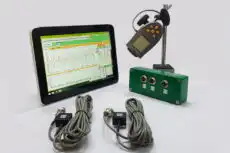

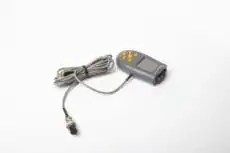
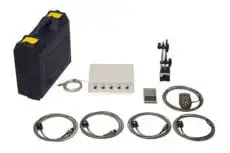
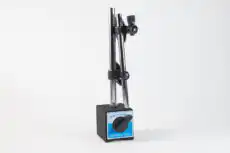

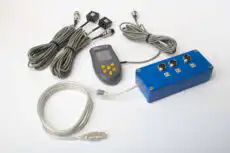
Uzalishaji wa sauti (AE) ni kutengeneza mawimbi ya pind ya elastic iliyojaa katika nyenzo inaposomeka, kueneza rundo, kusugua, au mabadiliko mengine yasiyo na kurudi sana ya muundo wa ndani. Katika mashine ufuatiliaji wa hali ya mashine, AE testing uses sensitive ultrasonic sensors operating in the 100–1000 kHz range to detect these high-frequency stress waves, giving early warning of active damage mechanisms — crack growth, bearing spalling, maundu ya udumbufu unaosababishwa na matatizo, na michakato ya kusugua — ambayo haingekuwa na ncha na mbinu za kawaida vibration analysis.
1. Ufafanuzi: Nini ni Uzalishaji wa Sauti?
Wazo la msingi ni kwamba nyenzo yenyewe ndio chanzo cha ishara. Sehemu iliyochezwa inapozaa, kufa, au kusugua, kutolewa ghafla kwa haraka kwa nishati katika eneo ndogo linatika kama mawimbi ya mvutano ndani ya kigumu, kama vile mstari wa kasoro utangula nishati kama wimbi la seismic. AE kwa hivyo ni kamili kwa uchambuzi wa vibration: vibration inabaini mitambo ya mashine nzima, lakini AE inabaini nyenzo motion kwa kiwango cha mashine nzima, ilhali AE inabaini nyenzo damage kwa kiwango cha microscopiki, mara nyingi ikitoa onyo ya mapema kuhusu kasoro kinachokua. Ni muhimu sana kwa vifaa vya kasi ndogo, chombo cha matani, na miundo ambapo uchambuzi wa vibration ni ngumu au tu hauna heshima kwa njia za nusura muhimu.
2. Vyanzo vya Acoustic Emission
AE hutokea mahali popote nishati ya elastic iliyohifadhiwa kutolewa ghafla. Vyanzo kuu katika mitambo ni:
- Crack-related: kila kupanua kwa kasoro kunatokezesha wimbi la mvutano; mipasuko ya "kupumua" hutoka sehemu zisipokuwa na pembetatu na kuvunjika kwa umeme kunazaa chafu kabla kuonekana nusura yoyote. AE inaweza kugundua shughuli ya kasoro miezi mingi kabla vibration kutembea — faida muhimu sehemu inapotaka kusimama shaft crack or progressive fatigue damage.
- Kasoro za kumimina: matukio ya kufanya (nyenzo kupiga kutoka kwa raceway), uenezi wa mipasuko ya uso, na wasiliano wa asperity wote hutendezesha, mara nyingi hadithi kuliko uchambuzi wa envelope inaweza kuashiria sawa bearing defect.
- Msuguano na kufa: kuslid kusambaa, matukio ya kuadhimisha-kufa, na kufa kwa uyinyaji kunazaa chafu zaidi au ndogo ambayo kiwango chake kinacheza kiwango cha kufa.
- Deformation ya nyenzo: deformation ya plastiki chini ya mzigo mkubwa, composite delamination, na kuvunjika kwa fiber kila mmoja zinazaa chafu za tabia.
3. Mfumo wa Kupima
Kunasa ishara kwa mamia ya kilohertz inahitaji silsileni ya zana inayoshangilia tofauti kabisa na usanidi wa accelerometer wa kawaida.
AE sensors
Sensor za piezoelectric za resonant (100–1000 kHz) zinaunganishwa na miundo na couplant ya acoustic. Wao ni nyeti sana kwa mawimbi ya mvutano wa ultrasonic lakini wenyewe hawajalishi vibration ya audio, ambayo inatwa nje — tofauti na upana accelerometer ya piezoelectric inayotumika kwa kazi ya vibration ya kawaida.
Uuzaji wa ishara
- Preamplifiers: 40–60 dB ya faida inayotumika upande wa sensor kupanda ishara nyumbuvu juu ya moshi wa kebo.
- Filters: kituo cha kwa mzunguko 100–1000 kHz kinachokatakata mitukio ya vibration ya mzunguko wa chini na usuli wa mitambo.
- Detection: kuvuka kizingiti, kuhesabu vituko, na kupima nishati badala ya spektramu ya kawaida.
- Analysis: kubaini kila tukio kulingana na amplitude yake, muda, nishati, na hesabu.
Key parameters
Matokeo ya utambuzi ni seti ya takwimu — hit count (idadi ya matukio ya uzalishaji), event energy (nishati ya ishara iliyogawanywa), RMS level (kipimo cha shughuli ya uzalishaji endelevu), na usambazaji wa amplitude (spektramu ya kiwango cha matukio) — badala ya michoro ya mzunguko inayofahamika ya uchambuzi wa vibration.
4. Matumizi katika Vifaa
AE inakuza mahali popote ambapo uharibifu ni ndogo sana, huendelea polepole, au umefichwa kutokana na sensita za vibration:
- Ufuataji wa bearing: kumtambua mwanzo wa spall kabla kuonekana dalili za vibration, tathmini ya hali ya kilindio, na ufuataji wa msuguano na mabasi — mbegu yenye nguvu ya vibration kwa picha kamili ya bearing.
- Kumtambua ufa: monitoring of active crack growth, pressure-vessel integrity, weld inspection, and broader structural health monitoring.
- Hali ya gia na coupling: tathmini ya ubora wa kuwasiliana na gia, ufuataji wa enzi ya mabasi, na kufuatilia kuharibika kwa miundo ya coupling — kuongeza kina kwa gear defect and kasoro ya coupling diagnostics.
- Vifaa vya kasi ya chini: chini ya takriban RPM 100, uchambuzi wa vibration wa kawaida unakosa nguvu kwa sababu nishati ya kasoro inasambazwa sana; AE haitegemei kasi na inafanya kazi kwa kasi yoyote, ikiwa ni pamoja na sifuri.
5. Faida na Mipango
AE inakuja na uwezo ambao hakuna mbinu nyingine ya ufuataji wa hali inayokamatana, lakini inahitaji ufundi maalum.
Advantages
- Hekima ya juu: it detects damage at the microscopic level, giving earlier warning than vibration and responding to active damage processes as they happen.
- Kugawanya chanzo: sensoli kadhaa zinaweza kutenganisha nafasi ya chanzo cha AE, kutambua kigobzi kipi kinachokufa — muhimu sana katika mitambo tata.
- Kujitegemea kwa kasi: inafanya kazi kwa kasi yoyote ikiwa ni pamoja na kuacha, ambayo inalingana na majaribio ya chombo cha shinikizo (hakuna mzunguko) na mitambo ya kasi ndogo sana.
Limitations
- Complexity: inahitaji vifaa maalum na ujuzi; tafsiri ya ishara ni ngumu na si kulinganisha tu kwa kiwango cha ufuataji wa vibration wa kimsingi.
- Upendeleo mdogo: mawimbi ya masafa ya juu hukataa haraka, kwa hiyo sensoli lazima ziseme karibu sana na chanzo na miundo mikubwa inaweza kuwa na mengi yake.
- Heshima ya mazingira: kelele ya umeme na athari za mitambo isiyojaliwa huunda ishara za uongo, kwa hiyo mazingira ya kupima yenye ukutanishi ni muhimu.
Kwa sababu ya utata huu, AE kawaida inakaa kwa upande wa mbinu nyingine badala ya kuziabdulisha. Inafika katika familia sawa na mbinu za juu za masafa kama uchambuzi wa sauti and the njia ya pulali ya mshtua, na ni fomu iliyokubali ya ujifunzaji usio na hasara.
6. Ujumuishaji na Uchambuzi wa Vibration
AE na vibration ni nguvu zaidi pamoja, kila moja inatumbatumba pengo la nyingine. AE inastahili katika kutambua madhimba ya mapema ya micrometre; vibration inastahili katika tabia ya mitambo inayomakini kama vile unbalance and misalignment. A common workflow uses AE as the tripwire — it flags that active damage is present — and then turns to vibration to confirm the severity and pinpoint the specific fault. The combined confidence is far higher than either method alone, which is why a routine vibration analysis mpango unabaki kuwa mgongo wa wigo wengi wakati AE inahifadhiwa kwa sehemu zitumike kwa mambegu na mali yenye kasi ndogo. Katika mazoezi, mashine ya mzunguko wa kila siku husomatwa kwanza kwa njia ya mtambua wa tarama kama Balancet-1A kwa kufa, si mpango, na matatizo ya mitambo, na AE iletwa kwa ajili ya kesi ngumu, polepole, au muhimu kwa usalama.
In short, acoustic emission offers unique early-warning capability by listening for the ultrasonic stress waves of material damage and deformation. It demands specialised equipment and skill, but by catching active damage at the microscopic level before macroscopic vibration changes appear, it enables the earliest possible intervention on crack-sensitive components and slow-speed equipment.

