Kuelewa Mbinu ya Mapigo ya Mshtuko (SPM)
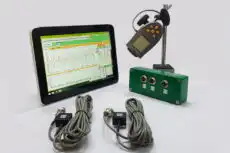

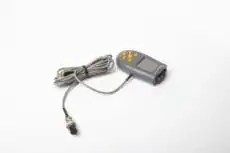
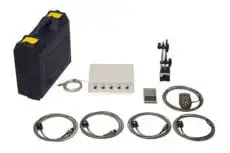


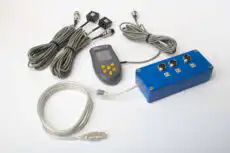
The Shock Pulse Method (SPM) ni maalum, ya umiliki ufuatiliaji wa hali ya mashine mbinu iliyoundwa hasa kwa lengo la kutathmini hali ya vibeba vya vipande vinavyoviringika. Ni tawi la vibration analysis, lakini mbinu yake inatofautiana sana na ile ya kawaida ya uchambuzi wa mawimbi: badala ya kujenga wigo wa masafa spectrum, SPM hupima mawimbi ya mshtuko wa masafa ya juu ambayo kibeba hutoa kila wakati kipande kinachozunguka kinapopita juu ya kasoro kama vile chipukizi au ufa. Kibeba chenye afya, kilicholiwa mafuta vizuri hutoa mfumo wa msongo wa mshtuko wa utulivu na kiwango cha chini; kibeba kilichoharibiwa hutoa misongo yenye nguvu na iliyo wazi inayoweza kugunduliwa kwa urahisi na kifaa.
1. Ufafanuzi: Mbinu ya Msongo wa Mshtuko ni Nini?
SPM inategemea ukweli rahisi wa kimwili. Wakati nyuso mbili ngumu za chuma zinakutana ghafla — kipande kinachozunguka kikigonga ukingo wa shimo, au mgusano mkavu kwa muda mfupi chini ya mzigo — mgongano huzindua wimbi la shinikizo la ultrasoniki kupitia nyenzo. Wimbi hilo la shinikizo, “msongo wa mshtuko”, hufika mapema na tofauti na mtetemo wa mitambo wa polepole zaidi vibration unaofuata. Kwa kupima msongo wa mshtuko moja kwa moja badala ya mtetemo wa jumla wa kifuniko, SPM inapata dirisha la mapema na safi la hali ya ulubrication na hali ya uso wa kibeba. Kwa sababu mbinu hii ni nyeti kwa mgongano wenyewe, inaweza kugundua kasoro inayokua bearing defect muda mrefu kabla kasoro hiyo kukua hadi kuwa kubwa ya kutosha kutawala wigo wa kasi.
2. Jinsi SPM Inavyofanya Kazi
Msingi wa mbinu hii ni accelerometer iliyounganishwa na utaratibu wa kipimo uliofafanuliwa kwa usahihi:
- Kiharakishi kilichoratibishwa: SPM inatumia sensor iliyoratibishwa kwa makusudi kwa resonate kwa masafa ya juu sana — kwa kawaida karibu na 32 kHz. Mwangwi huu wa kimechanika hufanya kazi kama kiimarisha, na kufanya sensor kuwa nyeti sana kwa mgongano wa masafa ya juu na nishati ya chini unaotokana na kasoro ya kibeba, huku ukipuuza mtetemo wa kawaida wa mitambo wa masafa ya chini.
- Ugunduzi wa msongo wa mshtuko: Kifaa hunasa mawimbi ya shinikizo ya muda mfupi kutoka kwa kila mgongano. Kimeundwa kujibu wimbi la mshtuko wa mgongano wenyewe, na si mtetemo wa muundo wa polepole zaidi unaozinduliwa baadaye na mgongano huo.
- Usindikaji wa ishara: Ishara ghafi imepunguzwa hadi nambari mbili muhimu:
- Thamani ya kiwango cha chini (dBc): kiwango cha nyuma cha kudumu cha misongo ya mshtuko ya dhaifu. Kinaonyesha hali ya jumla ya lubrication — thamani ya juu ya kiwango cha chini inaashiria filamu nyembamba au inayoshindwa ya mafuta na mgusano wa chuma-kwa-chuma usio laini unaoendelea unaotokana na hilo.
- Thamani ya juu zaidi (dBm): msukumo mkali zaidi mmoja uliogunduliwa wakati wa kipimo. Thamani ya juu ya kiwango cha juu ni ishara wazi ya kasoro halisi tofauti, kama vile kubonyeza au ufa.
- Ukawaida wa data: Muhimu zaidi, maelezo ya desibeli ghafi yanafanywa kawaida kwa kuzingatia ukubwa wa beari (kipenyo cha shimla) na kasi ya mzunguko. Marekebisho haya huruhusu mfumo kufikia hitimisho rahisi, lenye rangi za msimbo — kijani, njano, nyekundu — ambalo fundi anaweza kusoma kwa mtazamo mmoja bila tafsiri maalum.
Tofauti kati ya thamani ya zulia na thamani ya juu zaidi yenyewe ina taarifa za kiutambuzi: zulia la chini lenye kiwango cha juu mara kwa mara kinaonyesha kasoro iliyotengwa, wakati zulia linalopanda kwa uthabiti mara nyingi linamaanisha mafuta ya kulainisha yanazorota. Utofauti huu wa kulainisha dhidi ya uharibifu ni moja ya sababu kwa nini SPM inakamilisha njia nyingine za ufuatiliaji wa hali ya mashine kipimo vizuri sana.
3. SPM dhidi ya Uchambuzi wa Bahasha
SPM inafanana kidhana na uchambuzi wa envelope (unyambulishaji), njia nyingine inayotumika sana ya kugundua hitilafu za beari. Mbinu zote mbili zinalenga kuchomoa mshtuko wa chini wa nishati wa kasoro ya beari kutoka kwa mtetemo wa kelele wa mashine, na zote mbili zinategemea mawimbi ya msongo wa masafa ya juu ambayo kasoro inayozalisha. Zinatofautiana katika jinsi zinavyofanya hivyo:
| Aspect | Njia ya Mapigo ya Mshtuko | Uchambuzi wa Envelope |
|---|---|---|
| Sensor | Kipimo maalum cha resonansi (≈32 kHz) kilichoratibishwa kinachokiimarisha mshtuko kwa njia ya kimechanikal | Standard accelerometer |
| Method | Hupima kina cha wimbi la mshtuko (dBc / dBm) | Inatumia kichuja cha band-pass, then an FFT of the envelope |
| Output | Hali iliyopewa msimbo wa rangi (kijani / njano / nyekundu) | Wigo wa masafa unaoonyesha masafa mahususi ya hitilafu |
| Strength | Urahisi, unarudiaji, tathmini ya kulainisha | Utambuzi wa kina wa mahali pa hitilafu |
Zote mbili ni bora sana. Uchambuzi wa bahasha kwa kawaida hutoa utambuzi sahihi zaidi — wigo wake wa bahasha unaweza kutofautisha hitilafu ya mstari wa ndani kutoka kwa mstari wa nje kwa kulinganisha vilele na taajweza za kosa la kuzaa (BPFO, BPFI na mengine). SPM, kwa upande wake, inathaminiwa kwa urahisi wake, unarudiaji na uwezo wake wa kipekee wa kutambua matatizo ya kulainisha kabla ya uharibifu wowote wa kimwili hata kuanza.
4. Matumizi
SPM inapata nafasi yake katika matengano ya tabiri mipango mingi, na ni imara hasa katika maeneo matatu:
- Ugunduzi wa mapema wa kasoro za beari: inagundua kasoro katika hatua ya awali sana, ikiwapa wapangaji muda wa kutosha wa kupata vipande na kupanga uingizwaji wakati wa kusimama kwa mashine kwa urahisi.
- Ulainishaji kulingana na hali ya mashine: kwa kufuatilia thamani ya carpet, mafundi wanajua wakati beari inakosa grisi, na wanaweza kuthibitisha baadaye kwamba kuongeza grisi upya kuliurejesha mkondo wa mafuta. Hii inabadilisha ulainishaji wa kiholela unaotegemea kalenda kuwa wenye kipimo, condition-based task.
- Mashine za kasi ndogo: because it responds to impacts rather than to the energy of sustained vibration, SPM remains effective on very slow bearings — the kind that defeat conventional vibration analysis, where each defect produces only a handful of low-energy events per minute.
5. SPM katika Seti Pana ya Zana za Utambuzi
SPM ni bora sana katika kujibu swali moja — “je, beari hii iko salama?” — lakini haisuluhishi hitilafu nyingine zinazosumbua mashine zinazozunguka, kama vile unbalance and misalignment. Katika mazoezi inafanya kazi pamoja na kipimo cha mtetemo wa broadband na field balancing. Kichakataji kisichozidi chini cha njia mbili kama vile Balancet-1A hupima 1× upana na awamu inayohitajika kutambua na kusahihisha kutokuwa na usawa katika beari za mashine yenyewe, huku msongo wa mshtuko au enveloping uthibitisho unaoonyesha kwamba beari hizo zinafaa kuendelea kufanya kazi. Zinapotumika pamoja, mitazamo miwili inatoa picha kamili zaidi ya afya ya mashine kuliko ilivyoweza kutolewa na moja peke yake — na inatukumbusha kwamba hali ya beari inapaswa kuthibitishwa daima kabla ya rota kusawazishwa, kwani kusawazisha mashine yenye beari zinazoshindwa kunachelewa tu jambo lisiloepukika.

