Kuelewa Ufuatiliaji wa Hali

Kufuatilia hali (CM) ni mazoea ya kupima na kufuatilia kwa mara kwa mara au kwa kuendelea trending vigezo vya uendeshaji wa vifaa — hasa vibration, joto, na vipimo vya utendaji — ili kutathmini afya ya mashine, kugundua mapungufu yanayoendelea mapema, na kupanga matengenezo kulingana na hali halisi badala ya ratiba ya kawaida ya kalenda. Ndiyo injini ya kiufundi nyuma ya matengano ya tabiri and matengenezo yanayohitaji hali (CBM): badala ya kurekebisha mashine baada ya kuharibika (tendaji) au kuifanyia ukarabati mkubwa kwa ratiba iwe inahitaji kazi au la (kwa wakati), hatua za uingiliaji hupangwa kwa usahihi kulingana na hali iliyopimwa ya vifaa’.
1. Ufafanuzi: Ufuatiliaji wa Hali ni Nini?
Kimsingi, ufuatiliaji wa hali hubadilisha data ghafi ya sensorer kuwa picha inayosasishwa kila wakati ya afya ya mashine. Kwa kunasa jinsi mashine inavyofanya kazi wakati iko salama, na kufuatilia mabadiliko kutoka kwa kumbukumbu hiyo baada ya muda, mchambuzi anaweza kugundua ishara ya kwanza ya kasoro — mara nyingi miezi kabla ya kushindwa — na kupanga ukarabati karibu na uzalishaji badala ya kuzingira msiba.
Ufuatiliaji wa hali ni muhimu kwa programu za kisasa za matengenezo zinazozingatia uaminifu. Hutoa msingi wa data kwa maamuzi yanayotegemea hali ambayo huongeza muda wa kufanya kazi wa vifaa, hupunguza gharama za matengenezo, huzuia kushindwa kwa maafa, na kuboresha hifadhi ya vipuri. Mfumo mpana wa kuanzisha programu kama hiyo umefafanuliwa katika ISO 17359, ambayo inaweka mwongozo wa jumla wa kuchagua vigezo, kuweka mipaka, na kutenda kulingana na matokeo.
2. Condition Monitoring vs. Predictive, Preventive and Reactive Maintenance
The terms ufuatiliaji wa hali ya mashine, ufuatiliaji unaotegemea hali, utengamaji unaozingatia hali and matengano ya tabiri hutumika kwa upole na mara nyingi kwa kubadilishana, lakini zinaelezea mambo tofauti. Kuzitofautisha kunasafisha sehemu kubwa ya mkanganyiko unaozunguka mada hiyo.
- Ufuatiliaji wa Hali (CM) is the shughuli ya upimaji — kukusanya na kufuatilia vigezo kama vile mtetemo na joto ili kutathmini hali ya mashine. “Ufuatiliaji unaotegemea hali” na “ufuatiliaji wa hali ya mashine” vinarejelea shughuli moja.
- Matengenezo yanayotegemea hali (CBM) is the mkakati wa matengenezo unaotekelezwa kulingana na vipimo hivyo: kazi inachochewa na hali iliyopimwa ya mashine badala ya kalenda. CM hutoa ushahidi; CBM ni uamuzi wa kukarabati.
- Matengenezo ya utabiri (PdM) yanakwenda hatua moja zaidi: yanatabiri mwelekeo wa hali ili forecast kukadiria maisha yaliyobaki ya matumizi, ili ukarabati uweze kupangwa kwa wakati unaofaa zaidi. Kumfadhaika ni CBM yenye makadirio ya muda hadi kushindwa kwa mashine.
- Matengenezo ya kuzuia (yanayotegemea wakati) huhudumia vifaa kwa ratiba iliyowekwa bila kujali hali yake, wakati reactive (run-to-failure) maintenance husubiri hitilafu. Zote mbili huzipuuza hali halisi ya mashine, ambayo ndiyo hasa kinachopimwa na ufuatiliaji wa hali.
Kwa muhtasari: ufuatiliaji wa hali ni data, matengenezo yanayotegemea hali ni hatua inayochukuliwa, na matengenezo ya utabiri ni utabiri. Yote matatu yanategemea vipimo sawa vya ufuatiliaji vilivyoelezwa hapa chini.
3. Teknolojia Kuu za Ufuatiliaji
Hakuna mbinu moja inayoweza kuona kila kitu. Programu iliyokomaa hutumia vipimo kadhaa vinavyosaidiana ili kila kimoja kithibitishe na kuimarisha vingine.
- Uchambuzi wa mtetemo (wa msingi): Kiashiria cha kina zaidi cha hali ya mitambo. Hugundua kasoro za kimwili kama vile unbalance, misalignment, ulegezaji, na matatizo ya bearing, na hutoa onyo la mapema miezi kabla ya kuharibika. Mbinu za kawaida ni pamoja na FFT spectrum, uchambuzi wa envelope kwa hitilafu za mapema za beari, na ufuatiliaji wa muda mrefu wa viwango vya jumla.
- Ufuatiliaji wa joto: Hufuatilia joto la beari na winding na kuonyesha matatizo ya ulubrication, mzigo kupita kiasi, au matatizo ya kupoza. Ni rahisi, ya gharama nafuu, na njia muhimu ya kuthibitisha ukali wa hitilafu iliyogunduliwa tayari na mtetemo.
- Oil analysis: Huchunguza chembe za mmomonyoko, uchafuzi, na kuzorota kwa mafuta ya lubrication. Kwa kuwa inasampuli uchafu halisi unaozunguka kwenye mafuta, inatoa onyo la mapema la mmomonyoko wa ndani ambao vipimo vya uso vinaweza kukosa.
- Thermography: Upigaji picha wa infrared unaofunua maeneo ya joto kupita kiasi katika vipengele vya umeme na mitambo kutoka umbali salama, bila kugusa — bora kwa ukaguzi wa swichgiya, miunganiko, na beari.
- Mawimbi ya akustiki: Husikiliza mawimbi ya msongo wa juu-masafa yanayotolewa na ukuaji wa nyufa, msuguano, na hatua za kwanza kabisa za uharibifu wa beari, mara nyingi hugundua kasoro kabla haijajitokeza katika wigo wa mtetemo wa kawaida.
- Uchambuzi wa saini ya mkondo wa motor (MCSA): Uchambuzi wa saini ya umeme unaogundua hitilafu za rotor-bar na matatizo ya steta bila sensori za uvamizi, ukikamilisha mtetemo kwenye motor za umeme.
Mchanganyiko sahihi unategemea mashine: mtetemo ndio msingi wa ufuatiliaji wa mashine zinazozunguka, huku uchambuzi wa mafuta, thermografia na mawimbi ya akustiki yakiongeza ulinzi wa hali za kushindwa ambazo mtetemo peke yake unaweza kukosa.
4. Sensori na Vifaa vya Ufuatiliaji wa Hali
Kila programu ya ufuatiliaji wa hali imejengwa juu ya vifaa vya maunzi vinavyobadilisha mabadiliko ya kimwili kuwa ishara inayoweza kutumika. Chaguo la sensor hutegemea moja kwa moja kwa kigezo kinachopimwa na masafa ya mzunguko ya hitilafu inayotarajiwa.
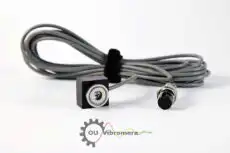
- Accelerometers ni sensori ya msingi ya mtetemo — imara, yenye bendi pana, na bora kwa saini za juu-masafa za beari za mzunguko wa vipande na hitilafu za gia.
- Sensari za kasi (a velometer) zinazojizalishia na zinazofaa vyema kwa bendi ya kati ambapo hitilafu nyingi za mashine zinazozunguka hutokea.
- Njia za karibu ni sensori zisizo na mawasiliano zinazopima msogeo wa shimoni moja kwa moja ndani ya beari za maji-filamu (sleeve) kwenye turbomashini kubwa.
- Sensori za joto (RTDs, thermocouples) na kamera za infrared zinasaidia mbinu za joto, huku sensori za ubora wa mafuta na chembe zikisaidia ufuatiliaji wa lubrication.
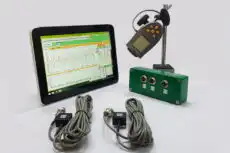
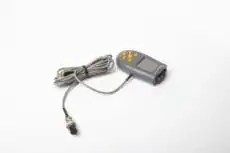
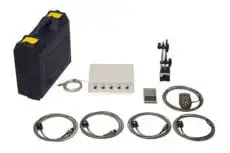
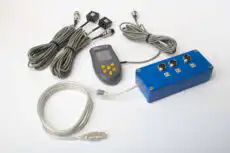
Kwa upande wa ukusanyaji wa data, vifaa vimegawanywa katika familia mbili. Portable wakusanyaji wa data and analysers ni vyombo vinavyobebwa kwa mkono vinavyotumika kupita njia ya kipimo; kitengo cha uwanjani chenye njia mbili kama vile Balancet-1A inarekodia data na pia hutumika kama kichanganuzi cha kubebeka na balancer wa uwanja. Maunzi ya ufuatiliaji wa mkondoni inajumuisha vipimo vilivyounganishwa kudumu vinavyolisha kifaa cha rack au edge device ambacho hufanya sampuli kwa kuendelea na kulinganisha kila usomaji dhidi ya sheria zake za kengele. Uchaguzi wa vifaa ni swali kuu la umuhimu wa mashine, linaloshughulikiwa katika sehemu za utekelezaji hapa chini.
5. Muundo wa Mfumo wa Ufuatiliaji wa Hali ya Mashine
Mfumo wa ufuatiliaji wa hali ya mashine system ni zaidi ya kipimo kimoja kwenye beari. Iwe ni ya kubebeka au iliyosanikishwa kudumu, kila mfumo kamili umejengwa kutoka mlolongo ule ule wa kimantiki, na ni viungo vya baadaye — si kipimo — vinavyobadilisha usomaji mmoja mmoja kuwa taarifa zinazoweza kutekelezwa.
- Sensors iliyowekwa katika sehemu za kipimo kisicho na mabadiliko na linaweza kurudia.
- Ukusanyaji wa data — mkusanyaji wa data au DAQ ambao hudigitisha ishara na kukokotoa kiwango cha jumla, spectrum and time waveform.
- A database inayohifadhi kila kusomwa dhidi ya mashine na uhakika ili historia iweze kupata.
- Mantiki ya kengele na uchanganuzi inayolinganisha kila kusomwa mpya dhidi ya mipaka kamili na baseline.
- Ripoti na mipango ya matumbo ambazo hubadilisha nambari ghafi kuwa mistari ya mwelekeo inayopanda ambayo timu za matengenezo hufanyia kazi, na kulisha mfumo wa maagizo ya kazi.
Tabaka za hifadhidata na ufuatiliaji wa mwelekeo ndizo zinazotofautisha mfumo wa kweli wa ufuatiliaji na kipimo cha mara moja, na ndiyo sababu uthabiti wa mahali, kitengo na utaratibu una umuhimu mkubwa.
6. Mbinu za Utekelezaji
Jinsi data inavyokusanywa inategemea jinsi mashine inavyokuwa muhimu na kwa kasi gani kasoro inaweza kukua.
Ufuatiliaji unaotegemea njia ya kipimo
Fundi anayepita njia iliyowekwa, akikusanya data kutoka kwa kila mashine kwa kutumia data collector or kichanganuzi cha kubebeka kwa mzunguko wa kila wiki, kila mwezi, au kila robo mwaka. Hii ni ya ufanisi wa gharama na inaweza kupanuliwa vizuri katika vifaa vikubwa vyenye mashine nyingi zisizo muhimu sana.
Ufuatiliaji wa kuendelea mtandaoni
Vipimo vilivyosanikishwa kudumu hulisha online system inayopima kwa kuendelea au kwa vipindi vya mara kwa mara vya kiotomatiki, ikitoa tahadhari ya wakati halisi. Gharama kwa kila mashine ni ya juu zaidi, kwa hivyo mbinu hii imehifadhiwa kwa vifaa muhimu ambapo kushindwa kwa ghafla hakukubaliki.
Mbinu ya mseto
Programu nyingi za vitendo zinachanganya hizi mbili: ufuatiliaji wa mtandaoni kwa rasilimali chache muhimu, ukusanyaji wa njia-msingi kwa idadi ya jumla. Hii inaboresha gharama dhidi ya upana wa ufunikaji na ni mpangilio wa kawaida zaidi katika mazoezi.
7. Jukumu la Kichanganuzi Portable Katika Uwanjani
Ufuatiliaji wa njia-msingi unategemea sana ubora wa chombo cha uwanjani. Kichanganuzi portable chenye njia mbili kama Balancet-1A huruhusu fundi wa kuaminika kunasa wigo wa mtetemo na viwango vya jumla katika kila hatua ya kipimo, kuvilinganisha na saini iliyohifadhiwa ya mashine, na kuamua mara moja mahali pale kama kupotoka kunahitaji hatua. Kwa sababu chombo hicho hicho pia hupima 1× upana na awamu, kasoro ambayo ufuatiliaji wa hali hugundua — kwa mfano, kuongezeka kwa mtetemo wa 1× kutoka unbalance — mara nyingi inaweza kusahihishwa mara moja kwa field balancing katika mabearing ya mashine yenyewe, ikifunga mzunguko kutoka kugundua hadi kurekebisha bila safari tofauti au safari kwenye duka la usawa.
8. Utekelezaji wa Programu na Kujenga Msingi
Programu ya ufuatiliaji wa hali inategemea ubora wa usanidi wake. Vizuizi vitatu vya msingi vina umuhimu zaidi.
Uchambuzi wa umuhimu wa vifaa
Panga kila mashine kulingana na athari yake kwa uzalishaji, usalama, na gharama, kisha panga kiwango cha ufuatiliaji ipasavyo. Vifaa muhimu vinapata ufuatiliaji wa mtandaoni; vifaa vya maana vinapata njia za kila mwezi; vifaa vya kawaida vinapata njia za kila robo mwaka au hakuna kabisa.
Kuweka msingi wa marejeleo
Pima kila mashine wakati inajulikana kuwa katika hali nzuri ili kunasa baseline saini yake na kufafanua vigezo vyake vya uendeshaji wa kawaida. Marejeleo haya ndiyo msingi wa ufuatiliaji wa mwelekeo wote — bila hilo, mwelekeo unaopanda hauna kitu cha kupimwa nacho.
Alarm limits
Set viwango vya tahadhari, kengele, na kusimamisha kutoka kwenye misingi ya marejeleo na kutoka kwa viwango vya ukali vilivyotambuliwa kama ISO 20816 (mrithi wa kisasa wa ISO 10816). Mipaka maalum kwa vifaa ina ufanisi zaidi kuliko ya jumla, na inapaswa kuboreshwa kadri uzoefu wa uendeshaji unavyoongezeka.
9. Mfumo wa ISO 17359
Kuanzisha programu si kubahatisha: kiwango cha kimataifa ISO 17359, “Ufuatiliaji wa hali na utambuzi wa makosa ya mashine — Mwongozo wa jumla”, unafafanua utaratibu unaounganisha kila kipengele kilichotajwa hapo juu. Mzunguko wake mkuu unaendelea kuanzia ukaguzi wa vifaa na tathmini ya gharama-faida / uzito wa umuhimu, kupitia kuchagua vigezo na mbinu za kupima, kuanzisha msingi na kuweka vigezo vya tahadhari na onyo, hadi ukusanyaji wa data, utambuzi, na hatua ya mwisho ya maoni inayothibitisha kwamba hatua ya matengenezo ilikuwa na ufanisi.
Kiwango hiki kimejengwa bila kuegemea mbinu maalum — kinatawala mipimo ya mtetemo, joto, mafuta na mingine kwa usawa — na kinakaa ndani ya familia pana zaidi: ISO 13379 inashughulikia ufasiri wa data na utambuzi, ISO 13381 inashughulikia utabiri (makadirio ya muda wa matumizi uliobaki), na ISO 18436-2 inafafanua mafunzo na uhakiki wa ujuzi wa watu wanaofanya kazi hii. Kufuata ISO 17359 ndiko kunakogeuza mkusanyiko wa vipengele vya kupima kuwa programu ya ufuatiliaji wa hali inayoweza kuhalalishwa na kukaguliwa.
10. Faida na Mambo Yanayochangia Mafanikio
Done well, condition monitoring transforms maintenance from reactive or scheduled to predictive and optimised. The payoffs fall into three groups:
- Operational: kuongezeka kwa muda wa uendeshaji kwa kuzuia hitilafu zisizopangwa, kurefushwa kwa maisha ya vifaa kupitia uingiliaji kati kwa wakati muafaka, uendelezaji wa uzalishaji kwa kupanga kazi wakati wa kusimama kwa mpangilio, na kuboresha usalama kwa kuzuia hitilafu mbaya.
- Economic: kupunguzwa kwa gharama za matengenezo kwa kuondoa kazi za kuzuia zisizo za lazima, kupunguzwa kwa akiba ya vipuri kwa kuagiza inapohitajika badala ya “kwa tahadhari tu”, kuzuia uharibifu wa sekondari (wa pamoja) kupitia uingiliaji kati wa mapema, na kazi iliyolengwa zaidi.
- Knowledge: uelewa wa kina zaidi wa njia za kushindwa, maoni yanayoingia katika mibuni na maelezo bora, na hifadhidata ya kihistoria inayokua inayounga mkono maamuzi yanayotegemea data.
Hakuna hata kimoja kati ya hivi kinachofanya kazi kiotomatiki. Mambo manne yanaamua kama programu itafanikiwa: kuendelea kuwa na msaada wa uongozi (rasilimali na mtazamo wa muda mrefu, kwani faida ya uwekezaji inachukua muda); wafanyakazi wenye ujuzi waliofunzwa katika uchambuzi wa mtetemo na tabia ya mashine — ujuzi uliofanywa rasmi katika ISO 18436-2; quality data kutoka kwa taratibu thabiti na vyombo vilivyopimwa; na, zaidi ya yote, hatua kulingana na matokeo. Matokeo ambayo hayafanyiwi kazi kamwe hayana thamani, kwa hivyo ufuatiliaji wa hali lazima ulishe mfumo wa maagizo ya kazi na ujumuishe kitanzi cha maoni ili kuthibitisha kwamba ukarabati ulikuwa na ufanisi.
11. Maswali Yanayoulizwa Mara kwa Mara
Ufuataji wa hali ni nini?
Ufuatiliaji wa hali ni mazoea ya kupima na kufuatilia mwelekeo wa vigezo vya vifaa — hasa mtetemo, joto na hali ya kiowevu cha kusugua — ili kutathmini afya ya mashine na kugundua mapungufu yanayokua mapema, ili matengenezo yaweze kupangwa kulingana na hali halisi ya mashine badala ya kalenda maalum.
Ni nini tofauti kati ya ufuatiliaji wa hali na matengenezo yanayotegemea hali?
Ufuatiliaji wa hali ni shughuli ya kipimo inayokusanya na kuainisha mwenendo wa data; matengenezo yanayotegemea hali (CBM) ni mkakati unaochukua hatua kulingana nayo, ukisababisha ukarabati kutokana na hali iliyopimwa. Matengenezo ya utabiri yanaongeza CBM kwa kutabiria muda gani mashine ina kabla ya kushindwa kufanya kazi.
Mbinu zipi hutumiwa katika ufuatiliaji wa hali?
Mbinu kuu ni uchambuzi wa mtetemo (kiashiria kikuu kwa mitambo inayozunguka), ufuatiliaji wa joto, uchambuzi wa mafuta na chembe za mvamiaji, thermografia ya infrared, utoaji wa mawimbi ya sauti, na uchambuzi wa saini ya mkondo wa motor. Programu nyingi zinatumia mbinu kadhaa sambamba ili kila moja ithibitishe nyingine.
Vihisi na vifaa vipi hutumiwa katika ufuatiliaji wa hali?
Vipimo vya mwendo wa kasi (accelerometers) vinafunika mitambo mingi yenye vipande vinavyozunguka, vihisi vya kasi vinafaa kwa usomaji wa masafa ya kati kwa ujumla, na uchunguzi wa ukaribu hupima kuhamia kwa shimoni kwenye mabearing ya maji. Data inakusanywa ama kwa vichunguzi vya simu na wakusanyaji wa data kwenye njia za mzunguko, au kwa vifaa vya ufuatiliaji wa mtandaoni vilivyowekwa kudumu kwenye mali muhimu.
Mfumo wa ufuatiliaji wa hali unajumuisha nini?
Mfumo kamili unaunganisha vihisi, upatikanaji wa data, hifadhidata ya kihistoria, mantiki ya kengele na uchambuzi, na dashibodi za mwenendo/ripoti. Ni tabaka za hifadhidata na mwenendo — si kihisi — ndizo zinazobadilisha usomaji wa peke yake kuwa mwenendo ambao timu ya matengenezo inaweza kuchukua hatua.
Kiwango kipi kinasimamia ufuatiliaji wa hali?
ISO 17359 inaweka mwongozo wa jumla kwa programu ya ufuatiliaji wa hali — kuanzia mapitio ya umuhimu na uchaguzi wa vigezo hadi mistari ya msingi, mipaka ya kengele, utambuzi na maoni — ikisaidiwa na ISO 13379 (utambuzi wa hitilafu), ISO 13381 (utabiri) na ISO 18436-2 (uthibitisho wa wafanyakazi).

