Kuelewa Cheti cha Calibration
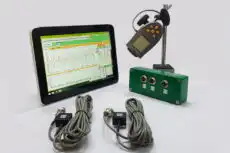
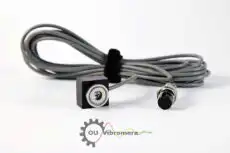
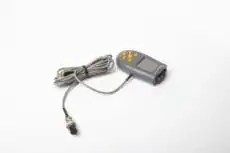
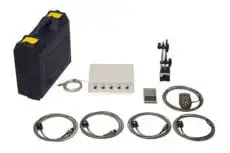

A cheti cha calibration ni hati rasmi ambayo maabara ya calibration inatoa ili kuandika matokeo ya calibration. Kwa sensorer ya mitetemo inakuza iliyopimwa sensitivity, jibu la frequency, mchepuko kutoka kwa thamani ya kawaida, kutokuwa na uhakika wa kipimo, na mlaliko wa uwasilishaji ili rudi kwa viwango vya kipimo vya kitaifa au kimataifa. Kwa muhtasari, cheti ni uthibitisho kuwa chombo kinasema ukweli — kinathibitisha kuwa kifaa kilikabidhi calibration, kumpatia data inayohitajika kurekebisha kusoma, na kuanzisha uwasilishaji ambao mifumo ya usimamizi wa ubora na wahamiaji wanahitaji. Ichumie kama kumbukumbu ya ubora halali: zibaki, zionekane wakati wowote anga la kipimo kimatatizika, na zitumie kuonyesha upatanisho na viwango vya kuhitaji barijani, kama ISO 9001 na ISO/IEC 17025.
1. Cheti cha Calibration Kinachoandika
Cheti kamili hujibu maswali matatu ambayo mkaguzi au mtahlili atauliza hatimaye: which chombo kilichojaribiwa, what yale ambayo maabara iliyokuta, na jinsi inavyoweza kuaminika matokeo hayo. Maudhui yamepangwa katika kuzuza kama kilichokamatia umeme.
Utambuzi wa chombo
- Mtengenezaji na modeli: jina la biashara na namba ya modeli ya kifaa.
- Serial number: kitambulisho cha kipekee kinachounganisha cheti na kitengo kimoja halisi.
- Customer ID: namba ya mali au hazina ya ndani ya mmiliki.’
- Maelezo: aina ya chombo — a accelerometer, a vibration analyser, a heshima proximity probe, and so on.
Takwimu za kusawazisha
- Hasa iliyopimwa: thamani halisi ya matokeo-kwa-ingizo (mV/g, pC/g, nk.).
- Hasa ya kawaida: thamani iliyoainishwa na mtengenezaji.’
- Deviation: asilimia ya tofauti kati ya iliyopimwa na kawaida.
- Frequency response: hasa iliyochorwa au kuorodheshwa kulingana na masafa, ikibaini kuwa sensori ni laini katika bendi yake ya kazi.
- Ukaguzi wa margin: hukumu ya kupita/kukosa dhidi ya mipango iliyoainishwa.
Kauli ya kutokuwa na uhakika
Hakuna kipimo kina usahihi kamili, na shahadat inayothubutu husema hivyo. Kauli ya kutokuwa na uhakika inakadiria mipaka ya usahihi wa kalibresen yenyewe — kwa mfano, “±2% kwa kujiamini 95%” na kipengele cha kukamatia k = 2. Takwimu hii ni lazima kwa shahadat za ISO/IEC 17025 na inakuambia jinsi gani ya kubadilika kupitia ya kweli na jinsi gani inatoka tu katika azimio la kalibresen.
Taarifa za njia inayoweza kufahamika
Upatanishaji ni njia isiyo na mipango ya karatasi inayounganisha kusoma kwako kwa kumbukumbu ya taifa. Shahadat inaandika viwango vya kumbukumbu vinavyotumika (na nambari zao za mfuatano), njia kupitia taasisi ya metrolojia ya taifa kama NIST, na kauli dhahiri ya upatanishaji. Bila minyororo hii, nambari ya homa ni madai tu.
Maelezo ya utawala
- Tarehe ya kalibresen and due date — wakati iliyofanywa na wakati kalibresen ijayo itakuja.
- Maabara ya kalibresen jina na nambari ya kumkubali.
- Technician ambaye alipiga kazi na approver ambaye aliakarisha.
- Nambari ya shahadat — kumbukumbu tu kwa ajili ya kufanya kazi na kupatia.
2. Aina za Shahadat ya Kalibresen
Si kila shahadat ina uzani sawa. Safu tatu ni kawaida, na kuchagua moja sahihi ni usawa wa bei dhidi ya kiwango cha kujiamini kumhitaji programu yako.
Kalibresen inayotupiana na kumkubali
- Inatolewa na maabara inayotupiana na kumkubali ISO/IEC 17025.
- Inabeba logi na nambari ya muumba wa kumkubali.
- Inatoa kiwango cha juu zaidi cha upatanishaji na kujiamini.
- Inahitajika kwa matumizi muhimu na ukaguzi rasmi.
- Ghali zaidi, lakini imetambuliwa kimataifa.
Ukalibreishaji unaoweza kuanisha
- Isiyo na kumngoja rasmi, lakini inafanywa kwa viwango vya kumbukumbu vinavyoweza kuanisha.
- Inodokumenti njia ya kuanisha.
- Si rasmi sana kuliko kazi inayoidhinishwa na bei ndogo.
- Inatanggulizwa kwa matumizi mengi ya jumla ya kugeuzi.
Ukalibreishaji wa ndani ya nyumba
- Inafanywa na kituo kwa kutumia viwango vyake mwenyewe.
- Viwango hivyo vyenyewe lazima vikalibreishwe na maabara inayoidhinishwa.
- Muundo wa cheti unaweza kuwa rahisi zaidi.
- Inafaa mradi taratibu ziko vizuri na zilodokumentwa.
3. Kufanya Kazi na Data ya Ukalibreishaji
Cheti kilichohifadhiwa na kusahau huzaa thamani yake. Namba zile zilizo juu yake hupenya moja kwa moja katika ubora wa kipimo.
Kutumia marekebisho
Wakati homa ya kipimo inapokataa maalum, tumia kipengele cha marekebisho ili kuleta masomeko kuwa ya kweli. Kwa mfano, cheti linaloonyesha 98 mV/g halisi dhidi ya 100 mV/g jinaliyojulikana maanisha unazidisha masomeko kwa 100/98 — marekebisho ya +2%. Chombo cha kisasa kinaweza kumfunga kipengele cha marekebisho ndani ili kitumike kiotomatiki katika kila kipimo.
Tathmini ya kupita/kukosa
- Linganisha thamani iliyopimwa dhidi ya uvumilivu wa hadithi.
- Uvumilivu wa kawaida wa kichezaji ni ±5% juu ya uhuru.
- Ndani ya uvumilivu: endelea kutumia kichezaji.
- Nje ya kigezo: badilisha, au ikubali na hati ya urekebishaji iliyoandikwa.
Mwenendo wa utendaji wa sensari
Kuchora homa ya nyeti kutoka kwa kalibreisheni kadhaa zinazofuatana huzunguka shahada za kawaida kuwa hadithi. Upiga kwenye mwelekeo mmoja unaoadhani inakera sensari inakayozaa kuelekea kikomo chake cha kigezo, na bikira unaweza kupanga mbadala kabla haijashindwa kwa ukaguzi au—zaidi—kimya huharibisha yako baseline data na inachanganya kila trend analysis built on it.
4. Shahada katika Muongozo wa Karibu na Ajozi
Kwa maamuzi ya kila siku na field balancing, shahada ni dhamana chafu kwamba namba nyuma ya uamuzi ni halisi. Wakati chombo cha chaneli mbili kinachobeba kama Balancet-1A hupima 1× upana na awamu ya rotor, na kuhesabu mgawo wa ushawishi, na kusanidi kutokuwa na usawa maalum against an ISO 21940-11 kiwango, kila moja ya takwimu hizo inapatikana kuaminika kwa nyeti inayopimwa ya wataasa na usahihi wa wakati wa tachometer. Ripoti ya ajozi inayosema “ndani ya G2.5 saa 3000 rpm” inaweza tu kukamatia kama sensari zilizouzalisha kuwa na shahada za sasa. Kusarifu hali ya mashine dhidi ya ISO 20816-1 eneo la kiwango inaegemea msingi huo huo.
5. Kusimamia Shahada kwa Wakati Wao
Kuhifadhi rekodi
Retain every calibration certificate — ideally permanently — in electronic and/or paper form, organised by instrument serial number and readily accessible for audit. An organised archive is the difference between a five-minute audit response and a frantic search.
Mfumo wa ufuataji
Hifadhidata rahisi au lahajedwali inapaswa ufuataji vyombo vyote, ukaguzi wa tarehe za jinsi na onyo la mapema, kushikilia data ya kalibreisheni ya kihistoria, na onyesha hali ya kila kitengo—katika kalibreisheni, kuzamia, au nje kwa kalibreisheni.
Tathmini ya ukaguzi
Ukaguzi safi unamaanisha kila kipande cha chombo cha kupima kinashakula, kila kitengo kinashikilia shahada ya sasa, hakuna zilizozamia, na kufuatilia kwa mwisho kwa mwisho niko hati.
6. Matatizo ya Kawaida na Jinsi ya Kuwazuia
Kalibreisheni iliyozamia
Mara tu sertifikat inapotoka, vipimo vya chombo vinakuwa secni sawa kuwa batili na vinaweza kusambaza kauli, wakati mwingine kulazimisha kupima upya na vifaa vilivyosanidi. Dawa ni mfumo wa kufuatilia unaoofanya onya mapema kabla ya tarehe ya kumalizika.
Sertifikat zilizopotea
Ikiwa sertifikat inapotea, uzinduzi unaotoa kawaida unaweza kawaida kusambaza nakala - mauzinduzi mengi hufanya akaunti kwa miaka mitano hadi kumi, ingawa wanaweza kuoza ada. Kuweka nakala za elektroniki za nyuma hufanya tatizo kupoteza kabisa.
Matokeo yasiyokidhi kiwango
Wakati sertifikat mpya inaonesha kuwa chombo kilikuwa kando ya uwakilishi, lazima kutathmini matokeo ya vipimo vilivyofanywa tangu kukamatia chake cha mwisho kizuri. Usomeno muhimu unaweza kuwa na kurudiwa, na uchafuzi na hatua ya kurekebisha inapaswa kuandikwa.
7. Gharama na Ugawaji
Gharama ya kusanidi
- Accredited: kawaida kutoka kuzunguka 100 hadi 500-pamoja vitengo vya fedha kwa kila kuzua, kutegemea kunambari.
- Non-accredited: kawaida katika 50 hadi 200 mashine.
- Punguzo la kiasi vinakufa kupatikana mara kwa mara, kwa hiyo bajeti kwa kusanidi kwa kila mwaka kote safu.
Muda wa kurudisha
- Muda wa kawaida wa kurudisha ni wiki mbili hadi nne.
- Huduma ya haraka kawaida inapatikana kwa ada iliyoongezwa.
- Jipanga mapema kwa hiyo kusanidi hakufanyi kuchagua mpango wa uchunguzi wako.
- Jalia vitengo vya ziada ili kukamatia vipindi wakati vitengo vinapofanya kusanidi.
Muhimu, sertifikat za kusanidi ni nyaraka za ubora inayothibitisha dokezu ya chombo, kuanzisha ushawishi, na kukunja data inayohitajika kwa marekebisho ya vipimo na mwelekeo wa juu wa kuzua-usiwi. Kusimama kwa nidhamu sertifikat - kufahamu muundo, kuweka kila vitengo sasa, na kufanya akaunti ambapo mwanakuthari anaweza kupata - ni ya msingi kwa ufuatiliaji wa mitetemo mpango na kwa umaamuzi ya kanuni.

