Accelerometer ni nini? Mwongozo wa Uchambuzi wa Vibration
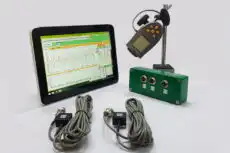
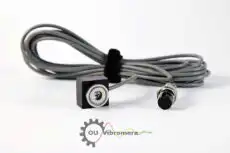
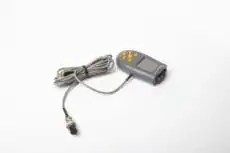
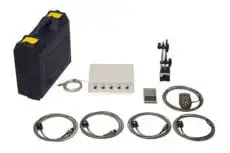

An accelerometer is a transducer (au sensor) inayobadilisha mwendo wa mitambo — haswa acceleration inayotokana na vibration au mabambiko — kuwa ishara ya umeme sambamba. Hii ni bila shaka sensor inayotumiwa zaidi sana katika matengano ya tabiri and ufuatiliaji wa hali ya mashine. Kwa kupima jinsi nukta juu ya mashine inapobadilikabadilika kasi, accelerometer inatoa data ya kimsingi inayoruhusu mtahlili kugundua kwenye upeo wa bahati makosa ya kimakaniki na umeme — kuanzia matatizo ya bearing to unbalance and misalignment.
1. Ufafanuzi: Msingi wa Kipimo cha Vibration
Kuongeza kasi ndicho kwa asili kizaji cha kupima katika mashine zenye rotor kwa sababu vikosi vya kimacho vinavyodhuru mashine — vikosi vya sentrifuga kutoka sehemu nzito, mdaraka kutoka sehemu iliyochomeka ya mlangano wa kuzaa — vina uhusiano na kuongeza kasi. Accelerometer inajibu moja kwa moja vikosi hivi, ambayo ndio sababu iko katikati karibu ya kila msaada wa kuchambua mitikisiko and data collector.
Moja ya nguvu za vitendo za accelerometer ni kwamba ishara yake ya kuongeza kasi inaweza kuingizwa katika elektroniki integrated once to give velocity (mm/s), na mara mbili ili kutoa displacement (µm). Sensor moja iliyowekwa vizuri hivyo inachukua vitengo vitatu vya vibration vya kawaida, ikiruhusu mtahlili kuchagua kile kinachogundua kwa heri akosa lolote.
2. Jinsi Accelerometers Zinavyofanya Kazi? Kanuni ya Piezoelectric
Ingawa kanuni nyingi za kimwili zipo, idadi kubwa ya accelerometers zinazotumiwa kwa mashine za viwanda zinazosasasuwa athari ya piezoelectric. Mlolongo wa kazi ni wazi:
- Kioo cha piezoelectric: Ndani ya sensor wingi mdogo wa ufundi maadhimisho unaunganishwa piezoelectric kitu — kawaida seramiki kama PZT, au katika sensors ya ubora juu kioo cha quartz kilichokatwa kwa usahihi.
- Kutumia nguvu: Wakati mashine vibrates, nyumba yake husogea pamoja nayo. Kwa wazi, wingi wa ndani unakabiliana na harakati hiyo na kutekeleza nguvu juu ya kioo — sawa, kulingana na sheria ya pili ya Newton, uzani mara kuongeza kasi.
- Kutengeneza ishara: Kioo cha piezoelectric kilichoambukizwa huzalisha malipo madogo ya umeme yanayolingana moja kwa moja na nguvu iliyotumika, na hivyo kuongeza kasi.
- Pato: Elektroniki ya ndani inaandaa malipo haya na kuipitisha kupitia kebo kwa mkusanyaji wa data au mfumo wa kuzamili kama kielekezi cha kinema cha kuongeza kasi katika hatua hiyo.
Jinsi malipo haya yanavyoandaliwa inaeleza familia mbili za kawaida. A charge-output sensor hutoa malipo safi kwa amplifier ya nje charge amplifier na huvumilia joto sana juu. Zaidi ya kawaida katika jiji ni IEPE (or voltage-mode) type, ambayo inajengeza amplifier ndani ya sensor na hutoa voltage ya impedance ya chini inayosafiri vizuri chini ya kebo ya kawaida ya mig-jibu. Muundo imara kabisa hutumia shear construction, ambayo inatenganisha krystal kutoka kwa kuinama kwa base na mabadiliko ya joto.
3. Aina za Accelerometers
Programu tofauti zinahitaji sensors tofauti, kila moja yenye nguvu zake.
General-Purpose Accelerometers
Hizi ni wafanya kazi wa ujiru wa njia. Kwa kawaida zinatoa sensitivity ya 100 mV/g na anuwai ya frequency inayolingana na mashine nyingi za kawaida kama vile pumpu, motors na fans — zaidi au chini 2 Hz kwa 10 kHz.
MEMS Accelerometers
Micro-Electro-Mechanical Systems (MEMS) accelerometers ni zilizoandaliwa na silicon, ndogo sana, nguvu ya chini na kosti yenye faida. Kwa historia chini ya kama piezoelectric types, mifumo ya MEMS ya sasa inapabadilika haraka na ni kawaida katika elektroniki ya uraia, mifumo ya magari, ufuatiliaji wa serikali nodes na uongozaji wa chini wa hali.
Piezoresistive Accelerometers
Zinatumiwa kwa uzoefu wa mshtuko na mwendo wa frequency ya chini, sensors hizi hujibu sasa kwa 0 Hz (DC acceleration), ambayo inafanya wawe na faida katika kupima kasi ya ulinganifu katika centrifuge au mwendo wa polepole wa gari.
High-Frequency Accelerometers
Zilizoundwa kuanguka matukio ya juu-frequency kama vile ubaya wa aajabu wa gia na bearing, sensors hizi hutumia seismic mass ndogo na frequency ya resonant ya juu, kuruhusu kipimo sahihi hadi 20 kHz au zaidi — anuwai ambayo mbinu kama uchambuzi wa envelope and the njia ya pulali ya mshtua live.
4. Maalum na Uteuzi
Wakati wa kuchagua accelerometer, wahandisi wanakabili parameter kadhaa:
- Sensitivity (mV/g): Sensitivity ya juu hutoa matokeo ya nguvu, bora kwa kukamatia vibration ya kiwango cha chini; 100 mV/g ni kiwango cha jiji cha kawaida.
- Frequency response: Bandi ya jinsi ambayo sensorer inasoma kwa usahihi. Inapaswa kunyumbulika frequencies za kushindwa za mashine, na mipango raisi chini ya sensorer yenyewe tabia asili (nishati ya kupiga kwa kutosha) ya resonance.
- Temperature range: Sensorer inapaswa kubaki nchi ya joto ambapo inakamatia; a sensor ya joto mara nyingi inakamatia kwa ajili ya surveillance iliyoundwa.
- Mounting method: Jinsi ambayo sensorer inakamatia — stud, adhesive au magnet — inaziri sana accuracy ya frequency nzuri. A stud mount kwa ISO 5348 inatoa coupling nzuri na bandwidth kubwa inayoweza kutumiwa; magnet ni rahisi kwa route work lakini inapunguza limit ya frequency nzuri. Poor mounting inaweza kuanzisha false mounting resonance ambayo inasimama kama kushindwa kwa mashine.
Unaweza kukadiria bandwidth penalty ya kamatilizi fulani na Kikokotoo cha Kina endelezo la Kusanidi Senseka ya Kasi kabla ya kujidata kwa mpango wa mounting.
5. Applications in Condition Monitoring
Accelerometers inakamatia karibu kila vibration analysis kazi, ikiwa pamoja na:
- Predictive maintenance programs: kuvutia data ya kawaida kwenye route kutathmini afya ya mashine na kutabiri hivyo maungu.
- Utambuzi wa hitilafu: kutambua kutokuwa na uzani, kukosa kugawania, na hitilafu nyingine za uendeshaji. looseness and bearing wear from the wigo wa mitetemo.
- Jaribio la kupokea: kupatia kuwa mashine mpya au iliyotengenezwa inakamatana na viwango vya mitetemo kama vile ISO 20816 (mpinzani wa kisasa wa ISO 10816).
- Uchambuzi wa mtindo: studying the frequency za asili and mode shapes wa muundo.
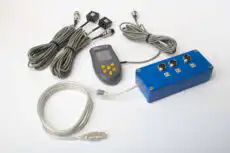
Kuzuia uzani uwanjani ni moja ya kazi zisizotakikana zaidi ya hizi, kwa sababu inahitaji amplitude and the phase ya mitetemo ya mara moja kwa kila mapishi. Chombo cha vyenye channeli mbili kilichoweza kubebwa kama Balancet-1A kinachukua accelerometers zake mbili, kinazifunika kwenye tachometer mapishi, na kupima amplitude na awamu ya 1× moja kwa moja kwenye miamvua mwenyewe ya mashine kwa kasi ya uendeshaji — kubadilisha mwenyewe kumbukumbu ya mwanzo ya sensorer kuwa mgawo wa athari na uzani wa marekebisho yanayohitajika kuzuia rotor uwanjani.

