Kuelewa Usawa Usioondolewa




Kutofautiana kwa sehemu ni kiasi cha unbalance inayobaki katika rota after the kusawazisha mchakato umekamilika. Ni kiasi kidogo, kilichokusudiwa cha usawa usioondolewa ambacho kinaruhusiwa kubaki ndani ya rotor kwa sababu kupunguza zaidi hakutaleta faida yoyote ya vitendo. Kwa maneno mengine, usawa usioondolewa si kushindwa kwa usawazishaji — ni target of balancing.
1. Ufafanuzi: Usawa Usioondolewa ni Nini?
Kila rotor halisi hubeba usawa fulani usioondolewa. Usawazishaji kamili — mhimili wa uzito unaolandana kabisa na mhimili wa shimoni — hauwezi kufikiwa, na kuufuatia ni bure kiuchumi. Kazi ya usawazishaji kwa hiyo si kuondoa usawa usioondolewa bali kuupunguza chini ya kiwango ambacho vibration inayozalishwa ni isiyo na madhara kwa mashine. Usawa usioondolewa uliobaki mara kiwango hicho kinapofikiwa ndio usawa usioondolewa.
Usawa usioondolewa unaonyeshwa kama uzito ulizidishwa na radi — kwa kawaida katika gramu-milimita (g·mm) au gramu-inchi — kwa sababu nguvu ya katikati ya mzunguko rotor inayohisi inategemea uzito kiasi gani uko nje ya katikati na umbali wake kutoka kwenye mhimili. Nukta nzito ya 1 g kwenye radi ya mm 100 (100 g·mm) inalingana, katika athari yake, na nukta nzito ya 2 g kwenye mm 50.
2. Uvumilivu wa Usawazishaji — Kiasi Gani Kinaruhusiwa?
Usawa usioondolewa unaoruhusiwa upeo unawekwa na kusambaza. Njia inayokubaliwa kimataifa inatoka katika ISO 1940-1, sasa imejumuishwa katika kisasa ISO 21940-11 mfululizo. Inafafanua Viwango vya Ubora wa Usawazishaji (daraja la G) — G6.3, G2.5, G1.0 na kadhalika — ambapo nambari ni kasi ya mzunguko inayoruhusiwa ya kitovu cha uzito wa rotor katika mm/s.
- A nambari ndogo ya G inamaanisha uvumilivu mkali zaidi na usawa wa mabaki unaoruhusiwa mdogo zaidi. Rotors za pampu na mashabiki kwa kawaida ni G6.3; spindles za mashine za usahihi zinahitaji G1.0 au bora zaidi.
- Usawa wa mabaki unaoruhusiwa huongezeka pamoja na uzito wa rotor na hupungua kadri kasi ya utendaji inavyoongezeka — rotor ya kasi lazima isawazishwe kwa usahihi zaidi kuliko ile ya kasi ndogo yenye uzito sawa.
Hesabu — kubadilisha daraja la G na kasi ya utendaji kuwa thamani inayoruhusiwa ya g·mm, kisha kuigawanya kati ya nyuso za marekebishaji — ni rahisi kukosea kwa mkono. Unaweza kuihesabu mara moja kwa kutumia Kikokotoo cha Kutokwezeana Mabaki (ISO 21940-11), ambayo hubadilisha daraja la G na kasi ya utendaji moja kwa moja kuwa g·mm inayoruhusiwa kwa kila uso wa usahihishaji.
3. Kwa Nini Usawa wa Mabaki Daima Upo
Mambo kadhaa ya vitendo yanahakikisha kwamba baadhi ya usawa mbaya daima hubaki:
- Uwezo wa mwisho wa chombo: kila mashine ya usawazishaji na kichunguzi cha uwanjani kina usawa mdogo zaidi ambao inaweza kuugundua kwa uaminifu.
- Makosa ya zana na ufungaji: arbors, mandrels na adapters zinaleta upotovu mdogo wa mhimili wa nazo wenyewe.
- Mabadiliko ya mkutano: vifungo, viunganishi na vitebeo hubadilisha kidogo uzito wa rotor’s wakati mashine inarekebinishwa baada ya usawazishaji.
- Mabadiliko ya utendaji: upanuzi wa joto, kuchakaa, mmomonyoko na mkusanyiko wa bidhaa vyote hubadilisha hali ya usawazishaji wa rotor wakati wa utumizi.
- Matokeo yanayopungua: kupunguza nusu usawa wa mabaki kunaweza kuongeza mara mbili muda wa kusawazisha, kwa hivyo kuna hatua ya busara ya kusimama.
4. Kupima na Kuthibitisha Usawa wa Mabaki
Usawazishaji ni mzunguko wa hatua kwa hatua: pima usawa usio sawa wa sasa, ongeza au ondoa uzani wa kurekebisho, pima tena, na rudia hadi usomaji uanguke chini ya kiwango cha uvumilivu. Ripoti kamili ya usawazishaji inapaswa daima kutaja zote mbili: initial usawa usio sawa na hatimaye residual unbalance for each plane — for example, “0.5 g·mm left plane, 0.8 g·mm right plane, within G2.5 at 3000 rpm.”
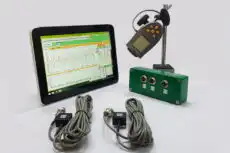
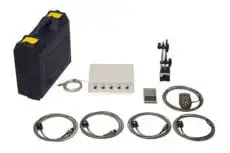
Kwenye mashine zilizokusanywa, uthibitisho huu hutokea mahali pa kufanyia kazi badala ya kwenye mashine ya kusawazisha. Kichanganuzi cha kubebeka chenye njia mbili kama vile Balancet-1A hupima 1× upana na awamu kabla na baada ya marekebisho, huhesabu mgawo wa ushawishi wa rotori, na kuthibitisha kwamba mtetemo wa mabaki — na kwa hivyo usawa usio sawa wa mabaki — uko ndani ya daraja lililochaguliwa la ISO 21940-11. Kwa sababu inafanya kazi kwenye vifaa vya kuegemea vya mashine yenyewe kwa kasi ya uendeshaji, inakamata hali ya kweli ya mabaki ambayo rotori itaendesha, ikiwemo athari za ukusanyaji na joto ambazo mashine ya kusawazisha haiwezi kuona.
5. Usawa Usio Sawa wa Mabaki dhidi ya Usawa Usio Sawa wa Awali
Inasaidia kuweka maneno mawili tofauti. Usawa usio sawa wa awali ni kile rotori ilikuwa nacho kabla ya marekebisho yoyote — mara nyingi ni kikubwa na ndiyo sababu mtetemo uligundulika mara ya kwanza. Kutofautiana kwa sehemu is what is intentionally left after correction, verified against tolerance. The ratio between them is a useful measure of how effective the balancing job was: reducing a rotor from 250 g·mm to 4 g·mm represents a better than 98% reduction and a clean pass for most industrial grades.

