Kuelewa Kusawazisha Kwa Ardhi (Kusawazisha Kwa Situ)


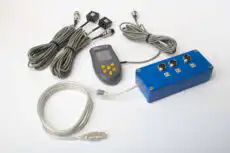
Kusawazisha shamba, also known as kusawazisha kwa situ, ni mchakato wa kusahihisha unbalance of a rota wakati inapoendeshwa katika kuzamishaji kwake mwenyewe na muundo wa kusambaza, kwa au karibu na kasi yake ya kawaida ya uendeshaji. Tofauti na kusawazisha mahazini, ambapo rotor inasambazwa na kuweka katika mashine ya kusawazisha, kusawazisha kwa ardhi kunafanywa kwa situ na mashine ikawa haba kamili. Ni fomu ya vitendo na kila siku ya rotor balancing kwa timu za matengenezo na utegemezi, kwa sababu inasahihisha mashine jinsi inavyoendeshwa.
1. Ufafanuzi: Kusawazisha Kwa Ardhi Ni Nini?
Mchakato kawaida hutumia msaada wa kuchambua mitikisiko to measure the amplitude and phase of the 1× (running-speed) vibration, ambatanisha trial weight ya uzani unaojulikana, pima upya matokeo mapya ya vibration, kisha hesabu uzani wa kurekebisho na mahali pake ya angular. Kwa sababu rotor inabaki katika kuzamishaji kwake, matokeo yanareflect hali ya kweli ya kuendeshwa kwa mashine badala ya hali iliyokamilika katika kiti cha kusawazisha.
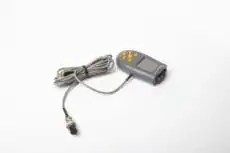
Kumbukumbu cha awamu haupaswi kuwa na kupunguka: chezaji lazima kijua where shafti iko kila papo moja kubadilisha kilele cha mtetemo kuwa pembe ya eneo nzito. Kumbukumbu hicho kinakuja kwa tachometer kueneza mara moja kwa kila mzunguko, kawaida kutoka kwa ukanda wa bendera inayoakisi.
2. Kwa Nini Uwezeshaji Shambani Unahitajika?
Ingawa kusambaza dukani ni sahihi sana, haiwezi kuandaa kila sababu inayoathiri usambazaji wa mashine katika mazingira yake ya uendeshaji. Uwezeshaji shambani unahitajika wakati usambazaji unasababishwa na — au unaweza kurekebwa tu kwa — kuzingatia mashine nzima iliyoundwa. Sababu za kawaida zinajumlisha:
- Usambazaji wa mkutano: usambazaji wa mwisho wa mashine ni jumla ya usambazaji wa sehemu zake zote zinazozunguka (pweza, shafti, coupling, sheave, funguo na vifungashi). Uwezeshaji shambani hurekebeza usambazaji wa mkutano mzima kwa wakati mmoja, jumuisha mabadiliko madogo yaliyoletwa wakati mashine ilijengwa upya.
- Athari za uendeshaji: usambazaji unaweza kujitokeza kutokana na hali zinazoonekana tu chini ya uendeshaji wa kawaida, kama vile upotovu wa joto of the rotor, nguvu za aerodynamic, or nguvu za hydraulic. Hizi haziwezi kurudiwa kwenye mashine ya kusambaza dukani.
- Mkusanyiko au mzeyuko wa nyenzo: kwa mamilioni, pambazi na centrifuges, mkusanyiko wa bidhaa usio na usawa au usio na usawa wear husababisha usambazaji kuendelea wakati. Uwezeshaji shambani ndio njia pekee ya vitendo ya kurekebeza hili bila kubadilisha kabisa.
- Ukosefu wa ingia: kwa mashine kubwa sana — mamilioni mikubwa ya sekta, jenereta za terbine — kuondoa rotor kwa kusambaza dukani ni gharama kubwa sana na inachukua wakati. Uwezeshaji shambani ni suluhu rahisi sana zaidi na haraka, na ndio msingi wa vigezo vya in-situ katika ISO 21940-13.
3. Mchakato wa Kusawazisha Shambani (Mbinu ya Mgawo wa Ushawishi)
Mbinu ya kawaida zaidi ya kusawazisha shambani ni njia ya mgawo wa ushawishi, ambayo inafuata mlolongo wa mantiki na inayorudiwa:
- Initial run: mashine inaendeshwa kwa kasi yake ya kawaida ya uendeshaji, na amplitude ya vibration ya 1× ya awali na awamu — kutokuwa na usawa kwa awali vekta — zinajifunza na kuandikwa.
- Uwekaji wa uzani wa mtihani: mashine inasimamishwa na uzani wa mtihani wa molecular inayojulikana huwekwa kwa usalama kwenye rotor katika nafasi ya angular inayojulikana.
- Trial run: mashine inaendeshwa tena kwa kasi sawa. Amplitude na awamu mpya ya vibration (vekta ya jibu) zinajifunza na kuandikwa.
- Calculation: mabadiliko katika vekta ya vibration yanayosababishwa na uzani wa mtihani hutoa influence coefficient, inayoeleza jinsi gani vibration katika sehemu ya kipimo inabadilika kwa kutokuwa na usawa kuliko katika mahali pa kusawazisha. Kichanganuzi kinaunganisha mgawo huu na vekta ya awali — kwa kutumia kuongeza vekta — mahesabu ya wingi halisi na pembe ya kusawazisha inayohitajika.
- Uwekaji wa uzani wa kusawazisha: mashine inasimamishwa, uzani wa mtihani unachukuliwa, na uzani wa kusawazisha uliokadiria huwekwa kwa daimoni katika pembe iliyoainishwa.
- Kukimbia kwa uthibitisho: mashine inaendeshwa mara ya mwisho ili kuthibitisha kuwa vibration imeshuka hadi kiwango kinachokubali, kwa mujibu wa viwango kama vile ISO 20816-1, and that the kutokuwa na usawa maalum iko ndani ya uvumilivu uliochaguliwa.
Rotors rahisi zinashughulikiwa na usawazishaji wa uso mmoja; rotors marefu yanayoonyesha sehemu ya jozi inahitaji msaada wa nyuso mbili (kielektroniki) unaosawazisha. A kikokotoo cha uzani wa kujaribu husaidia kuchagua uzani salama na wenye ufanisi kwa ajili ya mkakati wa kwanza wa kujaribu.
4. Msaada wa Uwanja kwa Mazoezi na Muhuri wa Kuzunguka
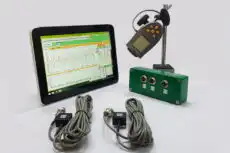
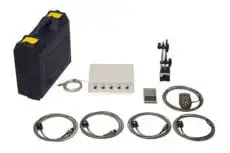
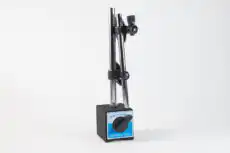
Katika uwanja, kitanzi kizima hapo juu kinafanya kazi na kizazi cha simu kwa mikono moja badala ya mahali pa kusawazisha. Muhuri wa chaneli mbili unaofanana na Balancet-1A hupima shakla la 1× na awamu kwenye kila gimba, hujifunza mgawanyiko wa athari kiotomatiki, na kuongoza marekebisho ya uso mmoja na nyuso mbili — kisha kuangalia usawa wa baki kupinga ISO 21940-11 daraja la ubora wa msaada. Kufanya kazi katika gimba lenyewe la mashine kwa kasi ya kufanya kazi, inakamata hali ya kusonga kweli — mkusanyiko, athari za joto na aerodynamic kujumuishwa — ambayo mashine ya duka haiwezi kurudi nyuma. Lazer ya kumeza ya jivu iliyopatikana inabadilisha kumbukumbu ya awamu ya badiliko moja kwa badiliko kutokana na kipande kidogo cha tepu inayoonekana, kwa hiyo hakuna kuandaa kwa mhimili zaidi ya kugeuza kamba.
5. Mambo Maalumu na Ulinzi
Msaada wa uwanja unahitaji ustadi na mipango yenye kujali. Kama ilivyoainishwa katika viwango kama ISO 21940-13, usalama ni wa ziada.
- Safety: uzani wa kujaribu na marekebisho lazima kuambatanishwa kwa nguvu sufuri kuweza kumiliki nguvu ya kituo kwa kasi ya kufanya kazi, na kufikia mashine lazima kudhibitiwa wakati inazunguka.
- Prerequisites: kabla ya msaada, ondoa sababu nyingine za uzunguko wa juu wa 1× — misalignment, resonance, a bent shaft, au mitambo looseness — kwa sababu msaada hauwezi kutatua tatizo ambalo si kweli simu.
- Instrumentation: kazi inahitaji muhuri unayoweza kupima shakla na awamu, pamoja na sehemu ya kumbukumbu ya awamu (tachometer). Vipimo vinavyorudia kutegemea kuambatanishwa sambamba kwa sensor na kumeza kwa dhahabu nzuri.
- Kasi thabiti: mashine lazima ishike kasi thabiti katika kila mjumbe; kasi inayozunguka inaharibisha data ya awamu ambayo mahesabu yote yanategemea.

