Kuelewa Peak Hold
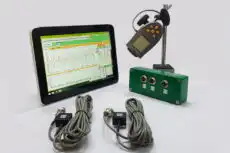
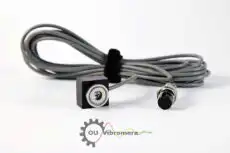
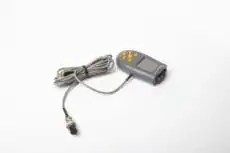
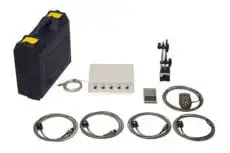

Peak hold ni hali ya kupima na kuonyesha katika vigeu vya mtetemo ambayo kifaa hufuatilia ishara inayoingia kila wakati na kuhifadhi thamani ya juu zaidi — au, kwa wigo wa mzunguko, amplitudo ya juu zaidi katika kila kikundi cha mzunguko — iliyopatikana wakati wa kipindi cha kupima. Kadri masomaji mapya yanavyofika, onyesho husasisha tu inapotokea kilele kipya; vinginevyo kilele cha awali “kinashikiliwa” na kudumu kwenye skrini. Matokeo ni bahasha ya juu zaidi inayokusanywa ambayo hunasa viwango vya juu zaidi vibration ambavyo mashine ilipitia, hata wakati viwango hivyo vilidumu kwa sehemu ya sekunde tu. Hii inafanya peak hold kuwa chombo bora cha kunasa hitilafu za kipindi, matukio ya mpito wakati wa kuanza na kusimama, na viwango vya hatari zaidi vilivyofikiwa chini ya hali tofauti za uendeshaji — matukio ambayo usomaji RMS wa kawaida ungehesabu kwa utulivu.
1. Ufafanuzi: Peak Hold ni Nini?
Vipimo vingi vya kawaida vya mtetemo huripoti thamani inayowakilisha typical tabia katika kipindi cha wastani — muhimu kwa ufuatiliaji wa mwelekeo, lakini haionani na mabadiliko ya muda mfupi. Peak hold inachukua mkondo kinyume: inakumbuka kiwango kimoja cha juu zaidi kilichoonekana tangu kipimo kilipoanza na haikubali kukisahau hadi inaposajiliwa upya. Kwa kuwa tukio la kudhuru linaweza kumalizika ndani ya millisekunde, falsafa hii ya “kukumbuka hali mbaya zaidi” ndiyo inayohakikisha kwamba mpito haukosekani wakati wa ufuatiliaji wa mara kwa mara au kukimbia kwa kukubalika kwa mara moja.
Hali hii inatumika sawa kwa usomaji mmoja wa jumla na kwa wigo wa frequency. Katika kesi ya pili, kila mstari wa wigo unashikilia kiwango chake cha juu zaidi huru, kwa hivyo mstari unaoonyeshwa ni bahasha ya amplitudo ya juu zaidi iliyofikiwa katika kila mzunguko — si picha ya wakati wowote mmoja. Hii ni muhimu sana kwa kunasa vipengele vya mzunguko vya mpito vinavyowaka kwa muda mfupi tu kwa kasi au mzigo fulani.
2. Jinsi Peak Hold Inavyofanya Kazi
Uendeshaji wa msingi
Algorithm ya msingi ni rahisi kwa makusudi — ulinganishaji unaoendelea:
- Kipimo cha kwanza: thamani ya kwanza ya mtetemo imerekodiwa na kuonyeshwa.
- Ulinganishaji unaoendelea: kila usomaji unaofuata unalinganishwa na kilele kilichohifadhiwa.
- Sasisha iwapo ni ya juu zaidi: iwapo thamani mpya inazidi kilele kilichohifadhiwa, inakibadilisha.
- Hold if lower: ikiwa thamani mpya ni sawa au chini ya kilele kilichohifadhiwa, kilele kilichohifadhiwa kinabaki kwenye onyesho.
- Kilele cha juu zaidi kilichokusanywa: matokeo ya mwisho ni thamani ya juu zaidi iliyoonekana tangu kipimo kilipoanza.
Matumizi katika wigo wa mtetemo
- Kushikilia kilele kunaweza kutumika katika wigo wote wa masafa, si kwa kiwango kimoja tu cha jumla.
- Kila kipande cha masafa kinashikilia kiwango chake cha juu zaidi kwa kujitegemea.
- Onyesho linakuwa bahasha ya amplitudo za juu zaidi katika masafa yote.
- Hii ni muhimu sana kwa kunasa vipengele vya masafa vya muda mfupi ambavyo vinaonekana kwa muda mfupi tu — kwa mfano wimbi la pembeni linalowaka wakati mashine inapopita kwenye resonansi.
3. Mahali Ambapo Kushikilia Kilele Kunathibitisha Thamani Yake
3.1 Kunasa matukio ya muda mfupi
Matukio ya muda mfupi yenye amplitudo kubwa ndiyo hasa ambayo kushikilia kilele kumejengwa kunasa:
- Kuanza / kuzima: vilele vya mtetemo wakati rotor inapopita kwenye kasi za muhimu, ambapo amplitudo inaweza kupanda kwa muda mfupi wakati wa run-up and coast-down.
- Load changes: mtetemo wa muda mfupi wakati mzigo unapoongezwa au kupunguzwa ghafla.
- Mabadiliko ya mchakato: mipigo ya mtetemo inayosababishwa na usumbufu wa mchakato.
- Matatizo ya kujirudia: hitilafu zinazokuja na kwenda, kama vile sehemu zilizo huru au rotor rub.
3.2 Ufuatiliaji wa hali inayobadilika
- Vifaa vya kasi inayobadilika: inakamata kiwango cha juu zaidi kilichofikiwa mahali popote katika anuwai ya mwendo.
- Mzigo wa mzunguko: inarekodia mtetemo mbaya zaidi wakati wa mzunguko wa mzigo.
- Hali zinazobadilika za mchakato: inabakisha viwango vya kilele katika mabadiliko ya uendeshaji.
- Kiwango cha juu zaidi cha muda mrefu: kiwango kimoja cha juu zaidi kwa wiki au miezi ya uendeshaji.
3.3 Upimaji wa kukubali mashine
- Endesha mashine katika anuwai yake kamili ya uendeshaji, kisha soma kiwango cha juu kilichobakishwa.
- Ubakishaji wa kilele unakamata mtetemo wa juu zaidi uliofikiwa katika hali yoyote wakati wa jaribio.
- Thibitisha kwamba kiwango cha juu hakikivunja vipimo vya kimkataba.
- Thamani iliyobakishwa inasimamia hali mbaya zaidi kwa rekodi ya kukubali — ingizo muhimu katika yoyote ripoti ya matangazo.
3.4 Ugunduzi wa hitilafu za mara kwa mara
- Hitilafu zinazojitokeza mara kwa mara tu na zingepotezwa na usomaji wa wakati mmoja.
- Vipande vilivyolegea vinavyotikisika mara kwa mara.
- Matatizo yanayotegemea joto ambayo yanaonekana tu mashine inapokuwa ya moto.
- Matatizo yanayotegemea mzigo ambayo yanaonekana tu chini ya kazi maalum.
4. Ubakishaji wa Kilele Ukilinganishwa na Njia Nyingine za Kipimo
Ubakishaji wa kilele ni chaguo moja kati ya kadhaa, na kuchagua sahihi ni muhimu. Tofauti zilizo hapa chini zinastahili kufafanuliwa — na inasaidia kuwa wazi kuhusu tofauti kati ya peak amplitude, peak-to-peak na RMS kabla ya kusoma data ya ubakishaji wa kilele.
Ubakishaji wa kilele dhidi ya RMS
- Peak hold: thamani ya juu kabisa; inakamata matukio ya muda mfupi (transients) na inaweza kuwa juu zaidi kuliko wastani.
- RMS: maudhui ya wastani ya nishati; inapuuza mawimbi ya muda mfupi na inawakilisha viwango vya kawaida.
- Relationship: peak hold daima ni kubwa kuliko au sawa na RMS; uwiano kati yao ni dalili ya kiasi gani cha migongano au shughuli za muda mfupi zilizopo (inahusiana kwa karibu na crest factor).
Peak hold dhidi ya kilele halisi
- Peak hold: holds the maximum over an extended period — minutes, hours or days.
- True peak: kiwango cha juu cha papo hapo ndani ya sampuli moja ya mawimbi, inayodumu sekunde chache tu.
- Consequence: peak hold inaweza kuwa juu zaidi kwa kiasi kikubwa, kwa sababu inakusanya kila tukio la muda mfupi katika kipindi chote badala ya rekodi moja fupi.
Peak hold dhidi ya wigo wa wastani
- Wigo wa peak-hold: amplitudo ya juu zaidi kwa kila mzunguko wa masafa katika mfululizo wa wigo mwingi.
- Wigo wa wastani: amplitudo ya wastani kwa kila mzunguko wa masafa, iliyohesabiwa kwa averaging vizuizi vya mfululizo.
- Use case: peak hold kwa ufuatiliaji wa matukio ya muda mfupi; uwezeshaji wa wastani kwa kuchimba mawimbi yanayorudiwa kutoka kwenye sakafu ya kelele.
5. Faida na Mipango
Advantages
- Inakamata matukio ya muda mfupi: haipotezi tukio lolote la muda mfupi na inarekodia kiwango cha juu hata kama ilitokea masaa mengi mapema — muhimu kwa matatizo ya vipindi.
- Hati ya kesi mbaya zaidi: inaonyesha mtetemo wa juu zaidi uliohisiwa, takwimu ya uhakika kwa madhumuni ya usalama na muundo inayothibitisha kwamba mashine ilikuwa ndani ya mipaka.
- Utekelezaji rahisi: algoriti ni nyepesi, inahitaji usindikaji mdogo, na inapatikana katika karibu kila kipimo cha kisasa na data collector.
Vikwazo na mazingatio
- Hakuna taarifa ya wakati: kuhifadhi thamani ya juu (peak hold) hairekordi when wakati ambao kilele kilitokea, kwa hivyo huwezi kuunganisha kilele hicho na hali mahususi ya uendeshaji wala kujua kama kilitokea hivi karibuni au wiki kadhaa zilizopita. Kurekodi muhuri wa wakati pamoja nacho husaidia.
- Unyeti kwa thamani potofu: mzigo mmoja wa kipekee usio wa kawaida — kosa la kipimo au mshtuko wa nje kwenye sensa — huendelea kuathiri thamani iliyohifadhiwa hadi iwekwe upya, na huenda isiwakilishe tabia halisi ya mashine.
- Huficha tabia ya wastani: mashine inaweza kufanya kazi kwa utulivu asilimia 99 ya wakati lakini ionyeshe thamani ya juu iliyohifadhiwa inayotia wasiwasi kutokana na tukio moja nadra; kuhifadhi thamani ya juu peke yake hakutoi picha ya uendeshaji wa kawaida, kwa hivyo inapaswa kutumika pamoja na, si badala ya, usomaji wa wastani.
6. Mbinu Bora
Lini kutumia kuhifadhi thamani ya juu
- Ufuatiliaji wa vifaa wakati wa mizunguko ya kuanza na kusimamisha.
- Mashine zenye kasi au mzigo unaobadilika.
- Matatizo yanayojulikana au yanayoshukiwa kuwa ya mara kwa mara.
- Majaribio ya kukubali yanayohusisha masafa yote ya uendeshaji.
- Ufuatiliaji wa muda mrefu (wiki au miezi) ili kunasa kilele kinachojitokeza mara chache.
Lini kutumia njia nyingine
- RMS / average: ufuatiliaji wa kawaida na trending ya viwango vya kawaida.
- Instantaneous: uchunguzi wa wakati halisi wa mtetemo unaoendelea.
- Min / max: wakati viwango vyote vya juu na vya chini kwa kipindi fulani vinapohitajika.
Njia ya pamoja
Mazoea bora zaidi ya kutoa taarifa ni kurekodi kuhifadhi thamani ya juu na RMS pamoja: kuhifadhi thamani ya juu kunaonyesha hali mbaya zaidi, RMS inaonyesha uendeshaji wa kawaida, na uwiano kati yao unapima kiwango cha shughuli za muda mfupi. Uoanishaji huu ndio msingi wa condition-monitoring programme.
Reset strategy
- Weka upya kumbukumbu ya thamani ya juu mwanzoni mwa kila kipindi cha kipimo kwa ajili ya ufuatiliaji mzuri wa mzunguko mahususi.
- Au weka kumbukumbu ya thamani ya juu ya muda mrefu kwa kuweka upya kwa makusudi kila mwezi au kila robo mwaka.
- Daima rekodi wakati thamani iliposasishwa upya mara ya mwisho; vinginevyo nambari iliyohifadhiwa haiwezi kufasiriwa kwa usahihi.
7. Kumbukumbu ya Thamani ya Juu katika Kazi ya Vitendo Uwanjani
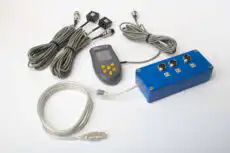
Katika kazi ya uwanjani, kumbukumbu ya thamani ya juu hubadilisha ziara ya haraka ya ukaguzi kuwa mtego wa mitetemo ya muda mfupi. Kichambuo cha kubebeka chenye njia mbili kama vile Balancet-1A kinaweza kuhifadhi thamani ya juu ya 1× amplitude wakati feni au pampu inaanzishwa hadi kasi, ili kilele cha muda mfupi kinachojitokeza rotor inapovuka msisimko wa resonansi kirekodiwe badala ya kupotea kati ya sampuli. Mara kasoro kuu inapotambuliwa — mara nyingi unbalance — kifaa hicho hicho kinatumika field-balance rotor katika beari zake mwenyewe na kuthibitisha matokeo, huku kumbukumbu ya thamani ya juu ikithibitisha kwamba hakuna mtetemo wa muda mfupi uliofichwa unaobaki wakati wa mzunguko wa kuanzisha baada ya usawazishaji. Ikitumiwa kwa njia hii, kumbukumbu ya thamani ya juu na kipimo cha hali ya kawaida vinakamilishana: moja inalinda dhidi ya wakati mbaya zaidi, kingine kinaelezea hali ya kila siku.

