Kuelewa Msongamano wa Wigo wa Nguvu


Msongamano wa wigo wa nguvu (PSD) inaelezea jinsi vibration energy is distributed across frequency, expressed as energy per unit of frequency bandwidth — units of (m/s²)²/Hz for acceleration or (mm/s)²/Hz for velocity. Where an ordinary wigo wa amplitude unaripoti amplitude iliyopo katika kila mzunguko, PSD inaripoti nguvu kwa kila hertz katika kila mzunguko wa masafa, iliyosawazishwa kwa upana wa bendi ya uchanganuzi. Kitendo hicho kimoja cha usawazishaji ndicho kinachompa PSD faida yake ya msingi: haitegemei FFT azimio linalotumika kuihesabu, hivyo wigo ulionaswa kwa mipangilio tofauti — au kwa vifaa tofauti — unaweza kulinganishwa moja kwa moja na kwa usawa.
PSD inafaa zaidi kwa mtetemo wa nasibu, ambapo nishati inaenea kwa kuendelea katika mhimili wa masafa badala ya kukusanyika katika mipiko michache ya kipekee. Ni lugha ya asili ya uchanganuzi wa kelele, kwa upimaji wa mazingira na uthibitisho, na kwa kazi yoyote inayohitaji maelezo ya wigo yasiyo tegemea upana wa bendi. Kwa upimaji wa kawaida wa hitilafu za mitambo, kwa upande mwingine, wigo wa amplitude unaojulikana kwa kawaida hubaki kuwa mwonekano unaofaa zaidi.
1. PSD dhidi ya Wigo wa Amplitude
Maonyesho mawili yanajibu maswali tofauti, na kujua lipi la kutumia lini ndilo nusu ya ujuzi.
Wigo wa amplitude
- Unaonyesha mtetemo amplitude katika kila mzunguko wa masafa, kwa vitengo vya kawaida kama vile mm/s, m/s² au mils.
- Unaonyesha mipiko mikali katika masafa ya kipekee — kutokuwa na usawa (unbalance) kwa 1×, sauti za hitilafu za pia (bearing), mchanganyiko wa meno ya gia — ambacho ndicho hasa kinachohitajika kwa utambuzi wa hitilafu.
- Thamani zake za mipiko zinaitegemea upana wa bendi ya azimio la FFT, hivyo mashine moja inaweza kusomwa tofauti kwa mipangilio tofauti.
- Mwonekano wa kawaida kwa utambuzi wa hitilafu za mitambo.
Msongamano wa wigo wa nguvu
- Shows vibration power per hertz of bandwidth, in units such as (mm/s)²/Hz or (m/s²)²/Hz.
- Inawakilisha usambazaji wa nishati katika masafa badala ya urefu wa mistari ya mtu binafsi.
- Haiathiriwi na upana wa bendi ya uchanganuzi — faida yake ya msingi.
- Maelezo ya kawaida ya mtetemo wa nasibu.
Uhusiano kati yao
PSD = (Amplitude)² / Δf, ambapo Δf ni azimio la masafa (upana wa seli).
Kukwaza mraba wa amplitude kunasisitiza vipengele vikubwa zaidi, na kugawanya kwa Δf kunaondoa utegemezi wa upana wa bendi. Upana wa seli wenyewe unawekwa na masafa na idadi ya mistari ya mabadiliko, uhusiano ambao kikokotoo cha azimio la FFT unaufanya wazi — na ambao unaeleza kwa nini Δf nyembamba zaidi huinua mipiko ya wigo ghafi wa amplitude lakini hauathiri PSD.
2. Matumizi ya PSD
Matumizi yanajikita katika michakato ya nasibu, nishati pana ya masafa, na haja ya kulinganisha.
Uchambuzi wa mtetemo wa nasibu
Hii ndiyo matumizi ya msingi. Michakato ya nasibu — mtiririko wa majimaji turbulence, msongo wa barabara, mtetemo wa seismic, msisimko wa akustika — hutoa wigo unaoendelea bila vilele mahususi, na PSD ndiyo maelezo sahihi ya takwimu ya jinsi nishati yao inavyosambazwa. Vipimo vya majaribio ya mtetemo vimeandikwa kwa PSD kwa sababu hii hasa.
Utambuzi wa kelele za masafa mapana
PSD hupata wazi matukio ya masafa mapana: cavitation kelele katika pampu, kelele za mtiririko wa msongo katika mashabiki, kelele za aerodynamic, na maudhui ya masafa mapana ya kelele kutokana na kasoro za beari ambazo mtazamo unaotegemea vilele unashindwa kufupisha.
Ulinganishaji huru wa upana wa bendi
Kwa kuwa PSD inagawanywa kwa Δf, inakuwezesha kulinganisha wigo uliochukuliwa kwa mipangilio tofauti ya FFT, data kutoka kwa vyombo au azimio tofauti, na rekodi za kihistoria zilizokusanywa chini ya vigezo vya uchambuzi ambavyo hakuna aliyevandika. Thamani za PSD zinaweza kulinganishwa moja kwa moja bila kujali upana wa bendi.
Majaribio ya mazingira na uthibitishaji
Maelezo ya majaribio ya mtetemo yanabainishwa kama PSD dhidi ya masafa, vidhibiti vya meza ya kishaker vinaratibu hadi lengo la PSD, na viwango vya uthibitishaji wa bidhaa na mtetemo wa msongo vimeandikwa kwa maneno yale yale — kufanya umahiri katika PSD kuwa muhimu kwa mtu yeyote anayefanya au kufasiri majaribio kama hayo.
3. Kuhesabu PSD
Hesabu inafuata moja kwa moja kutoka kwa ufafanuzi:
- Hesabu FFT ya ishara ya mtetemo.
- Piga mraba kila thamani ya amplitudi.
- Gawanya kwa azimio la masafa, Δf = Fmax ÷ idadi ya mistari.
- Matokeo ni PSD katika (vitengo)²/Hz.
Vitengo vifuatavyo kigezo cha msingi — PSD ya mwendo wa kasi in (m/s²)²/Hz or g²/Hz, velocity PSD in (mm/s)²/Hz or (in/s)²/Hz, PSD ya ukimya in (µm)²/Hz or (mils)²/Hz — and PSD is very often plotted on a logarithmic (dB-relative-to-reference) scale to span its wide dynamic range. Accurate PSD also depends on appropriate windowing na upigaji wastani wa data ya muda, kwa kuwa ishara za nasibu lazima zipigwe wastani kwa rekodi nyingi ili kutoa makadirio imara.
4. Kutafsiri Grafu za PSD
Umbo la mkondo wa PSD hubeba maana yake ya uchunguzi wa makosa.
- Wigo ulio tambarare (kelele nyeupe): PSD ya mara kwa mara kote kwenye masafa inamaanisha nishati sawa kwa kila hertz — alama ya mtetemo wa nasibu wa upana mpana wa kawaida, na wasifu wa lengo kwa majaribio mengi ya mtetemo wa nasibu.
- Wigo wenye mteremko (kelele ya rangi): PSD inayobadilika kulingana na masafa. Mteremko unaopanda huikusanya nishati kwenye masafa ya juu; mteremko unaoshuka huikusanya kwenye masafa ya chini, ambayo ni kawaida katika mitambo halisi.
- Peaks in PSD: sehemu maalum bado zinaonekana kama vilele vinavyosimama juu ya kiwango cha jumla, na resonances zinaonekana kama maeneo yaliyoinuliwa, hivyo wachangiaji wakuu wa nishati hubaki wazi hata ndani ya mandhari ya upana mpana.
5. Uhusiano na RMS na Nishati Jumla
PSD inaunganika moja kwa moja na vipimo vya ukali wa nambari moja ambavyo wahandisi wanategemea.
RMS = √[ ∫ PSD(f) df ]
Kuunganisha PSD katika masafa kamili kunazalisha thamani ya wastani wa mraba, na mzizi wake wa mraba ni jumla ya RMS — kiasi sawa ambacho zana kama kikokotoo cha kiwango cha mitetemo ya jumla hupata kutoka kwa wigo. Kuunganisha katika bendi nyembamba zaidi kunazalisha nishati iliyomo katika bendi hiyo peke yake, ambayo ni ya thamani kubwa kwa kuhukumu kiasi ambacho kila eneo la masafa kinachangia kwenye jumla. Mfumo huu wa takwimu pia ni msingi wa fatigue nadharia ya mtetemo wa nasibu: kutabiri maisha ya uchovu chini ya mzigo wa nasibu kunaanza kutoka kwa PSD, kama kikokotoo cha maisha ya uchovu illustrates.
6. Faida, na Wakati wa Kuchagua PSD
PSD’s ina nguvu tatu. Uhuru wa azimio huruhusu thamani kulinganishwa bila kujali mipangilio ya FFT, ukifanya uchambuzi kuwa wa kawaida kati ya vifaa mbalimbali na kwa data ya kihistoria ya miaka mingi. Uwakilishi wa nishati inamaanisha kwamba mkondo unaonyesha moja kwa moja jinsi nishati ya mtetemo inavyosambazwa, huku mraba ukisisitiza kwa asili masafa yanayotawala. Na mfumo wake wa takwimu unasaidia nadharia ya mtetemo wa nasibu, ukiwezesha uchambuzi wa uwezekano na utabiri wa uchovu wa nyenzo.
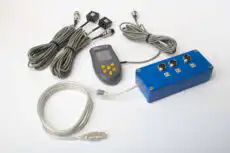
Chagua PSD unapochambua mtetemo wa nasibu au kelele, unapolinganisha data iliyokusanywa kwa upana tofauti wa bendi, unafuata maelezo ya jaribio yaliyoandikwa kwa PSD, unabaini sifa za mchakato wa upana-bendi, au wakati wowote uchambuzi unategemea nishati kimsingi. Endelea na wigo wa amplitude — au mbinu zinazohusiana kwa karibu za uchambuzi wa mawimbi — kwa uchunguzi wa kawaida wa mitambo, kwa kutambua masafa mahususi ya hitilafu, kwa kufuatilia sehemu maalum, na pale ambapo thamani ya amplitude yenyewe ndiyo nambari yenye maana. Katika usawazishaji wa kawaida wa uwandani na ufuatiliaji wa hali kwa kipimo-rununu kama vile Balancet-1A, wigo wa amplitude na amplitude-na-awamu ya 1× hubaki zana za kazi; PSD inaingia wakati swali linahamia kutoka “sehemu ipi ina hitilafu?” kwenda “nishati ya upana-bendi inasambazwaje, na inaweza kulinganishwa na data ya mwaka jana?”.
Wiani wa wigo wa nguvu (PSD) ni msingi wa uchambuzi wa mtetemo wa nasibu na njia pekee ya uaminifu ya kutoa maelezo ya wigo yasiyotegemea upana wa bendi. Ingawa ni nadra zaidi kuliko wigo wa amplitude katika uchunguzi wa kawaida, haiwezi kukosekana kwa mtetemo wa nasibu, uainishaji wa kelele, majaribio ya mazingira, na hali yoyote inayohitaji kulinganisha wigo uliokusanywa kwa vigezo tofauti vya uchambuzi au kwa vifaa tofauti.

