Kuelewa Mgusano wa Msuguano katika Mashine Zinazozunguka




Rubbing ni mgusano wa msuguano na mwendo wa kusogea wa kiasi kati ya vipande vinavyozunguka na visivyozunguka katika mashine. Neno hili linasisitiza kipengele cha msuguano unaoendelea cha mgusano wa rotari-hadi-steta, ukitofautisha kutoka kwa mgusano mwepesi, wa mara kwa mara au matukio moja ambayo pia yanaweza kutokea. Msuguano huu hutoa nguvu za msuguano, hutoa joto kubwa kupitia kazi ya msuguano, na hutoa vibration saini inayoongozwa na mzunguko wa nyuma, sub-synchronous components and thermal effects. It is one of the most dangerous faults a rotating machine can develop, because it can escalate to failure within minutes.
“Rubbing” na “rotor rub” mara nyingi hutumika kwa kubadilishana. Kiutendaji, rubbing huwa inasisitiza upande wa msuguano na joto la mgusano, huku rotor rub ikiwa neno pana zaidi linalohusu kila aina ya mgusano — kuanzia kukwaruzana kwa upole hadi mapigo makali.
1. Mechanics ya Msuguano wa Rubbing
Mfano wa Msuguano wa Coulomb
Rubbing inafuata kanuni za msuguano mkavu (Coulomb):
- Nguvu ya msuguano: F = μ × N, ambapo μ ni mgawo wa msuguano na N ni nguvu ya kawaida inayoshinikiza nyuso pamoja.
- Direction: nguvu ya msuguano daima hupinga mwendo wa jamaa kati ya nyuso zinazowasiliana.
- Mgawo wa kawaida: steel on steel μ ≈ 0.3–0.5; steel on seal material μ ≈ 0.2–0.4.
- Uzalishaji wa joto: kazi yote ya msuguano kimsingi hubadilishwa kuwa joto kwenye sehemu ya mgusano.
Nguvu za Msalaba na za Kawaida
Wakati wa mgusano, vipengele viwili vya nguvu huathiri rotori:
- Normal force: husukuma ndani kwa mwelekeo wa radial kwenye rotori mahali pa mgusano.
- Nguvu ya msuguano: hufanya kazi kwa mwelekeo wa msalaba, ikipinga mzunguko.
- Nguvu inayotokana: mchanganyiko huu huwa unapunguza kasi ya rotori na kuikengesha nyuma, kinyume na mwelekeo wa mzunguko.
- Ongezeko la torque: msuguano unapoteza nguvu, na kuongeza torque ya uendeshaji ambayo mashine lazima itoe.
2. Mifumo ya Tabia ya Mtetemo
Backward Whirl
Kipengele kimoja cha kipekee zaidi cha msuguano ni mwelekeo wa nyuma (kinyume) whirl:
- Nguvu ya msuguano huunda kipengele cha mseto kinachosukuma mwendo wa obiti nyuma.
- The shaft orbit nyaraka zinazopinga mwelekeo wa mzunguko wa shimoni.
- Mzunguko wa kuteleza kwa kawaida ni chini ya usawaziko — chini ya 1× ya kasi ya uendeshaji.
- Common frequencies appear at fractional orders: 0.5×, 0.33×, 0.25×.
- Umbo la obiti mara nyingi ni lisilo la kawaida au linaloonekana kupindukia.
Sifa za Spectrum
- Kilele cha sub-synchronous: vilele vingi chini ya 1×, mara nyingi katika harmoniki za sehemu.
- Kipengele cha usawaziko: the 1× synchronous kilele kinaweza kupanda kadri nguvu za msuguano zinavyoongezeka.
- Harmonics za juu zaidi: 2×, 3×, 4× harmonics hutokea kutokana na kutokuwa na ulinganifu wa msuguano wa mara kwa mara.
- Kelele isiyo na kuzuia: sakafu ya kelele katika wigo mzima spectrum lifts.
- Wigo usio thabiti: vilele huja na kuenda au kubadilisha mzunguko kutoka kipimo kimoja hadi kingine.
Vipengele vya Mawimbi ya Muda
- Matukio ya msukumo au mipigo kila wakati mgusano unapoanza, inayoonekana katika time waveform.
- Kukatika au kusawazika kwa kilele cha upotovu, ambapo steta huzuia mwendo kimwili.
- Umbo lisilo la kawaida, lisilo la mawimbi ya sinusoidal kwa ujumla.
- Mifumo ya mdundo inayotokana na mzunguko kadhaa unaoishi pamoja.
3. Madhara ya Joto ya Msuguano
Uzalishaji wa Joto
Msuguano hubadilisha nishati ya mitambo moja kwa moja kuwa joto:
- Rate: nguvu inayopotea ni sawa na nguvu ya msuguano × kasi ya kuteleza.
- Magnitude: mguso mwepesi unaweza kutoa watts 10–100; mguso mzito, kilowati.
- Concentration: joto hilo hutolewa kwenye eneo ndogo sana la mguso.
- Ongezeko la Joto: joto la uso wa ndani linaweza kuzidi 500 °C katika hali kali.
Ukuaji wa Upinda wa Joto
Hatari ya mgusano iko kwenye mzunguko wa maoni ya joto–mtetemo:
- Mgusano wa awali huweka joto upande mmoja wa shimoni.
- Joto lisilo sawa hupinda shimoni kuwa thermal bow.
- Upinda wa joto huongeza kupotoka kwa shimoni’.
- Kupotoka zaidi husababisha mgusano mkali zaidi.
- Mgusano zaidi huzalisha joto zaidi.
- Maoni haya chanya yanaweza kusababisha kushindwa kwa kasi, bila kudhibitiwa.
Kwa sababu kila zamu ya mzunguko huu huimarisha inayofuata, mgusano unachukuliwa kuwa aina ya vibration inayojigeuza na njia ya kuingia katika utendaji wa rotor.
Madhara ya Pili ya Joto
- Joto la beari: joto husambaa kwenye shimoni hadi kwenye beari.
- Uchakavu wa mafuta ya kulainisha: halijoto kupita kiasi huharibisha kilaini.
- Mabadiliko ya nyenzo: mabadiliko ya awamu au mabadiliko ya kimadini katika maeneo yaliyoathiriwa na joto.
- Dhiki ya joto: yanaweza kuanzisha nyufa katika maeneo yenye msongo wa joto.
4. Kugundua Mgusano wa Mzunguko (Rubbing) Kwenye Mtambo
Ufuatiliaji wa Mtetemo
- Tahadhari za chini ya kasi ya mzunguko (sub-synchronous): tahadhari kwa vipindi vikubwa katika 0.3–0.5× kasi ya uendeshaji.
- Ufuatiliaji wa mzunguko wa obiti: uchambuzi wa kiotomatiki wa obiti hugundua kuonekana kwa mzunguko wa nyuma (backward whirl).
- Mabadiliko ya wigo (spektrum): algoriti hugundua kuingia kwa ghafla kwa harmoniki nyingi.
- Kukatwa kwa mawimbi (waveform clipping): kugundua upotoshaji usio wa sinusoidal unaosababishwa na mgusano.
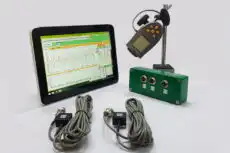
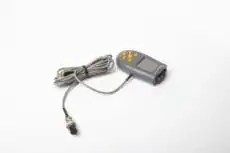
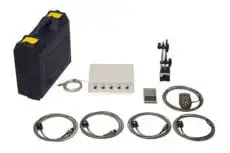
Kutambua mifumo hii ndiyo hasa kazi ya kipimo cha mkononi. Kikifanya kazi kwenye mabearing ya mtambo wenyewe kwa kasi ya uendeshaji, kifaa cha njia mbili kama vile Balancet-1A kinachukua wimbi la muda na ukubwa wa 1× na awamu, ili fundi aweze kuona kukatwa kwa msukumo na nishati ya oda ya sehemu inayoonyesha mgusano, kisha aangalie kama usawa mbaya uliobaki au misalignment ndio chanzo cha msingi kabla ya kufungua mtambo.
Ufuatiliaji wa Halijoto
- Bearing sensorer za joto zenye tahadhari za kupanda kwa kasi.
- Ufuatiliaji wa joto kwa infrared wa sehemu za shimoni zilizo wazi.
- Ufuatiliaji wa tofauti ya joto — juu dhidi ya chini ya bearing.
- Rate-of-change alarms, for example greater than 5 °C per minute.
Viashiria Vya Ziada
- Ongezeko la torque: matumizi ya nguvu huongezeka wakati mzigo wa msuguano unazidisha hamu.
- Mabadiliko ya kasi: mabadiliko madogo ya kasi kutokana na taka tofauti ya msuguano.
- Mawimbi ya akustiki: sauti ya masafa ya juu kutokana na mgusano, inayoweza kugunduliwa na kutolewa kwa sauti sensors.
- Ukaguzi wa kuona: vipande vya uchakavu, mabadiliko ya rangi na alama zinazoonekana za msuguano.
5. Kukabiliana na Msuguano wa Rotor
Hatua za Haraka
- Punguza ukali: punguza kasi au mzigo ikiwa ni salama kufanya hivyo.
- Fuatilia kwa makini: endelea kufuatilia mtetemo na joto mfululizo.
- Jiandae kwa kuzima mashine: kuwa na dharura shutdown ready.
- Zima dharura: simamisha mashine ikiwa mtetemo au joto linaendelea kuongezeka.
- Ruhusu upozaji: endesha gia ya kuzungusha au ruhusu upozaji wa asili kabla ya ukaguzi, ili upinzani wa joto uweze kupungua.
Investigation
- Kagua ushahidi wa kimwili wa mgusano.
- Pima nafasi za kuacha kwenye maeneo yanayoshukiwa kuwa na msuguano.
- Angalia upinzani wa joto au wa kudumu shaft bow.
- Tambua chanzo kikuu cha tatizo — mtetemo mkubwa, nafasi ndogo ya kutosha, na kadhalika.
Hatua za Kurekebisha
- Ongeza nafasi: saga maeneo yaliyoharibiwa au badilisha vipande.
- Shughulikia chanzo kikuu: kusawazisha rotor, rekebisha usawa wa mstari, shughulikia tatizo la beari lililokuruhusu mgusano.
- Badilisha sehemu zilizoharibiwa: muhuri, vipande vya beari na sehemu za shimoni kadri inavyohitajika.
- Thibitisha nafasi za kutosha: hakikisha nafasi ya kutosha katika kila eneo kabla ya kuanzisha tena mashine.
Msuguano ni moja ya kasoro kali zaidi zinazohusiana na mtetemo katika mashine zinazogeuka. Uwezo wake wa kupanda haraka kupitia maoni ya joto unahitaji utambuzi wa haraka, jibu la haraka na la utaratibu, na urekebishi kamili — kwa sababu mbadala, katika vifaa muhimu, ni kushindwa kwa uharibifu mkubwa.

